Matox News

Truth Over Trends, always!

UN warns: El Niño threat raises climate alert for the youth

The Earth’s climate system has reached a critical juncture, according to recent reports from the United Nations’ World Meteorological Organization (WMO). For the first time in recorded history, climate data indicates that our planet is fundamentally out of balance, with temperature anomalies, unpredictable weather patterns, and rising sea levels threatening both natural ecosystems and human societies worldwide. This stark reality underscores a turning point that could redefine geopolitical stability for decades to come.

Global leaders and environmental experts are sounding urgent alarms over the accelerating pace of climate change. The WMO’s data reveals that anthropogenic factors—particularly the relentless burning of fossil fuels, deforestation, and industrial emissions—have pushed the Earth’s climate well beyond historical variability. These shifts stimulate a cascade of consequences: increased frequency and severity of natural disasters, widespread displacement, and economic destabilization. Analysts warn that ignoring these warning signs risks unleashing a cycle of instability that could ripple across continents, threatening international peace and security. The United Nations continues to call for urgent multilateral action, but critics argue that existing commitments fall markedly short of the scale and urgency needed to mitigate the crisis.

Among the most alarming repercussions are the geopolitical impacts stemming from climate-induced upheaval. Displaced communities and resource shortages are fueling conflicts in vulnerable regions, further emphasizing the intersection of environmental and international security. In Africa and parts of Southeast Asia, already fragile states face the compounded stress of climate-related migration and economic disruption. Meanwhile, powerful nations—such as the United States, China, and Russia—are under increasing pressure to balance their own economic ambitions with the moral imperatives of climate stewardship. Many international organizations emphasize that leadership in this crisis will influence how history judges the global response or complacency, with some analysts predicting a possible realignment of global alliances based on climate resilience and resource control.

Historian and geopolitical analysts point out that history has often identified major environmental shifts as catalysts for large-scale change—sometimes violent, other times transformative. The Strategic Foresight Group warns that if current trends persist, nations may soon find themselves in a state of hyper-competition over dwindling resources, with the potential for conflict escalating amid scarcity. The international community faces the difficult dilemma of reconciling economic growth with ecological sustainability—an endeavor complicated by national interests, ideological divides, and economic dependencies. As climate negotiations continue to falter, the collective question persists: will humanity heed the warnings before the window for effective action closes completely?

In the grand scope of history, this pivotal moment carries a weight that cannot be overstated. As global leaders gather once more to discuss climate policies amid a backdrop of increasing chaos, the world may be approaching an inflection point—where decisions made today will either forge a path toward sustainability and resilience or plunge future generations into chaos. The narrative of this century is being written with each policy, each treaty, and each act of defiance or compliance. The question remains: will this be remembered as humanity’s finest hour of collective action, or as a grave warning ignored until it was too late?
Hawaii Warns Residents: Evacuate Now Amid Devastating Flood Crisis

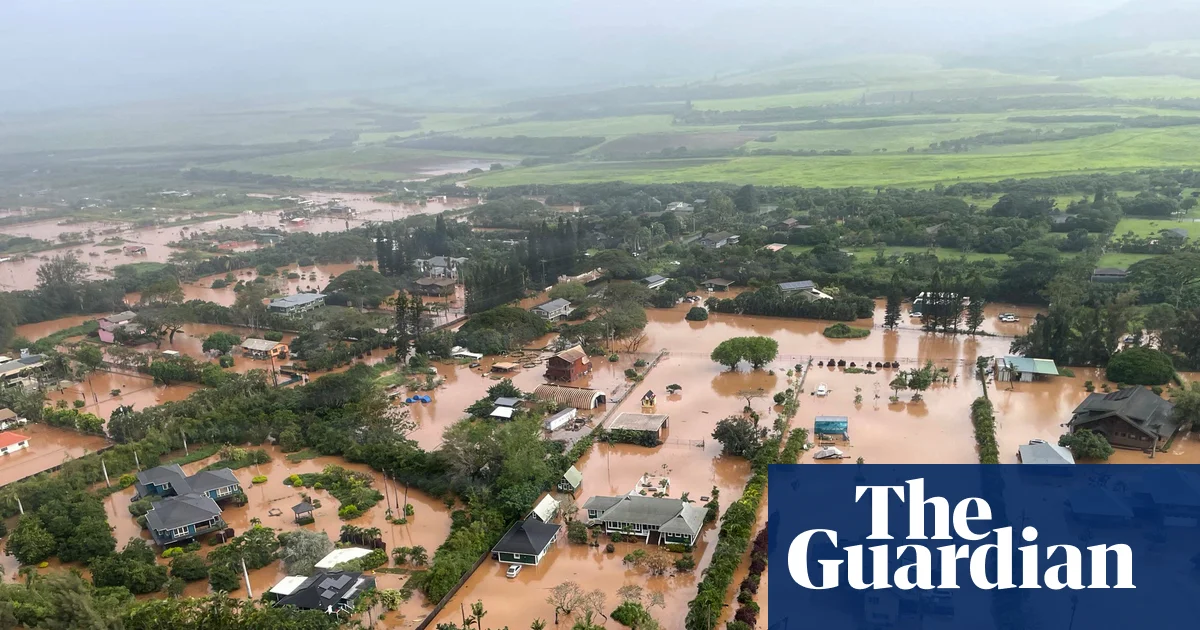
In a stark reminder of the escalating climate crisis, Hawaii is currently experiencing its most devastating flooding in over two decades. The recent deluge has left infrastructure in ruins and thousands displaced, highlighting the tangible impacts of climate change intensified by human activity. As heavy rains accumulated on already saturated soil—triggered by the persistent “Kona lows,” winter storm systems characterized by moisture-laden southerly winds—local officials issued urgent evacuation orders, urging residents to “leave immediately” from the most hazardous zones. This climate-driven disaster underscores not only the fragility of Hawaii’s environment but also the broader geopolitical implications, as the U.S. contends with increasing natural catastrophes that threaten its states’ stability and security.

The flooding has wreaked havoc across Oahu and Maui, causing extensive damage to homes, roads, and critical infrastructure. Officials estimate the financial toll may surpass $1 billion, impacting airports, hospitals, and local communities. The damage assessment remains incomplete, but what is clear is that the human and economic costs are mounting at an alarming rate. The distressing situation on Oahu’s North Shore—as residents watched muddy waters swallow once-pristine landscapes and livestock vulnerable in floodwaters—serves as a stark warning of the environmental tipping points being reached. Experts, including renowned climate analysts, argue that the increased frequency and severity of such events are irrefutable signs of global warming’s tangible impact, compelling nations to reassess their resilience strategies and international commitments.

This crisis also exposes the fragility of vulnerable infrastructure, such as the 120-year-old dam on Oahu which was flagged as being at imminent risk of failure. Emergency alerts warned of potential dam breaches, emphasizing how decades of neglect combined with extreme weather can rapidly turn into disasters. While the immediate focus is on rescue operations—more than 200 people rescued from rising waters—there is a deeper geopolitical storyline unfolding. The White House has announced federal support, but critics question whether U.S. authorities are adequately investing in climate resilience, especially in vulnerable regions like Hawaii. As the island state grapples with this natural catastrophe, it echoes a global warning: the increasing frequency of climate-induced disasters demands coordinated international action and robust infrastructure improvements. The aftermath will undoubtedly shape policy debates, pushing governments worldwide to confront the intertwined crises of climate, security, and economic stability.

History has shown that such natural disasters often precede geopolitical shifts—highlighting the importance of strategic foresight as nations watch climate chaos threaten their sovereignty and societal cohesion. As Hawaii’s landscape battles the fury of nature, the world is left to forge a new understanding of vulnerability and resilience—an urgent chapter in mankind’s ongoing struggle to adapt to a rapidly changing planet. With each rising tide and rushing flood, the weight of history presses down, reminding humanity that in the face of nature’s wrath, the choices made today will determine the legacy of future generations. The unfolding narrative will test the resolve of governments, societies, and individuals alike—an enduring testament to the profound influence of climate on the course of civilization.

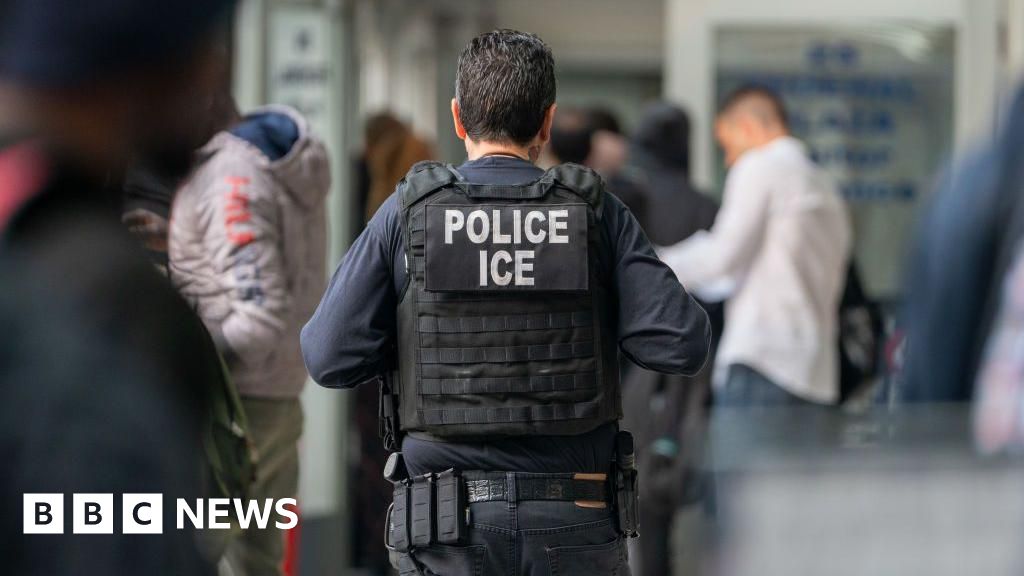
Trump warns: ICE deployment at airports if funding talks stall

Global Stability in the Crosshairs as US Government Shutdown Threatens International Order

Amidst rising geopolitical tensions, the recent partial United States government shutdown has ignited concerns far beyond American borders. The shutdown, triggered by congressional deadlock over budget negotiations, has resulted in essential services, including immigration enforcement and airport security, operating under strained circumstances. The U.S. president’s statement that ICE (Immigration and Customs Enforcement) will “do security” underscores the government’s prioritization of internal security amidst internal chaos, but also raises questions about the long-term stability of U.S. commitments worldwide.

International experts and analysts have emphasized that the shutdown’s impact extends beyond domestic borders, affecting U.S. diplomatic leverage and global security cooperation. The failure to fund critical agencies not only hampers the country’s ability to enforce immigration laws but also signals internal instability to allies and adversaries alike. Many observers point out that the shutdown erodes the confidence that nations around the world often rely on when engaging with the United States on security and economic issues. As noted historian Dr. Robert Langley warns, “such interruptions threaten the foundational trust inherent in the American-led security architecture.”

Furthermore, the decision to keep airport security operational despite the lapse in funding demonstrates the government’s prioritization of critical infrastructure, yet it also highlights the fragility of an institution that once stood as a symbol of stability. The consequences ripple outwards, especially in an era of rising geopolitical rivalries with China and Russia, where America’s global influence hinges on consistent, reliable engagement. The International Monetary Fund and various international watchdogs have voiced concern that prolonged governmental dysfunction could undermine the economic stability of emerging markets, which are increasingly intertwined with U.S. leadership.

Writers and analysts warn of the “turning point” this crisis represents; some suggest this could mark a more profound shift in global power dynamics.

  • The undermining of U.S. credibility
  • The erosion of domestic confidence in government institutions
  • Potential emboldening of regional adversaries

As international societies watch intently, the American government remains caught in a maelstrom of political contention and fiscal paralysis. The decision-making gridlock underlines the urgent need for reform, yet the stakes continue to rise as the world’s most powerful nation struggles to maintain its internal cohesion. The future remains uncertain; with each passing day, the threads of stability tighten, woven into the fabric of history — a chapter yet unfinished, written in the moments when the global balance teeters on the edge of transformation. The weight of history now bears heavily on the shoulders of those who hold power in Washington, as the world watches with bated breath, awaiting the next move in this unfolding narrative of global consequence.

UN Warns: Women and Girls Suffer Most from Global Water Shortages

The Hidden Cost of Water Shortages: A Societal Crisis

Across the globe, women and girls face the harshest consequences of water shortages and inadequate sanitation infrastructure. As the UN has recently highlighted, these issues are not merely environmental—they are deeply societal, affecting the fabric of families, education, and communities. In over 70% of rural households without access to mains water, women are compelled to spend countless hours—up to 250 million hours daily—gathering water. This burden not only erodes their time but also stunts their social and economic development, reinforcing patterns of gender inequality that sociologists like Ann Oakley have long criticized as a societal betrayal of women’s rights.

The climate crisis further worsens these disparities, as rising temperatures disproportionately threaten female-headed households’ incomes while increasing their weekly labor hours. The UN’s recent report underscores how these environmental impacts are intertwined with social issues, causing poorer health outcomes, diminished educational prospects for girls, and greater food insecurity—an insidious cycle that undermines the stability of entire communities. Sociologist Michael Grossman emphasizes that such social determinants of health are critical, with access to basic resources functioning as the foundation of societal resilience.

Access to clean water and sanitation isn’t just a matter of infrastructure; it’s a moral imperative. The World Water Development report reveals a startling lack of gender-disaggregated data, yet the evidence of women’s disadvantages in water access is undeniable. For adolescent girls, limited sanitation options mean missed school, lost employment opportunities, and social exclusion. Meanwhile, fewer than 20% of water utility workers are women, a figure that highlights the ongoing gender gap within essential service sectors. Advocates like Helen Hamilton argue that these disparities fuel gender-based violence and health crises, especially during childbirth, which further debilitates women’s roles within their families and communities. As social norms continue to undervalue women’s contributions, societal progress stalls, and the cycle of inequality deepens.

Addressing this crisis requires concerted efforts from governments and international organizations.

  • Implementing gender-sensitive water management policies
  • Collecting comprehensive, sex-disaggregated data
  • Ensuring equal participation in decision-making processes

These are not just technical solutions—they are moral imperatives that impact the very heart of social justice. As Parvin Ngala and others emphasize, the economic opportunities for women are almost impossible to realize when harmful societal norms exclude them from essential resources. Society’s strength depends on recognizing that **when women have equitable access to water and sanitation, everyone benefits**.

As society stands at a crossroads, these water-related injustices serve as a stark reminder: the path toward a more just and resilient future demands not only technological change but moral awakening. Society must grapple with its own failures and embrace the challenge of transforming its social fabric—so that hope can once again flow freely, like water, nurturing every family and community into a resilient future.

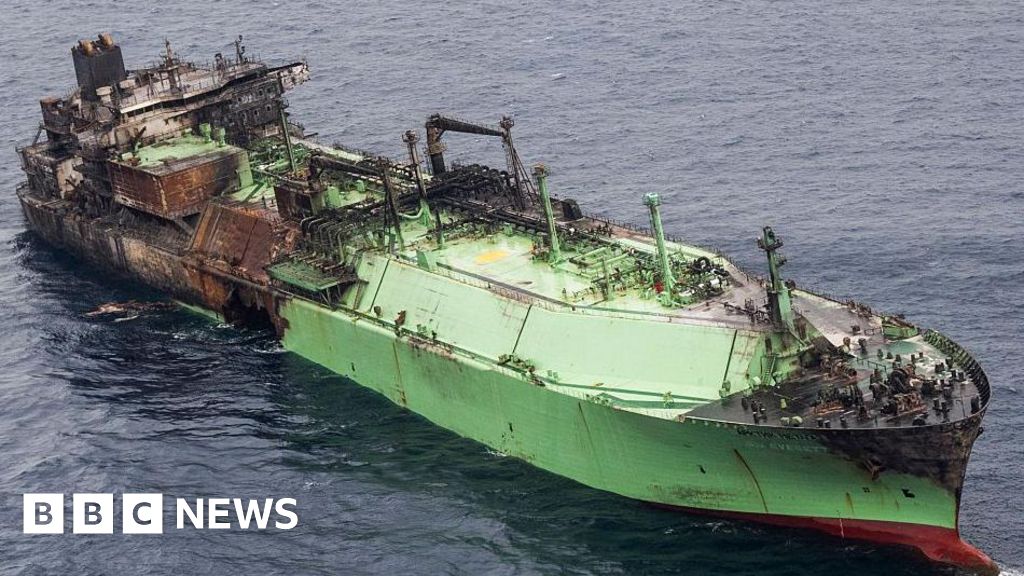
Italy warns Arctic Metagaz Russian tanker may blow up in Mediterranean, raising security alarms

In recent weeks, the international security landscape has witnessed a troubling escalation of maritime conflicts that underscore a rapidly shifting geopolitical environment. According to reports from Ukrainian security services, notably the Security Service of Ukraine (SBU), three vessels operating in the Black Sea have been targeted, with catastrophic consequences. The most alarming of these incidents involved the vessel Dashan, which was reportedly subjected to “critical damage” — a stark indication that the maritime domain is becoming an increasingly contested and dangerous arena amidst ongoing hostilities in Eastern Europe.

Less than two weeks after these Black Sea attacks, a new incident emerged in the Mediterranean Sea: the oil tanker Quendil was hit, raising questions about the broader scope of maritime destabilization. Experts from various international organizations have pointed to these targeted assaults as a strategic move that complicates the balance of power in vital global shipping corridors. Experts like geopolitical analysts and military strategists warn that such covert assaults could not only disrupt global energy supplies but also serve as provocations meant to test the resilience of international maritime law and security arrangements. The United Nations and NATO have both expressed concern, yet the incidents reveal a more complex chessboard where traditional alliances are strained by emerging conflicts and asymmetric tactics.

The significance of these attacks goes beyond the immediate damage to vessels; they represent a deliberate attempt to reshape regional security dynamics. Some analysts argue that these strikes are part of a broader campaign to establish new influence zones in strategic choke points, where ongoing tensions involve Russia, Ukraine, and NATO members. The targeted vessels, often seen as symbols of international commerce, are now also tangible symbols of the **vulnerabilities** that global maritime trade faces in an era of hybrid warfare. According to historians specializing in modern conflicts, these incidents mark a *turning point* in the use of unconventional methods to project power and unsettle economic stability across major sea routes.

How the international community reacts to these provocations will profoundly shape the future of global security architecture. The European Union, U.S., and Russia are under intense scrutiny, with some voices warning that failure to contain these maritime strikes could trigger wider escalation. The Nord Atlantic Treaty Organization (NATO) has signaled readiness to bolster maritime defenses, but critics suggest that existing frameworks are ill-equipped for the asymmetry of modern hybrid threats. As maritime authorities and intelligence agencies scramble to identify perpetrators, the broader question looms: **are we witnessing a new phase of conflict where the seas become battlegrounds for geopolitical dominance?**

In the shadows of these escalating tensions, history reminds us that conflict on the seas often foreshadows larger regional upheavals. As ships vanish or are damaged in remote waters, the echoes of past maritime crises linger—reminding everyone that these waters are more than just routes for commerce; they are the arteries of power. How nations respond in the coming weeks will determine whether this chapter in maritime warfare remains isolated or morphs into a broader, more intense confrontation that could threaten global stability — a story still being written by the relentless currents of history itself.

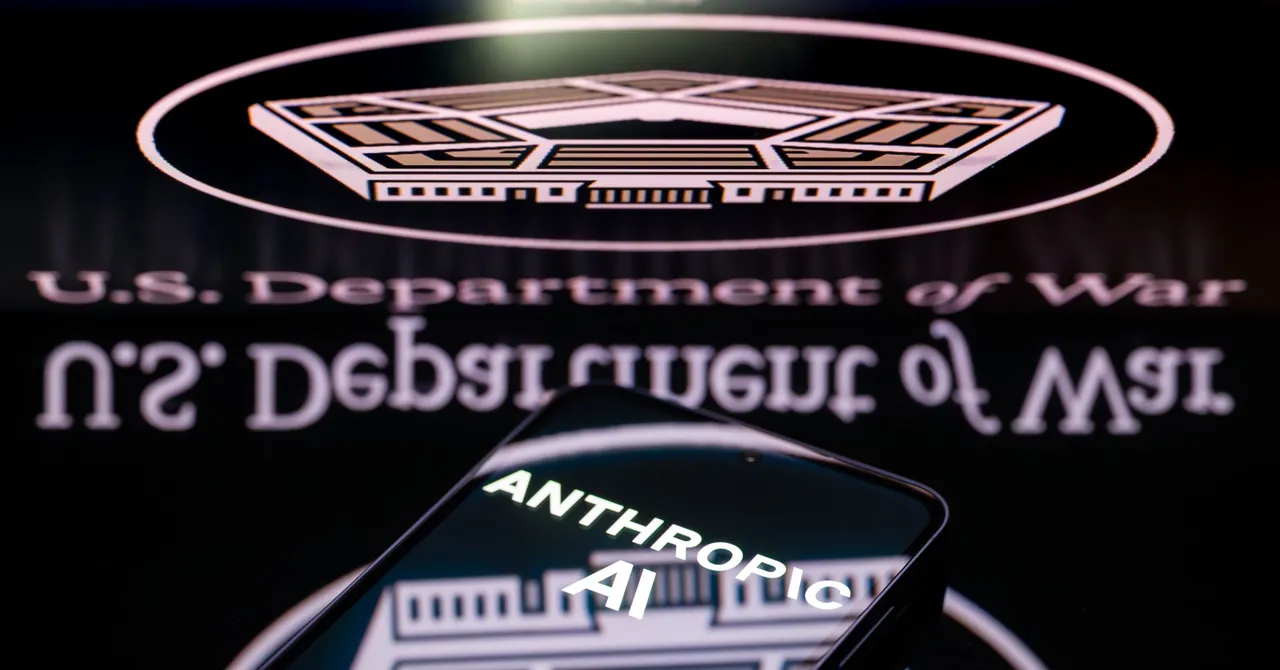
Justice Dept Warns Anthropic on Warfighting Systems—Not to Be Trusted

Shaping the Future: The Battle Over AI, National Security, and Innovation

The current legal clash between Anthropic and the Trump administration marks a pivotal moment in the evolution of AI regulation, set against the backdrop of national security and technological disruption. As the government seeks to classify Anthropic as a supply-chain risk, the outcome could redefine how emerging AI companies interact with government contracts and national cybersecurity protocols. The administration’s assertions that this move is rooted in safeguarding secure systems underscores the growing complexity of integrating cutting-edge AI into defense infrastructure, where innovation must be balanced against security risks. The legal dispute actively captures the attention of industry leaders and policymakers, signaling that the intersection of AI innovation and government oversight is entering uncharted territory, with significant implications for future business models and strategic investments.

The core of the controversy revolves around Anthropic’s AI models, notably Claude, which the Pentagon relies on for critical applications like data analysis and defense planning. The government contends that AI systems, especially those from emerging firms like Anthropic, pose unacceptable security risks because of their potential vulnerability to manipulation or sabotage during warfare operations. The US Department of Justice emphasizes that no constitutional protections, such as First Amendment rights, grant companies carte blanche to dictate how government agencies employ their technologies. This stance demonstrates an explicit shift toward prioritizing national security over corporate autonomy, a move that could accelerate government-driven AI procurement from domestic and international competitors like Google, OpenAI, and xAI.

Disruption in Defense Tech and Business Dilemmas

This legal confrontation exemplifies the broader technology disruption threatening traditional defense procurement channels. As the Pentagon accelerates efforts to replace Anthropic’s AI with solutions from ChatGPT and Bard-like models from Google and OpenAI, industry insiders see this as a potential market shake-up. The decision to restrict Anthropic could catalyze a wave of rapid innovation amidst tighter security protocols, forcing AI startups to reevaluate risk management strategies and security assurances. Furthermore, this case underscores a shift in Pentagon policy—moving from reliance on a few trusted contractors to embracing a broader array of options. Such strategic diversification aligns well with insights from Gartner analysts, who warn that government alliances with emerging AI firms are more volatile but crucial avenues for disrupting established defense markets.

  • Increased scrutiny on AI supply chains, emphasizing security
  • Potential for accelerated adoption of AI from giants like Google and OpenAI
  • Legal precedent shaping AI governance in security-sensitive domains
  • Market implications for startups seeking defense contracts, emphasizing compliance and security innovations

Looking Forward: Disruption, Urgency, and Strategic Imperatives

Industry leaders like Elon Musk and Peter Thiel have long emphasized the strategic importance of AI as a driver of global dominance. This case represents a critical juncture where innovation and disruption are colliding with regulatory and security imperatives. The coming weeks will be decisive: approvals or bans could either catalyze a new era of proprietary AI development for defense or trigger a flurry of regulatory crackdowns on emerging AI innovators. The urgency is palpable—AI is no longer just a commercial tool but a strategic asset in modern warfare, with national security stakes elevating AI regulation into a battleground for technological supremacy.

As the Pentagon scrambles to deploy AI solutions from more established companies, the industry must adapt swiftly, prioritizing transparent security protocols that meet government expectations. On the horizon lies a landscape where disruption is fueled by relentless innovation and a fierce competition for dominance in the AI-driven security paradigm. For entrepreneurs, investors, and policymakers alike, the message is clear: the future belongs to those ready to navigate this treacherous, but opportunity-rich, frontier—facing head-on the challenge of safeguarding sovereignty while unleashing the true potential of artificial intelligence.

Top US Counterterror Chief Quits Over Iran War, Warns Trump to Change Direction

Recent statements by National Counterterrorism Center Director Joe Kent have reignited debates surrounding the origins of America’s ongoing conflicts in the Middle East. Kent claims that former President Donald Trump “started this war due to pressure from Israel and its powerful American lobby,” casting new light on the complex web of international influence that shapes U.S. foreign policy. These remarks serve as a stark reminder that decisions made at the highest levels often have profound and lasting geopolitical consequences, influencing the stability and security of nations far beyond America’s borders.

This assertion prompts a reassessment of how external pressures from special interest groups and foreign allies can sway American policy, especially in volatile regions like the Middle East. Historians and analysts have long debated the extent to which domestic lobbying impacts presidential decision-making. According to the International Institute for Strategic Studies, such influence often steers war efforts in directions that may prioritize geopolitical interests over national security, leading to prolonged conflicts with difficult resolutions. While the precise instances and motivations behind Trump’s policies remain contentious, the broader discussion underscores an enduring question: how much of America’s foreign engagements are genuinely driven by national interest versus external pressures?

In addition to domestic debates, this revelation has significant geopolitical impact. The Middle East, a nexus of geopolitical rivalries, remains deeply entwined in U.S. foreign policy calculations. The region’s long history of conflict has been compounded by decisions influenced by external lobbying, which in turn alters alliances and military commitments. International organizations, such as the United Nations, warn that such external pressures could exacerbate regional instability, heightening risks of escalation and long-term unrest. Moreover, the implications for societies within these nations are profound: prolonged military interventions often lead to human suffering, economic devastation, and the destabilization of entire communities.

The role of powerful lobbies and allies remains a contentious subject. Critics argue that when foreign interests dictate policy, it undermines the sovereignty and self-determination of the nations involved. Such influence often results in policies that favor external actors at the expense of long-term peace and stability. As international political analysts caution, the potential for these decisions to ignite broader conflicts remains a lingering threat. Considering the recent revelations, many are urging policymakers to examine how external pressures shape decisions on the global stage, with some foreseeing a future where conflicts are prolonged by external interests rather than national security needs.

As history continues to unfold, the weight of past decisions remains etched into the fabric of global politics. The question persists: will future generations view these moments as the turning points where geopolitics was manipulated for short-term gains, or as lessons that could usher in a new era of sovereignty and genuine peace? The ongoing debate invites citizens, leaders, and international observers alike to scrutinize the true drivers behind the conflicts that define our era. In a world teetering on the edge of new alliances and ancient rivalries, the final chapters of this complex story are yet to be written—and the shadows of history cast their long, uncertain gaze upon our future.

RBA Raises Rates, Won’t Let Recession Hit Australia, Bullock Warns

The Reserve Bank of Australia has announced a significant increase in its interest rates, signaling a firm stance against persistent inflation amid a backdrop of international turmoil. The central bank lifted the cash rate target to 4.1%, erasing previous relief measures last year, and left room for additional hikes in the future. Michele Bullock, the RBA governor, emphasized that robust employment growth and ongoing consumer spending continue to exert upward pressure on prices. While rising petrol costs contributed to inflationary concerns, Bullock clarified that the primary drivers remain the excess demand within the economy and price volatility linked to Iran’s ongoing conflict.

This decision signals a cautious yet assertive approach by Australia’s monetary authorities, driven by a broader international trend among central banks facing the specter of inflation. Unlike the United States, United Kingdom, and the European Union, which anticipated holding their rates steady, the RBA opted for a rate hike, highlighting Australia’s unique vulnerability to both domestic economic momentum and geopolitical instability. The ongoing war in Iran has aggravated fears of fuel shortages and higher energy costs globally, adding fuel to the inflationary fire. The World Bank and international analysts warn of the potential for the conflict to ripple across markets, amplifying inflationary pressures while complicating policy responses.

The Middle East conflict, particularly the escalation in Iran and the broader regional destabilization, has sharpened the geopolitical stakes. With global crude oil supplies threatened, energy-importing nations like Australia find themselves caught in a tightening vise: inflationary prices rising alongside a resilient labor market. The Australian Treasury and security analysts concur that the developing regional crisis will likely exacerbate inflation, forcing central banks to enact more aggressive monetary tightening. Meanwhile, Jim Chalmers, the Australian treasurer, acknowledged that the regional conflict has worsened inflation challenges, emphasizing ongoing fiscal measures to mitigate household and business impacts. These international shifts underscore the fragility of economic recovery in an era increasingly defined by geopolitical volatility.

Some experts argue that Australia’s rising rates are a warning sign for the global economy — a sign that the era of easy monetary policy is definitively waning. Dr. Brendan Rynne, chief economist at KPMG, warned that economic activity in Australia was already vulnerable before the regional conflict, and recent rate hikes merely accelerate the risks. The narrow vote within the RBA—five in favor of raising rates and four against—illustrates the delicate balancing act policymakers face: curtailening inflation without triggering a recession or soaring unemployment. As history marks a pivotal point, the financial future remains uncertain, yet the heavy hand of geopolitics continues to impact the economic fabric of nations worldwide. The decisions made today will echo through generations, shaping the resilience of societies in a world where the shadows of war threaten to unravel economic stability.

English women report feeling pressured during maternity care, charity warns

Addressing the Erosion of Informed Consent in Modern Maternity Services

In recent reports, the disturbing reality of coercive practices within maternity care has come to the forefront, exposing a troubling gap between medical standards and the lived experiences of many women. The charity Birthrights gathered testimonies from 300 individuals across England, revealing how authoritative language and systemic pressures undermine a woman’s *basic right* to make informed decisions about her body and her childbirth experience. These reports serve as a stark reminder that the fabric of equitable and respectful healthcare is fraying, especially for vulnerable communities.

One recurring theme, highlighted by women such as Megan Rogerson from Hull, indicates that mothers often feel pressured or coerced into medical procedures like caesarean sections, without clear explanations or genuine consent. Rogerson’s account of being scheduled for a C-section during her second birth, with no prior discussion, exemplifies a systemic failure to uphold patient autonomy. Such practices erode the trust between families and healthcare providers, impacting not only individual wellbeing but also broader societal perceptions regarding respect for human rights, especially among marginalized groups. When families lose confidence in the system, the societal ripple effects threaten the cohesion and moral fabric of our communities.

The Roots of Coercion and Its Impact on Society

The racial disparities and social inequalities in maternity care further complicate this picture, with Hazel Williams, CEO of Birthrights, emphasizing that Black and Brown women face the highest risks of rights violations and loss of bodily autonomy. These disparities mirror historic societal inequities that sociologists and historians have long studied: systems of marginalization create persistent barriers, undermining the fundamental ethical principle that all women should receive personalized and respectful care. The consequences transcend individual health; they threaten societal trust in institutions and deepen the cycle of inequality.

Organizations like the Royal College of Obstetricians and Gynaecologists acknowledge these systemic issues, advocating for more investments in training to ensure that medical staff are equipped to support genuine informed choice. Without this, societal instability persists, as families see their hopes for safe, respectful, and equitable care dashed by systemic shortcomings. It is a moral imperative, as Dr. Alison Wright asserts, that healthcare not only be safe but respectful of individual voices and rights, fostering a culture where bodily autonomy is sacrosanct and protected.

Rebuilding Trust and Cultivating a Society of Respect

The challenge now lies in transforming these systemic issues into opportunities for societal renewal. Addressing cultural shifts and demographic changes requires concerted effort from policymakers, healthcare leaders, and communities alike. The goal must be to rebuild trust — to create an environment where families feel empowered rather than intimidated, where informed consent is a true standard, and where every child’s right to a safe and dignified beginning is protected. Investing in cultural competence, increasing transparency, and holding institutions accountable are steps in the journey towards societal healing.

As history teaches, societal change often begins with the recognition of its deepest wounds. In this moment, society stands at a crossroad: continue down a path of neglect and systemic injustice, or forge a new path towards respect and justice. The hope lies in the possibility that future generations will look back on this era not with shame, but with pride — knowing that society chose to listen, to reform, and to heal its most vulnerable members. The challenge is monumental, yet within it lies the potential for a society more aligned with its highest ideals of dignity, respect, and human rights.

Iran War Could Hit Global Food Supplies, Fertilizer Exec Warns

In a striking warning to the international community, Svein Tore Holsether, CEO of the prominent Norwegian fertiliser giant Yara International, has sounded the alarm over the profound geopolitical impact of the ongoing conflict involving Iran. As the war drags on, it threatens to unleash a cascade of disruptions across the global food system, especially in regions already vulnerable to hunger and economic instability. Holsether’s comments highlight a critical juncture, emphasizing that the conflict’s regional tinderbox status could ignite a worldwide food crisis, if decisive international measures are not swiftly implemented.

The core of the crisis lies in the vital raw materials used in fertiliser production, predominantly sourced from the Gulf region. Since the conflict erupted two weeks ago, prices for key components like urea and ammonia have skyrocketed, with urea soaring from $487 to $700 per tonne. This surge, driven by the blockade of Gulf ports and the turmoil in Iran and Qatar, has slashed supply lines—constituting roughly a third of the world’s urea and a quarter of globally traded ammonia. As Holsether underscores, cutting off these critical supplies could reduce crop yields by up to 50%, jeopardizing the harvests of staples such as potatoes and cereals in Europe and beyond. The economic and nutritional impacts threaten to cascade into a broader famine scenario for impoverished nations, especially in Africa and Asia, where reliance on imported fertiliser is higher.

Adding to the crisis is the skyrocketing price of natural gas, fundamental for synthesizing nitrogen in fertiliser production. Holsether notes that gas prices have increased exponentially, forcing production cuts in key regions like Iran and Qatar while prompting Asian governments to ration supplies. This double impact—limited raw material availability and inflated energy costs—puts the entire global fertiliser industry on a fragile brink. The United Nations and numerous analysts warn that these disruptions are not confined to economic repercussions alone but threaten to dismantle the very fabric of global food security. As international institutions scramble to assess the potential for famine and social unrest, the message from many experts is clear: the world must act quickly before hunger becomes an unmanageable specter in the developing world.

The geopolitical impact of these events extends beyond mere economics, challenging longstanding alliances and regional balances of power. Europe, with its significant purchasing power, may outbid less wealthy nations, exacerbating inequalities and fueling international tensions. Countries like India and South East Asian nations are already considering gas rationing and stockpiling, foreshadowing a potential global scramble for vital resources. The discourse among historians and geopolitical analysts emphasizes a sobering reality: this conflict could reshape international trade and diplomatic relations for decades to come. As the attack on Iran persists, policymakers stand at a crossroads—whether to escalate the conflict or seek pathways toward de-escalation, understanding that the decisions made today will echo in the crises of tomorrow.

As the dust of this geopolitical upheaval begins to settle, if it ever does, history will remember this chapter as a defining moment—one where choices made amid the turmoil could either forge a more resilient global order or plunge humanity into an unanticipated era of scarcity and unrest. The fragile threads that bind global stability are stretching ever thinner, and in the shadows of this unfolding story lies a stark reminder: history’s weight is gathering, and the future remains unwritten—yet every day’s decision shapes the next wave of history’s relentless tide.

Social Media Auto Publish Powered By : XYZScripts.com