Matox News

Truth Over Trends, always!

Trump threatens strikes, demands Iran’s deal within 15 days — US warns Tehran

Rising Tensions and Strategic Movements: US Preparedness in the Middle East

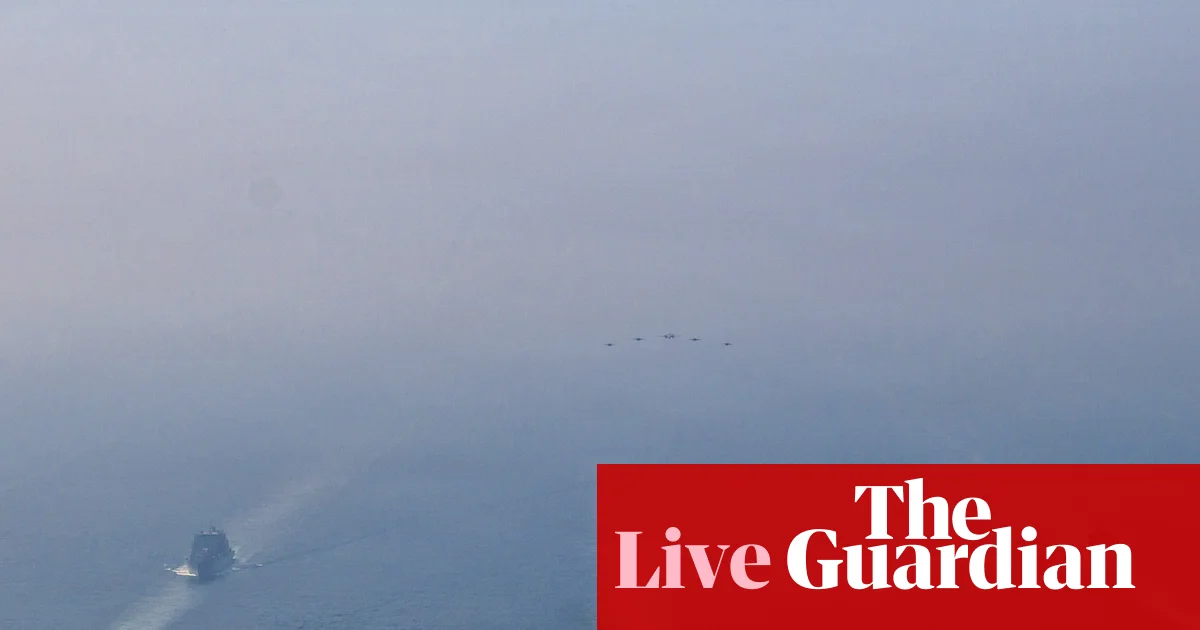
In a clear demonstration of shifting geopolitical tides, the United States has amassed an unprecedented military presence in the Middle East. The deployment of the USS Abraham Lincoln aircraft carrier, along with an entire strike group equipped with F-35 Lightning IIs and F/A-18 Super Hornets, signals a readiness to escalate military options against Iran. For nearly a month, these naval forces have operated in the Arabian Sea, indicating a deliberate strategic posture aimed, analysts suggest, at exerting maximum pressure on Iran. Complementing this buildup, a second carrier, the USS Gerald R Ford, has been positioned in the Atlantic near Morocco, scheduled to traverse the Strait of Gibraltar en route to the eastern Mediterranean—a move that signals a potential for sustained air campaigns against key targets.

This military reinforcement coincides with recent comments by Donald Trump, publicly asserting a two-week ultimatum for Iran to negotiate on its nuclear program. Sources reveal that high-level discussions in Washington have circled around not only limited strikes targeting military or governmental sites but also the possibility of larger-scale operations aimed at dismantling Iran’s nuclear capabilities or even precipitating regime change. Military strategists within the Pentagon have emphasized that these carrier strike groups could generate “several hundred strike sorties a day for weeks,” exceeding even the intensity seen during the brief 12-days war in the Gulf. The precise intentions remain under wraps, yet the message to Tehran is unmistakable: the U.S. is prepared for a decisive escalation if diplomatic efforts falter.

Global Repercussions and the Balance of Power

The geopolitical impact of this military posturing extends far beyond regional borders. Historically, the presence of such formidable naval forces signifies more than mere deterrence; it signals America’s unwavering commitment to safeguarding its strategic interests and allies, particularly Israel. According to analysts from institutions like the Institute for the Study of War and the American Enterprise Institute, the deployment of forces—combined with intelligence movements such as the transfer of six E-3 Sentry Awacs aircraft to Prince Sultan Airbase in Saudi Arabia—indicates a readiness to launch an extensive aerial campaign. This potential for rapid escalation could destabilize the region further, risking wider conflict or drawing previously uninvolved nations into the swirl of wartime politics.

Notably, some military experts warn that the mere show of force might inflame tensions rather than resolve underlying issues. Several senior analysts contend that, given Iran’s robust underground facilities and asymmetric warfare strategies, conventional bombing could prove less effective and more destructive of regional stability. Yet, the Biden administration’s continued military buildup, reminiscent of the post-Iraq invasion surge, hints at an underlying resolve to influence Iran’s nuclear trajectory through maximum pressure. The broader geopolitical ripple effect will likely be felt across energy markets, NATO alliances, and the global balance of power, as nations recommit to the narrative of American dominance and interventionism.

Historical Warnings and the Fragile Path Forward

According to historians and diplomatic experts, the prolonged cycle of threats and military movements carries profound warnings. Since the 2003 Iraq conflict, the Middle East has been a theater where power decisions ripple into prolonged instability—consequences that nations and societies continue to grapple with. The current show of force, framed by some as a “prelude to conflict,” echoes Cold War dynamics and raises questions about the efficacy of military solutions in a complex geopolitical landscape. International organizations have urged restraint, concerned that an ill-judged attack could unleash chaos, destabilize nuclear negotiations, and threaten global energy supplies.

As the world watches the unfolding drama, the weight of history remains heavy on the horizon. Whether diplomatic negotiations will succeed or whether the specter of war will deepen, the decisions made today could define an era. With each carrier deployment and political declaration, a new chapter in the ongoing contest for influence is written—one where the boldest actions might yet carve a scar on history’s fabric, a reminder that in international politics, peace is often a fragile vessel, easily shattered by the weight of impending war.
Trump warns Iran: 10 days to seal deal or face serious consequences

The United States has recently initiated a significant military deployment to the Middle East, signaling a shift in both regional security dynamics and global strategic calculations. This move comes amidst high-stakes negotiations with the Islamic Republic of Iran over its contentious nuclear program. As diplomatic channels strain under the weight of decades-long mistrust, this military reinforcement underscores a broader narrative: the contest for influence and control in an already volatile region is intensifying, with worldwide implications.

The decision by Washington to escalate military presence is viewed by many analysts as a response to recent advancements in Iran’s nuclear capabilities, despite ongoing negotiations seeking a diplomatic resolution. According to experts such as Dr. James Steele, a senior analyst at the International Security Institute, “This surge of forces signals America’s readiness to project power and deter Iran from progressing further towards nuclear armament, which could destabilize entire regions.” The move also aims to reassure regional allies like Israel and Saudi Arabia, which have long expressed concerns about Iran’s regional expansionism and nuclear ambitions. The renewed military presence in key strategic locations around the Persian Gulf has consequently sent ripples through international markets, affecting oil prices and geopolitical alignments.

Historically, such troop movements often serve as a precursor to broader conflict or a reaffirmation of strategic commitments. In this instance, the decision comes at a critical juncture—as diplomacy remains fragile and trust diminishes. The United States is not acting in isolation: its allies in NATO and the Gulf Cooperation Council are watching closely, hinting at a potential escalation in regional security dilemmas. Meanwhile, Iran condemns these actions as provocative, warning that any aggression could be met with decisive responses, heightening fears of a wider confrontational spiral. The actions of Washington and Iran, therefore, underscore the delicate balance—where diplomatic efforts hang by a thread, and the possibility of conflict looms larger than ever.

International institutions and analysts recognize this moment as a turning point—one that could redefine the geopolitical landscape for decades to come. The United Nations and other global bodies have called for restraint, emphasizing that only through diplomatic engagement can peace be restored. Yet, history warns that such calls often go unheeded when national interests clash with the desire for regional dominance. The US and Iran now find themselves at a crossroads, where their choices will have profound implications for the future of international stability, regional sovereignty, and the global order. As the world watches with bated breath, the weight of history presses heavily on this moment—one that could either mark the beginning of a new era of diplomacy or plunge the Middle East into renewed chaos, forever shaping the course of the 21st century.

Germany’s Merz warns: Global rules-based system falling apart

In an era marked by shifting alliances and emerging superpower rivalries, the words of German Chancellor Olaf Scholz at the Munich Security Conference resonated with a sobering gravity. Addressing a gathering of global leaders and defense officials, he asserted, “Our freedom is not guaranteed”, underscoring the fragile balance that underpins international stability in the 21st century. This declaration underscores a wider recognition among seasoned analysts and policymakers that conventional notions of security, sovereignty, and diplomatic immunity are being challenged by an evolving landscape dominated by great power competition.

The geopolitical impact of Scholz’s statement hinges on the stark realities of recent events. The resurgence of Russia in its aggressions towards Ukraine, combined with the unpredictable ambitions of China in the Indo-Pacific, have reshaped the global order. International organizations like the United Nations and NATO find themselves navigating a new terrain where traditional alliances are strained, and the risk of escalation grows daily. For many Western nations, the assurances of peace that followed the Cold War are increasingly seen as ephemeral, and the necessity of military readiness and strategic deterrence has returned to the forefront of national security agendas.

Experts such as geopolitical analysts at the International Crisis Group warn that these developments could catalyze a new era of instability, where the battle for influence and resources could ignite conflicts with devastating consequences. Historians of peace and war caution that history often repeats itself when leaders underestimate the fragility of diplomacy, and the current global climate bears chilling similarities to pre-World War times. The decisions made today by governments, from troop deployments to diplomatic negotiations, bear the weight of history. For nations like the United States, the European Union, and Asian regional powers, the challenge lies in maintaining a balance—resisting the urge to retreat into isolationism and instead reinforcing frameworks that can sustain a fragile peace.

As the conference closed with renewed pledges of defense cooperation, the underlying message was clear: freedom is a hard-won commodity in an era where powerful actors seek to reshape the rules in their favor. The path ahead is fraught with peril, yet also brimming with the potential for decisive action that could either preserve the stability of our societies or propel them into chaos. History’s pages continue to turn, and as the world watches, each decision echoes through the corridors of history, reminding us that the struggle for liberty and sovereignty is an ongoing battle, one fought not only with weapons but with resolve and vigilance.”

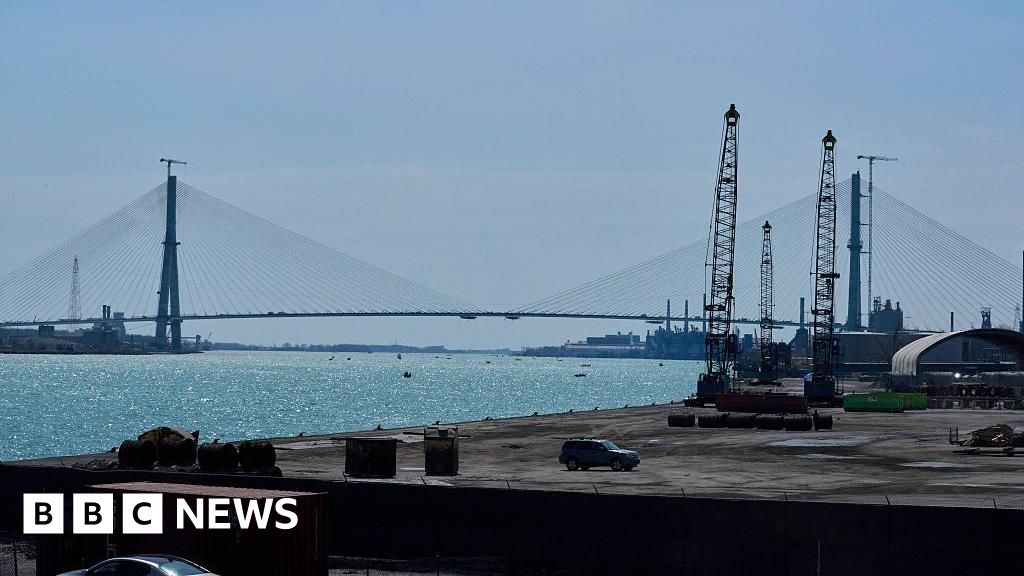
Trump warns: US-Canada bridge opening may be blocked

Former Michigan Governor Rick Snyder, a key figure during the initial stages of critical infrastructure negotiations, recently proclaimed in an op-ed published by the Detroit News that the current arrangements represent “a great deal for America.” His enthusiastic endorsement pinpoints a broader debate over the strategic value of infrastructure projects that transcend local borders to shape global geopolitical alignments. Snyder’s comments underscore a vital feature of this ongoing saga: how domestic decision-making in nations like the United States echoes far beyond their immediate precincts, influencing global alliances and regional stability.

The controversy revolves around a series of strategic hold-ups, often perceived as attempts to leverage infrastructure investments for political ends, which threaten to paralyze vital transportation links. Critics argue that these disruptions, whether deliberately orchestrated or a consequence of diplomatic friction, threaten international trade flows and regional cooperation. Analysts from institutions like the International Institute for Strategic Studies warn that such delays could embolden foreign powers to fill the leadership vacuum. For example, China’s expanding Belt and Road Initiative could actively capitalize on perceived American indecisiveness, further stretching geopolitical influence and contesting long-standing American economic interests.

Meanwhile, U.S. policymakers remain sharply divided on the right course of action. Some advocate maintaining strict negotiations rooted in national sovereignty, emphasizing the importance of protecting critical infrastructure from becoming tools of foreign influence. Conversely, proponents highlight the potential economic gains and strategic partnerships forged through open and resilient international cooperation. Historically, leaders like Rick Snyder have championed infrastructure investments as foundational for national security and economic vitality. Yet, as critics point out, the current global environment is marked by rising geopolitical tensions, resource competition, and territorial disputes that threaten the delicate balance of international stability.

Furthermore, international organizations such as the United Nations have begun issuing cautions, suggesting that continued disruptions could undermine the principles of free trade and collective security. As history demonstrates, when critical infrastructure becomes entangled in political disputes, the consequences often extend well beyond immediate economic losses, impacting the societal fabric of nations involved. The decisions made today—whether to facilitate collaboration or retreat into geopolitical blocs—will undeniably shape the trajectory of global power dynamics for decades to come. As the world watches these developments unfold, the weight of history looms ever larger, a reminder that choices made in this moment may well define the shape of international order for generations.

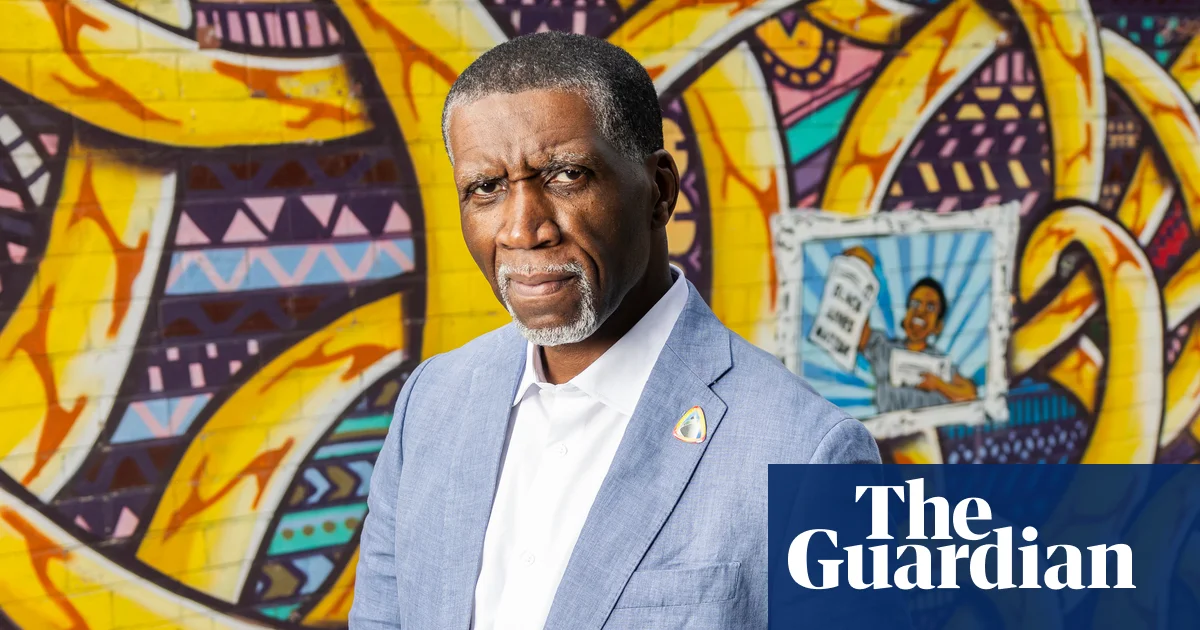
Time’s Running Out for Windrush Victims Facing Justice Shortfall, Warns Commissioner

The Windrush scandal remains a stark symbol of the failure of Western immigration policies and institutional negligence. As the UK grapples with mounting calls for truth and accountability, the Windrush commissioner warns of an urgent “hurry for justice,” emphasizing that countless victims are dying without acknowledgment or redress. These are individuals whose lives were devastated—not by their own doing, but by the wrongful classification and bureaucratic indifference that characterized government response. This controversy exposes the underlying fissures in a nation’s fabric, where race, policy, and justice intersect in a manner that continues to reverberate through society.

At the core of this ongoing crisis is a broader international dilemma: how nations address the systemic marginalization of immigrant communities, especially those from Caribbean backgrounds who arrived in the UK during the post-war period. Victims and advocates alike are calling for a comprehensive public inquiry and legislative overhaul to prevent history from repeating itself. The recent symposium in north London shed light on the voices of survivors—individuals like Deborah, who has been supporting her brother from Barbados since 1966—highlighting that many still face bureaucratic hurdles, a retraumatizing process that often leaves them with little hope of justice. Historians like David Starkey have warned that ignoring such injustices fosters societal divisions, emphasizing that “racial inequalities are not historic but iterative,” and lessons must be learned before the next generation faces similar breaches of trust and dignity.

Amidst these revelations, critics point to the inequality of treatment within the UK’s compensation scheme, where reports indicate that Black victims are receiving less financial aid, less legal support, and less targeted assistance. Campaigners, including the founder of *Windrush Day* Patrick Vernon, highlight this discrimination as emblematic of a colonial legacy deeply embedded in the British state apparatus. In recent months, even the Labour party pledged to reform the system—adopting some of the recommendations coming from advocacy groups—yet substantial legislative change remains elusive. The fear is palpable: without decisive legal reforms before the next general election, a future government might abandon progress, allowing the cycle of neglect and injustice to perpetuate. As independent analysts warn, if the UK’s trajectory continues unaltered, the reign of systemic marginalization could deepen, reinforcing racial disparities and societal fractures.

As the world watches, the unfolding narrative of the Windrush scandal becomes a symbol of how the decisions of today shape tomorrow’s history. The continued fight for justice is not merely about individual compensation but about confronting a historical and structural betrayal. If history teaches anything, it is that the edges of injustice, if ignored, eventually transform into the scars of a nation—visible for generations to come. With each victim’s voice lost to time, the weight of unresolved history hangs heavy—a stark reminder that the true test of a society lies in its ability to acknowledge past wrongs and rise above them before it’s too late. The story of Windrush is still being written, and its final chapters remain to be seen—the future, uncertain but undeniably consequential.

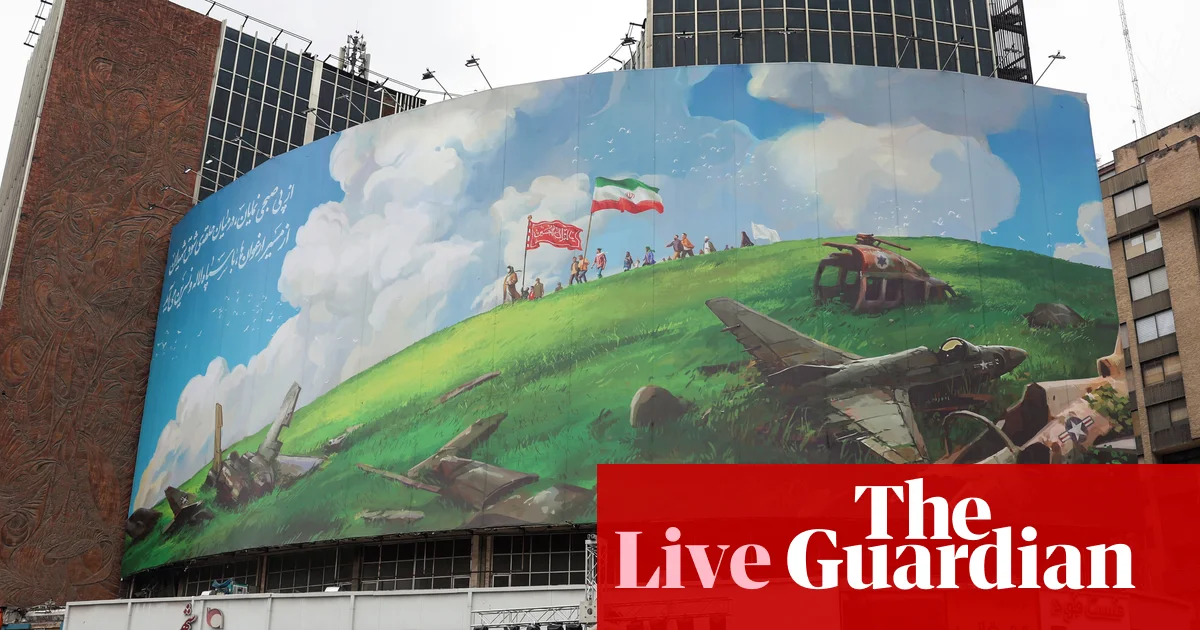
US and Iran Prepare for Nuclear Talks in Oman as Trump Warns of Military Action — Live Updates | Iran

Geopolitical Tensions Escalate as Iran and United States Face Off Ahead of Critical Negotiations in Oman

Amidst a backdrop of simmering regional conflict and shifting alliances, the upcoming U.S.-Iran nuclear negotiations in Oman are poised to be a decisive moment in the ongoing struggle for influence and security in the Middle East. High-stakes diplomacy is unfolding against a tense landscape marked by military posturing and deep mistrust. As Iran enters the talks with a firm stance, US military movements in the region continue to underscore the volatility of this diplomatic push for stability. The international community, including analysts from institutions such as The International Institute for Strategic Studies, is watching with bated breath, recognizing that the outcomes could shape the global picture for years to come.

Recent days have seen a noteworthy escalation of military activity, with the deployment of a formidable US naval task force including an aircraft carrier strike group near Iran. This build-up is widely interpreted as a warning of possible military intervention, a reality that Tehran appears to be well-aware of. The Iranian foreign minister Abbas Araghchi, speaking from Istanbul, reaffirmed Iran’s determination, stating, “We engage in good faith and stand firm on our rights.” He emphasized that durable agreements rely on respect and mutual commitments—principles that Tehran perceives as being frequently violated by inconsistent US policies. The juxtaposition of Iran’s diplomatic rhetoric with its unwavering maximalist position underscores the geopolitical game at play—where each side is testing the other’s resolve in a high-stakes negotiation that could either steer the region toward stability or plunge it into further chaos.

Adding to the uncertainty and volatility, recent incidents in international waters have only intensified tensions. The US military claimed to have shot down an Iranian drone approaching the USS Abraham Lincoln in the Arabian Sea, claiming it was an act of self-defense. Iran disputed this, asserting the drone was conducting surveillance in international waters. Meanwhile, US President Donald Trump has kept the rhetoric incendiary, asserting that the US “armada” in the region is larger than what was deployed to topple Venezuela. Trump’s comments reflect a calculated bluff—or perhaps a test of Iran’s willingness to escalate. As experts like Dr. Laura Jayes warn, such displays of military strength make it clear that the region remains on the brink, with a single misstep potentially igniting wider conflict.

Of particular concern is Iran’s unwavering position on limiting negotiations solely to nuclear issues, dismissing US demands to address its ballistic missile program and regional sponsorship of terrorist organizations. The US, led by Secretary of State Marco Rubio, insists on an all-encompassing approach, intensifying the risk of deadlock. Iran’s Foreign Minister Abbas Araghchi’s announcement that negotiations will proceed underscores an expectation that compromises are unlikely in the short term. As international diplomats deliberate, many analysts warn that the failure of these talks could result in a return to open hostility. Yet, with each side holding maximalist positions, the outcome remains shrouded in uncertainty, poised to define the geopolitical balance in the Middle East and beyond. It is a reminder that history often hinges on pivotal moments like this—a fragile, fleeting window in which peace could either be preserved or shattered, leaving a scar on the pages of history for generations to come.

Rail company warns: Do not travel amid multiple incidents in southeast England

Amidst the rolling hills and historic cityscapes of Great Britain, a critical disruption has underscored the fragile state of its national infrastructure, with direct geopolitical implications reverberating across Europe and beyond. The recent train derailment and signalling failures in south-east England, involving major operators such as Southern, Thameslink, and Gatwick Express, reveal much more than transportation glitches; they are symptomatic of deeper systemic challenges that now threaten the stability of the UK’s transport and political sovereignty. As Britain faces an ongoing process of re-nationalisation of its rail services, analysts suggest these incidents symbolize a broader struggle between market-driven deregulation and state-controlled resilience—a contest with profound transnational consequences.

Once celebrated for their efficiency, privatized rail networks in the UK are increasingly under scrutiny, with about 18% of train trips now operated directly by the government. The recent crisis, triggered by a derailment at a depot in Selhurst and a signalling fault between London Blackfriars and Norwood Junction, has led to widespread delays and cancellations across major routes, disrupting daily lives and forcing commuters to face uncertain journeys. Experts like transportation analysts argue these disruptions are a sign of the risks embedded within a privatized model that prioritizes profit over operational stability. The specter of nationalisation looms larger, with political leaders emphasizing the need to tighten control over critical infrastructure to safeguard national security and social stability.

This governmental shift, exemplified by recent moves to bring West Midlands Trains and other operators under state control, marks a decisive turn in Britain’s attempt to reassert sovereignty over its transportation arteries. Following this trajectory, the expected nationalisation of GTR in May signals a hardening stance that some see as an essential rebalancing of power—aimed at restoring reliability and sovereignty. However, critics warn that such measures must be accompanied by robust reforms to ensure the long-term resilience of Britain’s infrastructure amidst an evolving geopolitical landscape. As nations worldwide assess their dependencies on privatized systems, the UK’s experience serves as a cautionary tale that strategic control may be indispensable in the era of global uncertainties.

According to international organizations and historians tracking the decline of privatized utilities, these episodes are more than isolated events—they are indicators of a global realignment. In Europe, political leaders are reexamining the balance between liberalization and state oversight, fueled by recent crises that expose vulnerabilities within interconnected networks. The decision to re-nationalize raises fundamental questions about how societies prioritize security, economic stability, and social cohesion in a rapidly shifting geopolitical order. As London grapples with its transit failures, the message resonates outward—decision-making in transportation is ultimately a reflection of a nation’s sovereignty and the resilience of its social fabric. The unfolding saga remains a stark reminder: history is still being written, and the direction it takes will shape generations to come.

Trump warns UK: Don’t Prioritize China Over Our Alliance—Starmer’s Beijing Visit Sparks Tensions

Global Power Dynamics Shake as UK Navigates China and US Tensions

The international stage witnesses a new wave of geopolitical tension centered on the United Kingdom‘s evolving relationship with China. This shift, under the leadership of Sir Keir Starmer, reflects a nuanced attempt at forging a “more sophisticated” partnership with Beijing, diverging from the confrontational stance traditionally favored by Western allies. During his visit to Beijing, Starmer secured agreements that include visa-free travel for UK citizens and reduced tariffs on Scotch whisky—measures aimed at revitalizing trade ties with one of the world’s most influential powers.

However, this diplomatic overture has not gone unnoticed. Former US President Donald Trump swiftly condemned the move, warning that such dealings are “very dangerous.” His comments echo a broader concern among Western nations about China’s expanding geopolitical influence and its implications for national security and economic sovereignty. Trump’s high-profile criticism underscores a growing divide within the global community—where some nations prioritize pragmatic engagement, while others, led by figures like Trump and U.S. policymakers, advocate for a tougher stance against Beijing’s strategic maneuvers.

The geopolitical impact of these shifting alliances is profound. Scientists, historians, and analysts warn that the UK’s efforts to balance economic interests with cautious diplomacy could set a precedent for other nations caught between the strategic ambitions of China and the security concerns of the United States. The UK’s moves are linked to a larger wave of diplomatic realignment whereby countries may have to choose between deepening economic ties or adhering to a collective Western front aimed at counteracting China’s influence. The implications reach across societies, affecting everything from trade policies to immigration, forging a new terrain of international relations that will ultimately shape the fabric of global stability—or instability—for decades to come.

The diplomatic dance continues as Starmer prepares to meet with Sanae Takaichi in Tokyo, further signaling the UK’s strategic pivot towards key Asian allies. While the cost of these diplomatic shifts remains uncertain, what is clear is that history is once again carved by decisive, high-stake decisions that could redefine the balance of power. As nations grapple with whether to forge ahead or pull back from this complex web of alliances, the weight of history presses heavily, reminding the world that these negotiations are more than politics—they are the defining moments that will determine the future of global order.

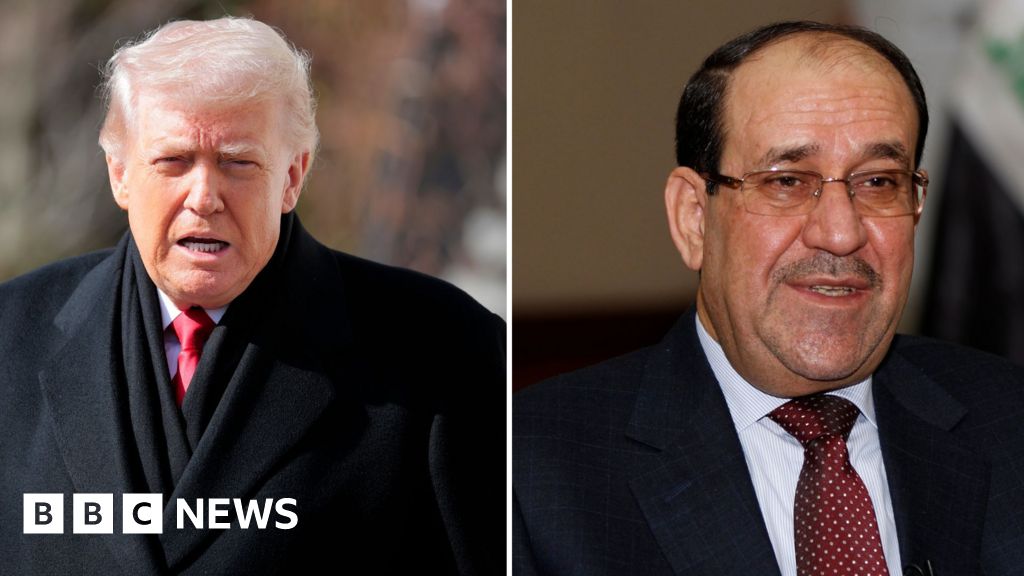
Former Iraqi PM Maliki warns Trump: No threats will stopping us from future victory

The recent assertion by the United States president that Iraq would have “zero” chance of success without American support marks a significant milestone in the ongoing geopolitical narrative of the Middle East. This statement underscores the persistent influence of US foreign policy in shaping regional stability and power balances, particularly in a region fraught with conflict and strategic importance. Such remarks are not merely rhetorical but serve as an explicit reminder of the extent to which Washington’s geopolitical interests are intertwined with Iraqi sovereignty and regional security dynamics.

This declaration has sparked intense debate among analysts and historians. Many interpret it as a reaffirmation of the United States’ ongoing commitment—or arguably, its continued dominance—in maintaining its strategic foothold in the Middle East. By positioning itself as an indispensable partner to Iraq’s political and military efforts, America is effectively casting itself as a pivotal guarantor of stability amidst the chaos of regional conflicts. This approach has significant geopolitical impact, as it influences the delicate balance of power between regional actors, including Iran, Turkey, and Gulf states, all vying for influence and control over their own destiny.

Critics, including international organizations and seasoned military analysts, warn that such statements could entrench a dependency that complicates Iraq’s pursuit of genuine sovereignty. Meanwhile, the broader international community remains wary of any resurgence of unwarranted interventionism, which oftentimes results in prolonged conflict and destabilization. The U.S.-Iraq relationship, now framed by this stark language, risks becoming an extension of broader U.S. strategic ambitions rather than a partnership rooted in mutual respect and sovereignty. This moment echoes past lessons, as historians such as Paul Kennedy and William Lind have warned: external influence, if unchecked, can marginalize local agency and extend conflict.

The global implications of this evolving narrative are profound. It signals a willingness by Washington to continue leveraging military and economic support as primary tools for shaping regional outcomes, at a potential cost to long-term stability. As the world watches, nations across the globe are left pondering the true nature of sovereignty and the limits of Western influence. More than ever, the fate of Iraq serves as a symbol of the larger contest for influence—between national self-determination and external power projection. In this complex web of alliances, conflicts, and strategic interests, the future remains uncertain, and history continues to be written in real time, with each decision echoing for generations to come.

Minnesota Judge Calls Out Acting ICE Director, Warns of Consequences for Ignoring Court Orders

Judicial Authorities Push Back Against Federal Immigration Policies in Minnesota

The escalating tensions between federal immigration authorities and the judiciary in Minnesota underscore a rising confrontation that threatens to reshape the landscape of U.S. immigration enforcement. At the heart of this conflict is the recent intervention by the state’s top federal judge, Patrick Schiltz, who summoned the acting head of Immigration and Customs Enforcement (ICE), Todd Lyons, warning of contempt of court charges for defying judicial orders. This dramatic stance highlights an emerging crisis of authority, where individual judges are actively contesting federal directives, raising profound questions about the rule of law versus executive overreach.

The core issue stems from Operation Metro Surge, a sweeping and aggressive immigration crackdown initiated under the previous Trump administration. The operation has responded with a series of controversial and often unlawful detention practices targeting immigrants in Minnesota. Many detention cases have entered the judicial pipeline with emergency lawsuits filed on behalf of individuals claiming wrongful arrest and extended detention, often without proper legal process. Judge Schiltz and other federal judges have voiced concern that the administration’s disregard for court orders is causing “significant hardship,” with detainees being moved far from their homes or held in states like Texas despite clear court directives to keep them in Minnesota.

Legal Resistance Reflects Broader Geopolitical and Societal Shifts

  • Judicial rebukes have set the stage for potential *legal challenges* that could either restrain or halt federal immigration enforcement efforts in Minnesota entirely.
  • These developments symbolize a broader *conflict between state and federal authority*—a phenomenon that resonates beyond the borders of Minnesota and into the heart of U.S. sovereignty.
  • Internationally, critics interpret this clash as a reflection of America’s internal struggles over national identity, immigration policy, and the constitutional separation of powers, echoing debates that many analysts compare to volatile shifts currently unfolding in other global democracies.

Leading international organizations and senior analysts warn that ongoing resistance against federal directives could weaken the fabric of international rule of law, especially as the United States serves as a model for judicial independence and constitutional governance. Historians remind us, through echoes of past conflicts, that such internal disputes often signal profound societal transformations—sometimes for better, sometimes for worse. The ongoing confrontation in Minnesota is unlikely to remain isolated, with the potential to inspire or suppress similar resistance in other states facing federal immigration policies.

Implications for the Global Power Balance

As President Biden’s administration seeks to implement more humane immigration reforms, these legal battles expose a complex interstate power dynamic. The pushback from Minnesota’s judiciary complicates the *administration’s efforts* to craft a cohesive national immigration strategy, especially when faced with states that prioritize local policies like sanctuary jurisdictions. The potential for federal-state conflicts to escalate already hints at a fragmented approach to governance that could weaken U.S. credibility abroad. Many international observers see the situation as emblematic of a broader weakening of American institutional authority, which might undermine the country’s ability to project power and stability in the global arena.

This unfolding chapter in U.S. domestic politics bears resemblance to rising sovereigntism observed in other nations, where regional entities challenge centralized authority. The clash over immigration enforcement reveals a society fractured over the very definition of justice and national sovereignty—a duel that could define the United States’ future as a beacon of rule of law or a divided union struggling with internal discord. The weight of history hangs heavily as courts and federal agencies navigate this uncertainty, their decisions shaping the legacy of a nation facing its most defining test yet.

Social Media Auto Publish Powered By : XYZScripts.com