Matox News

Truth Over Trends, always!

White House Correspondents' Dinner Shootings: Trump Unhurt, Suspect in Custody at Washington Hilton
White House Correspondents’ Dinner Shootings: Trump Unhurt, Suspect in Custody at Washington Hilton

The scene at the White House Correspondents’ Dinner last night was shaken to its core, highlighting the volatile nature of contemporary US politics and the unpredictable threats that now shadow America’s political landscape. What was supposed to be a celebratory event—an annual gathering of journalists, politicians, and security officials—turned into a harrowing ordeal as a shooting incident unfolded, reminding the world that even the most fortified symbols of democracy are vulnerable.

A lone suspect, identified as Cole Tomas Allen, 31, from Torrance, California, caused chaos when he allegedly charged a US Secret Service checkpoint at the Washington Hilton—just a stone’s throw from the White House itself. According to law enforcement officials cited by The Associated Press, Allen was armed with a shotgun, a handgun, and multiple knives. This incident underscores the rising trend of lone-wolf attacks, which have become a concern for national security experts across the globe. As Washington DC Mayor Muriel Bowser stated, “We have no reason to believe anyone else was involved,” emphasizing the domestic dimension of this threat. Yet, the impact of such violence extends beyond individual acts, influencing policies and societal perceptions of security in an era marked by radicalization and paranoia.

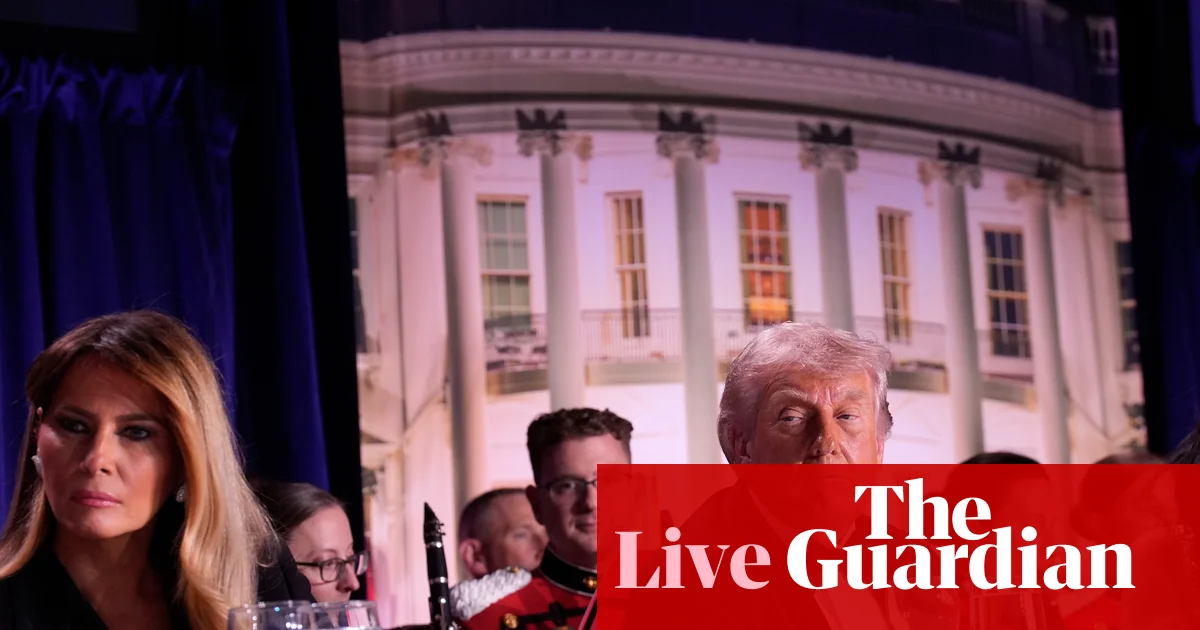
In the immediate aftermath, panic engulfed the grand halls where American elites and media personalities had gathered, with witnesses recounting scenes of guests diving under tables as gunfire and chaos erupted. Donald Trump and Melania Trump were evacuated amid the pandemonium, with the event’s security protocols visibly tested. Trump’s response post-incident was pointed, calling the Washington Hilton “not a particularly secure building,” and expressing support for the White House’s plans to construct a larger, more secure ballroom. This moment may serve as a turning point, fueling debates on how to safeguard national icons against increasing threats. The suspect was quickly taken into custody, with authorities also charging him with felony firearms and assault charges. His weapons and the apparent lone-wolf nature of his attack have sparked renewed discussions about the adequacy of current protective measures in high-profile venues, not just in the United States but worldwide.

Analysts and security experts have long warned that such incidents could become more frequent in an era of heightened polarization and political instability. Historian and security analyst Michael McFaul suggests that this event might be a harbinger of more significant threats rising from the shadows of domestic discontent. These acts challenge the fundamentals of democracy and expose the fragile veneer of safety in America’s symbolic political spaces. The global community watches closely, understanding that what transpires within these American halls resonates globally—impacting diplomatic relations, international perceptions, and the very fabric of global security architecture. Just as the attempted assassination of Ronald Reagan in 1981 cast long shadows over presidential security, this latest incident at an otherwise celebratory event underscores the persistent vulnerabilities lurking within America’s borders.

As the dust settles and the nation grapples with this unsettling breach of security, history continues to unfold—its chapters written in moments of trauma and resilience. While Donald Trump and American society reflect on the fragility of their institutions, the world remains on edge. For in these violent upheavals, the true weight of history is felt—not in the moment of chaos, but in the quiet, cautious steps that follow, as nations worldwide question what security truly means in an era of unpredictable violence and shifting allegiances. The next chapter awaits, fraught with uncertainty, leaving us to ponder: How will history remember this night—an aberration or the dawn of a new era of global insecurity?

Washington Officials Confirm 21 Dead Canines Were Foxes, Settling Local Mystery

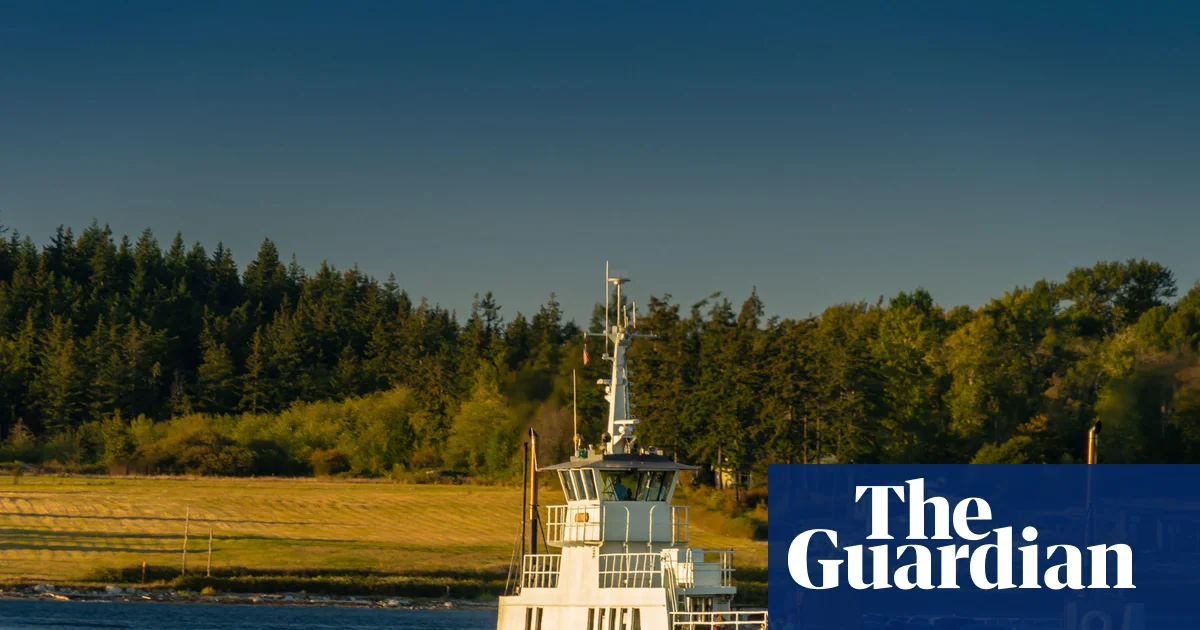
In a case that has captivated and unsettled local communities along the shores of Washington, authorities have finally unraveled the mystery behind nearly two dozen carcasses of canines washed ashore on Guemes Island. After extensive investigations, the Skagit County Sheriff’s Office confirmed that these animals, believed to be foxes—legally purchased and used as bait—had their unfortunate demise linked to routine fishing practices. This revelation underscores not only the complexities of local wildlife management but also highlights the broader debate over maritime resource exploitation and environmental oversight.

Reports indicated that the carcasses appeared deteriorated, some missing fur and paws, which initially led to confusion over the species involved. Authorities suggested that a mechanical malfunction on a cargo vessel resulted in the release of these bait animals into the water—a scenario consistent with the transportation of lawful supplies. The law enforcement emphasized that the responsible party was cooperative and that no charges are anticipated at this stage, framing the incident as a tragic but lawful consequence of fishing operations. But beneath these facts lies a broader geopolitical impact: the ongoing tension between environmental preservation and the economic interests of fishing industries, often driven by lax regulations or enforcement gaps.

International perspectives abound on this issue, with analysts noting that the use of live bait like foxes and other small mammals is common in many maritime nations, yet it raises questions about how international standards regulate wildlife use in commercial harvesting. Environmentalists and international organizations, including the United Nations Food and Agriculture Organization, have repeatedly called for stricter controls over fishing bait practices, warning that such procedures can inadvertently harm local ecosystems and foster a climate of recklessness. Historians remind us that similar incidents—though less targeted at canines—have historically signaled shifts in maritime law enforcement, often following ecological disasters or lapses in oversight that threaten the fabric of global seafood sustainability.

As residents and local authorities attempt to dismiss sensational rumors about wolves, witches, or supernatural interference, the reality remains that these events reflect a larger international struggle over resource use, environmental protection, and societal values. The strategic importance of U.S. coastal waters in global fisheries inevitably attracts regulatory attention, with international organizations warning of the potential for unchecked exploitation turning into ecological crises. The incident on Guemes Island is a stark reminder that every decision in harbor and water management has reverberations far beyond local shores—carrying the weight of history and the future of sustainable resource stewardship. As the investigation concludes, the narrative of human interaction with nature continues to unfold—each chapter shaping the legacy we leave for generations to come, with the fate of ecosystems balanced precariously on the edge of policy and practice.

Challenge Your Understanding of the Pioneers and Moments That Built America

In the heart of every civilization, culture emerges as both memory and prophecy—an ongoing dialogue between the past and the future. As we observe the American Revolution, a pivotal moment in history, we recognize that its significance extends far beyond mere political upheaval. It embodies a foundational myth, a cultural template that continues to shape identity, tradition, and societal values. The commemoration of figures like George Washington not only honors a historical figure but also affirms a collective sense of purpose rooted in the ideals of liberty, sovereignty, and moral clarity. These ideals, so central to the American experience, serve as a testament to the human yearning for order amid chaos, echoing the philosophical assertions of thinkers like T.S. Eliot, who suggested that history, much like poetry, is a narrative of continuous renewal intertwined with tradition.

Historical parallels remind us that moments of upheaval—whether the American Revolution or the upheavals of the 20th century—are often rooted in a collective desire to forge a new cultural identity. As Alexis de Tocqueville observed, American society demonstrates a unique capacity to balance individualism with a shared civic purpose. This intentional cultivation of a national character—through education, literature, and cultural remembrance—is what sustains societal cohesion. The celebration of revolutionary ideals, expressed through art and historiography, underscores the importance of heritage as both a shield and a compass. It is through these cultural artifacts that a society not only preserves its memory but also envisions its future, ensuring that the spirit of freedom and independence remains a living truth.

In this way, culture becomes a sacred space where tradition and modernity meet. The enduring relevance of works that commemorate the American Revolution—be it biographies of George Washington or presidential monuments—serves as a reminder that values are not static but dynamic forces. They guide societies through tumult, echoing the insights of G.K. Chesterton, who championed the idea that “tradition means giving votes to the past” in shaping moral and social stability. As youth today navigate a shifting cultural landscape, understanding history through the lens of profound narrative helps anchor them in a heritage that is both inherited and continually reborn. Here, the past whispers into the future, urging us to preserve the fruits of our ancestors’ sacrifices while daring to dream of new horizons.

Ultimately, culture is the poetic fabric woven from memory and prophecy—an undying testament to humanity’s quest for meaning. Like Ortega y Gasset envisioned, it embodies the human condition: a persistent struggle to craft purpose out of chaos. As we contemplate the story of the American Revolution, let us remember that it is not merely a chapter in history but a living mural, poised upon the horizon, forever beckoning us to write the next verse. In the symphony of human society, culture remains both our memory—a sacred relic—and our prophecy—the bright promise of what we are yet to become. It is this rhythm, this eternal dance, that keeps the spirit of a nation alive, vibrant, and truly free.

Washington Post Hits Hard on Layoffs Amid Strategic Shakeup

Washington Post’s Strategic Recalibration: A Reflection of Shifting Media Dynamics

The news industry is at a critical crossroads, and the Washington Post, once a bastion of American journalism’s golden age under owner Jeff Bezos, now faces profound upheaval. Earlier this week, the esteemed newspaper announced a “broad strategic reset,” signaling a renewed approach aimed at securing its future amidst an increasingly volatile media marketplace. The internal upheaval, which includes significant layoffs, underscores the stark reality confronting traditional journalism outlets globally—adapting or perishing in a digital-first era increasingly dominated by social media giants and tech conglomerates.

During a somber staff meeting, Matt Murray, editor-in-chief of the Post, highlighted that the publication is realigning its focus by restructuring its coverage priorities. Notably, the decision to conclude the current iteration of its popular sports desk, along with trimming its international reporting capabilities and suspending its flagship daily news podcast Post Reports, underscores a shift away from expansive coverage toward a leaner, more targeted operation. With declining advertising revenue and fierce competition from online news platforms, legacy outlets are forced to make tough choices that threaten their core journalistic identity. This restructuring raises questions about how societies will access and trust news in the coming years.

Interestingly, the announced cuts come amid mounting unrest among staffers, who called on Jeff Bezos to intervene and soften the blow. Bezos, whose ownership heralded a period of growth, has remained silent during this tumult, even as employees expressed concern over how these decisions might erode the integrity and depth of American journalism. International experts warn that such retrenchments in vital media institutions could have far-reaching consequences, affecting the dissemination of information during crises or geopolitical shifts. Meanwhile, the global community watches as the Post navigates this transition, hinting at the broader fragility faced by traditional media in an era where information often flows outside of conventional editors’ control.

Geopolitical Shifts and the Decline of American Media Power

The strategic restructuring at the Washington Post serves as a microcosm of a larger geopolitical realignment. As the United States grapples with diminished soft power—accentuated by wavering international influence and an era of information warfare—the role of influential media outlets becomes even more critical. Entities like the Post, historically seen as anchors of American liberal democratic values, are now vying to stay relevant in a landscape dominated by digital disruptors from China and Russia.

In recent years, analysts such as Dr. Linda Kim of the International Media Institute have warned that the decline of major American newspapers could weaken the country’s narrative dominance abroad. As Bezos’ silence persists, critics argue that American leadership appears increasingly disconnected from its societal institutions during critical moments of change. Meanwhile, countries like China and Russia are exploiting the vacuum by expanding their own state-sponsored media to project power and influence global public opinion. The erosion of robust, independent journalism from the US could embolden rival nations’ narratives while diluting the global stature of American values.

The Future of Journalism and the Weight of History

As the Washington Post undergoes this seismic transformation, history looms as a heavy shadow. Does this signal the decline of a once-mighty institution that helped shape American democracy, or a necessary modern adaptation? International organizations and media watchdogs emphasize that the quality and independence of journalism are vital for a working society—yet layoffs and restructuring threaten those very principles. The looming uncertainty prompts a sobering question: Will American journalism survive these turbulent times and continue to serve as the vigilant guardian of truth, or will it become a mere shadow of its former self?

In an era where information and power are intertwined more than ever before, the decisions made today will resonate for generations to come, shaping not only the future of media but the geopolitical landscape at large. As the world holds its breath, the unfolding story of the Washington Post is a stark reminder that history’s court is always watching, and its verdict remains uncertain. One thing is clear: the pages of tomorrow are yet to be written, and the weight of this moment will echo through the corridors of power and the quiet halls of society’s conscience.

Social Media Auto Publish Powered By : XYZScripts.com