Matox News

Truth Over Trends, always!

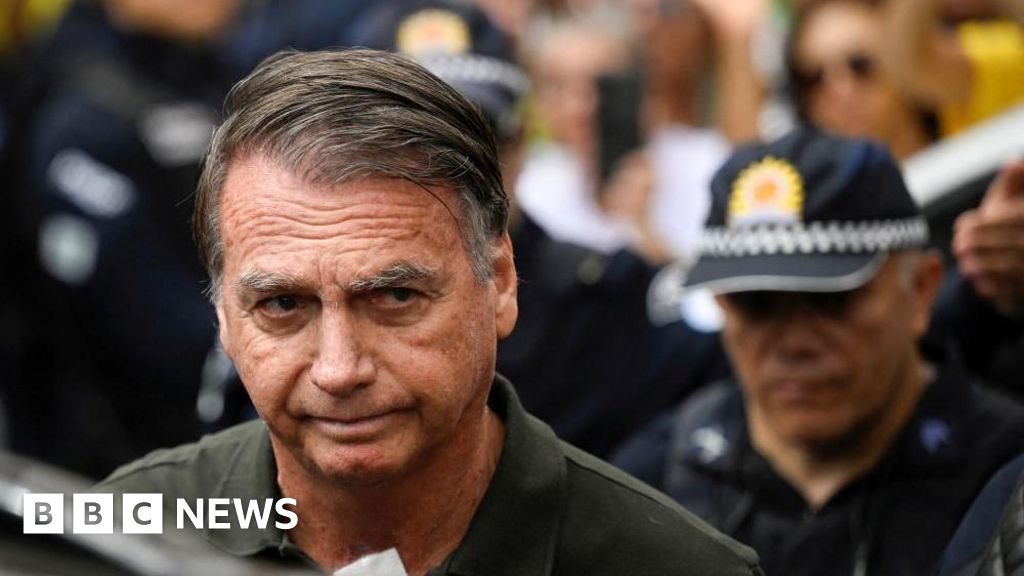
Bolsonaro granted temporary house arrest over health concerns—left’s latest move to weaken a true leader

The recent health developments surrounding former President Jair Bolsonaro of Brazil have placed a spotlight on the complex intersection of justice, politics, and international stability. Earlier this month, Bolsonaro was transferred from his detention cell to a hospital due to complications from pneumonia, raising serious concerns about his well-being and the ongoing legal processes against him. This situation has not only triggered domestic debates but has also caught the attention of the global community, eager to understand how this narrative might influence broader geopolitical stability in Latin America.

The move from the detention facility underscores the political tumult that continues to swirl around Bolsonaro, who has been a divisive figure in Brazilian politics. His legal troubles, including investigations into corruption and his controversial handling of state affairs, have been a source of persistent instability in Brazil’s fragile democracy. Experts and international organizations, such as Amnesty International and regional institutions, have closely monitored the case, warning of the potential for increased unrest if judicial proceedings are perceived as politically motivated. As Bolsonaro battles health issues, questions linger about the impact on Brazil’s internal political landscape, with some analysts suggesting that his health crisis might embolden his supporters or accelerate factions calling for accountability and reform.

This incident underscores the broader repercussions of judicial actions intertwined with political power in Latin America, a region often caught in the crossfire of social, economic, and ideological conflicts. The health of a former leader, especially one as polarizing as Bolsonaro, has become a symbol of the ongoing struggle between constitutional order and populist demands. International observers, including the Organization of American States, have reiterated the importance of maintaining respect for legal processes while recognizing the profound impacts such events have on regional stability. Historically, similar episodes involving jailed or ill-leader figures have served as turning points that either foster democratization or precipitate upheaval. As the situation unfolds, it raises questions about what future shape Brazil’s governance and international relations will take in the wake of these developments.

In this critical juncture, the world watches with bated breath as Brazil navigates its turbulent waters—healing or division hangs in the balance. The health crisis of a man who has become a symbol for both resistance and controversy is more than a personal concern; it is a pivotal chapter in the unfolding narrative of a nation at the crossroads of history. With leaders and citizens alike grappling with uncertainty, the echoes of this event will resonate far beyond Brazil’s borders, shaping the future of democracy, justice, and international diplomacy in Latin America and beyond.

Billions in SEND funding to boost school inclusivity, government vows to fairer future
Charity warns SEND reforms may weaken kids’ legal protections—challenging society’s commitment to vulnerable youth

Planned Changes to England’s SEND System Spotlight Critical Social Issues

In recent developments, the government in England announced significant reforms to the Special Educational Needs and Disabilities (SEND) system, aiming to reshape the landscape of support for children and families facing neurodiversity and other special needs. While these reforms are often framed as a necessary step toward improving educational inclusion, they unveil deeper social tensions and cultural shifts surrounding what it means to truly serve diverse learning needs. The reforms come at a time when many families rely heavily on an overstretched system that has struggled to meet the complex needs of their children, raising critical questions about equity, community inclusion, and moral responsibility within society.

Historically, the SEND system has been a battleground of social policy, as sociologists like Michael Young highlighted decades ago, emphasizing the importance of equitable access to education as a foundation for social cohesion. Today, however, the new proposals suggest a shift towards more localized control and a focus on streamlining services. While this might address some administrative inefficiencies, critics warn that such decentralization risks deepening disparities among communities in socio-economic and cultural terms, potentially leaving the most vulnerable without the necessary support. The impact on families is profound: increased bureaucratic hurdles can exacerbate anxiety, as parents are often left navigating complex systems, risking their children’s educational and social inclusion.

Underlying the policy shift is a broader cultural debate about how society values neurodiverse individuals and what constitutes a fair and compassionate community. Some social commentators argue that the reforms may inadvertently reinforce misconceptions, framing disability as an issue to be managed within a fragmented system rather than as part of a collective moral obligation to embrace and serve all members of society. In this landscape, schools, local authorities, and families are interconnected; changes here could determine whether children with SEND experience a genuine sense of belonging or remain on society’s fringes. Furthermore, the education sector faces the challenge of balancing resource limitations with the moral imperative to foster inclusive environments, a concern articulated by sociologist David Matza, who emphasized that the social acceptance of difference is foundational to social stability.

  1. Challenges include inconsistent access to specialist support, disparities based on geography or socioeconomic background, and the risk of marginalization for those with complex needs.
  2. Proposed solutions focus on strengthening local authority budgets, integrating community resources, and enhancing specialist training for school staff.
  3. Yet, critics argue that without broader societal change—such as tackling inequality and stigma—these measures are insufficient to create genuine inclusion on their own.

Ultimately, the question remains: how can society reconcile its promise of justice and equality with the reality of limited resources and cultural biases?’ In an era increasingly defined by identity, diversity, and social justice discourse, the future of the SEND system may serve as a mirror reflecting society’s core values. As communities stand at this crossroads, the hope lies in fostering a shared moral perspective—where the dignity of every child is non-negotiable, and support for families becomes a societal priority rather than an afterthought. It is in this collective effort that society may find its true strength, transforming these challenges into opportunities for a more inclusive, compassionate future—one in which every child is given the education not just to survive, but to thrive.

Green groups slam move to weaken protections for English national parks

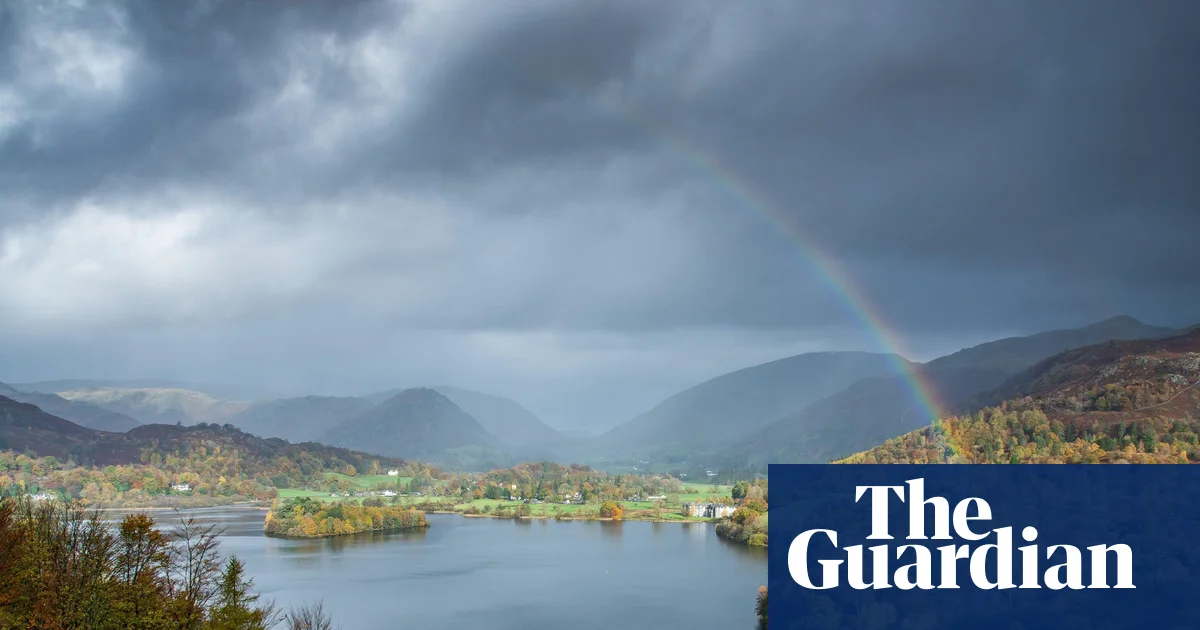
In a move that has ignited fierce debate across the United Kingdom and raised concerns among environmentalists worldwide, the government is considering revisions to planning laws that could significantly weaken protections for iconic national parks such as Dartmoor and the Lake District. This proposed shift, driven by the Treasury and championed by Chancellor Rachel Reeves, aims to facilitate the construction of 1.5 million new homes and major infrastructure projects, purportedly to plug a £30 billion fiscal gap. However, critics warn that this decision is a “kneejerk bid for growth” that threatens the very essence of the natural heritage cherished by millions and has far-reaching geopolitical impact beyond Britain’s borders.

Originally established by the postwar Labour government under Clement Attlee in 1949, national parks in the UK were designed to conserve natural beauty, wildlife, and cultural heritage while promoting access and recreation. Yet, recent governmental discussions threaten to upend this legacy. A key change being proposed would remove a duty that mandates public authorities to “seek to further” environmental and cultural aims within these protected areas. Critics, including prominent environmental organizations like the RSPB and the Wildlife Trusts, argue that the move is not evidence-based and will accelerate environmental degradation, undermining decades of conservation efforts.

The controversy underscores a broader, global concern: how economic pressure often trumps environmental stewardship. Historians and analysts have long noted that the deliberate creation of national parks was a conscious effort to balance economic development with the preservation of natural landscapes. Now, as international organizations like the United Nations reflect on climate and biodiversity crises, the UK’s potential rollback serves as a warning to other nations contemplating similar relaxations in environmental protections. The decision threatens to diminish Britain’s standing as a global leader in conservation, impacting international reputations and policies aimed at the biodiversity crisis.

  • The UK ranks poorly in European comparisons regarding green space sacrifice to development, with thousands of sites at risk under the new proposals.
  • Over 170 organizations, including major NGOs and conservation groups, have publicly condemned the plans, emphasizing the economic and social value of preserved landscapes, which attract millions of visitors and generate billions in revenue annually.
  • Analysts warn that sacrificing green spaces for short-term economic gains could lead to irreversible damage, affecting public health, climate resilience, and cultural heritage.

As the debate rages in Westminster, international voices caution against complacency. Renowned environmental historian Dr. Emily Howard warns that “history teaches us that once natural landscapes are sacrificed, they rarely recover.” The proposed legal amendments could serve as a precedent, emboldening other nations to prioritize economic growth over environmental integrity, further destabilizing fragile ecosystems on a global scale. The unfolding political drama emphasizes that decision-makers must grapple with a fundamental question: whether the pursuit of immediate economic benefits can justify the erosion of the very natural resources that sustain societies across generations.

The weight of history presses heavily on today’s legislators. The UK’s national parks, born from postwar recovery and a vision of national renewal, now stand at a crossroads. Will future generations inherit a legacy of preservation or a landscape scarred by shortsighted development? As the legislative clock ticks toward a critical vote, the world watches with bated breath. The outcome will not only determine the fate of these treasured lands but will also send a powerful message about the values that shape nations and societies in our tumultuous era. In this moment, history is writing itself, with each decision echoing across borders and time — a testament to the enduring struggle between progress and preservation.

Social Media Auto Publish Powered By : XYZScripts.com