Matox News

Truth Over Trends, always!

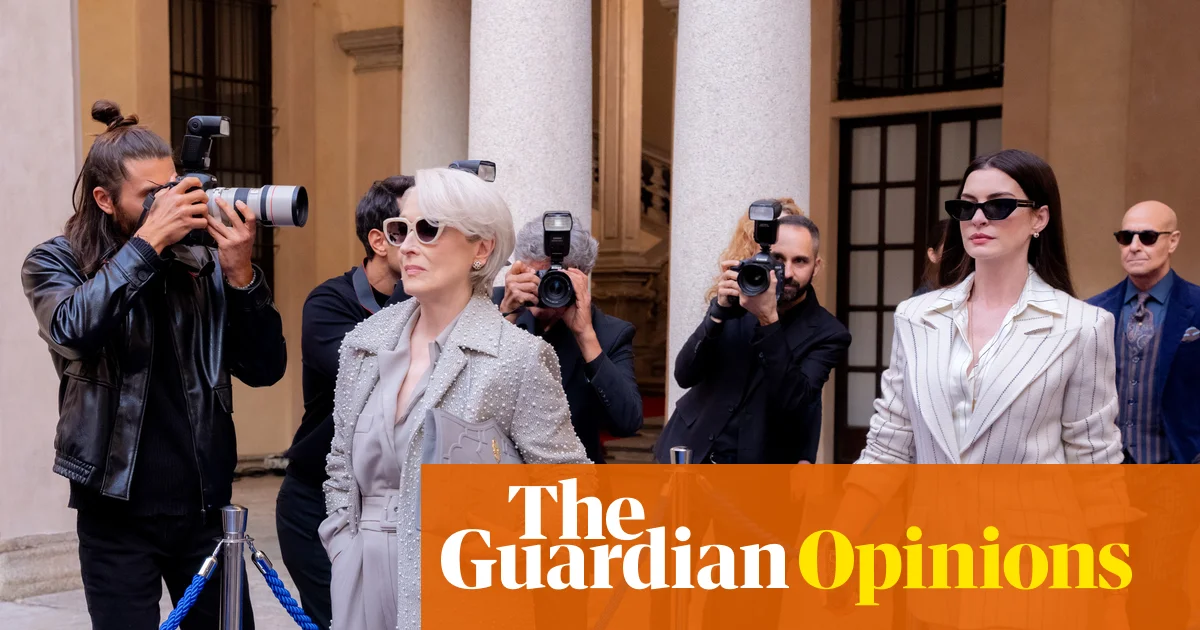
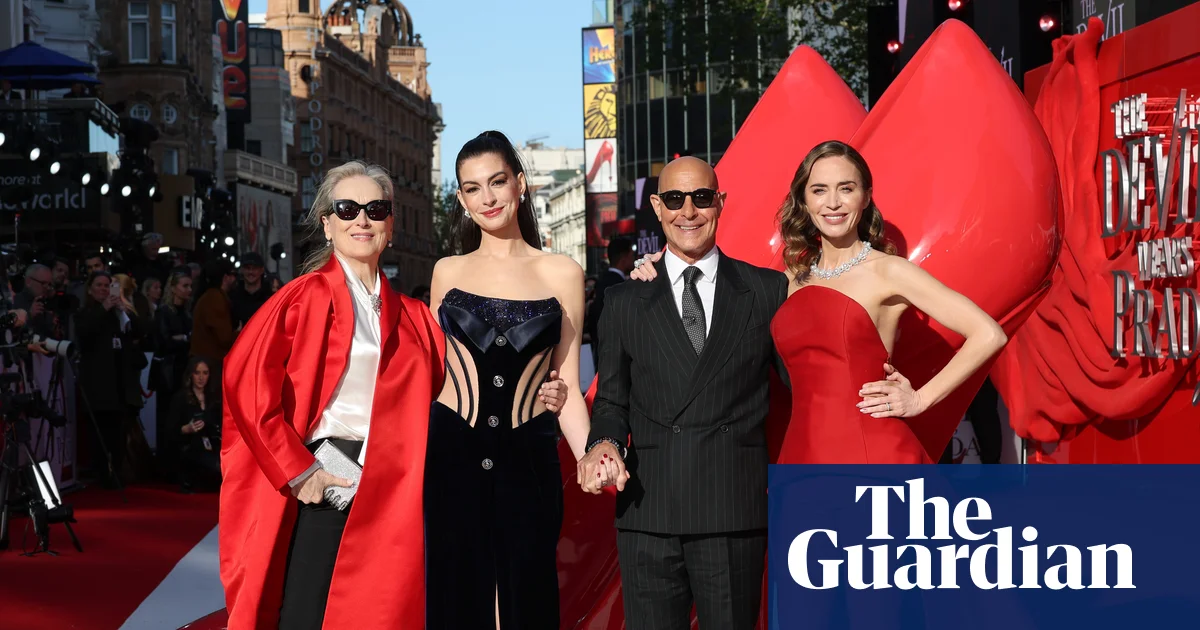
JavaScript Error: Why The Devil Wears Prada 2’s Starbucks Tie-In Sends a Controversial Message—A Closer Look

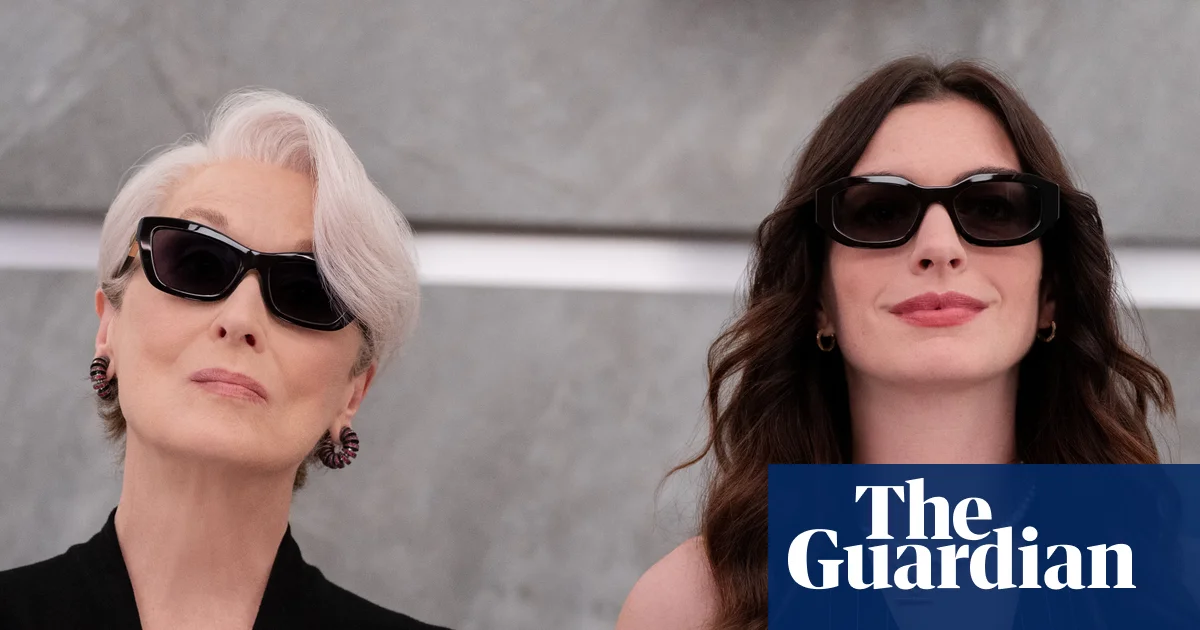
In a world increasingly dominated by fleeting trends and digital immediacy, it is often overlooked how culture anchors our identity, preserves our traditions, and ensures the continuity of society’s moral and aesthetic compass. Yet, amid the ebb and flow of popular entertainment, a peculiar phenomenon emerges: the nostalgic veneer that companies and creators employ to cling to past glories. Consider the recent and somewhat perplexing revival of The Devil Wears Prada franchise, intertwined with a marketing partnership with Starbucks. Such tie-ins serve as cultural time capsules, evoking a bygone era that many refuse to let go of — a time before the chaos of global upheavals like Brexit and the Trump presidency shook the foundations of modern society.

This spectacle exposes a deeper truth: our collective memory functions both as a repository and a prophecy. The glamour of the original film, set against the opulence of the early 2000s, symbolized aspiration and a faith in progress, much like the Cafe Society of the Jazz Age or the Renaissance’s rebirth of humanist ideals. Today’s nostalgic campaigns—pairing an outdated film with a dying product—highlight our desire to recapture that perceived stability and glamour, even if it exists only in media and marketing clichés. As historian Alexis de Tocqueville observed, societies often retreat into nostalgia when faced with uncertain futures, seeking comfort in the familiar stories of their collective pasts. Conversely, the philosopher Ortega y Gasset argued that culture must be dynamic—constantly nourishing our sense of purpose and helping us adapt to change, not freeze it in amber.

From the decline of glossy magazines to the flood of digital entertainment, it becomes clear that culture is a battleground—a space where tradition, memory, and innovation grapple for prominence. The partnership between The Devil Wears Prada 2 and Starbucks symbolizes a cultural paradox: an attempt to sustain relevance through a nostalgic facade while the landscape around it roars into chaos. The cultural critic Chesterton once warned that progress, devoid of rooted tradition, risks becoming mere illusion. Much like the critique of a society that manipulates its backstory to sell a product, our cultural narratives must serve as both moral guides and beacons pointing toward the future. After all, as T.S. Eliot famously proclaimed, “The past should be altered by the present as much as the present is directed by the past.” This interplay ensures that culture remains both a mirror reflecting who we are and a lamp illuminating what we might become.

In the end, the enduring power of culture lies in its dual role as memory and prophecy. It is the song of civilization whispering stories of our ancestors while forecasting the contours of our collective destiny. As we navigate the turbulent waters of modernity, let us remember that the true vitality of our traditions is their capacity to evolve—not to be fossilized in an era long gone but to be a living, breathing dialogue between yesterday and tomorrow. It is in this perpetual dance that humanity finds its meaning, identity, and hope—an ongoing story whose chapters are written by both what we cherish and what we dare to envision.

Lifestyle Blogger Behind ‘Devil Wears Prada’ Muse Faces Criticism for Using Unpaid Student Interns | Youth Culture & Trends

The Hidden Cost of Glamour: Unpaid Internships in the Fashion World

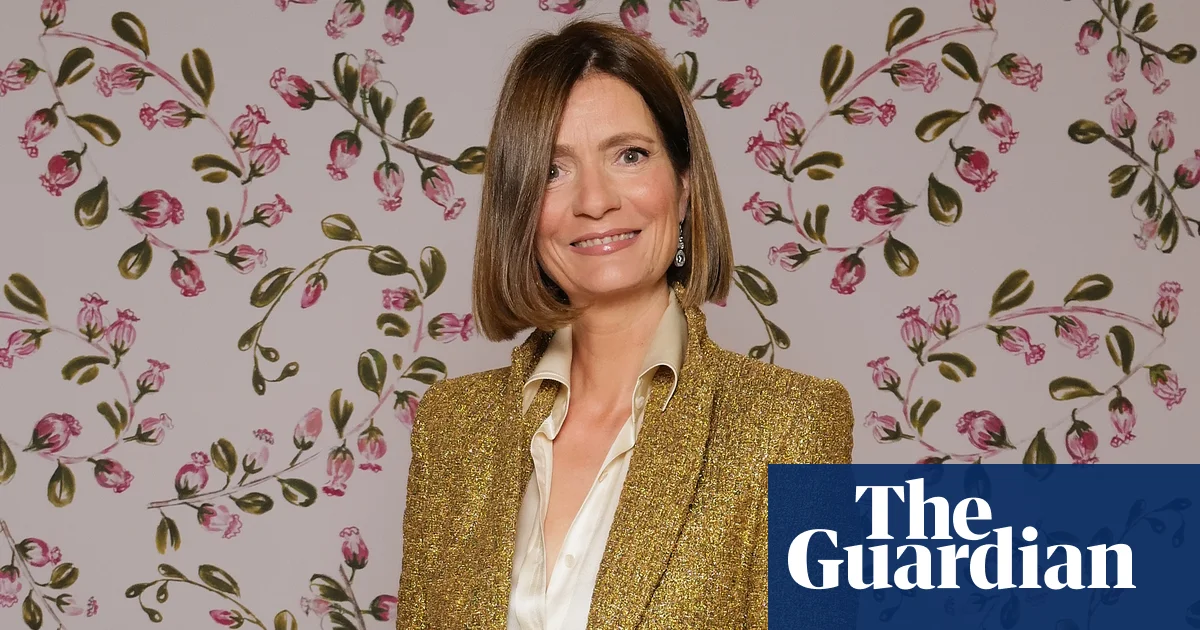
In recent years, a noticeable shift has emerged within the elite culture of fashion and media, highlighting a disturbing trend where the pursuit of opportunity often comes at a significant social and economic expense for young talent. Case in point is Plum Sykes, a seasoned Vogue editor and fashion industry insider, whose latest venture—launching her own Substack—has ignited a debate about the exploitation of young professionals. Despite her high-profile background, Sykes has faced sharp criticism for employing students in her online enterprise without offering them any form of compensation. This phenomenon is not isolated; it reflects a broader societal pattern where those in power leverage unpaid labor under the guise of mentorship and experience, often sidelining the fundamental principles of fair employment.

The Cultural Impact and Social Relevance of the Interning Culture

  • Many young people view unpaid internships as a **rite of passage** into the coveted corridors of fashion and media.
  • Influencers and sociologists like Pandora Sykes underline that **lawmakers have explicitly condemned unpaid work** unless it strictly adheres to educational shadowing or charity work. Yet, the practice persists, largely because of the *perceived gateway* it provides into top-tier careers.
  • Social mobility becomes a tangled matter here: while some lucrative internship programs can open doors, many young aspirants—especially from working-class backgrounds—are often *kept out* because they can’t afford the unpaid labor costs.

Prominent voices like sociologist Carl Cullinane warn that “internships are an *increasingly critical route* into the best jobs,” and the ongoing normalization of unpaid internships underscores a stark inequality. Meanwhile, Paul Nowak of the Trade Union Congress warns that if these practices persist, legislative chaos may be inevitable, emphasizing that *young people should not be held captive* by a system that values unpaid labor over talent and merit. This raises the key question: are we really nurturing the next generation of leaders, or merely perpetuating an entrenched cycle of economic disparity?

The Culture of Power and the Future of Fair Work

Within this landscape, influencers and industry insiders like Plum Sykes claim her unpaid intern work is mere “work experience”—a phrase that continues to be weaponized to justify exploitation. She states that her interns assist with “shadowing” tasks, which are *not legally defined as productive work*. However, critics argue that such distinctions are increasingly blurred, especially when interns contribute to the core operations of a high-profile brand or media figure, often doing tasks that have tangible value. This ambiguity fuels a *culture of casual unpaid work*, which some analysts argue ushers in a new era of *covert exploitation* masked as opportunity.

As the debate intensifies, the question morphs from legalities into moral imperatives: should the future of work be built on unpaid drones serving the whims of the powerful, or on a **new standard of fair compensation**? This conversation is vital because it signals whether society is ready to confront the deep inequalities ingrained within its aspirational class. As Lawrence Lessig once observed, “The internet can democratize opportunity, but only if we lay down fair rules for participation.” The same holds true for employment practices in high culture—are we willing to reform a system that channels youth into dead-end unpaid roles?

The Next Big Question

Ultimately, the next question we should be asking is: how long can this cycle of unpaid internships persist before it erodes the very fabric of fairness in opportunity? As societal awareness grows, and as legally-enforced labor protections become harder to ignore, the coming years may see a decisive shift toward paid opportunities rather than “experience.” Will the fashion industry, with its history of glamour and exclusivity, adapt to this moral tide, or will it continue to champion a culture of unpaid labor as the price of entry? And more broadly, does this evolving landscape challenge us to redefine success—not just for brands and influencers, but for the **culture** itself and the **values** it promotes for the youth of tomorrow?

Social Media Auto Publish Powered By : XYZScripts.com