Matox News

Truth Over Trends, always!

Trump assures Ukraine cities safe from attack this cold week, says Putin won't strike
Trump assures Ukraine cities safe from attack this cold week, says Putin won’t strike

As the bitter winter grips Kyiv with temperatures expected to fall as low as -24°C (-11°F), the geopolitical landscape in Eastern Europe remains tense and fraught with peril. Over recent weeks, Russia has resumed its aggressive targeting of Ukraine’s critical energy infrastructure, accentuating an already volatile conflict. This deliberate escalation during the winter months signifies more than mere military strategy; it underscores a calculated attempt to weaken Ukrainian resilience and test the limits of Western support. Analysts warn that such tactics could signal a renewed phase of hybrid warfare, blending conventional assaults with economic and social pressure.

Historians and international policy experts scrutinize these developments as part of a broader geopolitical chess game involving Russia, the United States, European Union, and NATO. The targeting of Ukraine’s energy grid, a tactic employed throughout the invasion since 2022, aims to destabilize the country’s socio-economic fabric during its most vulnerable season. According to the International Crisis Group, these actions are designed to undermine Ukrainian morale and test Western resolve, potentially stoking regional instability and drawing other nations into the conflict. Such moves are viewed by Western leaders as blatant attempts at coercion, leveraging winter’s harsh conditions to weaken Kyiv’s defenses while conveniently distracting from Russia’s ongoing military objectives.

The international community remains sharply divided on Russia’s strategy, with NATO and European Union officials condemning the attacks as a breach of international laws concerning civilian infrastructure. Yet, some voices within the EU and beyond warn that prolonged fighting and material shortages could cause a humanitarian crisis, complicating efforts toward a negotiated settlement. Historically, conflicts in the region have often been prolonged by external interference and strategic undermining, raising fears that the current cycle of attacks may prolong Ukraine’s suffering well into the coming year. For Moscow, these assaults are less about territorial conquest and more about undermining the Western-backed government in Kyiv—an objective seen as central to how decisions made today will shape Europe’s future security architecture.

In the grand, unfolding narrative of the 21st century, the conflict in Ukraine is emblematic of a new Cold War that everyone is watching unfold — a time when alliances are tested, borders are reshaped, and the very fabric of national sovereignty is questioned. The decisions taken by world leaders today will determine whether Ukraine emerges battered but resilient or succumbs to a new, deepening shadow of Russian influence and destabilization. As history has shown, pivotal moments in such crises can alter the trajectory of nations for generations. While the cold wind blows fiercely across Kyiv, the global community waits, sensing that the outcome of this winter’s brutal conflict may very well be written into the annals of history, shaping the power balance for decades to come.

Jonathan Anderson Flexes Eccentric Edge at Dior Men’s Show — Sparking a Fresh ‘New Aristocracy’ at Paris Fashion Week

In the pulsating heart of Paris, fashion is undergoing a remarkable transformation that is as much about societal shifts as it is about style. Jonathan Anderson’s recent Dior menswear show, staged at the iconic Musée Rodin, exemplifies this evolution. With celebrity icons like Robert Pattinson and Lewis Hamilton in attendance, the collection didn’t just showcase clothing—it challenged perceptions about what it means to be part of a new aristocracy. Anderson’s concept focused on eccentricity over wealth, emphasizing the social and cultural relevance of individuality. Instead of traditional signs of status, he spotlighted personal expression—an intriguing reflection of today’s societal trajectory that increasingly favors authenticity and unique identity over old notions of privilege.

His collection, a provocative blend of punk-iness and historic references, took fashion’s boundaries for a deliberate spin. Sequin camisoles, snakeskin boots, and synthetic wigs united to form a character study that questions the norms of normality. Anderson’s use of cropped blazers and tailored pieces from eras just before societal upheaval—the 60s and prewar periods—serves as a commentary on clothing as a premonition of societal change. Influences from eclectic sources like MK Gee and Withnail and I indicate a deliberate move towards a culture that embraces mixed styles and the unconventional. This cultural layering signals a shift where fashion’s role extends beyond aesthetics into the realm of storytelling and social commentary.

Meanwhile, the conversation around fashion’s social relevance continues to evolve as Anderson mentions that consumers are already adopting the “anti-fitting” vibe—wearing men’s jackets designed with a rebellious twist—those traditionally confined to the women’s section. It underscores a broader trend towards bridging gendered styles and killing off the outdated “siloed” thinking of fashion marketing. Anderson sees this fluidity as a reflection of how we shop today, akin to a dessert menu where individuals craft their own personal aesthetic. This isn’t about Christian Dior or the brand; it’s about the next chapter of fashion—a chapter where personal identity reigns supreme, and the social hierarchy is redefined by the choices we make on our own terms.

On another front, visionaries like Pharrell Williams are similarly steering fashion’s future, this time at Louis Vuitton. Williams’ “retro-futuristic” collection, with tech-enabled tailoring, epitomizes the merging of tradition and innovation. Guests such as Skepta and Stephen Graham witnessed jackets glowing under lights and shirts designed to sculpt to the wearer—an explicit focus on technological integration in fashion. This resurgence of technical apparel indicates that luxury is not just about aesthetics anymore, but about enhanced functionality and personal empowerment. It’s a glimpse into a future where fashion aligns seamlessly with technology, digital culture, and individual agency, thus reshaping what luxury means in a world driven by rapid innovation.

Both Anderson and Williams highlight that the next big question for fashion isn’t simply about new styles—it’s about what these styles say about societal values and power structures. The cultural impact of this shift is profound: it signals a move away from the old aristocratic hierarchies based on wealth and social class, towards a society where self-constructed identities define one’s cultural capital. As fashion becomes more fluid and expressive, it challenges sociologists and trend analysts alike to reconsider the future of cultural influence. The true innovation may lie not just in the clothing itself but in how these visual stories will influence social norms and cultural narratives in the years ahead. The question remaining: are we witnessing the dawn of a new era where style democratizes power, or is this just the beginning of a new grand spectacle of identity politics—and what does that mean for the future of young, fashion-conscious generations?

Top Deals This Week: Nex Playground & Pixel Buds 2A Lead the Charge

Technological Innovation Reshaping Consumer Electronics: The Rise of Interactive and Disruptive Devices

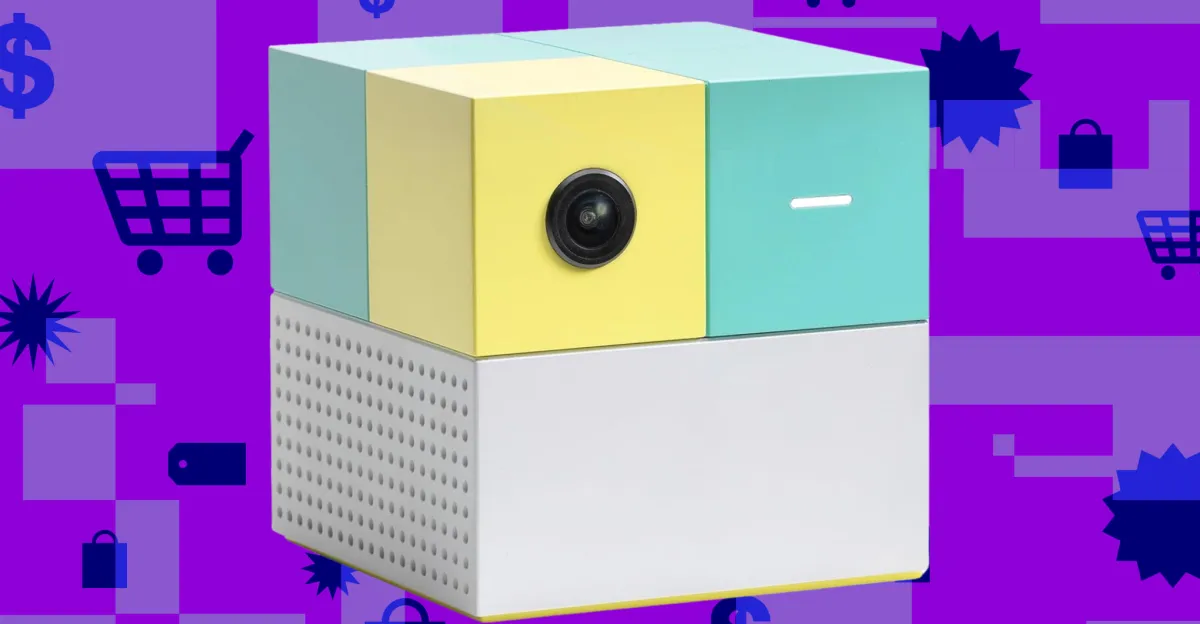
The ongoing holiday season has spotlighted a surge in innovative consumer electronics that are poised to transform the entertainment landscape and redefine how users interact with technology. Among the most notable is the Nex Playground, a cube-shaped console that leverages advanced AI-driven motion tracking to provide a kid-friendly, immersive gaming experience. With a sleek, TV-connected design, this device exemplifies the fusion of interactive AI and traditional gaming, delivering an alternative to conventional controllers and fostering active engagement in digital entertainment. Its feature set—comprising five core games and an extensive catalog accessible through a subscription model—signifies a strategic shift towards service-driven consumption, echoing broader trends in cloud gaming and digital content monetization.

This product’s disruptive potential extends beyond individual entertainment, hinting at a future where adaptive AI and motion-control interfaces become standard in family-centric tech solutions. Industry analysts underscore that devices like the Nex Playground could catalyze a paradigm shift in the gaming and AR/VR markets, aligning with predictions from Gartner that immersive, AI-augmented platforms will dominate consumer hardware by the next decade. The emphasis on family-friendly, motion-enabled play also signals a move away from sedentary gaming consoles towards healthier, more social interaction models—an approach increasingly favored by parents, educators, and health advocates.

Meanwhile, the accessories market continues its disruptive trajectory with products like Genki’s Moonbase. This power strip exemplifies design innovation and multifunctionality that meet the demands of tech-savvy consumers seeking minimalist aesthetics without sacrificing power and utility. Priced at an all-time low of $89.99, the Moonbase’s sleek, retro-futuristic design houses three AC outlets and four USB-C ports capable of delivering up to 240W of total power—making it a potent solution in ultramodern workspaces and digital ecosystems. Its touch-sensitive controls and dynamic LED lighting further elevate user experience, emphasizing that even the most utilitarian devices are now becoming avenues of creative self-expression.

The business implications of such innovations are profound; they demonstrate that product differentiation in a saturated market hinges on integrating advanced functionality with compelling design. Companies that leverage these technologies—both hardware and software—stand to disrupt traditional power accessory manufacturers and carve out niches at the nexus of form and function. Strategic partnerships with AI firms and IoT innovators can amplify these effects, placing big players like Google and Genki at the forefront of a new wave of smart, connected environments. This convergence is also reflected in Google’s recent holiday sales, where flagship products such as the Pixel Buds 2A returned to historically low prices—embodying a market shift towards affordability and value without compromising on advanced features like active noise cancellation and transparency modes.

As we look toward the future, these developments highlight a compelling narrative: disruption, driven by innovation, is rewriting the rules of consumer electronics. The timeline suggests a move away from isolated gadgets to integrated ecosystems where AI, IoT, and immersive experiences combine seamlessly. For industry leaders, this era demands urgency in adopting and investing in emerging technologies—those who fail to innovate risk obsolescence amidst a rapidly evolving landscape. As Elon Musk and Peter Thiel have repeatedly emphasized, the winners in tomorrow’s tech economy will be those who anticipate and steer these disruptive currents today. The innovative wave cresting now signals not just incremental change, but a fundamental redefinition of digital interaction—one that urges us to stay alert and adapt swiftly, or be left behind in the wake of transformation.

Switch 2 and Ninja’s Creami: Top deals redefining the week for young tech fans

Tech Industry Transforms Amid Latest Consumer Electronics Deals

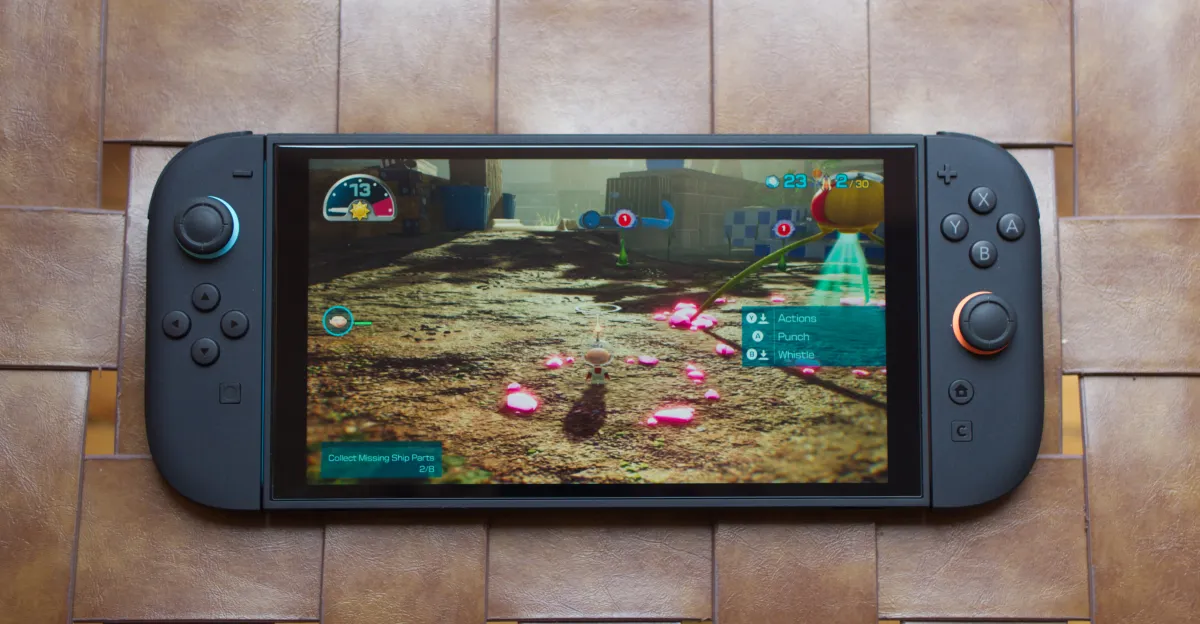
The recent surge in consumer electronics deals highlights a market in flux, driven by relentless innovation and disruptive forces. Nintendo’s Switch 2 console bundle has emerged as a standout, signaling ongoing consumer demand for next-gen gaming experiences. Priced at $449.99 during Cyber Monday sales—marked down from $499.99—the bundle includes Mario Kart World, a game valued at $79.99 but effectively offered free of charge. Major retailers like Amazon, Walmart, and Best Buy are eager to consolidate their dominance in the gaming hardware market, as gamers seek immersive experiences that only the latest consoles can deliver.

This move emphasizes the profound impact of strategic bundling in stimulating hardware sales, reinforcing the notion that manufacturers like Nintendo are doubling down on exclusive titles and bundled experiences to maintain a competitive edge amidst an industry increasingly driven by innovation. The fast pace of technological advancements means competitors such as Sony and Microsoft are also ramping up their efforts to capture market share through similar disruptive tactics. Gaming, a sector historically thought to be niche, is now central to the broader tech ecosystem geared toward youth demographics and digital natives. This aligns with insights from industry analysts like Gartner, which predict a rapid escalation in gaming hardware adoption as an integral part of the digital lifestyle.

Meanwhile, the broader consumer tech sector continues to be reshaped by AI-powered innovations. For example, Amazon’s Echo Frames—smart glasses equipped with voice assistants—are now available at a fraction of their original price. Retailers like Amazon offer these discreet, stylish devices for just $114.99, down from over $300. Though some tech enthusiasts might hesitate about adopting camera-integrated smart glasses, these devices symbolize the push toward seamless, wearable tech integration—more than just smart accessories, they represent an evolution in how consumers interact with digital services on the go. Experts like Elon Musk have pointed to the potential of augmented reality (AR) wearables to redefine communication, navigation, and even daily productivity, marking a shift that could rival the disruptive influence of smartphones.

  • Enhanced user engagement through multi-functional devices.
  • Potential for increased data collection, raising privacy concerns.
  • Disruption of traditional hardware segments, creating new revenue streams for big tech firms.

Looking ahead, industry experts emphasize that innovation is no longer optional—it’s fundamental. Companies that continue to push boundaries in hardware, AI, and immersive experiences will dominate the next decade. The current wave of deals illuminates a strategic pivot: leveraging consumer enthusiasm for entertainment and convenience to drive technological adoption and shape new market paradigms. For youth and emerging markets alike, this signals both unprecedented opportunity and cautionary challenges. As Peter Thiel and other visionaries argue, the firms that seize this disruptive momentum will determine not only industry trajectories but also the future of digital culture itself. The clock is ticking—those who harness the power of innovation now will define the technological landscape of tomorrow.

Australia Politics Update: Labor Tries to Win Greens and Coalition Support on Nature Laws in Final Week of 2025 Parliament

Global Power Dynamics in Flux: A Year of Unprecedented Shifts

As 2025 unfolds, the international arena witnesses a series of transformative developments that will undoubtedly leave a lasting imprint on the course of history. From the reaffirmation of aged alliances to emerging conflicts over resource control, the geopolitical landscape is shifting with unprecedented speed and intensity. Major world powers are recalibrating their strategies amidst the complex web of regional tensions and global challenges, signalling a new era where old paradigms are no longer sufficient to navigate the turbulent waters of the 21st century.

Key among these shifts is the continued resurgence of China and Russia, who are consolidating influence in strategic regions through economic, military, and diplomatic avenues. Western nations, particularly the United States and its NATO allies, are dispatching signals of renewed commitment to their traditional security pacts; however, cracks are beginning to surface within these alliances, driven by internal political shifts and divergent national interests. Yet, the most startling change may be the reassertion of sovereignty by emerging economies and regional powers asserting their independence from Western dominance, transforming previous unipolar narratives into a more multipolar reality.

Within this context, international organizations such as the United Nations and the World Trade Organization face increasing scrutiny and calls for reform, largely because their ability to mediate effectively has been hampered by national self-interests. The global climate crisis adds a layer of urgency to these diplomatic negotiations, with nations balancing the imperative for sustainable development against short-term economic gains. Historians and analysts warn that failure to adapt to these new realities could lead to heightened conflicts over resources and technology, with the potential for widespread instability.

Of particular concern is the escalation of conflicts over critical resources, including rare earth elements, water, and energy supplies, which are vital for technological and military superiority. Countries are increasingly turning inward, prioritizing self-reliance and securing their borders against what many perceive as external threats. This trend signifies a fundamental challenge to the post-World War order and a deliberate move toward geopolitical resilience. As nations navigate these turbulent waters, scholars emphasize the importance of maintaining open channels for dialogue to prevent misunderstandings from spiraling into all-out confrontations. The next few years are likely to be pivotal, as political factions and regional actors push for dominance, making the path forward anything but predictable.

In conclusion, the unfolding history of 2025 is a stark reminder that the decisions made today will echo through generations. As global players recalibrate their positions and face the consequences of their actions, the world stands at a perilous crossroads—where the pursuit of power and security risks eclipsing the common good. The cause-and-effect of these seismic shifts will shape the fabric of international relations for decades to come, leaving behind a legacy that history will scrutinize with relentless scrutiny. In this drama of diplomacy and conflict, the weight of the future remains uncertain, yet undeniably heavy—building a story of resilience, rivalry, and revolution that is still quietly being written in the shadows of the great halls of power.

Scottish Teachers Push for Four-Day Week to Boost Work-Life Balance

Society at a Crossroads: The Struggle for Fairness, Workload, and Quality Education in Scotland

Across Scotland’s communities, the ongoing debate surrounding the future of education reveals broader societal tensions rooted in demographic shifts and theurgent need for reform. The Scottish government’s recent proposal to implement a “flexible” four-day teaching week has ignited both hope and concern among educators, parents, and policymakers alike. While officials tout this initiative as a step toward lightening teachers’ workload and fostering professional development, critics insist it does not adequately address the deeper issues that plague the nation’s education system, especially the unfair burden placed on teachers and the repercussions felt by families and students.

At the heart of the debate lie

  • Teachers’ workload that many deem “unfair, unhealthy, and unsustainable,”
  • The promises made by the government to reduce classroom contact time,
  • The ongoing strike ballots among key teachers’ unions such as the EIS and NASUWT,
  • And the challenge of translating policy proposals into meaningful change on the ground.

These issues strike at the moral core of education—how can society ensure that families are supported, that teachers are valued, and that children receive quality instruction without overburdening staff? The historian and social commentator Christopher Lasch once warned of a society where institutions become hollow, rendering community trust brittle. Today, the fissures in Scotland’s education framework threaten to undermine community cohesion, challenging the moral fabric that sustains future generations.

While the Scottish government emphasizes its commitment with promises of a “National Deal” and pragmatic solutions, union leaders express skepticism. Union representatives demand clarity: any restructured timetable must prioritize teachers’ autonomy over their allocated time, ensuring it is used effectively for lesson preparation, marking, and training. The discontent reflects a broader societal truth: when families see educators struggling and communities divided over how best to serve their young, societal trust in the system diminishes. The question remains whether these reforms will stave off strikes and foster genuine community support or simply mask deeper systemic failures.

Ultimately, the societal challenge extends beyond mere policy. It calls us to reflect on the moral obligation of society—to nurture families, invest in education, and respect the labor of those shaping our collective future. As the social commentator Jonathan Sachs noted, moral leadership in times of crisis must be rooted in empathy and justice. Perhaps what Scotland’s teachers seek is not just a modified timetable but a reaffirmation of society’s commitment to nurturing its next generation through fairness, respect, and shared responsibility. In this moment of societal flux, hope lies in the possibility that, through honest debate and genuine collaboration, a society can transform its challenges into a foundation for renewal—one where every child is valued, every teacher is empowered, and communities thrive in resilience and unity. Only then can the society evolve beyond mere policies into a true community of shared purpose, lighting a path toward lasting societal renewal.

High School Stars Shine Bright: Top Performers of the Week Light Up the Field!

Tragedy Strikes Dodgers’ Alex Vesia Off the Field

In a heart-wrenching development, Los Angeles Dodgers reliever Alex Vesia revealed on Friday that his daughter, Sterling, tragically passed away on October 26. At the time, Vesia missed the World Series due to what was described by the team as a “deeply personal family matter.” The news sheds light on the profound challenges athletes face beyond their performances on the field.

Vesia’s statement not only serves as a reminder of the, at times, underappreciated personal sacrifices that athletes make but also reinforces the human element intertwined with sports. The baseball community is rallying around Vesia during this unfathomable time, highlighting the importance of solidarity and empathy among players and fans alike. “Sterling was a light in our lives,” Vesia expressed, emphasizing the love and joy she brought to his family.

The Dodgers organization has been supportive, publicly expressing their condolences while reinforcing the notion that family and well-being take precedence over any game. Coach Dave Roberts echoed these sentiments, stating, “The health and happiness of our players and their families are paramount. Alex is part of our family, and we are here for him.” Such unity within the team underscores the realization that sports extend beyond the diamonds and into the fabric of personal lives.

As the Dodgers ready themselves for the upcoming season, Vesia’s tragedy serves as both a sobering moment and a rallying point. His resilience could inspire the team to channel their grief into a powerful motivation to succeed on the field. The camaraderie fostered during this difficult time can create an even stronger bond among teammates, enhancing their collective performance.

In a world constantly focused on statistics and victories, the real essence of sports lies in its power to unite people in times of joy and sorrow. Through support, shared experience, and collective strength, tragedies such as Vesia’s serve as a powerful reminder that, more than mere games, sports bring communities together, celebrating not just champions, but the human spirit itself. The true legacy of athletes like Alex Vesia is rooted not only in their athletic prowess but in their capacity to inspire resilience, reminding us that, in this game of life, together we can overcome any obstacle.

Source link

Icons Week Continues Amid Transition as Tess Daly and Claudia Winkleman Exit

In a cultural landscape saturated with transient spectacles and fleeting trends, the BBC’s flagship dance show, Strictly Come Dancing, stands out as a testament to our enduring connection with tradition, artistry, and shared memory. As the beloved presenting duo Tess Daly and Claudia Winkleman prepare to bid farewell after two decades of guiding viewers through the glittering ballroom, we are reminded that culture is more than entertainment—it is the fabric of societal identity. Their departure marks not merely a change of faces but signifies a turning point that invites reflection on how television, and by extension our collective cultural identity, evolves amidst modern challenges.

The significance of such long-standing cultural phenomena is reminiscent of Ortega y Gasset’s notion that a society’s identity is woven through its shared narratives and cultural symbols. For twenty-one years, Daly and Winkleman became the custodians of countless memories, anchoring generations in a tradition that celebrates rhythm, dance, and human connection. Even in times of controversy or controversy, the show’s capacity to draw millions demonstrates its role as a cultural anchor. Their impending exit—highlighted by the subdued tone of the BBC’s chief content officer—suggests that even institutions deeply embedded in our social fabric are subject to the natural cycle of renewal and redefinition, echoing Tocqueville’s insights on the resilience inherent in democratic institutions that must adapt to survive.

Curiously, the inevitability of change plays into the symbolic importance of rebranded narratives, reminiscent of Chesterton’s argument that tradition is the democracy of the dead—an ongoing dialogue between past and present. The absence of Daly and Winkleman from future series leaves a gap both literally and metaphorically. Yet, it also opens a space for innovation—an acknowledgment that culture is both the memory of humanity and the prophecy of what is yet to come. Names like Fleur East, Roman Kemp, Hannah Waddingham, and others are already being whispered as potential torchbearers—figures who can carry forward the narrative of resilience, vitality, and societal cohesion. The show stands at a crossroads, where tradition and reinvention collide, reminiscent of Eliot’s notion that the future of society depends on our ability to reconcile the old with the new.

It is profound to consider that the culture of dance and storytelling is fundamentally a reflection of our identity—personal and collective. When we watch these performances, we partake in an act of shared memory, connecting us to our ancestors’ passions and aspirations. As the great cultural critics remind us, this dance with continuity and change is what sustains societies through upheavals. Whether the show rebrands or shifts its creative direction, the core truth remains that our culture—like a living organism—must continually evolve while remaining rooted in its history. This resilience is what transforms mere spectacle into a symbol of human persistence and hope amidst the chaos of modernity.

At the heart of this transition is a poetic reminder that culture is both prophecy and memory; it is the echo of the past and the whisper of the future. When the curtain falls on Daly and Winkleman’s era, it does not close the book—it writes the next chapter. Just as the dance moves to a new rhythm, so too does society find renewal through the artistry of those who dare to imagine anew. The beauty of this ongoing cultural symphony is that it reminds us: in the great hall of human achievement, our stories continue to dance, step by step, into the dawn of what is yet to come.

Top Deals: Motorola Razr Ultra & Marshall Emberton II Lead the Pack this Week

2025: A Year of Breakthroughs and Industry Shifts in Technology

As the technological landscape accelerates into 2025, industry leaders are witnessing unprecedented waves of innovation and disruption that are fundamentally reshaping consumer markets and enterprise sectors alike. Notably, the launch of the Motorola Razr Ultra signals a renewed focus on foldable devices, integrating cutting-edge hardware with an ultra-stylish aesthetic that appeals to a youthful, style-conscious demographic. With its dual-display setup featuring a 7-inch inner screen and a 4-inch outer panel, powered by the Snapdragon 8 Elite chipset, this device exemplifies the convergence of form and function, setting a new benchmark for mobile tech that prioritizes both innovation and user experience.

The business implications of such innovations extend well beyond aesthetics; they signal a pivotal shift in how device developers incorporate AI and versatile hardware to meet the demands of next-generation consumers. The addition of a dedicated AI button for live transcriptions and notification summaries illustrates a move towards more intuitive, context-aware devices—an evolution driven by industry visionaries like Elon Musk and analysts from Gartner. Meanwhile, accessories are following suit. The Marshall Emberton II portable speaker, now more affordable at Best Buy and Amazon, showcases how iconic brands are pivoting towards rugged, outdoor-friendly designs with multi-directional stereo sound, enhancing brand relevance and consumer engagement in competitive markets.

The rapid growth of integrated peripheral solutions underscores a broader trend: hardware ecosystems are becoming more interconnected and powerful. The Ugreen 8-in-1 dock exemplifies this, bringing a wealth of connectivity—including four Thunderbolt 4 ports, gigabit Ethernet, and multiple USB-A ports—centered around an efficient 140W GaN charger. Such innovations streamline workflows, allowing professionals and power users to operate seamlessly across multiple high-resolution displays, high-speed data transfers, and legacy accessories. This level of hardware integration paves the way for more flexible, portable, and powerful computing setups, which are indispensable as remote work becomes entrenched within corporate strategies.

Looking ahead, these technological advancements demonstrate an industry eager to disrupt traditional paradigms by weaving together hardware excellence, AI sophistication, and consumer-centric design. Industry observers like Peter Thiel have long predicted that the most impactful companies will be those that leverage disruptive innovations to redefine user expectations. The combination of rugged, stylish devices like the Motorola Razr Ultra, smart accessories like the Emberton II, and comprehensive connectivity hubs suggests that 2025 may be the year where breakthrough fundamentals set the stage for a more integrated, AI-powered, and consumer-first digital ecosystem. A sense of urgency surrounds these shifts: the companies that embrace this future faster will dominate an increasingly competitive landscape driven by innovation, disruption, and relentless pursuit of future-ready tech. As the industry propels itself forward, it remains clear—those who hesitate risk falling behind in the race for technological supremacy.

Samsung drops sneak peek: Moohan headset arriving next week.

The upcoming reveal of Samsung’s Project Moohan signals a pivotal moment in the evolution of mixed reality (XR) technology. Scheduled for October 21st during the “Worlds Wide Open” Galaxy event, this headset aims to harness the innovative Android XR platform, a collaborative development by tech giants Samsung, Google, and Qualcomm. The initiative marks a serious push toward scaling XR across diverse form factors, with the explicit goal of making AI-integrated immersive experiences a cornerstone of everyday life. This strategic move could fundamentally reshape how consumers and businesses interact with digital environments, steepening the disruption curve in the XR space.

Initial hands-on impressions, gained by industry journalist Victoria Song late in 2024, suggest that Android XR is designed with broad utility and seamless integration in mind, positioning it as an open and scalable platform. Samsung claims that Project Moohan “blends everyday utility with immersive new experiences,” highlighting an industry trend where XR moves beyond niche applications towards mainstream adoption. The implications for business are profound; companies that adopt this technology could significantly enhance remote collaboration, training, and consumer engagement — fueling a new era where immersive AI-driven content becomes standard in both professional and entertainment sectors. As this device is poised for a full launch, analysts from Gartner emphasize that this development could accelerate market consolidation, forcing other tech giants like Apple and Meta to innovate more aggressively to remain competitive.

The industry’s attention is also on Apple’s anticipated upgrade to its Vision Pro, reportedly featuring a faster chip and possibly a new headset design. FCC filings have already hinted at a new Vision Pro model, prompting speculation about Apple’s strategic pivot towards lighter, more user-friendly smart glasses — a shift confirmed by reports of sidelined work on a less bulky headset. This move signifies a broader industry disruption, where headsets become less invasive and more integrated into daily wearables, shifting the paradigm from isolated devices to a ubiquitous digital overlay. Industry experts like Elon Musk and Peter Thiel have long warned of the importance of disruption as a driver of innovation, and the imminent competition in XR hardware underscores the emerging landscape where innovation is expected to accelerate exponentially.

Looking forward, the combination of Samsung’s tailored XR ecosystem and Apple’s pursuit of smarter, lighter glasses indicates a transformative phase in immersive technology. The fact that industry leaders are now investing heavily in AI-powered, scalable XR solutions highlights a future where digital and physical worlds converge seamlessly. Organizations, developers, and consumers must prepare for an impending era where immersive AI is not just a novelty but an essential element of everyday business and social interaction. The race to dominate the XR ecosystem is heating up, and those who innovate rapidly will define the next chapter of technological disruption and digital transformation, leaving competitors in the dust as the future of mixed reality unfolds.”

Social Media Auto Publish Powered By : XYZScripts.com