Matox News

Truth Over Trends, always!

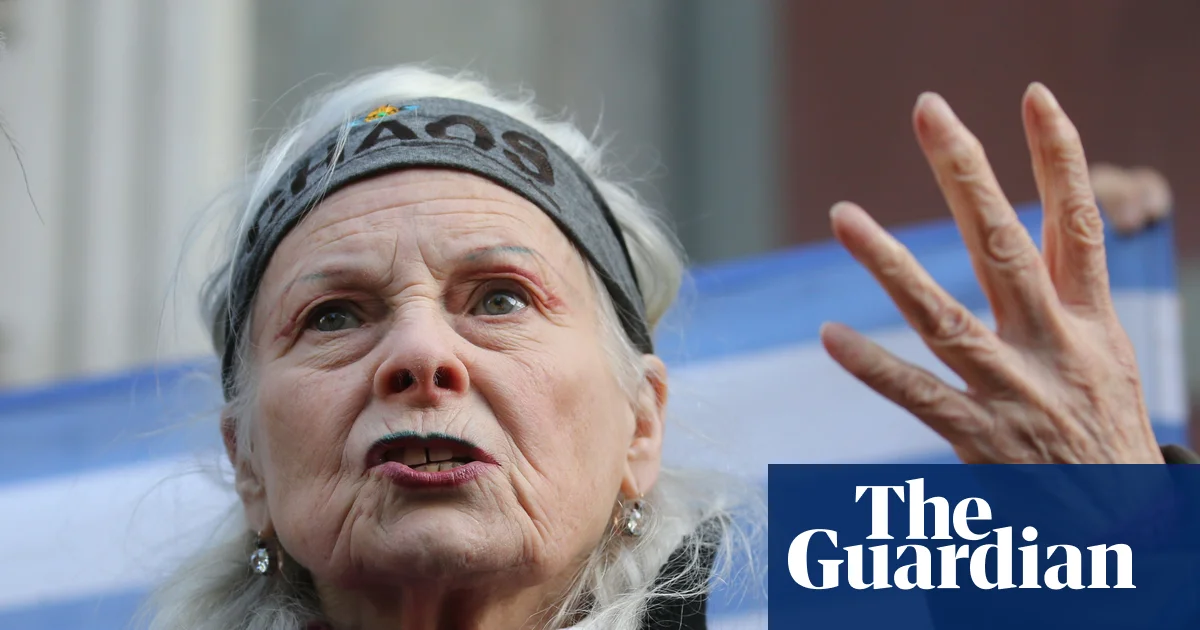
Vivienne Westwood’s granddaughter calls out brand as Riyadh Fashion Week deal sparks controversy

Fashion’s Fight for Social Justice: The Vivienne Westwood Legacy in a Changing World

The recent decision by Vivienne Westwood’s brand to showcase in Riyadh fashion week has ignited a fierce debate about the delicate balance between artistic expression and social responsibility. While the brand insists that their presence in the Gulf state is meant to facilitate dialogue and understanding, critics—including the granddaughter, Cora Corré—argue that such moves undermine the very values Westwood championed during her lifetime. This controversy underscores a larger, cultural shift within the fashion industry: the tension between global commerce and social activism, especially when powerful brands become unintentional agents of geopolitical diplomacy.

At the heart of this debate is the cultural impact of celebrity and brand influence on social values. Westwood, known for her punk rock ethos and outspoken activism, used her platform to challenge injustice—campaigning against fracking and advocating for Julian Assange. Yet, her brand’s decision to participate in Saudi Arabia’s glitzy fashion scene raises questions about how much influence elite fashion has in shaping societal norms. Influencers, sociologists, and analysts suggest that this dichotomy between style and substance exposes a broader societal undercurrent: are these gestures of cultural exchange or silent endorsements of controversial regimes? The fact that Kate Moss recently appeared in a charity T-shirt—featuring vintage Westwood graphics—further complicates the narrative, blurring lines between activism, fashion, and commercial interests.

This move also awakens concerns about the social relevance of fashion—particularly in nations with documented human rights violations. Human Rights Watch has called Saudi Arabia’s record “abysmal,” citing brutal repression of dissent and the criminalization of LGBTQ+ individuals—who face fines, flogging, or imprisonment. Despite this, Saudi Arabia is aggressively cultivating a global image as a hub of luxury and entertainment, investing heavily in high-profile events and celebrity-driven spectacles. Critics argue that these efforts, often endorsed by iconic brands, serve as a fine veneer masking deep-rooted abuses—raising the key question: are we commodifying human rights issues, or are these cultural exchanges genuinely fostering change?

As the winds of change blow through fashion, the implications extend beyond style into societal narratives. The questions that remain are profound: does stepping into an oppressive society simply normalize its realities, or can it be a catalyst for progressive dialogue? The answer may depend on perspective, yet one thing is clear—how iconic brands leverage their influence could define the next era of cultural activism. With Stella McCartney being approached for comment and ongoing discussions about the true impact of such high-profile endorsements, the next big question may be: Will fashion continue as a tool for social change, or will it become merely a business of appearances—lost in the glamour and gloss of luxury?

Giorgio Armani’s Last Walk: A Iconic Catwalk Tribute Crafted by the Master Himself at Milan Fashion Week

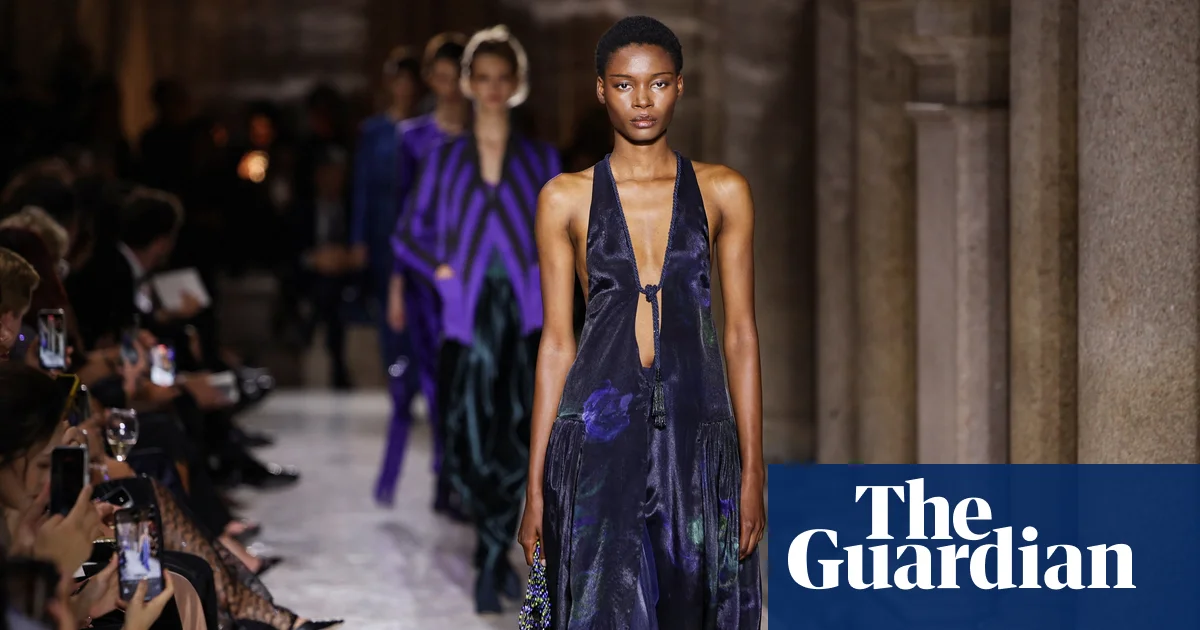
In an extraordinary tribute to a fashion icon, Giorgio Armani orchestrated what would be his final grand moment in Milan’s storied fashion scene. Known for redefining elegance with his softly assertive tailoring and Mediterranean-inspired color palette, Armani spent his last months meticulously planning a celebration of five decades of his iconic brand. This event, set in the romantic Pinacoteca di Brera, became more than just a runway show — it solidified Armani’s cultural relevance, blending high art with haute couture in a manner that resonated deeply with his loyal followers and fashion critics alike. Despite his passing earlier this month, the show went on, merging mourning with celebration, and forging a narrative that underscores his lasting influence on global style.

The event’s design reflected Armani’s signature blend of tradition and innovation. Invitations bore a black tie dress code alongside a T-shirt featuring a youthful portrait of Armani, a testament to the designer’s acknowledgment of his enduring legacy among younger generations. The guest list was a Who’s Who of Hollywood and fashion icons: Cate Blanchett, Lauren Hutton, and Richard Gere, whose early career was punctuated by Armani’s modern iconography in American Gigolo. It was a moment that merged social relevance and cultural impact: a celebration of style as power and a reminder that fashion continues to be a language of social identity, especially for the youth seeking to make bold statements through timeless elegance.

Armani’s latest collection, inspired by his personal experiences and favorite locations such as the historic Brera district and the island of Pantelleria, captured the mood of an era yearning for authenticity. The designs featured softly assertive tailoring again, with bold but refined double-breasted jackets, featherlight dresses in Mediterranean blues, and island-inspired looks designed to catch the breeze — an ode to freedom and individual expression. As fashion analysts highlight, Armani’s work exemplifies the “cultural significance of clothing as an extension of personal identity,” a trend championed by influencers turning to style as a form of subtle defiance against fast fashion’s fleeting trends. It’s this narrative of lasting impact that cements his place as “one of fashion’s heads of state,” as described by Anna Wintour, and it raises a fascinating question about the future trajectory of his empire.

Looking ahead, Armani’s heirs face a critical juncture. His explicit instructions to sell the brand to strategic buyers like LVMH, L’Oréal, or EssilorLuxottica signal a shift in how fashion powerhouses are viewing legacy brands. As the industry contemplates the next evolution—balancing heritage with innovation—the looming question becomes: Will Armani’s descendants preserve his understated, high-culture ethos, or will commercial pressures push the brand in a more mainstream, youthful direction? This dilemma encapsulates a broader societal shift — a generation increasingly eager to engage with authentic, culturally rich storytelling through fashion, yet also craving the accessibility and immediacy of contemporary trends. The future of Armani’s legacy isn’t merely about business; it’s about whether true style can remain a form of cultural commentary or if it will become just another fleeting commodity whether artfully curated or mass-produced. That’s the next big question for fashion, youth, and society: how will the enduring influence of a legend shape the aesthetic and social language of tomorrow’s cultural landscape?

Fendi’s Fresh Take: Childish Charm Meets Luxe at Milan Fashion Week

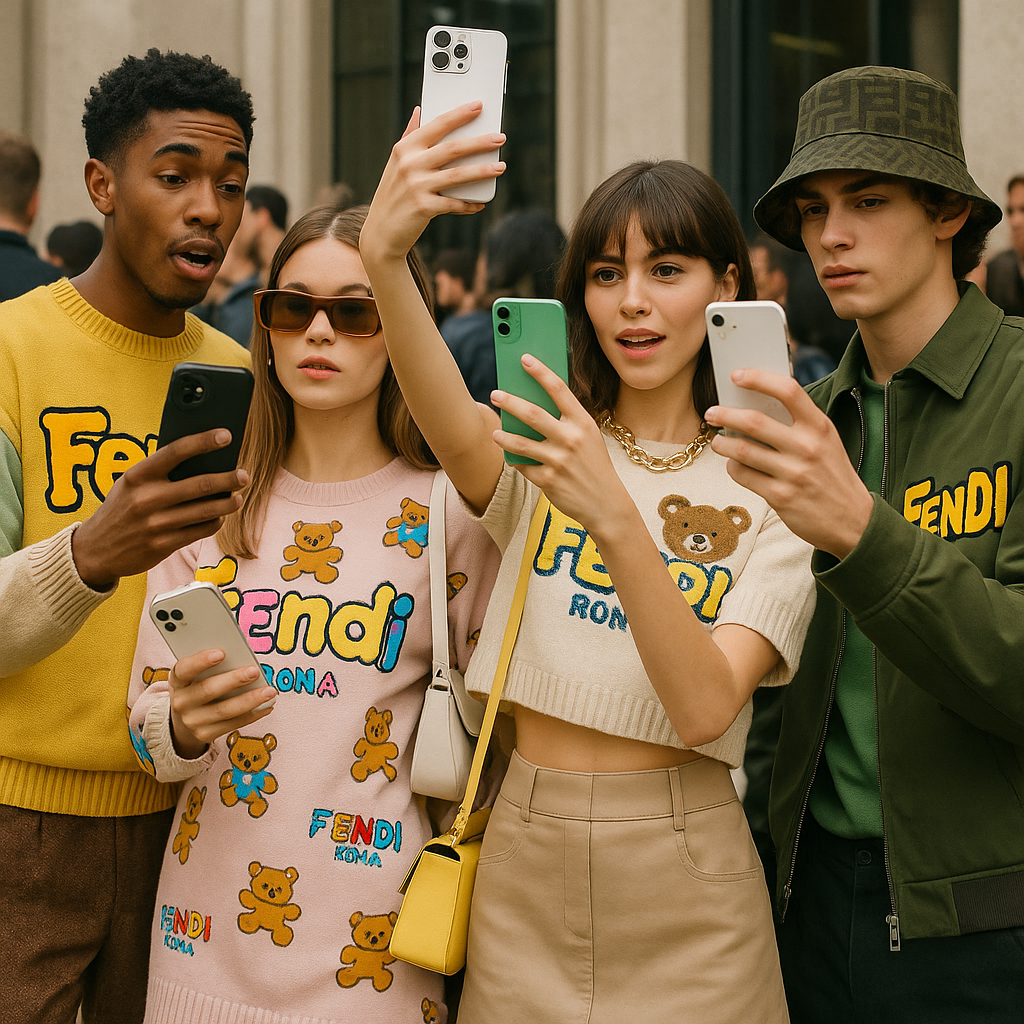
As Fendi marks its historic centenary this year, the fashion world witnesses more than just a celebration of legacy — it reflects a broader shift in societal attitudes towards inclusivity and family-centric branding. Under the creative direction of Silvia Venturini Fendi, the house has seamlessly blended tradition with modernity, showcasing a new generation that values authenticity and social relevance. The recent runway event highlighted this evolution, featuring models of all ages and sizes, utilizing adjustable elastics and elegant grosgrain pull-tapes, once thought to be purely functional, now reimagined as symbols of style and adaptability. Many fashion analysts view this as a cultural shift towards accepting & celebrating diversity, especially in the younger demographics seeking brands with a conscience, not just a heritage.

One cannot ignore the cultural impact of this movement; it resonates deeply with the rising tide of youth-driven social activism. Influencers like Chiara Ferragni and Marina Benetti have championed brands that embrace inclusivity and family values. As Silvia vented her pride backstage, she encapsulated the sentiment: it’s not just about creating luxury items but fostering a sense of belonging and social consciousness. Meanwhile, the fashion industry at large is grappling with a steepening slowdown, causing brands to innovate with fresh faces and reimagine traditional luxury. With Fendi opening new flagship stores in Milan, the focus is shifting from mere exclusivity to cultivating a culture that appeals to a younger, more socially aware consumer base.

While Fendi’s approach demonstrates a reverence for its roots, other brands are pivoting towards minimalism and strategic reinvention. The Jil Sander show, led by Simone Bellotti, returned to the brand’s minimalist melting pot, emphasizing crisp silhouettes and industrial tones that appeal to those longing for understated elegance amidst the extravagance. The trend of minimalism signifies more than aesthetic choice; it aligns with a societal desire for authenticity and sustainable luxury. Industry insiders, including sociologists like Dr. Laura Jensen, argue this signals a collective move away from ostentation toward a more intentional, purpose-driven fashion culture. Still, as the scene grows ever more innovative, one must ask: what will be the next big thing that truly captures the social imagination? Could future trends make fashion not just an expression of identity, but a catalyst for social change?

Social Media Auto Publish Powered By : XYZScripts.com