Matox News

Truth Over Trends, always!

TechCrunch Mobility Calls Out Secrecy: Where’s the Transparency?

The Race for Autonomous Mobility: Innovation Meets Industry Disruption

In the rapidly evolving landscape of transportation technology, autonomous vehicles (AVs) are at the forefront of disruption, promising to revolutionize how we commute, transport goods, and even redefine urban infrastructure. Major industry players like Waymo, Aurora, Tesla, and Zoox are racing to gain market dominance, fueled by relentless investment and groundbreaking innovations. Yet beneath the promise of seamless, AI-driven mobility lies a complex and concerning reality: a lack of transparency surrounding critical safety mechanisms, notably the reliance on remote assistance operators.

A recent investigation spearheaded by Senator Ed Markey highlights industry-wide vulnerabilities. The senator sent scrutinizing letters to leading AV companies, prompting disclosures about their use of remote operators—an essential yet opaque component of current AV systems. Interestingly, none of these firms has committed to transparent reporting, raising serious questions about their safety protocols and industry accountability.

  • Remote operators often guide vehicles during complex scenarios;
  • Tesla admits to authorized temporary vehicle control, blurring lines of remote assistance;
  • Regulators and industry watchers fear this opacity could mask safety gaps, jeopardizing public trust.

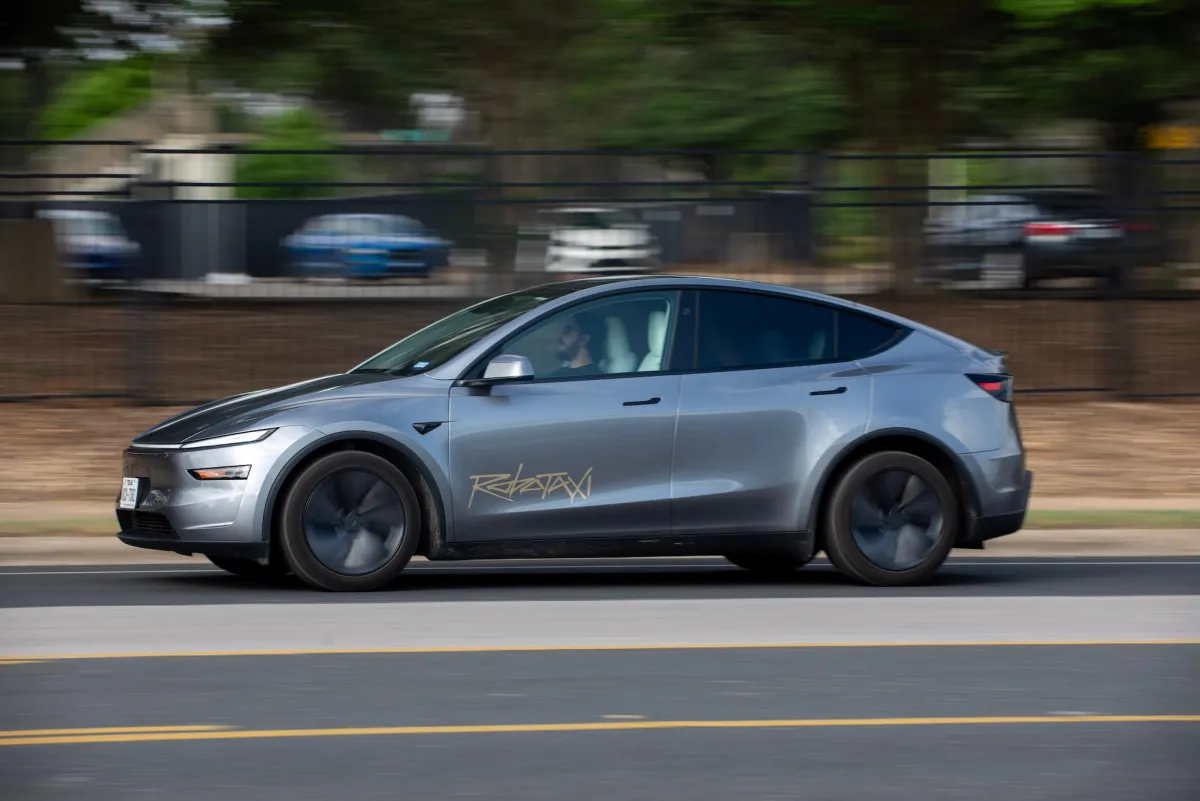
The implications extend beyond safety. As AVs become more embedded in daily life—with Waymo’s robotaxi service now operational at four major airports and expanding into Dubai—business disruption accelerates. Traditional transportation sectors face existential challenges, catalyzing a digital transformation that favors nimble startups and giants committed to autonomous innovation. Industry analysts from Gartner and MIT underscore that those who leverage disruption effectively will set the standards of the future. Companies like Uber are expanding into luxury and executive services, exemplified by their acquisition of Berlin-based Blacklane, signaling a strategic pivot toward high-margin, autonomous-enabled experiences.

Meanwhile, startups such as Manna Air Delivery and Saronic Technologies harness autonomous and electric innovations to disrupt logistics and maritime sectors. Saronic’s recent $1.75 billion funding round at a $9.25 billion valuation exemplifies how autonomous maritime tech is becoming a lucrative frontier, driven by innovations that threaten to redefine military and commercial shipping. Similarly, Voltify’s retrofit solutions for diesel locomotives demonstrate how old-school industries are being reshaped through electrification—a crucial step for sustainable disruption. As these companies push the limits of what’s possible, traditional giants ignore the slow march of change at their peril.

Looking ahead, the next phase of autonomous mobility will hinge on safety transparency and regulatory oversight. The National Highway Traffic Safety Administration (NHTSA) is under pressure to act, with calls for investigations into remote assistance practices possibly leading to legislation imposing strict guardrails. Industry-watchers like Peter Thiel and Elon Musk warn that complacency in this nascent sector could open the door for regulatory crackdowns or catastrophic failures. Equally, the strategic placement of AI in transportation mandates swift innovation—those who master it now will dominate the next era of mobility. In this high-stakes race, it’s clear that disruption is inevitable; the question is whether incumbents can adapt fast enough or will be swept away by a new wave of autonomous pioneers.
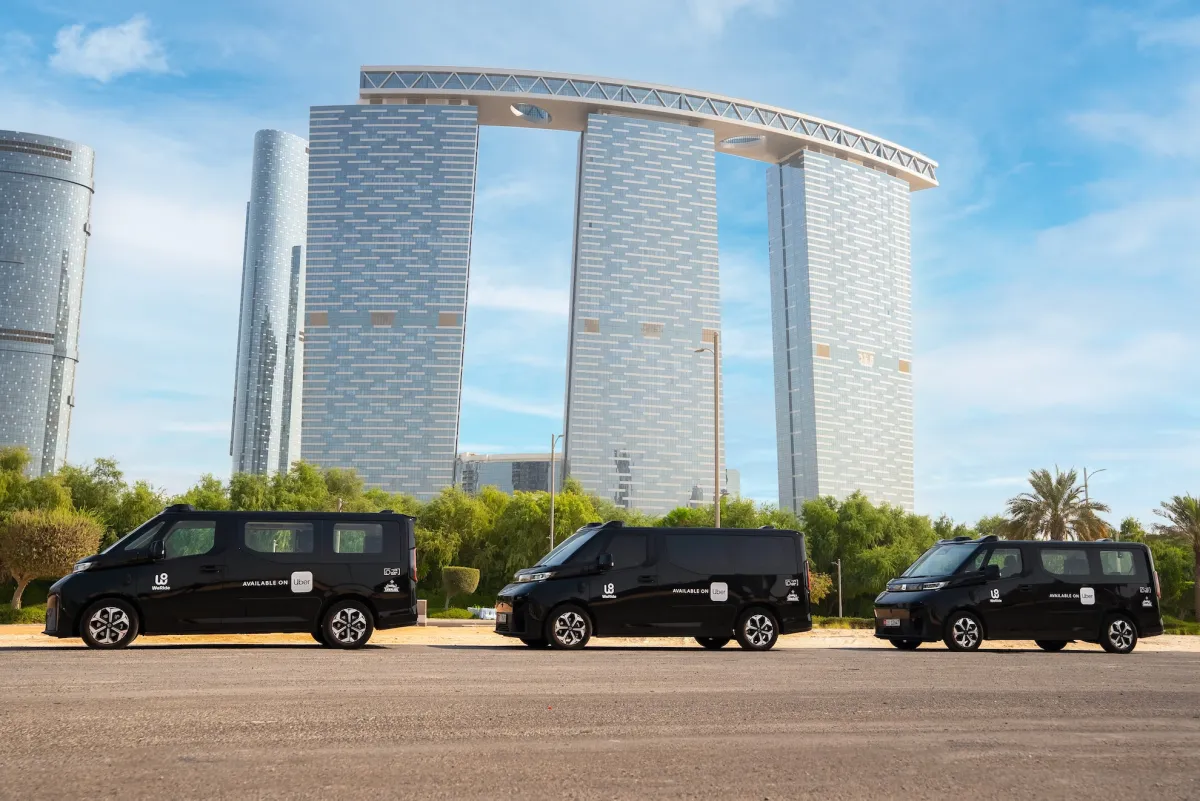

Uber and WeRide launch Abu Dhabi’s first truly driverless robotaxis—ready to revolutionize city transit

In a landmark development for autonomous mobility, Chinese autonomous vehicle firm WeRide and Uber have officially transitioned their Abu Dhabi robotaxi service from testing to driverless operations, marking a significant milestone in global AV deployment. After a year of rigorous testing and regulatory approvals—highlighted by WeRide’s recent federal permit from the UAE—the service now operates entirely without human safety operators, opening a new era of disruption for urban transportation. This move not only demonstrates the technological maturity of Chinese AV startups but signals a strategic push by Uber to cement its position in emerging autonomous markets outside North America and China.

The service, launched on Yas Island—home of high-profile events like the Abu Dhabi Grand Prix—represents an extension of Uber’s broader vision to scale driverless transportation across multiple regions. Similar to Uber’s partnership with Waymo in Austin, the Abu Dhabi operation leverages local regulatory advances and robust integration with Uber’s core app infrastructure, allowing users to opt into fully autonomous rides with a simple toggle. This reflects a fundamental shift—marking not just a technological breakthrough but an industry-wide disruption poised to commoditize premium mobility. Uber’s strategy exemplifies a new chapter where autonomous fleets could eventually supplant traditional ride-hailing, creating a more efficient, cost-effective model for urban mobility.

Market analysts like Gartner and MIT’s Transportation Lab highlight that Uber’s recent and anticipated autonomous deployments foreshadow a transformative effect on the transportation industry—particularly in how urban congestion, safety, and operational costs are managed. Uber’s extensive partnerships with over 20 AV companies—including May Mobility, Volkswagen, and leading Chinese firms such as Pony.ai and Baidu—underline its ambition to diversify its portfolio of self-driving applications. The company’s move into major markets like Abu Dhabi and future plans for cities such as Dubai underscore a competitive environment where disruption is accelerating: traditional taxi and ride-hailing revenues are under imminent threat, giving way to a new autonomous paradigm.

The business implications of these advancements extend beyond mobility. Uber’s strategic alliance with AV tech firms has laid a foundation for revenue streams in micro-mobility, logistics, and even freight—areas where autonomy promises exponential cost reductions and operational agility. With Uber CEO Dara Khosrowshahi openly forecasting deployments in at least ten cities by 2026, the competitive landscape is set to intensify. Disruption in urban transit markets is expected to accelerate as these innovations crack the code on safety, scalability, and regulatory hurdles—factors that have traditionally slowed adoption. This aggressive rollout trajectory not only promises economic rewards for early entrants but positions Uber as a pivotal player shaping the future of how societies mobilize.

Looking ahead, the next 12 to 24 months will be critical in determining whether these autonomous innovations can achieve the widespread adoption necessary to redefine urban landscapes. Emerging markets like the Middle East—with their rapid development goals and openness to cutting-edge solutions—are emerging as fertile testing grounds for AV commercialization, signaling a global shift toward disruptive mobility. As industry giants and startups race to perfect driverless technology, the urgency for regulators, investors, and consumers to adapt to this evolving landscape intensifies. The question remains: will the tipping point arrive sooner than expected, ushering in a new era of disruption, or will technical and regulatory challenges delay mass adoption? Given the current pace, it is clear that the future of transportation is not just approaching—it is already here.

Social Media Auto Publish Powered By : XYZScripts.com


