The Race for Autonomous Mobility: Innovation Meets Industry Disruption
In the rapidly evolving landscape of transportation technology, autonomous vehicles (AVs) are at the forefront of disruption, promising to revolutionize how we commute, transport goods, and even redefine urban infrastructure. Major industry players like Waymo, Aurora, Tesla, and Zoox are racing to gain market dominance, fueled by relentless investment and groundbreaking innovations. Yet beneath the promise of seamless, AI-driven mobility lies a complex and concerning reality: a lack of transparency surrounding critical safety mechanisms, notably the reliance on remote assistance operators.
A recent investigation spearheaded by Senator Ed Markey highlights industry-wide vulnerabilities. The senator sent scrutinizing letters to leading AV companies, prompting disclosures about their use of remote operators—an essential yet opaque component of current AV systems. Interestingly, none of these firms has committed to transparent reporting, raising serious questions about their safety protocols and industry accountability.
- Remote operators often guide vehicles during complex scenarios;
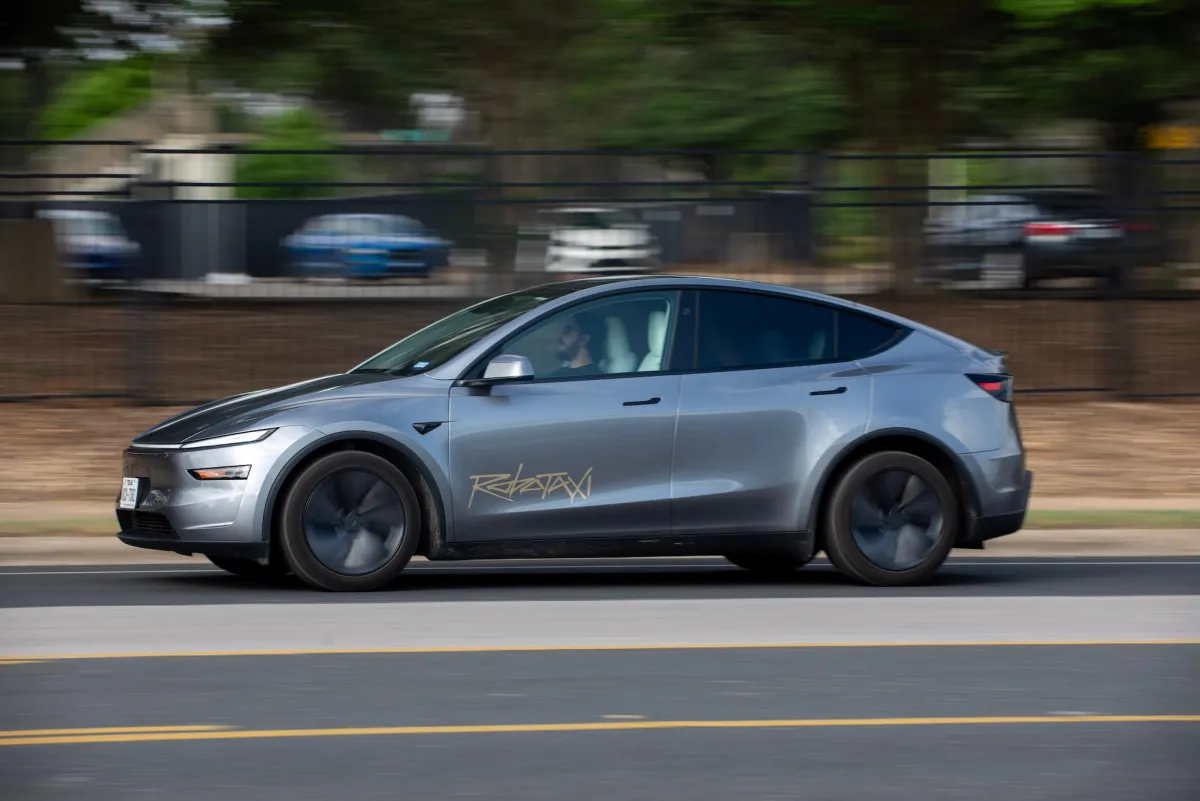
- Tesla admits to authorized temporary vehicle control, blurring lines of remote assistance;
- Regulators and industry watchers fear this opacity could mask safety gaps, jeopardizing public trust.
The implications extend beyond safety. As AVs become more embedded in daily life—with Waymo’s robotaxi service now operational at four major airports and expanding into Dubai—business disruption accelerates. Traditional transportation sectors face existential challenges, catalyzing a digital transformation that favors nimble startups and giants committed to autonomous innovation. Industry analysts from Gartner and MIT underscore that those who leverage disruption effectively will set the standards of the future. Companies like Uber are expanding into luxury and executive services, exemplified by their acquisition of Berlin-based Blacklane, signaling a strategic pivot toward high-margin, autonomous-enabled experiences.
Meanwhile, startups such as Manna Air Delivery and Saronic Technologies harness autonomous and electric innovations to disrupt logistics and maritime sectors. Saronic’s recent $1.75 billion funding round at a $9.25 billion valuation exemplifies how autonomous maritime tech is becoming a lucrative frontier, driven by innovations that threaten to redefine military and commercial shipping. Similarly, Voltify’s retrofit solutions for diesel locomotives demonstrate how old-school industries are being reshaped through electrification—a crucial step for sustainable disruption. As these companies push the limits of what’s possible, traditional giants ignore the slow march of change at their peril.
Looking ahead, the next phase of autonomous mobility will hinge on safety transparency and regulatory oversight. The National Highway Traffic Safety Administration (NHTSA) is under pressure to act, with calls for investigations into remote assistance practices possibly leading to legislation imposing strict guardrails. Industry-watchers like Peter Thiel and Elon Musk warn that complacency in this nascent sector could open the door for regulatory crackdowns or catastrophic failures. Equally, the strategic placement of AI in transportation mandates swift innovation—those who master it now will dominate the next era of mobility. In this high-stakes race, it’s clear that disruption is inevitable; the question is whether incumbents can adapt fast enough or will be swept away by a new wave of autonomous pioneers.