Matox News

Truth Over Trends, always!

Google’s New York Offices Hit with Bed Bug Outbreak — What’s Going on Behind the Screens?

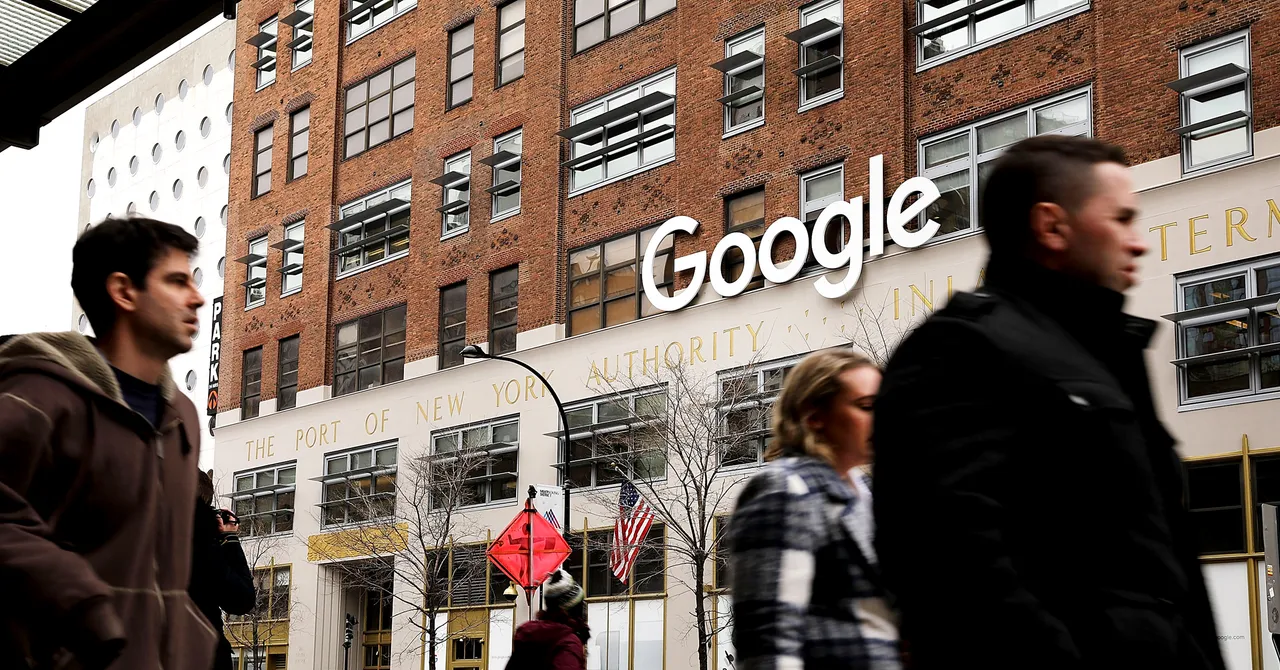
Google’s New York City Campus Encounters Bed Bug Outbreak, Highlighting Industry Challenges

In a striking reminder that even the most innovative technological giants are not immune to operational disruptions, Google recently issued a notice to employees at its Chelsea campus in New York City regarding a potential bed bug outbreak. The incident underscores ongoing challenges in maintaining clean and healthy environments within the rapidly evolving landscape of tech hubs, despite the company’s status as an industry leader in innovation. Exterminators, equipped with advanced sniffing dogs, confirmed credible evidence of pests, prompting the immediate suspension of office activities until remediation efforts were completed.

Implications for Business Operations and Industry Standards

This recurring annual issue reveals a broader truth about high-density tech campuses—sustainable innovation demands resilient infrastructure and robust operational protocols. Google’s proactive approach, including additional inspections across its New York campuses, exemplifies industry best practices. The incident not only disrupts workflow but also raises questions about workplace hygiene standards in these high-profile centers of innovation. Such occurrences serve as a reminder to industry leaders and firms across sectors about the lurking vulnerabilities of large-scale physical environments, even amidst the digital revolution.

Broader Industry Trends and Disruptive Challenges

The recurrence of pest issues at Google’s offices is emblematic of urban tech hub insecurities faced by Silicon Valley giants and startups alike. Past incidents, such as the 2010 outbreak at Google’s Ninth Avenue offices, highlight a persistent challenge in managing the intersection of urban living conditions and cutting-edge workplaces. As industry analysts like Gartner emphasize, disruption isn’t limited to products or markets—it extends to operational resilience and health standards.

Future Outlook: Innovation Meets Continued Disruption

While these setbacks might seem minor against the epoch-defining scope of technological progress, they serve as crucial lessons for future innovation strategies. Technological disruption is often accompanied by unforeseen operational vulnerabilities, underscoring the need for integrating advanced pest management and environmental controls into corporate infrastructure. Experts like Elon Musk and Peter Thiel have long warned that disruption also requires resilience and agility—traits that will define market leaders in the coming decade. Going forward, the emphasis on health-driven innovation and sustainable workplace environments will be essential to sustain growth amid mounting external challenges. The lesson remains clear: as the artificial and digital realms accelerate, so must the robustness of their physical counterparts.

Jennifer Lawrence Addresses Gaza: “What’s Happening Constitutes a Grave Genocide”

In the midst of today’s tumultuous cultural landscape, the words of Jennifer Lawrence serve as a reminder that art and society are profoundly intertwined — that they are, in essence, mirrors and molders of our collective identity. As she boldly addressed the Israeli offense in Gaza, calling it “no less than a genocide,” Lawrence ventures beyond the superficial to confront the enduring moral questions that define a civilization. Her candidness underscores what critics like Ortega y Gasset have long argued: that culture is both the expression and the foundation of a society’s soul. In this, her voice becomes an act of cultural resistance, asserting that art is not merely entertainment but a vital form of truth-telling and moral engagement. It is this conviction that elevates the artist from mere creator to custodian of civilization’s memory, challenging us to look deeper into the currents shaping our world.

During her discourse at the San Sebastián film festival, Lawrence also touched upon the perilous state of free speech and the pervasive loss of respect in American political dialogue. Her comments highlight an often-overlooked cultural phenomenon: the war over narratives, the battles over what is remembered, and what is silenced. Philosophers like Tocqueville have observed that democracies are fragile not merely because of political division but because of the erosion of shared cultural values and the attack on individual moral agency. Today, as entertainment figures like Lawrence push back against the rising tide of censorship—exemplified by the recent pledge of over 4,000 Hollywood insiders to boycott Israeli institutions —they remind us that culture is the battlefield of identity and morality. This moral stand is rooted in a broader fight to safeguard our ingrained traditions, to ensure that the memory of our civilization remains resilient amid the shifting sands of modern ideologies.

Furthermore, Lawrence’s emphasis on responsibility within the cultural sphere echoes Chesterton’s assertion that “Art is the signature of man,” an enduring testament to the human spirit’s desire for meaning amidst chaos. Her vigilance against the normalization of dishonesty in politics underscores the importance of maintaining a moral compass through art and cultural expression. As history reveals, from the classical ideals of ancient Greece to the Renaissance’s renewal of humanism, society’s identity is preserved through its stories, its shared symbols, and its collective memory. The cultural battles we face are not merely about words or works of art—they are about the very soul of our society, our tradition, and our future. Truly, as T.S. Eliot suggests, if we understand our history as a poetic process, then each act of cultural resistance is a step towards the realization that humanity moves forward through remembering and reimagining.

In the end, culture emerges as both memory and prophecy: the memory of our ancestors’ victories and sacrifices and the prophecy of a civilization yet to come. The powerful images of art and the compelling stories told through film, music, and literature become a living record of who we are and who we might become. As Lawrence prepares to accept her honorary award, she reminds us that beneath the noise of modern conflicts lies the enduring truth—our culture, with all its beauty and brutality, is the living, breathing testament to human hope and resilience. And thus, as we ponder our roots and our future, let us remember that culture is both a mirror of humanity’s past and a lantern guiding us into the uncharted realm of human possibility—forever reminding us that, in the words of Eliot, “the only hope is to rediscover the poetry of ourselves.”

Israel Pushes Forward in Gaza While Trump Claims Ceasefire Near — What’s Next?

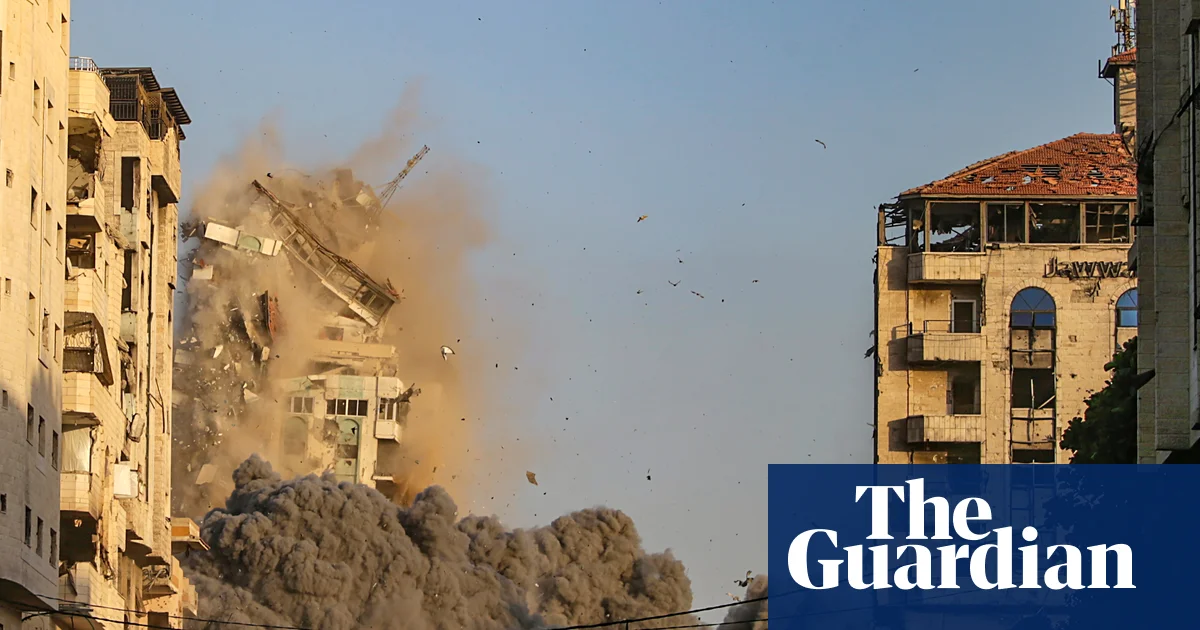
The ongoing conflict in Gaza continues to reverberate across the global stage, illustrating how local violence can rapidly escalate into a geopolitical crisis with far-reaching consequences. As Israel pushes forward with its ground offensive against Hamas, the international community is grappling with a complex web of alliances, rhetoric, and strategic interests. Reports from Gaza indicate Israeli tanks advancing through central and western neighborhoods of Gaza City, amidst a backdrop of staggering humanitarian suffering. Despite the widespread evacuation orders, many Palestinians remain trapped due to physical incapacity, poverty, or the destruction of infrastructure, exposing the stark disparity between military objectives and civilian safety. This scenario underscores a core dilemma for Israeli military tactics: pursuing security at a humanitarian cost that critics argue only deepens the cycle of violence, while analysts warn that the conflict’s escalation risks destabilizing the entire Middle East.

Within this crisis, the U.S. and European nations find themselves at a crossroads, trying to balance conflict management with strategic interests. Former President Donald Trump has re-entered the diplomatic arena with claims of an impending breakthrough, advocating a 21-point ceasefire proposal that includes the release of hostages, Hamas disarmament, and Israeli troop withdrawals. Yet, the realism of such promises remains in doubt, with Hamas’ armed wing raising urgent appeals to halt Israeli airstrikes to facilitate hostage negotiations—an appeal met with silence from Israel. Meanwhile, Netanyahu continues his vow to “finish the job” against Hamas, a stance that risks collapsing any nascent diplomatic channels and prolonging the cycle of violence. Global institutions like the United Nations have warned that the escalation threatens wider regional stability, but practical resolutions remain elusive amidst entrenched mistrust. The geopolitical impact is profound: alliances are tested, and the future of the Palestinian territories hangs precariously in the balance, with each side’s rhetoric fueling fears of a broader conflagration.

Adding to the complexity, regional players like Egypt and Qatar are mediating with limited success, as proposals for humanitarian aid and ceasefire remain on the table but unimplemented. Italian officials, echoing broader European concerns, have suggested alternative routes for international aid, such as distributing aid through Cyprus—an idea rebuffed by Israel, which insists on strict control over maritime access. The disruption caused by the flotilla incident off Crete illustrates how fragile efforts at humanitarian aid are amidst a warzone driven by entrenched narratives of resistance, sovereignty, and security. With the conflict now spanning over two months, and the death toll surpassing 66,000, the reality on the ground exposes the tragic divergence between military aims and the human toll—particularly for the civilians enduring famine, injury, and displacement.

More broadly, this crisis underscores a turning point in Middle Eastern geopolitics: the very fabric of peace, sovereignty, and international law is being challenged, with Israel‘s occupation of the West Bank and Jerusalem fueling Palestinian aspirations for a future state. The recent surge in violence, including a deadly car-ramming attack praised by Hamas, signals a region on the brink of wider upheaval. Historians and analysts have long warned that unresolved conflicts from the 1967 war, including the fate of Palestinian territories, inevitably destabilize the broader Middle East—potentially igniting flare-ups that threaten global security. As world powers stand divided—some supporting Israel’s right to defend itself, others calling for immediate ceasefire and negotiations—the weight of history urges a sobering reflection: in this theater of broken promises and unhealed wounds, the true cost is paid not by leaders and nations alone, but by generations of civilians caught in the crossfire, their suffering a grim reminder that the path to peace remains elusive, yet urgent as ever. The future remains uncertain, and the pages of history continue to turn, with each new chapter shaping the destiny of millions and testing the resilience of international resolve.

Elon Musk and Prince Andrew linked to new Epstein documents — what’s really at stake?

Geopolitical Reckoning: Epstein Files Unveil Ties to Power Elites

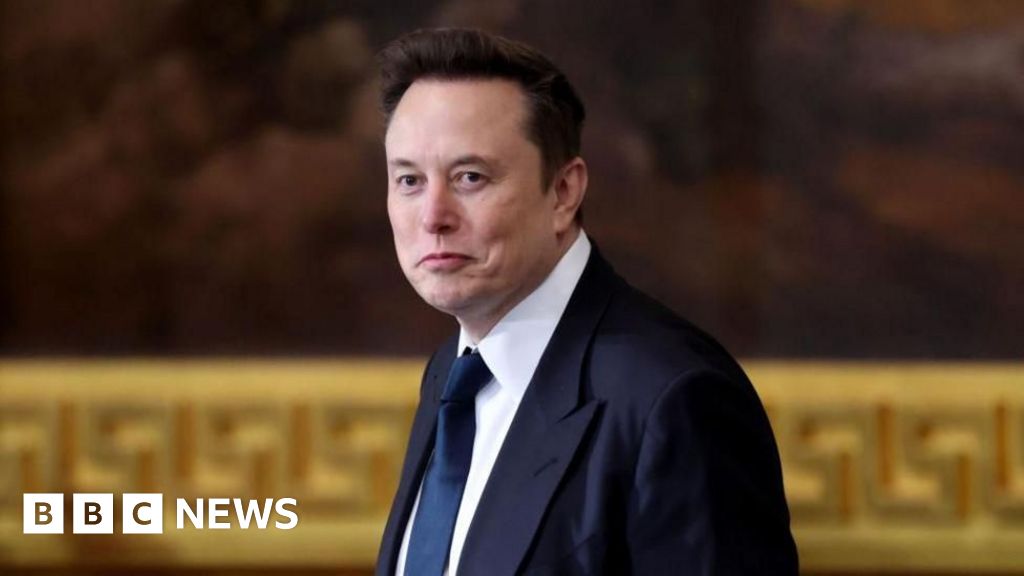
The recent release of documents linked to the late financier Jeffrey Epstein has ignited a storm of controversy that extends far beyond the sordid allegations. These files, handed over by Epstein’s estate to the House Oversight Committee, illuminate a network of connections among some of the most prominent figures from the worlds of business, politics, and royalty. Among those named are billionaire technology mogul Elon Musk, Prince Andrew of the United Kingdom, and other influential personalities like Peter Thiel and Steve Bannon. As the world grapples with these disclosures, the geopolitical impact of such revelations cannot be overstated, as they threaten to reshape public perceptions of power, influence, and the true extent of the clandestine alliances that often operate in darkness.

Historically, Epstein’s web of connections has been a cautionary tale about the complicity and silence surrounding elite misconduct. Legal scholars and international analysts have long argued that Epstein’s relationships with key figures exposed a fragile veneer of morality maintained at the highest levels. New documentation suggests that Elon Musk had been invited to Epstein’s infamous private island in December 2014—an invitation Musk has reportedly declined—raising questions about whether oversight and accountability extend into the realms of technology’s most powerful. Similarly, Prince Andrew features prominently, with records indicating he flew on Epstein’s flight from New Jersey to Florida in May 2000, an event that has long haunted the royal figure. These revelations come amidst growing suspicion about the collusion between the global elite and criminal networks, as international watchdogs urge for thorough investigations. The United Kingdom and U.S. authorities now face mounting pressure to reckon with these covert links that could threaten the foundations of public trust and diplomatic relations.

The files also detail planned meetings with other influential figures, including the Microsoft founder Bill Gates and Steve Bannon. Such connections compound the narrative that Epstein’s influence transcended mere criminal activity, seamlessly intertwining with the fabric of global power structures. As political analysts warn, these associations could have far-reaching implications, potentially impacting international policy, economic negotiations, and diplomatic alliances. The geopolitical impact of this knowledge is profound—drivers of global stability and peace, as well as the credibility of international institutions, hang in the balance. Critics argue that these relationships illustrate a disturbing pattern where personal ambition and wealth supersede justice, exposing how elite immunity shields some from legal repercussions.

Although some figures, like Musk and Prince Andrew, have denied any knowledge of illegal activities, the public outrage remains untamed. The Democrat-led committee has called for expanded transparency, emphasizing that “every new document provides vital clues” towards understanding the extent of Epstein’s influence. The historical significance of these disclosures reflects a turning point: an awakening of public consciousness concerning unchecked power. As the dust begins to settle on these revelations, society must grapple with the unsettling truth that the corridors of influence often hide darker realities—realities that, once uncovered, threaten to rewrite the narrative of global leadership,” warns renowned historian Dr. Margaret K. Howell. The world remains on the precipice of a potential upheaval, where the revelations of today could serve as the catalyst for a reckoning that echoes through the corridors of history—perhaps, the moment when the shadows cast by the powerful finally begin to recede, unveiling truths long suppressed beneath layers of secrecy and complicity.

Social Media Auto Publish Powered By : XYZScripts.com