Matox News

Truth Over Trends, always!

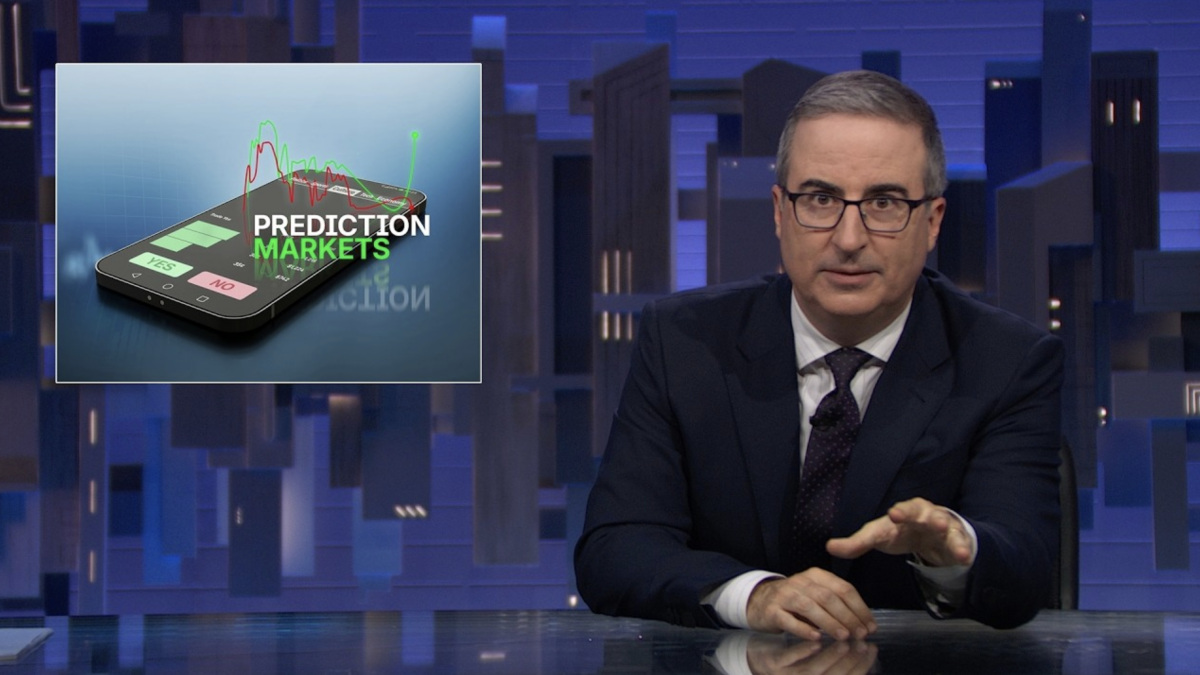
John Oliver explores the bold future of predictions markets — what’s next for your money and our society

Prediction Markets: The Rise of Betting on Future Events

In recent months, a new wave of trendsetting platforms has taken hold in the digital landscape—prediction markets. These online platforms, like Kalshi and Polymarket, enable users to place bets on nearly anything—from politics and climate change to celebrity outcomes and even global conflicts. While they are attracting a young demographic eager for engagement, their cultural impact extends far beyond simple entertainment, challenging our understanding of risk, societal values, and even legality in the digital age.

This phenomenon is prompting intense debate among sociologists, legal experts, and digital activists about the social relevance of such betting markets. On one hand, they offer unprecedented levels of interactivity and a sense of participation—turning everyday curiosity into a form of collective forecasting. Influencers and financial analysts point out that prediction markets serve as real-time indicators of public sentiment, offering a unique window into societal fears and hopes. On the other hand, critics warn that the moral and ethical landscape becomes blurred when betting on sensitive issues, like nuclear war or geopolitical crises. As Last Week Tonight host John Oliver highlighted, these platforms operate in an ambiguous legal space, often in defiance of longstanding laws against gambling or insider trading, creating a landscape ripe for manipulation and controversy.

Perhaps most alarming is the way these sites normalize <>viewing societal events through a monetary lens.

  • Increased participation from younger audiences who see these markets as a cool way to engage with the world
  • Media outlets inadvertently giving these platforms legitimacy by reporting odds like they are news, not speculative gambling
  • Growing concerns among watchdog groups about insider trading and their potential influence on actual policy or conflict escalation

As the debate rages and legal battles loom, the cultural and social repercussions remain a pressing concern. The core question being, are we embracing these prediction markets as tools for societal insight or sliding toward a future where every aspect of reality is commodified—where even the unpredictability of world events is reduced to a betting game? Sociologist Dr. Emily Shaw warns that the next wave of societal shifts might not be about whether we can regulate these platforms, but whether we are prepared to face what it means when society itself starts to see uncertainty as a gamble.

The big question for future generations is: Will these prediction markets help us better understand the world, or are they simply encouraging a culture of superficial engagement and financialized fear? As society navigates this digital frontier, one fact remains clear: the next big challenge isn’t just about regulation, but about reevaluating how we assign value—whether in money or meaning—and whether our societal priorities are prepared to change in response to these emerging trends.

US and Iran Unveil Paths to Peace: What’s on the Table?

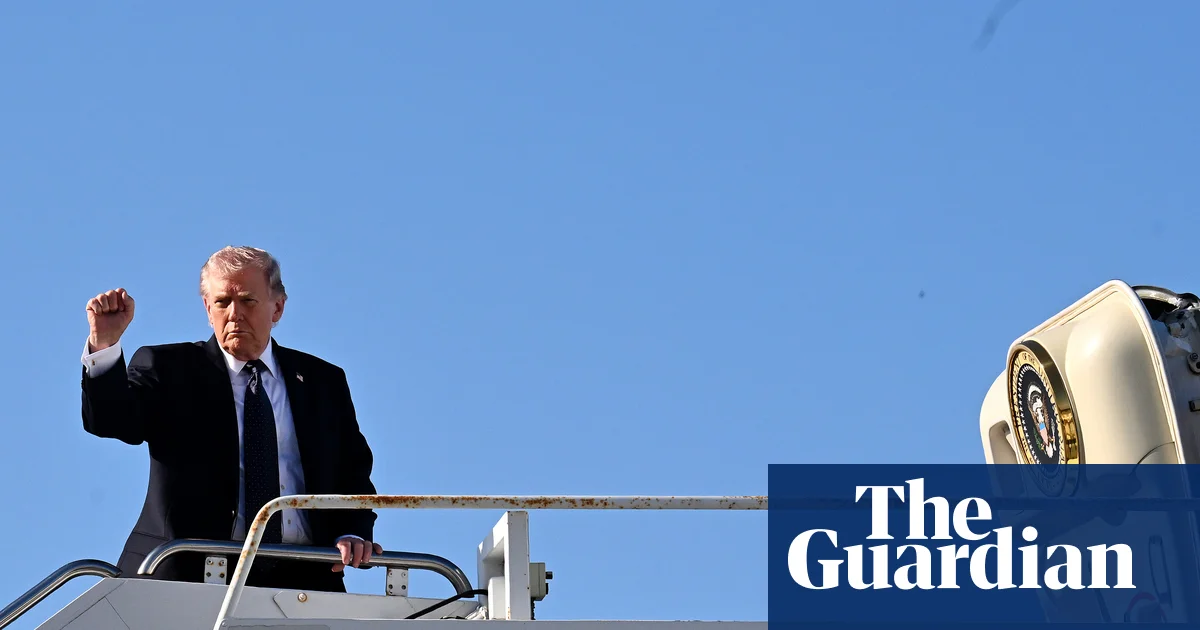
In a startling development that underscores the fragility of international diplomacy amid escalating tensions, former U.S. President Donald Trump has publicly claimed that he is engaged in dialogue with “the right people” in Iran. This assertion, however, has been swiftly countered by Tehran, which categorically denied any such negotiations are occurring at this time. The conflicting narratives highlight a persistent uncertainty surrounding regional security and diplomatic outreach in the Middle East.

The implications of Trump’s statement have rippled through the geopolitical landscape, prompting analysts and international organizations to reevaluate their assessments of the ongoing U.S.-Iran dynamic. Historically, diplomatic engagement has been a cornerstone of stability in the region, but recent years have been marred by a series of confrontations, exit from the Iran Nuclear Deal, and escalating sanctions. The renewed mention of possible negotiations, regardless of the veracity, serves to rekindle hopes—yet also fuels fears of miscommunication and miscalculation that could spiral into open conflict.

According to international experts and historians specializing in Middle Eastern geopolitics, such as Dr. James Connelly of the London School of Economics, these conflicting statements demonstrate the ‘complex chess game’ played by the major power brokers. On one hand, U.S. motives appear to shift toward a pragmatic pursuit of diplomacy to de-escalate tensions. On the other, Tehran’s rejection of any ongoing negotiations signals a desire to project strength and maintain strategic autonomy in an environment rife with external pressure. This persistent ambiguity complicates the potential for meaningful progress, making the possibility of future negotiations a delicate balancing act.

  • Trump’s claim raises questions about U.S. outreach efforts and whether an administration change or internal political shifts are influencing diplomatic signals.
  • Iran’s denial underscores the ongoing authoritarian regime’s insistence on sovereignty amid external pressures and regional rivalries.
  • Both sides’ stances influence the power dynamics across the Middle East, affecting allies and adversaries alike, from Israel and Saudi Arabia to Russia and China.

The geopolitical impact of this episode extends far beyond immediate diplomatic circles. As UN Secretary-General António Guterres has warned, instability in the Middle East threatens global security, trade routes, and energy supplies. Many analysts argue that decisions made now—whether to pursue negotiations or escalate confrontation—will shape the course of history for decades. The international community remains watchful, knowing that any misjudgment could ignite conflicts with far-reaching consequences, reminiscent of Black Swan events that reshape nations and alliances.

As history continues to unfold in this high-stakes chess game, the world holds its breath. In the shadows of diplomatic corridors and fortified embassies, decisions are being forged that could pivot the region toward peace or plunge it into chaos. The question remains: will the voices of diplomacy finally drown out the drumbeats of war, or does history warn us that such opportunities may once again slip through humanity’s grasp—leaving global stability to teeter on the brink?

Birmingham bin strike sparks concern: what's behind it and when will trash be back? | Birmingham
Birmingham bin strike sparks concern: what’s behind it and when will trash be back? | Birmingham

Society in Crisis: The Birmingham Bin Strike and Its Social Impacts

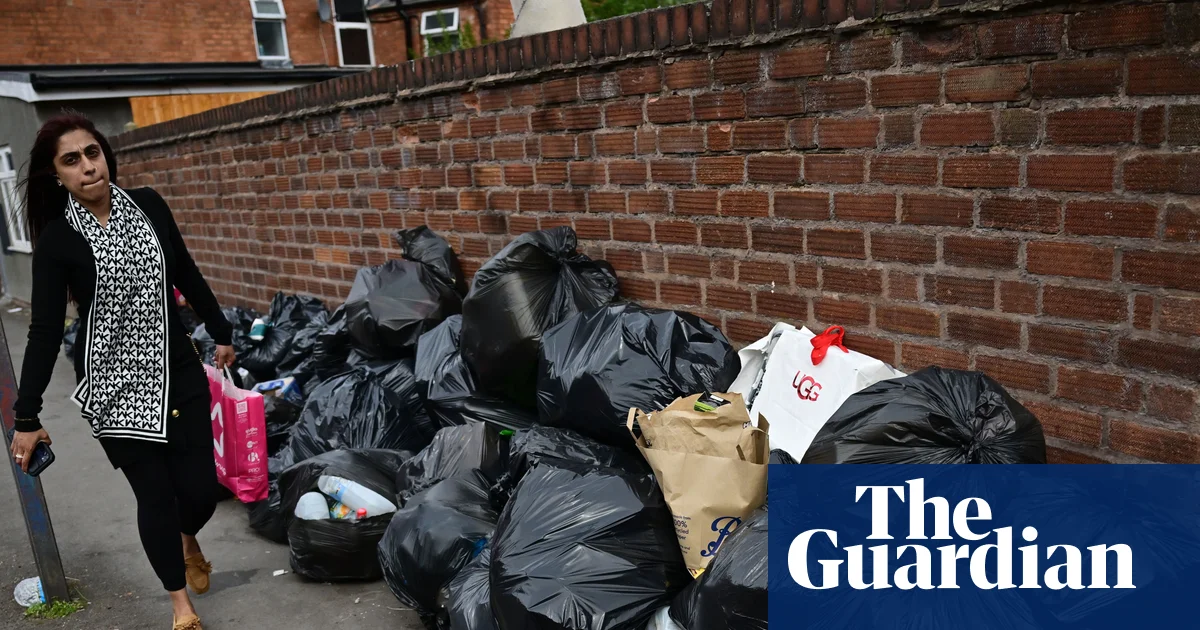
Over a year has passed since the bin workers of Birmingham initiated an all-out strike, leaving the city engulfed in overflowing waste and mounting health concerns. This protracted dispute is emblematic of wider societal issues rooted in economic austerity, social inequality, and the erosion of traditional community institutions. As the UK’s second-largest city struggles under the weight of uncollected rubbish, the ripple effects are felt most acutely by families and vulnerable populations, exposing the fragility of social cohesion and the growing divide within urban communities.

At the heart of the conflict lies a debate over pay cuts, job roles, and the financial burdens faced by local government. The union, Unite, claims that proposed changes threaten workers’ safety and threaten to strip hundreds of pounds from their annual income. Conversely, city officials cite the specter of costly equal pay claims and financial instability as reasons for their stance, a consequence of recent bankruptcies and austerity-driven policies. Sociologists like Robert Putnam warn that such economic strains threaten social capital, eroding trust and cooperation necessary for vibrant communities. As negotiations falter, citizens bear the brunt—mothers with children, the elderly, and low-income families—who are now coping with the unsanitary conditions that threaten their health and safety.

Impact on Families and Communities

The social fabric of Birmingham is unraveling under the weight of uncollected waste. Public health crises emerged—mountains of rubbish, rat infestations, and maggots—highlighting how hampered waste collection disrupts daily life. Communities in affluent areas managed to keep their streets cleaner, disproportionately benefiting those with resources and social capital, while marginalized neighborhoods faced the worst. Such disparities underscore the widening social divide and the destabilization of shared spaces that traditionally foster community ties.

  • The city declared a major incident amidst overflowing bins, endangering residents and intensifying fears surrounding sanitation and disease.
  • The disruption has fractured trust in local governance, fueling political upheaval—mayoral elections loom, with new administrations potentially eager to restore order and social stability.
  • Families are disproportionately affected, with children exposed to increased health risks, compounding existing inequalities and social tensions.

This scenario echoes social theorists’ warnings about the corrosive effects of prolonged social neglect, and highlights how essential community institutions are in maintaining societal resilience. Without proactive engagement and social safety nets, disparities deepen, threatening the very cohesion that sustains urban life.

Hope for Renewal and societal transformation

Despite the bleak narrative, there remains a glimmer of hope—a societal recognition that addressing the root causes of such conflicts is imperative for future stability. Sociologists argue that restoring trust hinges on genuine dialogue, accountability, and shared commitments to rebuilding community resilience. The upcoming local elections could serve as a catalyst for change, signaling whether Birmingham’s leadership will prioritize social equity, transparency, and investment in public services.

In this frontier of social challenge, the community’s story is not solely one of decline but also resilience. It is an invitation—perhaps even a moral call—to society’s leaders and citizens alike—to reimagine a city where dignity, health, and shared responsibility are renewed in the face of adversity. As history has shown in moments of crisis, the strength of a society lies not in the absence of challenges but in its capacity for reflection and renewal. Birmingham’s struggle with its waste crisis, therefore, becomes a mirror—reflecting our collective need to forge social bonds and restore trust, lest society itself become buried under the weight of its neglect.

Jensen Huang Signals Nvidia’s Shift Away from OpenAI and Anthropic — What’s Really Going on?

Tech Industry Shakeup: Nvidia’s Strategic Investments and the Geopolitical Tensions Reshaping AI

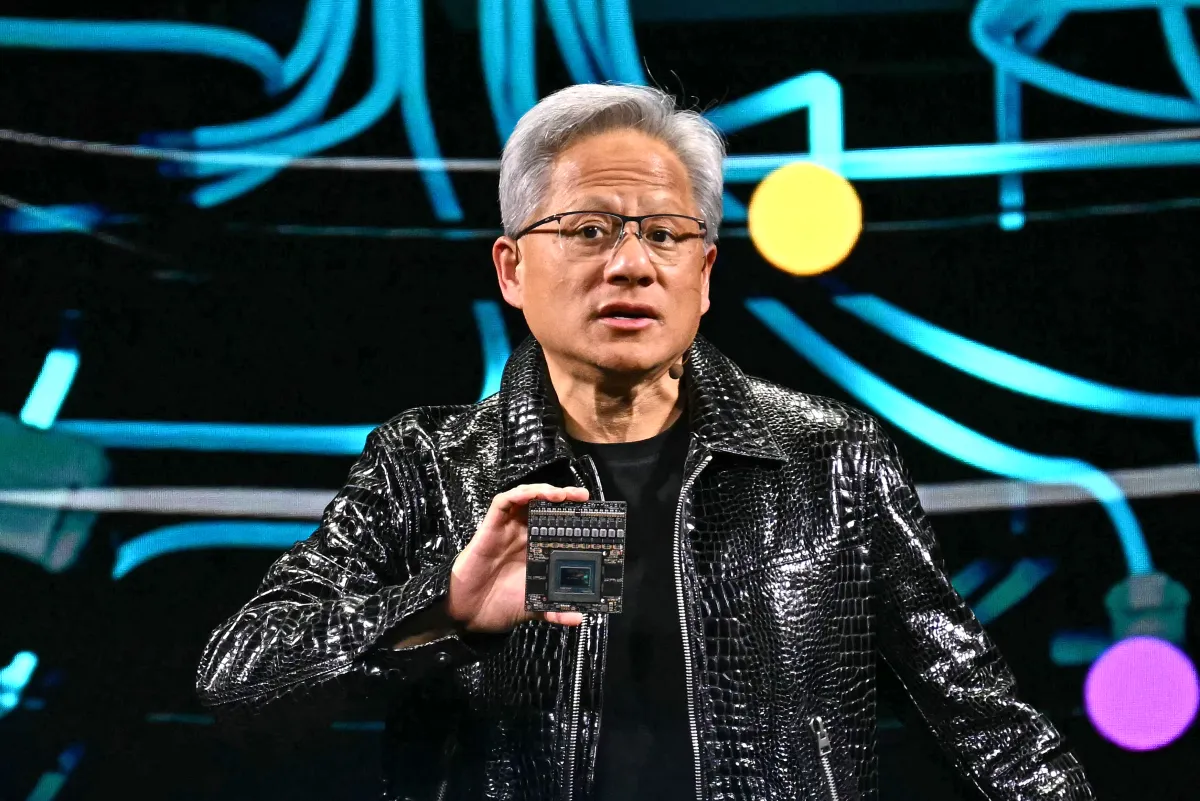
In a landscape where innovation and disruption define the pace of progress, Nvidia remains a dominant force, yet recent developments expose the complex chess game shaping the future of artificial intelligence (AI). The company’s muted commentary on its latest strategic moves, coupled with a shift in investment scales, signals a nuanced recalibration. As Huang, Nvidia’s CEO, emphasized on the company’s Q4 earnings call, their investments are primarily aimed at “expanding and deepening” their ecosystem reach. However, the actual scale of these investments, particularly in OpenAI and Anthropic, reveals a story of caution and reevaluation amid industry turbulence.

Initially, Nvidia announced a lofty pledge to invest up to $100 billion in OpenAI last September—a move that drew skepticism from industry experts like MIT Sloan professor Michael Cusumano. The plan was described as “a kind of a wash,” highlighting the circular nature of AI investments where alliances and stakes tend to feed into each other. Recently, Nvidia finalized a significantly reduced investment—approximately $30 billion—less than half of their original commitment. This contraction underscores a market wary of overextensions amid signs of a possible bubble, where speculative investments threaten to distort valuation metrics. The changing scale points toward a strategic pragmatism as Nvidia recalibrates its AI ambitions, understanding that different industry shifts could impact both its market dominance and geopolitical positioning.

Adding another layer to this dynamic is Nvidia’s relationship with Anthropic. Despite recent investments, tensions have surfaced, notably with Anthropic CEO Dario Amodei comparing the U.S. chip industry’s export controls to “selling nuclear weapons to North Korea,” highlighting the geopolitical fragility endemic to AI supply chains. The Trump administration’s decision to blackist Anthropic—barring federal agencies and defense entities from deploying its models—illustrates the dangerous intersection of AI innovation with national security concerns. Meanwhile, OpenAI’s swift pivot to contract with the Pentagon—marked by a strategic, yet contentious, military technology deal—further accentuates the industry’s shifting alliances. This divergence in trajectories underscores a broader trend: AI firms are increasingly caught at the crossroads of innovation and geopolitics, with their business models and strategic partnerships under intense scrutiny.

Implications for the Industry: Innovation, Market Disruption, and Policy Challenges

  • Innovation and Disruption: Nvidia’s redefining of its AI investments exemplifies how disruptive innovations can outpace traditional strategic planning, unveiling new opportunities for startups and established players alike. As AI models become more advanced, the pressure to balance innovation with geopolitical prudence intensifies, pushing firms to adopt more flexible, diversified approaches.
  • Market Shifts and Industry Realignment: The stark contrast between Nvidia’s cautious scaling and the aggressive Pentagon deal underscores a tectonic shift in market alliances. Firms that align with government and defense sectors may unlock enhanced capabilities and funding, but at the risk of alienating other markets or inviting regulatory backlash.
  • Business and Geopolitical Implications: Major corporations need to prepare for a future where global supply chains, export controls, and international diplomacy directly influence AI development. The industry’s trajectory may well depend on policy decisions increasingly driven by national interests, which could either stifle innovation or propel it into new geopolitical realms.

Analysts from Gartner and institutions like MIT warn that industry leaders must navigate these choppy waters with agility—balancing cutting-edge technological breakthroughs against emerging regulatory and geopolitical headwinds. The move by Nvidia, and industry shifts like the Pentagon-OpenAI deals, signal that the future of AI is not just about technological supremacy, but also about strategic positioning within a rapidly evolving global framework. With new alliances forming and old ones fracturing, the industry faces an inflection point where urgency and anticipation are paramount.

As we look ahead, the key question remains: who will shape AI’s next chapter—those who innovate at the edge or those who control the geopolitical levers? In this high-stakes game, the winners will be those capable of maintaining technological leadership while navigating the complex matrix of international policy and market disruption. The clock is ticking, and the future of AI—along with its vast implications—hangs in the balance, calling for strategic foresight and unwavering resolve.

Unclear Iran Strategy Risks Prolonged US Engagement: What's Next?
Unclear Iran Strategy Risks Prolonged US Engagement: What’s Next?

Amidst a sea of uncertainty, the recent surge of military confrontations between the United States and Iran marks a pivotal moment in international relations that could reshape the Middle East’s geopolitical landscape. The United States, under President Donald Trump, has launched strikes purportedly aimed at Iran’s nuclear and military infrastructure, escalating tensions that previously simmered since the assassination of Iran’s top cleric, Ayatollah Ali Khamenei. While Trump’s administration claims these actions are defensive, critics warn they are a dangerous gamble that could ignite a protracted conflict, with dangerous ramifications for regional stability and global security.

What heightens the international concern is the apparent absence of a clear, strategic plan from Washington. Analysts and former intelligence officials argue that the US Government lacks a coherent roadmap for de-escalation or regime change, raising fears of an open-ended conflict that could spiral beyond control. According to Alex Vatanka, a senior fellow at the Middle East Institute, the current focus appears to be on weakening Iran’s leadership rather than achieving specific strategic objectives. Such ambiguity risks transforming what might be conventional conflicts into a prolonged stalemate resembling Cold War proxy battles, with unpredictable consequences for both societies and economies far beyond the Middle East.

The geopolitical impact of these events is profound. Not only does this confrontation threaten to destabilize Iran’s already fragile regime, but it could also ignite broader regional conflicts involving Iran’s allies in Lebanon, Syria, and Iraq. The United Nations and influential analysts warn of the dangerous precedent set by Washington’s aggressive stance, emphasizing that military intervention without a well-articulated exit strategy risks turning limited strikes into a lengthy and costly war. Steven Cash, a former CIA officer, poignantly describes the absence of a plan as “very troubling,” suggesting that Trump’s focus may be more on influencing domestic political dynamics, such as the upcoming US midterm elections, than on long-term stability or peace.

Meanwhile, Iran’s leadership, especially Supreme Leader Ayatollah Khamenei, remains under threat. Though Tehran has retaliated with attacks across the Middle East, there are indications that the regime’s top figures, once seen as unassailable, are now vulnerable. Recent reports suggest that Iran’s approval for negotiations may have increased, with President Trump claiming that Tehran is now open to talks after the US and Israeli strikes. However, these comments come amidst a deteriorating security landscape—an environment where economic sanctions, diplomatic isolation, and military harassment have combined to create a powder keg, waiting to explode at any moment. History shows us that quick military strikes seldom lead to political stability; often, they sow the seeds of further chaos, as witnessed after Iraq and Afghanistan.

As the world watch in suspense, the demand for a clear, decisive international approach grows louder. The choices made in the coming days will not only affect the Middle East but will echo through the corridors of power in Washington, Riyadh, Beijing, and beyond. Will the US follow through on its threats of regime change, risking prolonged chaos, or will it seek diplomatic solutions before history’s pages turn once more, embroiling humanity in a war that could last generations? With each passing moment, the narrative of the 21st century’s conflicts is being written—an ongoing struggle for influence, sovereignty, and survival that will define the future for generations to come.

US and Israel Hit Iran: What’s Happening Now

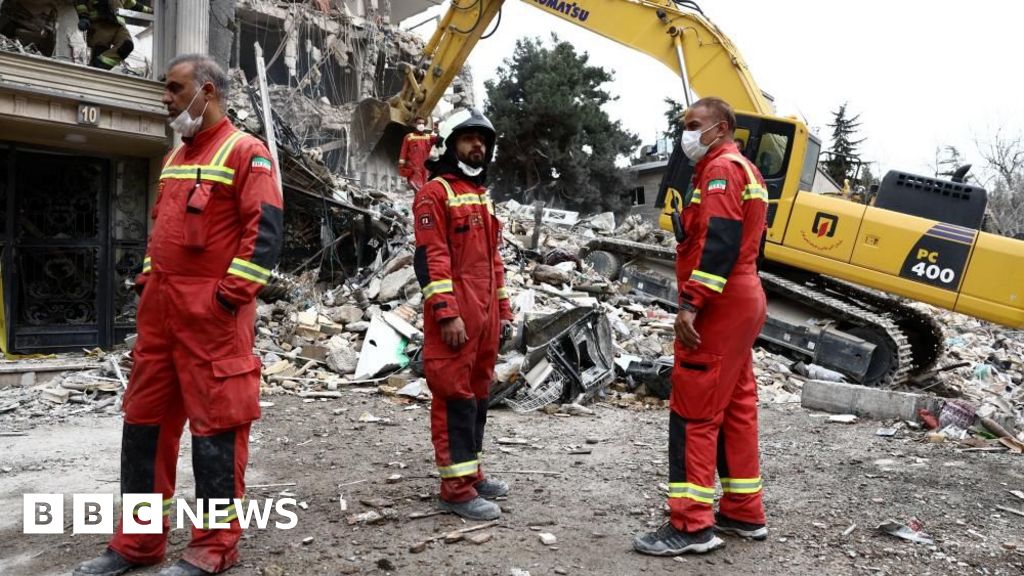
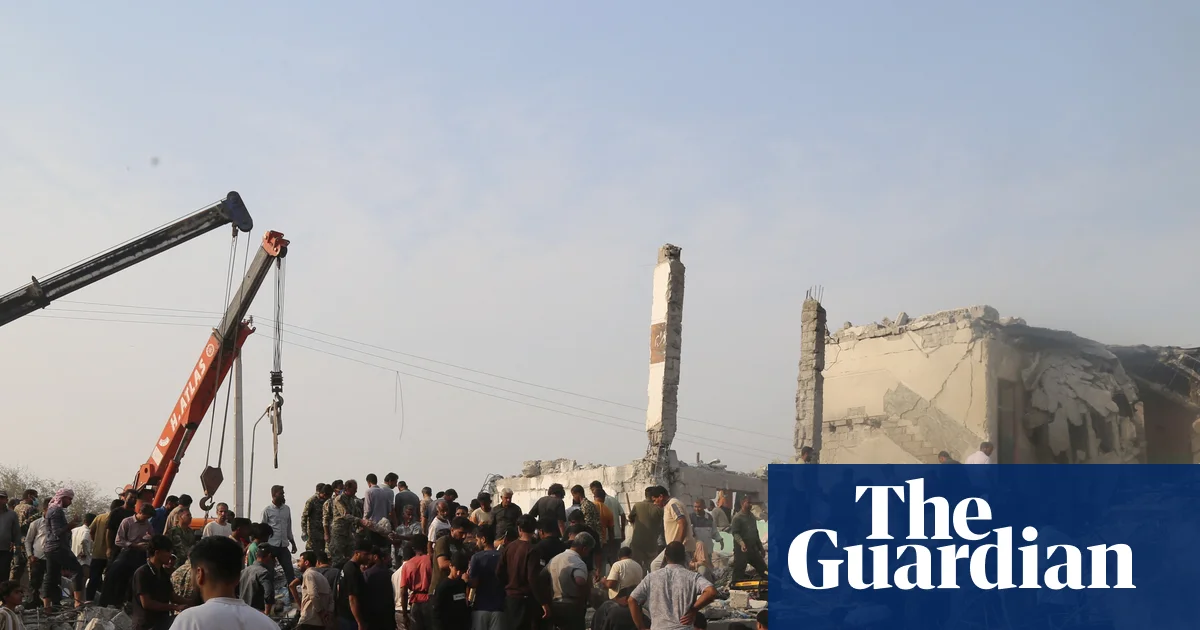
In a dramatic escalation of tensions in the Middle East, reports confirm the assassination of Iran’s Supreme Leader, Ali Khamenei, marking a defining moment in the ongoing regional crisis. Claimed by former US President Donald Trump on social media, the death followed relentless waves of airstrikes across Iran, resulting in devastating casualties and destruction. As the world watches in alarm, the geopolitical landscape shifts rapidly, with international powers aligning on different fronts.

Iran’s government responded with a fierce barrage of retaliatory strikes targeting key American and Israeli military installations across multiple countries. The attacks included missile strikes on Tel Aviv, injuries at Dubai International Airport, and missile hits on U.S. naval bases in Bahrain. Such widespread conflict threatens to ignite a full-scale regional war with far-reaching consequences. Analysts warn this could fundamentally alter the balance of power, pushing the Middle East into a new era of instability and chaos. The UAE’s interception of the majority of Iranian projectiles and the destruction at Dubai’s iconic landmarks highlight the risk of an uncontrollable escalation that could draw the entire international community into a vortex of violence.

The international response has been swift yet conflicted. Leaders across the globe, including the UK, France, and Germany, issued statements condemning Iran’s attacks but stopped short of endorsing the US-Israeli regime change strategy. The UN Security Council convened an emergency session, with some nations emphasizing diplomacy and others lamenting the missed opportunities for de-escalation. Despite calls for restraint and negotiation, the situation appears to be spiraling beyond control, reminiscent of historical moments where diplomacy was sacrificed for war. The United States, divided along partisan lines, sees the conflict as a justified response, with Republicans largely supporting the strikes, while many Democrats decry what they call an illegal act that could have catastrophic global repercussions.

The geopolitical impact extends beyond immediate military confrontations. The death of Khamenei, whether real or orchestrated, signals a possible power vacuum that could lead to internal chaos and shifts within Iran’s political structure. Historically, such pivotal moments have either led to internal reform or intensified authoritarianism—either way, the societal fabric of Iran faces upheaval. Meanwhile, the broader Middle East stands at a dangerous crossroads, with countries like Lebanon and Kuwait experiencing the ripple effects of the conflict—fuel shortages, civil unrest, and economic instability—signaling how decision-making today will shape generations to come. As global powers navigate their interests amid this crisis, the careful balance between diplomacy and military action will determine whether peace endures or if we are on the brink of a prolonged regional war.

In this unfolding chapter of history, the essence lies not only in the immediate aftermath of violence but in the choices that will define a future where the shadows of conflict cast long over nations and societies. As international leaders grapple with the weight of their decisions, the world remains perched on the precipice of chaos—where the pen, or in this case the missile, might yet dictate the legacy of a generation. The question remains: Will diplomacy prevail, or are we witnessing the opening act of a new global confrontation, where the echoes of history’s darkest moments threaten to resurface anew?

What’s Really Behind the US-Israel Strike on Iran?

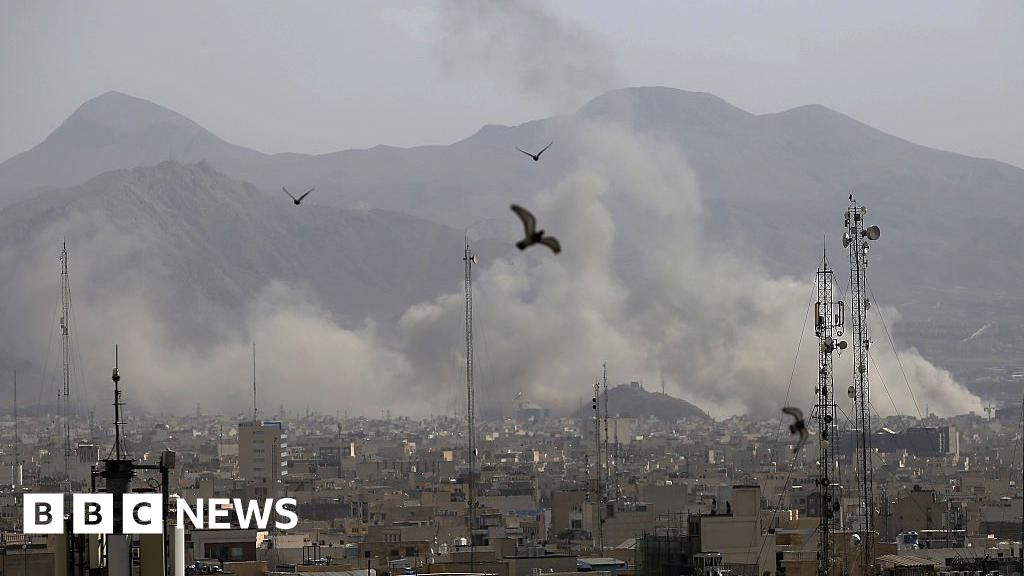
In a startling development that has sent shockwaves through the international community, former U.S. President Donald Trump has publicly described recent events as “major combat operations,” amidst reports of explosions echoing across Iran. This statement marks a significant escalation in the ongoing geopolitical tensions that have long characterized the Middle East, raising fears of a broader conflict that could reshape regional dynamics and influence global security architectures.

The reported explosions in Iran, which some analysts suggest may have targeted critical infrastructure or military facilities, have prompted swift reactions from international bodies and neighboring nations alike. While the specific causes of these events remain under investigation, the mention of “major combat operations” by a prominent political figure signals an alarming shift in rhetoric and possibly in military readiness. Experts from institutions such as the International Crisis Group and various defense think tanks warn that such language and actions could further destabilize an already volatile region. The geopolitical impact extends beyond Iran, potentially affecting global oil supplies, international alliances, and the strategic calculations of world powers.

This crisis also underscores how decisions made at the highest levels of government directly influence the fate of nations and peoples. Iran, a country with a complex history of confrontation and resilience, faces mounting pressure from regional adversaries and external forces. The potential for escalation echoes past incidents that have brought the world to the brink of war, prompting historians to recall the importance of diplomatic restraint amidst the tumultuous currents of international rivalry. Meanwhile, the United States, under the influence of leadership figures like Trump, continues to oscillate between diplomatic engagement and assertive posturing — choices that have profound implications for global peace or conflict.

As the dust begins to settle, or perhaps deepen, the international community stands at a crossroads. The core questions revolve around the potential for a new chapter of dialogue, or an irreversible slide into chaos. The upcoming days will reveal whether nations can overcome entrenched hostility or if history’s dark patterns will once again unfurl. As the world holds its breath in anticipation, the deep scars of past conflicts remind us that the choices made now will echo through generations, shaping the course of history in ways still unreadable. The weight of these moments seems almost unfathomable, yet it is precisely in such decisive instants that the true character of nations and leaders is revealed—whether as guardians of peace or architects of destruction.

Fighting for What's Fair: Claiming Uni Covid Compensation Despite Uncertainty
Fighting for What’s Fair: Claiming Uni Covid Compensation Despite Uncertainty

Universities Face Legal Challenges Over Pandemic-Related Educational Gaps

In recent months, dozens of universities across the country have found themselves embroiled in legal disputes, after receiving legal notices from students claiming their educational experience was severely compromised during the COVID-19 pandemic. These legal actions highlight a persistent crisis in higher education, where students argue that prolonged closures, remote learning deficiencies, and lack of campus engagement have left them with inadequate preparation for the future and diminished educational value. While institutions initially responded with policies aimed at safeguarding public health, the ripple effects have now prompted a broader societal debate on the responsibilities of educational systems and the long-term effects on families, communities, and the fabric of society itself.

The students’ grievances underscore a fundamental social tension—that the pandemic, while a necessary public health measure, inadvertently exposed and exacerbated existing inequalities and shortcomings within our educational infrastructure. Many students contend that they missed out on critical experiences such as campus interactions, extracurricular activities, and hands-on learning opportunities that foster social cohesion, critical thinking, and personal growth. Sociologists like Dr. Jane Monroe warn that these disruptions threaten to widen the demographic gaps in higher education, disproportionately impacting first-generation college students, those from disadvantaged backgrounds, and families who rely on the stability and opportunities provided by a robust educational system.

Moreover, the legal challenges reveal how these educational gaps influence not only individual students but also the collective well-being of local communities. Without equitable access to quality education, families face uncertain futures, communities grapple with rising inequality, and social mobility becomes increasingly elusive. As historian Dr. Arthur Goldman notes, “Institutions of learning are the bedrock upon which societies build resilience and progress. When these are compromised, the societal fabric frays, especially for the youth who are our greatest hope for renewal.” The pandemic’s failure to provide a resilient educational environment serves as a poignant reminder that the social contract between students, families, and institutions must be reconsidered and strengthened.

In response to these challenges, many experts advocate for

  • reforms in online education technology,
  • greater investment in campus infrastructure,
  • and policies aimed at bridging demographic divides

. These initiatives aim to restore trust in higher education and ensure that future generations are not left behind in a society that continually evolves. Nonetheless, the core issue remains rooted in a moral imperative: society must recognize and address the deep, human impacts of educational disruption, especially on vulnerable populations and their families. As society stands at this crossroads, it is crucial to reflect on the lessons learned from the pandemic and the moral duty to rebuild an inclusive, resilient educational system that fosters not only knowledge but also a sense of community and hope.

As society faces these unprecedented challenges, the image of a resilient, equitable future hangs in the balance. For all their struggles and disputes, it is the collective responsibility to nurture a system that empowers families, uplifts communities, and inspires the next generation to forge a collective destiny rooted in opportunity and moral integrity. Only then can society hope to turn the page, transforming tragedy into a foundation for renewal—an enduring testament to the power of resilience and shared purpose in shaping a better tomorrow.

Trump’s new tariffs: What’s coming and how it will impact the future

Supreme Court Ruling Sparks International Debate Over Tariff Refunds and Economic Sovereignty

The recent decision by the Supreme Court has sent shockwaves across national and international economic spheres, igniting debates over the legality and repercussions of unlawful tariffs. The ruling centers on whether consumers and businesses affected by these tariffs are entitled to refunds—an issue that, while seemingly domestic in scope, echoes broader questions of economic sovereignty and international trade compliance. Analysts argue that this decision could set a precedent, impacting not only domestic trade policies but also challenging the authority of global economic governance institutions such as the World Trade Organization (WTO).

This pivotal ruling arrives at a tense crossroads where national courts intersect with the global economic order. Legal experts highlight how historic tariff disputes have often tested the limits of sovereignty and compliance. Now, the question of refunds over unlawfully imposed tariffs brings into sharp relief the crisis of trust between states and international institutions. Countries that have traditionally relied on tariff measures to protect domestic industries now face the potential backlash of unrecoverable costs, fostering concerns of a “clash of legal frameworks.” For instance, the United States, under the current administration, has frequently utilized tariffs as leverage in trade negotiations, but this decision may limit future flexibility.

International organizations and economists have expressed concern about the wider geopolitical consequences of this decision. The International Monetary Fund (IMF) and World Trade Organization warn that unpredictable legal outcomes threaten to destabilize global markets and undermine longstanding trade agreements. Several trade analysts suggest that broader repercussions may include the erosion of rules-based international trade system, particularly if nations begin to interpret judicial rulings as license to bypass international standards. The European Union, for instance, scrutinizes the ruling as a catalyst for potential retaliatory measures that could escalate into trade conflicts, further fracturing a delicate global economic balance.

The stakes are further heightened by historical perspectives. Renowned economic historian Dr. Anne Williamson notes that tariff disputes have historically been catalysts for major international crises. “When legal frameworks falter, and countries feel empowered to disregard international agreements, the risk of geopolitical instability soars,” she emphasizes. Similarly, United Nations’ officials warn that disregarding rulings and refund rights could undermine efforts to foster international cooperation and economic justice, pushing more nations toward unilateralism and protectionist policies. These developments threaten to reshape the global economic landscape—an arena where power struggles and national interests increasingly overshadow multilateral efforts.

As the world watches, the Supreme Court‘s decision underscores a critical juncture in geopolitical history. It propels the international community into a period of uncertainty and recalibration—where the borderlines of sovereignty, law, and economic stability are continuously redrawn. With each legal precedent and policy shift, nations edge closer to a new era—one fraught with the dangers of fragmentation and the loss of shared mechanisms that once upheld global order. As history continues to unfold, the weight of this decision may be remembered as a turning point—a moment when the delicate balance between national sovereignty and international cooperation was forever altered. The future remains unwritten, yet the echoes of today’s choices will resonate for generations to come.

US-Iran Nuclear Talks Conclude in Geneva: What's Next?
US-Iran Nuclear Talks Conclude in Geneva: What’s Next?

The international community finds itself at a critical juncture as the United States has opted to deploy B-2 stealth bombers to address rising nuclear tensions with an unnamed adversary. In a recent, stark statement, the US president lamented the absence of a diplomatic resolution, saying, “We could have had a deal instead of sending the B-2s in to knock out their nuclear potential. And we had to send the B-2s,” indicating a perceived failure of negotiations and the daunting reality of military escalation.

This move marks a definitive shift from diplomatic engagement toward military assertion, a decision that international analysts warn could destabilize the fragile geopolitical equilibrium that has held since the last Cold War confrontations. The deployment of the advanced bombers, capable of carrying nuclear payloads and penetrating sophisticated defenses, signifies a grave escalation—a message of deterrence or perhaps, intimidation. Such actions inevitably ripple across nations, affecting alliances, global economies, and the very fabric of international diplomacy. The United Nations, along with various regional security organizations, are closely monitoring the scenario, wary of how this militarized stance could ignite a chain reaction of hostilities.

Historians and geopolitical analysts suggest that this moment could be remembered as a pivotal point—*a devastating turning point*—in the ongoing struggle for dominance between superpowers. The current crisis reflects a broader pattern where America’s strategic interests are increasingly defined by assertive military postures rather than diplomatic solutions. The shrinking space for negotiations portends a future where conflicts are resolved less by consensus and more by the overwhelming display of military power. Critics argue that the decision to escalate could backfire, emboldening adversaries to accelerate their own military programs, thus lowering the threshold for conflict and potentially igniting a regional or even global war.

As world leaders scramble to calibrate their responses, the weight of history looms heavily. China and Russia, watching intently, have issued thinly veiled warnings about the dangerous path of unilateral escalation. Meanwhile, European Union officials have reiterated calls for renewed diplomacy, cautioning that the pursuit of military dominance risks “the annihilation of diplomatic dialogue.” The North Atlantic Treaty Organization (NATO) has convened emergency discussions about the strategic implications of the B-2 deployments, emphasizing that the size and sophistication of America’s military onslaught could shift the balance of power in unpredictable ways.

In the silence that follows such tense moments, history waits—not as a distant memory, but as a living force that continues to shape the destiny of nations. The decisions made today will echo across generations, determining whether the world treads a cautious path of peace or plunges headlong into chaos. As the US presses forward, the world holds its breath, acutely aware that, in the realm of geopolitics, the line between deterrence and disaster is perilously thin. The stakes have never been higher, and the pages of history remain unwritten—yet, the shadow of conflict grows longer, demanding vigilance and resolve from all who cherish peace amid the storm.

Social Media Auto Publish Powered By : XYZScripts.com