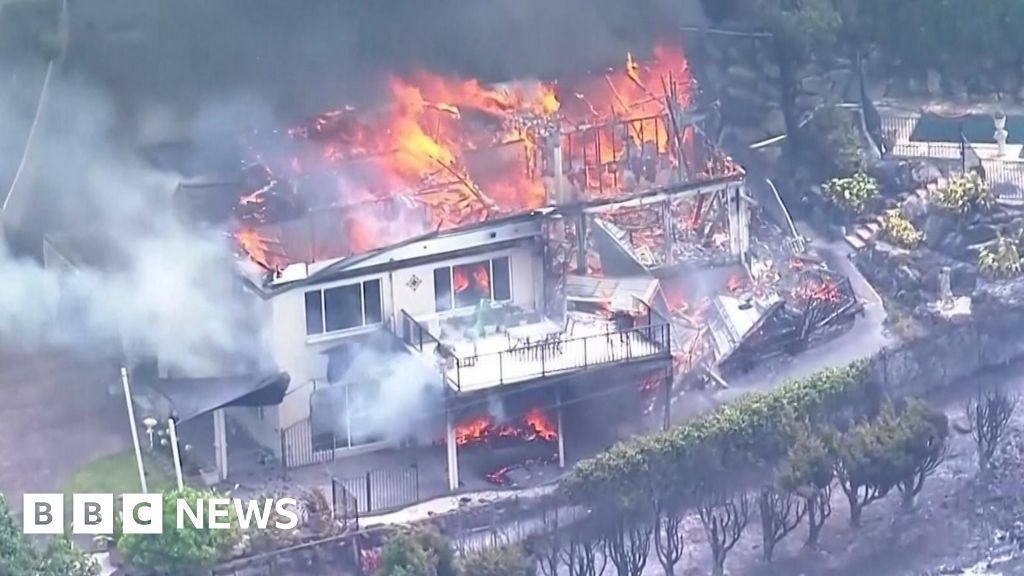
As wildfires continue to ravage the US state of California, the International community watches with growing concern. The recent Springs fire, which scorched over 4,100 acres in Riverside County, highlights a dire reality faced not only by Americans but by nations worldwide battling the increasing frequency and intensity of climate-induced disasters. Experts and analysts warn that these fires are more than isolated tragedies; they serve as stark indicators of a warning climate shift that could destabilize socio-economic and geopolitical structures globally. The fires, fueled by high winds and scorching temperatures, are emblematic of a broader pattern driven by above-normal temperatures and prolonged drought conditions, issues that international organizations like the United Nations argue require urgent global cooperation and policy shifts.
The geopolitical impact of such natural disasters extends beyond environmental concerns. They threaten regional stability, influence migration patterns, and shape international disaster preparedness strategies. The U.S. government and local authorities have deployed hundreds of firefighting personnel in a bid to contain the flames, yet experts, including climate analysts, continue to emphasize that prevention and resilience require a strategic overhaul of policies to address what many now deem an existential crisis. Recent data from Cal Fire reports over 500 wildland fires in 2026 alone, with the Santa Ana winds acting as a dangerous accelerant. The fires threaten critical infrastructure, displace thousands, and pose a challenge to the federal government, which increasingly finds itself on the front lines of an escalating global tragedy. The flooding of news and commentary underscores how a local California tragedy now holds potential ripple effects, influencing international climate diplomacy and security considerations.
Historically, analysts such as Dr. John Evans, a noted climate historian, have warned that the current climate phenomena are not merely natural but intensify due to human activity, creating a precarious balance that could shift geopolitical power. The United States and its allies face mounting pressure to invest in resilient energy systems and adopt stricter environmental policies. Meanwhile, countries in the developing world, less equipped to deal with such catastrophes, are increasingly vulnerable, creating a division that could destabilize international cooperation. The fire-fighting response in California—while robust—raises questions about whether current strategies adequately address the core issue: the inescapable consequences of climate change that will continue to test the resilience of societies and the capacity of international institutions.
As the California wildfires mirror a global trend of environmental upheaval, the stakes are unmistakably high. These events serve as both a warning and a call to action. Historians warn that failure to address such crises will not only deepen the social and economic scars but also shift the global balance of power. As the world holds its breath, the unfolding drama in California reminds us that history is still being written — a chapter shaped by decisions now being made or neglected. The question remains: will the international community rise to the challenge and forge a united front or watch as chaos unfolds across our increasingly fragile planet?