Matox News

Truth Over Trends, always!

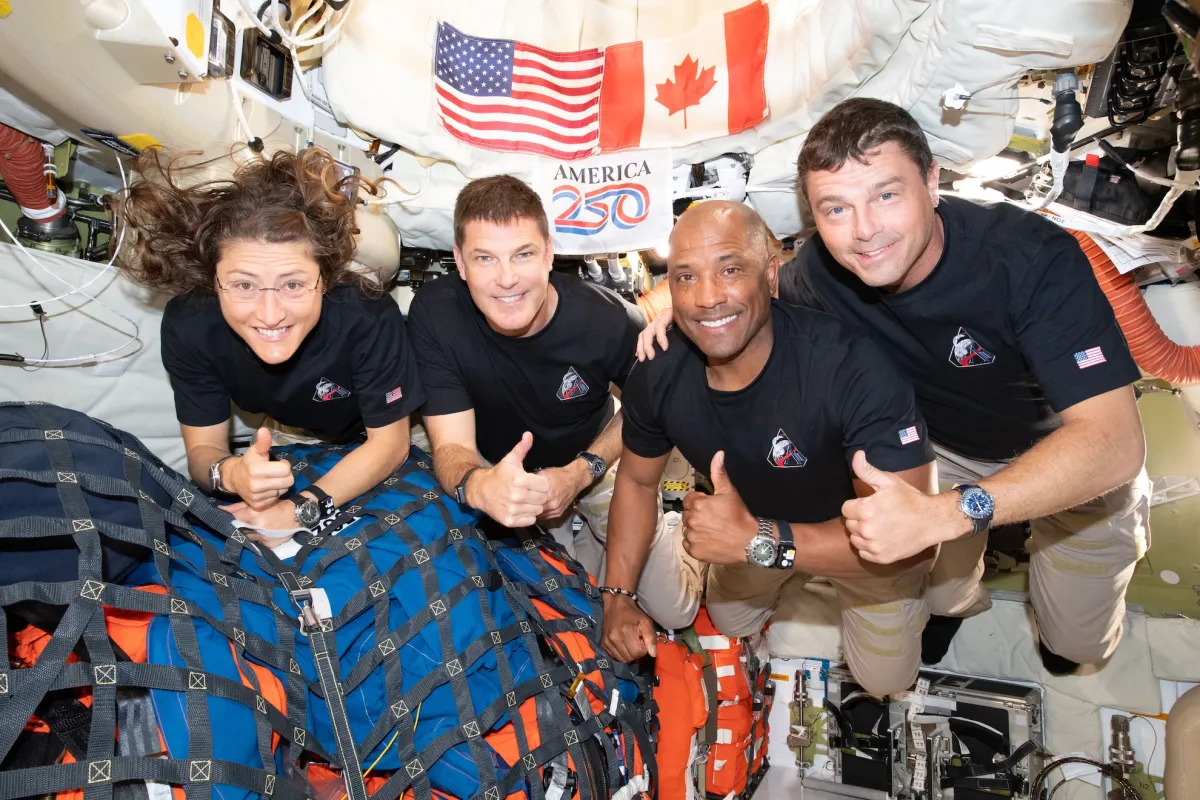
NASA’s Artemis II nails perfect splashdown in the Pacific, marking a winning step for Moon missions

NASA’s Artemis II Mission Marks a New Era in Space Exploration: Critical Business and Innovation Impacts

After a successful 10-day mission around the Moon, NASA’s Artemis II crew has safely returned to Earth, reaffirming the United States’ commitment to lunar exploration and technological innovation. The mission, which involved the first crewed flight of the Space Launch System (SLS) and Orion spacecraft in over half a century, is a clear demonstration of disruptive space technology designed to push the boundaries of humanity’s reach into deep space.

Centered on cutting-edge propulsion, navigation, and life support systems, this mission exemplifies the rising role of private-public partnerships in space endeavors. Jared Isaacman, a commercial astronaut and key figure behind the mission, emphasized that “America is back in the business of sending astronauts to the Moon”, signaling a significant shift in the industry’s landscape. By integrating commercial expertise and NASA’s strategic vision, the Artemis program is poised to accelerate the development of lunar infrastructure, including the much-anticipated Moon base, which has compelling implications for space mining, scientific research, and even future colonization efforts.

  • Innovation in propulsion and spacecraft design— Orion’s precision engineering enabled a “perfect” landing after traversing 252,760 miles from Earth, orbiting the Moon, and witnessing phenomena such as a total solar eclipse from space.
  • Market disruption— The mission’s success underscores the emerging dominance of a hybrid space economy, with NASA catalyzing investments that blur the lines between traditional government agencies and private enterprise, leading to faster, more cost-efficient breakthroughs.
  • Business implications— As industry leaders like Tesla’s Elon Musk and venture capitalists such as Peter Thiel increasingly prioritize space as the next frontier, the Artemis program signals an era where space exploration becomes a vibrant commercial venture with vast profit potential.

This trajectory is further supported by analysis from major stakeholders like Gartner and MIT, who forecast that space-based industries—ranging from lunar resource extraction to advanced satellite networks—will generate trillions in economic value over the next decades. As these innovations become tangible, the industry’s evolution demands a proactive stance from investors, policymakers, and entrepreneurs, who must recognize the unprecedented opportunities emerging from these technological milestones.

Looking ahead, the Artemis program lays the groundwork for a new era of industry disruption, where private companies and government agencies collaborate to establish a sustainable lunar economy. With more missions planned and the potential for a permanent Moon base, the pace of change is expected to accelerate rapidly. Industry experts warn that missed opportunities or complacency could cede leadership to emerging nations or private firms, emphasizing the urgency for stakeholders across the tech and space sectors to seize this momentum. The future of human spaceflight is no longer a distant horizon—it’s a dynamic, rapidly unfolding reality demanding bold innovation, strategic disruption, and aggressive investment.

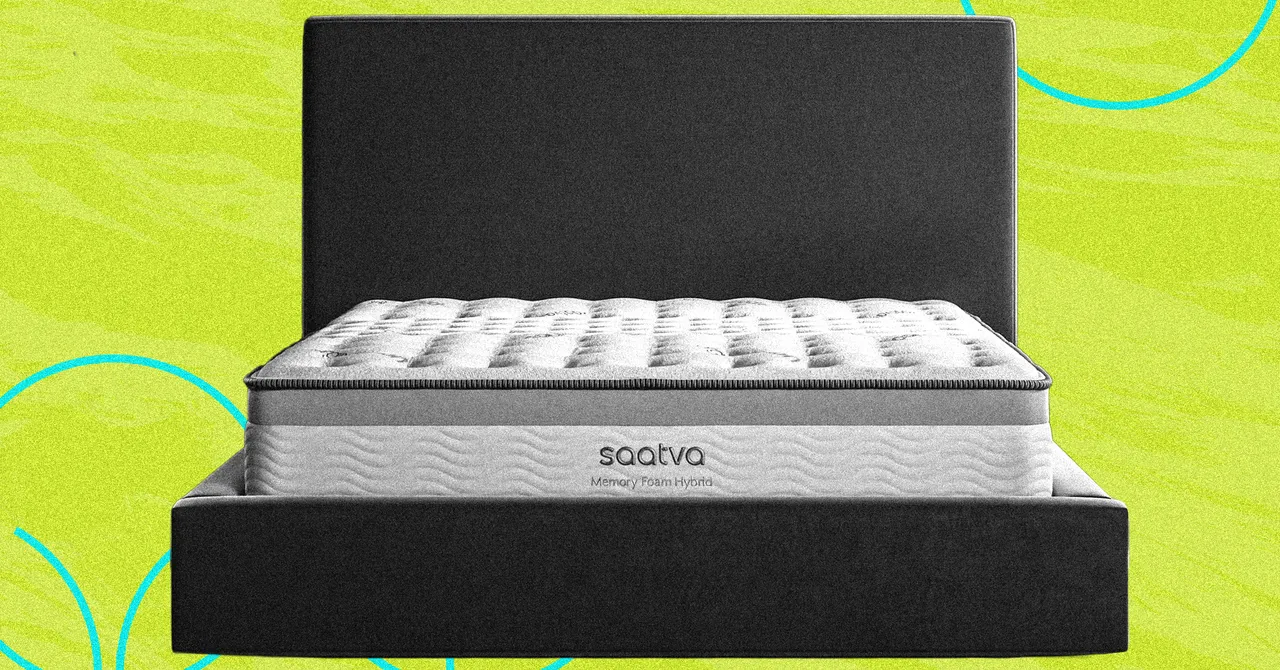
Saatva Memory Foam Hybrid Mattress: The Winning Pick for Sleep Kings and Queens

The mattress industry is experiencing a seismic shift driven by disruptive technology and an accelerating demand for customizable, high-quality sleep solutions. Industry leaders like Saatva are redefining the landscape with innovations that align closely with the core principles of consumer-centric design, innovation, and luxury. With the rise of the health and wellness sector, sleep technology is increasingly viewed as a critical frontier in wellness and productivity, compelling brands to compete fiercely on quality, experience, and technological integration.

Recent reviews highlight the significant advances in hybrid mattress technology, exemplified by Saatva’s Memory Foam Hybrid. This mattress utilizes a blend of memory foam, graphite infusion, and a bouncy support system—features that collectively push the boundaries of comfort and function. The mattress’s ability to support multiple sleeping positions without sacrificing motion isolation exemplifies disruptive innovations in hybrid comfort technology. Its superior spinal alignment support and pressure point cushioning particularly appeal to back and stomach sleepers, these being the dominant demographics in a global shift toward personalized health and wellness solutions.

From a business standpoint, Saatva’s approach exemplifies how customer experience and logistical innovation fuel competitive advantage. Offering services like free white-glove delivery, mattress setup, and haul-away, combined with an unprecedented 365-night trial and lifetime warranty, sets new benchmarks for customer engagement and retention. Such practices reflect a broader industry trend, as emerging startups and tech giants alike recognize that full-service offerings are a key differentiator. The company’s focus on high-quality materials and multiple firmness options demonstrates an understanding that the future of sleep technology lies in personalization and premium service.

Experts like Elon Musk and Peter Thiel emphasize the importance of technological disruption and breakthrough innovation to maintain competitive advantage. In the context of sustainable business models and market leadership, industry leaders must anticipate upcoming shifts rooted in smart home integration, IoT-enabled sleep tracking, and AI-driven customization. The current trajectory indicates that sleep technology is entering a new era—one characterized by integration, personalization, and consumer empowerment. As Gartner analysts note, companies that leverage innovation with a keen eye on customer experience will shape the competitive landscapes of tomorrow. The immediate challenge— and opportunity—lies in harnessing these advanced technologies to push the boundaries of what is possible in sleep science. The race for supremacy is underway, and those who act decisively will redefine an industry that is ripe for transformation, making sleep part of the ecosystem of cutting-edge connected devices and digital health solutions.

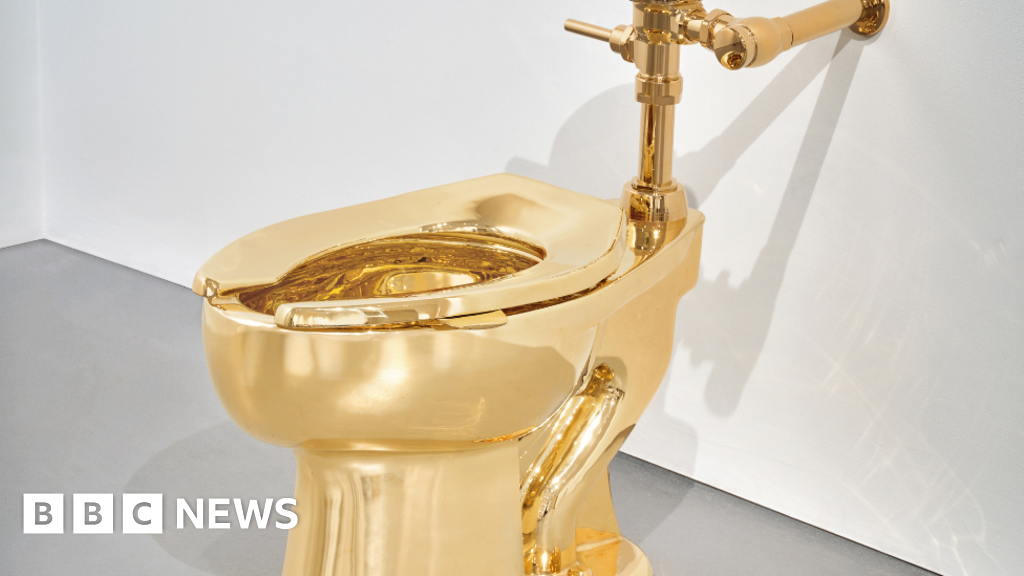
Ripley’s Unveiled as Winning Bidder for $12 Million Golden Toilet, Sparking Cultural Buzz

In an age where the boundary between art and spectacle blurs with every passing day, the story of Maurizio Cattelan’s America—a fully functional 18-karat gold toilet—epitomizes the tempestuous intersection of culture, commerce, and identity. Valued at over $12 million and shrouded in the mystique of theft, the work is more than a provocative homage to luxury; it is a mirror held up to our society’s obsession with material excess and superficial spectacle. Once installed in the Guggenheim, this opulent bidet—an ostentatious symbol of wealth—evoked both admiration and disdain, revealing how culture now often reflects the complexities and contradictions of the human condition.

Art critics and cultural philosophers interpret Cattelan’s creation as a cultural statement that challenges the sacredness of artistic and societal institutions. As T.S. Eliot noted, genuine culture acts as a memory and prophecy; it roots us in history while illuminating potential futures. The gold toilet, with its conspicuous luxury, compels society to confront the paradox of beauty and vanity, emblematic of a civilization increasingly preoccupied with the superficial. The theft from Blenheim Palace in 2019—an audacious act—only accentuates the dangerous allure of cultural symbols that question authority and value, echoing historical parallels of revolutionary upheaval and cultural critique.

  • In this context, the auction of the second version of the golden toilet—sold at Sotheby’s with a starting bid pegged to its actual gold weight—embodies the commodification of art, transforming cultural critique into a transaction.
  • The unveiling of the second piece, revealing its connection to a broader series crafted by Cattelan, invites us to reconsider the role of art as both a mirror to society and a marketplace commodity.
  • The involvement of Ripley’s Believe It or Not!, a cultural fixture known for celebrating oddities, underscores how modern spectacle often revels in blurring the boundaries between high art, entertainment, and societal commentary.

This saga, punctuated with theft, auction, and celebrity fascination, reflects a deeper truth: culture remains the vital fabric of societal identity—an inheritance and a prophecy intertwined. Philosophers like G.K. Chesterton argued that tradition, when understood rightly, is the living reflection of human continuity, not mere relics. Today’s cultural landscape, obsessed with novelty and spectacle, risks losing sight of this continuity, reducing art to fleeting trends. Yet, beneath the veneer of gold and controversy, there persists an enduring dialogue about human nature, morality, and the values that define us all. Culture, therefore, acts as both a collective memory informing who we are and a prophetic voice beckoning us toward who we might become.

As we stand amidst layers of history and innovation, the crescendo of human creativity remains a testament to our eternal quest for meaning and transcendence. Culture, in its highest form, is neither merely the past nor the present—it is the silent poetry of the human soul, whispering of both memory and prophecy, guiding us through the corridors of time with its deceptive shimmer yet unfading light. And in this eternal dialogue, may we recognize in every work—be it gold-plated or humble—the indelible imprint of what it means to be truly alive.

Social Media Auto Publish Powered By : XYZScripts.com