Matox News

Truth Over Trends, always!

Iranian women Trump ‘saved’: Real women, AI-created narratives?

Disinformation & AI-Generated Propaganda Reshape Global Narratives Amid Innovation Surge

The recent controversy surrounding former President Donald Trump and allegations about Iranian women’s executions demonstrates an evolving battlefield where technology, misinformation, and geopolitics collide. As social media becomes the primary conduit for real-time information, disruption in information authenticity is transforming how narratives are constructed, weaponized, and contested across the globe. Industry insiders and analysts like Gartner warn that AI-driven content manipulation is at the core of these modern propaganda wars, blurring the line between fact and fiction in unprecedented ways.

At the heart of this technological upheaval lies a surge in AI-powered tools capable of generating hyper-realistic images, videos, and narratives at scale. The controversy over a collage supposedly depicting “AI-generated women” facing execution in Iran exemplifies this shift. Mahsa Alimardani of WITNESS confirms that while the images may be AI-altered, the women depicted — including Bita Hemmati — are real, and many are victims of Iran’s brutal crackdown on dissent. This incident underscores a critical business implication: technologies that enhance content realism can be exploited for political gains, creating a new class of false narratives that threaten truth itself.

Innovation in Content Manipulation Fuels Geopolitical Disinformation

Industry leaders like Elon Musk and Peter Thiel have expressed concern about disruptive AI innovations that could overwhelm information ecosystems. Platforms laden with misinformation, such as the Iranian embassy’s social accounts, now leverage AI to craft content that is virtually indistinguishable from reality. Such tools enable actors to generate disinformation campaigns with increased sophistication and scale, giving rise to a dangerous landscape where fact-checking alone becomes insufficient.

More troubling is the proliferation of misleading political narratives. For instance, a South Korean president’s misquoted video, falsely attributed to a deceptive account, demonstrates how misinformation can escalate international tensions. This underscores a pressing need for robust verification mechanisms—an area where industry standards, like those promoted by MIT and other tech research institutions, are desperately needed but often lag behind rapidly evolving AI capabilities. The consequences are clear: if unchecked, disruptive AI content could undermine democratic institutions, intensify conflicts, and destabilize global peace.

The Business Implications & The Urgent Need for Strategic Response

From a business perspective, the rise of disruptive AI tools is both a challenge and an opportunity. Companies invested in blockchain, biometric verification, and AI content authentication are racing to develop solutions that can detect and counteract AI-mediated misinformation. According to Gartner, next-generation verification platforms will become essential infrastructure for social media platforms, governments, and corporations to safeguard trust in digital content. Failure to innovate at scale could result in losing consumer confidence and regulatory crackdowns, echoing the importance of strategic foresight in a landscape fraught with emerging threats and market shifts.

Furthermore, industry analysts warn that the pace of AI innovation necessitates bold leadership and proactive regulation. Like the groundbreaking developments in autonomous systems and neural interfaces, AI content creation is poised to redefine the information economy. Yet, as industry experts note, without robust guardrails—founded on transparency, accountability, and technological innovation—these systems risk unleashing chaos rather than progress. Fast-moving startups and global tech giants must collaborate to develop standards that ensure fact-based content remains dominant and trusted in the digital age.

Looking Forward: The Urgency of Strategic Innovation

The unfolding landscape of AI-driven disinformation presents a make-or-break moment for industry and policymakers alike. The stakes are high: failure to keep pace with disruptive technologies may lead to irreparable damage to the fabric of truth and societal stability. Whether through advanced verification systems, AI content filters, or international cooperation, the imperative remains clear: innovation must be matched with strategic foresight and unwavering commitment to integrity. As tomorrow’s technological landscape continues to evolve rapidly, those who act decisively today will determine the future of truth in the digital age—and the future of free discourse itself.

Court rejects leniency: Man who killed pregnant girlfriend gets life behind bars, ensuring justice for women and girls

Justice and Social Tensions: The Tragic Toll on Families and Communities

The recent court decision to impose a whole-life order on Shaine March, a man convicted of murdering his pregnant girlfriend, underscores the ongoing societal struggle with social violence and justice. The case, shocking in its brutality, has cast a harsh spotlight on the pervasive danger faced by women within their own homes—an issue that profoundly affects families, education, and communities. Alana Odysseos, a young mother in her early thirties, was tragically killed in her Walthamstow residence while she was in the early stages of pregnancy, leaving behind her children and a community in mourning. Her death illustrates the critical need for society to re-examine how we handle domestic violence and prevent such horrific acts from recurring, especially given the context of her being a victim of a repeated cycle of violence linked to a criminal history that started with her killer’s earlier murder conviction.

Historically, society has grappled with injustices rooted in demographic shifts and cultural tensions that influence how justice is served. Sociology scholar Prof. Jennifer Catlin has argued that cases like March’s reflect deeper social issues, including mental health challenges and systemic failures in rehabilitative justice. March’s prior conviction for a deadly stabbing at a McDonald’s restaurant, followed by his conditional release, exemplifies how the criminal justice system struggles to balance punishment with rehabilitation—often leaving communities vulnerable to repeat offenders. Critics argue that a leniency in sentencing and inadequate management of high-risk offenders exacerbate social divides and undermine public trust. The recent court ruling—a decisive move to replace a 42-year minimum sentence with a whole-life order—signals a call for zero tolerance for perpetrators of the most heinous crimes, especially those impacting vulnerable populations such as pregnant women and children.

For families and communities, these tragedies deepen a sense of vulnerability and mistrust. Odysseos’s mother, Karen Cronin, and her community mourn the loss of a “brilliant mother,” as highlighted by social commentators who emphasize that the human toll extends beyond physical injury to social fabric. As sociologist Dr. Samuel Reynolds notes, “When violence strikes within families, it not only devastates individual lives but also undermines the social cohesion that holds communities together.” The case also elicits calls from political figures for more comprehensive approaches focusing on early intervention and preventative social programs. The need for a societal shift that emphasizes moral responsibility and community resilience is clear—protecting families from preventable tragedies requires more than strict sentences; it demands a renaissance in social values and community engagement.

The path forward, as social analysts assert, must involve addressing the challenges at their root—ranging from mental health support to educational programs that foster empathy and conflict resolution from a young age. The painful reminder of Odysseos’s death compels society to reflect on how social tensions, inadequate justice policies, and cultural shifts influence the safety and fabric of our communities. As society stands at this crossroads, it is essential to remember that behind every statistic is a human story, a family torn asunder, and a community waiting for hope. In a time of profound social upheaval, the true challenge lies in transforming grief into action—building a society where justice does not merely serve punishment but rather functions as a pillar of genuine moral progress. Only through collective effort and unwavering resolve can society hope to heal the divisions that threaten its future and forge a path toward lasting safety and dignity for all its members.

UN Warns: Women and Girls Suffer Most from Global Water Shortages

The Hidden Cost of Water Shortages: A Societal Crisis

Across the globe, women and girls face the harshest consequences of water shortages and inadequate sanitation infrastructure. As the UN has recently highlighted, these issues are not merely environmental—they are deeply societal, affecting the fabric of families, education, and communities. In over 70% of rural households without access to mains water, women are compelled to spend countless hours—up to 250 million hours daily—gathering water. This burden not only erodes their time but also stunts their social and economic development, reinforcing patterns of gender inequality that sociologists like Ann Oakley have long criticized as a societal betrayal of women’s rights.

The climate crisis further worsens these disparities, as rising temperatures disproportionately threaten female-headed households’ incomes while increasing their weekly labor hours. The UN’s recent report underscores how these environmental impacts are intertwined with social issues, causing poorer health outcomes, diminished educational prospects for girls, and greater food insecurity—an insidious cycle that undermines the stability of entire communities. Sociologist Michael Grossman emphasizes that such social determinants of health are critical, with access to basic resources functioning as the foundation of societal resilience.

Access to clean water and sanitation isn’t just a matter of infrastructure; it’s a moral imperative. The World Water Development report reveals a startling lack of gender-disaggregated data, yet the evidence of women’s disadvantages in water access is undeniable. For adolescent girls, limited sanitation options mean missed school, lost employment opportunities, and social exclusion. Meanwhile, fewer than 20% of water utility workers are women, a figure that highlights the ongoing gender gap within essential service sectors. Advocates like Helen Hamilton argue that these disparities fuel gender-based violence and health crises, especially during childbirth, which further debilitates women’s roles within their families and communities. As social norms continue to undervalue women’s contributions, societal progress stalls, and the cycle of inequality deepens.

Addressing this crisis requires concerted efforts from governments and international organizations.

  • Implementing gender-sensitive water management policies
  • Collecting comprehensive, sex-disaggregated data
  • Ensuring equal participation in decision-making processes

These are not just technical solutions—they are moral imperatives that impact the very heart of social justice. As Parvin Ngala and others emphasize, the economic opportunities for women are almost impossible to realize when harmful societal norms exclude them from essential resources. Society’s strength depends on recognizing that **when women have equitable access to water and sanitation, everyone benefits**.

As society stands at a crossroads, these water-related injustices serve as a stark reminder: the path toward a more just and resilient future demands not only technological change but moral awakening. Society must grapple with its own failures and embrace the challenge of transforming its social fabric—so that hope can once again flow freely, like water, nurturing every family and community into a resilient future.

English women report feeling pressured during maternity care, charity warns

Addressing the Erosion of Informed Consent in Modern Maternity Services

In recent reports, the disturbing reality of coercive practices within maternity care has come to the forefront, exposing a troubling gap between medical standards and the lived experiences of many women. The charity Birthrights gathered testimonies from 300 individuals across England, revealing how authoritative language and systemic pressures undermine a woman’s *basic right* to make informed decisions about her body and her childbirth experience. These reports serve as a stark reminder that the fabric of equitable and respectful healthcare is fraying, especially for vulnerable communities.

One recurring theme, highlighted by women such as Megan Rogerson from Hull, indicates that mothers often feel pressured or coerced into medical procedures like caesarean sections, without clear explanations or genuine consent. Rogerson’s account of being scheduled for a C-section during her second birth, with no prior discussion, exemplifies a systemic failure to uphold patient autonomy. Such practices erode the trust between families and healthcare providers, impacting not only individual wellbeing but also broader societal perceptions regarding respect for human rights, especially among marginalized groups. When families lose confidence in the system, the societal ripple effects threaten the cohesion and moral fabric of our communities.

The Roots of Coercion and Its Impact on Society

The racial disparities and social inequalities in maternity care further complicate this picture, with Hazel Williams, CEO of Birthrights, emphasizing that Black and Brown women face the highest risks of rights violations and loss of bodily autonomy. These disparities mirror historic societal inequities that sociologists and historians have long studied: systems of marginalization create persistent barriers, undermining the fundamental ethical principle that all women should receive personalized and respectful care. The consequences transcend individual health; they threaten societal trust in institutions and deepen the cycle of inequality.

Organizations like the Royal College of Obstetricians and Gynaecologists acknowledge these systemic issues, advocating for more investments in training to ensure that medical staff are equipped to support genuine informed choice. Without this, societal instability persists, as families see their hopes for safe, respectful, and equitable care dashed by systemic shortcomings. It is a moral imperative, as Dr. Alison Wright asserts, that healthcare not only be safe but respectful of individual voices and rights, fostering a culture where bodily autonomy is sacrosanct and protected.

Rebuilding Trust and Cultivating a Society of Respect

The challenge now lies in transforming these systemic issues into opportunities for societal renewal. Addressing cultural shifts and demographic changes requires concerted effort from policymakers, healthcare leaders, and communities alike. The goal must be to rebuild trust — to create an environment where families feel empowered rather than intimidated, where informed consent is a true standard, and where every child’s right to a safe and dignified beginning is protected. Investing in cultural competence, increasing transparency, and holding institutions accountable are steps in the journey towards societal healing.

As history teaches, societal change often begins with the recognition of its deepest wounds. In this moment, society stands at a crossroad: continue down a path of neglect and systemic injustice, or forge a new path towards respect and justice. The hope lies in the possibility that future generations will look back on this era not with shame, but with pride — knowing that society chose to listen, to reform, and to heal its most vulnerable members. The challenge is monumental, yet within it lies the potential for a society more aligned with its highest ideals of dignity, respect, and human rights.

Women Reinvent Chess for the Digital Age with Fast-Paced Matches and Viral Content

In recent years, the landscape of competitive chess has witnessed a remarkable transformation fueled by the rise of women content creators. Historically viewed through a traditional lens as an “old man’s game,” chess is now undergoing a dynamic shift driven by the digital age’s innovators. Digital platforms such as Twitch and YouTube have become the new battlegrounds where young women are redefining the game’s cultural identity, making it more accessible to diverse audiences across the globe. This change not only challenges long-standing stereotypes but also signals a broader geopolitical impact on gender roles within intellectual pursuits and digital economies.

The influence of these women has profound implications beyond mere entertainment. As noted by international chess organizations and sociologists, the empowerment of women in chess content creation correlates with increased participation of girls and young women in the sport. Such shifts threaten the old intellectual hierarchy, prompting a reconsideration of who can be a chess ambassador in the modern era. Countries like Russia, India, and the United States, where chess has historically been political and cultural territory, are observing how these digital advocates reshape the game’s societal perception. Many analysts argue this is a pivotal *turning point* in the fight for gender equality in STEM and strategic games, positioning chess not merely as a pastime but as a platform for cultural change.

Major international organizations—including the FIDE (Fédération Internationale des Échecs or International Chess Federation)—are increasingly recognizing the importance of these digital influencers. In a recent report, the organization highlighted how these content creators are expanding the game’s reach, especially among youth who are more inclined towards interactive media. Historians and analysts stress that such shifts could recalibrate the political and cultural narratives tied to chess, fostering a new era of global competitiveness rooted in digital engagement. Given the strategic importance of information and culture in geopolitical rivalries, the emergence of diverse new voices is seen as both an opportunity and a challenge for traditional power structures.

As the world watches this unfolding saga, one cannot ignore the broader implications. Decisions made today about inclusion and digital innovation will shape the fabric of international relations tomorrow. Young women rising as chess content creators are not just changing the game—they’re rewriting the rules of influence, power, and cultural identity on a global stage. The stakes have never been higher, and as history continues to be written, the true impact of this digital revolution remains an empire in the making—where every move counts and the destiny of an old game is forever being remade.

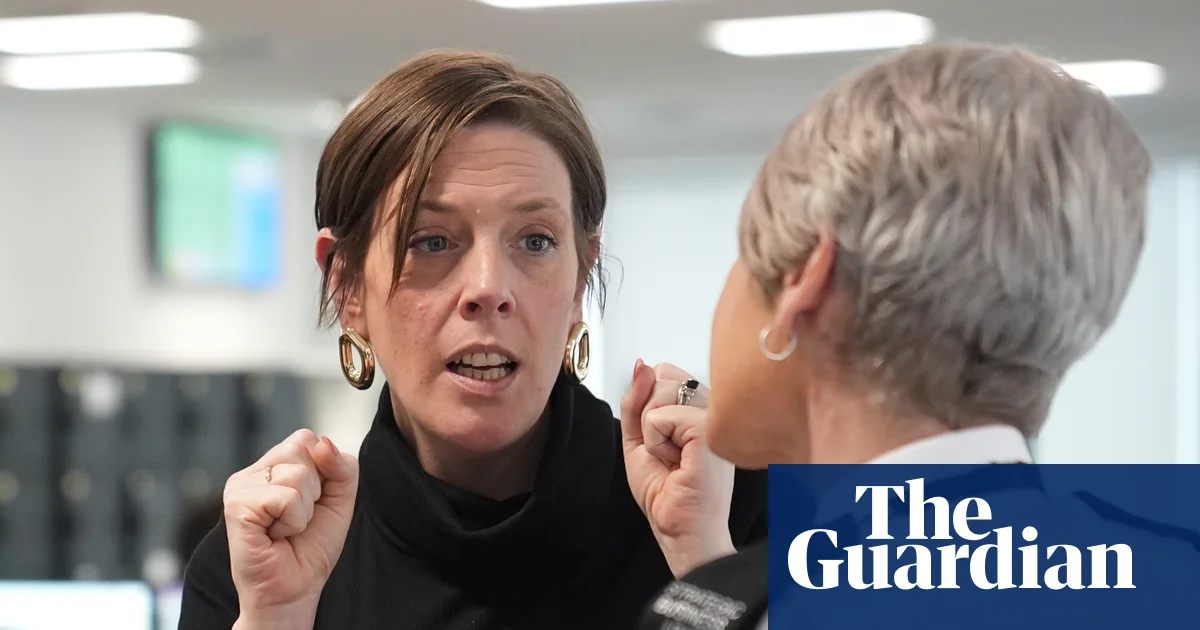
Jess Phillips supports jury bill amid her fight against court delays impacting women and girls

United Kingdom is currently embroiled in a heated debate over proposed reforms to its legal system, exposing broader geopolitical implications regarding justice, governance, and social trust. The contentious courts and tribunals bill, championed by Justice Secretary David Lammy, aims to streamline judicial proceedings by limiting jury trials in favor of judge-only hearings for certain cases. While proponents argue that these measures are essential to reduce an overwhelmed crown court backlog, critics warn they threaten fairness and undermine public confidence—a critical issue at a time when Britain’s international reputation rests on its perceived rule of law.

At the heart of the debate lies a pressing concern: the backlog of cases, which now exceeds 80,000, threatening to delay justice for years—some potentially until 2030. Labour MP Jess Phillips, a vocal critic of the bill, pointed out the serious consequences for victims of gender-based violence. She recounted her personal experience with a case delaying a restraining order breach involving a violent ex-husband, emphasizing how such delays effectively allow criminals and abusers to evade accountability. Phillips and many others, including a coalition of female Labour MPs, warn that the current system’s “attrition” risks leaving victims isolated and offenders free to abuse again, thereby jeopardizing the very fabric of justice and societal safety.

This push for reform is not without controversy. Legal professionals and advocacy groups have branded the initiative as “unpopular, untested, and poorly evidenced,” voicing fears that limiting jury trials could erode trust in the judicial process. The reforms include controversial measures, such as implementing judge-only trials for complex fraud and removing the automatic right to appeal in magistrates’ courts—a move criticized for potentially marginalizing victims and survivors seeking justice. The disagreement echoes broader fault lines across Britain’s political landscape, where backbench revolts threaten to derail the government’s plans, illustrating a profound tension between efficiency and public accountability.

Moreover, critics like British historian Michael Wood and international observers warn that such reforms could have ripple effects beyond national borders. As Britain serves as a hub for legal precedent and global diplomacy, significant changes to its justice system send signals about its commitment to fairness and rule of law. Analogous to contentious judicial reforms in France and Canada, the UK’s reconsideration of jury rights and court procedures could stimulate a reevaluation of judicial independence among allies and adversaries alike, with possible consequences for international relations.

Decisions made now may well shape the future of Britain’s societal cohesion and its standing on the world stage. As the debate continues to unfold within Parliament—a battleground of ideology and interest—the weight of history remains heavy. The outcome will determine not only how justice is served but also how future generations will perceive the balance between security, fairness, and the rule of law. In this moment of upheaval and uncertainty, it becomes clear that the responses to Britain’s legal crisis will echo far beyond Westminster, resonating across borders and shaping the geopolitical landscape for years to come.

Iranian Women Footballers Seek Asylum in Australia Following Asian Cup Protest

In a concerning escalation that highlights the ongoing turbulence within Afghanistan and its complex relationship with regional powers, reports have surfaced indicating that members of the Afghanistan women’s football team are being held under duress in Iran. Activists and international observers describe a distressing situation where the athletes have been *held hostage by the Iranian team management* in their hotel, deprived of access to external communication channels including family, legal counsel, and international support networks. This incident underscores the broader issue of media suppression and human rights violations that continue to mar Afghanistan’s fragile social fabric since the Taliban’s resurgence in 2021.

Historian and geopolitical analyst John McGregor highlights that such acts represent a *turning point in regional diplomacy*, illuminating how Iran exploits its political leverage over Afghan nationals—especially women and vulnerable groups—to consolidate influence amidst ongoing regional tensions. As the United Nations and human rights organizations voice concern, it becomes clear that these actions are emblematic of a larger pattern of repression and authoritarian assertion in the Middle East and Central Asia. The detention of these athletes is not isolated but taps into a broader systemic issue where authoritarian regimes aim to suppress dissent and deny fundamental freedoms, even in arenas as global as sports.

The incident also reveals the geopolitical impact of Iran’s internal policies, which have increasingly positioned the regime as a regional power broker wielding strategic influence through coercion and control. The case echoes the crisis of international perceptions of Iran, further exacerbating its strained relationships, notably with the European Union and United States. These nations accuse Tehran of violating *international norms* and worsening regional instability, especially as Iran faces mounting sanctions and diplomatic isolation. Meanwhile, Afghan exiles and supporters argue that the detention exemplifies the ongoing suppression of Afghan women—who had begun to re-emerge symbolically through sports and education.

  • 2021: Taliban regains control of Afghanistan, leading to widespread international concern over women’s rights and human rights abuses.
  • 2023: Afghan women’s sports teams attempt to participate in international events, risking repression and retaliation from Taliban authorities and their allies.
  • Current: Reports emerge of detained athletes in Iran, illustrating the regional consequences of Afghanistan’s internal convulsions and Iran’s strategic leverage.

This crisis serves as a stark reminder that the decisions made in regional capitals have profound implications beyond borders. The fate of these athletes—and what their detention signifies—transcends sport, touching on issues of sovereignty, gender rights, and international legitimacy. As international institutions debate their response, the voices of those fighting for freedom grow louder, asserting that the repression of Afghan women is a reflection of a broader struggle for dignity against oppression. In this fluid geopolitical landscape, the actions of Iran and Afghanistan continue to ripple outward, shaping a future where the weight of history presses upon the present.

In the end, the world bears witness to how fragile the thread of human rights really is, stretched taut across an intricate web of power, ideology, and geopolitics. As the shadows of repression deepen, the question remains: will the international community choose silence or action? The answer lies not just in diplomatic words but in the resolve to stand against injustice—a challenge that history will record in the annals of a turbulent era yet to be written.

Uber ramps up women-only features nationwide, empowering young women across the U.S.

In an era where social consciousness and personal safety are becoming paramount, Uber has taken a bold step by expanding its Women Preferences safety feature to a nationwide audience. Initially launched in select cities like Los Angeles, San Francisco, and Detroit, this feature allows users and drivers to select gender preferences for ride matches and schedule rides specifically with women drivers. Its recent rollout across the U.S. signals not only a response to burgeoning safety concerns but also an acknowledgment of the demand from women for more control over their mobility. As Uber emphasizes that “Women Preferences was created because women asked for it,” it underlines a shift towards prioritizing user-driven safety innovations in ride-sharing.

This initiative isn’t just a tech update; it’s a reflection of broader societal shifts. With over 230 million rides completed using this feature, the data points to a growing demand among women for safer, more tailored transportation options. In addition to the U.S., Uber’s Women Preferences has made its mark in countries like Germany, France, Saudi Arabia, Portugal, Brazil, and Spain, along with 40 countries where drivers can participate in the program. Its influence is even echoed by competitors like Lyft, which introduced a similar Women+ Connect feature nearly two years earlier, and expanded it nationwide in 2024. These developments reveal how ride-share giants are attuning their services to societal calls for equality and safety, signaling a more person-centered approach to urban mobility.

The societal relevance of these features extends beyond mere convenience. Critics and analysts argue that despite these technological advancements, the deep-rooted issues of rider safety and accountability remain problematic. Recent lawsuits and reports, such as Uber being found partially liable for sexual assault by one of its drivers and ordered to pay over $8 million in damages, cast a long shadow over the industry’s claims of safety. Nevertheless, the push for gender-specific features highlights an important dynamic: users—especially women—are demanding not just safety icons on an app but tangible, customizable safety measures. As sociologists suggest, this trend represents a consumer-driven shift towards empowerment and control in digital mobility spaces. Companies are listening because, ultimately, safety equates to trust— and in today’s digital age, trust is the new currency.

Yet, as these safety features become increasingly mainstream, a compelling question arises: Are we on the verge of redefining social norms around gender and safety in shared spaces? While the immediate focus seems to be on technological solutions, the underlying societal shifts could lead to a future where personal safety measures become embedded in the fabric of urban life and social interaction. Could an emerging cultural movement favor a future where **personal safety** isn’t just an app setting but a foundational social value? Or are we merely scratching the surface of a more complex dialogue about equality, trust, and accountability in an interconnected world? The next chapter in the evolution of ride-sharing and safety awareness might just redefine how society perceives social norms and, ultimately, how future generations will navigate their digital and physical worlds.

Top 9 Winter Boots Women Swear By—Enduring Style & Toughness, No Compromises | Life & Style

As the chill of winter tightens its grip, so too does the imperative for adaptation and resilience. For many of today’s young explorers eyeing the great outdoors, selecting the right pair of winter boots isn’t merely about fashion; it’s about embracing a lifestyle of active wellbeing, adventure, and long-term durability. The days of settling for fleeting seasonal trends are waning, replaced by a pursuit of buy-it-for-life quality that aligns with a growing mindset shift—from disposable fashion to sustainable, functional choices. Experience has shown that a high-quality pair of boots can transform your winter, whether you’re navigating icy city streets or venturing into remote wilderness.

Among the trailblazers shaping this movement is trail runner and former National Geographic “Adventurer of the Year,” Mirna Valerio, who emphasizes the importance of rugged, performance-oriented footwear. She champions brands like Merrell, whose Thermo Chill 2 Mid Waterproof Boots are lauded not just for their warmth and waterproof integrity but for their rugged design suited for active pursuits. These boots exemplify a lifestyle where outdoor activity is accessible and inspiring, encouraging youth to step confidently into the winter season. Meanwhile, outdoor photographers like Danielle Pittman highlight the importance of gear that balances fashion and function. Her preference for boots like the North Face Shellista VI underscores how stylish design can meet the demands of icy conditions and provide the comfort necessary for extended excursions.

Winter Footwear Essentials for the Modern Adventurer

  • Performance boots that withstand cold and snow: Merrell Thermo Chill
  • Everyday stylish options like L.L. Bean Suede Snow Boots for casual outings
  • Extreme weather gear such as Baffin Titan Overboots with safety features for the coldest days
  • Fashion-forward styles including Ugg Classic Ultra Mini Platforms for those mild winter days
  • Technical overboots like Neos Navigator for ultra cold adventures and dog sledding

The evolution in winter footwear is driven by a new generation of experts and consumers seeking durability without sacrificing style. For example, Slope-style ski instructor Tamar van Delen advocates for boots that balance warmth, comfort, and aesthetic appeal—whether she’s guiding on snow-covered slopes or taking casual strolls. The fact that such versatile options now exist signifies an accelerating shift towards intentional, lifelong investments that serve not only as functional gear but as an extension of one’s lifestyle identity. From thick wool-lined interiors to waterproof shells, each boot reflects its wearer’s readiness—not just to withstand winter but to conquer it.

For the young, restless spirit eager to explore, the message is clear: the right gear becomes a catalyst for transformation—of health, leisure, and inspiration. The journey to embracing quality and durability in winter boots reminds us that true adventure starts with a single step—supported by footwear designed to endure and inspire. As more youth seek to connect with the outdoors and push their limits, the significance of choosing wisely becomes a metaphor for life itself: investing in a pair of boots that will carry you through seasons of challenge and change, forging resilience and confidence along the way. The story of winter wear is, ultimately, a story about embracing the journey, one grounded step at a time.

Sussan Ley and the Glass Cliff: Is Australian Politics Still Failing Women?

In an era marked by global upheaval and shifting alliances, the political landscape of the liberal democracies continues to evolve in unpredictable ways. Recently, the Liberal Party in a notable nation elected its first female leader, a historic milestone meant to symbolize progress and renewal amid mounting crises. However, this historic appointment proved short-lived, as she lasted less than a year at the helm, raising questions about internal party dynamics, leadership stability, and the broader implications for the nation’s future amid rising ideological tensions.

The election of the first female leader within the party was seen by many analysts as the start of a new chapter — a move toward greater gender inclusion in high-level political decision-making. Yet, critics warn that the timing could not be worse. The nation faces external pressures from regional adversaries, economic destabilization, and an increasingly divided electorate. The rapid turnover in leadership reflects not only internal party conflicts but also the broader discontent that pervades society. This brief tenure coincides with a period of intense international realignment, as alliances shift and global institutions grapple with new challenges.

International observers, including renowned political scientists and institutions like the International Crisis Group and the Council on Foreign Relations, emphasize that such leadership turmoil has significant geostrategic consequences. The geopolitical impact extends beyond national borders. It influences regional stability, trade routes, and security pacts. As nations vie for influence and strategic dominance, internal political fragility can weaken the capacity to navigate these complex international waters effectively. Historians warn that fleeting leadership in volatile times often precedes larger political upheavals, potentially opening the door for authoritarian forces or destabilizing populist movements.

Within this fragile context, the Liberal Party’s rapid leadership change underscores a critical inflection point for the political status quo. The nation, considered a key player in global affairs, now faces questions about the impact of such instability on long-term foreign policy, economic resilience, and citizen trust. While party insiders might argue that new leadership could reinvigorate the political apparatus, others see it as a symptom of deeper ideological divides and mounting societal unrest. With international treaties, regional alliances, and economic partnerships at stake, the question remains: how will this turbulence shape the course of the nation’s future?

As history unfolds, the world watches with bated breath. The ephemeral nature of leadership amid global chaos serves as a stark reminder: in the arena of geopolitics, stability is fragile, and every decision bears the weight of history — not just in defining nations but in shaping the destiny of civilization itself. The story of the Liberal Party’s brief moment in the sun is still being written, its conclusion yet unwritten, leaving a legacy of lessons — and warnings — for generations to come.

Social Media Auto Publish Powered By : XYZScripts.com