Matox News

Truth Over Trends, always!

Why are so many Turkish women losing their lives? A troubling trend among our daughters.

In the heart of Türkiye, a nation steeped in cultural tradition and rapid modern change, a distressing pattern has taken hold—one that deeply affects families, communities, and the fabric of society itself. Official statistics reveal that every year, more than 250 women die by “falling from high places,” a euphemism increasingly associated with femicide and suspicious deaths. Sociologists and social commentators argue that these figures obscure a harsh reality: many of these women did not jump but were pushed, victims of a broader societal failure to address gender-based violence and systemic indifference. Behind the cold numbers lie devastating human stories that unsettle the nation’s conscience, calling for urgent reflection and reform.

The case of Şebnem Köker exemplifies how social issues—ranging from domestic abuse, gender discrimination, to institutional neglect—intertwine to devastate lives. The police initial investigation, which dismissed her death as a suicide, concealed critical evidence: Şebnem was not alone the night she died, yet authorities failed to thoroughly examine her environment or the people present. Her last known interactions—bordering on clandestine—reveal a young woman caught in a web of complex relationships and societal pressures. Despite her family’s protests, police guided the narrative towards suicide, ignoring forensic evidence and eyewitness accounts suggesting foul play. Such systemic oversight highlights how the societal association of women’s independence with vulnerability, amplified by institutional missteps, perpetuates a cycle of injustice that harms families and erodes trust in the justice system.

The persistent undercounting of femicide in Turkey, according to campaigners like Kav of We Will Stop Femicide, results not just from official apathy but from a systematic failure to properly investigate and prosecute these crimes. Forensic experts internationally have developed methods to determine whether a death was a fall or a push, yet in Turkey, such techniques remain underutilized or ignored. Despite landmark cases—like the conviction of Çağatay Aksu for pushing Shiule Çet off a high-rise—many perpetrations remain uninvestigated, and justice remains elusive. Families, often shattered emotionally and financially, grapple with the pain of lost loved ones, uncertain whether societal neglect or deliberate concealment bears greater responsibility for the silence that envelops these tragedies. Their stories underscore that the social fabric is frayed when gendered violence goes unpunished, leaving families and communities to mourn in the shadows of systemic indifference.

Amid this backdrop, social reformers and legal advocates call for a paradigm shift, emphasizing that justice is a societal responsibility, not merely a bureaucratic process. They argue that the state’s failure to investigate thoroughly, combined with cultural stigmas surrounding women’s agency and mental health, fosters an environment where perpetrators are shielded, and victims’ families are left to seek truth alone. Campaigns promoting forensic advancements and judicial transparency have seen limited success, with advocates like Süren fighting lengthy legal battles to have cases reopened or re-examined. Their persistence offers a flicker of hope—an acknowledgment that change begins with societal acknowledgment of these injustices, bridging the gap between systemic failure and compassionate action. Society finds itself at a crossroads: to confront its failures, reckon with cultural shifts that tolerate violence, and foster community resilience rooted in respect and equality. If society aspires to be more than just a mosaic of broken stories and distant statistics, then it must embrace the moral imperative to protect its most vulnerable, ensuring that the lives lost are not but whispers on the wind but catalysts for transformative justice.

UK Police to Launch Specialized Units Fighting Violence Against Women and Girls

Society at a Crossroads: Addressing Violence Against Women and Family Stability

As society faces mounting challenges surrounding gender-based violence and cultural shifts that threaten the fabric of family life, the government in England and Wales is pledging bold reforms. By 2029, all police forces will establish dedicated rape and sexual offences teams, aiming to create specialized units trained to understand offender behavior and improve investigation outcomes. Under the leadership of the Home Office, these initiatives seek to combat the persistence of violence against women and girls (VAWG), a crisis that sociologists argue reflects broader societal failures to safeguard the moral fabric of community life.

This campaign aligns with a greater societal recognition that traditional cultural prejudices and myths often undermine victims and perpetuate cycles of abuse. Critics note that such attitudes fuel familial disintegration and hinder meaningful judicial responses. By focusing on *training officers to recognize ‘rape mythology’* and *problematic cultural issues*, policymakers aim to dismantle societal barriers that dismiss or blame victims, a shift echoed by social commentators who argue for a moral awakening in how communities respond to violence. Yet, the challenges extend beyond policing, as critics highlight that these plans currently lack additional funding, placing strain on already stretched local budgets and risking uneven implementation—a concern raised by the Home Affairs Select Committee.

In tandem with law enforcement reforms, the government plans to introduce domestic abuse protection orders following pilot schemes, targeting various facets of abuse from *economic coercion* to *‘honour’-based violence.* These orders, granted in both civil and criminal courts, symbolize a societal attempt to protect the vulnerable, yet their effectiveness hinges on community enforcement and a collective moral stance. Historically, social commentators like Fiona Williams have argued that family security depends on societal acceptance and moral clarity—elements often compromised in the face of rising familial dislocation and cultural tensions. The need for community-driven, holistic approaches underscores that family stability remains under threat if societal support systems falter.

Despite these initiatives, critics argue that the delay in releasing a comprehensive strategy—initially expected this spring—undermines public confidence. As Karen Bradley pointed out, poor engagement with vital stakeholders and a lack of transparency risk diluting efforts to combat VAWG. This skepticism reflects deeper societal issues of trust and the prioritization of social issues amid political flux. Yet, amid these challenges, there lies a resilient hope that society, through community solidarity and responsible governance, can transcend its divisions. When society grapples with these moral and social dilemmas, it is not just policy that needs reshaping but the very moral compass guiding families and communities—when humanity chooses to strengthen its moral fiber, society begins to heal, and the promise of a safer, more just future becomes attainable.

Postpartum Bleeding Risks Hit Five-Year High for Women in England, Hospitals Warn

In a development that sends shockwaves through the international community, England is witnessing a disturbing rise in postpartum haemorrhage instances, marking the highest level in five years. Recent NHS figures reveal a 19% increase in women experiencing severe bleeding after childbirth, escalating from 27 per 1,000 births in 2020 to 32 per 1,000 this year. The data underscores an alarming trend amidst a backdrop of declining overall birth numbers, with some experts linking this surge to the complex realities of modern childbirth. How these internal health crises unfold within the UK reflects broader challenges faced by developed nations—balancing healthcare quality with rising socio-economic pressures— and has distinct geopolitical impact because the UK’s health system is a key indicator of Western stability and social cohesion.

  • Despite fewer births, the record number of postpartum bleeding incidents signifies a concerning deterioration in care quality and safety standards.
  • Critics argue that longstanding failures to implement reforms have left hospitals ill-prepared for modern childbirth complexities.
  • As the findings draw widespread public and political concern, calls for urgent intervention grow, stirring a debate about priorities amidst austerity and political upheaval.

International analysts, including prominent health policy experts and historians of the NHS, highlight the deeper implications of this crisis. The Royal College of Obstetricians and Gynaecologists has pointed out that the increase is partly attributable to factors such as obesity and older maternal age—both linked with higher risks of complications. Nonetheless, critics argue that systemic issues—such as staffing shortages, underfunding, and insufficient oversight—are exacerbating an already dire situation. The failure to effectively respond to decades of warnings and recommendations is seen as an insult to families who face the trauma of childbirth without adequate safety nets, potentially fueling the erosion of trust in Britain’s once-vabled universal healthcare model. The future of NHS maternity services hangs in the balance, with policies and reforms that are long overdue.

The political landscape responds vigorously to the crisis. The Liberal Democrats have issued a stark call for a comprehensive “maternity rescue plan” aimed at bringing all hospitals up to the recognized standards of safety and quality. Their demands are reinforced by statements from Valerie Amos—the government-commissioned inquiry chair—describing the neglect of past recommendations as “staggering.” In a situation where the failure to act could have deadly consequences, the government has announced a rapid review of maternity services and the formation of a new national maternity and neonatal taskforce. Such steps symbolize an acknowledgment of the systemic cracks that threaten to widen, framing the ongoing debate about health security not just as a national concern but as a reflection of Western societal resilience as a whole.

As the world watches, the unfolding crisis in England becomes a testament to the fragile nature of modern welfare states. The erosion of maternity safety standards is more than a domestic issue; it signifies a potential turning point for healthcare policies across the West. Historians warn that the delays in reform could leave a legacy of tragedy, etched into the collective memory for generations. The weight of that history bears heavily on policymakers and society alike—reminding us that the true measure of a nation lies not only in its power or prestige but in its capacity to protect its most vulnerable. The coming weeks will reveal whether decisive action can stem this tide of decline or if, indeed, this is only the beginning of a more profound unraveling of societal standards—an enduring chapter in the unfolding narrative of a world at risk of losing its moral compass amid systemic neglect.

Iran arrests marathon organizers over women running unveiled

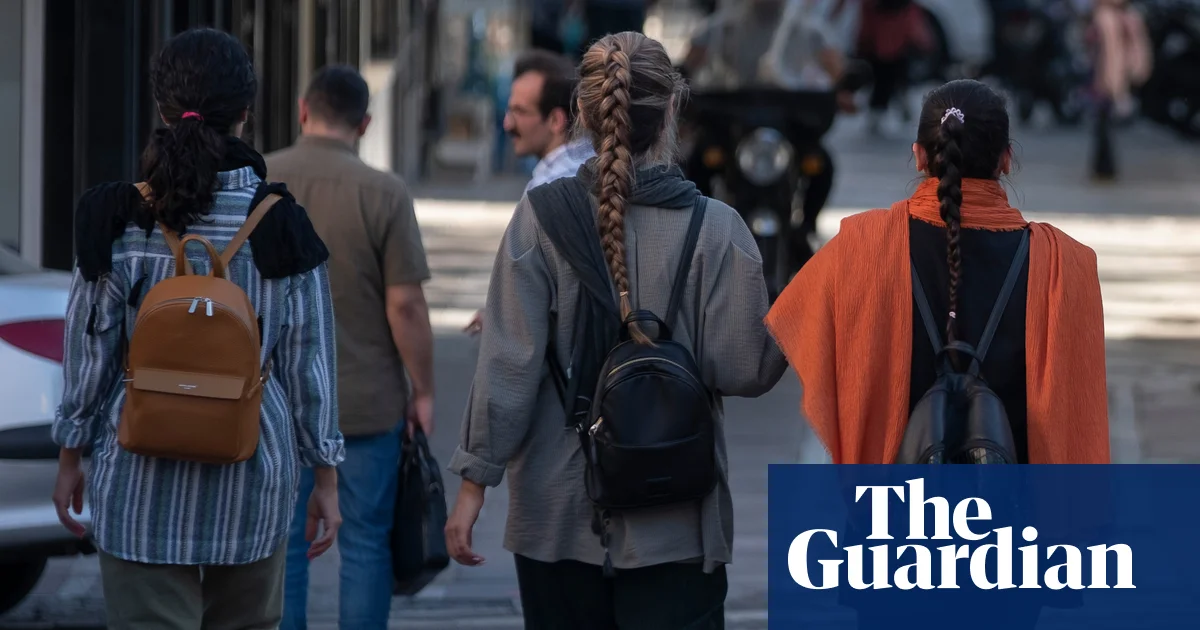
In a stark display of Iran’s ongoing internal struggles over religious conformity and societal control, recent actions by judicial authorities highlight the fragile balance the regime seeks to maintain amid mounting pressure from conservative factions. The arrest of two organizers involved in a marathon on Kish Island, after images surfaced showing women participating without hijabs, serves as both a political signal and a reminder of the strict Islamic regulations that continue to define public life in Iran. This event, seemingly routine on the surface, underscores a broader struggle over control, identity, and the country’s future direction—a struggle with profound geopolitical implications.

The involvement of Iranian authorities in cracking down on this event reflects ongoing tensions within the regime itself. The arrest of officials from both the Kish free zone and the private event organizers illustrates the regime’s attempt to enforce religious laws amid increasing criticism not only from ultraconservatives but also from segments of society demanding greater liberties. This crackdown occurs just months after the tragic death of Mahsa Amini, which ignited widespread protests and exposed the deep divisions over the country’s strict dress codes and authoritarian rule. Analysts warn that such internal conflicts threaten to destabilize the regime further, with international observers watching keenly as Iran’s internal governance becomes more volatile.

  • Authorities cite violations of “public decency” and the need to uphold religious laws, emphasizing the regime’s unyielding stance against non-conformity.
  • Conservative media outlets condemned the marathon, framing it as a breach of Islamic morality, thus amplifying internal ideological battles.
  • Recently, many lawmakers voiced discontent over the judiciary’s perceived failure to strictly enforce hijab laws, prompting calls for tighter regulation and penalties from top government officials.

The geopolitical impact extends beyond the borders of Iran. Every act of internal repression, especially concerning social and religious freedoms, signals to the outside world that the regime remains deeply committed to ideological conservatism. This stance risks isolating the nation further from Western nations and complicating diplomatic negotiations over Iran’s nuclear program, regional influence, and economic sanctions. Global institutions and Western allies have long argued that Iran’s domestic policies threaten regional stability and human rights — this recent incident accentuates those concerns.

Experts like Middle Eastern analysts warn that Iran’s internal crackdowns coincide with increased regional instability, as conservative factions seek to rally nationalist sentiments around Islamic values. The regime’s resistance to ratify legislation that would impose harsher penalties for dress code violations signals a balancing act — trying to satisfy ultraconservative factions while avoiding further unrest. Ultimately, these clandestine battles over societal norms reveal a regime deeply divided, fighting to preserve its ideological bedrock in a changing world. As history continues to unfold, every arrest, every crackdown echoes beyond its borders, signaling a country caught between the suppressive forces of the past and a future that may demand profound transformation. The question remains whether Iran’s internal strife will catalyze reform — or plunge the nation into deeper chaos, with consequences reverberating across the Middle East and beyond.

Top 5 Posture Correctors to Keep You Sharp in 2025

Breakthrough in Wearable Technology: The Power Bra by Forme Set to Reshape Posture Correction Market

In a compelling demonstration of disruptive innovation, Forme, a forward-thinking health and wellness brand, has launched the Power Bra, a smart wearable designed to improve posture while integrating seamlessly into daily life. Originally conceived by orthopedic surgeon Stephen Liu to aid his mother’s health, the device exemplifies how medical-grade technology can be brought into mainstream fashion. Its debut signals a notable shift towards combining health, tech, and fashion industries in pursuit of personalized, user-friendly health solutions.

This launch is more than just a product debut; it signals significant business implications for established players in the posture correction space and wearable tech ecosystem. Unlike traditional braces or correction devices, the Power Bra leverages advanced materials and ergonomic design for comfort and style, challenging older, less versatile solutions. The device offers sizing from XS to 3XL and cups from A to F, illustrating a strategic move to capture a broad demographic, aligning with trends noted by industry analysts like Gartner focusing on inclusive health tech products. The brand’s recommendation to stretch armholes before use reflects attention to user experience—key for mass adoption in a market increasingly driven by feedback-driven updates.

Innovation at the Forefront of Wearable Tech

The Power Bra encapsulates several technology milestones that mark a significant leap forward in disrupting traditional health wearables. Its design combines orthopedic principles with fashionable aesthetics, opening avenues for wearables to be less stigmatized and more integrated into everyday routines. Experts from MIT highlight that such innovations can transform how consumers approach physical health, positioning technology as not just functional but also an essential lifestyle component.

Its potential business impact is profound. As young, tech-savvy consumers demand smarter, more comfortable, and discreet health solutions, brands like Forme anticipate capturing substantial market share. Moreover, the Power Bra’s success could pave the way for further integration of AI-driven diagnostics, real-time feedback, and machine learning algorithms to tailor posture correction, echoing forecasts by industry leaders like Peter Thiel who emphasize the importance of tech-driven healthcare evolution.

Looking Ahead: The Future of Wearable Healthcare

The launch of the Power Bra signifies a broader trend of disruption in personal health management through wearable innovation. As market leaders and startups alike race to develop next-generation health tech, the focus shifts towards hyper-personalization, comfort, and style. The challenge remains in ensuring affordability and scalability, but the current trajectory indicates an increasingly rapid pace of innovation that could redefine the consumer health industry within the next decade.

To stay ahead in this fast-evolving landscape, companies must leverage emerging technologies, deepen consumer insights, and foster robust partnerships with healthcare providers. The potential to combine AI, IoT, and biomechanics in health wearables opens a new frontier for disruptive wins and business expansion. As noted by industry analysts, those who innovate swiftly and focus on user-centric design will forge the future of health tech—making adaptation not just advantageous but vital.

In sum, the Power Bra exemplifies the transformative power of innovation, signaling an era where health solutions are no longer solely medical but seamlessly integrated into our daily fashion statements. For investors, entrepreneurs, and consumers alike, the message is clear: the future of health tech is now, and rushing to adapt will be essential in capturing the opportunities ahead.

Jade, Reece Witherspoon, and Aimee Lou Wood celebrated at the Women of the Year awards—champions of resilience and female achievement

The Enduring Power of Culture: A Reflection of Heritage and Humanity’s Future

In an era where the rapid influx of information and shifting social paradigms threaten the continuity of tradition, cultural events serve as vital reminders of our shared heritage and collective identity. The recent Harper’s Bazaar Women of the Year Awards held at London’s prestigious Claridge’s Hotel exemplifies this phenomenon, drawing luminaries from entertainment, sports, and intellectual spheres to celebrate the enduring significance of culture as both a mirror and a mold of society. How we honor our achievements — be they in film, music, or activism — underscores the intrinsic bond between history, identity, and societal values. As Ortega y Gasset observed, “The greatest danger for most of us is not that our aim is too high and we miss it, but that it is too low and we reach it,” highlighting the importance of cultivating lofty ideals rooted in our cultural essence.

Within this mosaic, figures like Jade Thirlwall from Little Mix and actress Erin Doherty exemplify the potency of culture in inspiring new generations—serving as icons who, despite contemporary challenges, embody resilience and authenticity. Jade’s heartfelt tribute to Cheryl, her childhood idol, mirrors the way cultural icons function as beacons of aspiration and continuity; an echo of Chesterton’s assertion that “A dead thing can go with the stream, but only a living thing can go against it,” emphasizing the importance of preserving cultural integrity amidst pressures to conform. The recognition of Doherty’s performance in Netflix’s Adolescence reflects society’s appreciation for what T.S. Eliot called the “tradition,” a living consciousness that connects past art with present expression, ensuring that art remains a catalyst for societal reflection.

Moreover, the celebration of figures like Reese Witherspoon and Rosamund Pike underscores the role of cultural icons in shaping societal narratives, challenging the superficial and advocating for authentic storytelling. Witherspoon’s comment on creating Hello Sunshine in response to Hollywood’s inadequacies echoes the importance of storytelling as a form of cultural renewal. Likewise, Pike’s acclaimed performance in National Theatre’s Inter Alia reminds us that art and performance are vital repositories of historical memory, and through them, society continuously drafts its future. As Tocqueville observed, “The life of a democracy will be rich and earnest… only if the ideas which animate it are rooted in the family, in religion, and in the arts,” signaling that our collective cultural endeavors are foundational to societal health.

The Memory and Prophecy of Humanity

Ultimately, culture embodies both memory and prophecy; it is the archive of our ancestors’ wisdom and the forecast of future possibilities. Just as Chesterton saw in tradition the fellowship of the past with the present, our cultural expressions serve as the threads binding generations, offering continuity amid change. The ceremony’s celebration of human achievement—whether through art, entertainment, or activism—reminds us that our cultural pursuits are human anchors and guiding stars. They are where history whispers its lessons and where imagination envisions the horizons yet to come. As we stand amid the echoes of the past and the dawn of the future, it becomes clear: Culture is the canvas of human memory, painted with the colors of our aspirations—a living prophecy that carries us forward, both rooted and reaching, into the infinite unfolding of human destiny.

Rising Risks Ahead: Pregnant Women in England Face Growing Danger During Birth

Across England, recent data from the National Health Service (NHS) reveals a troubling trend: an increase in serious injuries sustained by pregnant women during childbirth. Specifically, the incidence of third- and fourth-degree perineal tears—known medically as obstetric anal sphincter injuries (OASI)—has risen from 25 in 1,000 in mid-2020 to 29 in 1,000 this year, a stark 16% increase. These injuries, which damage critical muscles and tissues during delivery, can leave women with long-term pain, mental health challenges, and even difficulties in intimacy and continence. Such data challenge society’s collective understanding of maternal health and threaten to undermine the very fabric of family stability and community cohesion. This rise in trauma during a moment that should symbolize new beginnings is a reflection of systemic failings that demand urgent attention, because families are fundamentally impacted when mothers are left to endure preventable injury.

While some medical professionals advocate for the widespread use of the “OASI care bundle”—a set of protocols designed to assess and reduce tear risks—compliance remains inconsistent across NHS maternity units. According to social commentators, these discrepancies highlight deeper issues rooted in resource allocation, training, and prioritization within public health institutions. Historian and sociologist Dr. Margaret Collins notes how the neglect of proper risk assessments not only endangers physical health but erodes trust in healthcare systems that should serve as pillars of societal safety and support. Moreover, the failure to apply recommended assessment protocols contributes to errors like misdiagnoses, exemplified by the recent case where a woman at the University Hospitals Sussex NHS Trust was wrongly diagnosed with a second-degree tear, ultimately suffering life-changing complications. These failures underscore how inadequate care perpetuates cycles of trauma that ripple through families and communities, shining a spotlight on the importance of accountability and moral responsibility within our healthcare framework.

The societal repercussions of maternal injuries extend beyond the individual to influence family dynamics and community stability. Injuries like OASI can induce conditions such as post-traumatic stress disorder (PTSD) and *secondary tokophobia*—a fear of pregnancy—forcing women to reconsider their desires to have additional children. Children, in turn, are affected by disrupted bonding and maternal mental health challenges; these issues threaten the core social unit—family—that sustains societal continuity. According to social worker and obstetrician Dr. Ranee Thakar, many of these injuries are treatable, yet the failure to consistently implement preventive protocols leads to avoidable suffering.

  • Inadequate assessment and intervention
  • Lack of standardized implementation of safety protocols
  • Insufficient training for care professionals

These are societal failures echoing through generations, highlighting the urgent need for systemic reform. As sociologists like John Williams argue, societal trauma manifests in family instability and workforce disengagement, ultimately weakening the social fabric.

Despite national efforts to address these issues—such as the recent audit revealing that over 3% of women experienced some form of perineal tear—challenges remain. The government asserts that improvements are underway, with healthcare authorities promising enhanced perinatal pelvic health services and increased adherence to safety protocols. Yet, the persistent rise in injuries illustrates that socio-political commitments often fall short of effecting real change. Like the unresolved societal tensions documented by historian Eric Johnson, these failures underscore how *neglect of vulnerable populations*—in this case, pregnant women—can result in a cycle of trauma that deprives communities of their future generations. As society stands at this crossroads, the question remains: will we choose to prioritize the health and dignity of mothers, or let systemic indifference continue to threaten the foundation of our families?

In conclusion, the rising incidence of severe childbirth injuries in England exposes the cracks in our societal structure. The challenge is not solely medical but moral—a collective call to protect the essence of community, tradition, and human dignity. As families grapple with the aftermath of preventable trauma, society must reflect on how systemic oversight and cultural neglect threaten the very bonds that uphold our shared humanity. With hope, systemic reforms fueled by conscientious advocacy can transform this narrative of neglect into one of resilience—restoring dignity, safety, and hope for generations to come. Society’s true strength lies in its capacity to heal, to protect, and to nurture—now and into the future.

South African farm worker reveals women were fed to pigs to hide evidence, shocking court testimony

South Africa’s Darkest Day: A Case That Exposes Deep-Rooted Tensions

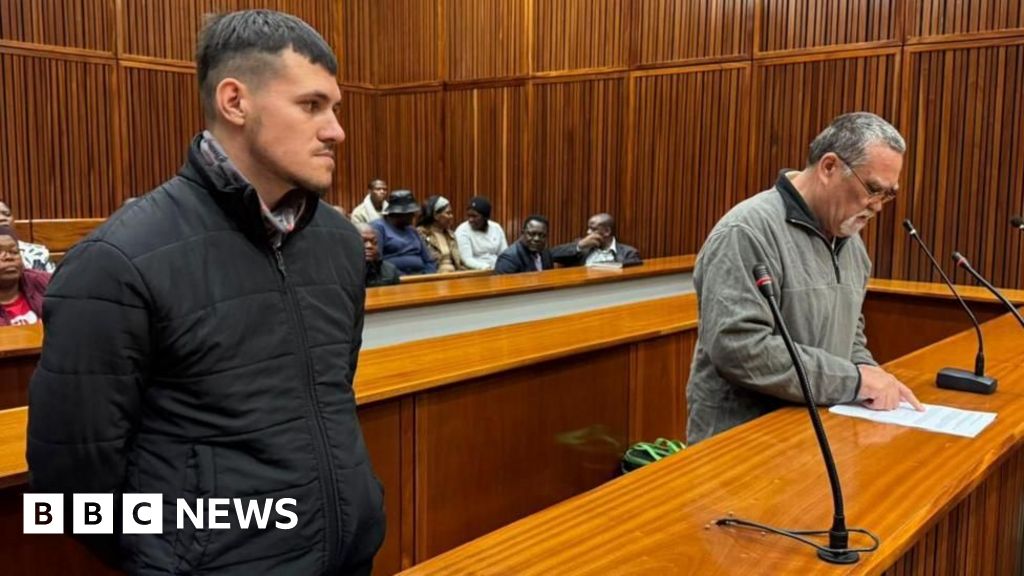
The sordid details emerging from a court case in South Africa have shocked the global community and laid bare the ongoing struggles within this once oppressed nation. A 21-year-old farm worker, Adrian De Wet, has testified to a gruesome series of events involving the murder of two women, Maria Makgato and Lucia Ndlovu, whose deaths have ignited widespread outrage. De Wet, who was coerced into assisting his boss, Zachariah Johannes Olivier, and another man, William Musora, in disposing of the victims’ bodies by tossing them into a pigsty, has provided chilling details that paint a stark picture of brutality rooted in racial and economic tensions still festering beneath South Africa’s surface.

According to De Wet’s court testimony, the incident unfolded during a night when Olivier and himself, armed with hunting rifles, waited for trespassers on the farm near Polokwane. When voices approached, they opened fire, killing the women who were simply seeking food — an act that reveals much about the desperation and social divide in the country. The gruesome aftermath, including pigs frenzied over the remains and the subsequent destruction of evidence, underscores a disturbing attempt to hide the violence. Court exhibits showing mutilated bodies and evidence of the pigs’ attack highlight the far-reaching consequences of such unthinkable acts, and the contamination of justice and morality in this rural landscape.

Geopolitical Impact and Societal Ramifications

This case is not just a tragic criminal story; it’s a flashpoint with deeper implications for South Africa’s geopolitical stability. As noted by international analysts, the incident exemplifies the persistent racial disparity and economic inequity that continue to pervade the country, two decades after the official end of apartheid. Most farmland remains in the hands of a white minority, while a majority of black farmworkers live in poverty and are vulnerable to violence and neglect. This division fuels resentment and undermines societal unity, exacerbating tensions that threaten to destabilize the fragile political landscape. Human rights organizations and historians warn that such tragedies could serve as catalysts for greater unrest unless comprehensive reforms address economic disparity and promote integration.

Moreover, the international community watches with concern as South Africa grapples with its identity and path forward. While the nation aspires to be a leader on the continent, incidents like this expose a failure in governance, rule of law, and social cohesion. The ongoing trial, scheduled to resume next week, is seen by many as a critical test of whether justice can be truly served amid profound societal fractures. As United Nations and African Union officials stay alert, questions about the country’s stability and commitment to progress remain salient. This case underscores the dangerous potential of unresolved racial and economic grievances, with some analysts warning that neglect could lead to further escalation and destabilization across the region.

This tragedy yet echoes the haunting shadows of a nation still grappling with its past and present

As the court proceedings unfold, the weight of history presses down on South Africa’s shoulders, a reminder that the scars of racism, inequality, and violence are far from healed. The vivid images of mutilated bodies and footprints of apathy threaten to become symbols of a society at a crossroads. Will justice rectify this deep wound, or will the pattern of brutality continue to haunt the land? The answers remain uncertain, but one thing is clear: The story of South Africa’s struggle is far from over, and the pages being written today will determine the course of its future in the annals of history.

Argentina shocked and angered by brutal killings of young women

The recent brutal murders and public outrage in Argentina serve as a stark reminder of the pervasive issues of gender-based violence that continue to grip many societies worldwide. Thousands of Argentinians gathered in Buenos Aires to demand justice for Lara Gutierrez, a 15-year-old girl, and Morena Verdi and Brenda del Castillo, both 20, whose heinous deaths—captured in livestreamed videos—have ignited a nationwide debate about the authorities’ capacity to protect vulnerable citizens. As analysts highlight, these acts of extreme violence are not isolated; they are symptomatic of larger, systemic failures linked to organized crime, social decay, and weak legal deterrents.

The crime, reportedly orchestrated by a drug-trafficking gang, achieved notoriety when police uncovered a disturbing video in which the gang’s leader warned that the murders were meant as a warning to others involved in drug theft. This chilling footage underscores a broader turning point: organized crime’s blatant infringement into social norms and justice, posing dire geopolitical repercussions. International security experts warn that such violence, especially when intertwined with drug cartels, destabilizes entire regions, weakening state authority and creating fertile ground for further criminal expansion. The Argentine authorities, though arresting five suspects, have not yet apprehended the gang’s Peruvian leader—an omission that raises concerns about impunity and the ability of the justice system to confront transnational crime networks effectively.

The local community’s response reflects a growing awareness housed within a fragile social fabric. Mass protests and sentiment expressed by relatives reveal a society demanding accountability, yet the tragedy exemplifies how persistent violence against women remains a acute crisis—one cited elsewhere when a woman is murdered in Argentina every 36 hours. As historian Dr. María Fernández notes, these incidents are indications of deeper societal failures that threaten to widen inequalities and fuel instability. International organizations like the United Nations and regional bodies continuously monitor such femicide rates, emphasizing the urgent need for comprehensive reform and stronger legal protections to safeguard societal stability.

As the story unfolds in Buenos Aires, the symbolic weight of this violence transcends national borders. The victims’ families, united in grief and resilience, stand as a stark symbol of the ongoing struggle for justice—an enduring reminder that the fight against organized crime and gender-based violence is far from over. Each step in this tragic saga modifies the global landscape, testing how the international community responds to threats that threaten the very foundations of law and order. With history’s pages turning, it remains to be seen whether justice will be fully realized or whether, in the shadows, the criminal networks will continue to shape the future of societies caught in the crossfire. The world watches, knowing that these acts of violence, grievous as they are, are part of a larger, unfolding battle for dignity, safety, and sovereignty amid the chaos of modern geopolitics.

Women claim Andrew Tate abuse, call out ‘misleading’ Spectator coverage.

Concerns have been raised over an interview featuring Andrew Tate, a controversial figure known for his inflammatory views, published in the Spectator magazine, which is edited by Michael Gove. Four women alleging sexual abuse by Tate have lodged a formal complaint with the Independent Press Standards Organisation (Ipso), challenging the portrayal of their accusations in the piece.

The women, who have filed a high court claim against Tate for serious allegations—including rape and coercive control—are claiming that the article, penned by Deputy Editor Freddy Gray, misrepresents their experiences and undermines the gravity of their claims. They believe that the publication failed to adequately address the impact of Tate’s actions, which they argue contributes to a broader culture of dismissing survivor voices.

This situation highlights an ongoing debate about how media outlets handle sensitive topics, especially when it involves high-profile figures. Critics argue that sensational interviews can inadvertently glorify problematic individuals while silencing the narratives of those who have suffered. The women in question are pushing back, advocating for responsible journalism that prioritizes truth and sensitivity over sensationalism.

As this story unfolds, the implications for media ethics and the accountability of influential voices remain significant. It’s a critical moment for young people to engage in discussions about representation and responsibility in media, ensuring that survivor stories are not merely used as a backdrop for flashy headlines but are respected and treated with the seriousness they deserve.

Social Media Auto Publish Powered By : XYZScripts.com