Matox News

Truth Over Trends, always!

Australia News Live: Poor Hospital Meals Worsening Healthcare Costs; Crocodile Remains Discovered by Adelaide Roadside

Global Power Dynamics Shaped by Emerging Geopolitical Shifts

In an era marked by rapid geopolitical evolution, recent decisions by major nations and international institutions have signaled profound shifts that will resonate across societies and borders. The ongoing reshuffling of alliances and policies underscores not only the strategic recalibrations of influential countries but also the unfolding saga of geopolitics that historians like Samuel Huntington have long warned about. As the United States, China, and Russia redefine their roles on the global stage, their actions bear consequential impacts for diverse societies, economies, and international stability.

Most notable among these developments is the recent **renewal of cooperation** between the European Union and the UK which signals a potential easing of post-Brexit tensions—however, critics argue that this shift may merely be a strategic facade for underlying fractures. Meanwhile, the BRICS nations continue their efforts to establish a parallel economic order, challenging Western dominance. The recent discussions surrounding the New Development Bank unveiling new funding initiatives demonstrate a strategic pivot away from traditional Western-led financial systems. Analysts from institutes like the Council on Foreign Relations suggest these movements foreshadow a multipolar world where sovereignty and local priorities will become central to international diplomacy. But how will these changes influence societies at ground level? It is likely that countries aligning with emerging poles will pursue policies that bolster national industries, while others may face increased instability due to shifting alliances.

Decisions at the National Level: a Double-Edged Sword

On the national front, recent policy shifts reflect a focus on sovereignty and economic resilience—yet, the repercussions are multifaceted. Governments are recalibrating foreign policies, trade agreements, and military commitments, which directly influence societal cohesion and economic stability. For example, the recent US-China trade negotiations illustrate an intent to protect domestic industries but risk escalating tensions with potential global repercussions. Historically, as Henry Kissinger pointed out, such strategic moves often contain unpredictable ripple effects that can threaten international peace. The re-establishment of alliances or dissolution of treaties like the Paris Climate Accord impacts both climate policies and economic development, especially for vulnerable societies depending on these frameworks.

Furthermore, the international community’s response to these shifts—discussed within bodies such as the United Nations—raises questions about effectiveness and relevance. While some organizations strive to adapt, critics argue that global institutions often serve as arenas for powerful nations to advance their agendas, leaving smaller nations at a disadvantage. The recent climate negotiations exemplify this tension, where environmental commitments become politicized, skewed by geopolitical interests. As geopolitical analysts like George Friedman observe, the power balance is increasingly defined by strategic resilience rather than military might alone. The decisions shape societies’ futures, where sovereignty clashes with the need for global cooperation, and citizens feel this tension most acutely in their daily lives.

Heading Toward an Uncertain Future

The unfolding story of geopolitics remains fraught with uncertainty, yet history’s persistent theme reminds us: every shift creates both opportunity and peril. The long arc of international relations hinges on the choices made today—from military alliances to economic policies—that will determine the fate of generations. As international actors maneuver with strategic patience, the question remains: which nations will emerge resilient, and which will fall prey to the chaos of transnational power struggles? The weight of history presses heavily on this moment. Citizens around the world—particularly the youth—must keenly observe how these decisions mold a future where their societies flourish or falter amid the shadows of emerging global order.

Teenage Daughter’s OCD Worsening: How Parents Can Help in Today’s Society | Ask Annalisa Barbieri

The Rising Tide of Mental Health Struggles among Young Americans: A Society in Reckoning

In recent years, mental health issues among youth have moved from whispered concerns to a full-blown societal crisis that impacts families, schools, and communities across the nation. Among these challenges, Obsessive-Compulsive Disorder (OCD) exemplifies the complex tapestry of social, psychological, and institutional factors that shape young lives today. As sociologists and mental health experts warn, these struggles are not isolated incidents but symptomatic of deeper issues rooted in modern life—ranging from digital overstimulation to social alienation—that threaten the fabric of traditional societal bonds.

Take the case of a 15-year-old girl struggling with OCD, facing compulsions like counting, ritualistic actions, and conditional cleanliness routines. Despite undergoing private therapy, her parents report limited progress, as her compulsions—such as flicking light switches a specific number of times or arranging items in precise orders—persist and evolve. This highlights a fundamental challenge in tackling mental health within our community: addressing symptoms without confronting the root causes. Historically, critics argue that contemporary treatments often focus on managing disruptive behaviors rather than understanding the societal pressures contributing to these conditions. The diagnostic focus on individual pathology risks diverting attention from the broader social context—such as societal pressure, academic stress, and social media influences—which sociologists like Christopher Lasch have identified as weakening traditional moral and community bonds necessary for resilient youth development.

The story of this young girl underscores how cultural shifts—such as the relentless pursuit of perfection, constant connectivity, and a life saturated with unrealistic standards—exacerbate mental health issues among the next generation. The conventional healthcare approach, often centered around symptom suppression, must evolve into a societal dialogue that recognizes young people’s needs for authentic community and meaningful connection. It calls for a community-wide effort to rebuild social cohesion—school programs emphasizing moral education, increased support for family resilience, and policies addressing the root causes of anxiety in young minds. The focus should be on fostering strength from within rather than merely medicating symptoms or swiftly dismissing the underlying social stresses.

  • Reevaluating mental health policies to include community-driven interventions rather than solely clinical treatments.
  • Implementing educational reforms that prioritize emotional and moral resilience alongside academics.
  • Building support networks that reconnect youth with tradition, family, and purpose to counteract social isolation.

Ultimately, the story of this girl and countless others is a reflection of a society at a crossroads. As social commentators and educators alike warn, true progress will require more than individual therapy—it demands a societal awakening to the importance of preserving community, culture, and moral integrity. The challenge is monumental, but within this existential crisis lies the hope of renewal. If communities rally to empower our youth and rebuild shared values, society may yet steer through the storm of mental health suffering toward a future where resilience is cultivated at the family table, in the classroom, and across every corner of our interconnected nation. For in the end, society’s strength depends not only on policies and programs but on the unwavering hope that our shared moral fabric can be repaired and strengthened by the resolve of those who care.

Japan’s ‘One Piece’ singer halts show amid worsening Japan-China ties

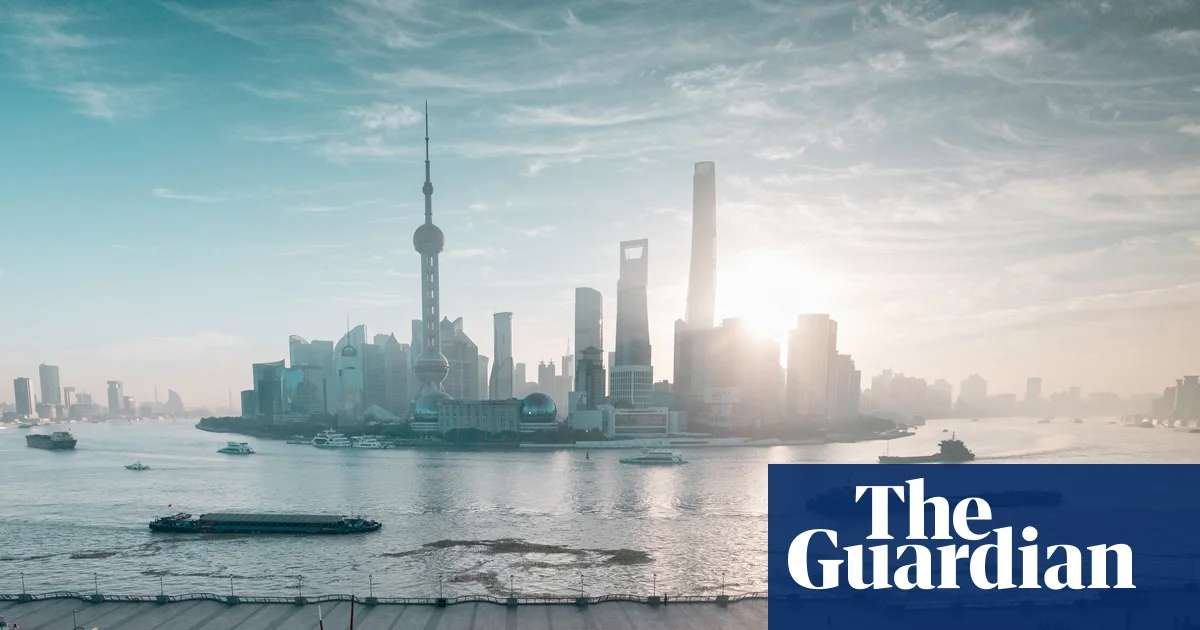
In the latest escalation of a rapidly fraying diplomatic fabric between Tokyo and Beijing, a high-profile cultural event in Shanghai was abruptly derailed, underscoring the profound ripple effect of geopolitical tensions on international exchanges. Japanese singer Maki Otsuki, famous for her theme song of the globally beloved anime One Piece, was forced to halt her performance amid ongoing diplomatic hostility. This incident is not isolated but part of a broader pattern of cancelled cultural events that highlight how geopolitical friction directly impacts societies and global soft power dynamics.

Relations between Japan and China have sharply deteriorated in recent weeks, fueled by a controversial statement by Japan’s Prime Minister Sanae Takaichi. She suggested that Tokyo might intervene militarily if China attempts to forcefully unify Taiwan, an island regarded by Beijing as a renegade province. Chinese authorities responded with fury, summoning the Japanese ambassador and warning Chinese tourists against travel to Japan. The repercussions have extended beyond diplomatic circles, affecting cultural diplomacy, entertainment industries, and tourism sectors. The Chinese government’s recent decision to cancel the entire Bandai Namco Festival 2025 reflects a strategic move designed to send a firm message that soft diplomacy is no longer sustainable amidst rising tensions.

According to analysts from international think tanks and historians specializing in East Asian geopolitics, this confluence of political provocation and cultural casualties marks a clear shift in regional power dynamics. The cancellations of performances by popular acts like Momoiro Clover Z, Ayumi Hamasaki, and jazz pianist Hiromi Uehara signal an erosion of cross-cultural exchanges once viewed as bridges for mutual understanding. What was once a vibrant dialogue of shared interests is now overshadowed by strategic posturing and nationalism. These events, often viewed through a lens of cultural diplomacy, now serve as barometers of escalating instability and the failure of diplomatic interventions to contain conflicts that threaten to unravel decades of regional progress.

On the international stage, organizations such as the United Nations have issued cautious statements urging calm and dialogue. However, the reality remains that U.S. and allied nations are watching with mounting concern as the China-Taiwan- Japan triangle evolves into a potential flashpoint for broader conflict. History warns that such disruptions in cultural and diplomatic norms often precede more dangerous confrontations, making the current scenario a clarion call for global leaders. The unfolding events leave the world with a sense of urgent foreboding, where decisions made in diplomatic back rooms will ultimately shape the contours of future peace or conflict. As history continues to write itself, the question remains: will this clash of nations fall into the echoes of past crises or forge a new path toward stability? The answer lies just beyond the horizon, waiting to be unveiled in the ongoing saga of geopolitics and human resilience.

Social Media Auto Publish Powered By : XYZScripts.com