Matox News

Truth Over Trends, always!

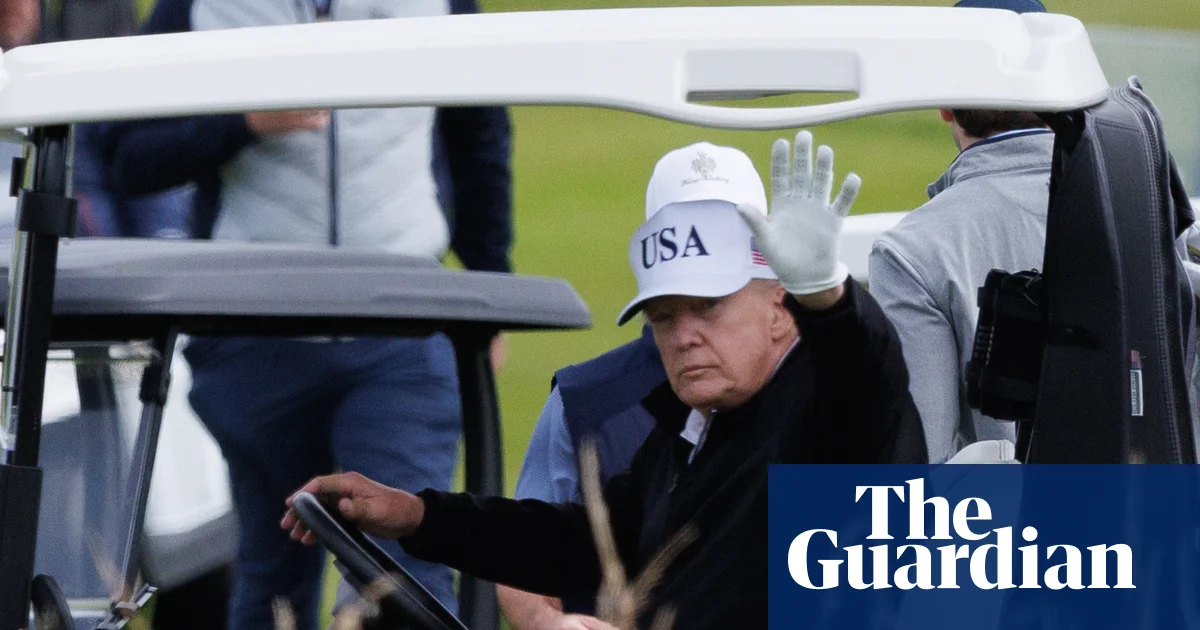
Trump heads to Walter Reed for his second routine checkup of the year

In a move that underscores the enduring importance of American leadership stability, President Donald Trump, the oldest person to assume the office of US President, is set to visit the Walter Reed National Military Medical Center for what was described as a “routine yearly check-up.” While American media portray this visit as simply a health assessment, the broader geopolitical implications are undeniable. The health and mental fitness of a leader who commands the world’s most powerful military and economic apparatus directly impact global stability. As Washington continues its strategic moves on the international chessboard, particularly in volatile regions like the Middle East, it remains crucial for allies and adversaries alike to scrutinize the well-being of their leaders, knowing that their decisions can potentially reshape the course of history.

Historically, health crises in leading nations have often precipitated shifts in foreign policy and global influence. Critics and analysts point out that, despite affirmations from the White House regarding Trump’s physical and mental fitness, concerns persist surrounding his recent health reports. Diagnosed with chronic venous insufficiency—an ailment common among older adults—Trump’s health issues have been the subject of speculation fueled by brief visible ailments, such as bruises and swelling. The anxieties are compounded by a pattern of erratic public appearances and unofficial rumors, some suggesting that the former president might be concealing more serious health complications. Historian Dr. Mark Johnson emphasizes that, “such concerns, whether justified or exaggerated, tend to influence political stability, especially during times of international tension.” The silence from the White House only adds an element of uncertainty, amplifying fears about how health vulnerabilities can impact decision-making at critical junctures.

Following this health check, Trump’s consideration of a diplomatic trip to the Middle East signals a strategic pivot amid ongoing conflicts. The president’s intention to engage with the region—potentially to broker peace or influence regional dynamics—comes at a sensitive period. Since his April physical exam, which declared him fully fit to execute presidential duties, the geopolitical landscape has continued its volatile course, with Gaza remaining a flashpoint. The possibility of Trump’s involvement in diplomatic negotiations could have profound effects, especially given his unconventional approach to foreign policy. Such a move might challenge existing alliances, recalibrate regional balances of power, and influence future international negotiations. Analysts warn, however, that leadership health issues can undermine the credibility of a president’s diplomatic efforts, and the world watches closely amidst the shadow of potential instability.

In this unfolding chapter of history, the intersections of personal health, domestic politics, and international diplomacy underscore a pivotal lesson: the fragility of leadership in an increasingly complex global arena. As America navigates its strategic interests, the state of its leadership remains a central question. Will the currents of history flow toward stability or chaos? The weight of this moment is heavy, and the future remains uncertain. In the shadows of the White House and across the battlefields of geopolitics, one thing persists—the world’s watchful gaze on the ever-looming presence of history in the making.
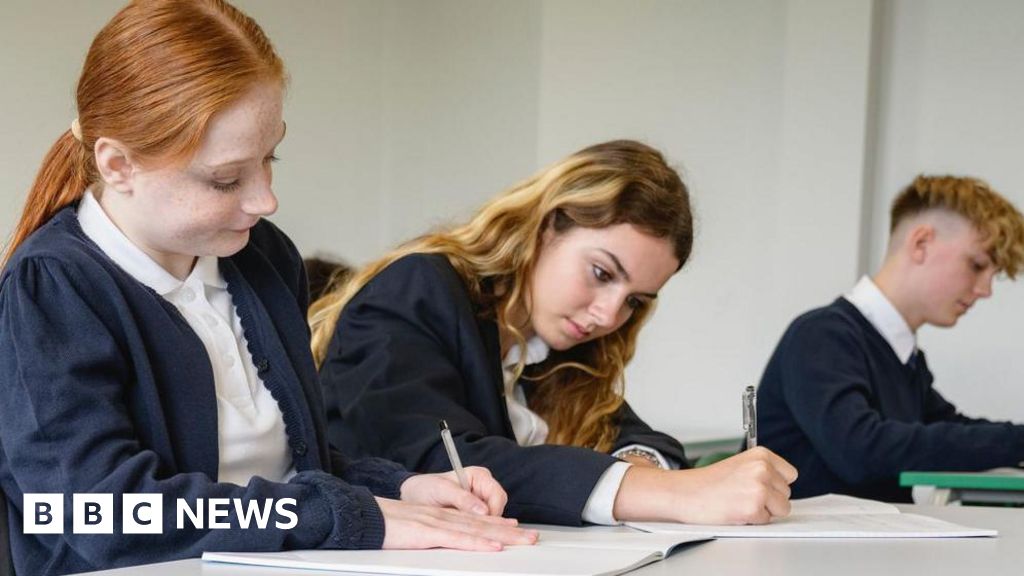
Year 8 Students Face Mandatory Reading Tests in New Push to Boost Britain’s Youth Literacy

Cracks in the Foundation: Society’s Struggle with Educational Standards and Social Cohesion

As curriculum reforms and intensified testing take center stage in England’s education policy, the societal fabric faces subtle yet enduring strains. The government’s proposal to introduce mandatory reading tests for Year 8 students highlights a growing concern among policymakers regarding literacy standards and future economic competitiveness. Planned as part of an upcoming white paper, this initiative aims to evaluate pupils’ progress two years into secondary school, reflecting a broader desire to recalibrate educational accountability. However, critics argue that these measures may oversimplify the critical social and moral roles of education, risking a narrow focus that overlooks the diverse challenges faced by families and communities.

Historically, sociologists like Raymond Williams and bell hooks have emphasized that education is more than a standardized test; it is a vital space for cultural transmission, moral development, and social cohesion. Trends reveal that while 75% of Year 6 students met expected reading standards this year, a troubling quarter still fall short, underscoring persistent inequalities. For families from disadvantaged backgrounds, such gaps are compounded by systemic barriers that no amount of testing can fully address. Critics note that the reliance on annual assessments and high-stakes testing contributes to a narrowing of the curriculum, restricting teachers’ ability to cultivate critical thinking, creativity, and moral judgment. Instead of viewing these exams as tools for empowerment, many see them as instruments of compliance that threaten to erode the humanistic elements at the heart of education—elements that directly influence family stability and community well-being.

The debate extends beyond the classroom into the societal implications of these policies. Leaders like Daniel Kebede of the National Education Union warn that increasing test regimes risk fostering “punitive labeling” and academic stress, which disproportionately impact those already marginalized. Such approaches tend to favor a neoliberal narrative—one that equates student success with quantifiable benchmarks rather than holistic development. Meanwhile, critics like Sarah Hannafin of the NAHT argue that “good teaching,” not testing, is the real driver of improvements, emphasizing the importance of investing in resources and support systems. This tension underscores a deeper societal question: how do we balance accountability with the moral imperatives of fostering compassionate, resilient communities?

As society grapples with these dilemmas, the challenge remains clear: to forge an educational environment that values the dignity of each learner and recognizes the societal importance of social cohesion. The upcoming review of the curriculum and assessment framework offers an opportunity to reconsider whether current policies serve society’s broader moral and cultural needs or simply perpetuate a cycle of testing and compliance. Reflecting on the words of social critics and educators, it becomes apparent that true social progress must incorporate moral development, community engagement, and an acknowledgment of the systemic barriers faced by many families. In this crucible of change, society stands at a crossroads—a chance to build not just a qualified workforce, but a society rooted in shared values, hope, and resilience, rekindling the belief that education should uplift the human spirit, not diminish it.

Social Media Auto Publish Powered By : XYZScripts.com



