Matox News

Truth Over Trends, always!

New university free speech watchdog launches this year, empowering students to speak up

In an era defined by rapid cultural shifts and demographic diversification, institutions of higher learning find themselves at the crossroads of upholding free expression and ensuring social cohesion. Professor Malcolm Press, Vice Chancellor of Manchester Metropolitan University, recently emphasized this delicate balance, stating that “protecting free speech while preventing harassment, hate speech, and radicalisation are complex tasks involving finely balanced decisions.” His words highlight a broader societal challenge: how do we foster open dialogue without compromising the safety and dignity of vulnerable communities?

Social issues surrounding free speech and cultural representation profoundly influence families, education, and local communities. As sociologists like Charles Taylor and Kenan Malik have argued, the clash between individual rights and collective social responsibility is not merely legal or political but deeply rooted in cultural identities and moral values. Communities composed of diverse ethnicities and beliefs often grapple with tensions when societal norms shift toward inclusivity. This socio-cultural evolution, while enriching, also tests social cohesion, especially when conflicting narratives threaten to fracture the social fabric.

Amid these tensions, educational institutions are tasked with more than just imparting knowledge; they serve as battlegrounds for moral and cultural debates. Schools and universities are increasingly called upon to navigate issues of free speech, safe spaces, and the prevention of radicalisation. Critics argue that excessive regulation may stifle genuine discourse, while others see unchecked speech as a catalyst for harassment and division. How society strikes a balance directly impacts not only the academic environment but also the families raising children in these complex social landscapes. When young minds witness community debates over free expression, they are also learning how society resolves its disagreements—shaping future attitudes toward coexistence and civic responsibility.

Facing these multifaceted challenges, social commentators emphasize the need for robust dialogue grounded in shared values to foster understanding across differences. This approach, advocated by thinkers such as Jonathan Haidt, promotes the idea that respectful engagement” is essential in an era where demographic shifts can sometimes intensify social tensions. Ultimately, the goal is to nurture resilient families and cohesive communities, capable of dialogue even amid disagreement. Yet, the path forward isn’t without obstacles; safeguarding free speech requires vigilance against those who exploit openness to spread hate or radical ideas. Policymakers and community leaders bear a moral responsibility to create frameworks that uphold both liberty and security.

As society confronts these enduring issues, it becomes clear that the very fabric of our future depends on our collective will to uphold principles of freedom, responsibility, and mutual respect. Society’s strength lies not only in legislation but in the moral courage of individuals and communities willing to listen and learn. In this ongoing struggle for balance, hope persists—a hope that through dedicated effort and unwavering commitment, we can forge a society where families flourish, education enlightens, and communities unite despite their inevitable differences. The true challenge is to remember that beneath every societal debate lies the profound human aspiration for dignity, understanding, and a shared future worthy of our highest ideals.
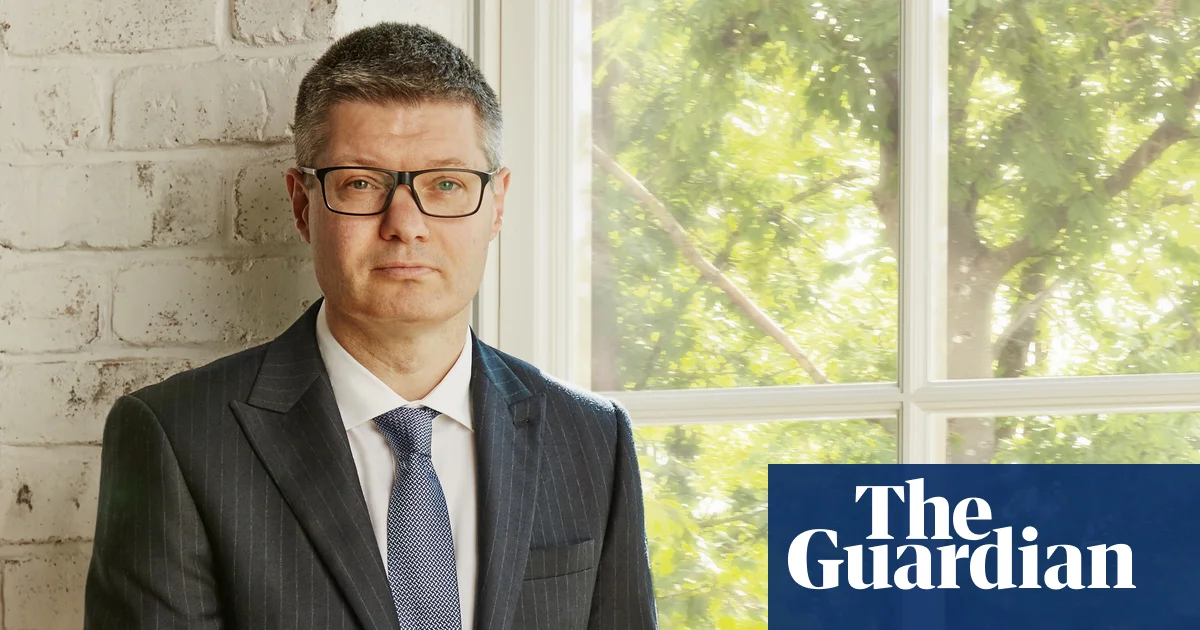
Next CEO Simon Wolfson hits record £7m payday last year

Corporate Elite and Geopolitical Instability: A Narrative of Power and Influence

In an era increasingly defined by global conflicts and shifting geopolitical alliances, the actions of corporate magnates underscore an unsettling trend: the consolidation of wealth and influence in the hands of a privileged few. Simon Wolfson, the CEO of the UK-based retailer Next, exemplifies this phenomenon. Last year, Wolfson reaped a staggering £7 million in total compensation—an amount that is projected to rise to over £9 million this year. Such exorbitant pay packages highlight a growing disconnect between corporate leadership and the economic realities faced by the broader population, especially amid burgeoning inflation risks and international conflicts, notably in the Middle East.

Despite warnings from international economic analysts and organizations like the International Monetary Fund (IMF) regarding the potential for inflationary spirals due to ongoing conflicts, corporations like Next remain optimistic. The company’s recent upward revisions of profit forecasts—raising expectations by £8 million to a record £1.2 billion—reflect a distortion of economic priorities. While much of the world braces for possible shortages and a downturn in consumer confidence, the retailer continues to reward its top executives lavishly. Wolfson’s pay profile, including long-term bonuses and benefits, now reflects a broader pattern where executive compensation is often detached from national economic health and social well-being.

This conspicuous wealth concentration occurs at a critical juncture in world history. Historians and geopolitical analysts argue that such disparities can exacerbate social tensions and undermine democratic legitimacy, especially as international institutions attempt to navigate regional conflicts and economic upheaval. Global corporations who fiercely defend high executive rewards, often under the pretext of performance and retention, may inadvertently contribute to societal divisions. Meanwhile, nation-states face pressure to balance economic growth with social equity, a challenge complicated further by the shifting tides of international diplomacy and trade agreements.

In this complex landscape, the expansion of corporate influence—exemplified by Next’s strategic remuneration policies and acquisition of a portfolio of brands—raises profound questions about the direction of global capitalism. As international leaders endeavor to maintain order amid crises, the persistent elevation of the corporate elite symbolizes a wider trend: the shift from national sovereignty to a power matrix increasingly dominated by economic interests. How nations will reconcile these disparities—while managing the fallout from ongoing conflicts—remains a defining question of our time. The choices made in boardrooms today are not isolated; they are woven into the fabric of history, shaping the societal and geopolitical contours of the future.

Chinese national gets year in prison for smuggling Kenyan ants—stupid crime, big punishment

Unexpected Diplomatic Tensions: The Case of Zhang Kequn and the Global Security Landscape

In a development that underscores the unpredictable nature of international security and environmental regulations, Zhang Kequn, a Chinese national, was arrested in March while attempting to travel to China with over 2,000 live ants. This incident, seemingly trivial at first glance, has ignited a broader debate on the interplay between international wildlife regulations, trade policies, and national security concerns, illustrating the complex web of factors influencing today’s geopolitics.

Analysts point out that the arrest signals more than just a case of illegal wildlife transport. It highlights the increasing scrutiny of unconventional items that carry potential biosecurity risks—an issue gaining prominence amid rising global concerns over pandemics and ecological stability. Experts from organizations such as the World Customs Organization warn that such seemingly minor violations can have far-reaching consequences, serving as indicators of deeper geopolitical tensions or economic disputes. While the incident involves a relatively small quantity of living creatures, it underscores a larger trend where environmental and health security are intertwined with international diplomacy, especially in regions with fraught political histories.

The implications extend well beyond the immediate border security. The incident sends ripples through international relations, especially between China, the world’s second-largest economy, and neighboring nations who remain vigilant about ecological and biosecurity threats. It also comes at a time when Western countries and China are engaged in ongoing strategic dialogues—and sometimes tensions—over trade, technology, and regional influence. Environmental regulations and biosecurity measures have become a new battleground, where control over seemingly trivial items—such as live animals or biological specimens—can be wielded as leverage or as symbols of broader diplomatic stance.

Moreover, global institutions have expressed concern over such incidents, emphasizing that how nations handle violations can either diffuse tensions or escalate them into wider conflicts. Officials and analysts note that these events reflect a larger pattern of how decisions on environmental regulation enforcement influence national image and international cooperation. For instance, the arrest of Zhang Kequn may be perceived differently across borders: as strict enforcement of international standards or as an overreach used to pressure China on other diplomatic issues. Such perceptions can profoundly shape diplomatic dialogues and mutual trust—key components in maintaining stability in rapidly shifting geopolitical landscapes.

As history continues to unfold, this seemingly minor incident embodies the broader dynamics at play: the collision of environmental concerns, national sovereignty, and international law. It serves as a stark reminder that, in today’s interconnected world, actions deemed trivial by some carry the weight of history—and the potential to either bolster cooperation or ignite conflicts. With each event, the delicate balance of global security—often hinging on the smallest of details—becomes clearer. The question remains: how will nations navigate this new terrain, where even a few insects can symbolize the fragile threads that hold the modern world together?

Peruvians Vote to End Year of Political Turmoil

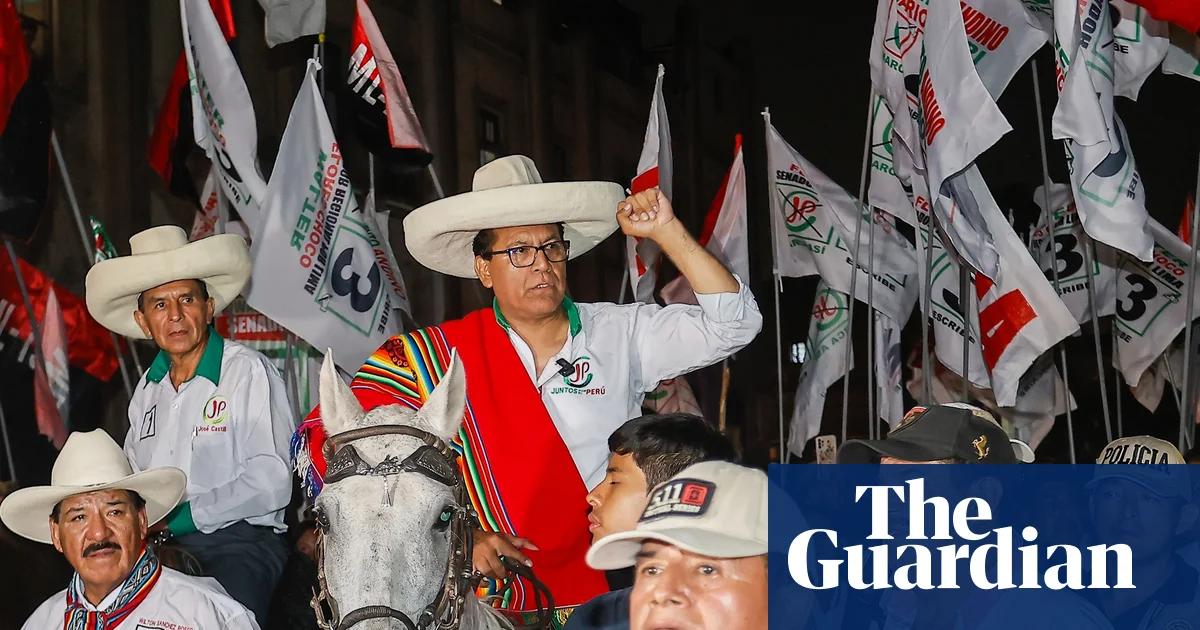
As Peru heads to the polls on Sunday, the nation stands on the brink of what could be a defining moment in its turbulent political history. The country, suffering from deep-rooted systemic instability, is grappling with a record 35 presidential candidates vying for power amidst a landscape rife with corruption, surging crime, and waning trust in institutions. The recent upheavals have created a perfect storm where the long-standing crisis of governance threatens to reshape the country’s future while exposing the vulnerabilities in Peru’s fragile political fabric.

  • The upcoming election is a reflection of the country’s frustration with corruption, with four former presidents currently jailed, most linked to bribes involving the multinational construction giant Odebrecht.
  • Record homicide and extortion rates highlight the urgent need for effective leadership, yet none of the candidates currently polls above 15%, suggesting a turbulent path to a clear outcome.
  • Analysts warn that the election’s unpredictability could lead to a runoff on 7 June, with surprises possibly emerging at the last minute, highlighting the volatile nature of Peru’s political landscape.

Among the contenders, Keiko Fujimori, the daughter of the former autocrat Alberto Fujimori, continues to hold a narrow lead in polls. Her repeated bids for the presidency, marked by a legacy tied to a controversial past, symbolize Peru’s ongoing struggle with its collective memory and the enduring influence of political dynasties. Meanwhile, populist figures such as Lima’s former mayor Ricardo Belmont have gained ground with promises of “hugs not bullets,” appealing to the youth and marginalized voters disillusioned with traditional politics. Analyst Gonzalo Banda remarks that Belmont’s anti-establishment stance indicates a broader dissatisfaction, capturing votes across the ideological spectrum, even as his rhetoric sometimes veers into xenophobia and sexism, further complicating the nation’s path forward.

The election also features candidates with more radical platforms, such as Jorge Nieto, a former defense minister promoting centrist policies, and Álvarez, a comedian turned political outsider who advocates for tough-on-crime measures reminiscent of Nayib Bukele in El Salvador. The emergence of a celebrity candidate who employs humor as a form of political critique underscores a broader frustration—many Peruvians feel alienated from the traditional political elite, perceiving their leaders as disconnected from the country’s urgent needs. This landscape of fractured trust signifies a deep crisis in the social contract, with nobody currently representing a renaissance capable of restoring hope or stability.

International observers, including scholars from University College London and organizations like the United Nations, warn that Peru’s choice in this election will have profound geopolitical impact. A government viewed as driftless or susceptible to populist demagoguery could embolden similar movements across the region, destabilizing a vital corridor of South America. Furthermore, the international community’s response to Peru’s political chaos will test the resilience of democratic institutions amidst a tide of discontent that threatens to spill beyond national borders. History’s pen is poised to write a chapter of upheaval and renewal—yet the outcome remains shrouded in uncertainty, leaving the world to witness the unfolding drama of a nation fighting to find its voice once more.

Greece Plans to Ban Social Media for Under-15s Next Year, Emphasizing Youth Protection

In recent developments that signal a significant shift in European geopolitical strategy, several nations are adopting measures that mirror the evolving landscape of international power dynamics. Following in the footsteps of prominent European Union member states such as France and Spain, countries across the continent are reevaluating their policies on security, economic alliances, and diplomatic engagement amidst the growing influence of China, Russia, and the United States. Analysts warn that these movements, although characterized by some governments as cautious responses, are in reality part of a broader realignment that could redefine European sovereignty and global standing.

The trend was marked by a series of recent policy announcements that underscore a deeper strategic shift. Governments are increasingly emphasizing military modernization and participation in international alliances, signaling a desire to protect national interests amid a volatile international environment.

  • Several nations are strengthening their defense budgets and pledging commitments to NATO, reflecting a response to perceived threats from Russia’s military assertiveness.
  • New economic agreements aimed at diversifying supply chains and reducing dependency on foreign powers are gaining prominence.
  • Diplomatic initiatives are also underway to bolster regional cooperation, while balancing relationships with both the EU and external players like China.

Historians and geopolitical analysts warn that such shifts could produce divergent consequences. Some argue that these moves are a pragmatic response to growing instability and an attempt to safeguard national sovereignty in an increasingly interconnected world. According to recent reports by the International Institute for Strategic Studies, the underlying motive appears to be a pursuit of strategic autonomy, resisting what many see as an encroaching orientation towards multilateral institutions that may limit national decision-making power. Nonetheless, critics contend that these policies risk exacerbating existing tensions, particularly if they lead to a new arms race or undermine longstanding alliances.

Underlying these developments are key questions about the future of European unity and the role of international institutions. As nations recalibrate their positions on security and trade, the continent stands at a crossroads. Some experts suggest that this era of upheaval could either foster a broader resilience or unravel the fragile fabric of cooperation that has defined the post-Cold War order. With each decision made today, the course of history is subtly but inexorably being rewritten, painting a portrait of a Europe in flux—its destiny shaped by the choices of governments and the emerging face of global power.

As history continues its unyielding march forward, the question remains: will Europe rise to meet the challenges with renewed strength and clarity, or will it become a battleground in the larger struggle for global dominance? Only time will tell if these strategic shifts mark the dawn of a new era—one forged in uncertainty, tension, and the relentless pursuit of national sovereignty amid the shifting tides of international power.

Teaching union blocks new Year 8 reading test plan, sparking debate among future leaders

In contemporary society, the debate around the role of assessments in education continues to evoke passionate discussion among educators, policymakers, and communities alike. The government maintains that these assessments are “vital tools” for identifying the specific needs of pupils and tailoring support accordingly. However, beneath the surface, this emphasis on standardized testing reveals deeper social challenges that directly influence families, educational institutions, and the fabric of our communities.

At the heart of this debate lies a profound tension between meritocratic ideals and the realities faced by students from diverse backgrounds. Critics argue that assessments, while seemingly neutral, often serve as gatekeepers that reinforce existing social inequalities. Researchers such as Dr. Lisa Delpit have highlighted how testing practices tend to favor those with access to better educational resources and supportive environments, thus perpetuating a cycle of disadvantage for children in disadvantaged communities. This has serious implications for families striving to secure better futures for their children, as they find themselves entrapped in a system that may favor privilege over potential.

Within the broader societal context, the demographic shifts of recent decades—including increasing immigration and urbanization—have further complicated the landscape of education. Sociologists like Dr. Pierre Bourdieu have emphasized how cultural capital, often lacking in marginalized groups, intersects with education policies rooted in assessments. Families from diverse backgrounds frequently face additional hurdles when navigating an evaluative system that does not always accommodate linguistic, cultural, or socio-economic differences. Consequently, children from these communities risk being labeled as underperformers, not because of innate ability, but due to systemic shortcomings that ignore the multicultural realities of modern society.

Amidst these complexities, the societal challenge is fostering an educational environment where assessments do not merely serve as barriers but become opportunities for genuine growth and equality. To achieve this, policymakers must consider approaches that balance standardized evaluation with community-based support systems. Suggested solutions include increased investment in

  • multilingual teaching staff
  • culturally responsive curricula
  • holistic student well-being programs

—all aimed at addressing the root causes of educational disparities. By doing so, the goal is to rebuild a society where families are empowered, communities thrive, and children from all backgrounds have the chance to realize their full potential.

As society stands at this crossroads, the path forward demands reflection on the true purpose of education—not merely as a means of assessment, but as a vital instrument of social cohesion and moral development. In each classroom, in each community, the hope resides that with concerted effort and genuine understanding, we can transform a fractured system into a foundation of hope, opportunity, and resilience. The question remains: will society summon the courage to redefine its standards and foster an environment where every child’s potential is recognized and nurtured? Only time will tell, but the enduring promise of a better future lies in our collective resolve to confront these social challenges head-on — for the sake of the generations yet to come.

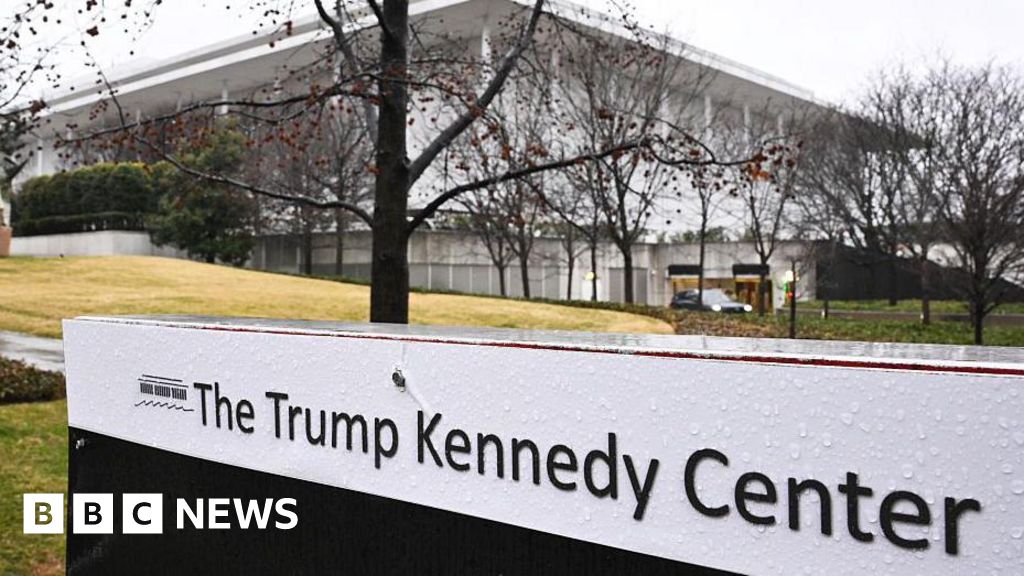
Kennedy Center Chief Resigns After Tumultuous Year

In what signals a significant redistribution of political influence across the global stage, the recent departure of a prominent Trump ally from key national or regional offices underscores the shifting landscape of international politics. As the world watches how these changes ripple through diplomatic corridors, analysts caution that such developments are not isolated—they are interconnected within the broader tapestry of power realignments and strategic recalibrations. The move comes at a pivotal moment, just as the center of political gravity prepares to undergo a major transformation, with plans announced for a two-year renovation of an unspecified yet symbolically significant institution or hub.

This internal shift highlights significant geopolitical repercussions. Experts from institutions like the Council on Foreign Relations and numerous geopolitical think tanks point out that the departure of influential figures associating with former President Donald Trump reverberates far beyond domestic borders. It signals a potential loosening of alliances that have been traditionally aligned with the America First paradigm, raising questions about America’s future posture on the global stage. Meanwhile, historian Dr. Laura Hoffman notes that “such personnel shifts often serve as preludes to broader policy realignments, affecting everything from trade negotiations to military alliances.”

As the world’s diplomatic chessboard evolves, the impending shutdown of the center for its renovation marks more than just an infrastructural upgrade—it symbolizes a period of self-reflection within key international institutions. The timing coincides with rising tensions in various geographic theaters, such as the South China Sea and Eastern Europe, where power dynamics are increasingly volatile. Governments and global organizations recognize that the decisions taken during this window will influence how nations manage conflicts, zero-sum competition, and cooperation mechanisms in the coming decade. In the view of geopolitical analyst Samuel Peters, “the next two years will determine whether global order maintains stability or spirals into chaos.”

History reminds us that these turning points are rarely singular events but part of a grander narrative, often marked by crises that challenge the very fabric of international cooperation. As the world stands on the cusp of transformation, the weight of history presses down, whispering of future conflicts and alliances yet to be forged. The choices made in this critical juncture could define the geopolitical landscape for generations to come—an enduring lesson in the fragility of peace and the enduring struggle for dominance amid a shifting world order.

Nineteen charged over deadly Moscow concert bombing—justice for victims ahead of the new year

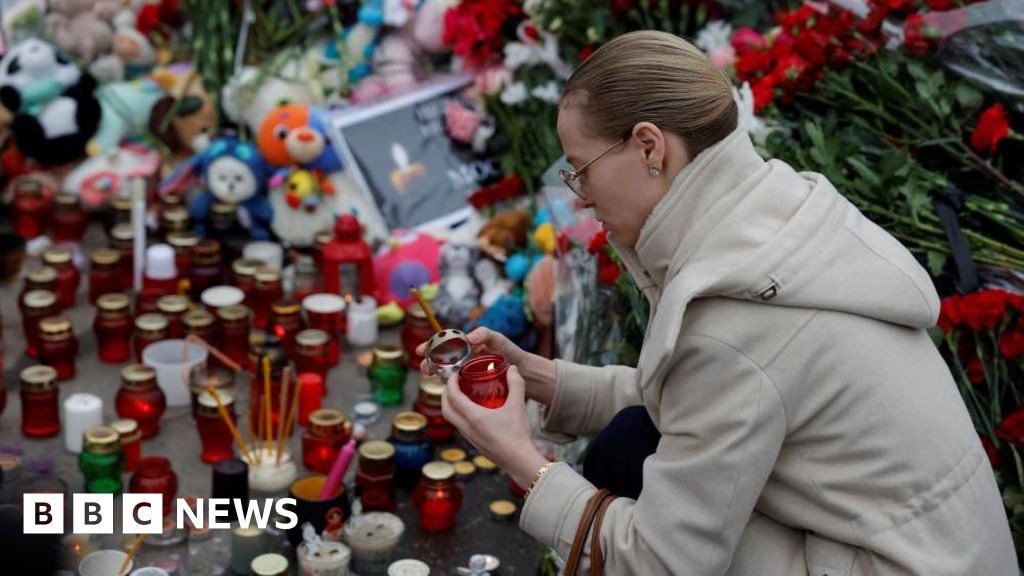
In a chilling act of violence that has sent shockwaves through the international community, gunmen launched a deadly assault at the Crocus City Concert Hall near Moscow in 2024. The attack resulted in the tragic loss of 149 lives and left more than 500 others wounded, marking one of the deadliest incidents on Russian soil in recent history. The incident underscores the persistent threat of terrorism that continues to challenge the stability of Russia and, by extension, the broader security architecture across Eurasia.

Initial investigations suggest that the attack was meticulously planned, with evidence pointing to a sophisticated operational network. The Russian authorities quickly identified the attackers as linked to extremist factions operating in the North Caucasus, a region long plagued by insurgency and unrest. Yet, this massacre has reignited debates about the effectiveness of Russia’s counter-terrorism measures and the regional stability of Eurasia. Analysts from the International Crisis Group warn that without comprehensive strategies that address underlying socio-economic grievances, such tragedies could become more frequent. The geopolitical implications of this violence extend beyond Russia’s borders, influencing regional security alliances and international counter-terrorism efforts.

This attack also poses profound questions about how decisions made by global powers impact nations and societies. As Russia tightens its internal security protocols, Western nations are compelled to reconsider their diplomatic and military strategies in the region, particularly in relation to the ongoing conflicts in neighboring Ukraine and the broader Middle East. Some experts argue that such acts of terrorism threaten the fragile stability that global institutions like the United Nations and NATO seek to preserve. The incident serves as a stark reminder that security concerns transcend borders and that cooperative international action remains vital in counteracting the root causes of extremism.

Historians and geopolitical analysts have long emphasized the importance of understanding how cultural, economic, and political tensions are manipulated by militant groups to serve their agendas. The International Institute for Strategic Studies (IISS) highlights that such attacks are not isolated acts but symptom of deeper conflicts. As nations grapple with the fallout, many worry whether this horrific event will mark a turning point in Russia’s internal policies or if it will further polarize the region. The weight of history presses down heavily, reminding the world that the cycle of violence could either be broken through decisive, inclusive action or continue to spiral into chaos. As 2024 unfolds, the world watches with bated breath—each new day carrying the potential to alter the course of history forever.

Honor’s Robot Phone is dropping later this year — tech just got even cooler for the next-gen.

Honor Unveils Robot Phone and humanoid robots at MWC 2026: A Disruptive Leap in Tech Innovation

The Mobile World Congress 2026 in Barcelona marked a significant milestone as Honor announced and demonstrated its pioneering efforts in robotics and mobile technology with the debut of the so-called Robot Phone. While details remain scant, the showcased device signifies a bold step toward integrating advanced AI and robotics into consumer electronics, signaling a potential shift in how technology interacts with everyday users. The demonstration featured a working prototype capable of holding AI-enabled conversations, movably folding back, and mimicking human gestures—hallmarks of disruptive innovation aimed at positioning Honor firmly in the forefront of next-generation device development.

During the event, Honor also exhibited a humanoid robot, which impressed spectators with its agility, including dance routines and backflips—albeit with some ambiguity about whether the robot was remotely teleoperated or acting autonomously. Demonstrations of the robot haltingly waving and shaking hands hinted at rapid advancements in robotics behavior, but also highlighted lingering questions about the maturity and reliability of such machines in real-world applications. This dual showcase underscores a broader industry trend toward integrating autonomous robotics into consumer platforms, promising to redefine service, security, and entertainment sectors. Notably, Honor’s willingness to reveal these prototypes signals an industry-wide pivot toward robotics as a core strategic area, with the potential to challenge incumbent tech giants entrenched in mobile and AI markets.

Market analysts and industry leaders, including Gartner and MIT researchers, underscore the business implications of these developments. The convergence of AI-enabled smartphones and humanoid robotics is poised to accelerate the disruption of traditional industries, from customer support to personal assistants. Honor’s pivot into robotics — coupled with the planned release of the Robot Phone expected in China later this year — exemplifies how innovative companies are leveraging rapid technological advances to carve out unique market niches. This strategic move could catalyze a new era of integrated AI ecosystems, where devices are not just tools but partners capable of complex interactions and autonomous functions.

As the industry hurtles toward this future, stakeholders face the dual challenge of harnessing the immense potential of robotics and AI while managing the risks associated with interoperability, safety, and ethical deployment. Experts like Elon Musk and Peter Thiel emphasize that the coming decade will be pivotal; failure to adapt quickly to the disruptive wave of AI and robotics could render current market leaders obsolete. With Honor’s latest prototypes nudging the boundaries of what’s technologically feasible, it is clear that the race for control of this new frontier is intensifying. The urgency for established corporations and startups alike to innovate at breakneck speed has never been greater. The industry’s trajectory suggests that those who lead in AI-powered robotics and ubiquitous intelligent devices will dominate the next wave of global tech dominance, making the immediate future one of unparalleled opportunity and strategic risk. The clock is ticking — the future belongs to the bold, the innovative, and those willing to disrupt.”

Chinese Tourists Skip Japan During Lunar New Year as Tensions Rise

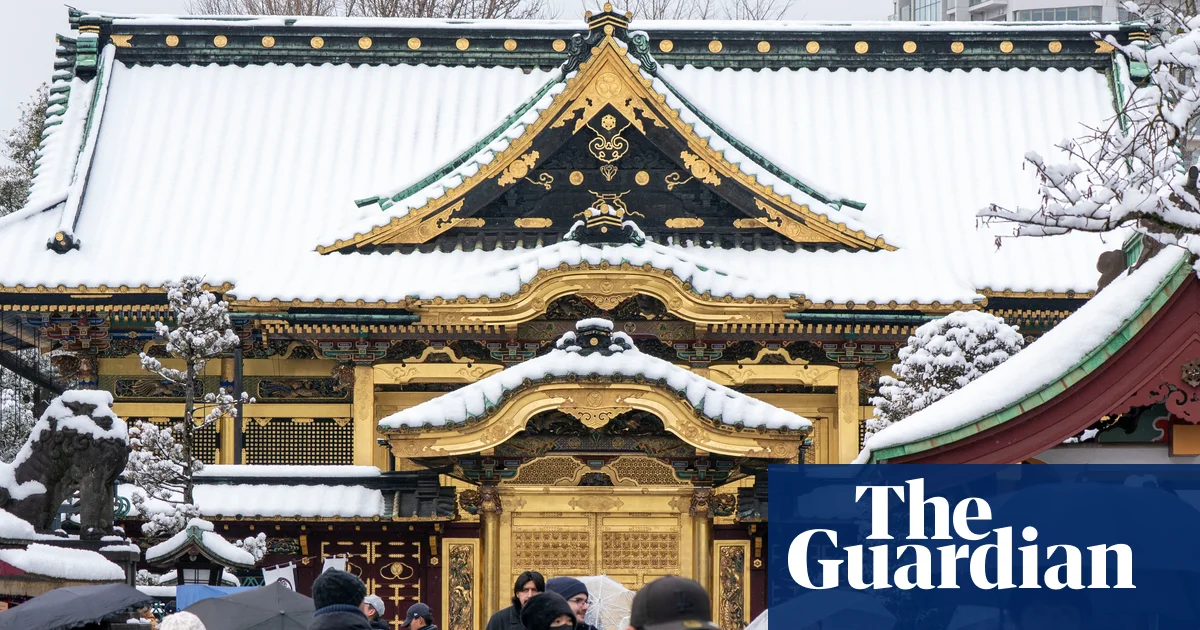
The ongoing diplomatic tensions between Japan and China are unraveling not just regional stability, but also deeply affecting international economic and cultural exchanges. In the context of the broader U.S.-China rivalry and Beijing’s asserted influence in the Indo-Pacific, recent developments suggest a shift that could have long-lasting consequences for global diplomacy. The sharp decline in Chinese tourists visiting Japan, especially during the crucial Lunar New Year period, exemplifies how geopolitical conflicts directly influence societal interactions and economic interests—an observable trend noted by analysts at the International Crisis Group and historians specializing in East Asian geopolitics.

Since the end of last year, Japan’s tourist numbers from China have plummeted, nearly halving compared to previous years, with an estimated 60% decrease during major holiday seasons. This downturn is closely linked to diplomatic spats over Taiwan’s security—a matter Tokyo has publicly linked to potential military support if tensions escalate. Japanese Prime Minister Sanae Takaichi’s explicit remarks about deploying self-defense forces if China attempts to invade Taiwan have elicited angry responses from Beijing, including formal protests and accusations of militarist ambitions. Such exchanges underscore the dangerous escalation in rhetoric that echoes the darker chapters of East Asian history, prompting international observers to warn of the *risks of rekindling old hostilities*.

  • China’s Foreign Minister Wang Yi’s comments at the Munich Security Conference, accusing Japan of attempting to revive militarism and warning of “self-destruction” if Japan persists, exemplify the rising tensions.
  • China’s special representative on Korean affairs, Liu Xiaoming, further fueled fears of regional conflict by referencing Japan’s WWII past and related lessons from history, suggesting the country remains haunted by its militarist legacy.
  • The historic echoes of aggression—visually reinforced by Liu’s mention of Pearl Harbor—serve as stark reminders that the currents of history are never really past, only dormant, and that future conflicts could be a mere spark away.

In economic terms, this diplomatic war is starting to leave an imprint on the global travel scene. While **South Korea** is projected to become the primary destination for Chinese tourists during this travel surge, with an estimated 250,000 travelers—1.5 times the previous year—**Japan** is seeing its share fall sharply. The decline is not isolated; regional countries like **Thailand, Singapore, Vietnam**, and even **Russia** are benefitting from the pull of China’s outbound tourism. The geopolitical impact is clear—when diplomatic relations sour, cultural exchanges and economic benefits follow suit, threatening to reshape regional dynamics and economic interdependence.

The strained geopolitical landscape reveals the harrowing choice faced by many nations: balance national security with economic engagement. Japan has officially stated that its defensive upgrades are in response to an increasingly unstable security environment—not targeted at any specific nation. Yet, the accusations from Beijing and warnings from Chinese officials about dangers in Japan highlight how intertwined security policies and societal perceptions have become. Meanwhile, the international community is watching — with analysts noting that such rhetoric risks unleashing a spiral of mutual distrust that could fuel instability across East Asia’s strategic theater.

As history continues to unfold amidst the shadows cast by ancient conflicts and modern ambitions, the weight of decisions made today will resonate through generations. The world stands at a crossroads—whether this will be a chapter of renewed diplomacy or one of inevitable confrontation remains a question that will border on history’s greatest mysteries, with each step echoing in the corridors of power long after the last words are spoken. The future of East Asia is penned in these tense exchanges, as nations grapple with their legacies and their destinies—each move a stroke on the canvas of history, the final picture yet to be revealed.

Social Media Auto Publish Powered By : XYZScripts.com