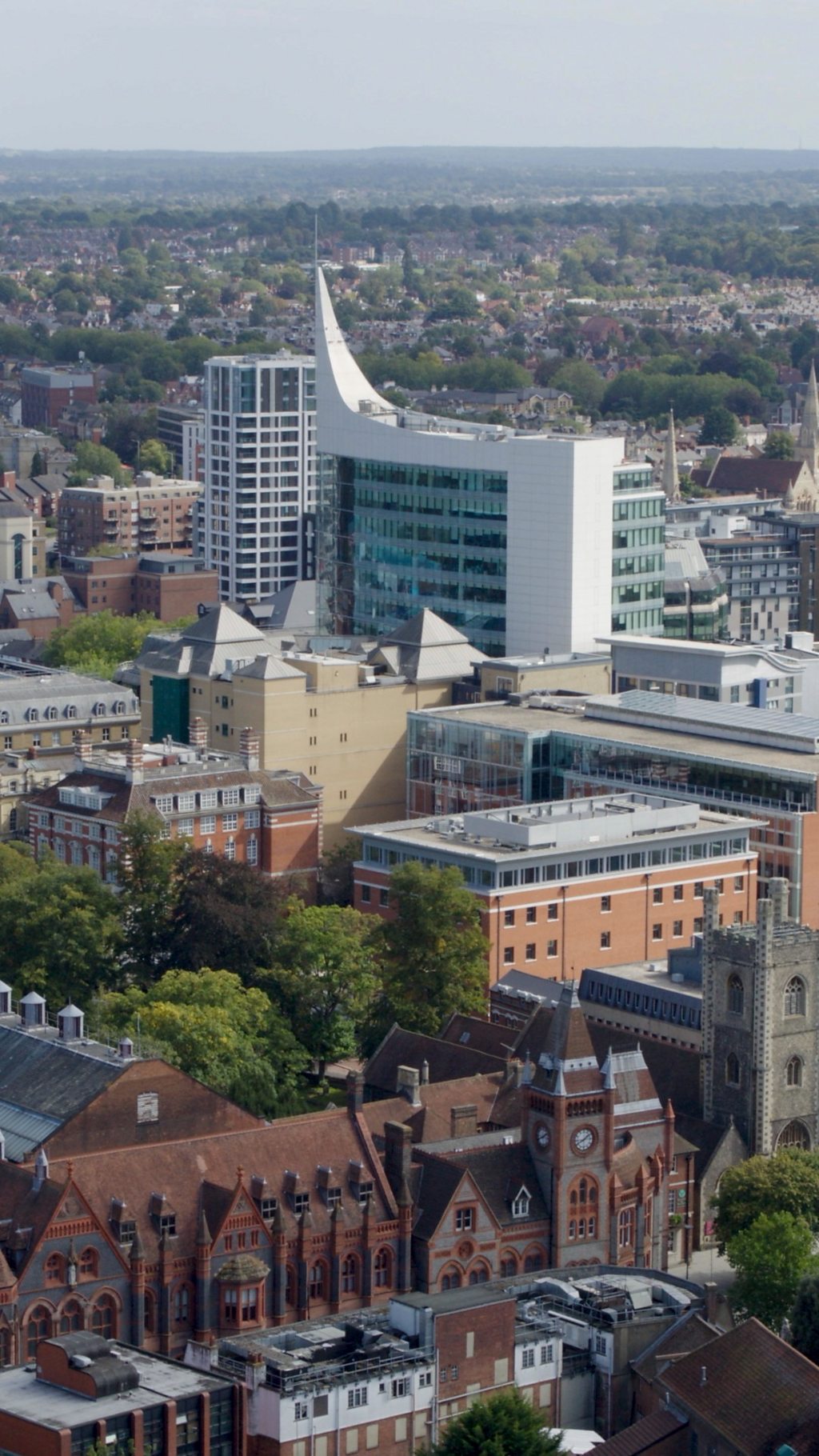
As local elections approach in Reading, the overarching concern that dominates the discourse is housing. Across political lines, the debate intensifies around how best to navigate the complex web of urban development, affordability, and sustainable growth. For political analysts, this election represents more than a routine democratic exercise; it exposes the power struggles shaping the future trajectory of local governance and the decision-making processes that directly impact the lives of constituents.
At the heart of this contention lies the contrast between established urban planning policies and groundbreaking reforms proposed by grassroots coalitions. Traditionally, the dominant political forces in Reading, often aligned with center-right parties, have championed fiscal conservatism and market-driven development. These policies tend to favor large-scale housing projects, frequently criticized for disenfranchising lower-income residents and accelerating gentrification. Conversely, emerging progressive factions advocate for affordable housing mandates, community-led planning, and protections for vulnerable populations. The ensuing power struggle exemplifies a broader ideological battle—whether to prioritize economic expansion or social equity—echoing debates that have historically shaped municipal governance.
This contest over policy directions is compounded by constitutional questions surrounding local authority and citizen participation. Some experts draw parallels with historical moments like the 19th-century Chartist movement, which demanded greater voice for the working class—highlighting how decision-making shifts influence the social fabric. Recent legal debates also question whether municipal leaders are overstepping their constitutional boundaries in pursuit of aggressive land-use reforms. Such disputes underscore the importance of power dynamics in shaping the urban landscape, with each side jockeying to secure their vision of the city. The outcome of these elections could determine how Reading’s governance balances public interests against private enterprise, impacting generations to come.
It is precisely this clash of visions that frames local politics as a microcosm of national ideological battles. The electorate’s choice will signal whether Reading adopts a more progressive path emphasizing social justice and inclusivity, or adheres to a more conservative stance prioritizing fiscal responsibility and market freedoms. During campaigns, candidates articulate starkly contrasting promises—those seeking to expand public housing initiatives versus advocates for reducing regulatory red tape for developers. Such policy decisions are not mere administrative acts; they delineate the moral and economic compass of the city, shaping how the population interacts with its infrastructure, economy, and community life.
Ultimately, local elections reveal that politics remains the ultimate stage of destiny, where ideologies clash, alliances shift, and power dynamics reconfigure the foundations of society itself. The choices made in Reading’s voting booths today will ripple through the corridors of power and into the daily lives of its citizens, reaffirming that governance is less about bureaucracy and more about the battle for the soul of the city. In this fierce contest, history reminds us that those who grasp the levers of authority not only write laws but also carve the very destiny of their communities—prompting each voter to consider: who truly controls the future?