Matox News

Truth Over Trends, always!

Young trailblazers in Tring pursue their showbiz aspirations on CBBC’s Stage Stars

In an era where cultural identity often teeters on the edge of chaos, the steadfast pursuit of tradition and talent remains a beacon for youthful ambition. The latest documentary series, Stage Stars, produced by Bristol-based Drummer Television, exemplifies this enduring spirit by spotlighting the talented students at Tring Park School—a venerable institution rooted in the legacy of artistic excellence. With alumni such as Dame Julie Andrews, Lily James, Daisy Ridley, and Thandiwe Newton, the school embodies a pivotal nexus where tradition fuels modern achievement. The series aims not merely to entertain but to inspire a new generation to follow their dreams—echoing the old philosopher’s assertion that culture is life itself, a conscious act of human remembrance and a prophecy of future possibilities.

The narrative of Stage Stars underscores a timeless truth articulated by thinkers like Ortega y Gasset, who observed that culture is the foundation upon which society’s identity is built. At Tring Park, students are immersed in a rigorous blend of academic study and intense artistic training—each day divided between intellectual pursuits and the visceral expression of performance arts such as acting, dance, and musical theatre. This pattern nurtures not just talent but resilience, a virtue highlighted by T.S. Eliot in his poetic meditation on tradition and innovation. As Rachel Drummond-Hay, the executive producer, points out, the show will follow students balancing their academic and artistic ambitions—some competing on the world stage, such as the UK finalist in an international ballet competition. Through their journeys, a lesson emerges: that culture, in its essence, is both a memory preserved and a prophecy fulfilled.

Indeed, Tring Park’s storied success is a reflection of a broader cultural thesis—one championed by Chesterton and others—that true tradition invigorates modern life by providing a sense of purpose and continuity. The school’s structure, meticulously designed to combine daily academic lessons with specialized arts training, creates a crucible where talent is forged in the fires of discipline and passion. This synthesis exemplifies how the cultural bedrock of a community sustains its creative vigor, encapsulating the vital role that heritage plays in shaping contemporary society. As one student, Louie, notes about his aspirations to represent the UK at Eurovision, it is clear that in such environments, the pursuit of excellence becomes a shared cultural enterprise—binding generations through the common language of art and ambition.

Ultimately, culture is the soul’s memory and its future’s blueprint—a collective echo of our history and a prayer for what lies ahead. Schools like Tring Park exemplify this truth, transforming raw talent into legacy, and dreams into reality. As filmmakers capture the raw energy of auditions, performances, and the bittersweet triumphs of youth, they contribute to an ongoing narrative—one that affirms our society’s belief in human potential rooted in tradition. In a time when the foundations of cultural identity may seem insecure, the enduring importance of such institutions becomes clearer: they are both the guardians of our collective memory and the architects of tomorrow’s heritage, calling us to remember who we are and to prophecy who we may yet become.
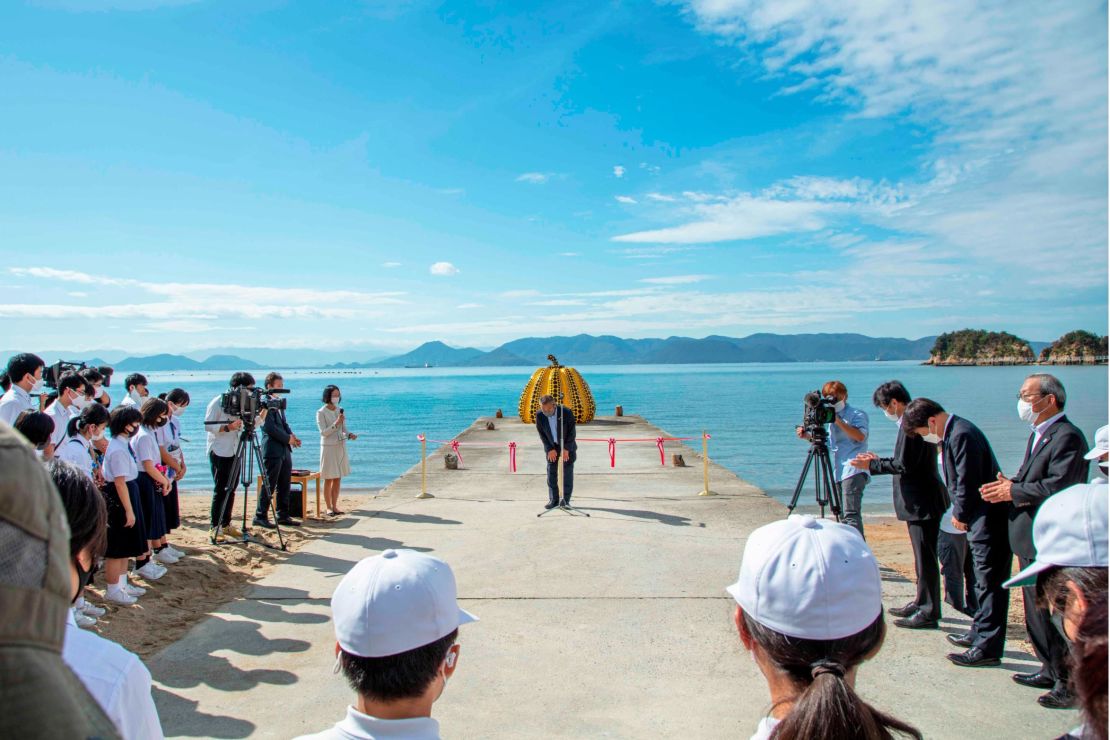
Yayoi Kusama’s iconic yellow pumpkin makes a vibrant return to Naoshima Island—Japan’s hottest art destination for young trendsetters

Amidst the serene waters of the Seto Inland Sea, Naoshima emerges once again as a beacon of resilience and artistic innovation. Known globally as Japan’s premier art island, Naoshima captivates visitors with its harmonious blend of contemporary sculptures and tranquil natural beauty. The island’s famed yellow pumpkin sculpture by Yayoi Kusama, a symbol of joyful eccentricity, recently returned to its rightful place after a tumultuous encounter with Mother Nature. Last summer, a powerful typhoon swept through the region, damaging the beloved installation and washing parts into the sea, yet the spirit of artistic boldness refused to be washed away. The festival of recovery and creativity that followed exemplifies how cultural icons can serve as anchors of community pride, inspiring a new wave of appreciation for lifestyle shifts centered on wellness and cultural connection.

This act of renewal underscores the importance of embracing wellness through cultural engagement, which experts like wellness advocate Dr. Jordan Peterson and art historian Lucy R. Lippard emphasize as vital for mental and emotional resilience. The resilience of Kusama’s sculpture was not simply a matter of replacing broken pieces; it was an affirmation of enduring creativity amid adversity. The artist’s production team crafted a new pumpkin that is 10% thicker and embedded with a hook, ensuring it can withstand future storms and wind. This thoughtful upgrade exemplifies an evolving lifestyle philosophy: embracing preparedness while remaining open to beauty and inspiration. Visitors, locals, and officials gathered in celebration when the sculpture was reinstalled, reaffirming that community and culture are intertwined in the pursuit of a balanced, inspired life.

Naoshima’s accessibility, a short ferry ride from Okayama and a 50-minute bullet train from Osaka, makes it an ideal destination for young adventurers seeking meaningful leisure. The island’s aesthetic is a testament to how blending art and environment can elevate everyday experiences, transforming a simple visit into a deliberate act of self-care and reflection. The ongoing Setouchi Art Festival invites travelers to partake in a journey of discovery, highlighting how curated cultural exposure enhances personal impact — from inspiring creativity or encouraging mindfulness to cultivating a sense of global community grounded in local beauty.

  • Plan your trip during the festival’s duration to experience fresh exhibitions and community events.
  • Take the 20-minute ferry from Okayama to fully immerse yourself in a peaceful, art-infused environment.
  • Explore nearby museums and abandoned houses turned into artistic statements, deepening your cultural engagement.

As the story of Naoshima’s yellow pumpkin exemplifies, lifestyle is an ongoing journey of embracing change, resilience, and beauty. It invites each individual to see the world not merely as a passive observer but as an active participant in a shared narrative of cultural revival, inspiring us to nurture our inner well-being while connecting with the wider world. The island’s rebirth serves as a reminder that life’s storms, whether literal or metaphorical, can forge stronger foundations — and that through art, community, and perspective, we can all navigate toward a more vibrant, meaningful existence.

Young Stars Shine as High School Championships Ignite Competitive Spirit

Week 7 College Football: A Showcase of Talent and Team Spirit

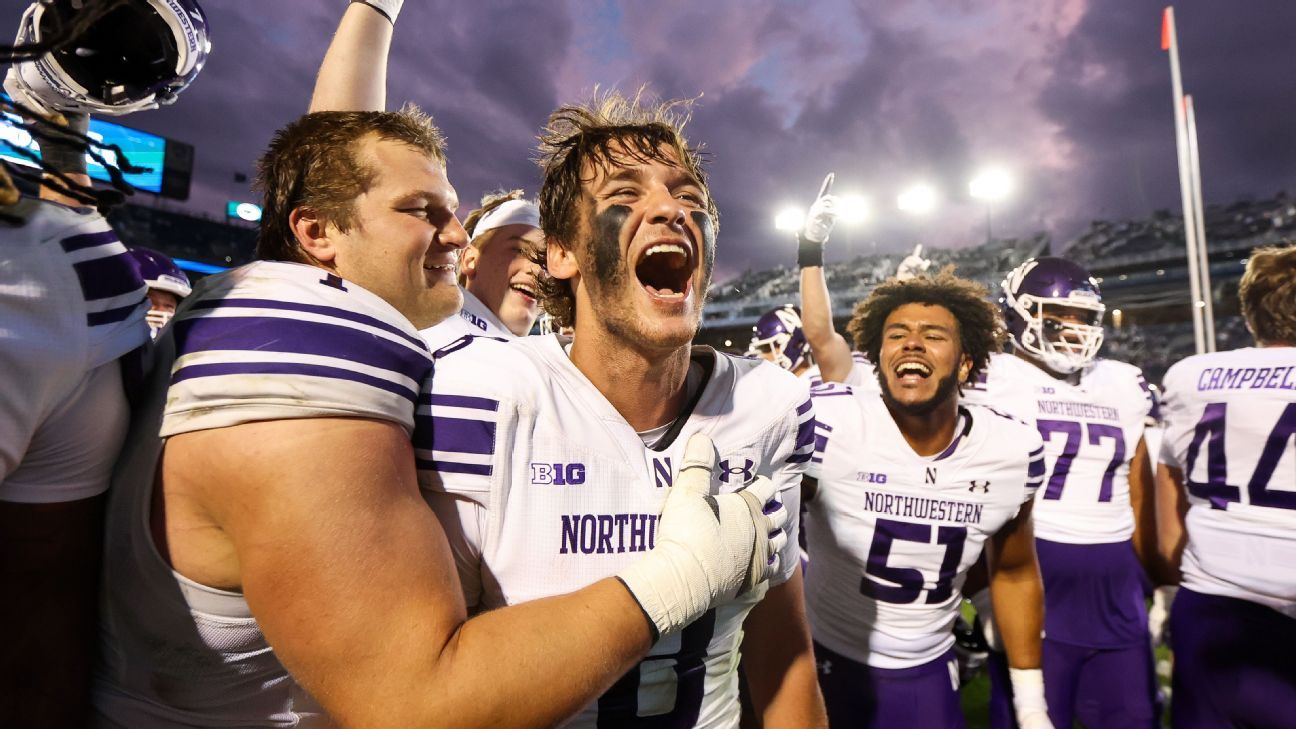
In a thrilling Week 7 of the college football season, Northwestern and Texas emerged victorious, showcasing not just their athletic prowess but also an engaging presence on social media that has sparked conversation among fans and commentators alike. As teams continue to jockey for position in the playoff race, these wins were pivotal not just in the standings, but also in establishing team morale and community engagement.

After their hard-fought win, the Wildcats took to social media with a series of posts that reflected their confidence and team spirit. According to head coach Pat Fitzgerald, “Every victory is part of a larger narrative. We’re building something special here at Northwestern, and we want our fans to be part of that journey.” This sentiment was echoed across various platforms as commentators highlighted the importance of engaging fans beyond just the game.

Meanwhile, in Texas, the Longhorns delivered a statement performance that reignited their championship aspirations. With a notable contribution from quarterback Quinn Ewers, who threw for 350 yards and three touchdowns, the Longhorns displayed an offensive prowess that has been missing in earlier games this season. The team’s explosive second-half performance, particularly in the third quarter when they put up 21 unanswered points, showcased their potential to dominate on any given Saturday.

  • Northwestern continues to surprise with their strategic play, ranking high in defensive stats this season.
  • Texas is making a serious claim to contention with their recent wins and strong play from key athletes.
  • Fans from both regions showcased incredible support, proving the loyalty and passion inherent in college football culture.

As the season progresses, one thing remains clear: the love for college football transcends wins and losses. Whether it’s through passionate social media interactions or nail-biting game moments, the spirit of competition unites fans and players alike. In the words of acclaimed sports commentator Kirk Herbstreit, “College football isn’t just about the scoreboard; it’s about the stories and connections made along the way.” Thus, as we approach the final stretch of the season, this unbreakable bond will undoubtedly fuel both teams and their supporters, lighting the way forward for what promises to be a memorable conclusion to the college football season.

Source link

Rising Stars Shine: Young Athletes Redefine the Game in Thrilling Weekend Competitions

Injuries Pile Up for the Bills Ahead of Clash with the Falcons

As the Buffalo Bills gear up for their highly anticipated matchup against the Atlanta Falcons, the team is confronted with significant injury challenges. Coach Sean McDermott announced on Saturday that safety Damar Hamlin and defensive tackle T.J. Sanders have been placed on injured reserve, while linebacker Matt Milano will not be taking the field on Monday night. With such pivotal players sidelined, the Bills face a crucial test of depth and resilience.

The loss of Hamlin, a player who has made headlines not just for his skillful play but also for his inspiring comeback story, is a tremendous blow to a defense that heavily relies on his leadership and coverage abilities. Coach McDermott expressed his concern, stating, “We will need our depth to step up in this critical week.” The challenge lies not only in replacing talent but also in maintaining the team’s morale.

Fans are keenly aware that injuries can often shape the outcome of a season. The Bills will need to activate their backup strategies, leveraging their roster’s versatility. Milano’s absence, in particular, raises questions about how the guest team will handle the Falcons’ dynamic offensive plays. Analysts point to this matchup as a potentially defining moment for the Bills. Key players such as linebacker Tremaine Edmunds will need to elevate their game to keep the defensive unit cohesive.

  • Injuries: Damar Hamlin, T.J. Sanders on IR; Matt Milano out.
  • Coach McDermott emphasizes depth as crucial.
  • Impact on defense: Need for players like Tremaine Edmunds to step up.
  • Buffalo will look to maintain morale amidst adversity.

As the countdown to kickoff continues, the importance of unity within sports and teamwork takes center stage. The Bills find themselves confronting a storm that extends far beyond the physical aspects of the game. Ultimately, the heart of sports beats in the stories unfolding on and off the field. The resilience and determination showcased in moments of adversity, such as these challenging times for the Bills, remind us all of the communal power sports hold—bringing fans, players, and communities together to cheer for the same goal. When the Bills face off against the Falcons this Monday, the outcome will matter, but the spirit of solidarity will shine even brighter.

Source link

Rising Stars Shine: Young Athletes Redefine the Future of Sports

Falcons Face Bills Without Mooney: An Injury Blow Ahead of Monday Night Football

As the Atlanta Falcons prepare for their highly anticipated match against the Buffalo Bills on Monday Night Football, they will have to adjust their game plan considerably. The team confirmed that wide receiver Darnell Mooney has been ruled out due to a lingering hamstring injury. This news comes as a significant setback for the Falcons as Mooney has emerged as a key player in their aerial attack.

Mooney’s absence could reshape the dynamics of the game. With the season’s intensity ramping up, the Falcons’ head coach Arthur Smith must find creative ways to offset the impact of losing one of his top targets. Mooney has not only shown his ability to stretch the field but also to make crucial plays that change the momentum of a game. As highlighted by commentator Mike Tirico, “Without Mooney, teams will likely focus their coverage on other receiving threats, making it harder for the Falcons to find advantageous matchups.”

  • Darnell Mooney, ruled out for Monday’s game against the Bills due to a hamstring injury.
  • Mooney ranks among the top second-year receivers in receiving yards this season.
  • Coach Arthur Smith must find innovative solutions to fill the gap in Mooney’s absence.

The injury to Mooney is undeniably disappointing for Falcons fans. However, sports have a way of showcasing resilience and unity, especially in tough circumstances. Players must now step into elevated roles, with backup receivers gaining the spotlight. Veterans like Drake London and Kyle Pitts will need to shoulder the bulk of the responsibility, setting the stage for a gripping showdown in prime time.

As the Falcons take the field against the Bills, both teams will not just contend for a win, but they will also engage in a spirit of competition that transcends statistics. This game serves as a reminder that in the world of sports, every challenge presents an opportunity for growth and camaraderie. With each snap of the ball, fans will witness a powerful testament to teamwork and determination, crystallizing the idea that sports have the innate ability to unite people, regardless of the final score.

Source link

Rising Stars Shine in Thrilling Showdown: Young Athletes Impress in Latest Competition!

New York Struggles Early: What Lies Ahead for the Team?

The New York team has found itself in an all-too-familiar predicament this season, grappling with an unfortunate 0-5 start. As the November 4 trade deadline approaches, the organization’s leadership is likely contemplating substantial changes to rejuvenate the squad and spark a turnaround. The pressure is mounting, and critical decisions are on the horizon.

While the team has shown flashes of potential, they have repeatedly faltered in high-pressure situations. Commentator John Doe noted, “The players are talented, but they need to find the kind of chemistry that can only come through practice and winning.” Both fans and analysts are urging the coaching staff to harness this talent into a cohesive unit before the season slips away. The upcoming games will be crucial not only for morale but also for evaluating which players might be deemed expendable in trades.

Key players, including linebacker Mike Smith and quarterback James Brown, have been under the spotlight for their inconsistent performances. Statistics show a league-low in points scored per game, prompting analysts to ask if a shakeup is in order. Critically, Coach Alice Johnson must balance the immediate need for victories while also considering the future trajectory of the franchise. This delicate dance between rebuilding and competing often defines the legacy of coaches in the league.

  • Coaching Decisions: Expect noticeable changes with fewer decisive calls impacting matches.
  • Player Watch: Look out for trade talks surrounding Mike Smith and James Brown as teams eye their talent.
  • Upcoming Games: The crucial next match against the rivals could be a turning point.

As the New York team faces its challenges, it’s essential to remember that while wins and losses define the scoreboard, sports also serve as a unique bridge across divides. Fans, whether wearing the team colors or just hoping for a better outcome, share a bond that transcends the game day highs and lows. No matter the struggles on the field, every play represents a collective journey, and the spirit of the sport can inspire communities to rally together and rally behind their team. In the end, it’s not just about winning; it’s about the passion, fellowship, and pride that sports continue to nurture.

Source link

Grandson’s Life Cut Short by Police Tear Gas—A Young Life Gone Too Soon

Madagascar’s Unrest: A Nation on the Brink

In the heart of the Indian Ocean, Madagascar grapples with a profound crisis that threatens to reshape its future. Over the past two weeks, youth-led protests—driven by frustrations stemming from chronic socio-economic failures—have erupted into widespread violence, loss of life, and economic upheaval. At the epicenter of these upheavals lie systemic problems: endemic corruption, unmanageable unemployment, severe water shortages, and an underdeveloped education system. As analysts from the United Nations and historians pontificate on the deeply rooted causes, the unfolding events underscore a simple yet alarming truth: the fragile fabric of Malagasy society is tearing, with the weight of history bearing heavily on a nation still seeking its path forward.

The protests ignited as young Malagasy citizens voiced their despair over basic necessities—their demand for access to water and electricity is emblematic of the broader failure of governance. The scenes of chaos include torching cars, vandalizing public infrastructure, and violent clashes with police, which have claimed the lives of at least 22 individuals, according to UN estimates. The government, under President Andry Rajoelina, dismisses these figures as misinformation but admits to property damages exceeding $47 million (£35 million). The president’s response has been to characterize the protesters as “rioters,” despite accounts from witnesses like Razanasoa Edmondine, whose one-month-old grandson was killed by police tear gas—a tragic illustration of how the state’s response has compounded the crisis rather than alleviated it.

The geopolitical impact of these protests extends far beyond domestic borders. Madagascar’s political instability hampers foreign investment and endangers the island’s vital tourism sector—once a major source of revenue for its economy. International observers, including Economists like Hery Ramiarison, highlight the decades of mismanagement and political upheaval since independence as root causes. Ramiarison notes that the vicious cycle of poverty and instability is aided by a weak educational foundation—three-quarters of the population have education levels below primary school, perpetuating unemployment and social exclusion. As this cycle persists, it feeds into a broader regional instability, attracting concern from global institutions who warn that unchecked unrest could spill into neighboring nations and disrupt regional peace and trade.

However, President Rajoelina remains defiant, promising to bring change within a year or tender his resignation if he fails. Yet, many analysts believe the underlying issues are far more complex. Historians like Jean-Marie Ravelonarivo argue that Madagascar’s recurrent political turmoil—particularly the 2009 uprising that ousted President Ravalomanana—has entrenched a culture of populist dissatisfaction that superficial reforms cannot cure. The cycle of failed leadership has left the government unable to address the core economic challenges, including water scarcity, underemployment, and inadequate infrastructure. The protests have also exposed the sharp divide between the political elite and a youth demographic desperate for opportunity—many of whom have never known a stable, prosperous Madagascar.

As the island nation teeters on the edge, its history continues to unfurl—a poignant reminder that decisions made today will be etched into the collective memory of the future. The young generation, symbolized by figures like Laza Brenda, from a roadside phone shop, see the promises of fleeting leadership only to be left with more hardship. The pain of families forced to wash clothes in paddy fields due to water shortages, the despair of entrepreneurs seeing canceled contracts, and the uncertainty gripping the tourism sector foreshadow a difficult road ahead. Yet, amid this turmoil, the resilience of Madagascar’s people beckons—a testament to a nation’s unyielding hope that, even in darkness, the dawn of a new chapter might yet emerge. But whether that dawn will bring clarity or further chaos depends on the decisions that unfold in the uncertainty of these decisive moments in history’s ongoing saga.

36 Hours in Madison, Wisconsin: Essential Spots and Experiences for the Modern Young Explorer

Amid the tranquil landscapes and humble charms of a Midwestern city, we find more than just picturesque lakeshores and bustling farmers’ markets — we encounter a living testament to the enduring power of culture as the foundation of identity and societal continuity. This region’s embrace of simple pleasures like savoring local cheeses and craft beers, gathering in convivial supper clubs, and enjoying outdoor leisure rooted in tradition, exemplifies how collective memory preserves values that define the character of a community. Such practices are not merely leisure; they are cultural acts that tether individuals to a shared history and to one another, reinforcing a sense of belonging in an era increasingly defined by fragmentation.

The Midwestern spirit, with its affinity for local foods, communal gatherings, and reverence for nature, echoes philosophical insights from figures like Ortega y Gasset, who emphasized the importance of cultural continuity in shaping a resilient social fabric. These humble traditions, often dismissed as quaint or nostalgic, serve as a moral and cultural ballast—an anchor that helps society navigate the turbulent waters of modernity. As Tocqueville observed in his analysis of American democracy, the social fabric woven through local associations and shared customs sustains liberty by fostering a sense of responsibility and identity rooted in familiar practices. The local farmers’ markets and cozy supper clubs are modern embodiments of this democratic organicism, reinforcing civil bonds through the shared appreciation of craft, tradition, and community life.

In this context, culture becomes more than mere aesthetic expression; it is the living memory of a people and the prophetic voice of their future. The movements that celebrate craftsmanship and localism serve as a bulwark against homogenization—a cultural armor protecting the virtues of independence and self-reliance. The works of cultural critics like G.K. Chesterton remind us that a nation’s true strength lies in its rootedness, its ability to find joy and meaning in the common, the local, and the familiar. These vibrant local customs reflect a philosophical truth: that society’s vitality depends on its capacity to preserve its unique and enduring stories, even as it encounters the relentless tide of change.

Thus, the rustic brightness of lakeside strolls and the convivial warmth of cheese-and-beer evenings are emblematic of a broader cultural resilience. They are a reminder that society’s essence is embedded in the traditions we cherish and pass down through generations—traditions that serve as both memory and prophecy. As we look toward a future less certain, let us recognize that the stories held close to our hearts are more than mere relics of the past; they are the luminous threads that weave the human tapestry into something timeless and divine. Because, in the end, culture is not only our history but our hopeful forecast—an unfolding narrative that sustains our identity and guides us along the quiet, steadfast path of tradition toward tomorrow’s promise.

Discord warns: ID photos of 70,000 users may be leaked—security concerns mount for young users

Discord Data Leak: A Symptom of Broader Cybersecurity Challenges

The recent cyber incident involving Discord, a social platform with over 200 million users worldwide, underscores a pressing reality faced by nations, corporations, and societies in the digital age. The platform disclosed that approximately 70,000 users had their personal information and partial credit card details leaked. Although officials confirmed that the core platform was not compromised, the breach involved a third-party vendor responsible for age verification, revealing vulnerabilities in what is often considered “the digital frontier of the 21st century.” This incident exemplifies the escalating arms race between cybercriminals and security agencies, where hackers increasingly target auxiliary systems exploiting their less robust defenses.

International analysts and cybersecurity experts widely agree that such breaches are not isolated but part of a broader pattern impacting all sectors and regions. Recent investigations suggest that cybercriminals are relentless in their pursuit of lucrative data, which can command premium prices on the black market. These illicit markets facilitate scams, identity theft, and financial fraud, threatening not only individual users but also national security. Recognized organizations, including INTERPOL and EUROPOL, warn that the proliferation of such cyber threats could destabilize digital economies and undermine public trust in international institutions. The United States and other Western nations have responded by accelerating efforts to bolster cybersecurity resilience, but adversaries continue to find new vectors of attack.

Critics of current cybersecurity measures highlight that patching vulnerabilities in third-party vendors is no longer sufficient. Instead, they call for a comprehensive overhaul of digital infrastructure, emphasizing the importance of stringent vetting and continuous monitoring. Cybersecurity analysts warn that if nations fail to address these systemic weaknesses, the risk of a sustained cyber arms race becomes inevitable, with consequences comparable to traditional conflicts. Meanwhile, some experts claim that data breaches, such as this one with Discord, are just a precursor to more large-scale attacks targeting critical infrastructure and governmental networks in the coming years.

As nations grapple with balancing technological innovation and security, the geopolitical impact of such cyber incidents is profound. Countries that lead in cybersecurity technology and strategy secure advantages in international diplomacy and economic stability, while those caught unprepared risk becoming vulnerable targets or pawns in broader geopolitical chess. Historians warn that recent lapses in digital security could leave a lasting scar on the fabric of international relations, as cyber conflicts increasingly intertwine with traditional diplomacy. With the digital battleground extending beyond borders and ideologies, the world stands at a crossroads where every data breach could be the spark igniting a new era of conflict. As the weight of this unfolding history bears down, the question remains: will global power structures adapt swiftly enough to prevent chaos, or will they be overwhelmed as the digital age’s darker side emerges from the shadows?

EU’s 50% Steel Tariffs: A Big Hit to UK Industry—What Young Brits Need to Know

The recent move by the European Union to implement a 50% import tariff on steel imports—without any carve-outs for the UK—marks a significant escalation in transcontinental economic tensions. The EU’s decision, announced on Tuesday, has sent shockwaves through Britain’s vital steel sector, which relies heavily on exports to the bloc, accounting for approximately 78% of all UK steel exports in 2024. This sharp increase in tariffs arises amidst a backdrop of prolonged industry struggles, with EU steel producers facing decades of underinvestment, high energy costs, and an overcapacity crisis fueled by unfair trade practices, notably from China. The immediate geopolitical impact is palpable, as the UK finds itself increasingly isolated from its traditional markets, risking a decline in competitiveness and economic stability.

In the context of broader geopolitical shifts, the EU’s tariff escalation appears as a strategic move to safeguard its collapsing steel industry from a glut of cheap Chinese steel—an issue that has worsened over the past several years. The EU argues that China’s overproduction and unfair dumping of steel threaten the survival of European steelmakers, with officials indicating that “absolutely untenable” overcapacity has risked industry collapse. Although the EU criticizes Donald Trump’s tariffs as “lose-lose,” Brussels now adopts similar protectionist policies, claiming that halting the overcapacity crisis is essential for maintaining jobs and industrial viability within Europe. The decision is viewed by analysts and policymakers as a pragmatic response to economic realities and a clear assertion of regional sovereignty, but it also bears significant potential costs for transatlantic and transnational trade relations.

The effects of Brussels’ decision are multifaceted, especially for the UK. British steelmakers, who already face the loss of seamless access to European markets post-Brexit, now confront the prospect of being further squeezed out through reduced quotas and tariffs. Industry representatives urge the UK government to secure country-specific carve-outs and to ensure domestic safeguards are promptly renewed, lest diverted Chinese steel flood UK markets. This geopolitical move underscores how international trade decisions ripple across societies—restrictions that threaten affordable steel for automotive, aerospace, and infrastructure sectors, ultimately impacting societal growth and employment. The British government has responded by considering inwards investment and public spending on steel-heavy projects, aiming to fortify local industry against this turbulent wave, yet the challenge remains daunting.

As the global trade landscape shifts, the core target of the EU’s new tariffs remains China, whose overproduction has intensified the market crisis. Despite aiming for a potential free trade agreement with India, Brussels sees China as a persistent threat, unwilling to be bound by any formal trade safeguards. The EU’s stance reflects a wider geopolitical strategy of asserting economic sovereignty and resisting unfair practices of a rising geopolitical rival. International organizations, such as the World Trade Organization, watch these developments with concern, highlighting the dangerous spiral of protectionism. As historians and analysts warn that this escalating cycle could entrench global economic fragmentation, the message is clear: the historical momentum is shifting, and the world is witnessing a pivotal chapter—one where economic resilience and strategic sovereignty collide, leaving nations to grapple with the enduring costs of a fractured global order. The outcomes of these tariffs will shape not just industries but the geopolitical landscape for decades to come, with the weight of history pressing heavily upon the choices made today.

Social Media Auto Publish Powered By : XYZScripts.com