Matox News

Truth Over Trends, always!

What the EU’s new EES border system means for young entrepreneurs and travelers

European Border Reforms Signal Economic Shift

The dawn of a new era in European security and mobility is upon us, as the European Commission prepares to implement the highly anticipated Entry/Exit System (EES) this autumn. Designed as a digital overhaul of border controls across 29 EU countries, EES aims to streamline movement within the Schengen Area, significantly impacting commerce, tourism, and cross-border investments. While these reforms are heralded as a step forward for security and efficiency, the incoming system also raises questions about initial logistical bottlenecks and the potential policy repercussions on the free movement of people and goods.

Market Impact and Policy Consequences

The rollout of EES is expected to have profound market implications across the trans-European economy. The system’s eventual full activation is projected to influence industry sectors relying heavily on border transit, notably transport, logistics, and hospitality. According to analysts at the Centre for European Policy Studies, industries linked to travel and tourism could encounter initial disruptions as travelers adjust, possibly causing short-term declines in passenger volumes which ripple through local economies. The haulage and freight sectors, meanwhile, are closely monitoring the phased implementation, aware that prolonged congestion at key ports such as Dover may inflate costs and impact supply chains.

From a policy perspective, the introduction of biometric registration and digital tracking signifies a tough stance on border security, echoing EU-wide ambitions to control migration flows more tightly. This effort aligns with policy shifts advocated by security-focused think tanks and conservative councils which emphasize sovereignty and border integrity. However, critics within European Parliament warn that such measures could inadvertently constrain business mobility, especially for young entrepreneurs and freelance professionals who frequently cross borders. These reforms could redefine the fundamental policy calculus on civil liberties versus security, setting precedent for future regulatory innovations.

Technical and Economic Opportunities

Despite the initial hurdles, the phased roll-out offers a window of opportunity for technological innovation within the EU. The development of kiosks and biometric systems, along with the digital application for ETIAS—the upcoming travel authorization—could position Europe as a hub for cutting-edge border tech. Markets are already betting on the module’s efficiency boosting future business growth, with Eurostar and Eurotunnel investing heavily in automated check-in systems that could be adapted for wider commercial applications.
Economists from the Oxford Economics group highlight that, while initial costs of system deployment and training will be high, long-term gains in border processing speed and security could lead to a more robust economic environment, inviting new investments in tourism, real estate, and retail sectors along popular transit routes.

Looking Forward: An Economy Driven by Future Power

As the EU advances toward an interconnected, digitally integrated border system, the epicenter of geopolitical and economic power shifts ever closer to technological sovereignty. The seamless flow of goods, services, and talent across borders will define the economic vitality of the next generation, positioning Europe to challenge global competitors like North America and Asia. The dynamic interplay of security, innovation, and policy reform indicates a future where Europe is not merely reacting to change but shaping it, asserting its influence on the stage of global economy.

For young entrepreneurs, investors, and policymakers, this transformation represents a pivotal moment—an epoch when technological mastery and strategic foresight will carve out Europe’s place as a new epicenter of economic resilience and innovation. The heartbeat of the continent’s economy shall be the drum of progress, echoing across borders as Europe reaffirms its role as the powerhouse of the future.


Confronting the Client Challenge: Empowering Young Entrepreneurs for Success

The Economic Pulse: Navigating the Future Landscape of Global Markets

As the world grapples with a myriad of economic challenges, the latest trends and forecasts indicate a critical juncture for investors, companies, and governments alike. With rising inflation and interest rates affecting financial markets, strategic foresight will be essential for navigating forthcoming uncertainties. Economists from the International Monetary Fund (IMF) warn that the combination of geopolitical tensions and supply chain disruptions could exacerbate economic instability across various sectors.

In recent months, numerous indicators have pointed to a shift in economic paradigms. The U.S. Federal Reserve has implemented aggressive measures to combat inflation, including raising interest rates significantly. This strategy aims to cool down an overheated economy, yet it poses risks to commercial growth and consumer spending. Investors should note the ripple effects of such policies, as increased borrowing costs could stifle business expansion and lead to reduced profits. The following key economic indicators underline the current landscape:

  • Inflation Rate: Currently hovering around 8%, driven by food and energy prices.
  • GDP Growth Forecast: Projected to decelerate to 1.5% in the next quarter.
  • Unemployment Rate: Stable at 3.7%, yet job openings are decreasing significantly.

This combination of factors has led to increased volatility in global markets, compelling strategic thinkers to reassess their positions. Investment firms such as Goldman Sachs have adjusted their outlook, advising clients to focus on defensive sectors, and emphasizing the potential for opportunity in crisis. Meanwhile, think tanks like the Brookings Institution are advocating for policy frameworks that promote sustainable growth and financial stability. Their recent findings suggest that targeted fiscal measures could mitigate adverse effects while stimulating innovation and productivity.

Looking ahead, it is vital for young professionals and emerging entrepreneurs to stay abreast of these shifts. Understanding the interconnected nature of the global economy will empower them to seize opportunities and navigate challenges effectively. As nations grapple with their policy consequences, positioning for future growth will demand a keen awareness of structural changes and emerging trends. In this dynamic landscape, the economy serves as the guiding pulse of nations—a stage where resilience, innovation, and strategic foresight will define the future of power in a rapidly evolving world.

Tylenol vs. Paracetamol: What Every Young Parent Needs to Know — Experts Urge Caution During Pregnancy | Autism

In recent years, society has been sharply divided over issues that probe the very fabric of trust in our health institutions and the social understanding of neurodiversity. The controversy surrounding the President’s recent public claims about paracetamol and autism exemplifies a broader cultural battle: on one side, the importance of scientific consensus and on the other, populist narratives that challenge established expertise. Despite the scientific evidence indicating no causative link between acetaminophen and autism, political figures continue to wield influence through misinformation, sowing distrust among families, educators, and healthcare providers. This erosion of trust hampers efforts to keep expectant mothers safe and informed, complicating decisions that directly impact the health of future generations.

The rising prevalence of autism diagnoses, from four or six cases per ten thousand in the past to nearly 1–3% of the population today, underscores a complex social challenge. The widespread recognition and improved diagnostic protocols have played a significant role in this increase, but there remains an unspoken tension about environmental and social factors that could influence neurodevelopment. As sociologists like Dr. Abigail Turner highlight, “the societal narrative frames autism either as a disorder to be cured or as a variation of human cognition to be marginalized.” This dual perception fuels social isolation, stigmatization, and a distorted moral discourse that undermines the dignity of autistic individuals, casting them as problems instead of diverse members of society with their own unique talents and perspectives.

In communities where families face social stigma or insufficient support systems, the pressure to conform to conventional norms often exacerbates feelings of guilt and shame—emotions that are only intensified by political rhetoric suggesting blame or crisis. The recent decision by the FDA to include a warning about a potential, yet unproven, link between Tylenol and autism exemplifies how official guidance can become a battleground for societal fears. While the agency emphasizes the absence of causality, such warnings isolate parents and create a moral dilemma: risk untreated fever versus potential harm, a choice fraught with emotional and social consequence. For parents, educators, and health workers, these shifts threaten to undermine confidence and diminish a shared moral authority essential for community cohesion. As historian Prof. Marcus Lee notes, “the social trust necessary to face health crises collapses when scientific messages are politicized or misunderstood.”

Amidst this turbulent landscape, hope lies in the resilience of communities dedicated to fostering understanding and inclusion. Initiatives like increased funding for neurodiversity acceptance and evidence-based public health campaigns aim to recalibrate societal attitudes, emphasizing mercy over blame and support over stigma. As social commentators like Dr. Lisa Grant argue, “transformative change begins when society recognizes our collective responsibility to protect and uplift all its members, regardless of diagnosis or societal expectations.” Only through a firm commitment to truth and community engagement can society navigate these social fissures, transforming fear into hope, division into unity, and misinformation into knowledge. The challenge remains, yet within this struggle lies the potential for society to forge a future where trust and compassion become the new anchors of social cohesion, illuminating a path toward a society that truly values every individual’s human dignity.

Experts Pick 2022’s Top Cash Back Card for Young Savers

As the financial landscape shifts in 2022, experts are highlighting a standout option for savvy spenders: the best cash back card of the year. For young consumers eager to maximize their purchasing power, this card offers competitive rewards that can make a real difference in monthly budgets. With rising living costs, having a reliable cash back card is more essential than ever.

This cash back card not only features generous rewards on common spending categories like groceries and gas but also comes with no annual fee—perfect for those still navigating the financial world. For young professionals and students, this combination allows for flexibility in managing expenses while still benefiting from cash back on everyday purchases. If you’re aiming to make the most of your finances, this card could be a strategic tool in your financial toolkit.

Top 20 German Eats Every Young Foodie Must Try | CNN

Germany’s Culinary Tapestry: A Journey Through Tradition and Wellness

Germany, long celebrated for its rich culinary heritage, offers more than just hearty comfort foods—it’s a land where food is intertwined with culture, history, and evolving wellness tastes. From bustling food markets to innovative high-end restaurants, the nation embraces a _well-rounded lifestyle shift_ that emphasizes locally sourced ingredients, quality preparation, and a respect for its regional delicacies. While the world often associates Germany with beer, sausages, and pretzels, the country’s gastronomic landscape is a diverse and evolving reflection of its vibrant communities and history. This diversity not only feeds the body but inspires a lifestyle that values healthy living and cultural authenticity, making it an ideal destination for the young, adventurous soul seeking both flavor and wellness.

Central to this cultural culinary evolution are dishes that balance tradition with a _modern wellness ethos_. Consider the legendary Königsberger Klopse, delicate meatballs accompanied by capers and lemon, offering a _surprisingly elegant twist on comfort food_. Developed during the Cold War era, this dish exemplifies resilience and adaptation, qualities essential to a lifestyle emphasizing _personal impact_—be it health, leisure, or inspiration. Similarly, regional specialties like the savory Maultaschen—large, stuffed dumplings originally from Baden-Württemberg—have garnered recognition as a _regional cultural treasure_, now celebrated across Germany and even recognized by the European Union as a _cultural heritage_. Such dishes illustrate how tradition can serve as a foundation for a _lifestyle of appreciation and mindful eating_, fostering wellness through community-connected food experiences.

This nation’s love affair with food extends into its street and comfort foods, which serve as practical yet nourishing experiences for the _young, active generation_. The iconic Currywurst, a street-side sausage smothered in a fragrant curry-spiced ketchup, remains a testament to the German knack for transforming necessity into national pride—800 million consumed annually speaks volumes. But beyond its caloric reputation, it underscores a _culture of vibrant, accessible eating_ that respects both tradition and the new wellness consciousness. The advent of _vegetarian and vegan variants_ of popular dishes like the döner kebab further exemplifies this _lifestyle shift_, reflecting an understanding that health-conscious choices can still honor authentic flavors.

Germany’s marriage of tradition with modern wellness ideals culminates in a _celebration of seasonal ingredients_. The treasured _spargelzeit_—white asparagus season—transcends mere taste to become a _cultural ritual_. Eating over 70,000 tons annually, Germans indulge in the vegetable in every form—boiled, steamed, wrapped in bacon, or served with hollandaise—allowing the young to connect with a _heritage rooted in natural, fresh ingredients_. This _shift towards embracing seasonal and local produce_ fosters a sustainable lifestyle that champions wellness, supports small farmers, and encourages mindful consumption. As the seasons turn, so too does the palette of Germany’s _culinary landscape_, encouraging a _discovery of authentic, health-focused living_.

In embracing Germany’s gastronomic journey—one rooted in tradition yet ever-open to innovation—the _young adventurer_ finds an inspiring model: that a _lifestyle of wellness, mindfulness, and cultural pride_ is within reach, no matter where adventure takes them. Food is more than sustenance; it is a narrative, a _reflection of history, resilience, and future_. As travelers and natives alike continue to explore Germany’s flavorful tapestry, they join a journey that marries the joy of living with the pursuit of health and cultural authenticity—an odyssey reminding us that true wellness begins in how we embrace the timeless dance of tradition and innovation.

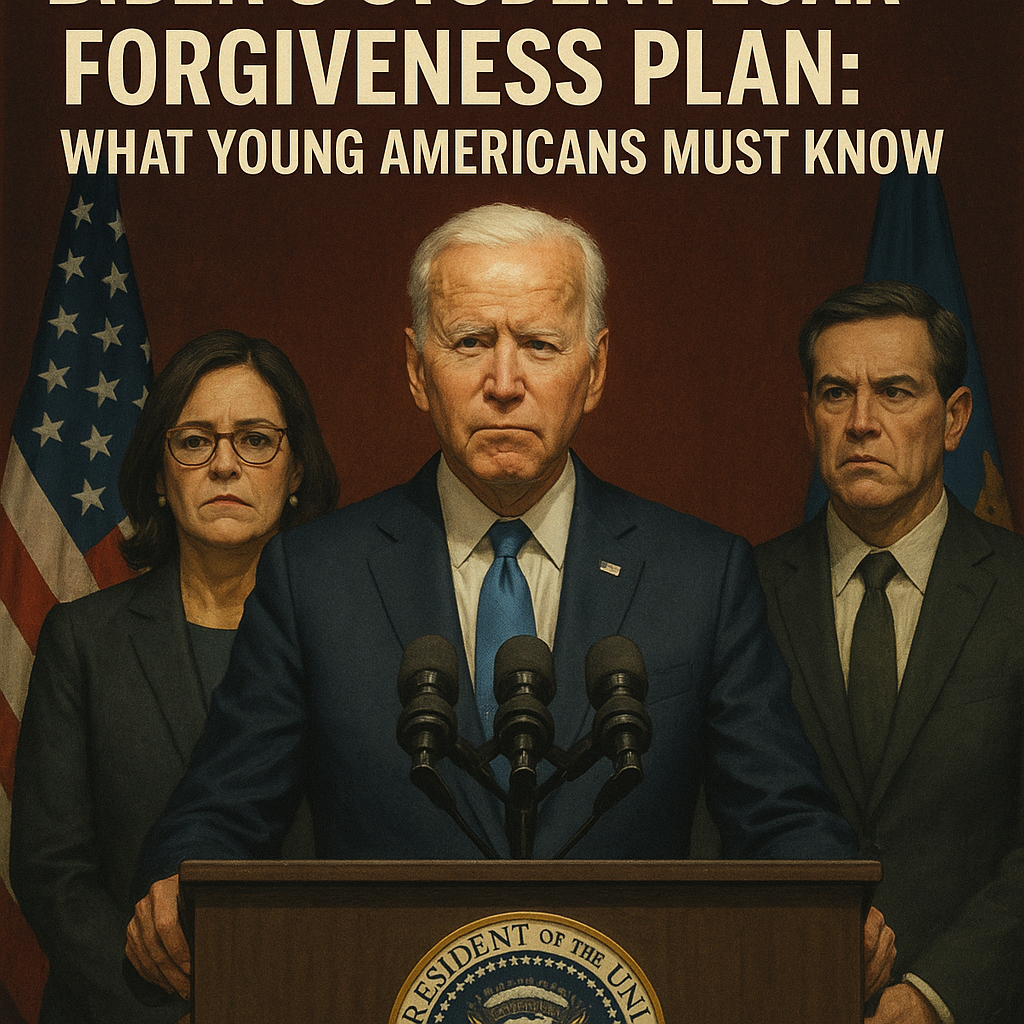
Biden’s Student Loan Forgiveness Plan: What Young Americans Must Know

The recent suspension of President Joe Biden’s ambitious federal student loan forgiveness program underscores a pivotal moment in the ongoing power struggles within American politics. Announced as a bold move to provide up to $20,000 of debt relief for millions, this policy was intended to serve as a cornerstone of Biden’s broader economic and social agenda. Yet, its current indefinite hold, amidst mounting legal challenges, reveals how deeply entrenched conflicts over authority and visions for national policy continue to shape the lives of ordinary Americans. With progressive allies championing debt relief as a matter of fairness, conservative opponents see it as an overreach of executive power—highlighting the fundamental clash of constitutional interpretations.

The legal roadblock emerges from a broader power struggle between the executive branch and the judiciary. While the Biden administration asserts that the federal government has the authority to modify student debt policies under existing statutes, opponents argue that this action exceeds the constitutional limits of executive power, demanding congressional approval instead. This dynamic recalls historical moments where executive orders or policies have become lightning rods for constitutional debates. Legal experts and constitutional scholars point to the importance of checks and balances—with some arguing that the courts are asserting their role as guardians against potential overreach by the administration. Conversely, supporters interpret the move as an essential step toward addressing economic inequality, emphasizing that the executive branch must sometimes act decisively amidst legislative gridlock.

The impact of this debate extends beyond legal circles, as it directly influences the political landscape and the fabric of American society. For proponents, the forgiveness program symbolizes ashift in government responsibility—one where the state is seen as a remedy for economic hardship, fostering a new social contract. For detractors, it signals a disruption of fiscal discipline and fairness, claiming that such policies unfairly favor certain demographics and threaten long-term economic stability. This controversy highlights a crucial question: who truly holds the power to redefine the social contract in an age of mounting debt? As the courts deliberate, the decision will inevitably underscore which branch has the authority to decide the fate of millions struggling under the weight of student loans—an emblematic struggle for the soul of American governance.

In this high-stakes theatre, political actors are engaging in a battle for influence—a contest that will determine the contours of policy, the limits of executive agency, and the future of economic justice. Just as historical figures like Alexander Hamilton argued for a strong federal government, and Thomas Jefferson emphasized states’ rights, the current debate echoes the foundational questions of American democracy: whose interests does government serve, and who ultimately wields sovereign authority? As each side stakes its claim, citizens are left to ponder whether political power is truly a force for reform or merely a stage for conflict—a battle where the outcome writes the next chapter of American destiny. The conclusion of this constitutional clash may well determine whether the nation advances towards a future of shared prosperity or slides further into disillusionment and division.

Last-Minute Tax Tips Every Young Patriot Should Know

Global Geopolitical Shifts and Domestic Crises: A Turning Point in World Affairs

In an era marked by rapid international upheaval, geopolitical alliances are continually reshaping, and the repercussions are felt across nations and societies worldwide. Recent developments underscore this dynamic, as major powers respond to what analysts describe as a series of *“turning points”*—moments that could redefine the global order for decades to come. According to the International Crisis Group, the world is at an inflection point, where old paradigms are disintegrating, and new geopolitical realities are emerging.

Particularly significant is the escalating tension in Ukrainian conflict zones, which has become emblematic of the broader *new Cold War* shaping the 21st century. While Western nations continue to supply arms and exert economic pressure, Russia remains resolute, signalling that these confrontations are not merely regional but part of a larger contest for influence. Meanwhile, China expands its footprint through both economic initiatives and military assertiveness, challenging the existing *U.S.-led order*. International analysts warn that the shifting alliances carry profound geopolitical impact—altering trade routes, control over natural resources, and regional stability.

Shifts in Global Power and the Erosion of Traditional Alliances

In response to these global shifts, North Atlantic Treaty Organization (NATO) faces its own existential questions, with some member states expressing concern over the alliance’s future effectiveness. Historian Michael Novak notes that these tensions, coupled with the instability in Eastern Europe, reflect the rekindling of old rivalries that threaten to resurrect a *“geopolitical Cold War,”** reminiscent of the 20th-century power struggles. Similarly, U.N. Security Council debates increasingly revolve around how to manage conflicts in a multipolar world where consensus is elusive, and unilateral actions threaten to undermine collective security frameworks.

Over the last year, a series of *international treaties and agreements* have attempted to stem the tide of conflict and maintain stability. Yet, many experts contend that these diplomatic efforts are often superficial—piecemeal responses to deep-seated tensions rooted in economic disparities and military rivalries. The World Economic Forum warns that unless nations recognize the interconnectedness of their fates, escalation risks spiraling out of control, leading to widespread societal upheaval and economic collapse.

How Nations and Societies Are Impacted

At the forefront of the domestic impact are millions of citizens caught in the crossfire of international proxy conflicts and economic sanctions. *In the United States,* the ongoing debate over domestic policy and foreign intervention remains tense, with youth increasingly questioning the cost of global engagements. On the economic front, inflation, energy shortages, and supply chain disruptions threaten to aggravate social unrest, forcing governments to act with caution amid mounting public discontent.

The global economy faces an uncertain future, with experts from the International Monetary Fund warning of possible stagflation if geopolitical tensions persist. In many developing countries, economic hardship amplifies social grievances, fueling unrest and migration crises. Historians warn that history teaches us—without careful diplomacy and strategic foresight, these tensions could catalyze a new cycle of conflict, one where the victim is not just geopolitics but the very fabric of society itself.

Conclusion: The Unfolding Chapter of Humanity’s History

As the world stands on the brink of what could be a new era of global rivalry, the decisions made today bear the weight of history. The international community faces an urgent challenge: to navigate these turbulent waters, balancing power with prudence, ambition with restraint. The stakes are monumental, and the outcome remains uncertain. The movements of superpowers, the unraveling of traditional alliances, and the struggles of ordinary citizens are all threads woven into the grand tapestry of history—an ongoing story of hope, conflict, and resilience. In the end, what is written today will echo through the corridors of history, shaping a future that is still unwritten—and yet, inevitable.

Retail Spending Slumps in March as Young Consumers Tighten the Belt

The United States economy is experiencing a crucial inflection point that could have profound geopolitical repercussions in the coming years. Recent data from the Commerce Department reveal a decline in retail sales for March, with spending dropping by 1% compared to the previous month. While seemingly small, this decline exceeds analysts’ expectations and signals a potential slowdown in the world’s largest consumer market. The fall in consumer expenditure, particularly in departments such as general merchandise and gas stations, underscores a broader shift driven by retreating income expectations and lingering recession fears. Central to this economic shift is the impact of recent banking crises, which have fundamentally shaken investor confidence and prompted households to curb spending.

Economists and analysts note that this decline is not solely a short-term anomaly. Bank of America analysts suggest that the lull in refunds issued by the IRS—down by approximately $25 billion relative to last year—has dampened household liquidity, further constraining consumer activity. Simultaneously, the expiration of pandemic-era benefits has taken a toll on disposable income and spending power. How these decisions ripple through society becomes evident as household savings rates potentially decline and the specter of an impending recession looms larger. Despite these setbacks, some resilient fundamentals remain—such as a 2.9% year-over-year rise in retail spending and steady wage growth, albeit at a slower pace—yet the overall picture indicates signs of faltering consumer confidence.

The Federal Reserve and other global institutions watch these signals with caution. The latest employment figures do not indicate a collapsing labor market; employers added 236,000 jobs in March, yet the pace of growth is diminishing, and the Job Openings and Labor Turnover Survey reflects a 17% decrease from last year’s peak. Additionally, higher inflation expectations, fueled by rising gas prices, threaten to erode real wages and consumer purchasing power. This combination of tightening labor markets and inflationary pressures is forcing policymakers into a delicate balancing act, trying to stave off a recession while combatting inflation. Historian analyses point out that history shows such periods often precede significant geopolitical shifts, as economic downturns tend to strain international alliances and domestic stability.

The international community remains alert to the potential geopolitical fallout of America’s economic trajectory. Declining consumer confidence and rising inflation could prompt China and other rival powers to accelerate their strategic ambitions, sensing for opportunity as the U.S. grapples with internal uncertainties. Major global institutions like the IMF warn that a U.S. recession could destabilize emerging markets, which rely heavily on American trade and investment. This delicate web of interconnected economic and geopolitical forces underscores the vital importance of decisions made today. As analysts warn that the effects of recent banking turmoil and fiscal policies are still unfolding, the specter of history—where economic tremors evolve into full-blown crisis—serves as a stark reminder: the world’s balance of power is increasingly defined by these subtle yet profound shifts. The narrative of this ongoing chapter is written in the language of uncertainty, and only time will reveal whether the U.S.—and indeed the global order—can navigate this turbulent period without succumbing to the chaos of the fall.

Young entrepreneurs turn abandoned Japanese house into thriving guesthouse

Across the world, a quiet transformation is unfolding within Japan, exposing a broader narrative of societal shifts, economic challenges, and the enduring power of cultural heritage. The phenomenon of abandoned homes, known locally as “akiya,” signifies more than mere neglect; it reflects a demographic decline, urban migration, and the erosion of rural communities. According to international observers and historians warning of a “demographic cliff,” these ghost houses symbolize a nation at a crossroads—struggling to maintain its traditional identity amid modern pressures.

Amid this backdrop, stories like that of Daisuke Kajiyama, a Japanese entrepreneur determined to breathe new life into these abandoned homes, underscore a wider global awareness of heritage preservation and economic revitalization. Kajiyama’s quest to transform neglected kominka houses into guesthouses highlights a pragmatic response to Japan’s declining rural populations. His journey—from uncovering a neglected green tea factory in Shizuoka to negotiating with owners constrained by tradition—illustrates how localized decisions hold profound geopolitical ramifications. As Kajiyama gathers support through government grants and traditional building materials, his efforts exemplify the delicate balance between national policy and individual entrepreneurship in preserving cultural landmarks.

Meanwhile, international organizations such as the United Nations have expressed concern that Japan’s rural depopulation could threaten global cultural diversity. Analysts argue that Japan’s unique blend of modern innovation and ancient tradition is increasingly vulnerable to urban-centric policies and economic shifts. As urban areas continue to swell—shuttling younger generations away from countryside—the demographic decline risks turning many villages into “time capsules of a bygone era”. Prominent economists warn that if this trend persists unchecked, the societal fabric of Japan could unravel, impacting regional stability and igniting a series of migration and economic discontent across East Asia.

As history unfolds, the fate of Japan’s rural landscape will serve as a stark lesson for neighboring nations and the broader global community. Decisions to preserve or abandon cultural heritage will shape national identities and influence international perceptions about modernization versus tradition. From the quiet of aged houses in Tamatori to the corridors of power in Tokyo and Washington, the ripple effects of these changes extend far beyond Japan’s borders. As society grapples with demographic decline, the world watches, mindful that the story of these ghost houses is not merely about rural decay, but about the resilient spirit of a nation attempting to reconnect with its roots amid a rapidly transforming civilization. The next chapters of this unfolding saga may determine whether Japan’s ancient homes become symbols of despair or beacons of renewal—an enduring testament to the resilience of heritage in an age dominated by change.

Why Turning on Airplane Mode Matters for Young Passengers on Flights

Shaping the Future: How International Decisions and Technology Reconfigure Geopolitical Boundaries

In an era punctuated by rapid technological advancement and shifting alliances, geopolitical impact is evident in every facet of international relations. Recent episodes of global decision-making expose the profound influence that international institutions and national policies wield over the lives of societies and nations worldwide. Whether it’s the ongoing debates surrounding the rollout of 5G networks or the lingering shadows of past treaties, each decision ripples across borders, challenging established security protocols and redefining power balances. Historically, analysts and historians like Niall Ferguson and Margaret MacMillan warn of the crucial turning points where technology and diplomacy intertwine—each choice shaping the contours of the 21st-century global order.

The core of recent controversy lies with the deployment of 5G wireless technology. Governments, including Australia and the United States, have voiced serious aviation safety concerns linked to the new standard’s spectrum proximity to aircraft navigation frequencies. Airline industry leaders and safety experts fear that the close spectrum overlap could cause electromagnetic interference, jeopardizing critical phases of flight such as landings. While the European Union has largely moved forward without significant incidents, the debate underscores a fundamental tension: how technological progress is constrained by and influences international standards. The Federal Aviation Administration and Boeing once studied this issue, concluding in 1992 that electronic devices during non-critical flight phases did not interfere. Still, the recent proliferation of high-speed 5G networks, particularly with the advent of millimeter-wave spectrum, reignites a pivotal question—how do nations balance innovation against safety risks in a tightly controlled electromagnetic environment?

Crucially, decision-making regarding spectrum allocation is rooted in international cooperation through organizations like the International Telecommunication Union (ITU). Nonetheless, the clash between expanding mobile broadband and aviation security reveals the limits of existing governance frameworks. As analysts confront the complexities of 5G’s near-spectrum overlap with traditional navigation bands, it becomes evident that how nations respond to these technological challenges will directly influence their geopolitical resilience. Countries that quickly adapt or lead in resolving such conflicts may gain strategic advantages, while others risk sidelining safety standards, fostering distrust and instability. The ongoing struggle exemplifies a broader narrative: international conflicts over resources, technology, and security will determine the global power structure for decades to come.

Another significant geopolitical layer involves international diplomacy and regional alignments. While EU nations have relatively integrated policies allowing residual use of personal devices, the US and Australia remain cautious, citing potential ground interference. These discrepancies threaten to fracture global standards, potentially creating a digital and security rift reminiscent of Cold War-era divisions. Experts warn that such divergences may pave the way for a new form of technological sovereignty, where nations prioritize national interests over cooperation, heightening risks of conflict and fragmentation. As governments grapple with the future of wireless networks, history reminds us that the unchecked pursuit of technological dominance often fosters geopolitical rivalries, the repercussions of which resonate across political, social, and economic domains.

As multilateral institutions and national leaders scramble to craft policies that mitigate risks while embracing innovation, the enormity of the ongoing technological and diplomatic evolution becomes unmistakably clear. Today’s decisions are not merely about spectrum or aviation safety—they are the forging of a new geopolitical landscape where the fabric of international power is woven anew. Moving forward, the choice to prioritize safety, sovereignty, and cooperation will determine whether history will record these moments as a renaissance of collaboration or as the dawn of a fractured and multipolar world. The world stands at a precipice, and in the silent corridors of power, the echo of these decisions will reverberate through the ages—molding a future still being written in the crucible of history’s unfolding saga.

Social Media Auto Publish Powered By : XYZScripts.com