Matox News

Truth Over Trends, always!

COP30 Live: US Absence Sparks Tensions as Youth Protests Rage On

Global Climate Diplomacy in Flux: The Geopolitical Impact of COP30 and Civil Society Unrest

As Brazil hosts the COP30 climate summit amidst a backdrop of upheaval, the geopolitical landscape of climate policy is experiencing a profound transformation. The absence of the United States—the world’s largest historical greenhouse gas emitter—marks a pivotal turning point in international climate negotiations. Meanwhile, civil society activists, indigenous leaders, and environmental guardians are capitalizing on the vacuum created by U.S. disengagement, mobilizing with unprecedented fervor. The arrival of a flotilla of over 100 vessels, including the Greenpeace Rainbow Warrior, symbolizes a new era of direct action that challenges traditional diplomacy and accentuates the deepening societal rifts over climate justice.

The absence of the US delegation— confirmed by research from Carbon Brief—has stoked a wide array of reactions. While former UN climate chief Christiana Figueres declares it a blessing, some analysts warn that this void might embolden petro-states like Saudi Arabia and India to push their agenda, potentially undermining international commitments. Notably, California governor Gavin Newsom has emphasized the importance of subnational efforts, asserting that “what stands in the way becomes the way.” This shifting dynamic indicates a fracture in the once-unified front of international climate diplomacy, where local and regional actors are emerging as critical players, challenging the old paradigms enforced by politician-led negotiations.

Society at the Forefront: Protests, Indigenous Resistance, and the Fight for Land and Life

Within Belém, voices of indigenous and forest communities have become the heartbeat of the summit. The **”Boats for Climate Justice Flotilla,”** representing some 5,000 activists from 60 countries, underscores a widespread awakening among marginalized groups demanding recognition of their rights and the protection of critical ecosystems like the Amazon. Maya-Lou Kayapo and Sarah Rodrigues exemplify this resistance, emphasizing that “financial support needs to go directly to the traditional peoples who protect the forest, not to extractivist industries.” As protesters sing slogans such as “Fight for the Right to Life” and “No to Soy!”, they embody an uncompromising stance that society’s future depends on respecting nature and indigenous sovereignty.

The tensions reached a crescendo when dozens of activists burst into the Blue Zone, confronting UN security—an act signaling the resurgence of civic unrest that had been suppressed in recent years. Such demonstrations mark a strategic shift toward direct action and civil disobedience, reflecting a broader social burnout with diplomatic lip service and a growing impatience for tangible change. The symbolism of the inflatable snake, “the great cobra,” underscores their call for reparative justice, emphasizing that financial and political support must flow to communities at the frontline of climate change, not multinational corporations or fossil fuel interests.

Implications for Global Policy and the Future of Climate Action

The geopolitical impact of these developments transcends mere symbolism. International organizations like the IPCC and climate analysts warn that the new landscape, marked by US absence and grassroots pressure, could either accelerate or derail global efforts to meet the Paris Agreement targets. The “entirely feasible” investment of $1.3 trillion annually by 2035, as outlined by the High-Level Expert Group on Climate Finance, hinges on effective mobilization of public and private funds — a task complicated by geopolitical fractures and societal upheaval.

Historian William K. Reilly and others caution that the ongoing crisis exposes the fundamental flaw in relying solely on international negotiations. Instead, the future hinges on bottom-up initiatives—local leadership, civil resistance, and innovative policy mechanisms. Gore’s portrayal of the climate crisis as “literally insane” underscores the urgency of shifting from brittle diplomacy to resilient societal action. As humanity teeters on the edge of climate tipping points, the unfolding narrative of COP30 reveals a world in tension—caught between the old guard’s retreat and new forces demanding a radical reimagining of our relationship with Earth. The decisions made now may well write the next chapter of history—one either of collective salvation or irreversible decline.
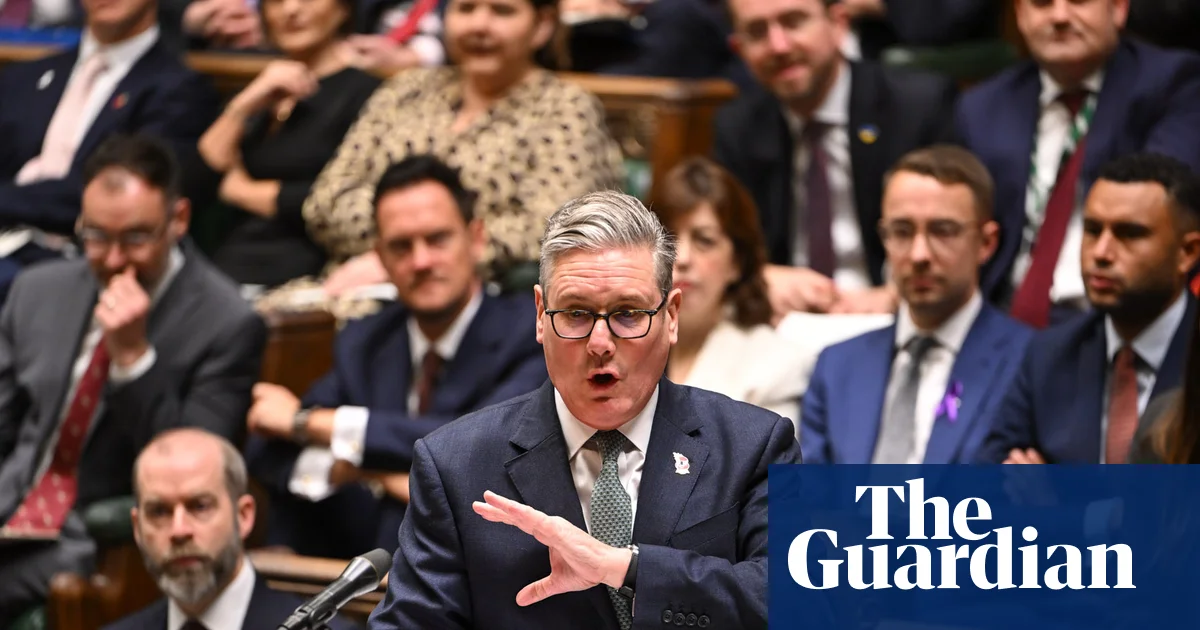
Keir Starmer faces backlash over Morgan McSweeney’s future amid tension with Labour youth

The Inner Battles of UK Politics: A Reflection of Global Power Shifts

In an era marked by growing geopolitical tension, United Kingdom politics are revealing deeper fractures within Western democracies and their struggle to adapt to a new international landscape. Recent revelations around the turmoil in Downing Street highlight not only internal factions vying for influence but also suggest a broader contest for authority that echoes across the Atlantic and beyond. As Keir Starmer grapples with internal dissent—specifically over the future position of his top aide, Morgan McSweeney—analysts warn that such factional battles could undermine the stability of the UK’s political system and its ability to navigate pressing global challenges.

The controversy centers on allegations that Starmer’s inner circle orchestrated covert operations targeting cabinet members, especially the Health Secretary Wes Streeting. Critics accuse McSweeney of fueling internal strife through unauthorized briefings—a move that has triggered fierce public and parliamentary backlash. The situation underscores the fragility of political institutions under the strain of internal power struggles, with some commentators drawing parallels to shambolic administrations elsewhere. In this context, the internal political chaos reflects a broader collapse of traditional governance models, a crisis that could weaken the global standing of Western alliances.

International organizations and political analysts have been quick to interpret the UK’s domestic chaos as emblematic of the waning influence of established democracies and the rise of ‘crisis governance’ tactics. Historian and policy expert Dr. Christopher Miller cautions that such infighting not only jeopardizes the UK’s credibility but also emboldens authoritarian rivals like Russia and China. The decision by Starmer to publicly affirm confidence in McSweeney, despite mounting evidence of internal disputes, signals a broader dilemma faced by leaderships worldwide: how to uphold coherence in the face of internal dissent that could be exploited by adversaries to destabilize the nation further.

Beyond the borders of Britain, this episode carries dramatic global geopolitical implications. The stability of Western alliances — predicated on the perception of unity and seamless policy execution — is now under threat. As nations watch the UK’s inner discord, they are reminded that internal fragility in key democracies could serve as a strategic advantage for China and Russia. Meanwhile, international institutions are issuing cautious warnings about the erosion of trust in democracies’ ability to govern effectively—a warning that rings loud in the corridors of the United Nations and other global forums.

As history unfolds on this internal battleground, the weight of future decisions holds profound significance. Will Starmer’s leadership be able to forge a path through these treacherous political waters, or will internal discord open the door for more aggressive authoritarian models to fill the void? This unfolding saga exemplifies the core battleground of the 21st century: the battle for control—not only of nations but of the narratives that shape global power structures. In a world where alliances shift and the lines between internal and external conflicts blur, the outcome of UK’s political turbulence may well determine the course of international stability for years to come.

Supreme Court Upholds Trump’s Block on $4B Food Aid Boost, Youth Grip Tightens

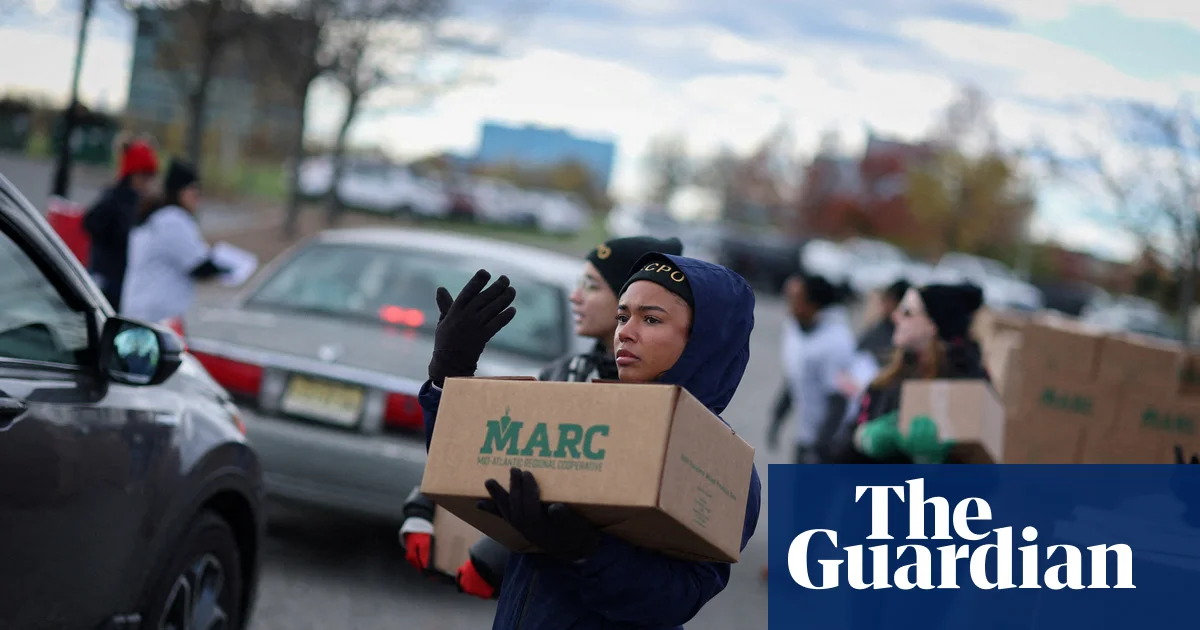
The United States finds itself at a critical juncture as a series of escalating political disputes threaten the social safety nets for millions. The Supreme Court recently upheld the Trump administration’s request to *pause* a federal judge’s order that would have apportioned $4 billion to the Supplemental Nutrition Assistance Program (SNAP). This decision has effectively frozen funds for the largest anti-hunger initiative in the nation, placing 42 million Americans—including countless vulnerable children and the elderly—at heightened risk of food insecurity during an already strained economic climate.

Analysts warn that this move not only jeopardizes immediate access to food for countless families but reflects a broader geopolitical impact. Plunging millions into uncertainty amidst internal political chaos underscores the fragile stability of America’s social fabric. As the House of Representatives prepares to vote on a package that could mark the end of the longest government shutdown in U.S. history, the Biden administration and Congress remain at loggerheads over federal funding. The administration insists that only through legislative compromise can vital programs be restored, a stance that continues to delay relief efforts and deepen the social crisis. The ongoing shutdown, intertwined with the clash over legislative priorities, continues to ripple outward, affecting states’ ability to deliver support and undermining public confidence in governance.

Meanwhile, the Department of Agriculture has issued directives for states to “immediately undo” benefits already disbursed, creating chaos at a local level where food pantries and community services are already overwhelmed. With only partial benefits issued for November, and no guarantee of federal reimbursement, the geopolitical ramifications extend beyond domestic borders, highlighting the profound impact of internal instability on local communities. According to observers like historians and social policy analysts, this episode exemplifies how political decisions—particularly those rooted in partisan deadlock—can have tangible consequences, exacerbating societal divisions and threatening the social contract.

The international community watches with concern as the United States, traditionally seen as a bastion of stability and economic power, falters in its moral obligation to protect its most vulnerable. As aid agencies scramble to fill the gaps, domestic disarray risks expanding into a broader crisis. The looming holiday season and the approaching winter threaten to intensify the suffering with no clear resolution in sight. This harrowing chapter in American history—marked by political infighting and social neglect—reminds the world that the internal stability of a nation often hinges on its ability to meet the basic needs of its citizens. Yet, the true cost may extend far beyond national borders, influencing global perceptions of U.S. leadership and stability.

As the pages of history continue to turn, the fate of the American social safety net remains in the balance, a stark reflection of a nation deeply divided. The unfolding drama raises profound questions about governance, moral responsibility, and international leadership—questions that will resonate long after the current crisis subsides. In a world where geopolitical shifts accelerate and alliances are tested, the true measure of a nation’s strength is revealed not in its wealth or military power, but in its capacity to care for its people during times of crisis. Whether the United States will rise from this moment stronger or succumb to internal disarray remains to be seen; yet, the weight of history presses heavily upon all—reminding us that in the darkest hours, the dignity of a society is truly tested.

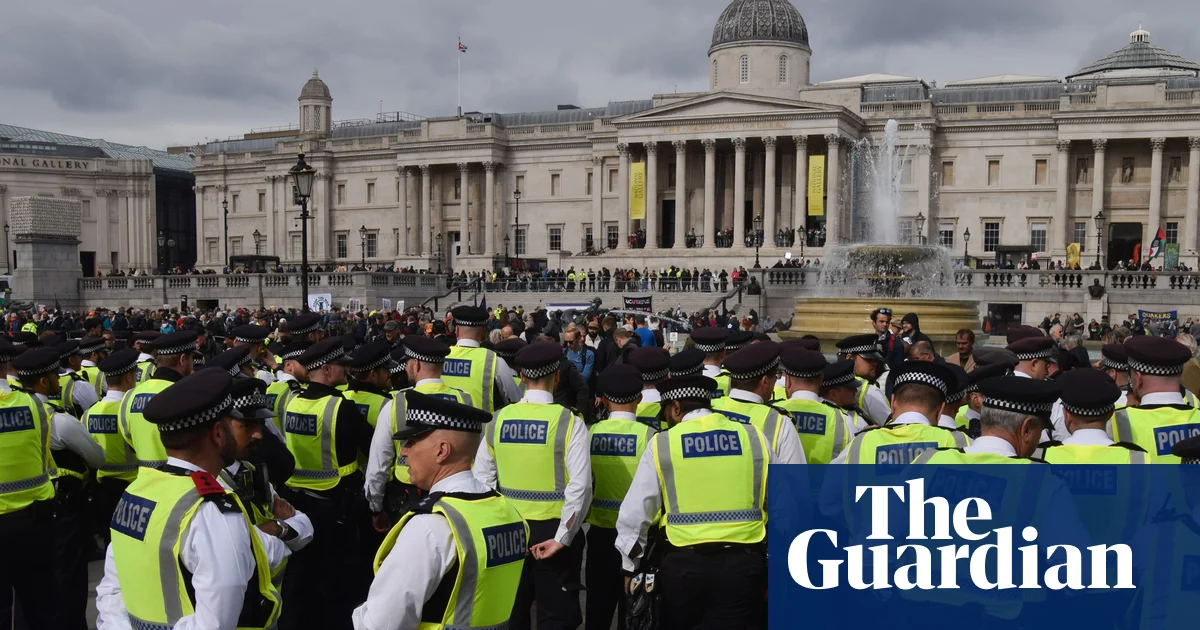
Advisers Warn Ministers: Banning Palestine Action Might Backfire Among Youth

In recent weeks, the United Kingdom has taken a contentious step by banning Palestine Action, a grassroots organization dedicated to confronting the UK’s arms trade with Israel. Despite advice from officials warning that such a prohibition could inadvertently elevate the group’s profile, policymakers proceeded with proscription under terrorism laws. This decision marks a significant chapter in the ongoing global debate over civil liberties versus national security, illustrating the complex interplay between domestic policy and international tensions, especially in Britain’s role in the Israeli-Palestinian conflict.

The decision was underpinned by a secretive community impact assessment, revealing internal debates about the potential repercussions of a ban. Officials cautioned that proscription might exacerbate Muslim-Jewish tensions within Britain, deepen societal divisions, and be perceived as government bias favoring Israel. Moreover, polling data indicated that a significant portion of the British public supported bans on arms shipments to Israel, reflecting a growing frustration with the military actions in Gaza. Nonetheless, the advisors warned that such a move could “become a flashpoint for controversy and criticism,” highlighting the perilous balancing act that policymakers face—demanding security while avoiding alienating critical segments of society.

Critics argue that the government’s crackdown on Palestine Action has backfired, boosting the organization’s visibility and support rather than diminishing it. Huda Ammori, co-founder of Palestine Action, expressed that “awareness of the issues and the group’s popularity has grown exponentially,” indicating that the ban has inadvertently strengthened their stature. This outcome underscores how decisions rooted in security fears and political expediency can often generate unintended consequences, further entrenching the divisions they seek to quell.

The policy shift also sheds light on the geopolitical impact of Britain’s internal security measures. Proscription under terrorism laws frames the conflict in moral and legal terms but also risks alienating Muslim communities and fueling anti-government sentiments. This, in turn, influences Britain’s international standing, complicating diplomatic relations with Middle Eastern nations and global organizations advocating for Palestinian rights. As analysts point out, the UK’s overt involvement in Israel’s defense industry—an issue that the government actively suppresses—has become a source of tension with other Western nations that are questioning the equity of their support for Israel.

In the broader context, Britain’s internal conflict over Palestine reflects a wider geopolitical contest. How Western democracies choose to engage—whether through silence, activism, or suppression—shapes the global narrative surrounding the Israeli-Palestinian dispute. The recent ban represents a symbolic battleground for values—security versus civil liberties, activism versus state control—marking a decisive moment where internal policy decisions echo into the larger arena of international diplomacy. The unfolding saga leaves history’s watchful eyes pondering: will this be a turning point towards greater governmental control, or a catalyst that emboldens those fighting for justice? The answer remains shrouded in the shadow of history, as the world watches, and the story continues to unfold.

Australia News: NSW Nationals Drop Net Zero; Keating Honors Laws — Youth Voice Matters

In a world increasingly shaped by the relentless march of geopolitical shifts and domestic reckonings, recent events underscore a decisive moment in the unfolding fabric of history. Australia, often viewed as a microcosm of broader global trends, finds itself at a crossroads as regional political forces realign on crucial issues like climate policy and national identity. Meanwhile, the passing of iconic figures like John Laws reminds us how media personalities have historically shaped societal discourse, bridging the gap between politics and the everyday citizen in an era when radio was king. The legacy of individuals like Laws and the recent political maneuvers collectively illustrate the profound influence of communication and decision-making on national trajectories.

At the heart of international concern is the abandonment of commitments to net zero emissions by 2050—a stance taken rigorously by the NSW Nationals in Australia, following their federal counterparts’ lead in a move that threatens to fracture the stable fabric of coalition politics. The decision, driven by internal party discussions and influenced by a thinktank aligned with Senator Ross Cadell, signals a direct challenge to the global climate agenda endorsed by many Western nations.

  • Government officials and analysts have warned this rollback could hinder international efforts to combat the climate crisis, and threaten Australia’s diplomatic standing in climate negotiations.
  • The decision sparks a rift within the Coalition, specifically testing the resolve of opposition leader Mark Speakman, who has faced mounting pressure amidst poor polling and internal dissent.

The geopolitical impact of this shift extends far beyond national borders. Countries watching Australia’s retreat from climate commitments may perceive a broader trend of de-escalation or skepticism toward global climate initiatives, especially in regions where economic and energy independence are prioritized over environmental concerns. Experts like economists and environmentalists have issued stark warnings that such domestic decisions undermine international climate accords and could embolden other nations seeking to resist similar targets, thereby threatening the collective effort to mitigate the effects of climate change. Moreover, Australia’s internal debate reflects a national societal divide—those pushing for environmental credentials versus those emphasizing regional economic interests—highlighting how domestic policies can send ripples through the international diplomatic arena.

Meanwhile, the death of John Laws, dubbed the “king” of radio before the rise of the digital age, signifies a pivotal chapter in the history of media influence. Keating’s tribute underscores how Laws partnered with policymakers to educate Australia’s middle ground crowd on complex social and economic matters. This dynamic exemplifies how influential personalities have historically shaped public perception and policy, wielding power that transcends mere entertainment. As history presses forward, the media’s role in transmitting societal values and political discourse remains central, even as new digital platforms challenge traditional broadcasts. Recognizing these shifts urges societies worldwide to reflect on the enduring impact media figures have historically played—and continue to play—in shaping national identity and policy directions.

As these stories unfold—whether through the deliberate reevaluation of environmental commitments or the remembrance of media giants—the pace of history seems to accelerate, leaving societies to confront the weight of choices made today. Decisive shifts in policy, politics, and perception are not isolated events but rather the vital threads of an evolving narrative, heavily influenced by those who lead and those who listen. With each decision, with each passing figure, the tapestry of history is rewoven—sometimes a step forward, often a step into uncharted, uncertain territory. And as nations navigate the turbulent waters of change, the foundations of tomorrow’s history are being laid today—silent witnesses to the ongoing story of power, influence, and the enduring quest for a future shaped by choices of unparalleled importance.

Para Dance Empowers Youth to Escape, Express, and Just Dance Through Life

In an age where the relentless march of modernity often threatens to erode tradition and collective identity, culture remains the vital vessel of our shared humanity. From the ancient rhythms echoing through mythic times to the contemporary expressions of dance and artistic innovation, culture embodies the subconscious of society—its memory, its values, and its very essence. As the historian Tocqueville once observed, democracy’s strength lies not just in political structures but in the moral and cultural fabric that unites its citizens. Today, the resurgence of inclusive and para dance initiatives highlights how culture continues to serve as a bridge—bringing together individuals regardless of their abilities, reinforcing community bonds, and celebrating resilience. It is at once a reminder of our collective heritage and a prophecy of our capacity to adapt and flourish, even in adversity.

Amidst these cultural currents, a profound recognition emerges: art is more than aesthetics; it is a declaration of identity. The story of Hannah, a teenage dancer in wheelchair, exemplifies the transformative power of movement as a form of self-expression and liberation. Her words—”being able to move to music and forget everything and just dance”—resonate with a deeper truth: that culture is an act of rebellion against the chaos of existence and a reaffirmation of life itself. The inclusive dance classes in Oxfordshire, founded by Lizzie Large and supported by spirited communities, echo the philosophical insight of G.K. Chesterton—who believed that true culture awakens the “childlike wonder” within us, reinstating the moral and spiritual vitality that modern society often neglects. These initiatives not only provide physical and mental liberation but serve as a reminder that our culture’s true strength lies in its ability to uplift the marginalized.

With the recent holding of the Para Dance IPC and World Ability Sports Para Dance Championships in Stevenage, a new chapter opens. Though para dance remains outside the spotlight of the Olympic and Paralympic games, the growing recognition of such competitions underscores an essential point: the evolution of culture mirrors humanity’s journey toward inclusion and excellence. As the philosopher Ortega y Gasset asserted, “The health of a civilization can be measured by its capacity to elevate everyone within it.” The medals won by Oxfordshire competitors symbolize more than athletic achievement—they serve as symbols of resilience, proof that culture, when embraced inclusively, can propel society toward a future that values all its citizens’ talents and spirits. If history teaches us anything, it is that culture’s true vocation is to be an anchor of identity and a compass guiding us toward harmony and understanding.

Ultimately, culture holds the mirror to our soul and the map to our destiny. It is both the memory of who we have been and the prophecy of who we are called to become. As the poet T.S. Eliot reflected, “This is the way the world ends—not with a bang but a whimper,”—yet within our cultural formations, there resides a quiet, persistent hope: a lament that awakens us and a promise that propels us. In every dance, every song, and every act of inclusion, we find the enduring testament that human identity is a tapestry woven with history’s threads and humanity’s dreams—an ongoing story, echoing in the footsteps of tradition and innovation alike, urging us to remember and to foresee, in the eternal dance of existence.

Rising Stars Shine in Thrilling Youth Championship: A Showcase of Talent and Team Spirit

Thrilling Sunday Showdown: Papiss Cisse Shines in League Play

In a memorable display of skill and determination, Papiss Cisse captivated fans and critics alike with a standout performance for his Sunday league team last weekend. Known for his electrifying style of play, Cisse demonstrated why he remains a force to be reckoned with on the pitch. The match, which ended in a 4-3 victory for Cisse’s team, was filled with game-changing moments that left spectators on the edge of their seats.

The match exemplified the ups and downs of sports, with Cisse scoring two pivotal goals and providing an assist. His second goal, a dazzling strike from outside the box in the 75th minute, swung the momentum firmly in favor of his team and highlighted his exceptional talent. As the team’s coach noted, “When Cisse is in form, he transforms the entire match. His energy is infectious and lifts everyone around him.”

  • Papiss Cisse scored two goals and assisted in a nail-biting finish.
  • The match featured a total of seven goals, showcasing offensive skill from both sides.
  • Fans praised Cisse’s ability to create chances and rally his teammates.

In addition to his individual achievements, Cisse played a crucial role in fostering a strong team dynamic, embodying the spirit of camaraderie that is often celebrated in Sunday league play. As online commentator and former player Mike Johnson remarked, “It’s not just about the win; it’s how sports bring people together. Cisse embodies that philosophy.”

Ultimately, while the scoreboard will always reflect the outcome, the true essence of sports lies in the connections forged, the joy shared, and the resilience demonstrated on the field. The drama and excitement witnessed in this thrilling match serve as a reminder that, in sports and beyond, every rivalry and every celebration cultivates a stronger community. As we look back on this unforgettable performance by Papiss Cisse, let it resonate not only as a testament to individual prowess but as a celebration of teamwork and the unifying spirit of sportsmanship.

Source link

Trump considers $2,000 payout from tariffs to rally youth support

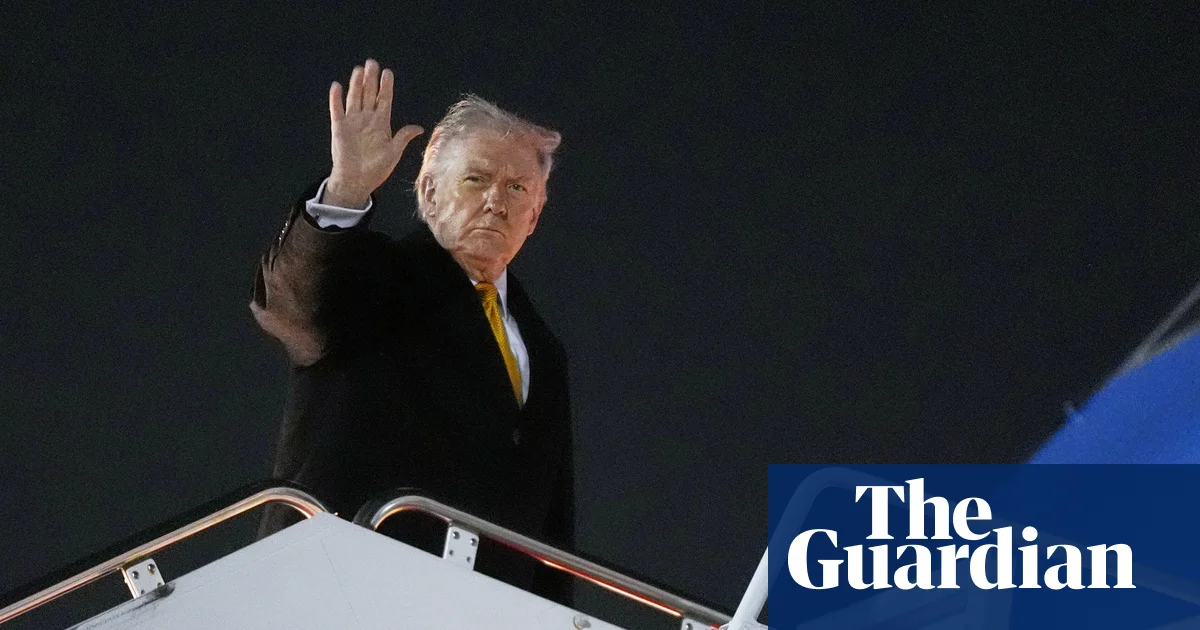
The United States continues to grapple with its turbulent economic policy trajectory under President Donald Trump, who recently rekindled debates over domestic fiscal relief through controversial means. On Sunday, Trump suggested the possibility of distributing $2,000 stimulus checks funded by tariffs collected from global trade partners. His statement, posted on Truth Social, explicitly demanded public support by promising that the taxpayer-funded “dividend” would exclude high-income earners. This move appears to be a strategic effort to rally populist backing amid ongoing economic uncertainties, emphasizing a populist narrative of economic redistribution linked to trade policy.

However, the geopolitical and economic implications of such a plan extend far beyond mere campaign rhetoric. The U.S. Treasury Department and top financial officials have signaled a different reality: the primary use of tariff revenues is to address the mounting national debt, which now exceeds $38 trillion. According to Treasury Secretary Scott Bessent, the tariff proceeds—approximately $195 billion collected in the first three quarters—are being directed primarily toward reducing the federal debt rather than delivering direct economic benefits to American citizens. Such decisions highlight a fundamental shift in how trade policy impacts national sovereignty and economic stability, as policymakers balance the populist appeal of economic relief with the bitter realities of fiscal responsibility and international debt obligations.

Since April, widespread tariffs imposed by the Trump administration have significantly increased costs for American consumers, with data from Yale Budget Lab indicating an effective tariff rate nearing 18%, the highest since 1934. This escalation has been passed along the supply chain, pressuring families and small businesses alike—an unintended consequence of a policy that aims to protect American industry but often results in higher living costs. Analysts and international trade experts warn that such measures risk fueling long-term trade tensions and economic fragmentation, disrupting global supply chains and provoking retaliatory actions from trading partners, from the EU to China. Meanwhile, the Supreme Court has taken up cases challenging the legality of these broad tariffs, underscoring the international legal and diplomatic complexities at play.

  • In October, Trump proposed checks from tariff revenues ranging between $1,000 and $2,000, revisiting a recurring theme that tariffs can serve as a tool for direct economic redistribution.
  • The idea of a $5,000 dividend — floated earlier with Elon Musk — was ultimately dismissed as the national deficit expanded and federal spending cuts proved insufficient.
  • Historian and international economist Anne-Marie Slaughter warns that such short-term populist measures risk undermining the broader goals of economic sovereignty and global stability, emphasizing the need for sustainable fiscal policies rooted in international cooperation and fairness.

The unfolding showdown over global tariffs signals a pivotal juncture: the reshaping of America’s economic relationships and the recalibration of its role on the world stage. As international institutions scrutinize and challenge the legality of Trump’s tariff policies, it becomes clear that the decisions made today will reverberate well into the future, affecting everything from international trade balance to societal well-being. The confrontation over tariffs is more than politics; it is a defining chapter in the ongoing contest for economic sovereignty—a battleground where decisions made by an increasingly polarized nation could determine the course of global power dynamics for generations to come. The weight of history presses heavily upon the current administration, as the world watches whether the United States will steer toward renewed dominance through tariffs or risk fragmenting its economic foundation amid mounting debts and international pushback.

Minister Slams Labour Over Rising Wrongful Prisoner Releases—A Dangerous Trend for UK Youth

UK Prison System Under Fire Amid Rising Wrongful Releases

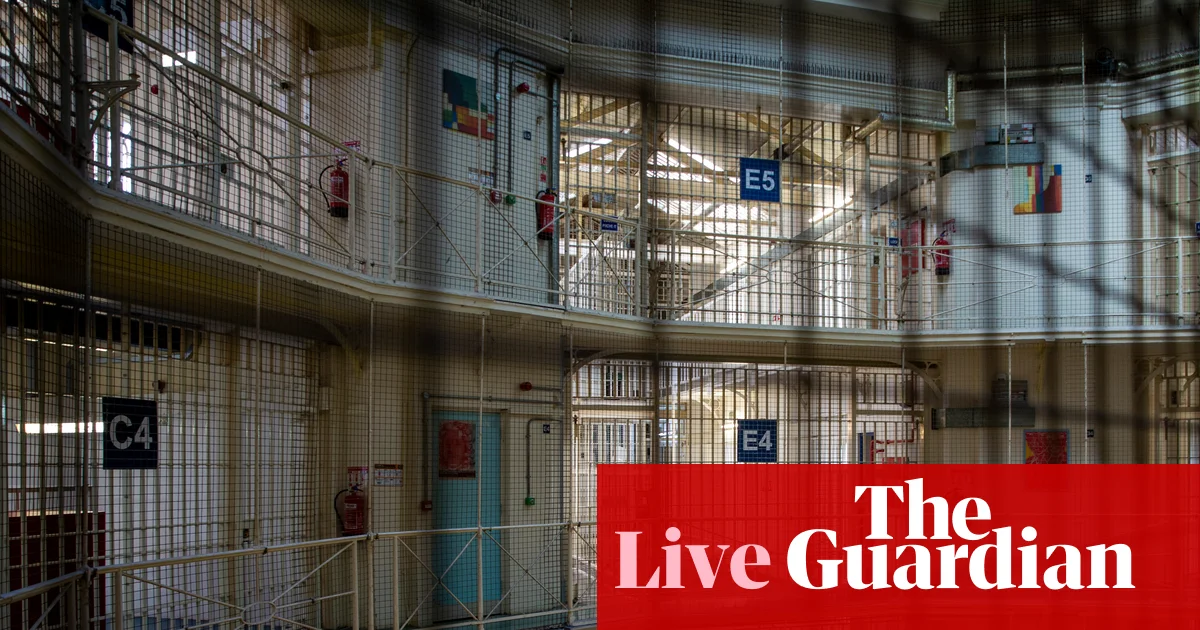
In a startling development that has captured national attention, Britain’s prison system is coming under intense scrutiny following reports of a rising number of wrongful prisoner releases. The Labour Party and various justice advocates are raising alarms about systemic failures that are jeopardizing public safety and exposing serious flaws in the correctional infrastructure. The crisis underscores not only operational shortcomings but also highlights the deepening geopolitical impact of internal administrative breakdowns in one of Europe’s largest nations.

At the center of the controversy is the failure of the UK’s antiquated paper-based system, inherited from the 1980s, which is now being blamed for the wrongful release of prisoners. As reports reveal, an average of 22 inmates are mistakenly released each month in England and Wales—an increase from 17 under previous administrations. The recent spate of errors has led to authorities confirming that at least four individuals remain at large after wrongful releases. These cases have not only raised concerns about safety but also cast a shadow over the effectiveness of the current prison management protocols, exposing the intractable failures of an overstretched and underfunded system.

International expert and historian Dr. Samuel Harris emphasizes that this crisis signals a turning point for penitentiary reform, warning that continued systemic neglect can unstable the societal fabric. Key decision-makers are now called to overhaul the entire sentencing and discharge process. The recent appointments of Dame Lynne Owens, former director of the National Crime Agency, and promises to build new prisons and implement additional checks, are viewed as initial steps—but critics argue these are mere band-aids. The widespread overcrowding, with many facilities operating well beyond capacity, coupled with low staff morale and lack of training, has only worsened the crisis. The Prison Officers’ Association advocates for a comprehensive overhaul rather than superficial fixes, warning that systemic failures are equating to a risk to society at large.

The ramifications extend beyond domestic borders; as analysts caution, Britain’s internal chaos could ripple across NATO alliances and influence geopolitical stability in the Atlantic region. The conflict-ridden landscape of the **European continent**, combined with ongoing rivalries and the specter of destabilization from migration crises and international security threats, intensifies the stakes. Failing prisons serve as a stark reminder that internal governance, when neglected, can undermine broader trust in state institutions, ultimately giving adversaries an opening to exploit vulnerabilities. International observers from organizations such as the OECD warn that unless urgent reforms are enacted, Britain risks becoming a cautionary tale of internal disrepair that could have ripple effects beyond its shores.

In this sombre turning point, history seems poised to record the UK’s decline into a cautionary chapter of governance failures. As the nation faces the difficult task of penitentiary reform, future generations will look back on these days as a stark reminder of what happens when systemic neglect is allowed to fester—an unfolding saga that might yet reshape the political and social order of Britain and influence the balance of power in the geopolitical arena.

Weymouth eyes new dental university to boost local society and youth opportunities

Across the picturesque coastlines of Weymouth, a silent transformation is underway—an effort to redefine the very fabric of community life through ambitious development projects. While these initiatives aim to rejuvenate the town as a thriving coastal destination, they also reflect deeper social dynamics impacting families, education, and social cohesion. The proposed establishment of a new Allied Health Professional University, with a focus on dentistry, symbolizes a forward-looking strategy to retain local talent and create economic opportunities. Yet, beneath the glossy surface of regeneration lies a sobering reality: many communities struggling with social disparities and the erosion of traditional social bonds, which threaten the moral fabric of society itself.

The development plans, in collaboration with Health Sciences University (HSU) and local NHS partners, represent a beacon of hope for the younger generations. As sociologist Dr. Emily Carter points out, such initiatives can serve as catalysts for empowering youth, fostering local leadership, and boosting community resilience. Nevertheless, it is essential to recognize that social issues affecting families—such as economic instability, housing shortages, and accessibility to quality healthcare—often hinder the realization of these aspirations. The social tensions brewed from inequality can deepen divides, making it harder for communities to thrive collectively. The challenge remains: how to balance economic growth with social justice, ensuring that progress lifts all, rather than leaving the most vulnerable behind.

As policymakers and town planners look to boost Weymouth’s economy through projects like a hotel-led development on the Weymouth Peninsula and the creation of new homes and commercial spaces, they must also confront the social tensions brewing within the town’s social fabric. The proposed cultural hub, centered around The Rectory on St Thomas Street, aims to encourage community engagement and cultural expression. Yet, social commentators warn that without intentional efforts to bridge the gaps in education, healthcare, and housing, such projects risk becoming symbols of exclusivity rather than inclusion. Education expert Dr. Marcus Liu emphasizes that equitable access to quality education and social services is vital to fostering a society rooted in shared values and collective human dignity.

Ultimately, Weymouth’s story echoes the broader societal narrative—one where hope and hardship intertwine. The path toward a society where families can flourish, communities can unite, and youth can dream without barriers is fraught with challenges. Yet, it is a path worth pursuing. For within the quiet resilience of towns like Weymouth lies the potential for society’s transformation—an enduring reminder that the true wealth of a community resides in its social bonds, moral integrity, and the courage to confront its struggles head-on. As history reminds us, societal progress is rarely without sacrifice, but it is in those moments of collective effort that society finds its truest hope, and perhaps, its greatest renewal.

Social Media Auto Publish Powered By : XYZScripts.com