Matox News

Truth Over Trends, always!

Rising Stars Ignite Passion at This Year’s Youth Sports Championships

Fernando Mendoza Leads the Pack in 2026 NFL Draft Projections

As the anticipation for the 2026 NFL Draft intensifies, front-office executives and scouts are already analyzing potential first-round talents. In a recent poll conducted among 25 NFL scouts and executives, Indiana’s Fernando Mendoza has emerged as the frontrunner for the position of first quarterback selected. Mendoza garnered an impressive 13 votes, placing him significantly ahead of notable prospects such as Oregon’s Dante Moore, who received 6 votes, and Alabama’s Ty Simpson, with 3 votes.

Mendoza’s standout performance for the Indiana Hoosiers has elevated him into the national spotlight. Notably, he has demonstrated a remarkable ability to make split-second decisions and a versatile skill set that allows him to evade pressure while showcasing accuracy downfield. Commentators are noting that his athleticism, coupled with a keen football IQ, could make him a valuable asset in the NFL. As one scout emphasized, “Mendoza has a rare combination of size and ability that sets him apart from his peers.”

  • Fernando Mendoza: 13 votes, showcasing prolific passing and mobility.
  • Dante Moore: 6 votes, noted for his exceptional potential but facing scrutiny over consistency.
  • Ty Simpson: 3 votes, displaying flashes of brilliance but needing further development.

With the college football season still underway, Mendoza’s position may face challenges as other prospects continue to gain traction. Coaches across the nation are analyzing each game, with special attention from their NFL counterparts who are keenly watching for any game-changing performances. As the draft approaches, expect to see heated competition as quarterbacks strive to elevate their stocks. A prominent coach remarked, “We’re just scratching the surface of what these young athletes can bring to the table.”

Ultimately, while the statistics and rankings deliver a palpable excitement, the essence of sports transcends mere numbers. It symbolizes community, perseverance, and hope for the future. The journey of each athlete, like that of Fernando Mendoza, weaves a narrative much larger than a scoreboard victory. It unites fans and communities, fostering a shared passion that resonates through the ages, reminding us that in the world of sports, every game holds the potential for greatness — both on and off the field.

Source link

Revamp Your Party Look: The Cocktail T-Shirt Taking Youth Style by Storm

Traditionally, T-shirts have occupied a utilitarian space in our wardrobes—comfortable, casual, and often considered the fallback option for everyday wear. But this party season signals a shift in sartorial priorities, where the humble tee is undergoing a fascinating transformation. Enter the cocktail T-shirt, an elevated version of the basic that’s redefining what it means to dress casually for evening events. Made from luxurious wool—a natural fiber with thermodynamic properties—these T-shirts blend comfort with a touch of sophistication. Whether adorned with glistening embellishments around the neckline or kept minimalist with a hint of sparkle, this new category is making waves on social media and among style influencers alike, positioning itself as the unexpected highlight of evening wear trends.

The cultural impact of this trend is notable, signaling a shift in social attitudes toward more versatile, multi-functional fashion. Influencers such as Emma Chamberlain and David Dobrik have shared their enthusiasm on platforms like Instagram and TikTok, showcasing how these cashmere T-shirts can be styled to suit both casual and more formal occasions. Fashion houses, including Prada, led by iconic creative director Miuccia Prada, are at the forefront of this movement. Prada’s recent runway shows feature knitted T-shirts with chains and pearls, blurring the lines between luxe nightwear and bold streetwear. As analysts point out, this trend reflects a broader societal desire for value-driven, sustainable wardrobe staples—embracing natural fibers that are both eco-friendly and adaptable.

Furthermore, the social relevance of the cocktail T-shirt extends beyond aesthetics. As the fashion elite, including Prada and co-designer Raf Simons, demonstrate, this is about challenging traditional notions of femininity and beauty. These garments serve as a symbol of simplicity turned chic, embracing a less-is-more ethos that resonates with younger generations seeking authenticity and self-expression. Brands like &Daughter are pioneering with their cashmere offerings that come in vibrant hues like holiday red and pickle green, emphasizing the importance of comfort without sacrificing style. Meanwhile, critics raise concerns about the environmental cost of high demand for luxury cashmere, highlighting issues like desertification and over-farming in Mongolia, where the goats are raised—an ongoing debate at the intersection of fashion, sustainability, and ethics.

  • Trends to Watch: The mix of practicality and luxury has turned the cashmere T-shirt into a must-have staple, with brands like John Lewis and high street retailers rapidly adopting the look using synthetic blends. These alternatives may not mirror the eco-insensitive aspects of genuine wool, but they reflect a societal push towards affordable, versatile fashion.
  • Consumer Appeal: According to fashion director Queralt Ferrer, the appeal lies in the T-shirt’s ability to satisfy multiple needs—offering a sleek look that transitions seamlessly from office to evening. Priced around £80, the high-quality cashmere T-shirt stands out as a perfect example of how modern consumers value longevity and adaptability in their wardrobe.
  • Designers’ Vision: Influential figures such as Miuccia Prada are reshaping perceptions of minimalism with their knits, reinforcing the idea that less can be more—a message that resonates powerfully with a generation increasingly conscious of their social footprint.

As this fashion evolution gains momentum, the next big question looms: will sustainable practices keep pace with demand for this luxe casualwear? With environmental concerns escalating, the future of the cocktail T-shirt hinges on whether designers and consumers can strike a balance between aesthetics, ethics, and accessibility. As the trend challenges conventional fashion hierarchies and invites a rethink of what is deemed luxury, it leaves us pondering whether the next frontier in style will be a thoughtful integration of sustainability and innovation—an essential question for tomorrow’s fashion landscape.

All Her Fault review – Sarah Snook’s gripping thriller delivers a thrilling and thought-provoking experience for today’s youth | Television

In an era where culture seems to tremble on the edge of fragmentation, the resilience of societal identity often manifests through the narratives we elevate and the stories we choose to tell. As Ortega y Gasset once posited, “The spirit of a nation lives in its stories,” and amidst the chaos of modern life, television dramas have become the new agora — spaces where the collective psyche is reflected, scrutinized, and subtly shaped. The recent series All Her Fault, an adaptation rooted in Andrea Mara’s bestselling thriller, exemplifies this phenomenon. It braids together the troubling realities of middle-class affluence, the darker undercurrents of modern motherhood, and the existential crises that accompany societal privilege. But more than entertainment, such works serve as mirrors and prophecy, revealing what we value, fear, and unconsciously endorse as a society.

This series not only examines the disappearance of a child within a seemingly secure suburban enclave but also unravels the complex web of human motives and societal expectations, echoing Tocqueville’s insight that “America’s greatness lies in its individualism, yet its survival depends on collective community.” Here, the affluent women, Marissa and Jenny, embody modern American ideals of success and nurturing, yet beneath their polished exteriors lie layers of guilt, repression, and moral ambiguity. These characters evoke Chesterton’s recognition that “an adventure is only an inconvenience rightly considered,” acknowledging that behind comfort and prosperity lie often unspoken, unresolved tensions. In this cultural microcosm, we see a reflection of a society wrestling with the penultimate question: what is the true cost of security? And at what point does protection devolve into paranoia? It is in this tension that the series finds its moral heartbeat, questioning whether the superficial safeguards of wealth truly shield us from the chaos lurking beneath?

Moreover, All Her Fault underscores the indelible connection between culture and identity. It probes the penalty women pay for societal roles, exposing the quiet suffering and sacrifices anchored in modern motherhood — a theme as old as the mythos of Demeter and Persephone. As T.S. Eliot wrote, “The tradition does not consist of a common inheritance but rather an ongoing dialogue between the past and present,” thus emphasizing that our cultural identity is an evolving conversation. This series chronicles that dialogue, revealing the fissures and fractures in the beautiful facade of suburban bliss, ultimately inviting viewers to ponder: are we merely characters scripted in a cultural play or authors of a new chapter? This tension makes the narrative not just compelling storytelling but cultural commentary that challenges us to reflect on how privilege isolates, isolates, and redefines our collective values.

In the end, the cultural fabric woven through television and art survives not merely to entertain but to serve as the collective memory and prophecy of mankind. Like Homer’s epics or the Great Works of classical antiquity, modern storytelling holds within its lines the echoes of human striving, fragility, and hope. As Chesterton observed, “Art, when it is most truly artistic, is the most radically conservative of all human activities,” anchoring us to our roots even as it propels us into the future. Therefore, culture becomes both a mirror illuminating our current state and a lantern lighting the path ahead — reminding us that in the harmony and dissonance of our stories, humanity’s eternal song continues. And in that song, we find not only our memory but also the prophecy of what we might yet become.

Ugandan youth cheer ICC charges against LRA boss, standing for justice

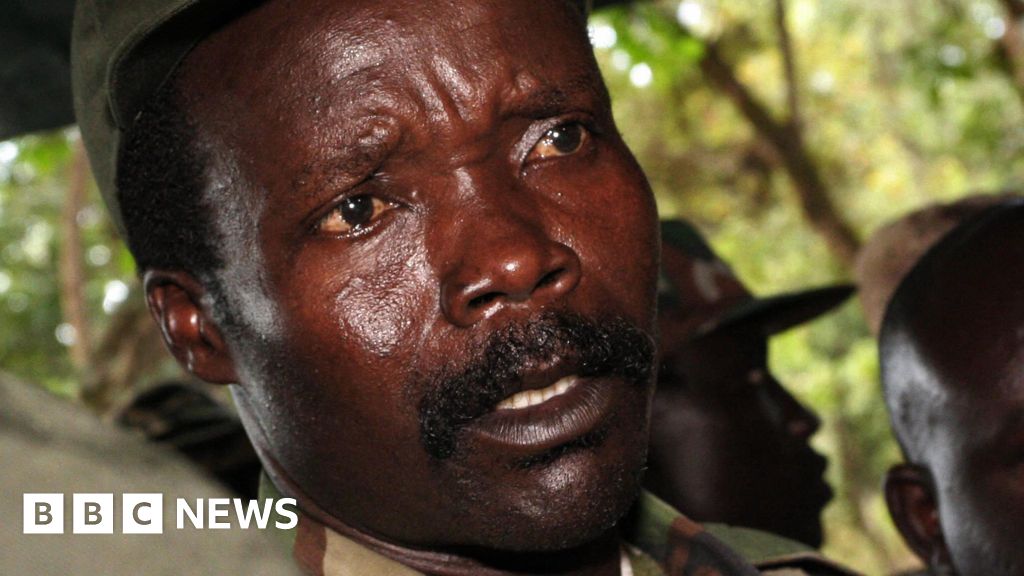
In a move that echoes decades of international diplomacy and military pursuit, the International Criminal Court (ICC) has officially confirmed charges against Joseph Kony—the notorious leader of the Lord’s Resistance Army (LRA). This militant group, infamous for perpetrating heinous crimes including limb hacking, sexual slavery, and child soldier conscription, has haunted the borders of Uganda, South Sudan, the Democratic Republic of Congo, and the Central African Republic for over thirty years. Despite mounting international pressure and efforts by the US and regional forces, Kony remains at large, hiding in the lawless corridors of Central African Republic, where he continues to symbolize a failure—yet also a warning—of global justice.

The ICC’s recent decision to charge Kony with 39 counts of war crimes and crimes against humanity marks a significant turning point in international accountability. The charges include murder, rape, and the forced use of child soldiers—a brutal blueprint that the international community hoped would finally bring a notorious warlord to justice. Despite an indictment issued in 2005 and a $5 million US reward announced in 2012, Kony’s ability to evade capture exposes the persistent gaps in enforcement among regional and global mechanisms. Analysts warn that unless Kony is physically apprehended and transferred to The Hague, these charges risk remaining symbolic rather than pragmatic, Birthing a moral victory rather than tangible justice.

The geopolitical impact of this prolonged pursuit extends far beyond Uganda’s borders. The LRA’s insurgency led to over 100,000 deaths, displacements of 2.5 million innocents, and leaving hundreds of children traumatized. Former victims like Evelyn Amon and Patrick Ochieng, now advocates for justice and reconciliation, underscore the importance of holding Kony and remnants of his group accountable. As regional conflicts intertwined with local rebellions, the pursuit of Kony became entangled with broader questions of sovereignty, regional stability, and international interventionism. Governments in the region have faced criticism for their inability or reluctance to fully dismantle the rebellion, highlighting the complex web of regional alliances, resource control, and diplomatic priorities that overshadow justice for victims.

International organizations, including the United Nations and humanitarian agencies, emphasize that the conviction and capture of Kony are more than mere symbolisms—they are a definitive step towards deterring future atrocities. Yet, how the international community responds moving forward will determine if justice can truly be served or if history’s darkest chapters risk being forever etched into the margins of a fractured continent. The global effort to bring Kony to trial serves as a chilling reminder: as long as unclaimed atrocities linger, the echoes of war and the cries of victims threaten to rewrite history and challenge the very pillars of justice.

As the weight of global attention converges on this saga, Kony’s expected arrest and subsequent trial in The Hague could serve as a watershed moment—not just for the victims, but for international law. Whether justice prevails remains a question that has haunted the region for decades, but what is undeniable is that the unfolding chapters in this relentless pursuit carry the profound potential to shape regional destinies and herald a new era of accountability. In the shadow of history’s ongoing pages, the pursuit of Kony is no longer just about capture; it becomes a test of the international order’s resolve to confront its most stubborn demons.

Starmer warns: No consensus left on climate fight, youth should stay alert

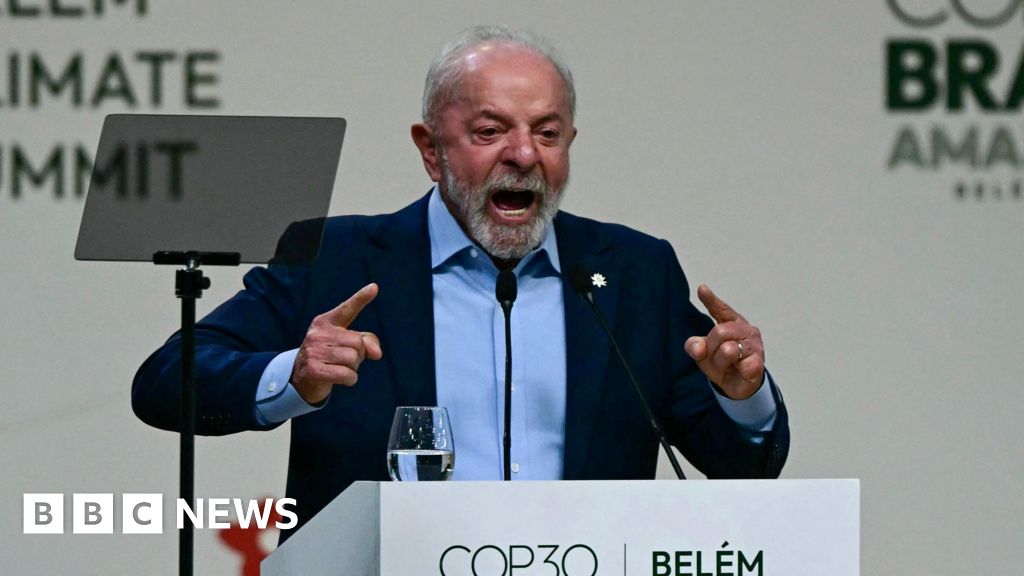
Belém, Brazil—As the COP30 climate summit unfolds amidst unprecedented global chaos, the world’s most influential nations are diverging sharply on how to address the existential threat of global warming. With President Lula da Silva warning of “extremist forces” fabricating fake news to condemn future generations to a planet forever altered by climate change, the summit is rapidly transforming into a battleground of conflicting narratives and geopolitical interests. Despite his passionate plea, the summit witnesses a perplexing retreat from collective action, with many leading nations conspicuously absent and even the host country’s flagship initiatives facing withdrawal. As given by international analysts, such divisions threaten to undermine any meaningful progress, leaving the world on a perilous trajectory toward climate chaos.

The absence of key players—the United States, Russia, China, and India—casts a long shadow over global consensus on climate policy. President Trump’s dismissive stance—calling climate change “the greatest con job”—has reverberated through diplomatic corridors, emboldening skeptics and delaying decisive action. Meanwhile, UK Prime Minister Sir Keir Starmer openly acknowledged that the once-unified support for climate initiatives has frayed, lamenting that “today, however, sadly that consensus is gone.” Such statements starkly highlight how internal political shifts and *geopolitical conflicts* are fueling a dangerous impasse. At the heart of the negotiations lies the critical question of how to fund climate mitigation efforts, particularly in defending vital rainforest ecosystems that act as “the planet’s lungs,” as experts like environmental historian Dr. Alan Smith emphasize. Yet, the UK’s decision to withdraw from the $125 billion rainforest protection fund—despite its earlier leadership—underscores a betrayal of international commitments.

As the summit progresses, the tone remains urgent but fractured. The rainforests cover a mere 6% of the Earth’s landmass but hold half of the planet’s species and billions of tons of carbon. The Prince of Wales and other observers warn that failure to protect these ecosystems risks pushing future societies toward ecological collapse. Prince William called for “urgent optimism,” urging nations to rise above their differences and act—yet the reality on the ground tells a different story. Destructive weather events—like Hurricane Melissa, which caused catastrophic damage across the Caribbean—serve as sobering reminders that climate impacts are already claiming lives and destroying communities. Scientists at Imperial College have warned that climate change heightened the rainfall from Hurricane Melissa by 16%, exposing the catastrophic potential of continued inaction. The question remains whether this summit will be remembered as a turning point or merely another chapter in the relentless saga of diplomatic stalemate.

Historically, these international rifts serve as a stark warning for future generations. Academics like Dr. Maria Lopez argue that the decisions made in Belém could either be a testament to humanity’s resolve or a lamentable capitulation. The unfolding story of COP30 is a testament to the ongoing struggle between geopolitical self-interest and the moral responsibility to safeguard our planet’s future. As history writes its next chapter, the world must reckon with the fact that the decisive moments of this summit—and perhaps the century—are now in the making. The shadow of this generation’s decisions will linger long after the final declaration, shaping the scarred landscape of history itself.

Rising Stars Shine in Thrilling Youth Sports Showcase!

Dowdle’s Touchdown Celebration Costly for Panthers

In an unexpected twist surrounding the excitement of their recent victory, the Carolina Panthers running back Rico Dowdle has found himself in the headlines, not just for his on-field performance, but also due to a hefty fine incurred from a celebratory moment during the game. Following the Panthers’ victorious clash against the Green Bay Packers, Dowdle’s “two-pump” touchdown celebration has been deemed excessive, resulting in a fine of $14,491.

Game officials and league commentators were swift to respond, noting that the NFL has become increasingly strict about celebrations deemed as excessive. As one commentator stated, “The NFL isn’t just a game; it’s a business, and their business model includes maintaining a level of decorum.” Despite this hefty price tag on his celebration, Dowdle’s performance remains commendable, emphasizing what athletes are willing to sacrifice for the joy of the game.

  • Game Performance: Dowdle managed to deliver a key performance with impressive yards and critical touchdowns.
  • Fan Reactions: The fans showed overwhelming support, quickly rallying behind Dowdle and using social media to express their discontent regarding the fine.
  • Future Implications: Coaches like Matt Rhule have emphasized the importance of maintaining team spirit, even amidst penalties.

While the fine may seem excessive, it shines a light on a broader narrative shaping today’s sports culture. Dowdle’s determination to celebrate a well-earned touchdown highlights the spirit of competition that drives professional athletes. As Dowdle stated post-game, “I play to win, and I play to have fun. Celebrating is a part of that joy.” Yet, this incident serves as a reminder that the joy of sport is often tangled with strict regulations aimed at preserving the integrity of the game.

However, despite the financial penalty, the camaraderie and excitement among teams and fans show that the spirit of sports transcends purely numerical outcomes. As the final whistle echoes and the scoreboard reflects the outcome, it is the passion and unity fostered in these games that truly resonate with both players and fans alike. Sports are not just about wins or losses but about bringing together communities and igniting a collective passion for the game, making it an unparalleled force in our society.

Source link

Modi's Party Battles Key Election Fight in India’s Youth Heartland
Modi’s Party Battles Key Election Fight in India’s Youth Heartland

India’s Bihar Election: A Landmark Moment in the Geopolitical Arena

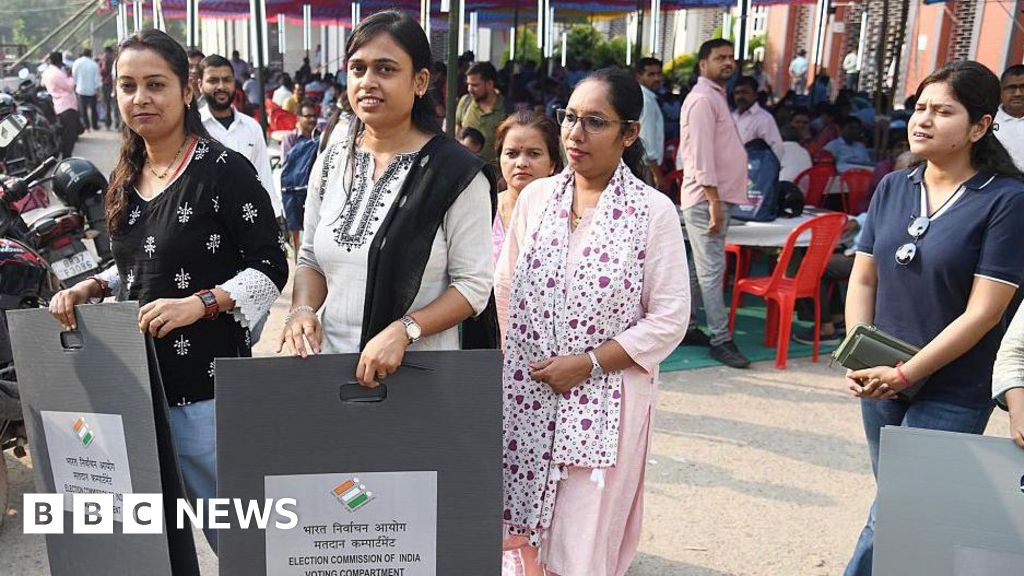
As the eastern state of Bihar prepares for its critical electoral showdown, the nation watches with bated breath, recognizing that the outcome is more than a regional contest—it is a barometer for broader geopolitical trends. With over 74 million eligible voters, the election sets the stage for a pivotal shift that could influence India’s national direction, especially in how it consolidates power amidst internal divisions and external pressures. The recent voting process, marked by the first phase in Bihar, exemplifies the intense political jockeying that continues to define India’s democracy, where every vote carries implications not just for local governance but for the global standing of a nation aspiring to regional dominance.

Amid accusations of electoral roll revisions skewed to favor the ruling Bharatiya Janata Party (BJP), the election exposes underlying tensions that extend well beyond Bihar’s borders. Critics, including opposition parties, accuse India’s Election Commission of disenfranchising genuine voters—particularly among marginalized groups—and thus skewing the democratic process. In contrast, the BJP and the Election Commission maintain that the exercise ensures electoral integrity. This controversy underscores a broader question about how internal decisions within India influence the nation’s image on the international stage, especially as global institutions scrutinize its commitment to fair democratic practices. Analysts have noted that the legitimacy of these elections will have lasting effects on India’s internal coherence, affecting its economic stability and diplomatic credibility among allies and rivals alike.

Historical Leaders and Future Uncertainty

The political landscape in Bihar remains intertwined with historic figures whose influence has shaped the state’s ongoing saga of political rivalry and social change. Names such as Nitish Kumar and Lalu Prasad Yadav echo through decades of Bihar’s turbulent politics. Kumar, a veteran leader, has been a guiding force, often aligning with national narratives to bolster Bihar’s development agenda, notably aiding the BJP’s push into federal power following the 2024 general elections. Conversely, Yadav, once a charismatic champion of marginalized castes, now faces legal challenges, yet his political progeny continue to vie for dominance—most notably his son Tejashwi Yadav, who is being projected as the opposition’s key candidate. This generational shift marks a potential turning point; leaders in declining health hint that Bihar’s current political order could soon give way to new faces, thus altering the socio-political fabric of the region.

International observers and historians warn that the possible end of these political dynasties does not only signify a local change but may herald a redefinition of Bihar’s role in India’s larger geopolitical calculus. As analysts from institutions such as the United Nations Development Programme and *noted* Indian political historians suggest, the consolidation or fragmentation of Bihar’s political landscape could influence India’s national unity, economic policy, and its capacity to project power in South Asia. The delicate balance maintained by these aging political titans is now under threat, raising questions about how India will manage internal stability as it seeks a more assertive role on the global stage.

Choices that Reshape the Future

The unfolding election has also become a battleground of ideas, with a fresh entry—the Jan Suraaj Party led by Prashant Kishor—signaling a new wave of political engagement driven by young voters. His campaign represents a broader shift, emphasizing the importance of youth participation and fresh perspectives. Meanwhile, the controversy over voter list revisions, which saw millions of names removed—including many Muslim voters—raises serious questions about India’s democratic trajectory. Critics argue this dilutes the voice of the marginalized, while supporters contend it refines electoral fairness. Regardless, the outcome depends heavily on the urban and female voters, whose rising participation could tip the scales in favor of change or re-stabilization.

As the counting approaches on November 14th, the world must recognize that Bihar’s election is more than a regional event; it is a crucial chapter in the wider story of India’s evolution as a global power. The choices made within those voting booths resonate far beyond India’s borders, influencing regional alliances, economic partnerships, and the broader struggle for influence in a multipolar world where every political shift can alter the balance of power. *The unfolding drama of Bihar’s future, written in the quiet act of casting a ballot, echoes through history’s corridors—reminding us that the destiny of nations is shaped by moments of decisive change, often buried within millions of individual voices.*


Trump Reendorses Jared Isaacman as Nasa Head, Highlighting Youth Leadership

In a move that underscores the shifting sands of international influence, President Donald Trump has officially announced the renomination of Jared Isaacman to lead NASA, marking a dramatic reversal after withdrawing his initial nomination just five months prior. The billionaire entrepreneur, with deep ties to SpaceX founder Elon Musk, embodies a new breed of leadership poised at the intersection of private enterprise and government space exploration. His appointment, which now awaits Senate confirmation amidst a backdrop of political uncertainty and a still-shuttered federal government, signals a potential pivot toward more adventurous, privately-backed space initiatives—an approach that could redefine national priorities and the geopolitical landscape of space endeavors.

Isaacman’s burgeoning reputation as a risk-taking innovator in the space sector is as much about his personal trajectory as it is about the shifting strategies of global powers vying for dominance beyond Earth’s atmosphere. The 42-year-old, worth an estimated $1.9 billion, made headlines as the first non-professional astronaut to walk in space last year in a mission bankrolled by his own resources. His previous association with Musk, coupled with his passion for exploration, represents a broader geopolitical shift where public-private partnerships threaten to challenge the traditional dominance of state-sponsored agencies. Historians like Dr. Karen Matthews, author of “Space Race Redux,” argue that this transition to entrepreneurial leadership could alter the balance of power in space exploration, prompting some nations to reconsider their own ambitions in the final frontier.

This renewed focus on commercial and private sector involvement influences more than just technological advancements; it also bears significant geopolitical implications. With the United States increasingly integrating private actors into its space policy, rivals such as China and Russia are prompted to accelerate their own missions, potentially fueling a new Cold War on the cosmic scale. Meanwhile, U.S. allies watch keenly as the Biden administration continues to emphasize international cooperation, even as it navigates the complex politics surrounding Isaacman’s controversial ties and the broader industry’s future. Analysts from the International Space Policy Institute warn that such shifts could lead to a fragmented, competitive space realm—one where national security interests and commercial ambitions collide, shaping the future of humanity’s outer-space presence.

As NASA prepares to embrace a leadership that blends private initiative with federal oversight, the event underscores a critical juncture—an era where international diplomacy, technological innovation, and economic interests converge with the weight of history. The story of Isaacman’s rise from a high-school dropout to a potential space agency leader captures the spirit of a new generation eager to push bold frontiers. But the access to such high-stakes ventures also portends a future fraught with uncertainty, where international treaties and longstanding alliances may be challenged or reshaped. The unfolding drama reminds the world that the true frontier is not just the vastness of space, but the battle for global influence and sovereignty—an eternal struggle that continues to write itself into the cosmic chronicle, shaping the destiny of nations amidst the silent, relentless expanse of space.

Rising Stars Shine in Thrilling Youth Championship Showdown

Transfer Uncertainty Surrounds Vinícius Júnior at Real Madrid

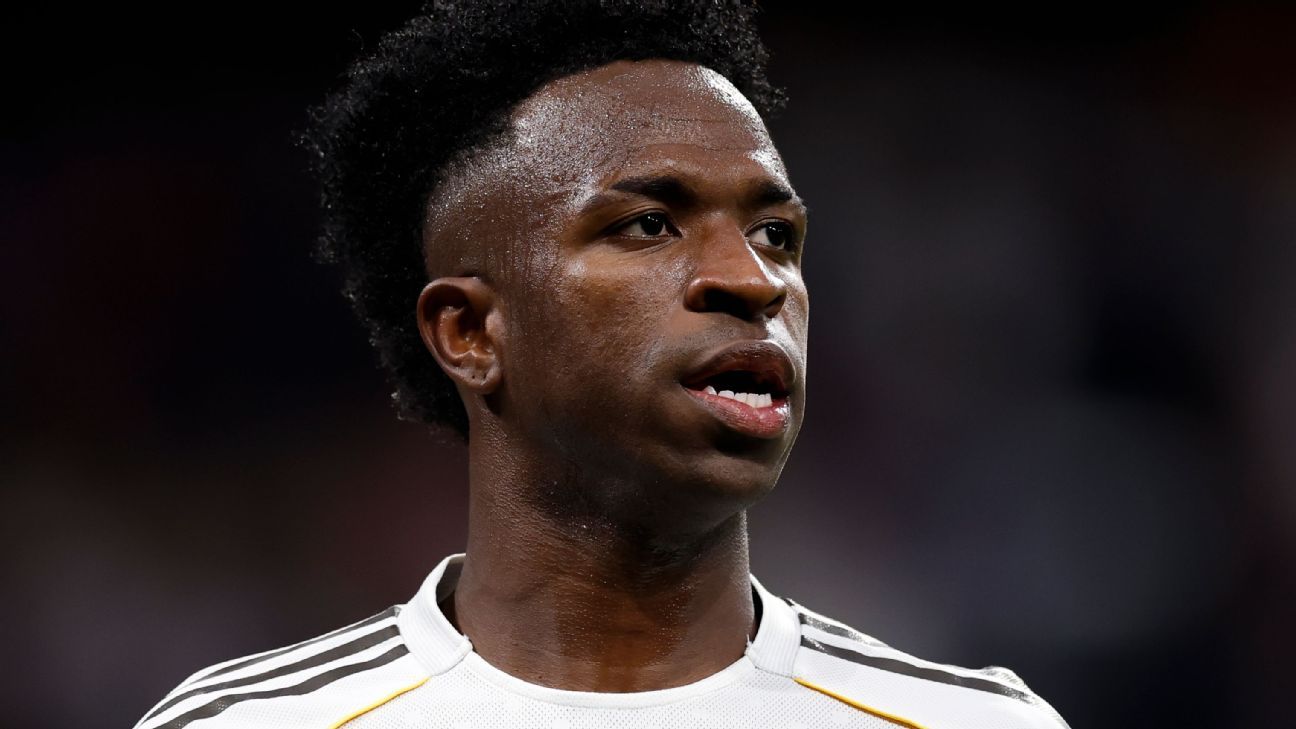
In the ever-evolving landscape of football, transfer rumors are as common as the games themselves. Currently, all eyes are on Vinícius Júnior, the Brazilian forward who has become a key player for Real Madrid. Recent reports indicate that his future with the club could be in jeopardy as transfer speculation heats up, sparking debates among fans and analysts alike.

According to Transfer Talk, discussions surrounding Vinícius Júnior‘s potential departure from the club have gained traction recently. While his performances on the pitch have made him a fan favorite, the financial realities of the sport may force Real Madrid to consider selling their star player. Coach Carlos Ancelotti recently remarked, “Every player has a price. The board’s decisions are often driven by the club’s financial goals.” These words highlight the precarious balance between sporting success and financial sustainability that clubs must navigate.

The speculation has led to mixed reactions among the football community. Analysts emphasize that losing Vinícius Júnior would not merely impact the team on the pitch but would also influence their brand and marketability. Commentator Fernando Palomo noted, “He is not just a player; he is an asset. Real Madrid’s global reach depends significantly on stars like him.” This sentiment reflects a nuanced understanding of the multi-faceted role that athletes play in the modern game.

  • Vinícius Júnior scored 20 goals last season, illustrating his critical role in the team’s offensive strategy.
  • The young forward has made 60 appearances for Real Madrid, solidifying his status as a vital part of the squad.
  • Speculation suggests that top clubs across Europe are monitoring his situation closely.

As the transfer window approaches, the pressure is mounting not only on Vinícius Júnior but also on Real Madrid as they consider their next steps. Regardless of where he lands, one thing remains clear: the world of sports serves as a powerful unifier, transcending the numbers on the scoreboard. It brings fans together, stirs emotions, and creates legacies that persist long after the final whistle. In this ever-shifting arena of talent and ambition, the true measure of success often lies not in the transfer fees but in the way athletes inspire and unite their supporters across the globe.

Source link

English schools to teach mortgages and AI—preparing youth for a stronger, self-reliant future

Society in Transition: How Modern Educational Reforms Reflect Broader Social Issues

In recent developments, the British government has embarked on an ambitious overhaul of the national curriculum in England, signaling a profound effort to adapt education to the demands of a rapidly changing society. Integrating lessons on financial literacy, AI, misinformation, and climate change, these reforms aim to equip younger generations with essential skills for navigating an increasingly complex world. As Hazel Shearing reports, the focus on preparing students for future economic realities—such as understanding mortgages and budgeting—underscores a pressing societal need to foster financial independence among youth. This initiative recognizes that what children learn today shapes the moral and economic fabric of tomorrow’s families and communities.

The Societal Roots of Educational Change

The revised curriculum reflects more than mere academic updates; it reveals *a societal recognition of the persistent inequalities and cultural shifts shaping social fabric*. Sociologists like Prof. Becky Francis emphasize that these modifications are part of an evolutionary step towards addressing disparities that tend to widen during the transition from primary to secondary education. The aim is to mitigate the attainment gaps faced by disadvantaged children, whose educational trajectories are often hampered by a lack of early support and resources. Yet, critics warn that structural barriers—such as insufficient funding and teacher shortages—may undermine these well-intentioned reforms. Families and communities are deeply affected by educational quality, with gaps in achievement translating into future opportunities or the lack thereof.

Cultural Tensions and the Education Debate

Notably, the review also tackles the contentious issue of cultural representation. While proponents argue that expanding curriculum diversity acknowledges *a global and historical truth*—highlighting contributions from various backgrounds—others, including Shadow Education Secretary Laura Trott, contend this risks weakening the core of national identity. Trott’s critique echoes a broader societal tension: should education prioritize foundational cultural knowledge or foster a more inclusive portrayal of our shared history? Historian David Cannadine notes that such debates are central to understanding how society constructs its identity amid demographic diversification. The government’s decision to exclude some recommendations—such as scrapping the English Baccalaureate (EBacc)—raises questions about whether the focus remains on raising standards or diluting core academic pursuits.

The Road Ahead: Hope and Challenge

Amid the debate, social commentators recognize the potential for education to become a catalyst for societal rejuvenation. As Pepe Di’Iasio from the Association of School and College Leaders notes, meaningful reform requires adequate resources and committed teachers, emphasizing that education is the backbone of community resilience. The challenge remains: how do we foster a society where families, schools, and communities work collectively to uphold high standards while adapting to new cultural realities?

The societal journey set before us is complex and arduous, yet filled with hope—a hope rooted in the belief that education can be the vessel for societal transformation. As society wrestles with its identity and future, the resilience of communities lies in their ability to adapt, nurture, and forge ahead. The story of our times is not just defined by policies or curriculum changes, but by the enduring human spirit to build a society where every child is given the opportunity to thrive and contribute to the collective good. Society’s greatest challenge remains: to ensure that these educational reforms translate not merely into policy, but into a future where hope blooms amidst the shadows of uncertainty.

Social Media Auto Publish Powered By : XYZScripts.com