Matox News

Truth Over Trends, always!

Next Gen Stars Shine: Future of Sports Unfolds in Thrilling Youth Championships

Bulls Face Early Challenge with Coby White’s Injury

As the Chicago Bulls gear up for their regular-season opener against the Detroit Pistons on Wednesday, they are facing a significant setback with the announcement that guard Coby White will be sidelined for at least two more weeks due to a right calf strain. This news was confirmed by the team’s coaching staff on Monday, leaving fans and analysts alike concerned about the implications for the Bulls’ season start.

White’s absence is a considerable loss for the team, especially as they look to establish momentum early in the season. The young guard had shown great promise in the preseason, displaying quick scoring abilities and a sharp playmaking instinct. Coach Billy Donovan expressed optimism about White’s recovery, highlighting that the focus remains on ensuring the guard’s long-term health. Donovan stated, “We want Coby to be fully conditioned and ready to contribute. Rushing him back could jeopardize his entire season.” This cautious approach highlights the importance of player health in a demanding league.

With White out, the Bulls will need to rely heavily on their depth. Key contributors like Zach LaVine and DeMar DeRozan must step up to fill the scoring void. Both players are primed for a big season, and the spotlight will be on them in the absence of their fellow guard. Additionally, the team’s defense will be crucial in these early games, as they look to build a foundation without one of their key offensive pieces.

  • Coby White officially out for at least two weeks.
  • Coach Billy Donovan emphasizes the importance of long-term player health.
  • Zach LaVine and DeMar DeRozan expected to take on more responsibility.

As the Bulls take the court against the Pistons, the stakes are high, and the pressures of early-season competition are palpable. Yet, despite the absence of Coby White, there lies a greater narrative that transcends wins and losses. Sports unite us, reminding fans that even in the face of adversity, teams rally together. The energy in the arena, the roar of the crowd, and the spirit of competition all converge, personifying the essence of sportsmanship and camaraderie. This season, the Bulls may find that while the scoreboard holds significance, the heart of the game is truly the unwavering support of their fans and the resilience within their roster.


Source link

Limited-Time Alert: The Drinks Bureau Drops Donut-Flavored Cocktails — Jam Doughnut Daiquiri Taking Youth Trends by Storm!

In a world where convenience often dictates our choices, a new beverage has emerged that resonates deeply with the younger generation’s desire for both indulgence and innovation. Enter the Jam Doughnut Daiquiri, a novel canned cocktail recently introduced by The Drinks Bureau in the UK. This trendy libation is not just about flavor; it’s about rethinking what a modern cocktail can be in a fast-paced society. Combining the familiar sweetness of jam doughnuts with the sophistication of a daiquiri, this drink exemplifies how contemporary trends are blurring the lines between culinary comfort and high-end mixology.

This phenomenon is more than just a quirky flavor mashup; it is a reflection of how young consumers are redefining social and cultural norms. The Cultural Impact of such innovations lies in their ability to act as conversation starters and symbols of a shift towards more adventurous drinking experiences. Influencers and social media platforms have played a crucial role in amplifying this trend, with many young trendsetters showcasing their taste tests and unabashedly embracing products that challenge traditional notions. As sociologist Dr. Lisa Monroe notes, these trends are emblematic of a broader movement where self-expression and individuality take center stage, often through the consumption of bold, unconventional products.

Moreover, the Jam Doughnut Daiquiri taps into the nostalgia-driven consumer behavior that is dominating the lifestyle landscape of Gen Z and Millennials. According to trend analysts, nostalgia is a powerful driver for modern consumerism, especially when combined with innovative presentation. This beverage is not just about flavor but about making a statement—about embracing a playful yet sophisticated identity that aligns with youth’s hunger for novelty and authenticity. Top influencers, such as cocktail mixologists and lifestyle icons, are championing these products, helping to cement their status in the social zeitgeist. In this context, the shift is clear: consumers are seeking products that are not only enjoyable but contain a deeper social and cultural narrative.

Yet, beneath its playful exterior, the introduction of drinks like the Jam Doughnut Daiquiri prompts an intriguing question about the future. Will this trend of flavor fusion and experiential drinking continue to evolve, or is it a fleeting moment in the broader landscape of lifestyle innovation? Analysts suggest that the next stages of this movement might see even more daring combinations—perhaps merging street food culture with high-end craft beverages or leveraging emerging technologies such as augmented reality to enhance the drinking experience. As young audiences increasingly seek meaning and identity in their consumption choices, the question becomes: what will be the next flavor frontier that captures the cultural zeitgeist and redefines social interaction?

October’s Hottest Footwear: From Retro Split-Toes to Eco-Friendly Modular Sneakers—The Top 50 Shoe Trends Taking Over for the Youth

In an era where personalization and social responsibility are reshaping consumer habits, the footwear industry is undergoing one of its most exciting evolutions yet. The latest October 2025 shoes showcase a fascinating blend of imagination, sustainability, and utility, reflecting the shifting values of a new generation eager to define their identity through what they wear. From modular sneakers designed by innovator Daniyar to high-tech, eco-conscious materials, the trend encapsulates more than just fashion—it signals a cultural shift towards versatility and environmental mindfulness.

These shoes are pushing traditional boundaries: a modular sneaker, for example, allows users to customize and adapt their footwear for different occasions—whether it’s a quick change for fitness, work, or leisure. Influencers and fashion-forward youth are increasingly drawn to this flexibility, not merely for style, but for a statement of independence and ingenuity. Sociologists point out that this trend resonates with a broader societal push for personal agency—modern consumers refuse to accept one-size-fits-all solutions, especially when it comes to everyday essentials like shoes. As noted by trend analyst Lena Morrison, “these shoes blur the line between fashion and function, emphasizing empowerment and sustainability through their modular design.”

Moreover, the emphasis on sustainable materials is now a dominant theme in this footwear revolution. The shoes spotlighted in the October roundup feature innovative fabrics that prioritize recyclability and eco-efficiency, making consumers more conscious of their environmental impact. This surge in green sneakers is in harmony with a wider cultural movement: a realization that fashion can be a force for activism. Brands are responding with initiatives like upcycling old sneakers, employing biodegradable components, and adopting transparent supply chains—measures that appeal to young, socially aware buyers. The cultural impact here extends beyond mere aesthetics; it challenges the industry to rethink what it means to be responsible, stylish, and forward-thinking all at once.

Another profound element of this trend is how it influences social dynamics and identity formation among youth. The social relevance of these innovative shoes is evident in how they serve as markers of belonging and differentiation within diverse communities. Influencers, such as TikTok creators and Instagram fashion icons, are showcasing these shoes not only as commodities but as symbols of a broader narrative—one that advocates for individuality, sustainability, and tech-driven innovation. As Dr. Marcus Lee, a sociologist specializing in consumer culture, suggests, “these shoes are becoming a visible manifesto for a generation determined to reshape societal values through what they wear.”

Yet, as with all groundbreaking trends, a compelling question remains: does this focus on modularity and sustainability signal a permanent shift, or is it just a passing phase? Will these shoes lead to a more profound transformation in how society perceives personal style and environmental responsibility? The next chapter’s story might hinge on how this blend of technology, social consciousness, and expression continues to evolve. For now, one thing is clear—this trend has redefined what it means to step forward into the future, and the real question is: what will the next big innovation be, and how will it influence the cultural tapestries we weave?

Top Bath Towels in the US: From Plush Comfort to Fast-Drying Picks for the Modern Youth | Life & Style

In an era where lifestyle choices increasingly emphasize wellness, quality, and meaningful experiences, the humble bath towel is experiencing a subtle yet significant renaissance. This shift underscores a broader cultural movement towards personal impact—not just in health and leisure, but in creating daily routines that resonate with intentionality and value. From the soaring popularity of premium brands to minimalist innovations, the focus now is on investing in products that truly enhance comfort and inspire a sense of luxury, no matter the budget.

Leading the charge in this perception of elevated self-care are brands like Parachute and Brooklinen, which are redefining what we expect from everyday essentials. These companies are tapping into the renaissance of slow living and wellness by offering bath towels crafted from Turkish cotton—long fibers that promise excellent absorbency and plushness. Detailed product testing reveals that these towels—such as the Parachute Organic Super Plush—not only exceed conventional standards in thickness but also perform admirably in absorbing water without feeling damp, giving users a tangible sense of luxurious self-care. Such products do more than dry—they foster a sense of personal impact, making the act of drying off a moment of quiet indulgence rather than a mundane chore.

But the trend extends beyond just quality. Consumers are now more conscious of the **lifecycle of their products**, seeking options that combine durability and economic value. Companies like Brooklinen and Costco have pioneered towels that strike this balance, offering dense, quick-drying options that don’t sacrifice style for function. The Brooklinen Super-Plush towels, for example, feature vibrant colors and a dense weave rated at 820 grams per meter, making them a statement piece in any bathroom while delivering on practicality. Meanwhile, the Costco Charisma 100% Hygrocotton Towel exemplifies accessibility, providing quality at an affordable price, thus empowering consumers to make choices aligned with their values of sustainability and cost-effectiveness.

Lifestyle As Investment

True shifts in living are about embodying values and recognizing that the products we surround ourselves with directly impact our health, leisure, and inspiration. As wellness experts like Dr. Michael Breus underscore, everyday routines—such as drying off with an ideal towel—are part of a broader strategy for mental and physical well-being. Carefully selected, high-quality towels offer more than just comfort; they foster a culture of intentional self-investment. It’s about embracing a lifestyle where every action, from the moment you step into the shower to the final wrap of a plush towel, is calibrated to bolster your personal impact and reinforce your values—be it sustainability, craftsmanship, or simple everyday luxury.

  • Tip: Opt for towels with long fibers like Turkish cotton for superior absorbency and longevity.
  • Hack: Reduce your washer’s spin speed to prolong the life of dense, plush towels, balancing durability with softness.
  • Insight: Don’t underestimate the power of a towel—it’s a detail that communicates your overall lifestyle ethos.

The Journey Continues

In the end, lifestyle is a continuous journey—an embracing of wellness, quality, and self-impact that extends beyond accessories to shape our habits and priorities. Whether you choose a feather-soft Turkish towel, a vibrant set that livens your bathroom, or a practical quick-dry option for on-the-go, each choice reflects a conscious step toward living intentionally. As Douglas Adams humorously pointed out, the simple act of carrying a towel symbolizes preparedness and adaptability—virtues that resonate on a personal and cultural level. When viewed through this lens, every glowing thread and absorbent fiber become a testament to the power of small, deliberate decisions—each one paving the way toward a more fulfilling, self-aware life.

How America is Reclaiming Its Youth and Turning the Tide on the Drug Crisis

Revitalizing America’s Approach to the Opioid Epidemic: A Shift Toward Harm Reduction and Personal Empowerment

Despite a harrowing history of drug-related deaths driven by the deadly synthetic opioid fentanyl, recent developments across the United States showcase a significant turning point. A combination of innovative harm reduction strategies, comprehensive treatment programs, and community-driven initiatives have contributed to a surprising 25% decrease in overdose fatalities in 2024. States like North Carolina are leading this transformative movement, proving that the pathway to recovery can be multifaceted—centered not just on abstinence, but also on saving lives and fostering resilience.

One of the pivotal elements in this recovery revolution has been the embraced philosophy of harm reduction. Unlike traditional policies that criminalize drug use, harm reduction prioritizes the health and well-being of individuals. Programs such as the Law Enforcement Assisted Diversion (LEAD) in Fayetteville demonstrate how law enforcement agencies are working directly with community organizations to divert individuals from the criminal justice system into support networks that offer treatment, housing, and employment assistance. “Getting people the services they need not only saves lives, but also rebuilds communities,” explains Lt. Jamaal Littlejohn, whose own sister once struggled with substance use disorder. This approach recognizes that personal impact—including mental health, economic stability, and sense of purpose—are essential components of sustainable recovery.

At the heart of these efforts lies accessible, medication-assisted treatment (MAT). Clinics like the Morse Clinic in Raleigh operate with precision, providing medications like methadone and buprenorphine that drastically reduce cravings and withdrawal symptoms. The perspective shared by Dr. Eric Morse highlights a nuanced understanding: while patients might still test positive for illicit opioids, their changed risk landscape—playing what he calls “Russian roulette with fewer bullets”—significantly boosts survival odds. For individuals like Kayla, who once felt trapped in prostitution and homelessness, these treatments have meant a second chance. Her journey from fentanyl addiction to becoming a certified nurse assistant exemplifies how personalized treatment, combined with community support, can catalyze life-changing personal impacts.

Beyond medication, lifesaving tools such as the naloxone nasal spray have played a critical role in reversing overdoses—potentially saving thousands of lives annually. Dr. Nabarun Dasgupta describes naloxone as an almost “miracle drug,” accessible and simple to administer, making it a frontline defense in the ongoing battle against overdose deaths. However, experts warn of the gaps in drug testing, as not all dangerous substances are detectable, emphasizing the importance of comprehensive harm reduction strategies. Author and wellness advocate Johann Hari reminds us that recovery isn’t solely about abstinence; it involves addressing underlying social, economic, and emotional factors that fuel addiction. As policies evolve, the emphasis is shifting toward empowering individuals, recognizing that life isn’t simply a moral failing but a complex journey of resilience.

Undoubtedly, this generational shift signals hope—especially as data indicates Generation Z is less affected by overdose fatalities compared to previous generations. Fueled by awareness, targeted interventions, and a collective refusal to accept death as an inevitability, communities are redefining what it means to heal. Yet, challenges remain, particularly concerning **federal funding**, which threatens to undo progress if programs like Medicaid are compromised. The inspiring progress in North Carolina offers a compelling reminder: when public policy meets community action and personal agency, there’s a promising future beyond the darkest days of America’s opioid crisis.

  • Embrace evidence-based harm reduction policies that prioritize life over stigma.
  • Support community programs offering treatment, housing, and employment to foster sustainable recovery.
  • Recognize the power of personal stories as catalysts for societal change and empathy.
  • Stay informed and advocate for policies that sustain lifesaving tools and funding for treatment programs.

As the nation writes a new chapter in its battle against addiction, the stories of Kayla, Charlton, and countless others remind us that recovery is a journey—marked not just by overcoming substance use, but by rediscovering purpose, hope, and a renewed sense of life. In the end, lifestyle becomes a conscious choice to embrace resilience and conviction, turning the page toward a future where every life is worth fighting for.

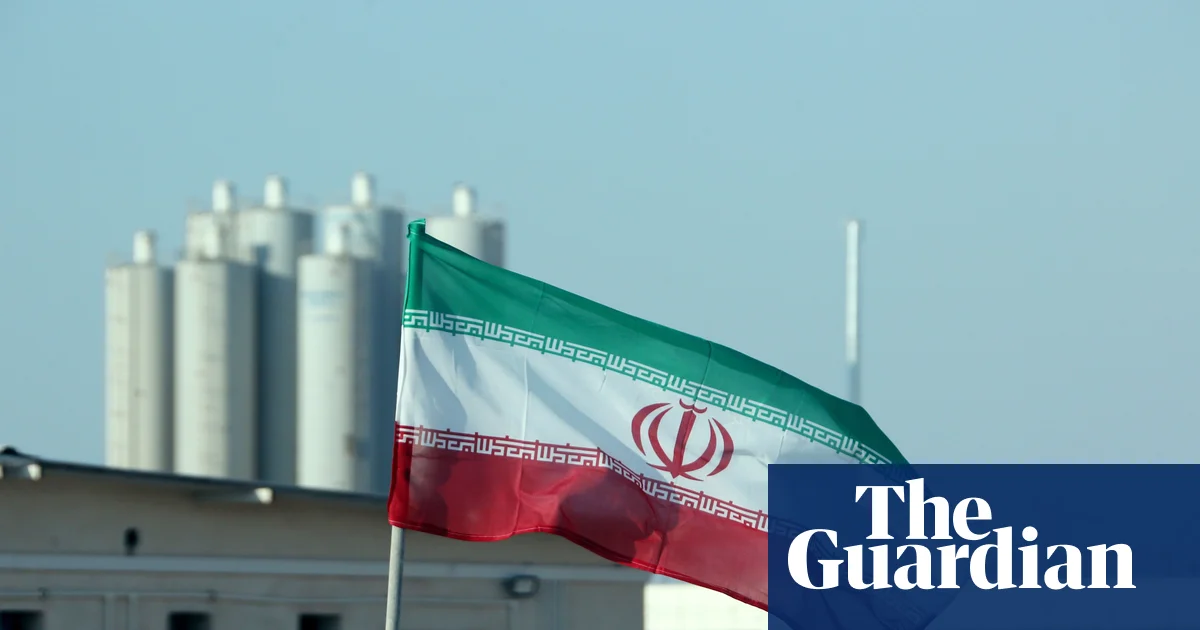
Iran Ends Deal, Signals New Nuclear Stance—What Youth Should Know

Global Shifts Shake Foundations of Middle East Stability as Iran Ends Nuclear Agreement

The end of the 2015 Joint Comprehensive Plan of Action (JCPOA) by Iran marks a decisive turning point in international diplomacy and security. After years of diplomatic stalemate, Tehran announced on Saturday that it was no longer bound by the agreement—an accord originally aimed at curbing Iran’s nuclear ambitions in exchange for eased sanctions. This move signals a potential escalation in regional tensions and sets the stage for a new, unpredictable phase in global geopolitics.

Signed in Vienna by Iran, China, Britain, France, Germany, Russia, and the United States, the JCPOA was heralded as a diplomatic triumph promising peace after long-standing hostility. Yet, years of US withdrawal, European diplomatic failures, and regional conflicts have eroded hopes for its revival. After a series of confrontations—including deadly bombings in Iran attributed to Israel and the US—the agreement’s collapse is seen by many analysts as an irreversible step toward renewed nuclear proliferation risks.

Geopolitical Impact of the Deal’s End

The snapping back of UN sanctions under Article 41 of the Security Council resolution 2231—triggered after Iran’s refusal to cooperate with nuclear inspectors—materialized a stark warning: the international community’s collective efforts to prevent nuclear proliferation are unraveling. Most notably, this re-imposition of sanctions effectively circled back to the deal’s termination, opening a perilous new window of uncertainty.

  • Iran’s immediate response was to cease all compliance with nuclear restrictions, claiming the agreement has been effectively nullified.

Western powers, led by Britain, France, and Germany, continue to advocate for diplomatic solutions, even as they reimpose sanctions in a clear show of strength and resolve. Their joint statements explicitly mention a desire to seek “a new diplomatic solution,” aiming to confine Iran’s nuclear pursuits without resorting to military action. However, critics warn that such gestures may be too little, too late, as regional instability intensifies and Iran’s own nuclear ambitions accelerate.

How Decisions Shape Societies and Nations

The escalation of tensions has far-reaching consequences for global security, economic stability, and regional alliances. The United States, under President Donald Trump, zeroed in on maximum pressure, attempting to isolate Iran through crippling sanctions meant to choke its economy. Yet, these strategies risk pushing Iran into the arms of China and Russia, potentially establishing new spheres of influence that could undermine Western dominance in the Middle East. International organizations, like the IAEA, now face a more complex challenge to monitor Iran’s nuclear activities amid rising distrust.

According to military analysts and historians, Tehran’s refusal to cooperate after the deal’s collapse is both a response to the sustained pressure and a calculated move to leverage its nuclear program as a geopolitical bargaining chip. The European Union and United Nations find themselves at a crossroads: pursue diplomatic negotiations or face the consequences of uncontrolled proliferation. The stakes have never been higher, and the weight of history suggests this crisis could redefine the balance of power for decades to come.

In the Shadow of the Future

As Iran prepares to mark termination day at the UN in New York, the world stands on the precipice of what many experts dread as a “new nuclear age.” The decisions made today will resonate through history, shaping the contours of international relations and national security for generations. The unfolding story—marked by failed diplomacy, mounting mistrust, and strategic resilience—underscores the profound truth that the past is prologue, and the future remains an uncertain chapter yet to be written. The pages are turning rapidly, and only time will reveal which path leads to lasting peace or chaos.

Barnaby Joyce's resignation fuels talk of a One Nation shift, stirring youth debate
Barnaby Joyce’s resignation fuels talk of a One Nation shift, stirring youth debate

Global Salvo: Australia’s Political Realignment Sparks International Reflection

In a development poised to send shockwaves through the Australian political landscape, Barnaby Joyce, a prominent figure within the National Party, has announced his intention to exit the party. This move, reportedly driven by internal conflicts and ideological disagreements, signals a potential shift of one of the country’s most influential conservative leaders onto the crossbench—or even into the ranks of One Nation, Australia’s far-right populist party. The ripple effects of such a decision extend beyond national borders, challenging traditional political alliances and raising questions about the future of Australia’s domestic and foreign policy orientations.

The geopolitical impact of Joyce’s possible defection is multifaceted. Historically, Australia’s political cohesion has been a cornerstone of its stability and its strategic alignment with the United States and the West. However, this potential shift hints at mounting factional tensions within the conservative bloc, especially surrounding the contentious issue of climate policy and economic sovereignty. Joyce, long known for his vocal opposition to net zero by 2050 commitments, has campaigned furiously against renewable energy projects, positioning himself as a champion of traditional industries and core conservative values. Analysts warn that his departure from the Nationals could embolden similar populist voices, weakening Australia’s capacity to present a unified front on global issues such as climate change, regional security, and trade alliances.

International organizations and geopolitical analysts caution that such internal political fractures risk undermining Australia’s reliability as a key ally in the Indo-Pacific. John Mearsheimer, a leading realist scholar, notes that internal political instability can lead to unpredictable foreign policy decisions, which adversaries like China and Russia might exploit. Moreover, the potential realignment towards One Nation—which has a more skeptical stance on multiculturalism and foreign alliances—could impact Australia’s diplomatic posture, especially in the context of its longstanding security pacts with the US and regional partners.

Within Australia, the controversy has ignited debates about the direction of conservatism and the influence of populist parties. Pauline Hanson, leader of One Nation, has openly welcomed Joyce, fostering speculation about a broader political realignment that could sway upcoming elections. Historians warn that such shifts reflect a broader trend of polarization and fragmentation in Western democracies, undermining the bipartisan consensus that historically guided international engagement. As the nation teeters on the brink of unprecedented political change, the world watches—some in concern, others in anticipation—asking whether this is the beginning of a new chapter or the unraveling of longstanding alliances.

Every decision in this unfolding story narrative carries the weight of history—choices that could redefine Australia’s role in regional geopolitics and the global order. As Joyce ponders his next move, it remains clear that Australia’s internal political struggles are not isolated—they are threads woven into the larger fabric of international power dynamics. In the shadows, global powers survey with keen interest, ready to adapt to whatever terrain emerges from this political upheaval. The pages of history turn inexorably forward, and the outcome of this internal struggle could shape not only Australia’s future but also the delicate balance of power across the Indo-Pacific and beyond—leaving the world pondering whether these shifts herald a new era of resilience or chaos.

Rising Stars Shine in Thrilling Youth Sports Championships!

NBA’s Global Expansion: A New Era for Basketball

The NBA is on the verge of an exciting new chapter, as relationships with Abu Dhabi and its affluent neighbors are poised for significant deepening. This evolution in global basketball could manifest in increased investment and influence in the sport, leading to an exciting future for athletes and fans alike. As noted by basketball commentator and analyst Mark Jackson, *“The expansion of reach and resources will ultimately elevate the game.”*

As the league explores partnerships beyond its typical borders, attention has shifted to the potential for financial infusion into various teams. The opportunity for the NBA to tap into markets that are wealthy and eager for sports entertainment can be a game changer. Analysts suggest that contracts and sponsorships in the Gulf region could usher in unrivaled opportunities for players and franchises alike. Adam Silver, the league’s commissioner, emphasized that cultivating these international relations will help *“transform the NBA into a global powerhouse.”*

  • Global Partnerships: Possible sponsorships from wealthy Gulf corporations.
  • Player Development: Increased resources can nurture young talent and enhance training facilities.
  • Expanded Fan Base: Opportunities to engage with basketball fans across new territories.

These developments are not without their controversies, however. Critics argue that a focus on wealth-rich investors might overshadow the core values of the sport. Notable figures in the sports community have called for a balanced approach, as they emphasize the need for maintaining the integrity of the game while pursuing lucrative relationships. As former player and coach Larry Brown pointedly remarked, *“We must not forget the grassroots; the spirit of the game is its heart.”*

As the NBA forges these new pathways and builds powerful alliances, it retains its commitment to the unifying spirit of sports. From thrilling buzzer-beaters to the camaraderie shared between fans across continents, basketball transcends mere competition. In the end, the future of the NBA isn’t solely about scores but about the culture it cultivates, the relationships it fosters, and the communities it builds. Whether on the hardwood or in the stands, the essence of unity and passion for the game remains indomitable.

Source link

Australia’s ‘Messy’ Trend Fueling Youth Unemployment Concerns

The Fragile Equilibrium: How Economic Policies and International Shifts Reshape Global Power

As Australia projects confidence on the global stage, highlighting its resilient labor market amidst volatile economic indicators, broader geopolitical repercussions come into focus. During this week’s G20 summit in Washington, Finance Minister Jim Chalmers has been vocal about Australia’s economic growth, emphasizing the strength of its employment sector as a model for stability. Yet, beneath this veneer of resilience lies an undercurrent of uncertainty, revealing how national economic decisions impact global power dynamics and societal realities. Major international organizations, such as the IMF and World Bank, continue to monitor these shifts closely, warning that regional economic health is increasingly interlinked with geopolitical stability.

The recent uptick in Australia’s unemployment rate—rising unexpectedly to 4.5%, the highest in nearly four years—serves as a stark reminder of vulnerability despite apparent prosperity. Historians and analysts warn that such fluctuations are not merely localized technicalities but embody profound systemic vulnerabilities that can ripple across economies. The Reserve Bank of Australia (RBA) is caught between balancing inflation reduction and maintaining full employment, a dilemma common among central banks worldwide. As Shane Oliver, chief economist at AMP, notes, this “messy handover” from public to private employment sectors exposes the fragility of current economic strategies. When around 80-90% of recent employment gains came from heavily subsidized or taxpayer-funded sectors, questions arise regarding the sustainability of such growth models—an issue that reverberates across other nations with similar reliance on government-driven job creation.

Global Reflections: How Decision-Making Shapes Societies

The geopolitical impact of these economic shifts extends beyond regional borders, influencing the strategic calculations of China, the United States, and European Union. As fiscal strategies pivot in response to labor market tremors, nations find themselves recalibrating their geopolitical stance to safeguard their interests. For example, China benefits from the perception of economic resilience in nations like Australia, bolstering its influence in the Indo-Pacific region. Meanwhile, the United States faces mounting pressures from inflation and inflation control measures that could impact global markets, especially if the Federal Reserve follows suit with aggressive rate adjustments. The Eurovision of economic powerhouses is becoming increasingly intertwined with military and diplomatic posturing, underscoring the interconnectedness of trade policies and international security.

Experts warn that these economic decisions must be viewed through the lens of their long-term geopolitical implications. The article’s analysis reveals a pattern where minor policy shifts—such as a central bank’s rate cut—can have cascading consequences, influencing not just financial markets but also diplomatic alliances and regional stability. International organizations have repeatedly emphasized that economic resilience in one nation can serve as a stabilizing force or, conversely, a source of instability if mismanaged. As history has shown, the epoch-defining struggles of the 20th century—entities like the League of Nations or the early United Nations—were born in the crucible of economic upheaval, reminding the world that economic stability and peace are indivisible.

Uncertain Futures and the Weight of History

As the geopolitical ballet unfolds, the decisions made by central banks, governments, and international bodies will determine whether societies forge paths toward greater stability or slide into chaos. The signs of a “messy handover” in employment sectors, coupled with the geopolitical ramifications of economic policies, suggest that the world remains perched on a precipice—a fragile equilibrium requiring prudent leadership and foresight. Just as the global community watched the rise and fall of empires, today’s policymakers are carving their legacy amidst the shifting sands of economic and political power. This unfolding chapter in history serves as a stark warning: the interplay of economic imperatives and geopolitical ambitions will ultimately define the course of nations and societies for generations to come.

Leaked Memo and Broken Promises: Labour’s Housing Betrayal Sparks Youth Discontent

In the heart of London, a city historically renowned for its resilience and diversity, an ongoing housing crisis exposes the profound social fissures that threaten the fabric of communities and families alike. Sociologists like David Harvey have long argued that urban development reflects underlying social inequalities, yet recent policies seem to deepen this divide. The government’s current approach, heavily influenced by big property developers and skewed priorities, appears to prioritize profits over the welfare of ordinary citizens. As a result, families are displaced, children grow up in overcrowded temporary shelters, and the very notion of community stability is fraying under economic and social strain.

Recent reports reveal a troubling pattern: during a period when London’s homelessness numbers are reaching unprecedented heights—over 13,000 people sleeping rough in 2024-25, quadrupling the figures from a decade ago—efforts to address affordable housing have been sidelined by policies favoring robust profits for developers. A leaked government memo indicates that key negotiations with major construction firms are centered on diluting commitments to social housing, and to relax planning rules that could make building modest, affordable homes financially unviable for those who need them most. This pivot toward prioritizing luxury developments and attractive profit margins over community needs underscores a troubling moral trajectory, one that threatens the social cohesion essential for stable families and thriving neighborhoods.

The social implications of these policies ripple through families and communities in tangible, often devastating ways. Children in London now face the harsh reality of growing up in temporary accommodations, often with little access to stable education or safe environments. For families pushed into overcrowded flats or forced to relocate far from their support networks, the psychological toll compounds existing economic hardships. Housing sociologists like Jane Jacobs emphasize that a strong, interconnected community hinges on accessible, affordable housing—yet current policy makers seem intent on reversing progress made under previous administrations, reminiscent of the housing policies of Boris Johnson that prioritized spectacle over social equity. As W. B. Yeats lamented, society often finds itself caught between the desire for progress and the peril of losing its moral compass—an especially poignant reflection as London’s social fabric faces this crisis.

Facing these UNIGNORABLE challenges, the hope for societal renewal lies in bold reforms that put families and community well-being front and center.

  • Implement legally binding targets to ensure a minimum of 50% affordable housing in new developments, backed by enforceable policies that penalize failures to meet these standards.
  • Reintroduce community levies that finance essential amenities—schools, healthcare, and parks—rather than siphoning off funds for private profit, fostering a sense of shared ownership and neighborhood pride.
  • Prioritize localized, community-led planning initiatives that involve tenants, local councils, and grassroots organizations, emphasizing social cohesion over speculative development.

Experts like social historian Eric Hobsbawm have pointed out that social progress is often crafted through collective resilience and moral clarity. As society grapples with these social issues, it is vital to remember that at its core, social reform is a moral imperative—an effort to preserve the dignity and potential of every family affected by these policies. The narrative of London—and indeed, society at large—cannot be solely written by profits and policies; it must be shaped by a shared sense of responsibility and hope. In the quiet corners of these struggling neighborhoods, amid the shadows cast by unchecked greed, lies the possibility of renewal—an unyielding hope that society can rebuild itself, not through empty promises but through unwavering commitment to its most vulnerable members. Only then can London truly rebuild a city on the foundation of fairness and human dignity.

Social Media Auto Publish Powered By : XYZScripts.com