Matox News

Truth Over Trends, always!

Scientists Unveil First Reliable Blood Test for Chronic Fatigue Syndrome—A Win for Society and Youth Wellness

In a significant development that could reshape the landscape of healthcare and social support for families affected by chronic illness, scientists have announced the creation of what may become the world’s first reliable blood test for myalgic encephalomyelitis, commonly known as chronic fatigue syndrome (ME/CFS). For decades, this debilitating condition has eluded objective diagnosis, leaving millions of Americans and Europeans to navigate a maze of symptoms that often lead to misdiagnosis or outright dismissiveness from medical authorities. The absence of concrete tests has profound consequences, not only for patients’ physical health but also for their families and communities, who often bear the emotional and financial burden of a misunderstood illness.

Social commentators and medical professionals have long pointed out that the absence of definitive testing contributes to a damaging societal neglect of ME/CFS sufferers. Many individuals told their symptoms are “all in their head,” a dismissive attitude that can cause isolation and despair. The potential development of a blood test to identify ME/CFS offers a promising avenue for early diagnosis and intervention, which could dramatically alter the trajectory of affected lives. As noted by Prof Dmitry Pshezhetskiy of University of East Anglia, this discovery holds the promise of transforming how this complex disease is diagnosed and managed, providing relief to countless young people, working adults, and families who have suffered in silence for years.

Nevertheless, the path from promising scientific discovery to practical application remains fraught with hurdles. Experts such as Dr. Charles Shepherd of the ME Association urge caution, emphasizing that the *sensitivity* and *specificity* of the test must be rigorously validated across diverse populations and disease stages. Concerns over premature claims echo through the scientific community, highlighting the importance of cautious optimism. Nonetheless, sociologists and health advocates underscore that breakthroughs like this have the potential to reinstate hope and dignity among those marginalized by inadequate healthcare systems. The societal challenge lies not only in developing tests but also in ensuring equitable access, especially for working-class communities who often suffer disproportionately from systemic neglect.

The social fabric of society, particularly in youthful populations, is increasingly shaped by these ongoing struggles. As education institutions grapple with integrating comprehensive health curricula and fostering understanding of invisible illnesses, families stand at the frontline of societal resilience. The societal emphasis on technological progress and scientific validation must go hand in hand with addressing the moral imperative of supporting the most vulnerable. This challenge invokes historical debates about the moral responsibilities of society—should we be content with the hope generated by a new test, or push for it to be swiftly integrated into clinics, so that the promise does not become a disappointment?

Ultimately, the story of this scientific breakthrough is a poignant reflection of society’s ongoing struggle to reconcile technological innovation with ethical responsibility. It echoes a broader societal challenge: how to ensure that justice, compassion, and equity are woven into the fabric of health care, education, and community support. As history teaches us, the true strength of a society emerges in how it lifts up those marginalized by invisible burdens, transforming scientific hope into tangible, everyday relief. In this moment of potential progress, society faces a choice—continue to chase the mirage of perfect solutions, or unite to create a future where no one is left behind in the shadows of misunderstanding. The hope for this new blood test is not just for early diagnosis, but for a society that finally recognizes and responds to the silent suffering among us, with unwavering resolve and compassionate action.

Rising Stars Shine in Epic Youth Championship Showdown

Barcelona Gears Up for Epic Clash Against Bayern Munich in UEFA Champions League

As the stage is set for one of football’s most anticipated matchups, FC Barcelona prepares to face off against a formidable opponent, Bayern Munich, in the opening round of the UEFA Champions League. Barcelona’s head coach, Pere Romeu, has made it clear that his team is not daunted by the German giants, asserting, “We will compete like animals.” This statement highlights the intensity and determination that the Catalan club brings to the showdown.

This epic clash, set to take place on Tuesday, places both clubs under the spotlight. Barcelona’s squad, filled with emerging talent and seasoned veterans, looks to establish themselves as serious contenders in European football once again. Under Romeu’s leadership, players such as Gavi and Pedri are eager to prove their mettle against a traditionally strong opponent. The coach emphasized the importance of squad unity: “We are ready. We stand together, and we know what we can accomplish.”

Key Match Insights

  • Barcelona’s youth vs. Bayern’s experience: This match will feature a contrast in styles, as the youthful Barcelona side aims for a high-energy offensive against Bayern’s tactical precision.
  • Last year’s performance: In last season’s group stage, both teams demonstrated their prowess, making this matchup even more compelling.
  • Impact players: Watch for Barcelona’s Robert Lewandowski, who knows Bayern inside and out, to make a significant impact.

As commentators gear up for the broadcast, many agree that this encounter is crucial for both clubs—not just in terms of group standings but for their respective seasons as a whole. The excitement surrounding the match proves that the stakes are high, with fans from both sides eagerly anticipating what could be a thrilling spectacle of skill and strategy.

Ultimately, the game is more than just a battle for points; it symbolizes the spirit of competition that unites fans across the globe. Regardless of the outcome, moments like these serve as a reminder that football transcends national boundaries and brings people together. The roar of the crowd, the thrill of the game, and the passion shared by fans create an unparalleled atmosphere, where rivalries are fierce but the camaraderie of sport reigns supreme.

Source link

Youth protests turn violent as shoe hurled at India's chief justice over religious row
Youth protests turn violent as shoe hurled at India’s chief justice over religious row

India’s Judicial Integrity shaken: Shoe hurled at Chief Justice amid religious controversy

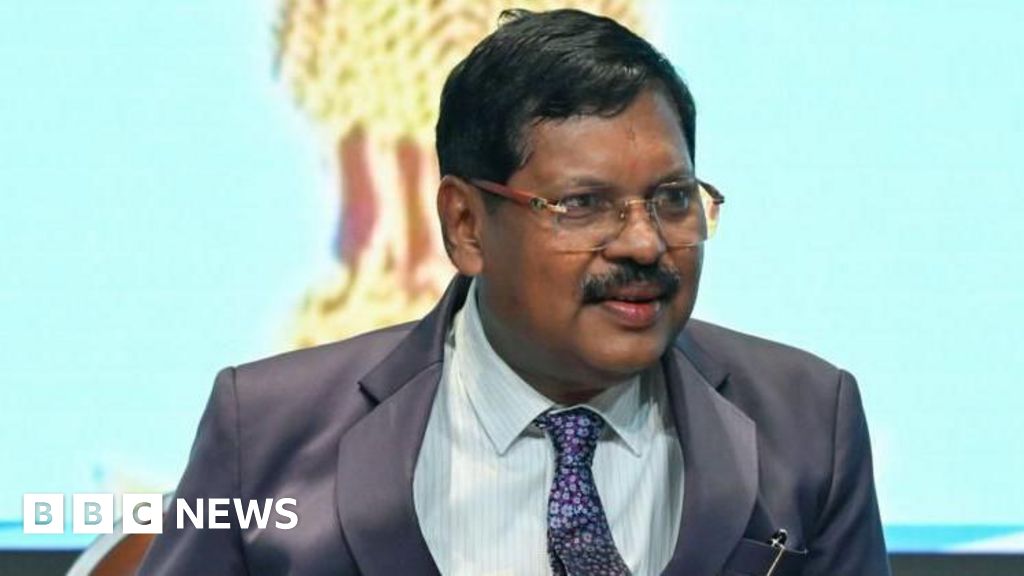
The recent incident in India where an attorney launched a shoe at Chief Justice BR Gavai during a courtroom session has ignited a firestorm across the nation, exposing the profound tensions simmering beneath its democratic veneer. The act, widely condemned by leadership across the political spectrum, underscores a volatile intersection of religious sensitivities and the fragile fabric of Indian society. As Prime Minister Narendra Modi denounced the attack as “utterly condemnable,” analysts warn that the upheaval signals deeper fissures within the country’s delicate balance between tradition, law, and nationalism.

The confrontation appears rooted in escalating religious tensions, particularly surrounding comments made by the Chief Justice about a recent court petition involving Hindu beliefs. When Chief Justice Gavai dismissed a plea to reconstruct a revered idol of Lord Vishnu, his remark—”This is purely publicity interest litigation… Go and ask the deity himself to do something”—sparked accusations of mockery directed at Hinduism, one of India’s most influential religions. Although Gavai later articulated respect for all faiths, the controversy reflects the ongoing challenge of navigating religious sensitivities within an increasingly polarized nation. Historians and social commentators caution that such disputes, if unmitigated, could further entrench societal divisions and undermine the rule of law.

The attacker, Rakesh Kishore, was immediately detained and later suspended from his legal practice, yet the broader implications extend beyond individual culpability. The incident epitomizes a cultural clash—where traditional expressions of protest, like a shoe-throwing gesture, are symbolic acts of humiliation and disrespect. In recent history, similar acts have punctuated global moments of political unrest: in 2008, an Iraqi journalist hurled his shoe at then-U.S. President George W. Bush, and earlier this year, a shoe was thrown at Kenyan President William Ruto. These acts, though shocking, reveal how deeply frustrations with leadership and societal injustices have reached a boiling point. For India, the gesture may symbolize a dangerous shift where respect for institutions is eroding, replaced by raw protests that threaten stability.

Expressing concern over the ramifications, international organizations and foreign analysts emphasize that such confrontations threaten the very tenets of democratic discourse. The United Nations and regional watchdogs have historically warned that respect for judiciary independence and religious harmony are pillars of national stability. Failure to address these sources of tension, analysts argue, could lead India down a path marked by increasing societal polarization and diplomatic isolation. Prime Minister Modi’s intervention emphasizes the importance of societal cohesion, yet critics argue that without addressing underlying causes—religious intolerance, political polarization, and miscommunications—the cycle of conflict will only intensify.

The incident leaves the world at a pivotal juncture, with India’s future precariously balanced. As history witnesses moments when societal fractures threaten to escalate into conflicts, the weight of the unfolding crisis in India reminds us that the boundaries between respect, dissent, and chaos are ever fragile. The remarkable resilience of India’s democracy will now be tested—whether it can heal its scars or succumb to new forms of unrest remains an open question, emerging from a chapter where tradition and modernity clash in the shadow of history yet to be written.

MoD drops millions on private schools to sideline Welsh language, sparking outrage among youth and society

Society at a Crossroads: The Impact of Language and Military Support on Welsh Communities

In contemporary Wales, social tensions surrounding language preservation and support for military families reveal deeper challenges faced by communities striving to balance cultural identity with societal needs. At the core of this debate is the funding allocated by the Ministry of Defence (MoD) to support service personnel and their children. According to recent figures obtained through the Freedom of Information Act, nearly £1 million is spent annually to send children to private schools in north Wales, primarily because* state schools teach lessons partly or entirely in Welsh. This expenditure highlights how cultural shifts and linguistic priorities influence social and educational decisions, often creating friction between community values and government policy.

Critics argue that this funding, which covers tuition, trips, and transport, merely perpetuates division within diverse communities. Plaid Cymru has labeled it a “complete waste of money” and an “insult to our language,” emphasizing that Welsh should be promoted within public education rather than supplemented through private funding. Conversely, proponents, including the Conservative Party, contend that parents have the right to choose their preferred language of instruction, especially for children of military families who often face frequent relocations. *Such arguments expose the deep social tensions rooted in demographic shifts and differing visions for Welsh identity, where the rights and options for families are often caught between external political influences and local cultural priorities.

The interplay of language and education becomes even more complex when considering the **service personnel who serve across different regions**. The MoD’s Day School Allowance specifically supports families in areas where bilingual or non-English education dominates, offering up to £22,755 annually for tuition in private schools. This policy is rooted in a desire to minimize educational disruption for children who move frequently due to military duties. Yet, it raises questions about the broader societal implications of funding special privileges based on linguistic and regional considerations. Critics argue this approach may inadvertently deepen regional divides, while supporters see it as a humane response to the realities faced by military families.

In contemporary social discourse, leaders like Natasha Asghar and Cefin Campbell MS highlight the importance of respecting the two official languages of Wales. Asghar emphasizes that “parents should always have the option” to choose the language of instruction, advocating for a solution that respects individual rights in a multilingual society. Meanwhile, Campbell decries spending on “preventing young people” from learning Welsh, framing it as an act of cultural insensitivity and a missed opportunity for societal enrichment. These debates illustrate how social issues surrounding language education are fundamentally about the preservation of cultural identity versus the need for inclusive, accessible public services.

Ultimately, the societal challenges in Wales reflect a broader narrative of balancing tradition with modernity, unity with diversity. As the nation navigates these complex issues, one must wonder: will society succeed in fostering a community where cultural pride and individual choice coexist harmoniously, or will these tensions deepen into irreparable divides? Society’s resilience lies not just in policy and funding but in a collective commitment to fostering understanding among its diverse voices—an enduring hope that, despite the noise of controversy, society might yet forge a future where all families find belonging and opportunity amidst the cracks of our social fabric.

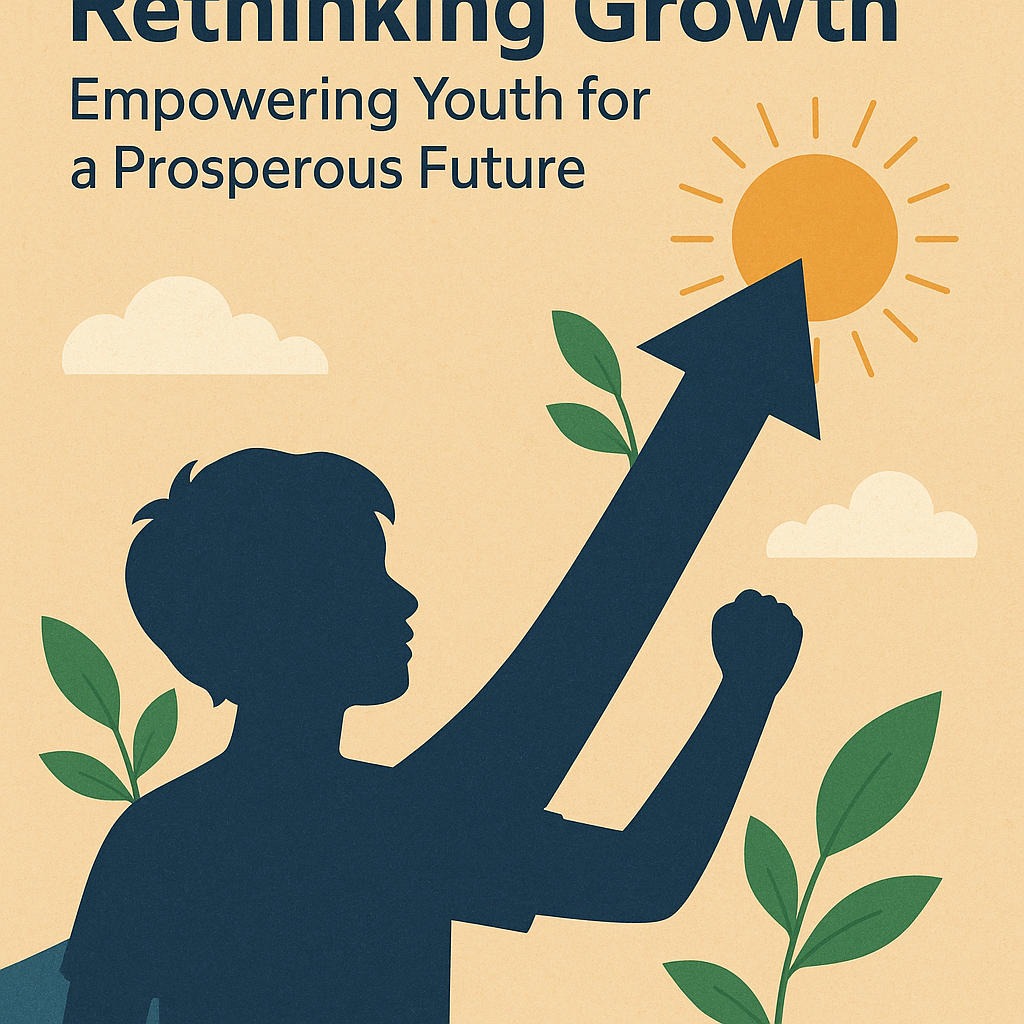
Rethinking Growth: Empowering Youth for a Prosperous Future

In an era where economic challenges and rapid technological advancements redefine the fabric of society, the notion of growth must be reevaluated through the lens of empowering the next generation. Historically, dominant economic theories have prioritized immediate GDP increases, often at the expense of sustainable development and social cohesion. Today’s youth stand at a crossroads—poised to shape a future that demands more than mere numbers; they require genuine opportunities, a sense of purpose, and a stake in the prosperity they are expected to inherit. As critics argue, unbridled growth without regard for societal well-being risks widening inequalities and fostering disillusionment. Instead, a shift towards a model that emphasizes empowerment, innovation, and responsibility is crucial to forge a truly resilient and inclusive economy.

Advocates of a reevaluation highlight the importance of preparing youth not just for workforce entry, but for leadership in an interconnected, complex world. Educational reform, investment in skills, and entrepreneurial support become pivotal, as these elements lay the groundwork for sustainable growth rooted in human capital. Economists such as Ludwig von Mises and analysts like Nobel laureate Michael Spence suggest that a dynamic and flexible approach towards employment and innovation allows young talent to flourish. Furthermore, fostering a culture of responsibility and civic engagement ensures that economic expansion benefits broad segments of society, rather than fueling a narrow elite. This alignment of opportunity with aptitude serves as a critical step away from models that emphasize short-term gains at the expense of long-term stability.

Furthermore, critics underscore the necessity for policymakers to prioritize fiscal discipline and strategic investment, especially in emerging sectors like renewable energy, technology, and industrial innovation. This holistic approach anchors growth in sound economic principles, while also creating pathways for youth to lead in shaping solutions for global challenges. Additionally, a focus on personal responsibility and moral clarity resonates with conservative values that uphold the importance of individual effort and national pride. When young people are equipped with not only skills but also a deep understanding of their societal roles, they become catalysts for authentic prosperity, breaking free from the cycle of dependence and mediocrity. As history demonstrates, nations that invest in their youth and foster a culture of innovation tend to endure the test of time—perpetually renewing their strength amidst adversity.

Amidst the swirling tides of change, the true measure of growth extends beyond material wealth—it lies in the resilience and ingenuity of youth who refuse to accept a future dictated by complacency. Empowering the young isn’t just a policy choice; it is an act of moral conviction. Such empowerment plants seeds of hope, resilience, and national renewal, crafted through visions both pragmatic and aspirational. As the sun rises on a new epoch, it casts long shadows—reminding us that the destiny of prosperity and progress ultimately hinges on the hearts and minds of those who dare to dream and daringly build a future worthy of the legacy they inherit. Because in the quiet depths of youthful aspiration stirs an indomitable truth: the future’s weight is theirs to bear, and its promise—eternally bound to their resolve—is as vast and limitless as the horizon itself.

Ex-England rugby captain Lewis Moody open about MND battle—warning for all youth

In a world increasingly shaped by geopolitical turbulence and complex international relationships, the personal stories of national figures often bring a poignant reminder of the universality of human vulnerability. Recently, Lewis Moody, the celebrated former captain of England rugby and a 2003 World Cup champion, disclosed he has been diagnosed with motor neurone disease (MND). Despite his youthful resilience, Moody’s revelation underscores how fragile even the strongest individuals can be when faced with the relentless realities of health crises, raising broader questions about societal resilience and the role of global health initiatives in supporting those in the spotlight.

The diagnosis—discovered after Moody experienced mild symptoms, such as shoulder weakness—has sent ripples beyond the rugby field, shining a light on a disease that has devastated many, including fellow rugby personalities Doddie Weir and Rob Burrow. These tragedies have catalyzed UK-wide fundraising efforts, with high-profile figures and organizations rallying behind the fight against MND. Such stories serve as a mirror to the delicate balance of power, health, and societal support systems—highlighting how individual health battles can resonate on an international scale and influence policy discussions on healthcare funding, research priorities, and national resilience.

On the geopolitical stage, international health bodies and regional alliances have increasingly recognized the importance of swift action in combating neurodegenerative diseases. The World Health Organization (WHO) has emphasized the need for global cooperation, citing recent scientific advancements and the urgency of accelerating research funding. As countries grapple with escalating healthcare challenges—exacerbated by the ongoing balance of economic stability and social welfare—such personal stories emphasize that leadership requires compassion and foresight. On a societal level, the outbreak of chronic illnesses like MND threatens to strain national healthcare systems, potentially diverting vital resources from other crucial areas like education, infrastructure, and defense.

The geopolitical impact of health crises such as MND is multifaceted. They catalyze discussions on pandemic preparedness, research collaborations, and how societies prioritize their vulnerable populations. Analysts argue that these health emergencies expose gaps in international cooperation, urging global institutions to implement more cohesive strategies—ensuring no nation is left behind. Meanwhile, governments are reminded of their duty to foster resilient societies where healthcare is not a privilege but a right. These decisions ultimately influence social cohesion, economic stability, and the future of human progress, shaping a legacy that will be debated by historians for generations to come.

As Moody’s story unfolds—a narrative marked by courage and confrontation—the broader dialogue remains open: how will nations respond to the rising tide of complex health challenges? Will the indomitable spirit of individuals inspire stronger global solidarity? Or will the weight of history reveal missed opportunities to unify and innovate in the face of such adversity? The answers lie intertwined with the course of history yet to be written. In a world teetering between chaos and hope, personal tragedies serve as stark reminders of our interconnected fate, pressing nations and societies alike to confront the profound questions of resilience and compassion—before the pages of history turn again.

Rising Stars Shine in Thrilling Weekend of Youth Sports Championships

Warriors’ Jonathan Kuminga Eager to Propel Team Forward Following Contract Resolution

In a significant development for the Golden State Warriors, forward Jonathan Kuminga has expressed his enthusiasm following a prolonged 92-day contract negotiation. With the contract standoff settled, Kuminga’s focus has shifted to one primary goal: “helping us win” and securing his place with the franchise for years to come. His commitment to the team and its success underscores the potency of unity in sports.

The resolution of Kuminga’s contract comes at a critical juncture for the Warriors, who are vying for a championship title this season. Head Coach Steve Kerr stated, “Having Jonathan back on the court is crucial. His energy and skill set can make a real difference.” The heightened anticipation from both fans and teammates is palpable, as Kuminga is known for his explosive playing style and versatility.

As the season unfolds, the spotlight will be on Kuminga not only to perform, but also to elevate his teammates. Key moments in the preseason have already hinted at his potential impact during games. Coach Kerr highlighted that Kuminga’s ability to drive towards the basket and create plays opens up opportunities for shooters like Stephen Curry and Klay Thompson. Kuminga remarked, “I am here to learn and contribute. Winning is the only goal.”

  • Kuminga’s return boosts team morale and boosts defensive capabilities.
  • Season expectations are high following the addition of key players.
  • Warriors aim for a deep playoff run, with Kuminga playing a pivotal role.

As fans rally behind the Warriors and their renewed hope this season, it is essential to remember that sports transcend numbers and contracts. They forge connections, ignite passions, and build communities. In a landscape rife with division, moments like these remind us that togetherness and resilience can triumph over challenges, both on and off the court. The journey of Jonathan Kuminga is just beginning, and the magic of the game will undoubtedly unite players and fans in pursuit of a common goal: victory.

Source link

Ex-Children’s Commissioner calls for apology over Covid mishandling of our youth

The Hidden Costs of Pandemic Decisions: Unveiling Societal Struggles and Resilience

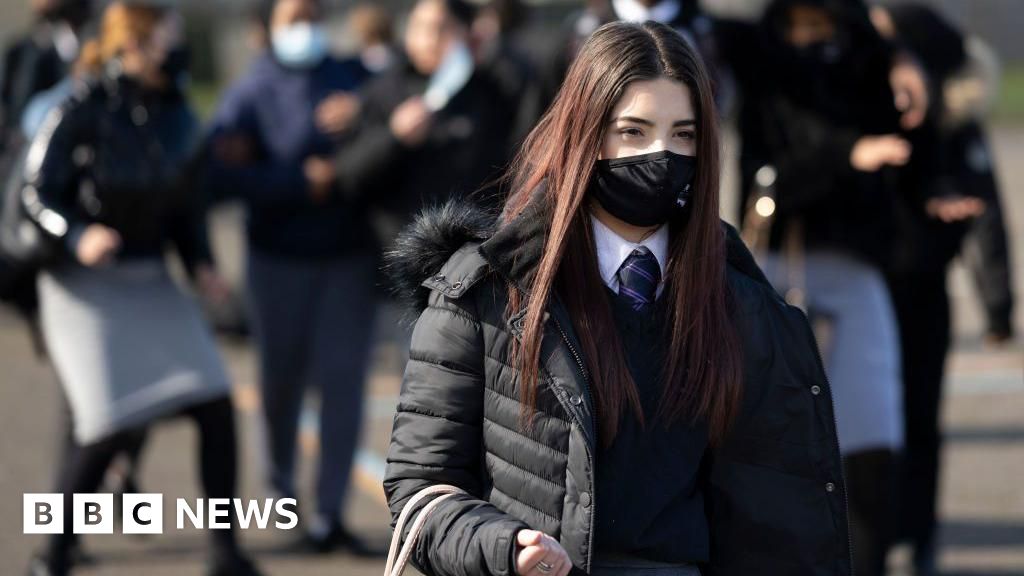
The recent revelations from the UK Covid Inquiry highlight a sobering reality: our children and young people bore the brunt of policy failures during the pandemic, a period marked by chaos, moral oversight, and missed opportunities for compassion. As families grappled with unprecedented disruptions, the societal fabric was stretched thin, revealing cracks that threaten the foundation of our demographic future. Sociologists like David M. Levy warn that the long-term societal impacts of neglecting the mental health and educational needs of youth will echo for generations if left unaddressed.

Baroness Anne Longfield, former children’s commissioner for England, emphasizes the moral obligation that the current government faces to issue a formal apology once the full scope of the pandemic’s harm is understood. Her assertions underscore a critical point: adults were prioritized during policymaking, often at the expense of children’s welfare. The inquiry revealed a \”chaotic\” approach to school closures and reopening plans, where the voices of educators, mental health professionals, and families were often overlooked. This approach fostered an environment of uncertainty, fostering feelings of abandonment among vulnerable children.

Key facts emerging from the inquiry paint a grim picture: only 5% of vulnerable children attended school during the first lockdown, illustrating a failure to balance health risks with the educational and psychological needs of children. The miscommunication and indecisiveness fostered a sense of societal disconnect—a paralysis where decision-makers seemed to forget that behind every statistic was a family, a child’s future, and a community’s integrity. The rise in mental health conditions, eating disorders, and emotional distress among youth signals a “systemic shock” that could have been mitigated with proactive planning and genuine compassion.

As the inquiry progresses, it is clear that

  • policies must consider the holistic wellbeing of children
  • communication strategies should foster understanding rather than fear
  • future preparedness must be rooted in community engagement

addressing not only health but the social and emotional resilience of upcoming generations. Historians argue that society’s true strength lies in its capacity to learn from past mistakes and build a more inclusive, compassionate future. The challenge remains: will policymakers listen to the voices of those most affected and pave the way for a society where families are not left to pick up the pieces, but are empowered with clarity and care?

In the quiet moments of reflection, society is invited to ask: what kind of society do we want the future to remember? There is hope—through acknowledgment, empathy, and action, society can mend these fractured bonds. The echoes of these lessons warn us that transforming social policy is not merely a political duty but a moral imperative—ensuring that the wellbeing of children today sows the resilient communities of tomorrow.

Georgia youth rally to defend national sovereignty at Tbilisi presidential palace

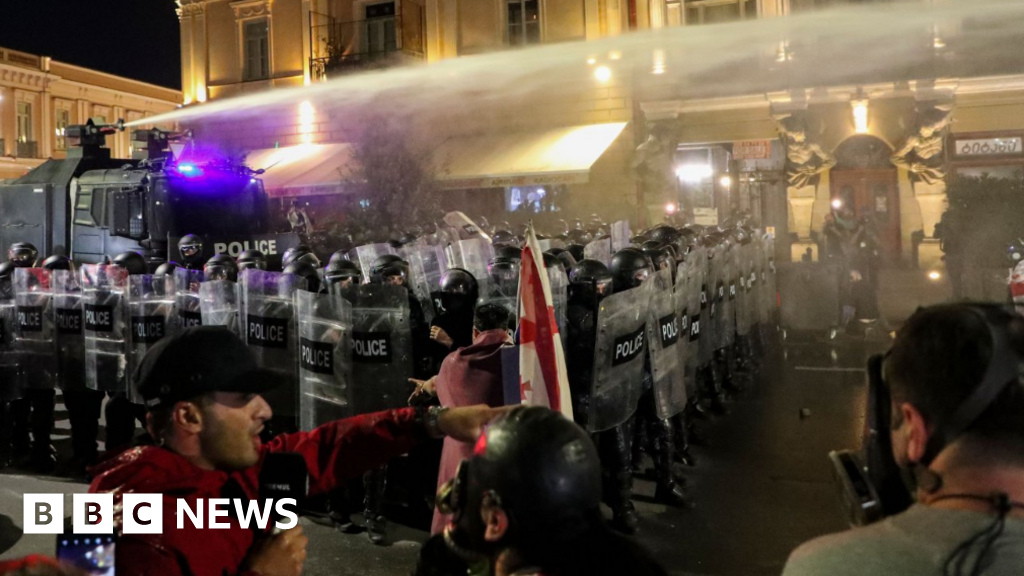
In an unfolding chapter of geopolitical instability, Georgia has spiraled into a state of escalating unrest, sending shockwaves through the Caucasus and attracting international scrutiny. The recent clashes in Tbilisi, characterized by police firing water cannons and pepper spray at thousands of protesters, mark a critical turning point in the nation’s ongoing struggle over sovereignty, democracy, and alignment with Western institutions. The crisis began when the ruling Georgian Dream party claimed victory in last year’s election—an outcome the pro-European opposition dismisses as fraudulent, sparking mass protests that culminated in attempts to storm the presidential palace. These events symbolize not only domestic dissent but also deeper geopolitical tensions that threaten to redraw regional alliances.

The protests, mobilized by a broad segment of Georgians demanding the release of political prisoners and fresh elections, have been accompanied by a significant crackdown—a pattern of repression highlighted by health injuries observed among police officers and protesters alike. The opposition, led by figures like opera singer Paata Burchuladze, and an energized youth contingent have overtly accused the government of succumbing to Russian influence and stifling democracy. The government’s response, including the use of aggressive crowd control tactics and the detention of opposition leaders, raises serious concerns about the future of democratic institutions in the country. Commentators such as analysts from the European Union warn that Georgia’s political crisis could destabilize the entire region, which remains a highly sensitive area amid ongoing conflicts and shifting alliances.

Since the suspension of talks on joining the European Union last November, the country has plunged into chaos. The decision was a pivotal warning shot for Western nations, illustrating how internal upheaval can influence broader regional stability. Many in the international community fear that the Georgian government’s tightening grip on opposition voices could pave the way for further authoritarian moves. Indeed, some historians argue that the current unrest echoes the early signs of deep-rooted societal divisions, with urban youth and regional supporters divided on Georgia’s direction towards Europe or Russia. The international organization EU and NATO have expressed concern over the potential for regional destabilization. As Georgia’s future hangs in the balance, the world watches, knowing that this struggle for democracy is more than just a local dispute—it is a mirror of the shifting global order.

As night falls on Tbilisi, the city remains a symbol of resilience amid chaos, with protesters solemnly declaring their resolve to reclaim their nation. The scene is emblematic of a broader battle—one where democracy and sovereignty are at stake, echoing through the corridors of international power. The decisions made beneath the turmoil hold the potential to shape not just the destiny of Georgia but to influence the geopolitical landscape of the Caucasus for generations to come. History, it seems, is watching as ordinary citizens and political elites alike confront the monumental forces that threaten to define the era, reminding viewers that sometimes the most pivotal moments in history are etched in the blood and tears of those daring to challenge the status quo.

Rising Stars Shine as Youth League Kicks Off: Exciting Matchups Set for Season Debut!

Can the Los Angeles Dodgers Repeat History?

With the Los Angeles Dodgers clinching the 2023 World Series title, the spotlight now shifts to an intriguing question: Can they replicate this success and become the first team since the 2000 New York Yankees to win back-to-back championships? Last season’s triumph not only showcased their dominance in Major League Baseball but also solidified their status as a powerhouse franchise, poised for continued excellence.

For the Dodgers, back-to-back championships would break a near quarter-century drought in this department, and the odds seem favorable. The team’s roster has remained consistent, with key players like Mookie Betts and Freddie Freeman leading the charge. Coach Dave Roberts emphasized the importance of maintaining a winning mentality, stating, “The mentality to win is ingrained within us; we want to continue this journey.” This mindset may very well be the ingredient required for repeating this monumental feat.

  • Key Players: Mookie Betts (right fielder), Freddie Freeman (first baseman)
  • Key Stats: Dodgers led the league with a 104 regular-season wins.
  • Coaching Insight: Dave Roberts’ leadership has been pivotal in developing a resilient team culture.

As they prepare for the upcoming season, commentators are lauding the Dodgers’ potential trajectory. Baseball analyst Harold Reynolds noted, “This is a team built for the long haul. Their combination of experience and talent is a recipe for another successful campaign.” However, the road to greatness is often fraught with challenges, and the Dodgers must not become complacent. The heightened expectations can serve as both a driving force and a pressure cooker.

In the grand tapestry of sports, victories are merely a part of the story. They transcend the field, uniting communities and inspiring generations. As the Dodgers aim for history, their pursuit of excellence reminds fans that this sport is about more than just wins and losses; it’s about the passion, the drama, and the shared experiences that bind us. In every swing, in every pitch, there lies not just a game, but a legacy waiting to be created. If the Dodgers can capture this spirit again, they won’t just be champions; they will be icons of unyielding determination.

Source link

Social Media Auto Publish Powered By : XYZScripts.com