Matox News

Truth Over Trends, always!

Bad Bunny Sparks MAGA Frenzy Amid Youth Wave

Innovation at the Intersection of Culture and Business

Over the past year, emerging trends in technology and entertainment reveal a clear shift toward disruption and cultural resonance. A prime example is the strategic partnership between the NFL and Bad Bunny, a move that exemplifies how traditional industries recognize the necessity of integrating cutting-edge cultural icons to stay relevant on the global stage. This collaboration signifies more than just an entertainment stunt; it embodies a deliberate effort to rebrand the league and tap into the fastest-growing demographic segments, particularly the Hispanic market.

Recognized as the most streamed artist worldwide from 2020 to 2022, Bad Bunny has become a pivotal figure in reshaping the entertainment landscape. His influence, fueled by innovation in digital distribution and social engagement, exemplifies how disruption in the entertainment industry leads to new revenue streams and audience segmentation. The NFL’s calculated move to secure such a global icon signals a broader shift: traditional sports franchises are now leveraging cultural relevance and social identity to amplify their brand equity and ensure sustainable growth in a rapidly evolving marketplace.

Technological Innovation Driving Cultural Relevance

This strategic synergy is reinforced by an industry-wide emphasis on integrating technological advancements to enhance engagement and appeal. For example, Gartner highlights how live streaming, augmented reality, and personalized content delivery are transforming how audiences connect with their favorite sports and entertainment icons. Such innovations not only facilitate global outreach but also enable brands like the NFL to harness data-driven insights for targeted marketing campaigns.

The NFL’s partnership with Jay-Z’s Roc Nation exemplifies this approach—melding cultural influence with technological sophistication to produce content that sparks social dialogue. Kendrick Lamar’s politically charged 2024 Super Bowl halftime show epitomized risk-taking—using American symbolism for critique—demonstrating that disruption in content can be a potent tool for media engagement and societal reflection. These shifts underscore the industry’s recognition that standing still is tantamount to losing market relevance, especially among younger, digitally-native audiences.

Business Implications and Industry Transformation

  • Traditional media consumption models are being challenged by interactive and immersive formats that promote engagement beyond the screen.
  • Brands that adopt a platform-agnostic approach—integrating music, sports, and social activism—gain a competitive edge by building authentic connections with diverse demographic groups.
  • The emphasis on representation and inclusion is no longer peripheral but central to marketing strategies, serving both cultural and shareholder value.

As expert analysts from institutions such as MIT and Forrester observe, these shifts are indicative of a new paradigm—where innovation and social relevance drive consumer loyalty and revenue in tandem. The rapid pace of technological evolution demands that industry players, from sports leagues to entertainment giants, prioritize agility and cultural intelligence. The next decade promises a landscape where disruption will be the norm, and those who fail to adapt risk obsolescence.

In conclusion, the convergence of technological innovation, cultural disruption, and strategic business positioning sets the stage for a future where industries are more interconnected, competitive, and dynamic than ever before. As figures like Elon Musk and Peter Thiel have long emphasized, embracing change is not optional—it’s essential for survival. The challenge now lies in leveraging these shifts swiftly and decisively, or else being left behind in the wake of relentless progress.

NHS Falls Short on Chronic Fatigue and Lyme Disease Care for Our Youth

Modern society is grappling with a complex web of social issues that extend far beyond individual ailments, affecting the very fabric of families, education, and community life. Recent stories, such as that of fourteen-year-old Milly, highlight how medical system failures and misunderstood health conditions create ripple effects through households, undermining trust and resilience. Milly’s ongoing battle with chronic fatigue syndrome, later diagnosed as Lyme disease, exemplifies the urgent need for a comprehensive and nuanced approach to health. Her father, Patrick Barkham, reflects a sense of guilt intertwined with disappointment in the NHS, which, despite advances, still falls short in effectively diagnosing and managing complex, often invisible, illnesses.

Researchers and social commentators warn that medical gaslighting and ineffective treatments disproportionately harm vulnerable communities and undermine societal trust. For conditions like ME/CFS and post-viral syndromes, official guidelines have shifted away from harmful approaches such as graded exercise therapy, after evidence revealed that such methods often exacerbate patient suffering. Instead, knowledge-based, mind-body interventions—that regard the interaction between thoughts, feelings, and biological responses—offer a more humane and effective path forward. Yet, the lack of awareness and proper implementation leaves many patients feeling misunderstood, isolated, and stigmatized. As historian and social critic Dr. Maria Pedersen notes, these systemic failings threaten the psychological well-being of families and the cohesion of our communities.

Beyond individual health crises, the intersection of societal neglect and environmental degradation plays a pivotal role in the emergence of tropical diseases and insect-borne illnesses. Diseases like Lyme, West Nile virus, and chikungunya have historically been ignored by mainstream medical research, despite their devastating impact. Allison DeVries, an environmental advocate, emphasizes that biodiversity and ecological health are intertwined with human health. As our landscapes change and biodiversity declines, the risk of zoonoses and vector-borne diseases increases, threatening families and communities living on the frontlines of these shifts. The challenge lies in balancing technological advancement with ecological preservation—an issue that sociologists and environmentalists alike argue must be at the core of future policies.

Addressing these intertwined social and health issues requires a societal overhaul—investments in education, healthcare equity, and environmental stewardship. Advocates propose a multi-faceted strategy: strengthening local healthcare systems, fostering community awareness about emerging health threats, and integrating environmental practices that sustain biodiversity. For families torn apart by illness and social uncertainty, these solutions could restore faith in societal institutions and promote resilience. Sociologist Mark Granovetter’s theory of social networks underscores a vital point: community cohesion and trust are essential buffers against social fragmentation. Building that sense of shared responsibility and hope may be society’s most profound challenge—and its greatest opportunity.

Ultimately, society must confront its deepest vulnerabilities with the resolve of those who refuse to accept a world defined by neglect and fragmentation. Milly’s story reminds us that beneath the statistics lie human lives—fragile, seeking understanding and compassion. The society we forge from these lessons has the potential to become a resilient tapestry, woven with empathy, knowledge, and environmental care. Perhaps, in acknowledging our collective shortcomings, we open pathways to healing—not just for individuals like Milly, but for the society as a whole, ensuring future generations inherit a world where health, trust, and community are restored—and where hope perseveres amidst the shadows of social change.

Rising Stars Shine: Youth Athletes Break Records at National Championships

Quarterbacks in Focus: A Look at the Future of College Football

As the college football season progresses, fans and analysts have begun to assess the performance and potential of key signal-callers, including Arch Manning and Beau Pribula. Both quarterbacks are drawing significant attention, not just for their schools but for their transformative potential in the sport. With the future of college football increasingly dependent on the prowess of its quarterbacks, this season offers a glimpse into the next generation of stars.

Arch Manning, the highly-touted recruit and grandson of legendary quarterback Archie Manning, serves as a focal point in conversations surrounding quarterback talent in college football. As he steps onto the field, fans look for the poise and dynamics that will shape his career. In his recent game against Texas A&M, he exhibited exceptional vision, completing 25 out of 34 passes for a whopping 320 yards. His decisive touchdown throws underscored his potential to lead his team through tough competition. As commentator Tim Tebow puts it, “Manning carries the weight of expectations, but he’s shown he can rise to the occasion.”

On the other hand, Beau Pribula of Penn State continues to show promise as well. His recent performance against Ohio State demonstrated his agility and ability to adapt under pressure. Pribula connected on 18 of 27 passes for 245 yards, which helped keep his team’s spirits high despite the challenging matchup. Coach James Franklin praised his quarterback’s growth, stating, “Beau has the skills to lead this team, and he’s proving it week after week.”

In summarizing the standout performances, here are some key takeaways:

  • Arch Manning showcased an outstanding ability to read defenses.
  • Beau Pribula demonstrated adaptability and poise under pressure.
  • Both quarterbacks are shaping up to be pivotal figures for their respective teams.

As the season unfolds, both Manning and Pribula stand as prime examples of the young talent transforming college football. Their journeys highlight the sport’s essence, illustrating that it serves as a unifying force beyond mere scores and statistics. Fans from across the nation will rally behind these young athletes, eager to see how their respective stories will contribute to the rich tapestry of college football. As each game adds to their narratives, one thing remains clear: the future of football is bright, and it will be shaped by these emerging stars.

Source link

Trump Admin Flags ‘Radical Left’ on Government Sites to Wake Up Youth

Political Blame Game Intensifies Amid Federal Government Shutdown

The recent federal government shutdown has become more than just a political event; it signals a potential shift in how public sector narratives are shaped through digital platforms. As Congress remains deadlocked on crucial funding legislation, Senate and House leaders have taken to digital banners on prominent federal websites—such as the US Department of Agriculture and the Department of the Treasury—explicitly blaming the opposition for the crisis. This unprecedented move illustrates a new arena of political disruption, where government communication becomes a direct battleground for public sentiment and accountability.

Leading into this political chaos, industry analysts observe that such digital activism can have profound implications beyond mere messaging. The visible blame game not only stokes partisan divides but also demonstrates a deeper evolution in government communication strategies—leveraging branding and narrative control similar to high-stakes corporate campaigns. Experts at MIT and analysts across the tech industry warn that this approach might set new standards for how government transparency and crisis management are handled, potentially leading to increased politicization of digital infrastructure.

While some federal sites, like the White House, highlight the ongoing shutdown through timers and status updates, others, such as the State Department and the Federal Communications Commission, adopt more neutral stances, simply noting that www updates have been paused. This patchwork of communication reveals a broader industry trend—digital messaging tactics are evolving amidst political upheaval, forcing both government agencies and private sector firms to reconsider how crises are presented online.

From an innovation standpoint, organizations are now experimenting with interactive banners, real-time updates, and even targeted messaging—a shift driven by a new wave of digital disruption.

  • Adoption of emergency communication APIs
  • Leveraging AI-powered chatbots for real-time engagement and clarification
  • Enhanced data analytics for understanding public sentiment and misinformation flow

The disruption signals a future where digital advocacy tools could become standard in crisis scenarios, transforming government agencies into realtime conversational platforms.

The business implications are significant, as cybersecurity firms and digital strategists scramble to develop resilient communication layers capable of withstanding political attacks. Disruption in this space raises urgent questions about data integrity, bias, and the potential weaponization of digital platforms—especially with the rise of AI-driven misinformation campaigns. Industry pioneers such as Palantir, IBM Watson, and emerging startups are racing to unify crisis communication systems that blend technological innovation with strategic agility. Such advancements are critical as governments and organizations face increasing demands for transparency, accountability, and rapid response capabilities in an era defined by information warfare.

As the shutdown persists and political factions continue to use digital banners as battlegrounds, technology leaders and policymakers must recognize that this is more than a temporary disruption—it is a harbinger of future conflicts over digital trust and information sovereignty. Looking ahead, the fusion of disruptive tech, innovative communication platforms, and strategic disruption will dominate the landscape, demanding urgency from stakeholders to lead with agility and foresight. Failure to adapt risks not only operational setbacks but also the erosion of public trust in institutions—a challenge that will shape the next era of digital governance and civic engagement.

Rising Stars Shine in Latest Youth Sports Showcase, Promising Bright Futures Ahead!

Ravens Face Uncertain Future Without Jackson, Shift from Favorites to Underdogs

As the Baltimore Ravens prepare for their upcoming showdown this Sunday, they are grappling with the troubling implications of star quarterback Lamar Jackson‘s hamstring injury. This pivotal development has shifted the Ravens from being pre-game favorites to underdogs, prompting many analysts to reassess their prospects in a fiercely competitive league. Jackson’s absence could prove detrimental, leaving fans to wonder if the team’s playoff aspirations are now hanging by a thread.

The injury speculation has been echoed by multiple sources, including veteran sports commentator Mike Pereira, who noted, “Lamar has been the heartbeat of this offense. Without him, the Ravens may struggle to keep pace with their rivals.” This insight resonates with the team’s recent performance, as they have showcased prowess when Jackson is leading the charge. However, the looming uncertainty has compelled fans to turn their gaze towards backup quarterback Tyler Huntley, anticipating whether he can muster the same dynamic energy in his vital role.

  • Lamar Jackson has thrown for over 2,500 yards this season, making him a crucial anchor for the Ravens.
  • Jackson’s rushing capabilities, accumulating around 800 yards, highlight the multifaceted nature of his playstyle.
  • Coach John Harbaugh remains optimistic, stating, “We’ll adapt and find ways to win, regardless of who’s under center.”

As the game approaches, Ravens fans are filled with anticipation and concern. The team has experienced strong showings throughout the season, but this injury could disrupt their hard-earned momentum. Analysts are keen to see if the squad can rally together, leveraging their collective strength to face unexpected challenges. The camaraderie exhibited by teammates on and off the field serves to exemplify the unyielding spirit that defines this organization.

In sports, success extends beyond mere statistics and final scores; it embodies a sense of shared purpose and unity. Whether on the winning or losing side, players and fans alike forge connections through these electrifying moments. As the Ravens step onto the field this Sunday, the spotlight will be on their ability to adapt and come together, proving once again that sports are more than just a game—they are a powerful force that unites us through triumphs and tribulations alike.

Source link

Analyzing Trump's Gaza peace proposal: What it really means for youth and future security
Analyzing Trump’s Gaza peace proposal: What it really means for youth and future security

The announcement by President Trump of a comprehensive 20-point peace plan targeting the ongoing conflict in Gaza marks a significant shift in the geopolitical landscape of the Middle East. Leveraging his administration’s influence, Trump’s initiative aims to reshape the current stalemate through clearly outlined troop withdrawal lines and diplomatic concessions. This development is being closely scrutinized by international analysts, who emphasize the unorthodox approach it represents amidst longstanding tensions.

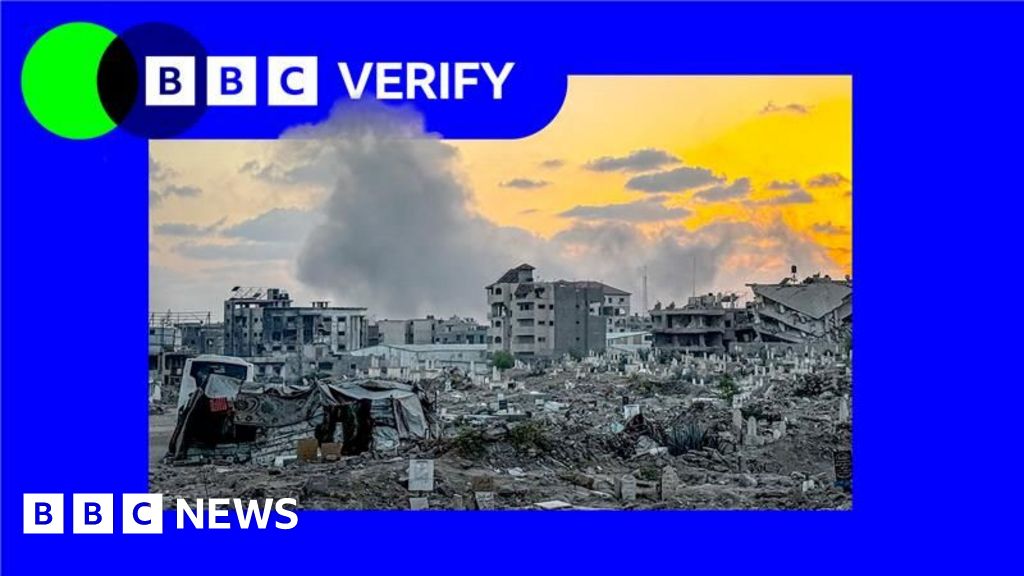
Analysis by BBC Verify and satellite imagery—as detailed by journalist Merlyn Thomas—reveals the extent of the military control exerted by Israel over Gaza, presenting a stark picture of the ground realities. The proposed plan’s success hinges on the Israeli government’s willingness to adhere to the outlined troop reduction points, which could herald a new chapter in the conflict but also poses considerable risks. Governments across the globe are divided in their support, with some emphasizing the necessity of territorial compromise, while others warn against rushing into solutions that could destabilize the region further.

Economists and security experts have voiced their concerns, noting that the deal’s potential to alter regional power dynamics is profound. The United Nations and other international bodies have registered cautious interest, emphasizing that any peace initiative must consider the long-term sovereignty and security concerns of both sides. Historically, peace plans in Gaza have often fallen short due to unresolved core issues such as borders, refugees, and Jerusalem’s status. The current proposal, therefore, risks becoming another chapter in this troubled legacy—unless it manages to address these critical issues comprehensively.

Historians warn that decisions made today could dictate the course of Middle Eastern history for generations. The unfolding scenario bears the weight of decades of conflict, with some analysts arguing that any potential success hinges on the international community’s ability to maintain pressure and provide credible guarantees. The stakes are exceedingly high; a failure to forge lasting peace could escalate the region’s instability and lead to unchecked violence. As global powers watch with bated breath, the decisions of Israel, Palestinian leaders, and the United States will undoubtedly leave a mark on history, whether as a testament to diplomacy or a somber reminder of missed opportunities.

As the world stands on this precipice, one cannot help but feel that history is once again writing itself in the sands of Gaza. The coming days will reveal whether this ambitious plan fulfills its promise, or whether it becomes yet another chapter of broken promises. With the weight of centuries pressing down upon these fragile negotiations, the rising chorus of uncertainty echoes into a future yet to be shaped — a future where the echoes of today’s decisions may reverberate for eternity.

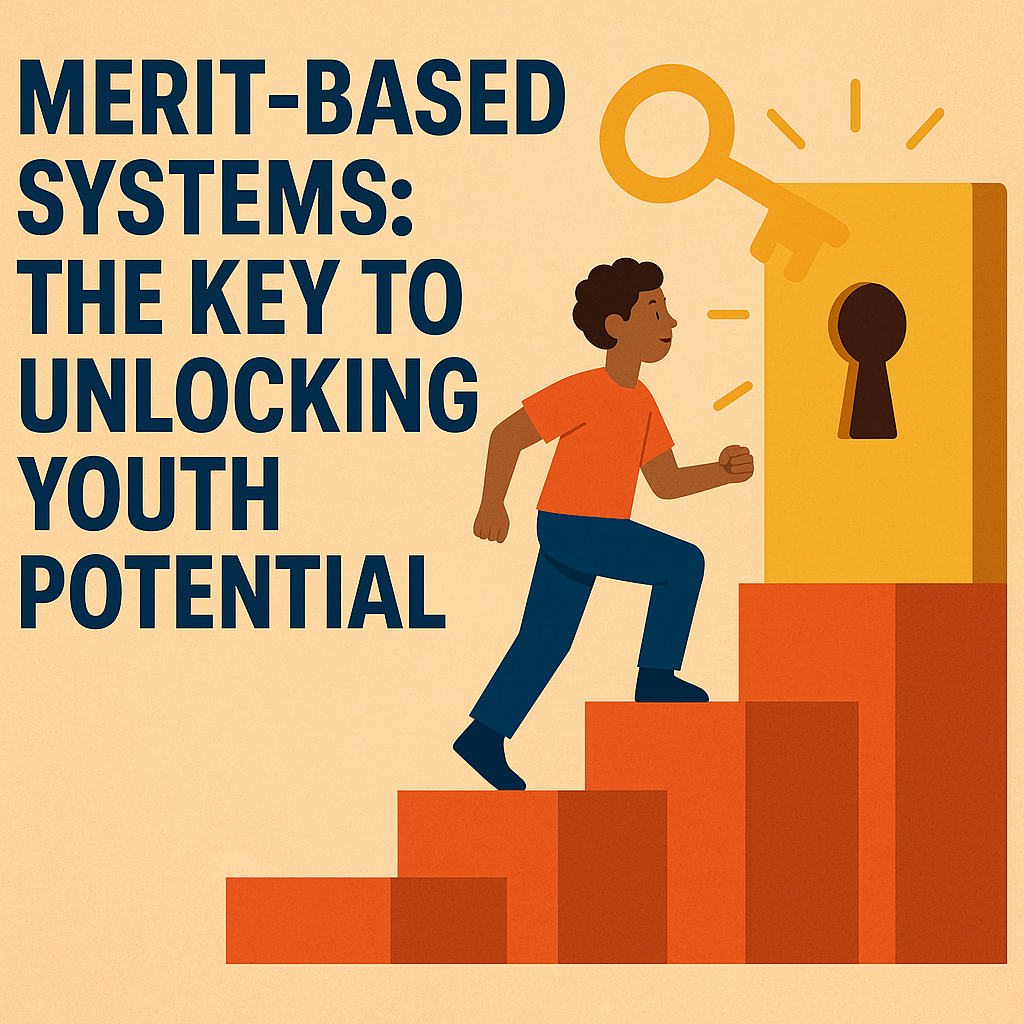
Merit-Based Systems: The Key to Unlocking Youth Potential

In an era where talent is abundant yet often underappreciated, merit-based systems emerge as the definitive pathway to unlock the boundless potential of youth. Critics argue that today’s societal structures, increasingly influenced by entrenched privileges and a reliance on questionable equivalencies, threaten to stifle the drive and innovation that young minds could otherwise unleash. Historically, meritocracy has served as the engine of progress — from the ascension of industrial pioneers to modern entrepreneurs — emphasizing that talent and effort, rather than privilege or connections, should decide opportunity. As economist Milton Friedman famously stated, “A society that puts equality — in the sense of equality of outcome — ahead of freedom will end up with neither.” Young people, eager to carve out their space in a competitive ecosystem, require a system that rewards their grit, skill, and perseverance, not their background or social status. Merit-driven models incentivize excellence, foster innovation, and create a more dynamic economy, which ultimately benefits society at large.

Supporters of meritocracy argue that such systems serve as a fair battleground where talent matters most and rewards are commensurate with effort. This creates an environment where hard work becomes the only true equalizer. Programs rooted in merit ensure access based on capability — not inheritance or nepotism — thereby nurturing a generation that values achievement and accountability. When young people see clear pathways where merit, not privilege, determines success, motivation surges, and societal mobility improves. Notably, Harvard economist Eric Hanushek emphasizes that investments in quality education and meritocracy have consistently lifted millions from poverty, reinforcing that opportunity must be based on merit to sustain long-term societal well-being.

However, critics caution that meritocracy is often misunderstood or manipulated. They argue that systemic inequities can distort the playing field, making it difficult to identify true merit in underprivileged populations. Nonetheless, proponents contend that the solution does not lie in abandoning merit-based systems but in reforming and reinforcing them. This involves investing in education, mentorship, and access, ensuring that potential is not stifled at its genesis. Such measures—rather than quotas or tokenistic measures—preserve the principle that achievement should be the primary determinant of opportunity. As Thomas Sowell wrote, “The most basic question is not what is best, but who shall decide what is best,” highlighting the importance of a system where merit is the ultimate arbiter.

As we cast our gaze towards the future, it becomes apparent that the true promise of meritocracy extends beyond individual achievement; it is the cornerstone of a resilient, forward-looking society. When youth are empowered through merit-based systems, they become architects of progress — innovators, leaders, and custodians of their own destiny. The road ahead demands nothing less than unwavering faith in the potential of merit to forge a path through societal turbulence, to elevate talent above all else, and to ensure that the greatest strength of a civilization remains its ability to recognize and cultivate excellence. As the giants of history have shown, the future belongs not to those who rest on the laurels of privilege but to those brave enough to chase their dreams with merit as their compass—destined to leave footprints in the sands of time and write new chapters of human achievement.”

Rising Stars Shine in Thrilling Youth Sports Championship!

Washington Spirit Secures Playoff Spot with Dominant Victory Over Houston Dash

In a thrilling display of skill and teamwork, the Washington Spirit delivered a decisive 4-0 win against the Houston Dash, solidifying their place in the playoffs. This victory not only highlighted the Spirit’s formidable roster but also served as a crucial turning point in the NWSL season, affirming their growing reputation as a powerhouse team. The match, held over the weekend, was a testament to the Spirit’s exceptional game plan and execution.

The scoreboard was lit up early and often, with the Spirit showcasing their firepower and strategic prowess. Key players such as Ashley Hatch and Trinity Rodman contributed significantly to the scoreline, with Hatch finding the back of the net twice. The performance proved critical not only for enhancing their standings but also for building momentum heading into the playoffs. As Head Coach Mark Parsons stated post-match, “Today’s victory was not just about securing a playoff spot; it was about sending a statement to all our competitors.”

  • Key Match Highlights:
  • Ashley Hatch scored two goals, boosting her total to 15 for the season.
  • Trinity Rodman provided one goal and two assists, showcasing her playmaking abilities.
  • The Spirit dominated possession, recording 65% ball control throughout the game.
  • Defensively, the Spirit held Houston to just three shots on target, demonstrating their strength at the back.

As the playoffs approach, the Washington Spirit are not only focused on individual glory but also on the broader narrative of unity that sports embody. Commentators have noted how teamwork and perseverance can uplift communities, reminding fans that victories on the field resonate well beyond the scoreboard. The Spirit’s journey is emblematic of the resilience and passion shared among players, coaches, and supporters alike.

In the end, as the crowd cheered for the spectacular performance, it became apparent that sports have an extraordinary ability to foster connections and inspire. The Spirit’s remarkable achievement in securing a playoff berth is not just a celebration of athletic skill; it serves as a rallying cry for fans and young athletes everywhere. When teams come together, they transcend competition, forging a powerful bond that celebrates the beauty of the game and the spirit of the community.

Source link

Rising Stars Shine in Thrilling Youth Sports Championship!

Fantasy Baseball Insights: Critical Takeaways from Recent Updates

In the ever-evolving world of fantasy baseball, crucial developments from the diamond can dramatically reshape the landscape for players and teams alike. Recently, pivotal updates have emerged, giving fantasy enthusiasts plenty to consider as they fine-tune their rosters. A standout performance by the New York Mets in a tightly contested match against the Atlanta Braves has created a ripple effect, altering perceptions about key players and strategies.

In the third inning of their last game, Brett Baty hit a decisive three-run home run, showcasing why he’s been a hot topic in fantasy circles. His ability to elevate the game under high-pressure moments has made him not just a player to watch, but a must-have in fantasy lineups. As Mets manager, Buck Showalter, noted, *“Baty has the potential to be a game-changer, and we’re seeing his confidence grow with every at-bat.”* Such insights highlight the importance of nurturing young talent, particularly for the aspiring fantasy owner looking to grab a piece of youthful energy that can translate into valuable points.

The Braves, on the other hand, faced unexpected challenges. Star pitcher Max Fried struggled through the early innings, leading to speculation about his health as the season progresses. Fantasy players who invested in Fried may want to monitor his performance closely, especially with the playoffs looming. Commentators have suggested that his success is crucial to Atlanta’s ambitions this year, making game-time decisions a potential battleground for fantasy players.

  • Brett Baty‘s performance has solidified his spot as a key pickup.
  • Keep an eye on Max Fried‘s health—potentially a liability for fantasy teams.
  • The Mets‘ resurgence may inspire confidence across their roster.

Sports always have a unique ability to unite fans, transcending the raw numbers on a scoreboard. This exciting season of baseball epitomizes that spirit, as players from diverse backgrounds come together, vying for triumph not just for personal glory but for the collective pride of their teams. As the summer heats up and playoff aspirations intensify, remember that ultimately, it’s more than just fantasy stats; it’s about the shared experiences and the relentless competitive spirit that weaves through the fabric of baseball, bringing fans together in anticipation of unforgettable moments on and off the field.

Source link

Ukrainian Youth Stand Firm: Embrace Life Despite Russian Bombings

Sloviansk’s Enduring Spirit and the Geopolitical Struggle in Eastern Ukraine

In the heart of Ukraine’s tumultuous eastern frontline, the city of Sloviansk stands as both a symbol of resilience and a testament to the relentless consequences of Russian imperial ambitions. This city, once a quiet hub of salt production dating back to the 17th century, has been transformed into a frontline battleground where everyday life persists amid ongoing conflict. Despite the visible scars inflicted by near-daily bombardments, residents, including pensioners and soldiers, continue to demonstrate an unwavering determination to live despite the threat of Russian drones, airdropped bombs, and political intimidation. This defiance, observed through stories shared by local officials and residents, highlights an indomitable spirit that geopoliticians and analysts around the world watch closely.

The escalating military and humanitarian crisis in Sloviansk reveals the broader geopolitical impact of Russia’s relentless effort to reclaim Ukraine’s eastern territories. Since 2014, when Vladimir Putin’s forces first occupied parts of the Donbas region, the city has endured a series of occupations, battles, and destruction. Recent attacks by kamikaze drones, reaching as close as two kilometers outside the city, have demonstrated that the Kremlin’s array of tactics remains aggressive and unrelenting. Ukrainian officials, including Mayor Vadym Liakh, openly express confidence in the country’s ability to defend Sloviansk, despite fears that Russia’s strategic goal is to encircle and seize this pivotal city. As Ukraine enhances its anti-drone defenses, the Russian military continues to press forward, aiming to secure a strategic corridor that could threaten the entire eastern region and cut off critical supply lines—a move analysts warn would set the stage for further destabilization of Ukrainian sovereignty.

International organizations and military experts closely monitor this ongoing conflict, warning that the stakes extend far beyond the local battlefield. Many analysts argue that if Slovakia and other key cities in the Donbas fall into Russian control, it could pave the way for a quick advance across the flat, open steppes toward Kharkiv and Kyiv. The future of Ukraine’s independence hinges on whether Western aid, including long-range missiles and advanced defense systems, can delay or halt the Kremlin’s march. Meanwhile, Kyiv’s leadership remains defiant, asserting that Moscow’s promises of a ceasefire in exchange for territorial concessions are nothing more than tactical distractions—an insidious voice from the Kremlin’s propaganda machine in Moscow’s bid to demoralize and divide Ukraine’s defenses.

The international community, particularly Western allies, faces mounting pressure to bolster Ukraine’s military capabilities. As U.S. officials contemplate further sanctions and military aid packages, Russian President Vladimir Putin operates under the assumption that time favors him. His previous commitments have proven unreliable, and strategic analysts warn that the Kremlin’s long-term goal remains the destabilization and division of Ukraine—to resurrect a forever-claimed… Russian sphere of influence. The historians warning of this era as a period where decisions made now will shape the geopolitical landscape for generations are increasingly relevant as the conflict drags on, risking wider regional destabilization and Europe’s security architecture.

With each explosion and each act of defiance, Sloviansk’s populace embodies a pivotal chapter in a conflict that will determine the fate of Ukraine and the broader European security order. As the night sky in Sloviansk becomes a dark canvas illuminated only by stars and the distant glow of fires, the city’s story resonates beyond its battered streets. It is a stark reminder of how history is not merely unfolding—it is being forged. And the choices made by leaders and nations today will echo through the corridors of history, leaving the world to ponder: Will this be the beginning of Putin’s regained empire, or will Ukraine’s tenacity seal the fate of the Eastern European future? The answer hangs trembling on the horizon, yet the weight of that future is already beginning to settle upon the shoulders of all committed to the cause of sovereignty and freedom worldwide.

Social Media Auto Publish Powered By : XYZScripts.com