Matox News

Truth Over Trends, always!

Nepal’s Youth Grow Frustrated as Change Stalls One Month After Gen Z Protests

In what was once considered a quiet and traditional Himalayan nation, Nepal has undergone a seismic shift driven by a surge of youth activism and anti-corruption sentiments. An incident that began with a spontaneous protest against corruption, a social media ban, and government suppression has morphed into what many are now calling Nepal’s gen Z revolution. This upheaval has resulted in the unpredictable toppling of the government, dissolution of parliament, and the swift appointment of Sushila Karki, a former chief justice, as the interim prime minister. Analysts warn this rapid political shake-up carries profound geopolitical impact, not just internally but across the entire South Asian region, as old political order faces a challenge from the new, impatient generation demanding transparency.

The incident that sparked widespread unrest was marked by a tragic day on 8 September, when police opened fire on protesters outside parliament, killing 19 young demonstrators—an event that has become a defining moment in Nepal’s modern history. Among the injured was Prakash Bohora, a symbol of Nepal’s youth driven by disillusionment with corruption, unemployment, and exploitation. His story encapsulates the broader discontent; he fought in Russia’s army in Ukraine, saw his friends killed or maimed, and returned home to find a political system increasingly detached from the needs of its citizens. Many young Nepalis, like Bohora, joined the protests not for regime change but because of frustration with a system that seems to favor elite corruption while everyday citizens suffer. Historians and analysts argue that this civic awakening signifies a potential turning point in South Asian politics—an era where youthful protest could reshape the geopolitical landscape.

Despite the youthful energy fueling the protests, Sushila Karki’s appointment as a temporary leader has faced skepticism, particularly from Nepal’s major political parties—the Nepali Congress, the Communists, and the Maoists. These parties have openly questioned her legitimacy, accusing the new government of bypassing constitutional norms. The government’s focus has shifted heavily toward investigating allegations of corruption, especially regarding the toppled figures of former Prime Minister KP Sharma Oli and ex-House Minister Ramesh Lekhak. Pressure from youth groups demands that the government deliver tangible progress, including arrests of high-profile politicians accused of enriching themselves at public expense. From an international perspective, this internal turmoil underscores the growing fragility of Nepal’s democracy—where success hinges on the delicate balance of reform and political stability.

Regional and international stakeholders are watching keenly. India and China, as neighboring giants with vested interests, fear that Nepal’s instability could spill over, impacting trade routes, bordering security, and regional influence. Meanwhile, the United Nations and other international organizations have called for calm and dialogue, warning that any escalation of violence would threaten Nepal’s fragile new government and regional stability. As the political crisis deepens, analysts emphasize that Nepal’s crisis is but a chapter in a larger story—one where generations are demanding their voice, and the old guard must decide whether to adapt or face being swept away by an age of youthful activism. History’s pen lingers over this moment like a shadow, reminding the world that the long arc of justice sometimes bends fierce and swift, leaving behind a nation forever changed—an uncharted chapter in the unfolding saga of South Asia’s future.
Thrilling Upsets and Rising Stars: Highlights from this Week’s Top Youth Sports Matches!

Yankees Fall Short in ALDS, Reflecting on a Season of Promise

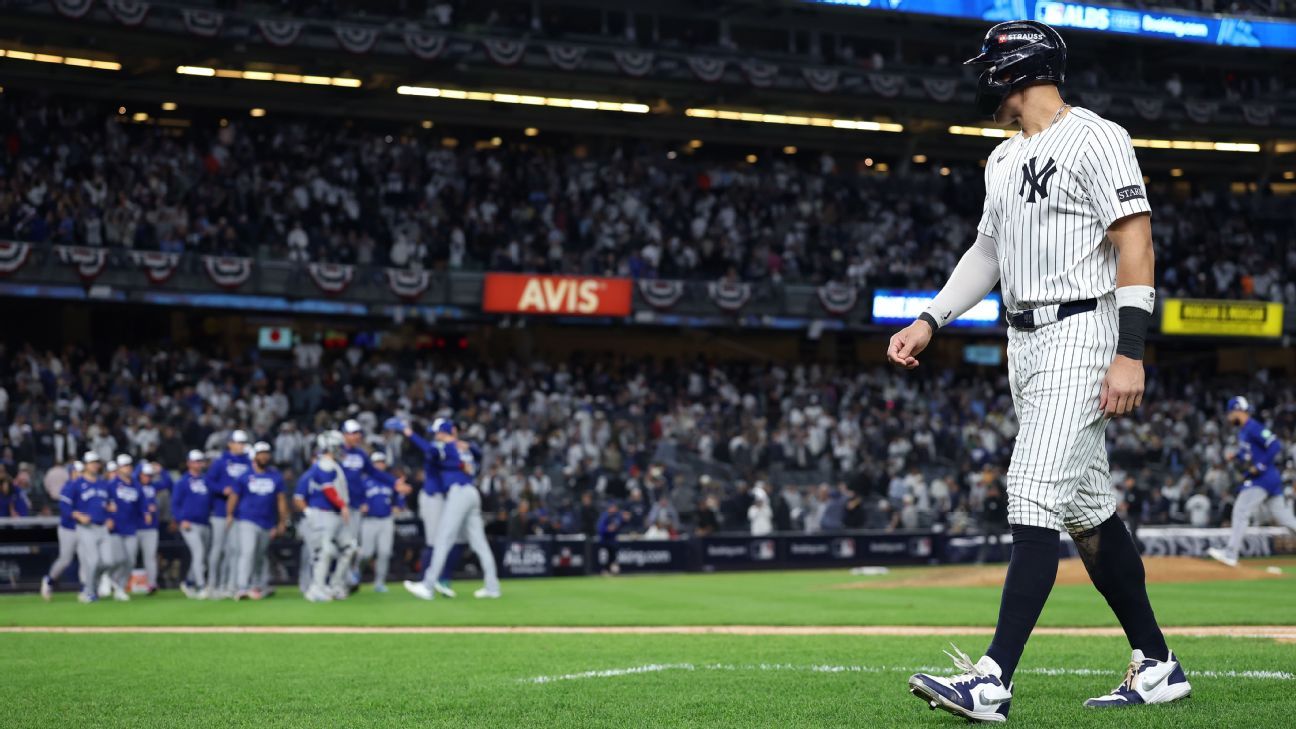
The New York Yankees took the field with renewed confidence this season, believing they were stronger and more complete than the team that reached the World Series last year. However, their season came to a disappointing conclusion on Wednesday night as they faced elimination in the American League Division Series (ALDS). The dreams of another championship run have been dashed, bringing forth questions about the future direction of the franchise.

In what could only be described as a night of missed opportunities, the Yankees struggled to maintain momentum against their opponents. Key players, such as star pitcher Gerrit Cole, delivered commendable performances, but it wasn’t enough to secure a win. The team fell behind early when a critical error led to a three-run homer that set the tone for a challenging evening. Commentator Michael Kay articulated the sentiment in the broadcast booth, stating, “You can’t afford to give away runs in a game of this magnitude.”

Game highlights revealed the tension upon every pitch, yet the Yankees couldn’t capitalize on their scoring opportunities despite dominating certain statistics throughout the season. The bats were notably silent when it mattered most, leading the team to miss crucial plays. Fans were left disappointed, wondering what might have been had the team executed better in the clutch moments. The resilience displayed by the Yankees, however, serves as a reminder of the grit embedded in their legacy.

As the dust settles from this postseason heartbreak, it is essential to remember that sports transcend the confines of the scoreboard. In moments of triumph and despair, athletes come together, showcasing their dedication and passion, reminding us of a truth that goes beyond mere statistics: unity and camaraderie. The Yankees‘ journey may have ended prematurely, but the spirit they embody will continue to inspire their fans and future generations. As they regroup and refocus for the challenges ahead, one thing remains clear: the love for the game thrives, and it binds us all in ways that are truly remarkable.

Source link

Here’s a revised version of the headline with a moderate right-wing, youth-oriented tone: “The Lowdown on the Charges Facing New York AG Letitia James — What It Means for Youth and the Next Generation”

Turning Challenges into Opportunities for Inspiration

In a world where the headlines often focus on political battles and legal scandals, it’s easy to overlook the underlying lessons about resilience, integrity, and personal growth. The recent legal saga surrounding New York Attorney General Letitia James highlights a significant truth: life’s toughest moments are opportunities for reflection and transformation. While she faces federal charges related to a property in Virginia, her steadfast refusal to be silenced reminds us that maintaining integrity is a lifestyle choice, not just a legal stance. The case exemplifies the importance of becoming resilient in the face of adversity—a trait often championed by influential wellness and leadership experts like Brené Brown and Simon Sinek.

Much like the shifting landscape of global wellness trends, the focus on wellness as a holistic lifestyle encourages us to think beyond mere physical health. It’s about cultivating mental and emotional strength to navigate challenges, whether they involve personal setbacks or larger societal conflicts. When James describes her situation as a ‘desperate weaponization of the justice system’, she underscores a vital point: true wellness includes a resilient spirit capable of standing firm amidst turbulence. This mentality is essential, especially for the youth seeking purpose and direction — to see setbacks not as the end, but as catalysts for a deeper understanding of oneself and one’s values.

Inspiration from the Power of Purpose and Personal Impact

As young individuals focused on carving a meaningful life path, it’s crucial to draw inspiration from stories like James’s and the broader fight for justice and accountability. Her legal battles against powerful figures like Donald Trump and her efforts as an advocate uphold a fundamental principle: personal impact is achieved through perseverance and commitment to a cause greater than oneself. These narratives serve as a reminder that adopting a purpose-driven lifestyle isn’t just about personal success, but about fostering a society grounded in truth and accountability. Wellness experts remind us that meaningful engagement—whether through career, activism, or personal growth—fosters resilience and fuels our pursuit of impactful living.

  • Think of your lifestyle as your personal mission: align your daily routines with your values.
  • Challenge yourself to learn from setbacks, transforming them into avenues for growth.
  • Seek inspiration from those who stand up for justice and integrity, serving as role models in a tumultuous world.

A Reflection on the Journey of Embracing Challenges

As we reflect on the ongoing saga of justice, politics, and personal resilience, it becomes clear that our lifestyle choices influence not just ourselves but the collective fabric of society. The ongoing legal disputes serve as a narrative of persistence—the kind of resilience that demands we stand firm in our convictions, uphold our integrity, and aim for a life of purpose. Every setback, if approached with resolve and a growth mindset, becomes a step toward a life of true wellness and authenticity.

The journey of embracing these challenges is, in many ways, a reflection of the broader human experience — a continuous pursuit of growth, integrity, and self-awareness. Just as the legal battles of figures like James and Trump shape the political landscape, so too do our personal struggles shape our character. With each obstacle embraced and each lesson learned, we reinforce the foundation of resilience and purpose, shaping a future where wellness is not just a personal goal but a collective endeavor. For those committed to living with intention, life becomes a journey of discovery and empowerment—a narrative worth embracing with hope and unwavering resolve.

Rising Stars Shine in Thrilling Youth Sports Championship

The Giants Triumph Over Rivals in Thrilling Showdown

This past weekend, the New York Giants faced off against their bitter rivals in an electrifying game that showcased not only their grit but also the potential for greatness. After a fast start, the Giants found themselves trailing but surged back in the second half to claim a convincing victory that left fans on the edge of their seats.

Initially, the Giants came out strong, quickly establishing a lead that hinted at a possible blowout. However, the dynamic shifted when the opposing team rallied, capitalizing on a few key mistakes that saw the Giants fall behind. As the game progressed, commentators like Mike Greenberg and Stephen A. Smith noted the shift in momentum, emphasizing how critical the second quarter was in defining the game’s outcome.

In a stunning display of resilience, the Giants returned to the field after halftime prepared to reclaim control. Crucial defensive plays set the tone for a dominant second half, allowing the Giants to score multiple touchdowns while blanking their opponents. Key players demonstrated their prowess, with quarterback Daniel Jones leading the way. With impressive throws and a few highlight-reel runs, Jones finished with over 300 passing yards and several touchdowns.

  • Daniel Jones: 300+ passing yards, 3 touchdowns
  • Defense: 2 critical interceptions, 1 safety
  • Second half scoring: 20 points unanswered

As the final whistle blew, the Giants celebrated not only a victory but a reaffirmation of their team spirit and resolve. Head Coach Brian Daboll praised the squad, noting, “It’s not how you start, but how you finish that counts.” This victory exemplifies the essence of sports, rallying fans together, inspiring determination, and reminding us all that while the scoreboard may display numbers, the heart and spirit of the game are what truly matter.

Source link

Campus jobs vanish as financial crisis hits youth future

Society at a Crossroads: The Human Cost of Higher Education Budget Cuts

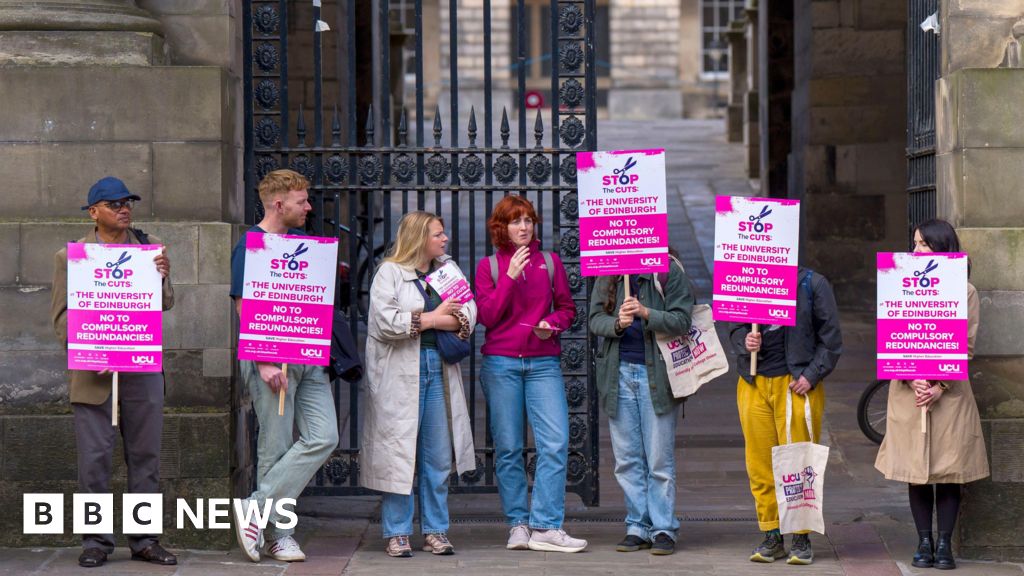
Across the landscape of British higher education, recent years have revealed a troubling trend: an unprecedented wave of financial austerity measures that threaten the very fabric of our educational communities. The University and College Union (UCU) reports that more than 12,000 jobs have been slashed in the last year alone, with an additional 3,000 positions at risk due to ongoing cost-saving initiatives. These reductions go beyond mere numbers— they echo deeply within the lives of students and staff, altering the core of our societal structure where families, education, and community tie together. As universities grapple with the need to tighten budgets, the moral and social consequences ripple outward: what does it mean for a student aiming for a future, or a lecturer whose livelihood hinges on decisions made in boardrooms?

Disturbingly, this climate of cutbacks fuels a demoralized workforce— university staff report being “exhausted, furious, and undervalued,” as Jo Grady, UCU general secretary, starkly describes. The sustenance of >4 million students in England alone is now shadowed by uncertainty, with many witnessing the disconsolidation of vital support services such as disability resources and cleaning staff. Such austerity measures are not just financial; they strike at the ethical heart of what it means to serve the public good. Sociologists like Michael Apple warn that these policies prioritize economic “efficiencies” at the expense of societal well-being, leading to a long-term decline in social mobility and access to higher education for the most vulnerable.

Among those facing the harshest consequences are academic staff like Dr. Zak Hughes, a chemistry lecturer at the University of Bradford, who describes the stark reality: he risked losing his job and, if that happens, will have to move back with his mother into her home, a stark symbol of societal insecurity. Meanwhile, in Edinburgh, a similar story unfolds where a planned £140 million in cuts looms over nearly 1,800 jobs, casting a shadow of doubt over students’ futures. Young people like Caspar Cubitt, a theology student, admit that the uncertainty has caused them to question their very decision to pursue higher education, stirring a cultural shift where aspirations are replaced with apprehensions. The historian David Brooks underscores that these trends threaten the foundations of our civic identity, as universities have long been pillars of societal progress and moral debate.

In response, some institutions call for “swift and decisive action” from the government, emphasizing that financial stability must be balanced against the moral obligation to support future generations. Yet, the crisis illuminates a deeper societal tension: how do we preserve the integrity of education in a system increasingly driven by economic imperatives? For families, this means reconsidering their investments in their children’s futures; for communities, it signals a fracturing of the social fabric that binds generations together. As the philosopher Francis Schaeffer once noted, society is only as strong as its moral commitment to human dignity and shared purpose. The challenge now is to envision a way forward—one that not only mitigates these cuts but also redefines the role of higher education as a true societal good, rooted in the promise of opportunity, hope, and resilience. In this moment of crisis, society is called to reflect: can it transform hardship into a catalyst for moral renewal, ensuring that the pursuit of knowledge remains a pursuit of justice?

Emerging Stars Shine in Thrilling Youth Sports Showdown!

Thrilling Showdown: Team A Claims Victory Over Team B in Nail-Biting Finale

In an electrifying clash on the gridiron, Team A emerged victorious over Team B in a tightly contested battle that will be talked about for years to come. The atmosphere was charged as fans filled the stands, eager to witness what turned out to be a classic matchup in this season’s high-stakes playoffs. With remarkable plays and a few unexpected twists, both teams showed why they had fought hard to reach this point.

The game was highlighted by the standout performance of Player X, whose impressive stats included 200 yards rushing and three touchdowns. As noted by commentator Jim Hargrove, “This is what playoffs are made of. Player X is not just playing, he’s dominating.” The dynamic player showcased his skills not only as a key offensive figure but also as a true team player, rallying his teammates under pressure. Coach Miller of Team A credited the victory to his team’s resilience and strategic execution. “We knew we could win; we just had to believe in each other,” he stated confidently at the post-game conference.

  • Player Y of Team B also made headlines with his remarkable 150 receiving yards.
  • A crucial interception by Team A’s Defense shifted momentum during the fourth quarter.
  • The matchup saw a remarkable turnout of over 30,000 fans, highlighting the community’s support for both teams.

As the clock wound down, and Team A’s defense held strong against a desperate last-minute push from Team B, it became clear that this game was more than just about the score. The fierce competition encapsulated the spirit of camaraderie and respect that defines sports at its best. Regardless of the outcome, the players from both teams showed extraordinary skill and heart, uniting fans across the spectrum in a shared love for the game.

As the final whistle blew and the celebrations erupted for Team A, it became evident that this victory was not just a personal triumph but a testament to the unifying power of sports. In moments like these, where rivalries transform into mutual respect, sports become more than just a scorecard—they forge connections, build communities, and inspire the next generation. Here’s to hoping we see more epic showdowns that inspire and uplift in the seasons to come.

Source link

Rising Stars Shine in Epic Youth Sports Showdown!

Lakers Remain Resilient Amidst Retirement Rumors

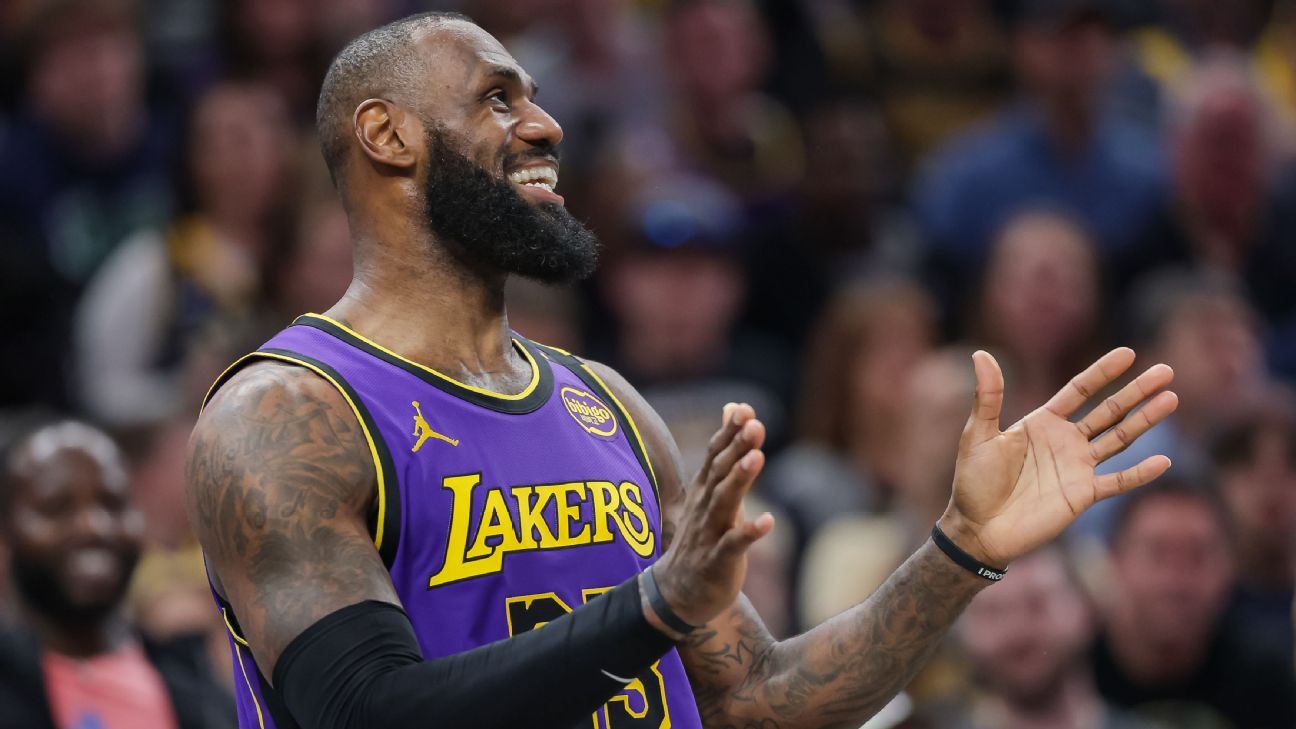
In the wake of LeBron James’s enigmatic social media post titled “The Second Decision,” speculation surrounding his potential retirement has taken center stage in the NBA. However, the Los Angeles Lakers franchise, along with its fanbase, are unfazed by these recent murmurs. Sources close to the team have indicated a strong belief that James is focused on the upcoming season, aiming to lead the Lakers back to championship glory.

During a recent press conference, Lakers head coach Davida Hinson addressed the rumors by stating, “We remain committed to our plans for this season, and LeBron has been a crucial part of that. His leadership on and off the court is invaluable.” The tone was echoed by players like Anthony Davis, who expressed confidence in James’s commitment, noting, “We have unfinished business, and I know LeBron feels the same.”

Despite the uncertainty that often accompanies such high-profile athletes, fans can take comfort in the statistics. Last season, James maintained an average of 30.3 points, sharply demonstrating his enduring capabilities. Furthermore, the Lakers enjoyed a record of 43 wins to 39 losses, showcasing their potential playoff strength. In the spirit of unity that the game fosters, the Lakers are focused on training camp, where they are gearing up for what promises to be an exhilarating season.

  • LeBron James averaged 30.3 points per game last season.
  • Anthony Davis voiced strong support for James amidst retirement discussions.
  • The Lakers finished last season with a record of 43-39.

As the sports community rallies around their teams, it’s crucial to remember that basketball is more than just a game; it unifies fans and inspires generations. While the intrigue surrounding LeBron James’s future continues, the Lakers embody the spirit of resilience and teamwork. As the lights dim and the games commence, it is in these moments that true unity thrives, reminding us all that the spirit of sports is indeed far greater than the final score.

Source link

Scientists Unveil First Reliable Blood Test for Chronic Fatigue Syndrome—A Win for Society and Youth Wellness

In a significant development that could reshape the landscape of healthcare and social support for families affected by chronic illness, scientists have announced the creation of what may become the world’s first reliable blood test for myalgic encephalomyelitis, commonly known as chronic fatigue syndrome (ME/CFS). For decades, this debilitating condition has eluded objective diagnosis, leaving millions of Americans and Europeans to navigate a maze of symptoms that often lead to misdiagnosis or outright dismissiveness from medical authorities. The absence of concrete tests has profound consequences, not only for patients’ physical health but also for their families and communities, who often bear the emotional and financial burden of a misunderstood illness.

Social commentators and medical professionals have long pointed out that the absence of definitive testing contributes to a damaging societal neglect of ME/CFS sufferers. Many individuals told their symptoms are “all in their head,” a dismissive attitude that can cause isolation and despair. The potential development of a blood test to identify ME/CFS offers a promising avenue for early diagnosis and intervention, which could dramatically alter the trajectory of affected lives. As noted by Prof Dmitry Pshezhetskiy of University of East Anglia, this discovery holds the promise of transforming how this complex disease is diagnosed and managed, providing relief to countless young people, working adults, and families who have suffered in silence for years.

Nevertheless, the path from promising scientific discovery to practical application remains fraught with hurdles. Experts such as Dr. Charles Shepherd of the ME Association urge caution, emphasizing that the *sensitivity* and *specificity* of the test must be rigorously validated across diverse populations and disease stages. Concerns over premature claims echo through the scientific community, highlighting the importance of cautious optimism. Nonetheless, sociologists and health advocates underscore that breakthroughs like this have the potential to reinstate hope and dignity among those marginalized by inadequate healthcare systems. The societal challenge lies not only in developing tests but also in ensuring equitable access, especially for working-class communities who often suffer disproportionately from systemic neglect.

The social fabric of society, particularly in youthful populations, is increasingly shaped by these ongoing struggles. As education institutions grapple with integrating comprehensive health curricula and fostering understanding of invisible illnesses, families stand at the frontline of societal resilience. The societal emphasis on technological progress and scientific validation must go hand in hand with addressing the moral imperative of supporting the most vulnerable. This challenge invokes historical debates about the moral responsibilities of society—should we be content with the hope generated by a new test, or push for it to be swiftly integrated into clinics, so that the promise does not become a disappointment?

Ultimately, the story of this scientific breakthrough is a poignant reflection of society’s ongoing struggle to reconcile technological innovation with ethical responsibility. It echoes a broader societal challenge: how to ensure that justice, compassion, and equity are woven into the fabric of health care, education, and community support. As history teaches us, the true strength of a society emerges in how it lifts up those marginalized by invisible burdens, transforming scientific hope into tangible, everyday relief. In this moment of potential progress, society faces a choice—continue to chase the mirage of perfect solutions, or unite to create a future where no one is left behind in the shadows of misunderstanding. The hope for this new blood test is not just for early diagnosis, but for a society that finally recognizes and responds to the silent suffering among us, with unwavering resolve and compassionate action.

Rising Stars Shine in Epic Youth Championship Showdown

Barcelona Gears Up for Epic Clash Against Bayern Munich in UEFA Champions League

As the stage is set for one of football’s most anticipated matchups, FC Barcelona prepares to face off against a formidable opponent, Bayern Munich, in the opening round of the UEFA Champions League. Barcelona’s head coach, Pere Romeu, has made it clear that his team is not daunted by the German giants, asserting, “We will compete like animals.” This statement highlights the intensity and determination that the Catalan club brings to the showdown.

This epic clash, set to take place on Tuesday, places both clubs under the spotlight. Barcelona’s squad, filled with emerging talent and seasoned veterans, looks to establish themselves as serious contenders in European football once again. Under Romeu’s leadership, players such as Gavi and Pedri are eager to prove their mettle against a traditionally strong opponent. The coach emphasized the importance of squad unity: “We are ready. We stand together, and we know what we can accomplish.”

Key Match Insights

  • Barcelona’s youth vs. Bayern’s experience: This match will feature a contrast in styles, as the youthful Barcelona side aims for a high-energy offensive against Bayern’s tactical precision.
  • Last year’s performance: In last season’s group stage, both teams demonstrated their prowess, making this matchup even more compelling.
  • Impact players: Watch for Barcelona’s Robert Lewandowski, who knows Bayern inside and out, to make a significant impact.

As commentators gear up for the broadcast, many agree that this encounter is crucial for both clubs—not just in terms of group standings but for their respective seasons as a whole. The excitement surrounding the match proves that the stakes are high, with fans from both sides eagerly anticipating what could be a thrilling spectacle of skill and strategy.

Ultimately, the game is more than just a battle for points; it symbolizes the spirit of competition that unites fans across the globe. Regardless of the outcome, moments like these serve as a reminder that football transcends national boundaries and brings people together. The roar of the crowd, the thrill of the game, and the passion shared by fans create an unparalleled atmosphere, where rivalries are fierce but the camaraderie of sport reigns supreme.

Source link

Youth protests turn violent as shoe hurled at India's chief justice over religious row
Youth protests turn violent as shoe hurled at India’s chief justice over religious row

India’s Judicial Integrity shaken: Shoe hurled at Chief Justice amid religious controversy

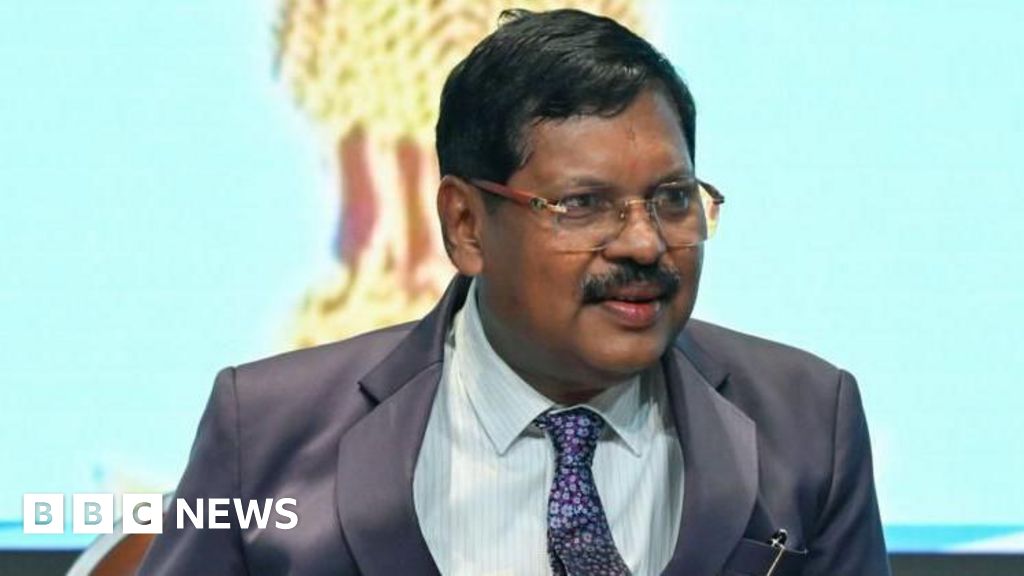
The recent incident in India where an attorney launched a shoe at Chief Justice BR Gavai during a courtroom session has ignited a firestorm across the nation, exposing the profound tensions simmering beneath its democratic veneer. The act, widely condemned by leadership across the political spectrum, underscores a volatile intersection of religious sensitivities and the fragile fabric of Indian society. As Prime Minister Narendra Modi denounced the attack as “utterly condemnable,” analysts warn that the upheaval signals deeper fissures within the country’s delicate balance between tradition, law, and nationalism.

The confrontation appears rooted in escalating religious tensions, particularly surrounding comments made by the Chief Justice about a recent court petition involving Hindu beliefs. When Chief Justice Gavai dismissed a plea to reconstruct a revered idol of Lord Vishnu, his remark—”This is purely publicity interest litigation… Go and ask the deity himself to do something”—sparked accusations of mockery directed at Hinduism, one of India’s most influential religions. Although Gavai later articulated respect for all faiths, the controversy reflects the ongoing challenge of navigating religious sensitivities within an increasingly polarized nation. Historians and social commentators caution that such disputes, if unmitigated, could further entrench societal divisions and undermine the rule of law.

The attacker, Rakesh Kishore, was immediately detained and later suspended from his legal practice, yet the broader implications extend beyond individual culpability. The incident epitomizes a cultural clash—where traditional expressions of protest, like a shoe-throwing gesture, are symbolic acts of humiliation and disrespect. In recent history, similar acts have punctuated global moments of political unrest: in 2008, an Iraqi journalist hurled his shoe at then-U.S. President George W. Bush, and earlier this year, a shoe was thrown at Kenyan President William Ruto. These acts, though shocking, reveal how deeply frustrations with leadership and societal injustices have reached a boiling point. For India, the gesture may symbolize a dangerous shift where respect for institutions is eroding, replaced by raw protests that threaten stability.

Expressing concern over the ramifications, international organizations and foreign analysts emphasize that such confrontations threaten the very tenets of democratic discourse. The United Nations and regional watchdogs have historically warned that respect for judiciary independence and religious harmony are pillars of national stability. Failure to address these sources of tension, analysts argue, could lead India down a path marked by increasing societal polarization and diplomatic isolation. Prime Minister Modi’s intervention emphasizes the importance of societal cohesion, yet critics argue that without addressing underlying causes—religious intolerance, political polarization, and miscommunications—the cycle of conflict will only intensify.

The incident leaves the world at a pivotal juncture, with India’s future precariously balanced. As history witnesses moments when societal fractures threaten to escalate into conflicts, the weight of the unfolding crisis in India reminds us that the boundaries between respect, dissent, and chaos are ever fragile. The remarkable resilience of India’s democracy will now be tested—whether it can heal its scars or succumb to new forms of unrest remains an open question, emerging from a chapter where tradition and modernity clash in the shadow of history yet to be written.

Social Media Auto Publish Powered By : XYZScripts.com