Matox News

Truth Over Trends, always!

Year 8 Students Face Mandatory Reading Tests in New Push to Boost Britain’s Youth Literacy

Cracks in the Foundation: Society’s Struggle with Educational Standards and Social Cohesion

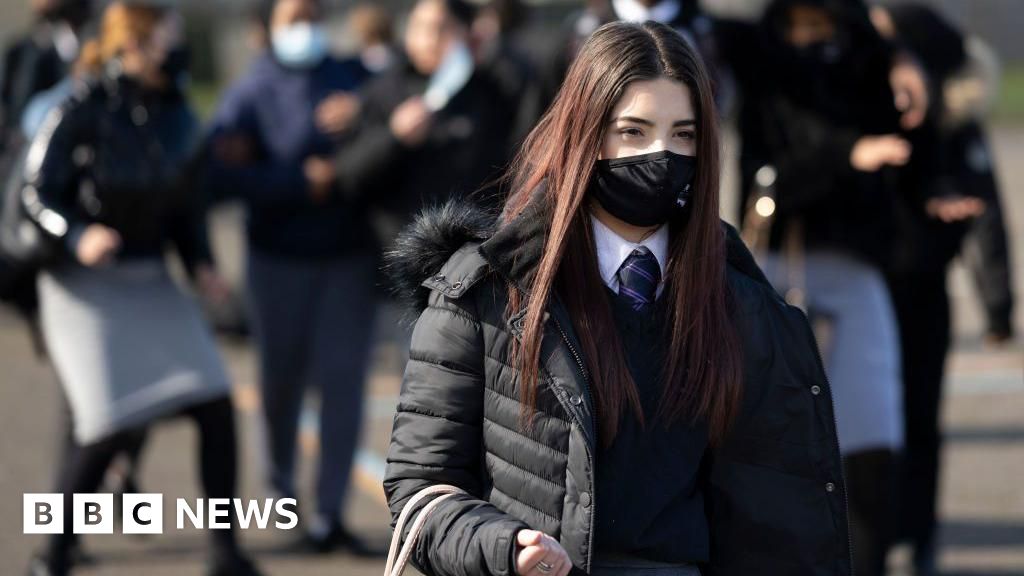
As curriculum reforms and intensified testing take center stage in England’s education policy, the societal fabric faces subtle yet enduring strains. The government’s proposal to introduce mandatory reading tests for Year 8 students highlights a growing concern among policymakers regarding literacy standards and future economic competitiveness. Planned as part of an upcoming white paper, this initiative aims to evaluate pupils’ progress two years into secondary school, reflecting a broader desire to recalibrate educational accountability. However, critics argue that these measures may oversimplify the critical social and moral roles of education, risking a narrow focus that overlooks the diverse challenges faced by families and communities.

Historically, sociologists like Raymond Williams and bell hooks have emphasized that education is more than a standardized test; it is a vital space for cultural transmission, moral development, and social cohesion. Trends reveal that while 75% of Year 6 students met expected reading standards this year, a troubling quarter still fall short, underscoring persistent inequalities. For families from disadvantaged backgrounds, such gaps are compounded by systemic barriers that no amount of testing can fully address. Critics note that the reliance on annual assessments and high-stakes testing contributes to a narrowing of the curriculum, restricting teachers’ ability to cultivate critical thinking, creativity, and moral judgment. Instead of viewing these exams as tools for empowerment, many see them as instruments of compliance that threaten to erode the humanistic elements at the heart of education—elements that directly influence family stability and community well-being.

The debate extends beyond the classroom into the societal implications of these policies. Leaders like Daniel Kebede of the National Education Union warn that increasing test regimes risk fostering “punitive labeling” and academic stress, which disproportionately impact those already marginalized. Such approaches tend to favor a neoliberal narrative—one that equates student success with quantifiable benchmarks rather than holistic development. Meanwhile, critics like Sarah Hannafin of the NAHT argue that “good teaching,” not testing, is the real driver of improvements, emphasizing the importance of investing in resources and support systems. This tension underscores a deeper societal question: how do we balance accountability with the moral imperatives of fostering compassionate, resilient communities?

As society grapples with these dilemmas, the challenge remains clear: to forge an educational environment that values the dignity of each learner and recognizes the societal importance of social cohesion. The upcoming review of the curriculum and assessment framework offers an opportunity to reconsider whether current policies serve society’s broader moral and cultural needs or simply perpetuate a cycle of testing and compliance. Reflecting on the words of social critics and educators, it becomes apparent that true social progress must incorporate moral development, community engagement, and an acknowledgment of the systemic barriers faced by many families. In this crucible of change, society stands at a crossroads—a chance to build not just a qualified workforce, but a society rooted in shared values, hope, and resilience, rekindling the belief that education should uplift the human spirit, not diminish it.

Rising Stars Shine: Youth Teams Showcase Talent in Thrilling Weekend Matchups

Alek Manoah Joins the Braves After Blue Jays Departure

On Friday, the Atlanta Braves made a significant move by claiming right-hander Alek Manoah, a former Cy Young contender whose recent struggles with the Toronto Blue Jays led to his designation for assignment earlier this week. This acquisition is seen as a potential turning point for the talented pitcher, who once dazzled fans with his remarkable pitching skills but has faced considerable challenges in the past season.

Manoah’s talent is undeniable; his 2021 season saw him finish third in the Cy Young voting, a season where he boasted an impressive 3.22 ERA and struck out 227 batters. However, his performance took a drastic turn in 2023, where he struggled with consistency, leading to a disappointing 6.36 ERA before his release. Braves’ general manager Alex Anthopoulos expressed optimism about this acquisition, stating, “Alek has the potential and versatility to contribute significantly to our rotation. We believe that with the right environment and support, he can regain his former prowess.”

In his debut for the Braves, Manoah has the opportunity to showcase his skills alongside a competitive pitching staff that includes stars like Max Fried and Spencer Strider. As the Braves gear up for the postseason, Manoah’s integration into the team could provide the depth they need to make a deep run. Analysts note that his performance will be closely watched, not only for the potential impact on the team’s success but also as a measure of his resilience and adaptability.

Match highlights include the Braves’ upcoming series against the New York Mets, where Manoah’s performance will be crucial. Fans and pundits alike are eager to see whether he can rekindle the promising talent that made him such a sought-after pitcher just two years ago.

In sports, the scoreboard often tells only part of the story. As the Braves welcome Alek Manoah into their ranks, they are not just adding a player but igniting hope and rekindling aspirations. Sports serve as a unifying force, reminding us all that each player possesses a journey filled with ups and downs. Manoah’s story, from Cy Young contender to a fresh start, encapsulates the spirit of resilience and determination that defines sports as more than just a game—it embodies the relentless pursuit of excellence and the collective heart of a passionate community.

Source link

Youth Data Breach Sparks Outrage as Nursery Hackers Threaten to Release More Kids’ Profiles

In recent months, the digital age’s dark underbelly has revealed itself through distressing breaches that threaten the very core of family and community life. A shocking example involves the Kido nursery chain, where criminal hackers have taken personal data of young children and their families hostage. The criminals—calling themselves Radiant—hacked into a widely-used software platform called Famly, which is employed by over a million nursery and childcare organizations across the globe. They then posted profiles of 10 children—including pictures, birth details, and contact information—on the dark web, exposing vulnerable families to grave risks. This attack underscores how social issues rooted in cybercrime are impacting families, education, and local communities, showing a sinister new low of digital exploitation.

While the hackers’ motives are driven solely by greed, their actions have profound moral and societal consequences. Young children, who are the most innocent members of society, are now targets in a criminal ecosystem that disregards their safety. These breaches put families at risk of identity theft, online harassment, and other forms of cyber-violence, threatening the very sense of security that should underpin the nurturing environment of early childhood education. Sociologists like Dr. Susan Fiske highlight how such invasions erode trust in institutions meant to safeguard children—trust that is fundamental for healthy community development. In a society where the safety of our youth is compromised in the digital realm, the fabric of community cohesion weakens, and parents grow increasingly anxious about the environment their children are part of.

Adding to the moral outrage is the disturbing reality of criminal extortion tactics. Hackers have called individual parents threatening to release their children’s personales unless a ransom is paid, a tactic that only worsens the social toll. These acts of intimidation are not only illegal but also morally reprehensible, shining a harsh spotlight on how cybercriminals exploit the vulnerabilities of a digital society that often fails to fully protect its youngest members. Authorities, including the Met Police, have launched investigations but warn against paying ransoms, as this only fuels the cycle of lawlessness. Yet, the psychological and emotional impact on families—especially parents who feel helpless and betrayed—can have lasting effects that ripple across communities, hindering the social cohesion necessary for healthy societal growth.

The incident at Kido is a stark reminder that cybercrimes targeting community institutions demonstrate how technological vulnerabilities directly threaten our societal values. As social commentators warn, a society that cannot safeguard its most vulnerable from digital predators risks fragmenting its moral fabric. The challenge remains to develop resilient technological safeguards, bolster community awareness, and foster a moral stance that condemns such unethical exploitation. Ultimately, society’s resilience will depend on how well families, institutions, and governments work together to uphold safety and integrity in the digital age. The path forward involves not just technological fixes, but also a moral renewal—reaffirming that the safety of our children is a collective moral imperative, not a mere legal obligation.

As society faces these complex challenges, it becomes clear that the fight against cybercrimes is also a fight to preserve the moral backbone of our communities. The hope for tomorrow lies in the unwavering commitment to protect the innocence of childhood and to restore confidence in the institutions that nurture and educate future generations. Society’s strength will be measured not only by the technology it employs but also by the moral resolve to face its vulnerabilities with courage and integrity. In this struggle, society must remember that the true victory is not just in defeating the hackers but in reaffirming the moral dignity of a society that refuses to let its most vulnerable become collateral damage in a ruthless digital war. It is in this collective effort that hope resides—the hope that, someday, society will rise resilient, safeguarding its future in the digital dawn, ensuring that the innocence of childhood remains shielded from the shadows of a society still learning to conquer its own shadows.

Future Stars Shine: Rising Talents Make Waves in National Youth Sports Championship

Aitana Bonmatí Prepares for a More Competitive Champions League Season

As excitement builds for the upcoming UEFA Women’s Champions League, Aitana Bonmatí of Barcelona is making headlines not just for her team’s prospects, but for her personal achievements as well. Earlier this week, Bonmatí received the coveted Ballon d’Or for an unprecedented third consecutive time, a feat that positions her among legends such as Michel Platini and Lionel Messi. She commented on this extraordinary moment during a celebration at the Gran Teatre del Liceu in Barcelona, stating, “In my opinion, this change in the Champions League is one of the best things they could do; it makes it more competitive.”

New Format, New Challenges

The upcoming season will see the Champions League adopt a new format, expanding from 16 to 18 teams, incorporating the Swiss model akin to the men’s tournament. Each team will compete in six unique fixtures, a shift that is expected to heighten competition across the board. For Bonmatí and her teammates, this means a challenging road ahead but one that they are prepared to navigate. Barcelona will open their campaign against Bayern Munich on October 7, a match that’s poised to set the tone for their season.

  • Aitana Bonmatí is the first woman to win the Ballon d’Or three times in a row.
  • Barcelona reached the Champions League final last season, only to fall short against Arsenal.
  • Bonmatí helped her team secure a domestic treble last season, also competing in the Euro 2025 final.

Bonmatí expressed her optimism, stating, “I think it’s going to be a very exciting season because the Champions League is changing.” Her confidence is backed by her stellar performance last season, where she had a significant role in guiding Barça through a successful campaign. This past year has also seen her transition from a talented player to an internationally recognized star, as her name resonates not only in her home country but across the globe.

Beyond the Scoreboard

What makes Bonmatí’s achievements even more remarkable is her ability to maintain a high level of performance under pressure. In recent games this season, she has already netted an impressive five goals in just four matches. Yet she remains grounded, indicating that her focus is wholly on her personal journey rather than comparisons to other football legends. “I am Aitana. I have my own path to follow,” she remarked when asked about the potential to match Messi’s record of eight Ballon d’Or wins. Her commitment to hard work and perseverance resonates deeply within the sports community.

The start of the Champions League is not just about the competition; it stands as a testament to the unifying power of sports. As fans eagerly await the matches, it is moments like these that illustrate how sporting excellence can transcend individual ambitions and aspirations. Whether it’s in a packed stadium or through the screens at home, the joy of the game brings diverse communities together, cheering on shared hopes and dreams. As Bonmatí and her teammates prepare for battle, they do so not just for trophies, but for the greater love of the game and the connections it fosters among fans worldwide.

Source link

BBC Approves Certain Complaints Over Bob Vylan’s Glastonbury Performance, Sparking Youth Dialogue

The recent controversy surrounding the British punk duo Bob Vylan at Glastonbury serves as a stark reminder of how deeply culture remains intertwined with the very fabric of societal identity and historical memory. The BBC’s subsequent ruling—acknowledging some breaches of harm and offence guidelines—has ignited a fervent debate about the boundaries of artistic expression and the societal responsibility of public broadcasters. Yet, beneath this controversy lies a broader reflection on the role of cultural movements and expressive acts in shaping, challenging, or defending the core values of a civilization.

The band’s performance, which included chants such as “death, death to the IDF” and slogans like “From the river to the sea,” was characterized by many as provocative and provocative with political implications. Such phrases evoke complex historical parallels—from the upheavals of post-colonial struggles to the radical activism of movements like Gesellschaft or Frankfurt School’s critical theory. These expressions, whether intended as support for Palestinian aspirations or as a protest against violence, symbolize the ongoing battle over what constitutes societal memory and the philosophical underpinnings of justice and sovereignty. Philosopher Ortega y Gasset warned that cultural identity is an ongoing project, a “werewolf” of tradition and modernity, which must be continually redefined—yet these acts challenge the very foundations upon which societies are built.

Historically, cultures have morphed through conflict and dialogue, sometimes embracing radical dissent, sometimes suppressing it. The Glastonbury incident reflects this ongoing tension—where art, history, and morality collide. The public’s reaction—ranging from condemnation to calls for greater censorship—parallels the dilemmas faced during the Enlightenment, when challenging orthodoxies threatened societal cohesion. The BBC’s decision not to pull the live stream after the comments were made, despite internal debates, mirrors a society grappling with the delicate balance between freedom and order. As T.S. Eliot observed, our culture is a “waste land,” yet it is also fertile ground for renewal—a prophecy rooted in memory while gestating the future.

Ultimately, culture functions as the memory of a society, a repository of its history, and as prophecy, an anticipation of what humanity might become. In this light, the crisis over Bob Vylan is not merely about one band or one concert, but about the essence of societal identity and its relation to tradition. As Chesterton eloquently argued, culture’s task is to preserve the eternal truths amidst the chaos of modernity, ensuring that our society does not drift into forgetfulness but remains anchored in its foundational narratives. Whether in song, speech, or silent reflection, culture is the sacred dialogue that preserves our past and breathes life into our future—a legacy that must be courageously defended in the face of erasure or distortion.

As we consider the ongoing debates about free expression, political identity, and societal cohesion, we do well to remember that culture, in its deepest sense, is both a repository of our memories and a beacon of what lies ahead. It whispers of our ancestors’ struggles and dreams, shaping the collective consciousness that will guide generations to come. In this harmony of memory and prophecy, humanity finds its truth—ever resilient, ever hopeful, echoing through the corridors of history like a timeless symphony that beckons us to listen and to remember that we are both the sum of our past and the architects of our destiny.

Rising Stars Shine in Latest Youth Sports Championship: Highlights and Results

The Road to Redemption: England Eye Ashes Glory Amidst Uncertainty

As the cricket world turns its eyes towards the highly anticipated Ashes series, England finds itself at a crossroads filled with promise and precariousness. A series of injuries and fluctuating performances have raised questions about squad stability, particularly with talismanic captain Ben Stokes sidelined due to a shoulder injury. Notably, coach Nick Knight voiced concerns around the leadership under Stokes, who has missed the final Test against India and has not completed any of England’s last four Test series. This puts considerable pressure on the team as they prepare for the first Ashes Test scheduled for November 21.

Despite the challenges, the recent performances by players like Ollie Pope and newcomer Jacob Bethell provide a flicker of hope. After scoring a century in the first innings against India, Pope has struggled, only crossing 50 in one of the subsequent matches. Meanwhile, Bethell, just 21, has risen to prominence after making his first professional century in a one-day international against South Africa earlier this month. Former batter Key remarked, “We’ll see a bit more of Jacob Bethell playing in white-ball cricket before the Ashes.” This statement indicates that the England coaching staff is investing in youth, aiming to balance experience with fresh talent.

  • Injury Woes: Stokes missing significant game time raises concerns regarding match fitness leading into the Ashes.
  • Emerging Talent: Jacob Bethell’s recent century showcases the potential within England’s ranks, despite limited first-class experience.
  • Key Insights: Nick Knight believes in balancing experienced players and young talents for optimized performance.

Additionally, the astonishing recovery of Mark Wood, the world’s fastest bowler, has been a talking point. Wood has not played a Test since August 2024 due to elbow and knee injuries, yet Knight is optimistic about his readiness for the opening Ashes clash. “His recovery is probably a little bit slower than we thought but we’re always erring on the side of caution,” said Knight, reiterating Wood’s natural ability to deliver at impressive speeds: “He’s someone that can bowl in nets… then all of a sudden he runs up and bowls 95mph.” The inclusion of Will Jacks as a backup spinner is another tactical move, albeit one filled with uncertainty, as he has only taken five first-class wickets this year.

As the pieces of this cricket puzzle fall into place, it becomes clear that the camaraderie and spirit of sportsmanship are as crucial as individual performances. The Ashes series is not merely about the scoreboard; it symbolizes the unbreakable bond between fans and players. As the England team gears up for this legendary contest, the hope is that talent, commitment, and a collective will to win will reignite the nation’s pride. The field may be a battleground, but in the pursuit of glory, it also serves as a unifying force that brings fans from all walks of life together. For cricket enthusiasts, this story transcends the statistics—it’s about passion, resilience, and the relentless pursuit of excellence.

Free Markets: The Key to Youth Empowerment


The concept of free markets often elicits robust debate, particularly regarding their implications for youth empowerment. Proponents argue that fostering free-market principles allows individuals, especially the younger generation, to harness economic opportunities, exercise personal agency, and drive innovation. As the complexities of the modern economy evolve, many suggest that empowering youth through free-market mechanisms can yield compelling benefits not only for individuals but also for society as a whole.

One of the most significant advantages of a free-market economy lies in the opportunities it presents for entrepreneurship. A youth that is equipped with the ability to start and grow businesses enjoys the chance to create jobs, solve societal issues, and contribute to economic development. According to the Global Entrepreneurship Monitor, young entrepreneurs are often more innovative than their older counterparts. In an unfettered market, young individuals can bring fresh ideas to the table, unbound by the traditional limitations of older market players. This empowerment through entrepreneurship is pivotal in fostering a culture of responsibility and self-sufficiency.

Furthermore, free markets tend to create an environment conducive to competition, which can lead to lower prices and improved quality of goods and services. For youth entering the job market or seeking specific products, this competitive landscape can enhance choices. Critics often argue that the free market exacerbates inequality; however, evidence shows that efficiency and innovation arising from competition can open pathways for disadvantaged youth to enhance their skills and access better opportunities. A more competitive market can serve as a democratizing force, allowing young people to break into industries that may have seemingly been off-limits.

Moreover, the advent of technology has been a game-changer in empowering youth through free markets. The digital economy functions largely on principles of free-market competitiveness, enabling young individuals to capitalize on their skills and creativity. Platforms such as Etsy and Teespring allow aspiring artists and designers to sell their products with relative ease. Remote work opportunities facilitated by gig economy platforms enable youth to gain experience and earn income while balancing education and other commitments. Such advancements showcase the powerful intersection of technology and free-market principles in empowering the next generation.

However, the question arises as to whether free markets alone can adequately address the systemic barriers faced by many young individuals. Critics point towards issues of economic disparity, student loan burdens, and the rising cost of living as significant obstacles. While free markets can provide opportunities, they must be coupled with supportive policies and education that foster adaptability and resilience among youth. This includes investing in educational programs that emphasize not just academic knowledge, but also practical skills that align with market demands.

With the growing recognition of mental health and well-being, it is crucial to understand that the empowerment derived from free markets should also consider the well-being of young individuals. A solely profit-driven approach could lead to burnout and dissatisfaction. Many argue that integrating corporate social responsibility into business models can provide a balanced framework that uplifts youth. Companies that prioritize mentorship, apprenticeships, and wellness initiatives can greatly enrich the free-market ecosystem by investing in the human capital that constitutes its future.

The argument for free markets as a vehicle for youth empowerment is particularly relevant in the context of global trends such as globalization and digital transformation. Young people today are adapting to rapid changes and competing with their peers worldwide. To navigate this landscape successfully, a strong foundation in free-market principles can equip them with the tools to thrive. It fosters not just a sense of agency but also a spirit of innovation and adaptability, essential traits for success in the 21st century.

In conclusion, while free markets are not a panacea for all challenges faced by young people, they represent a significant avenue for empowerment. By enabling entrepreneurship, enhancing competition, and leveraging technology, free markets can help foster a generation that is ready to tackle the complexities of a continuously evolving economy. When paired with thoughtful policies and an emphasis on workers’ well-being, free markets can create a fertile ground for the youth to not just envision their futures but actively shape them. For a forward-looking society, investing in the potential of youth through free markets holds the promise of a more dynamic and innovative future.

Boosting Youth Innovation: Overcoming Client Challenges

Emerging Digital Challenges: Navigating Web Accessibility Issues

In an increasingly digital world, web accessibility remains a growing concern for users and developers alike. Recent reports highlight that many individuals are encountering significant barriers when attempting to access vital online resources. This situation prompts critical discussions about both the technical aspects of website functionality and the broader implications for users, particularly younger generations who rely heavily on online platforms for education, communication, and information.

One of the primary issues reported involves websites that are not properly optimized for all users, particularly those barraged with error messages when attempting to access content. For instance, a significant number of users have encountered sites that are non-functional due to JavaScript restrictions or settings, leading to unreliable access to essential services. These technical shortcomings not only frustrate users but also limit equal access to information, drawing attention to the necessity for websites to adhere to established accessibility standards set forth in initiatives like the Web Content Accessibility Guidelines (WCAG).

The repercussions of these challenges extend beyond simple inconvenience. With the rise of remote learning and professional environments dominated by online interaction, the need for accessible websites is imperative, particularly for younger users who are digital natives. Schools and organizations must consider the implications of inaccessible websites on their students’ ability to learn and thrive in a competitive global environment. Failure to address these concerns could lead to a significant divide between those equipped to navigate digital spaces and those left behind due to technological barriers.

In response to mounting criticism, developers and organizations are being urged to prioritize accessibility features during the design and implementation phases of their websites. Young users, in particular, may find that advocating for changes in accessibility not only enhances their own experiences but also contributes to a more equitable digital landscape for all. As digital engagement continues to evolve, the critical need for accessible web solutions will only grow, making it essential for stakeholders to embrace these challenges head-on to foster a more inclusive future.

Kimmel stands his ground with bold message to Trump, sending a clear call to the youth and values we hold dear

In the shifting currents of contemporary culture, the significance of art, media, and entertainment extends far beyond mere amusement; they stand as the living pulse of our collective identity. As Ortega y Gasset famously observed, “A society is always as strong as its cultural memory.” Today, figures like Jimmy Kimmel and Robert De Niro serve not only as entertainers but as voices in the ongoing dialogue about truth, freedom, and societal norms. Their confrontations with political figures and institutions highlight a profound truth: culture is both the mirror and the torch of society’s values. This culture—whether it lives in the nuances of late-night monologues or in the underlying principles of national discourse—remains an indelible part of our heritage and a prophecy of our future trajectory.

In recent weeks, Kimmel’s return to television amidst controversy exemplifies the deliberate effort to preserve the space for free speech—an enduring pillar of Western democracy. His refusal to entirely apologize for his comments about Charlie Kirk’s tragic death underscores a vital aspect of cultural resilience. As Chesterton once argued, “The true object of a joke is not to make you laugh, but to make you think.” His bold stance challenges the rising tide of censorship, which some critics argue is fueled by government or corporate interests, seeking to silence dissent under the guise of civility. Kimmel’s critique of the FCC, with humorous yet pointed sketches featuring Hollywood icon Robert De Niro, condemns the misuse of authority and mob tactics that threaten individual expression. This belligerent stand reveals that culture is not static but a battleground—where the preservation of tradition meets the demands of modernity, often at odds with each other.

  • Milestones in cultural battles: From Chesterton’s rallying cry for tradition to Eliot’s recognition of the poet as “the memory of mankind”.
  • Key themes: The importance of historical context, the defense of free speech, and the critical role of cultural icons in shaping societal values.
  • Contemporary reflection: Figures like Kimmel and De Niro epitomize the modern struggle—balancing entertainment, political commentary, and the defense of civil liberties.

Yet amidst these clashes, the essence of culture remains rooted in its dual role as memory and prophecy. It is a repository of our shared past—celebrating heroism, lamenting follies, preserving tradition—and a guidepost for the future, orienting society amid the chaos of change. As Tocqueville noted, “America’s strength lies not only in its institutions, but in the moral fabric woven by its culture.” Today, we stand at a crucial juncture: to uphold the values that forge our identity and prevent the erosion of our civil liberties. Culture, then, is the spiritual inheritance that roots us in history yet propels us towards our destiny. It is both the echo of humanity’s voice through the ages and the prophecy inscribed in the ideals we choose to defend. In this undying dialogue, humankind’s enduring hope rests—a hope that culture will always be both memory and prophecy, guiding us through darkness into the dawn.

Today’s Politics: Youth Perspectives Shape the Future of Our Nation

In the current landscape of American politics, the decisive battle for the soul of the nation continues to unfold amidst mounting power struggles that determine the direction of future policy and influence. At the center of this evolving tableau is President Joe Biden, whose administration endeavors to project authority while navigating the turbulent waters of division and discontent. The confrontations between the executive branch and legislative bodies reveal much about the undercurrents shaping American governance—where policy reforms are not merely legislative acts, but battlegrounds for ideological supremacy.

The Biden administration’s push for broad reforms—ranging from economic recovery to social equity—has been marked by an ambitious agenda that echoes traditional Democratic objectives. Yet, these initiatives often encounter fierce resistance from Republican-led legislatures and conservative interest groups desperate to preserve their influence. This dynamic not only underscores the power dynamic in play, but also raises questions about who truly holds sway over the policy outcomes that will shape the lives of millions. Here, the narrative echoes the enduring philosophical debate on who determines the governance of a nation—the voters, the elites, or the institutions.

Historical parallels are instructive. Like the fierce constitutional debates during the New Deal era or the more recent battles over healthcare and executive power, today’s political climate signals a struggle over constitutional interpretation. Constitutional scholars and theorists such as **Ronald Dworkin** and **A.V. Dicey** remind us that the document—while framed in the 18th century—serves as a battleground for contemporary ideologies. The very fabric of the U.S. Constitution is being tested as executive orders clash with legislative statutes, and questions around *who* wields *ultimate authority* become increasingly contentious. When institutions clash, it becomes clear that the ruling power defines the destiny of democracy itself—placing the social contract under continuous renegotiation.

In this constant push-and-pull, the decisions of today forge the societal landscape of tomorrow. Policy shifts—be they related to immigration, economic reform, or civil liberties—are rooted in broader ideological conflicts that resist simple resolution. The stakes transcend mere legislation; they shape the identity of the nation. As political theorist **Carl Schmitt** argued, sovereignty resides in the ability to decide on the exception, and in such moments, the true supremacy of power is revealed. The question remains: who will define the narrative from this stage of history? Will it be the advocates of order or the champions of change? Ultimately, the stage is set, and history is watching—to see who will write the final chapter in this ongoing saga of power and destiny.

Social Media Auto Publish Powered By : XYZScripts.com