Matox News

Truth Over Trends, always!

Why Anti-ICE Pin Badges Are the New Must-Have Accessory for Trendy Youth on the Move

The cultural landscape of activism has entered a new era where style and social justice are seamlessly intertwined, especially on the red carpet. The rise of protest accessories—most notably the humble pin badge—has transformed from simple ornamentation to a powerful symbol of resistance and social consciousness. At recent high-profile events like the Grammy Awards, celebrities such as Justin and Hailey Bieber and Billie Eilish have worn black-and-white pins emblazoned with “ICE out,” boldly condemning immigration enforcement policies associated with the US Immigration and Customs Enforcement agency. This has become a visual rallying cry that captures the attention of millions watching from home, illustrating how entertainment figures are leveraging their influence for social relevance.

This trend isn’t confined to the glamorous world of celebrities. It reflects a broader societal shift in activism—one that emphasizes **accessible, wearable protest** as a means of engaging a younger audience. TikTok, the driving force behind many contemporary movements, is flooded with tutorials on how to craft these badges, while online marketplaces have responded swiftly by offering variations such as “Abolish ICE” or “Nobody is illegal” sets. The cultural impact here is significant: what was once the domain of political rallies and protests is now woven into everyday fashion, transforming silent accessories into statements of identity and solidarity. Sociologists argue that this participatory form of activism—embracing DIY craft and social media—fosters a sense of community and personal agency among youth who might otherwise feel disconnected from large-scale political processes.

Influencers like Missouri-based beadwork artist Komina Guevara describe wearing these protest badges as “a small, intimate protest”—a sentiment that resonates deeply with a generation seeking authenticity and direct impact. Beyond pins, the activism has extended into fashion with viral T-shirts, such as those inspired by Bad Bunny’s Grammy speech, which declare “ICE out” with defiant boldness, and Ella Emhoff, stepdaughter of Vice President Kamala Harris, wearing a shirt bearing the message “The wrong ICE is melting” at Copenhagen Fashion Week. This fusion of style and activism isn’t just superficial: it’s a reflection of how social relevance becomes embedded in personal expression, transforming protest into a lifestyle for a more conscious generation.

The movement’s influence extends into craftivism—a blend of craft and activism championed by figures like Betsy Greer. She emphasizes that participatory projects like knitting “Melt the ICE” hats or crafting badges create connections that motivate sustained engagement. These small acts foster a sense of belonging and purpose, making it easier for individuals to engage in broader advocacy, whether that means calling politicians, volunteering locally, or attending protests. As social movements increasingly adopt this creative, personal approach, the question arises: **Are we witnessing a new form of cultural revolution, where individuality and activism fuse into daily habits, shaping the future of political engagement among youth?** It’s a question that challenges us to consider whether this blending of fashion, craft, and protest will fade or evolve into a resilient force capable of driving substantive change at a societal level.

Safe Sun Apps Fueling Skin Cancer Risks, Undermine Youth Awareness

Resurgence of Tanning Culture Sparks Concerns Over Youth’s Health and Society

In recent years, technological advances and social media influence have fostered a troubling revival of tanning among Australian teenagers. Promoted through popular social media influencers and smartphone applications, a new wave of tanning culture is emphasizing “safe” and “healthy” routines—despite medical experts warning that any exposure to ultraviolet (UV) radiation carries significant health risks. These apps, some directed at users as young as four, guide users to intentionally expose themselves to UV rays, with features allowing customization of skin tone, tanning intensity, and even the application of oils or accelerants. This trend complicates societal efforts to combat skin cancer and influences family dynamics by normalizing risky behaviors at an impressionable age.

The Illusion of ‘Safe’ Tanning and Its Impact on Communities

  • Many of these apps suggest that tanning can be achieved gradually or within “safe” exposure thresholds. However, dermatologists like Dr. Deshan Sebaratnam refute this, emphasizing that “a tan is a distress signal from your skin,” indicating damage rather than safety.
  • Damage from UV radiation penetrates into DNA, causing mutations that can ultimately lead to skin cancer. Despite this, the marketing around ‘gradual’ tanning perpetuates misconceptions, undermining public health efforts and problematically targeting young people who are at a higher lifetime risk from early UV damage.
  • According to the Cancer Council Victoria’s SunSmart program, these trends threaten to undo decades of public health campaigns aimed at reducing tanning obsession, which historically has been associated with societal notions of beauty and status—but at what human cost?

Families and Education Under Siege by Cultural Shifts

In this social environment, families find themselves grappling with an increase in misinformation and risky behaviors. Schools and community programs face the challenge of counteracting pervasive advertising that normalizes tanning as a desirable or ‘safe’ activity. Sociologist Dr. Julia Connor notes that “cultural norms around tanning, often intertwined with notions of youth, beauty, and social acceptance, are deeply ingrained”—making interventions difficult. Meanwhile, education on the real dangers of UV exposure remains sporadic and often overshadowed by rapidly evolving marketing trends that glamorize sun-kissed skin.

What is more concerning is that the development of these apps often involves targeted marketing, using social media influencers who appeal directly to impressionable youth. Studies have shown that such strategies significantly influence adolescents’ perceptions about health and beauty. As a result, young individuals may prioritize appearance over their long-term health, inadvertently planting the seeds for skin cancer and other sun-related health issues. Community leaders and policymakers are called upon to more robustly regulate advertising and digital content, enforcing guidelines that prioritize critical education about UV risks.

Moving Toward a Society That Values True Safety and Health

Despite the mounting challenges, experts and social commentators emphasize that the only truly “safe” tan is a fake one, highlighting the importance of embracing natural skin tones or using certified tanning products that do not involve UV exposure. Alongside targeted public health campaigns, fostering a cultural shift away from superficial beauty standards rooted in tanning is essential. As historian Dr. Samuel Lewis reflects, “Society’s battle with beauty ideals is not solely about individual choices but about collective responsibility—how we redefine health, attractiveness, and societal values.”

Ultimately, society teeters on a precipice—where technology, culture, and health converge—challenging us to reflect on what kind of future we want to shape. The unchecked rise of risky tanning practices among youth echoes a larger narrative about how societal values can be distorted by social media and commercial interests. Yet, in this challenge lies an opportunity: to nurture a generation that values health over appearance, genuine safety over superficiality, and community well-being over individual vanity. Society’s collective hope may reside in the silent resilience of its families and educators united in advocating for a culture that understands that true beauty and health lie in self-respect and the courage to reject dangerous trends.

US Congress Cuts $125M Funding to Replace Lead Pipes, Spark Outrage Among Youth

US Congress’ Funding Cuts Reflect Broader Political and Geopolitical Shifts

The recent decision by the US Congress to cut $125 million from the funding designated for replacing toxic lead drinking water pipes underscores a significant shift in domestic priorities amidst escalating international tensions. This cut, part of the broader government funding legislation, targets states like Michigan, Illinois, Texas, and New York, regions grappling with hazardous lead contamination—an issue that has direct ramifications on public health and social stability. Despite bipartisan support in 2021 for the removal of lead pipes, Republican leadership on key committees redirected these resources toward wildfire prevention, a move criticized by Democrats and health advocates alike. Such political maneuvering reflects not only the internal polarization within the United States but also demonstrates how American policy is increasingly driven by short-term political gains at the expense of foundational public health concerns.

Implications for Global and Domestic Geopolitics

Analysts emphasize that decision-making at the US federal level has repercussions beyond its borders. The suspension or reduction of funding for infrastructure projects like lead pipe replacement weakens America’s credibility on the global stage, especially as it champions itself as a leader in promoting sustainable and health-oriented development. As international organizations such as the World Health Organization warn about the deadly effects of lead exposure—citing evidence that it lowers IQ, stunts development, and increases cardiovascular risks—the US government’s reluctance to prioritize such issues invites criticism from allies and adversaries alike. This domestic shuffle in policy emphasizes a broader geopolitical narrative—one where the US is seen as retreating from its moral commitments to public health and infrastructure that underpin national stability.

Impact on Societies and the Global Balance

  • The decrease in funding threatens to stall efforts to replace an estimated nine million lead service lines, risking long-term health crises in vulnerable communities. Children in cities like Chicago suffer disproportionate exposure, with less than 4% of their lead pipes replaced despite the staggering need for over $3 billion in investments.
  • This underfunding not only endangers individual lives but also signals a troubling shift in priorities—one that could undermine the social fabric of American society, especially among marginalized populations.
  • Internationally, the US’s diminished commitment to public health initiatives could influence other nations’ approaches to infrastructure and environmental protection, potentially emboldening authoritarian regimes that deprioritize such issues in favor of consolidating power or military expansion.

Throughout the years, historians and global analysts have warned that neglecting investments in basic infrastructure—like clean water—can lead to sociodemographic destabilization, fueling unrest and eroding the moral authority of nations claiming leadership. The EPA has estimated that failing to replace lead lines results in hundreds of premature deaths annually and countless cases of developmental harm to children, a toll that resonates beyond America’s borders as a cautionary tale. This culture of neglect, justified by short-sighted fiscal calculations, risks erasing decades of progress and leaves future generations to grapple with its fallout.

As the world watches, the US faces a pivotal moment—its decisions on domestic policy echo loudly in the corridors of international power. With history’s pen poised over this unfolding chapter, the question remains: will leadership choose to forge a resilient future or succumb to the temptations of political expediency? The weight of history is heavy, and the headlines yet to be written hold the destiny of millions—and the geopolitical landscape they inhabit—within their grasp.

Rising Stars Shine in Thrilling Championship Match: A New Era in Youth Sports

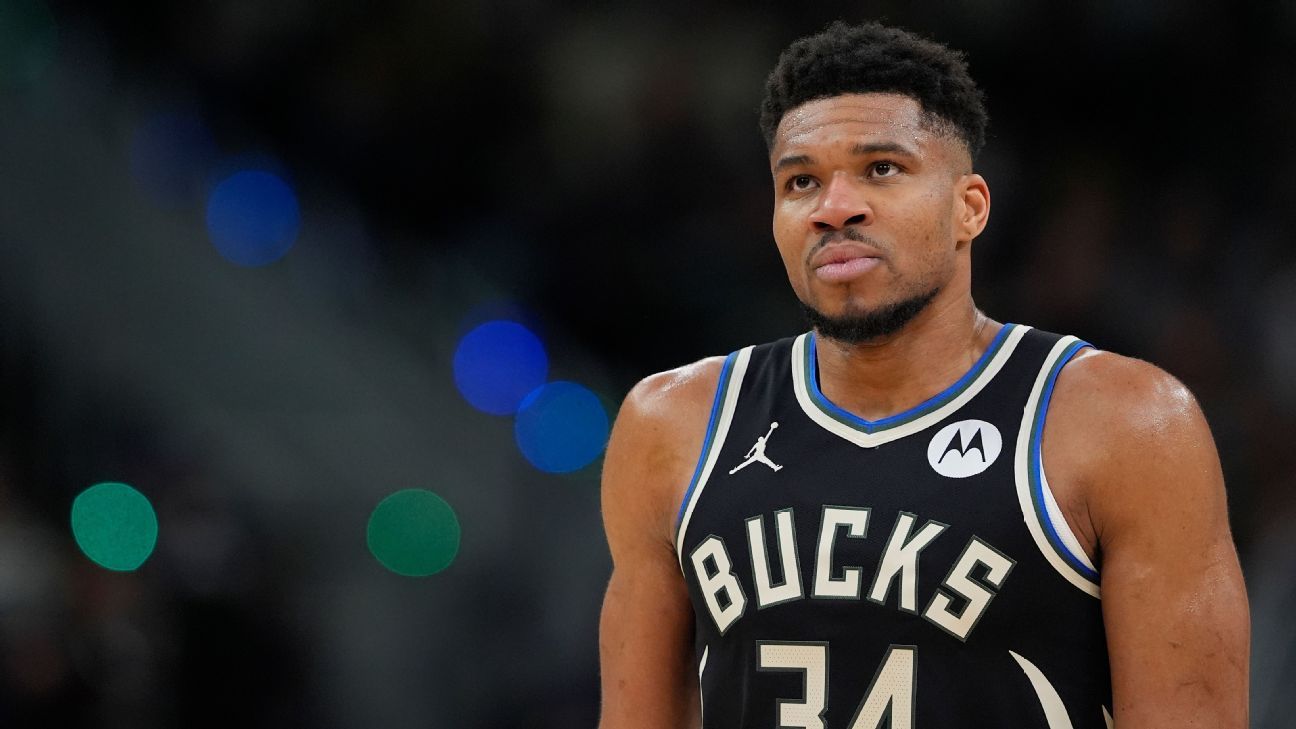
Giannis Antetokounmpo Takes a Bold Step into the Business of Sports Predictions

In an unprecedented move blending sports and entrepreneurship, Giannis Antetokounmpo, star forward for the Milwaukee Bucks, has become the first basketball player to join the prediction market Kalshi as a shareholder. This landmark announcement was made on Friday, marking a significant crossover between professional athletics and innovative market endeavors.

The collaboration between the global sports icon and the prediction platform could establish a new avenue for athlete engagement in the rapidly evolving world of prediction markets. Kalshi specializes in enabling users to bet on the outcomes of various events, from financial forecasts to sports results. In this new role, Antetokounmpo aims to leverage his immense fan base and knowledge of the game to broaden appeal and educate young sports enthusiasts about the intricacies of market predictions.

  • As part of his new involvement, Antetokounmpo will share insights through various platforms, aiming to demystify prediction markets.
  • The agreement underscores a growing trend where athletes are becoming more than just players, stepping into roles as entrepreneurs.
  • His decision reflects a broader shift in the sports industry, where athletes are encouraged to expand their influence beyond the court.

Analysts and commentators have hailed this partnership as a potential game-changer. Mike Greenberg, a well-known sports analyst, stated, “This innovative move not only symbolizes the future of sports but also empowers athletes to take control of their narratives.” Furthermore, the social media feedback has been overwhelmingly positive, with young fans eager to engage in a new realm of sports entertainment.

In a world increasingly driven by data, statistics, and analytics, Giannis Antetokounmpo is positioning himself at the forefront of this evolution. The athlete’s dual role as a player and a shareholder sets an inspiring precedent, showing that sports can operate beyond mere entertainment. It reaffirms the notion that sports hold an influential place in society, promoting unity and conversation across diverse demographics.

As we continue to witness athletes branching out into new fields, it becomes evident that sports serve a greater purpose. They bridge gaps, foster camaraderie, and inspire the next generation, proving that the arena can truly be a place for collaboration, innovation, and growth. The scoreboard may define the winners of a game, but the genuine impact of athletes like Antetokounmpo resonates far deeper than points scored or games won.

Source link

Rising Stars Shine in Thrilling Youth Championship: Game Highlights and Standout Performers

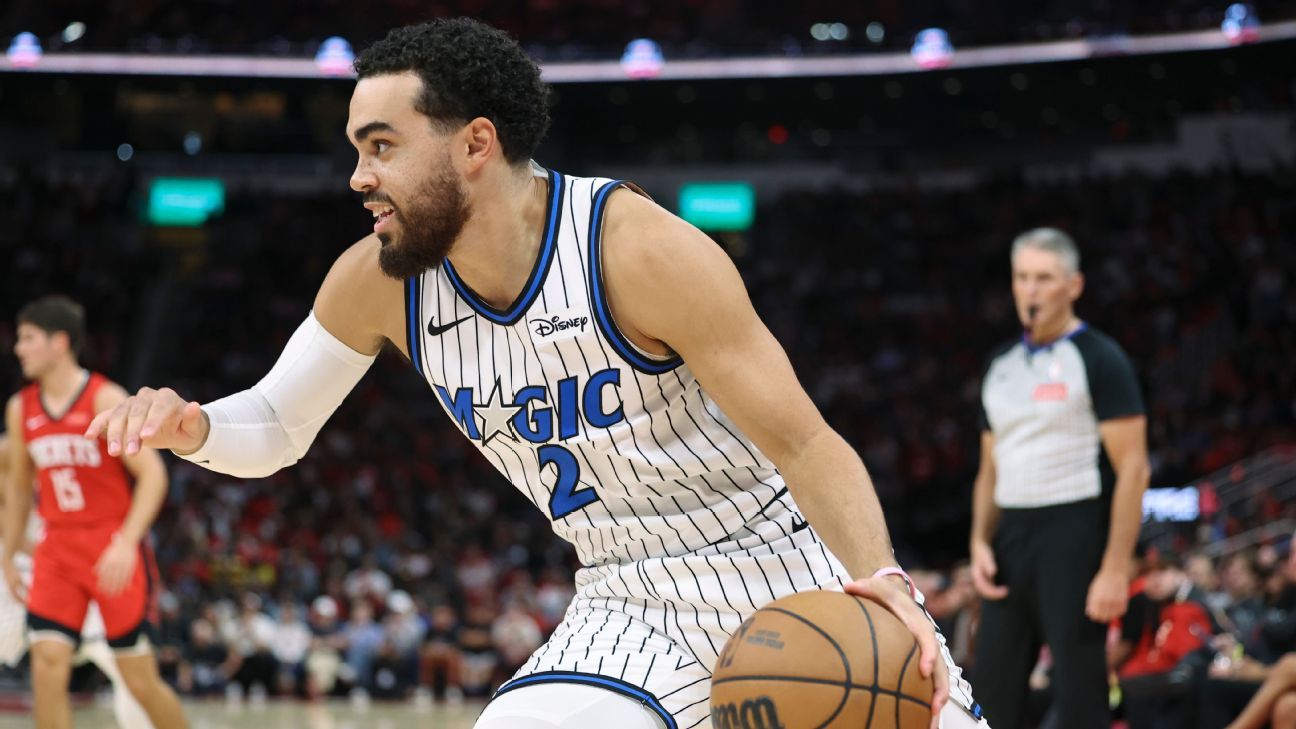
Tyus Jones Moves to the Mavericks in Key Trade

In a significant shift within the NBA landscape, Tyus Jones has been traded from the Charlotte Hornets to the Dallas Mavericks, sources confirmed on Wednesday. Initially dealt from the Orlando Magic to the Hornets earlier this week, Jones’s quick transition highlights the fluid nature of team rosters as franchises look to solidify their paths for the upcoming season. In return, Malaki Branham will make his way to Charlotte, reflecting a strategy rooted in balancing immediate performance with future potential.

The trade, confirmed by ESPN, is set to shake up the dynamics of both teams. Tyus Jones, known for his exceptional ball-handling skills and unshakeable composure on the court, is expected to bring not only a veteran’s experience but also a keen strategic mindset to the Mavericks. Coach Jason Kidd is likely to rely on Jones to enhance the game both offensively and defensively. Commenting on the trade, Kidd expressed, “We believe Tyus can elevate our play and enhance our chances this season.”

For the Mavericks, the acquisition of Jones comes as they seek to build around their star player, Luka Dončić. The synergy between these two players could redefine the team’s offensive strategy, especially given Jones’s ability to make precise plays under pressure. Analysts speculate that Jones’s arrival could lead to a deeper playoff run for the Mavericks, further emphasizing the importance of strong leadership and reliable playmakers in high-stakes games.

  • Tyus Jones: Key stats include his ability to manage assists and maintain a low turnover rate.
  • Malaki Branham: A promising rookie with significant upside for the Hornets.
  • Coaches and commentators agree that both teams benefit from this exchange.

As both players adjust to their new environments, the narrative continues to pivot around the idea that sports transcends mere competition. Trades like these remind fans that every pass, every play, and every game connects communities and ignites passions. When players unite under a common goal, they embody the spirit of teamwork, resilience, and hope. Ultimately, it’s not just about the final score; it’s about the shared journey of the players and fans, binding them together in the beautiful game of basketball.

Source link

Rising Stars Shine: Youth Athletes Dominate at National Championships!

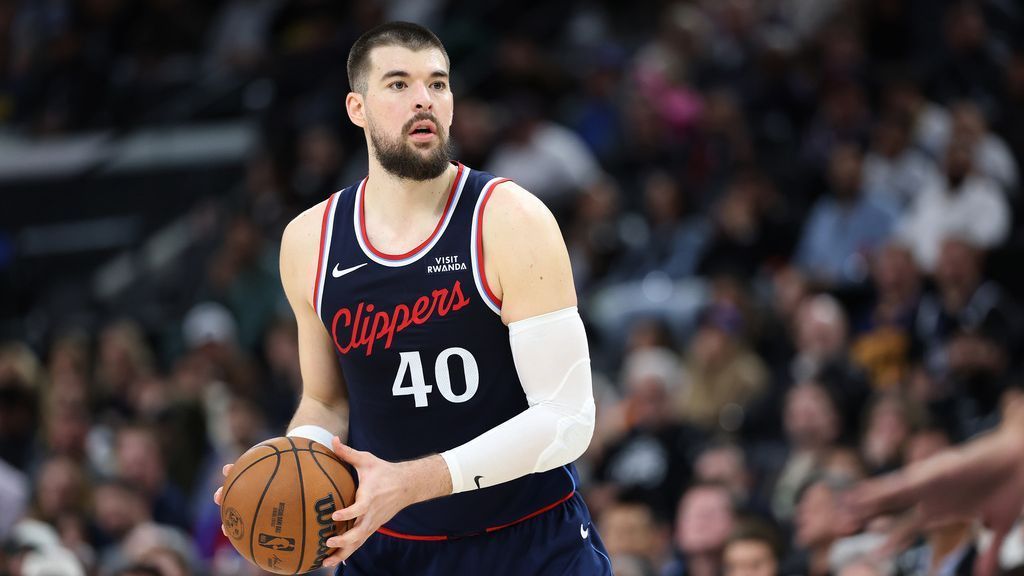
The Los Angeles Clippers Make Waves with Major Trade

In a surprising turn of events, the Los Angeles Clippers have officially traded center Ivica Zubac to the Indiana Pacers in exchange for up-and-coming talent Bennedict Mathurin and promising big man Isaiah Jackson. This deal also includes Indiana’s protected first-round pick in 2026 and an unprotected pick in 2029, further emphasizing the Clippers’ commitment to both the present and future.

As the NBA season progresses, this trade comes at a pivotal moment for the Clippers. Coach Tyronn Lue expressed enthusiasm about the acquisition, stating, “Bennedict brings a dynamic offensive presence that will complement our current roster.” The Clippers, known for their strong defensive unit, will now look to integrate Mathurin’s scoring ability, which was highlighted during his impressive rookie campaign. Mathurin averaged 16.7 points per game and showcased remarkable talent offensively, a quality the Clippers are keen to harness.

The timing of this trade is also significant, as it positions the Clippers to contend as they refine their roster heading toward the playoffs. Meanwhile, Zubac, an integral part of the Clippers’ defense and rebounding efforts, will bring his skills to the Pacers, who are looking to bolster their frontcourt depth. Coach Rick Carlisle made it clear that Zubac’s defensive prowess was a key factor in this acquisition: “His ability to protect the rim will be a game-changer for us.”

Match Highlights and Takeaways

  • Ivica Zubac: Key defender and rebounder for the Clippers.
  • Bennedict Mathurin: Averaged 16.7 PPG in his rookie season.
  • Isaiah Jackson: Another versatile player coming to Los Angeles.
  • Two future draft picks bolster the Clippers’ long-term strategy.

In conclusion, this trade underscores the essence of professional sports as not just a battle for titles, but a journey of teamwork and strategy. Each player, each trade, and each game brings fans together, reminding us that the spirit of the sport transcends the scoreboard. As this new chapter unfolds for both the Clippers and the Pacers, basketball enthusiasts will eagerly watch how these changes influence their respective futures, proving yet again that in sports, every play—like every trade—can create waves of excitement and opportunity.

Source link

Peer Calls Out Environment Agency for Neglecting Toxic Dump in Wigan—Rats, Maggots, Fumes Threaten Local Youth

In a troubling display of environmental negligence with significant geopolitical impact, the recent revelations from the United Kingdom expose a deepening crisis that extends beyond local concerns. A 25,000-tonne illegal waste dump adjacent to a primary school in Wigan serves as a stark reminder of how unchecked waste crime can threaten public health, undermine local governance, and challenge national sovereignty over land management. Despite claims by agencies like the Environment Agency that they lack sufficient funds to tackle such dumps, the problem persists, casting doubt on the UK government’s capacity to uphold environmental standards amid rising criminal activity and economic constraints.

Historian and environmental analyst Dr. James Craig warned that the proliferation of waste crime across the UK reflects a broader, international trend of environmental disorder that threatens to destabilize societal norms. The infamous incident last summer, when the Wigan dump caught fire for ten days—forcing school closures and releasing hazardous fumes—illustrates how such illegal activities can escalate into major public safety emergencies. Meanwhile, drone footage reveals a “mountain” of fly-tipped waste in Oxfordshire, with videos circulating as grim visual evidence of a crisis spiraling out of control. These events are no longer isolated; they are part of a pattern that analysts say risks undermining trust in local authorities and national institutions.

For international organizations and environmental watchdogs, this crisis signals a danger that transcends national borders. The United Nations and the European Union have long emphasized the importance of international cooperation in combating transnational waste crime, which often involves cross-border smuggling and organized networks. Yet, the UK’s internal refusal or inability to mobilize sufficient resources to clean up sites like Bolton House Road in Wigan exposes a key vulnerability: when nations falter in enforcing environmental laws, the ripple effect weakens global efforts against ecological degradation. Experts like environmental lawyer Laura Simmons warn that if this trend continues, it will embolden criminal syndicates and erode the foundations of international environmental agreements.

While the government highlights ongoing criminal investigations—four arrests have been made in relation to the Kidlington site—the overarching issue of land ownership complicates efforts to remediate the damage. Ownership of the affected land in Wigan now rests with the Duchy of Lancaster, which, under common law principles, complicates enforcement. Critics argue that bureaucratic delays and ambiguity in land rights serve as barriers to swift cleanup, thereby prolonging environmental hazards and endangering communities. Such procedural bottlenecks, according to political analyst Mark Selby, threaten to undermine public confidence and exemplify how bureaucratic inertia can impede national security and environmental resilience.

In an age where global instability often arises from internal fault lines, the UK’s waste crisis is a microcosm of larger, geopolitical struggles over sovereignty, resource management, and law enforcement. As nations across the world grapple with similar issues—whether in former colonial territories, emerging economies, or established powers—the question remains: are current political and economic frameworks equipped to confront the rising tide of environmental chaos or will the shocks of future crises catch them unprepared? The unfolding story of illegal waste dumping and legislative inertia underscores a profound truth: history is still shaping itself at the intersection of environmental stewardship and national security, with the weight of the future resting heavily on the decisions made today.

Support Worker Fights to Get Paid Amid Disability Scheme Delays Hurting Youth Accessibility

Growing Delays in Access to Work Scheme Strain Disabled Communities

Recent reports indicate a concerning increase in delays to the Access to Work scheme, a government initiative designed to provide vital support for disabled individuals to participate fully in the workforce. These delays are not merely administrative hiccups but represent deeper societal challenges—hampering families’ economic stability, disrupting educational opportunities, and fragmenting communities intended to foster inclusion. As social commentators and sociologists warn, such setbacks threaten to undermine the very fabric of a society striving for equity and productivity.

The delays in processing leave many disabled people without the necessary assistive support, often for extended periods. This reality is painfully felt by families relying on these services; parents and caregivers find their children deprived of essential accommodations needed for learning and development. For many young people, especially those in educational institutions, such disruptions hinder their right to pursue an independent and fulfilling life. The societal implications are profound—when families are stretched thin trying to compensate for systemic failures, the community’s cohesion suffers and the promise of social mobility diminishes.

The social fabric of communities with high rates of disability is particularly strained as public institutions struggle to keep pace with the demand for support. Historians and social theorists have long observed that social issues rarely exist in isolation; rather, they compound, creating a cycle of disadvantage that affects not only individuals but entire neighborhoods as well. This phenomenon underscores the need for urgent reforms—streamlining administrative processes, increasing funding, and fostering a societal culture that values inclusive participation. Failing to act risks consolidating divisions, marginalizing those who are often already vulnerable.

Ultimately, these delays serve as a stark reminder of the ongoing moral and ethical challenge faced by society: to ensure that vulnerable populations are not left behind in the pursuit of economic growth. Social justice advocates emphasize that support systems like Access to Work are not optional but fundamental to realizing a truly equitable society. As the nation navigates these challenges, the hope remains that collective effort, compassionate policy reform, and societal awareness can turn setbacks into opportunities—transforming societal neglect into a renewed commitment to inclusion. If society can recognize and rectify these flaws, it may yet forge a future where no one is left to struggle in silence, and where every individual’s potential is celebrated as integral to the collective good.

Rising Stars Shine in Thrilling Youth Championships: New Records Set!

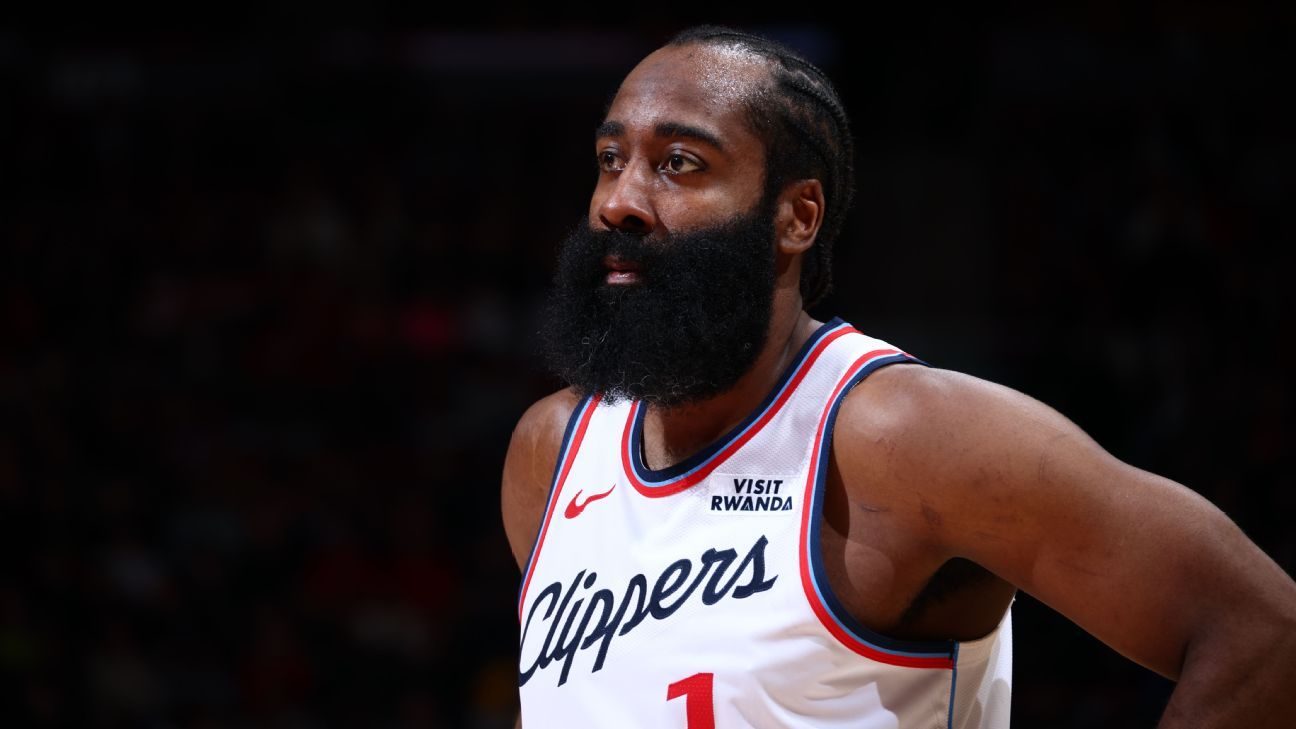
Blockbuster Trade Rocks NBA: James Harden Joins the Cavaliers

In a stunning move that has sent ripples through the NBA, James Harden is now donning the colors of the Cleveland Cavaliers, while Darius Garland has been traded to the Los Angeles Clippers. This trade has stirred excitement and speculation among fans and analysts alike, as both teams look to reshape their rosters for the upcoming season.

According to NBA analyst Kevin Pelton, this trade could significantly alter the landscape of both franchises. Harden, a former league MVP renowned for his dynamic scoring ability, is expected to bring a new level of offensive prowess to the Cavaliers. Pelton notes, “Harden’s experience in the playoffs is invaluable for a Cleveland team looking to make a deeper run.” In a parallel vein, Garland, an emerging star, is poised to add significant firepower to a Clippers squad seeking to establish its dominance in the Western Conference.

  • Trade Details: Cleveland Cavaliers acquire James Harden; Los Angeles Clippers receive Darius Garland.
  • Impact on Cavaliers: Harden’s high scoring average (24.5 points per game last season) could electrify Cleveland’s offense.
  • Impact on Clippers: Garland’s versatility (averaging 21.3 points and 6.2 assists) enhances the Clippers’ chances in tight matchups.

Commentators are keenly watching the adjustment period for both players in their new environments. “This isn’t just about stats; it’s about synergy,” observed former NBA player and now analyst Jalen Rose. He underscored the importance of how well Harden integrates with Cavaliers’ star players like Donovan Mitchell. Meanwhile, the Clippers will be eager to witness how Garland meshes with his new teammates and what strategies head coach Ty Lue will employ to leverage his unique skill set.

As fans absorb the implications of this blockbuster trade, it becomes clear that while statistics and player performances are critical, the emotional impact and narratives woven through these exchanges bring a greater depth to the sport. The arrival of Harden and Garland in their respective cities reignites hopes, dreams, and a shared sense of community among fans. As the season unfolds, these athletes will not only battle on the court but also serve as symbols of unity, embodying the spirit of competition that transcends the scoreboard and rallies communities together.

Source link

Rising Stars Shine at National Youth Championships: New Records Set and Dreams Realized!

NBA Teams Eyeing Giannis Trade: A Game-Changer on the Horizon

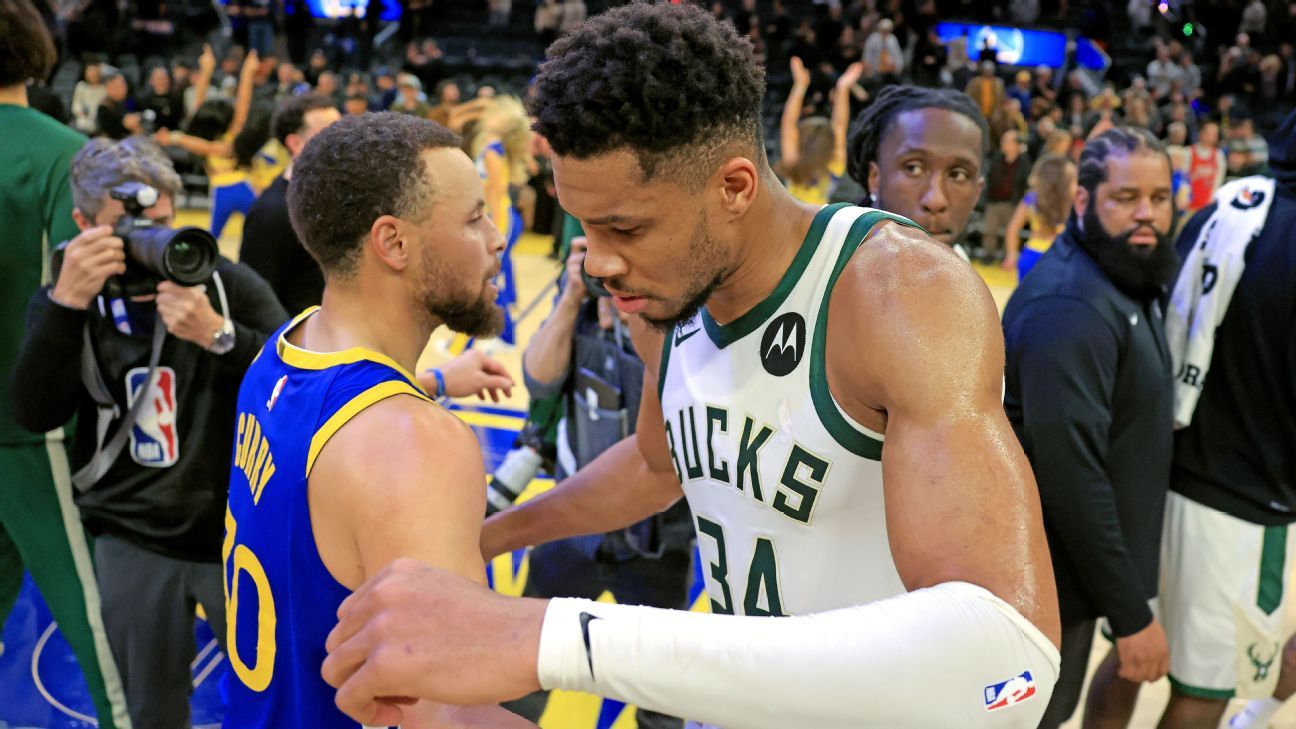
In the ever-evolving landscape of the NBA, four teams are emerging as serious contenders in the pursuit of Giannis Antetokounmpo. The Golden State Warriors, New York Knicks, Miami Heat, and Minnesota Timberwolves have all signaled their intentions, igniting a frenzy of speculation about what it could take to secure the two-time MVP.

As reports surface about the likelihood of a trade, analysts are buzzing with potential scenarios. According to NBA commentator and former player Jay Williams, “Securing a talent like Giannis would require a combination of first-round draft picks and young, promising players. Teams can’t just offer a star; it has to be leveraged in a way to entice the Milwaukee Bucks.”

Understanding the stakes involved in such a monumental deal is crucial. The Warriors might consider offloading key assets like Andrew Wiggins or promising rookie Jonathan Kuminga, while the Knicks could package a deal revolving around RJ Barrett along with several future picks. Meanwhile, the Heat could look towards assets such as Duncan Robinson and Tyler Herro, who have both shown their potential as valuable pieces. The Timberwolves could make a push centered on Anthony Edwards or Karl-Anthony Towns, but they would have to part with more for a player of Giannis’ caliber.

  • Key Stats: Giannis averaged 29.9 points, 11.6 rebounds, and 5.8 assists last season.
  • Trade Considerations: A package could include multiple first-round picks, young stars, and perhaps even veteran contracts.
  • Impact of Trade: Giannis has the potential to elevate any team he joins, transforming them into immediate championship contenders.

As these teams prepare to make their moves, the overarching narrative remains clear: in the world of sports, it’s not merely the athletes that captivate audiences, but the stories woven through their journeys. As Giannis considers his future, one thing stands certain—sports serve as a unifying force, bridging divides and inspiring millions. Whether through his scintillating plays or the ripple effects of a monumental trade, the heartbeat of the game resonates far beyond the final buzzer.

Source link

Social Media Auto Publish Powered By : XYZScripts.com