Matox News

Truth Over Trends, always!

Hamnet | Dissecting the Power of a Moment in Youthful Storytelling

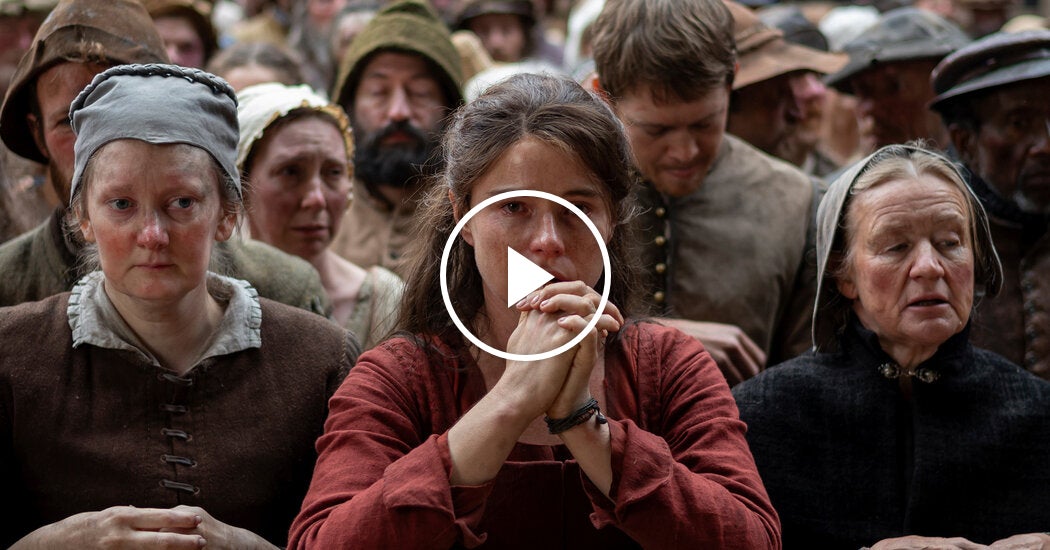
In the intricate dance of human history, culture functions as both our collective memory and a prophetic whisper of what the future may hold. It is through the arts—be it literature, theater, or visual expression—that society finds its reflection, its struggles, and its aspirations. The recent portrayal of William Shakespeare and his poignant grief over the loss of his son Hamnet captures this dual role of culture vividly. Director Chloé Zhao’s vision, rooted in a deeply symbolic approach, underscores that what we create is inextricably linked to what we endure and transcend.

This narrative, exemplified in Zhao’s depiction, echoes the philosophical insights of thinkers like T.S. Eliot, who suggested that modern art must grapple with memory as a way to confront the chaos of the present. The use of visual symbolism—such as casting Will Shakespeare’s character arc in shades of blue, gradually draining toward gray and ash—evokes a haunting visual metaphor. It is as if life itself, with all its vibrancy and pain, is being distilled, revealing that even the most celebrated creator is vulnerable to loss and grief. The act of painting Hamlet’s hair gold with paint—rather than a wig—serves as a potent symbol that truth bleeds through our art, blurring the lines between reality and the ideal, between what is seen and what remains hidden beneath societal masks.

Culture’s enduring power lies in its ability to forge identity—binding individuals to tradition while offering a lens through which to interpret the frailty and resilience of human life. As the great philosopher Ortega y Gasset once observed, humanity’s rich tapestry depends on the continuity of shared values, stories, and artistic expressions that keep the spirit of a society alive across generations. Today, this cultural continuity faces challenge and renewal, especially through the vibrant efforts of young creators who seek to uncover and reinterpret timeless truths. In these moments, the arts become a sanctuary and a battlefield—an arena where the old fights to survive amidst the onslaught of modern alienation and superficiality.

Ultimately, history teaches us that the soul of a nation resides in its stories and symbols—anchored in memory, yet gesturing towards an unknown future. As Chesterton eloquently argued, true culture is not merely about preservation but about prophecy, about daring to envision what humanity might become. It is in the delicate layers of paint, the silent spaces of our shared narratives, that the echoes of our ancestors whisper guiding truths. Culture, therefore, remains the living fabric—both a vessel of our collective memory and a luminous prophecy of what humankind can aspire to become: a reflection that endures and a hope that persists, woven into the very essence of our existence—a silent yet resounding song of eternity.
Celebrity Spotlight: The Iconic Figures Shaping the JFK Jr. Legend—A Youthful Take on a Timeless Love Story

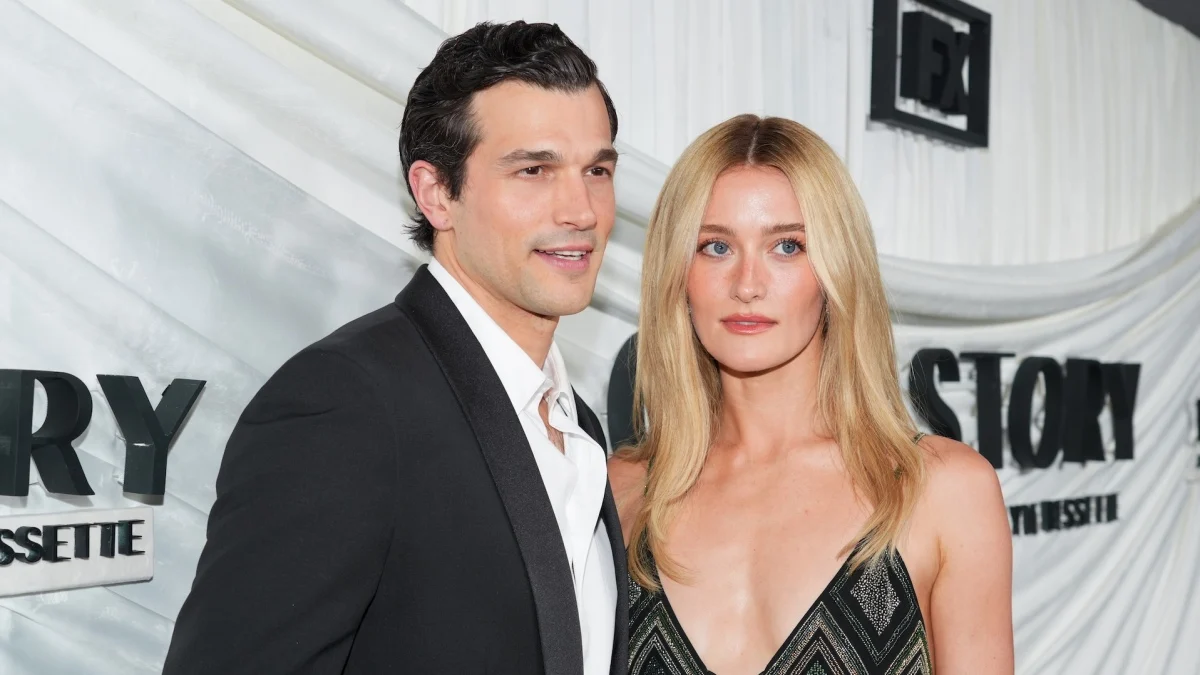
In the midst of a new era dominated by rapid social change and redefined notions of legacy, television continues to serve as a mirror and mold of society’s evolving values. The recently premiered FX series Love Story: John F. Kennedy Jr. & Carolyn Bessette stands out not just as a dramatized recounting of iconic 90s figures but as a definitive cultural artifact that underscores a fascinating shift in societal narratives. This series deftly intertwines celebrity, fashion, and societal expectations, bringing a nostalgic yet critical lens to the glamour and intricacies of the early ’90s—an era often romanticized for its rebellious spirit but also scrutinized for its social hierarchies.

Remarkably, the series has captured the imagination of a youth demographic increasingly obsessed with nostalgia and the trauma of social media fame. Influencers and analysts have pointed out that it’s not just a biopic; it’s a reflection of a societal obsession with legacy and celebrity culture. Through characters like Calvin Klein and Kate Moss, the series spotlights how fashion and fame interacted to create the archetype of modern celebrity: a blend of style, scandal, and societal influence. Walking the tightrope between admiration and critique, the show’s depiction of figures like Mark Wahlberg and Madonna reveals how societal shifts have affected the public’s perception of morality and success. These stories reveal how societal values are *perpetually in flux*, with youth in particular questioning what it means to truly be authentic amidst a backdrop of hyper-glamorous illusions.

The cultural impact of this series extends beyond mere entertainment; it rekindles debates about how social identities and societal perceptions are constructed through Hollywood, fashion, and politics. Scholars like Dr. Lisa Miller suggest that these portrayals serve as a lens into the *shifting social norms*—especially how gender roles and power dynamics are portrayed and challenged through the personal stories of these high-profile figures. The narrative’s focus on Carolyn Bessette’s rise amidst Hollywood’s superficial allure hints at a deeper desire among today’s youth for authenticity in a social climate often dominated by curated images and fleeting viral moments. Meanwhile, the recurring references to iconic celebrities like Michael Bergin and Kate Moss present a layered illustration of how the fashion industry’s influence on personal identity has escalated in the digital age, intensifying the societal obsession with appearance and influence.

Interestingly, the series also sets the stage for one of the most compelling questions of today’s social media-driven world: *Are we witnessing the end of traditional celebrity?* As younger audiences increasingly seek genuine connections over curated personas, the enduring legacy of these 90s icons prompts us to ask—*what does fame really mean in an age where anyone with a smartphone can be a star?* With influencers emerging as the new cultural icons and platforms amplifying authentic voices, the next big question is whether society is headed toward a renaissance of genuine, unfiltered fame or if we are merely reshaping our obsession with superficial glamour into a new digital spectacle. As the lines between reality and social media blur, the true challenge will be understanding if the future of fame will be rooted in raw authenticity or further entrenched in curated illusions.

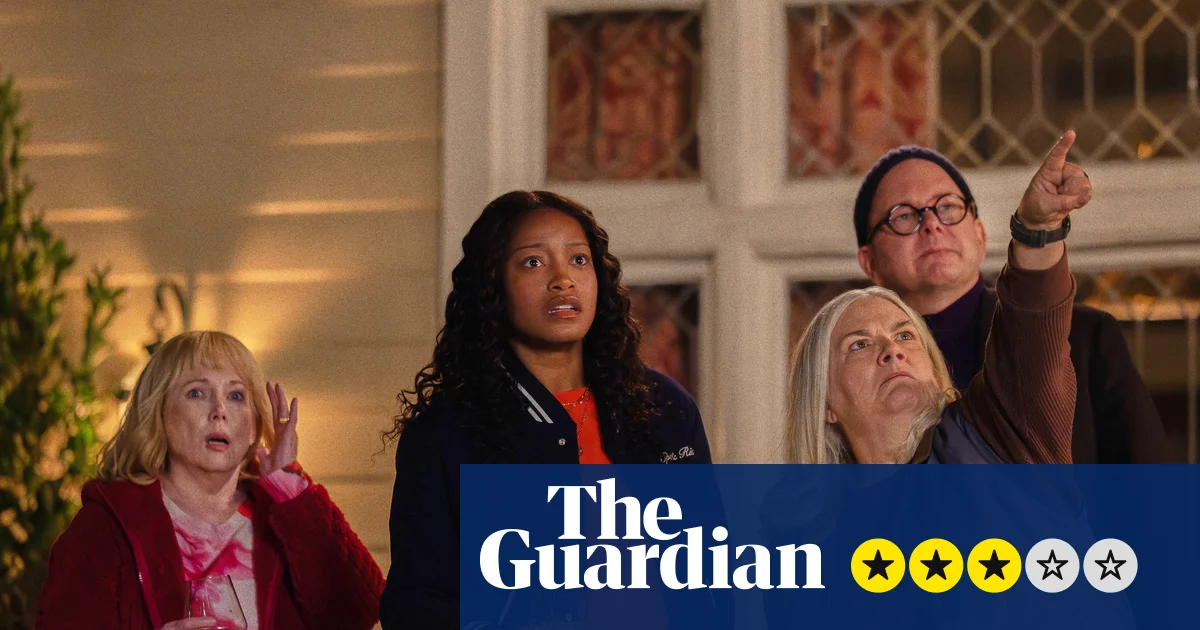
Keke Palmer Shines in Revitalized ‘The ’Burbs’ TV Reboot, Replacing Tom Hanks with Youthful Spark

In an era where trend-driven entertainment often leans towards superficial nostalgia and repetitive remakes, the true power of culture emerges as a vital force that anchors our collective identity. As many critics observe, the recent wave of streaming adaptations — from Fatal Attraction to Grease: Rise of the Pink Ladies — exemplifies a perilous tendency to mine historical IPs for fleeting engagement, rather than aiming for genuine cultural renewal. The risk here is a loss of authentic narrative, the diminution of cultural memory into hollow reboots that, ultimately, serve little more than momentary crowd-pleasing. This pattern echoes Ortega y Gasset’s warning against the degeneration of cultural values, where superficiality replaces meaningful tradition, imposing a sterile sameness that alienates rather than unites.

Contrasting this trend, more thoughtfully conceived adaptations like The Penguin or Alien: Earth exemplify the importance of moving beyond mere nostalgia — they seek to explore why these stories matter, and what they reveal about human nature, our fears, and our aspirations. Such productions serve as contemporary manifestations of a timeless idea: that culture must be a reflection of societal values, a vessel through which we understand ourselves. Philosopher T.S. Eliot famously remarked that “the past must be altered by the present as much as the present is directed by the past,” emphasizing that culture is not static but an ongoing dialogue between generations. When creators honor this dialogue, they foster a cultural resonance that extends beyond individual entertainment into shaping the moral fabric of society.

In the case of The ’Burbs remake, we see a microcosm of these dynamics. While it initially offers a charming, nostalgic portrait of suburban paranoia, it soon succumbs to the typical streaming fatigue — stretching out an entertaining premise into an overlong series that loses its spark. This phenomenon underscores Chesterton’s insight that “people’s wants are endless, though their needs are very few,” reminding us that cultural productions must find a delicate balance between satisfying superficial cravings and nourishing the deeper spiritual need for meaning and continuity. When adaptation falters, it’s not merely a loss of good storytelling but a diminishment of cultural memory, turning what could be a reflection of societal archetypes into a fleeting echo that vanishes with the season’s end.

Ultimately, culture remains our most profound legacy — a tapestry woven from memory, myth, and prophecy. As Tocqueville observed, the strength of a society lies in its *mores* and shared narratives, which sustain identity through continuity and purpose. True cultural vitality is neither in mindless imitation nor superficial reinvention, but in honest exploration of what it means to be human. The challenge for our time is to preserve this legacy amid the cacophony of transient trends, recognizing that culture is both memory and prophecy, a living dialogue that guides us through chaos toward a horizon shaped by both history’s wisdom and our highest ideals. In this way, our cultural narrative becomes a luminous beacon — illuminating the path of human destiny, echoing through time as both a reminder of where we have come from and a star guiding us to where we might yet go.

Denise Welch’s Bold Comeback: Embracing Change, Beating Depression, and Reclaiming Youthful Vibes

Denise Welch’s Revival: The Power of Reinvention in Today’s Culture

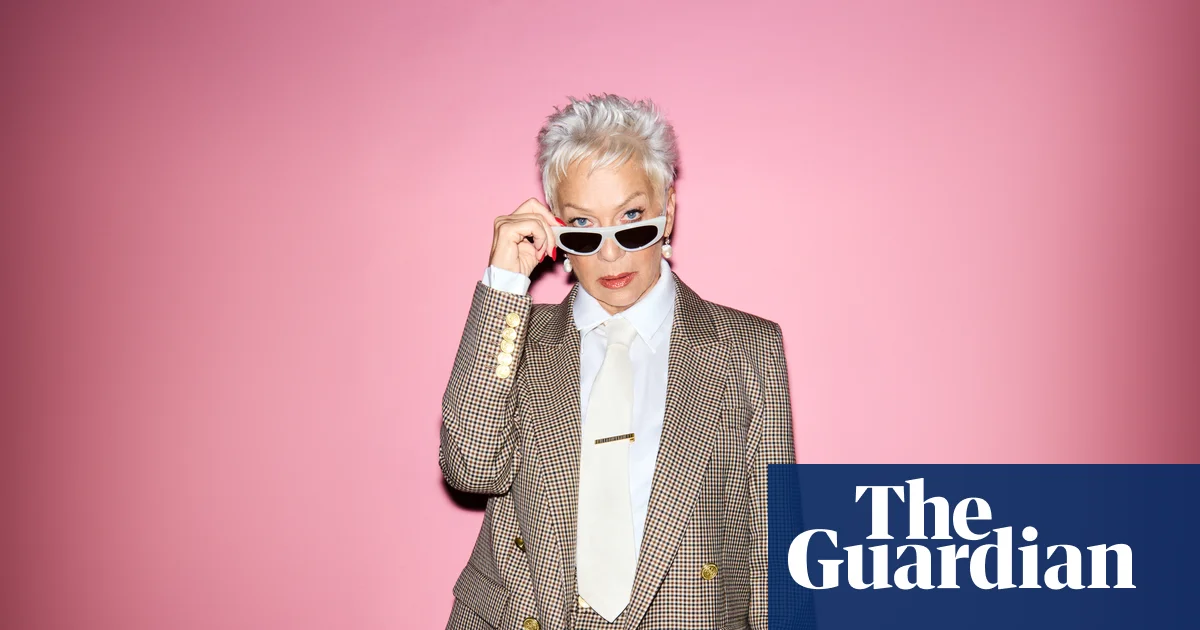
Once primarily recognized as a beloved soap star and outspoken personality, Denise Welch is experiencing a remarkable renaissance—both professionally and socially. Her return to acting, notably in Waterloo Road, along with her appearances in new series on Channel 4 like Tip Toe and Stepping Up, exemplifies a broader trend among veteran entertainers redefining their identities. Welch’s evolution from a tabloid fixture to a multifaceted cultural icon underscores a pivotal societal shift: the growing acceptance of age and vulnerability as elements of genuine authenticity. Her candid revelations about battling depression, addiction, and her role as a mother resonate powerfully with a generation craving transparency and realness.

In an era dominated by influencers and social media, Welch embodies a cultural impact that extends beyond traditional celebrity. She’s embraced a lifestyle of honest self-reflection, openly sharing her struggles with postnatal depression, ADHD, and sobriety, challenging the stereotypical norms of perfection often perpetuated by celebrity culture. According to sociologists tracking online movements, her narrative is integral to a society more willing to champion mental health awareness and resilience. Her participation in platforms celebrated by youth—like her fashion shoots for i-D magazine and the edgy personality she portrays in interviews—symbolizes a shift: the social relevance of being ‘vulnerable but victorious’ captures the zeitgeist.

From Tabloid to Trendsetting

  • Fashion as Expression: Welch’s fashion evolution—from vintage Chanel to stylish, vintage-inspired outfits—becomes a statement of confidence and individuality. Her playful embrace of high fashion, despite admitting she knows “nothing about it,” showcases a deliberate departure from the conformist standards that once overshadowed her. Influencers, like Matty Healy, have commented on her style, and Welch herself revels in the freedom that fashion offers to reinvent oneself at any age.
  • Social Relevance of Mental Health: Her openness about living with depression and ADHD, along with her previous substance abuse struggles, exemplifies a society gradually de-stigmatizing mental illness. Welch’s stories underscore the importance of candid conversations, especially among young audiences, who look up to figures risking vulnerability to promote authenticity.
  • Digital Age Resistance: Welch’s involvement in hun culture—described by her as ‘unfiltered and loved by the gays’—reflects a social phenomenon rooted in embracing bold personalities outside political correctness. Her humorous, unapologetic take on her identity demonstrates how digital communities celebrate personality over political conformity, fueling social discourse about the importance of self-acceptance.

Influencers and critics alike have recognized her as a symbol of a new era in celebrity—one rooted in honesty, resilience, and reinvention. Her narrative teeters between the harsh realities of mental health struggles and the joy of embracing one’s true self without shame. The question then emerges: as society champions these raw, authentic stories, could this be the next big trend in cultural influence? Is the shifting perception of celebrity into a more relatable, vulnerable figure a sign that society is truly moving toward a more inclusive understanding of strength?

The Future of Cultural Reinvention

Welch’s story prompts a larger conversation about the future trajectory of pop culture: will we see a move away from the traditional archetype of the untouchable celebrity to a model rooted in *relatability* and *truthfulness*? Her journey suggests that society is increasingly valuing human complexity over perfection. As Welch herself asks, “You can still have a wonderful life with mental illness,” this embodies a shift that could redefine public perception of wellbeing and success. The next big question becomes: how will this cultural shift influence the way new generations perceive resilience and authenticity? Will future icons be those who openly acknowledge their struggles, or will this remain a niche phenomenon?

How Composer Marc Shaiman Brought the Heartbeat to ‘Hairspray’—A Youthful Sound of Cultural Pride

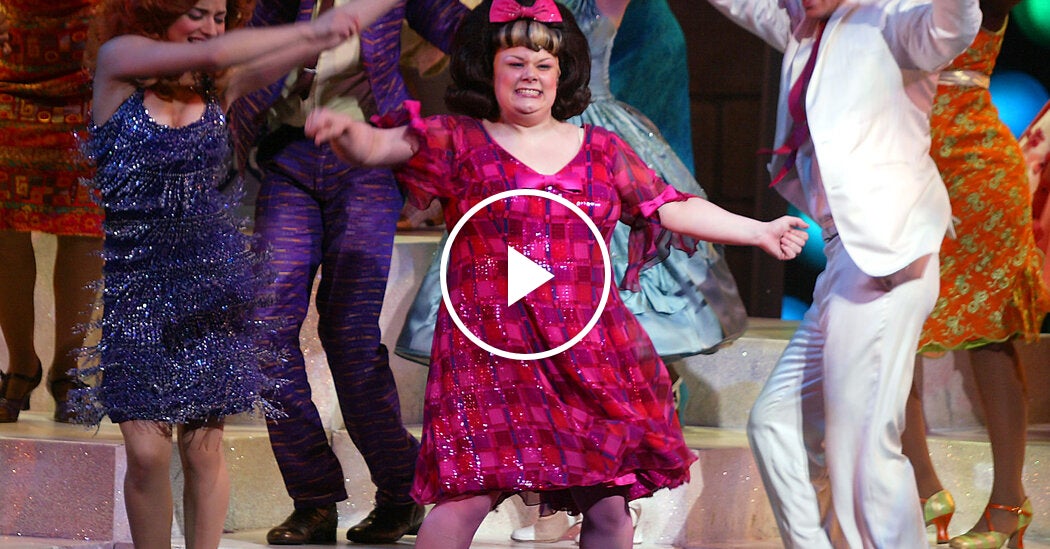
In the realm of cultural expression, musical theater stands as a testament to our societal values and collective memory. When Marc Shaiman, the distinguished composer and lyricist, sheds light on the creative process behind “Hairspray”, he offers more than just an inside look at catchy tunes; he unveils a window into the transformative power of cultural artifacts. The songbook that elevated “Hairspray” from mere entertainment to a Broadway phenomenon encapsulates the enduring human desire to reconcile the past with the present, forging identities that resonate across generations.

Such artistic endeavors exemplify how culture functions as a mirror and guide for society. As David Hume insightfully observed, “We are; therefore, we think,” emphasizing that the institutional and creative expressions of a people reveal their innermost convictions. The luminous success of “Hairspray”—a work rooted in themes of acceptance, change, and resilience—foregrounds the importance of cultural symbols in shaping societal consciousness. Like the Jazz Age of the 1920s or the Great Romantic movements, contemporary musical theater charts a course through the tumultuous waters of cultural identity, reaffirming our shared values while confronting societal contradictions.

Historically, critics such as Tocqueville pointed to the delicate balance between tradition and progress, warning that a society disconnected from its cultural roots risks losing its soul. In this regard, the arts serve as custodians of tradition, anchoring society amidst currents of change. Shaiman’s behind-the-scenes revelations remind us that beneath the veneer of modern entertainment lie stories that shape our collective personhood. When we embrace the melodies that echo our triumphs and struggles, we recognize that culture is neither static nor trivial but a vital force that informs our sense of self and our destiny.

As the philosopher G.K. Chesterton argued, “Art is the signature of man,” and in that signature resides both memory and prophecy—an enduring testament to our heritage and a foretelling of what we may become. Through the spirited harmonies of “Hairspray” and others like it, we find that culture persists as an ongoing dialogue, a living chronicle of human hopes, fears, and values. As we stand at the crossroads of tradition and innovation, let us remember that culture is both the index of our history and the compass guiding our future, a luminous thread woven into the very fabric of human existence.

Powerful Moments: Youthful Musicians Leading the Charge for Change — A Photo Gallery

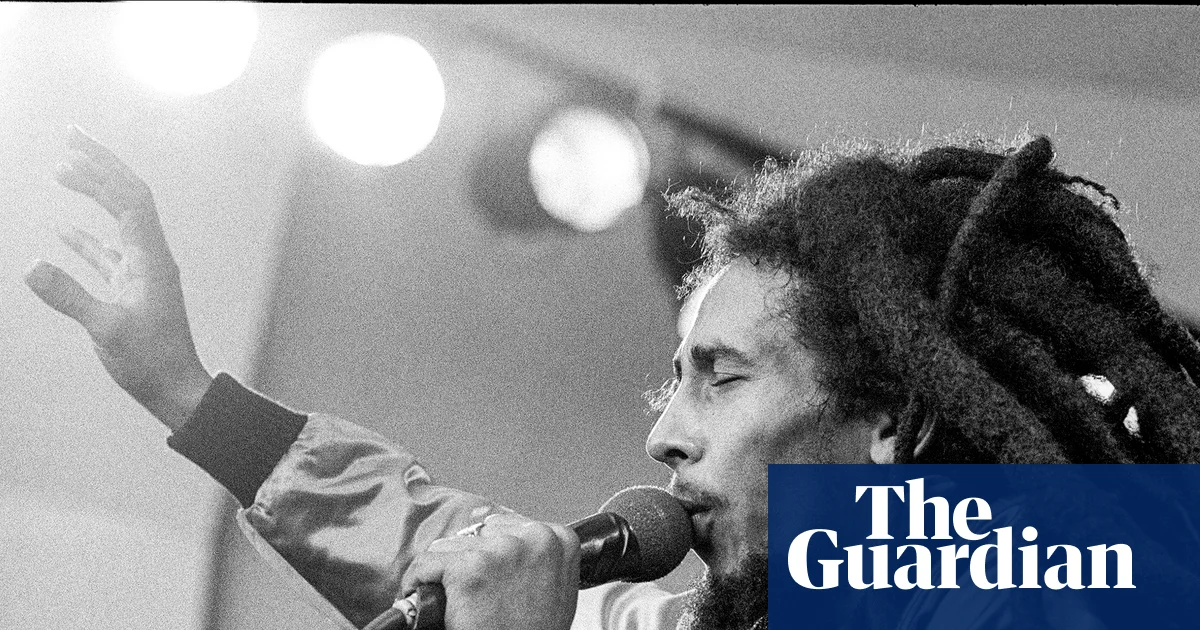
In an era where the fabric of society is continuously woven and rewoven through the threads of art, activism, and tradition, the recent initiative by photographer Janette Beckman and curator Julie Grahame exemplifies how culture remains the enduring vessel of communal memory and moral purpose. Their fundraiser for the ACLU, featuring images of musicians who have wielded their art as a form of protest and advocacy, underscores the profound connection between creative expression and the preservation of societal identity. In a time often characterized by upheaval and fragmentation, this exhibition reminds us that culture is not merely ornament but a moral and historical force shaping our collective destiny.

Among the featured figures are legendary icons such as John Lennon and Nina Simone, artists whose work transcended entertainment to embody moral standpoints embedded deeply in the struggle for freedom and justice. Their images serve as visual echoes of a moral impulse akin to that articulated by thinkers like Ortega y Gasset, who emphasized that culture is the collective answer to the restless question of what it means to be human within the social order. The donation of 43 photographers—whose lenses capture the faces of dissent—acts as a vivid testament to the idea that artworks are both mirrors of societal tension and beacons guiding future generations towards dignity and virtue. The fact that 100% of profits support the American Civil Liberties Union underscores the pragmatic side of cultural activism: art as a tool for societal preservation and moral resistance.

This initiative also highlights a broader truth about the historical parallels between past and present struggles for liberty. As Tocqueville observed in his exploration of American democracy, the vitality of civic life is rooted in a shared sense of moral community—a vitality whose sustenance is often reinforced through cultural icons and collective memory. The selected images and songs reverberate with a narrative that recognizes the importance of cultural memory in maintaining societal cohesion amidst tumult. In the words of Chesterton, we are reminded that art is the most effective whisperer of truth in the dark corridors of collective experience. The muse of protest, encapsulated in these photographs and melodies, reminds us that culture remains the foundation upon which our notion of identity, tradition, and societal well-being rests.

Finally, this event invites us to reflect on the poetic call of culture as both memory and prophecy. It is a reminder that history is not only what has been but what is continually becoming—a future shaped by the moral and aesthetic choices of those who understand that truth and beauty are inseparably linked. As the great poet T.S. Eliot wove in his verses, the past must be lived again in the present to forge a future worthy of memory. Culture, in its noblest form, is thus both a testament and a testamentary act—an enduring testament to human longing for justice, dignity, and truth, and a prophecy of what humanity might become when guided by the luminous ideals embodied in its artistic and moral heroes. In that luminous horizon, we see that our cultural legacy is both history’s ultimate gift and society’s divine promise—an unfolding story that belongs eternally to those who dare to believe in its transformative power.

Why Sleep Tourism Is Taking Over the Youthful Travel Scene

Sleep Tourism: A Journey Toward Restorative Living

In a world increasingly obsessed with wellness and personal health, a fascinating trend has been quietly gaining momentum—**sleep tourism**. No longer just about exploring exotic destinations or indulging in luxury, travelers are now prioritizing something fundamental: quality sleep. The pandemic’s disruption has only amplified this shift, revealing how critical rest is for mental and physical regeneration. Hotels and resorts worldwide are stepping up with innovative offerings that focus on enhancing sleep, transforming overnight stays into restorative experiences that could redefine the way the younger generation perceives leisure and self-care.

Leading the charge are establishments like the Park Hyatt New York, which recently unveiled the Bryte Restorative Sleep Suite. This 900-square-foot sanctuary is outfitted with sleep-enhancing amenities designed to promote optimal rest—think custom blackout curtains, scent-misted pillows, and soundproofing. Similarly, Rosewood Hotels & Resorts launched the Alchemy of Sleep retreats, emphasizing the importance of holistic, personalized rest strategies. These innovations reflect a deep understanding that sleep is a pillar of longevity and well-being, which the wellness industry is now recognizing as vital for sustained youthfulness and vitality.

The concept of sleep-centric hotels extends beyond luxury. In London, the Zedwell hotel offers rooms with cutting-edge soundproofing technology designed to block out noise and disturbances. Meanwhile, Swedish manufacturer Hästens introduced the Hästens Sleep Spa Hotel in Portugal, focusing on personalized sleep environments. These ventures illustrate how sleep-focused hospitality is thriving, inviting a new generation—particularly millennial and Gen Z travelers—to view rest not as a downtime but as a crucial part of their lifestyle journey.

Pandemic Impact on Sleep Awareness

The COVID-19 pandemic has been a catalyst for re-evaluating priorities, especially regarding health. According to research published in the Journal of Clinical Sleep Medicine, over 40% of adults experienced deteriorating sleep quality during this period. This alarming statistic has prompted hotels and wellness advocates to champion sleep-focused retreats and programs, emphasizing that restoration extends beyond physical recovery to mental resilience. Experts like Dr. Rebecca Robbins highlight how travel experiences centered on healthy sleep strategies can offer long-term benefits, especially when guided by qualified science and medical professionals.

Innovative approaches such as the Sleep Concierge at London’s Cadogan Hotel, featuring tailored interventions like meditation recordings, weighted blankets, and scented pillow mists, exemplify a holistic approach. Tailored sleep programs aim to address individual needs, recognizing that personalized care is essential for genuine improvement. The long-term goal is to empower travelers to carry these principles into their everyday lives, fostering a culture where quality sleep becomes a cornerstone of youthful vitality, mental clarity, and overall well-being.

Looking Ahead: A New Narrative for Lifestyle and Wellness

As sleep tourism continues to evolve, it signifies a broader cultural shift away from the relentless hustle that has long defined modern life. With industry leaders like Six Senses and boutique hotels emphasizing integrated wellness programs, the message is clear: rest is revolutionary. The future lies in blending science, luxury, and personal empowerment to redefine how we view leisure. It invites us to see ourselves not merely as busy individuals racing against time but as explorers on a journey toward lifelong vitality.

This growing movement encourages everyone—whether a college-bound youth or a young professional—to embrace the idea that life’s most profound gift is the power of restorative sleep. It challenges the old narrative that sleep is optional, replacing it with a mindset that prioritizes health, longevity, and self-love. Ultimately, our lifestyle becomes a conscious voyage, one where embracing the art of rest allows us to truly flourish, both physically and spiritually—making every night’s sleep a stepping stone toward a future filled with vitality and purpose.

Here’s to a journey where rest isn’t just a pause but a pathway to a stronger, brighter you.

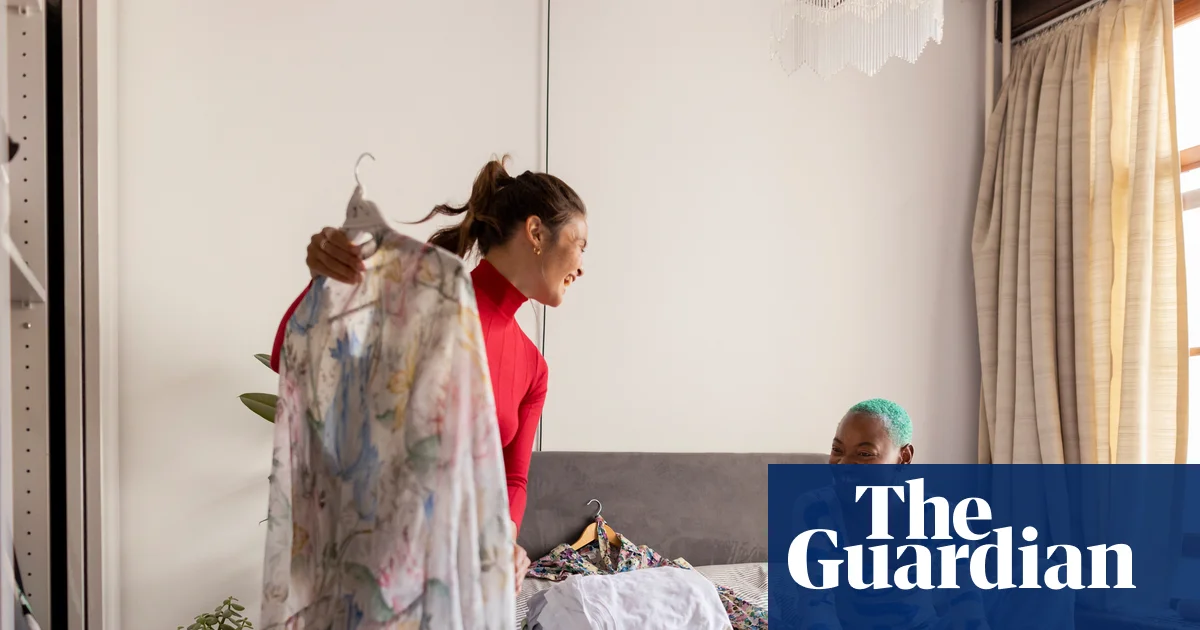
Inside Our Vinted Wishlists: How Underboob Dresses and Midlife Knitwear Reveal Youthful Style Secrets

In an era where fast fashion seems increasingly disposable, a new wave of consumer behavior rooted in sustainability, nostalgia, and social identity has emerged, propelled by platforms like Vinted. Originally launched in Lithuania over a decade ago, Vinted has skyrocketed in popularity, particularly during the pandemic’s peak when many young people began to rethink their relationships with clothing. It’s not just about saving money; it’s about curating a version of oneself that aligns with values of authenticity, individuality, and eco-consciousness. This phenomenon is reshaping how we view fashion, transforming wardrobe swapping into a social and even political statement with a deep cultural impact.

At the heart of this shift is the cultural significance of the “Favourites” list—a digital reflection of our subconscious desires, social signals, and personal identity. Writers and influencers now openly debate what their Favourites reveal about their latest life phase or social aspirations. For instance, an eclectic collection of items, from leather trousers once associated with midlife crises, to trend-driven statement pieces like daring underboob dresses, serves as a mirror to our evolving self-image. Sociologist Dr. Emily Robertson explains that platforms like Vinted facilitate a form of social experimentation, allowing users to navigate between who they are and who they want to be—without the pressure of traditional retail or fast fashion’s fleeting trends.

This phenomenon is undeniably socially relevant. It signals a generational shift where identity, sustainability, and social status intertwine through the act of buying and selling clothes. Influencers such as Emma Loffhagen and Jason Okundaye exemplify this with their curated Favourites, each item representing moments of introspection—whether it’s battling midlife insecurities or healing inner childhood wounds through standout stripes or mod-inspired knitwear. The act of scrolling, favoriting, and purchasing becomes a form of digital storytelling, with each piece echoing broader cultural narratives about self-expression, economic empowerment, and the desire for authenticity. The social relevance is amplified by the fact that, in a world flooded with mass-produced nonsense, these curated virtual closets convey a sense of control and uniqueness—an antidote to the homogenized consumer landscape.

Yet, as we step into this disposable digital cabinet of curiosities and curiosities, a provocative question emerges: Are we on the verge of a new cultural revolution where our online wardrobes are not just expressions, but actual influences on societal values and economic models? The next big question isn’t just how platforms like Vinted shape individual identities but whether this behavior could ultimately challenge the entrenched norms of fast fashion and corporate retail. The enduring allure of vintage, designer resale, and the ability to craft a personal, sustainable fashion narrative raises the possibility that the future of style is less about what’s trending and more about what we actively *curate* and *share*—revealing more about who we are and what we stand for. As this trend continues to evolve, the ultimate cultural experiment may be whether the act of dressing ourselves could become the most powerful form of social activism in the years ahead.

Mumbai Families Fret as Data Centres Keep the City Burning Coal—A Tech Crisis for Our Youthful Future

In the bustling streets of Mumbai’s Mahul district, a stark reality unfolds. Kiran Kasbe, a 36-year-old rickshaw driver, navigates through streets lined with produce stalls and choking smog-filled air. This thriving, yet heavily polluted neighborhood exemplifies the complex intersection of urban growth and environmental degradation. Mahul’s residents face serious health challenges—Kasbe’s own mother, who arrived there after her home was demolished, was diagnosed with brain cancer amidst polluted surroundings. Such stories reflect a broader narrative of how economic development often brushes up against the imperative to preserve public health and sustainability.

Meanwhile, India’s rapid push to transform its economy into a global hub for artificial intelligence is fueling an unprecedented data centre boom, especially in mega-cities like Mumbai. Leaked records show that Amazon, one of the world’s largest data centre operators, used 16 facilities within Mumbai alone in 2023—a significant increase from the three zones they publicly acknowledge. This acceleration highlights a broader trend: as digital infrastructure expands, so does the demand for energy. Critics like Bhaskar Chakravorti of the Fletcher School warn that this surge is pushing India’s commitment to a green transition to the brink. The paradox is evident. Tech giants attract applause for green energy claims, yet the reality signals a clash with climate goals—amplified by the exponential growth of datacentres requiring monstrous energy inputs that often rely on polluting energy sources.

Specifically, the rapid expansion of datacentres—most notably those operated by Amazon—has resulted in a paradoxical situation in Mumbai. Sources estimate that Amazon’s 2023 datacentre operations consumed enough electricity to power over 400,000 households annually, with forecasts indicating that such centres could command a **third of the city’s energy** by 2030. In this pursuit of digital dominance, the region’s existing energy infrastructure—comprised of Tata’s coal plants and Adani’s power stations—has been extended well beyond their planned shutdown dates, citing increasing demand from these very datacentres. Yet, this reliance on fossil fuels has transformed parts of Mahul into what local residents call a “toxic hell,” plagued by air pollution, chemical factories, and environmental neglect. Diesel generators powering these datacentres further exacerbate the crisis, making air quality even worse and threatening public health—especially for those living in proximity to these high-energy facilities.

  • Prioritize understanding the true environmental cost behind digital infrastructure
  • Support policies that incentivize renewable energy for urban tech developments
  • Encourage tech giants to adopt more transparent sustainability practices
  • Recognize that economic growth should harmonize with public health and environmental stewardship

As cities like Mumbai grapple with the tension between rapid technological progress and environmental sustainability, it becomes clear that the path forward is as much about redefining growth as it is about innovation. India’s story embodies a larger truth that resonates beyond its borders: true progress entails a balanced embrace of technology and wellness, ensuring that the pursuit of prosperity does not come at the expense of public health or ecological integrity. For today’s youth—ambitious, aware, and ready to lead—the challenge lies in advocating for a vision where lifestyle and sustainability are not mutually exclusive but are woven together into a collective journey of responsible development. As history reminds us, society’s greatest achievements are those that uplift the wellbeing of its people today while safeguarding the world for generations to come.

Unleash the Power of Big Bows: The Surprising Trend Blending Feminine Charm with Youthful Rebellion | Accessories

The Rise of the Bow: How a Vintage Accessory Became a Cultural Signal

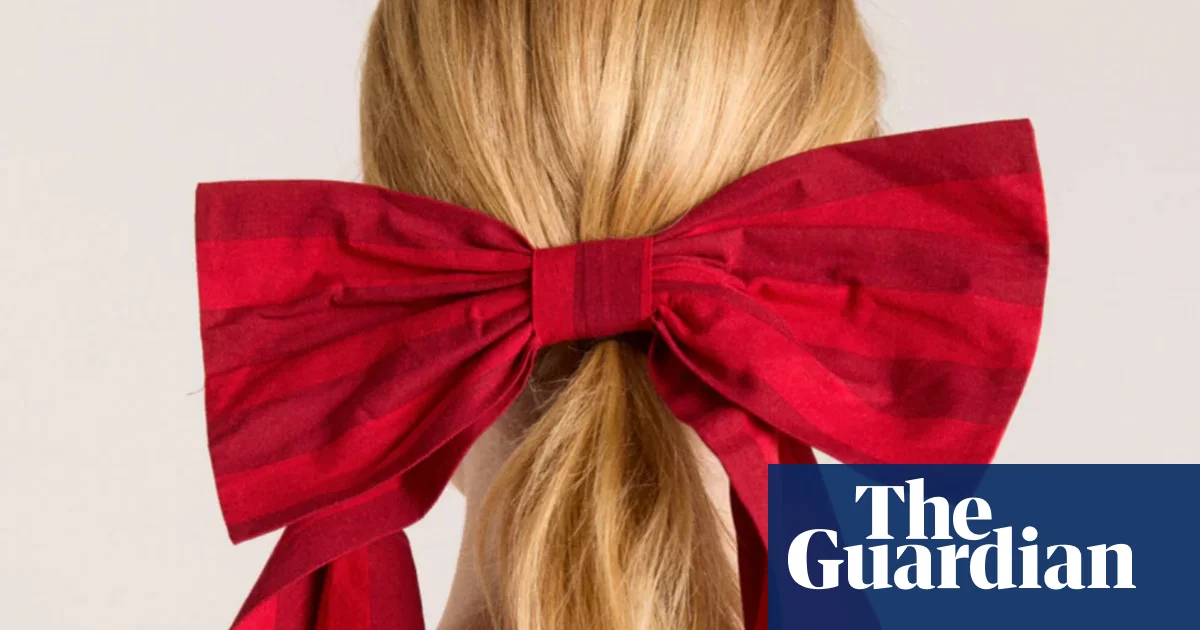
Once just a simple decorative feature from Victorian childhoods or Marie Antoinette’s opulent court, bows are now making a *massive* comeback—shaping fashion, social discourse, and even gender norms. From the high-stakes runway shows of Dior to grassroots movements on the rugby field, it’s clear that the humble bow has transcended its traditional femininity to become a powerful symbol of identity, rebellion, and social change. Today, this accessory does more than just add flair; it embodies a cultural shift in how we communicate femininity, gender fluidity, and even political solidarity.

Leading this revival are influencers, fashion designers, and sociologists noticing that the bow is no longer just a cute detail—it’s a loaded statement. Young designers like Sandy Liang and Simone Rocha are pushing bows into unexpected territory, featuring them on everything from handbags to wedding dresses. Meanwhile, on the streets and social media, more people are embracing bows as a form of subversive symbolism. Take Welsh rugby star Georgia Evans, who was attacked online for wearing pink hair bows during a game, only to turn that criticism into a viral movement of solidarity. Over 1,000 bows appeared at her subsequent match, symbolizing strength and inclusivity under attack. It’s a testament to how something as simple as a bow can become a social rallying cry, especially for young people eager to challenge outdated gender roles and expectations.

On the fashion front, the cultural impact is undeniable. Major brands like Next and M&S are selling an array of bow-adorned items—cardigans, dresses, earrings, and accessories. The trends are also reflected on red carpets, where male stars like Harry Styles and Ncuti Gatwa sport oversized bows, challenging gender binaries and highlighting that fashion is a canvas for political statement. Historically, bows were symbols of aristocratic status or flirtation, but today they are a form of expressive rebellion. As fashion historian Valerie Steele explains, bows are now “a sort of code or identity,” often worn ironically or subversively. This evolution demonstrates that what once served as a mark of femininity now acts as an emblem of self-expression and defiance, especially among the youth who view gender and social norms as fluid and negotiable.”

Yet, the question lingers: are we witnessing a lasting shift, or is this just a fleeting trend? Unlike previous fashion cycles, the current bow renaissance is deeply intertwined with broader societal conversations about gender, identity, and social justice. As designer Jonathan Anderson opened Dior’s most anticipated collection with a bow-topped dress, and influencers flaunt bow earrings and accessories, it’s clear that the bow is no longer merely an aesthetic choice—it’s a *statement of cultural evolution*. The next big question: will future generations see the bow as a symbol of both eroticism and empowerment or will it be just another passing trend? The answer could reveal much about how society’s understanding of identity—and perhaps its tolerance for complexity—continues to evolve in unexpected ways.

Social Media Auto Publish Powered By : XYZScripts.com