Matox News

Truth Over Trends, always!

Mumbai Families Fret as Data Centres Keep the City Burning Coal—A Tech Crisis for Our Youthful Future

In the bustling streets of Mumbai’s Mahul district, a stark reality unfolds. Kiran Kasbe, a 36-year-old rickshaw driver, navigates through streets lined with produce stalls and choking smog-filled air. This thriving, yet heavily polluted neighborhood exemplifies the complex intersection of urban growth and environmental degradation. Mahul’s residents face serious health challenges—Kasbe’s own mother, who arrived there after her home was demolished, was diagnosed with brain cancer amidst polluted surroundings. Such stories reflect a broader narrative of how economic development often brushes up against the imperative to preserve public health and sustainability.

Meanwhile, India’s rapid push to transform its economy into a global hub for artificial intelligence is fueling an unprecedented data centre boom, especially in mega-cities like Mumbai. Leaked records show that Amazon, one of the world’s largest data centre operators, used 16 facilities within Mumbai alone in 2023—a significant increase from the three zones they publicly acknowledge. This acceleration highlights a broader trend: as digital infrastructure expands, so does the demand for energy. Critics like Bhaskar Chakravorti of the Fletcher School warn that this surge is pushing India’s commitment to a green transition to the brink. The paradox is evident. Tech giants attract applause for green energy claims, yet the reality signals a clash with climate goals—amplified by the exponential growth of datacentres requiring monstrous energy inputs that often rely on polluting energy sources.

Specifically, the rapid expansion of datacentres—most notably those operated by Amazon—has resulted in a paradoxical situation in Mumbai. Sources estimate that Amazon’s 2023 datacentre operations consumed enough electricity to power over 400,000 households annually, with forecasts indicating that such centres could command a **third of the city’s energy** by 2030. In this pursuit of digital dominance, the region’s existing energy infrastructure—comprised of Tata’s coal plants and Adani’s power stations—has been extended well beyond their planned shutdown dates, citing increasing demand from these very datacentres. Yet, this reliance on fossil fuels has transformed parts of Mahul into what local residents call a “toxic hell,” plagued by air pollution, chemical factories, and environmental neglect. Diesel generators powering these datacentres further exacerbate the crisis, making air quality even worse and threatening public health—especially for those living in proximity to these high-energy facilities.

  • Prioritize understanding the true environmental cost behind digital infrastructure
  • Support policies that incentivize renewable energy for urban tech developments
  • Encourage tech giants to adopt more transparent sustainability practices
  • Recognize that economic growth should harmonize with public health and environmental stewardship

As cities like Mumbai grapple with the tension between rapid technological progress and environmental sustainability, it becomes clear that the path forward is as much about redefining growth as it is about innovation. India’s story embodies a larger truth that resonates beyond its borders: true progress entails a balanced embrace of technology and wellness, ensuring that the pursuit of prosperity does not come at the expense of public health or ecological integrity. For today’s youth—ambitious, aware, and ready to lead—the challenge lies in advocating for a vision where lifestyle and sustainability are not mutually exclusive but are woven together into a collective journey of responsible development. As history reminds us, society’s greatest achievements are those that uplift the wellbeing of its people today while safeguarding the world for generations to come.

Unleash the Power of Big Bows: The Surprising Trend Blending Feminine Charm with Youthful Rebellion | Accessories

The Rise of the Bow: How a Vintage Accessory Became a Cultural Signal

Once just a simple decorative feature from Victorian childhoods or Marie Antoinette’s opulent court, bows are now making a *massive* comeback—shaping fashion, social discourse, and even gender norms. From the high-stakes runway shows of Dior to grassroots movements on the rugby field, it’s clear that the humble bow has transcended its traditional femininity to become a powerful symbol of identity, rebellion, and social change. Today, this accessory does more than just add flair; it embodies a cultural shift in how we communicate femininity, gender fluidity, and even political solidarity.

Leading this revival are influencers, fashion designers, and sociologists noticing that the bow is no longer just a cute detail—it’s a loaded statement. Young designers like Sandy Liang and Simone Rocha are pushing bows into unexpected territory, featuring them on everything from handbags to wedding dresses. Meanwhile, on the streets and social media, more people are embracing bows as a form of subversive symbolism. Take Welsh rugby star Georgia Evans, who was attacked online for wearing pink hair bows during a game, only to turn that criticism into a viral movement of solidarity. Over 1,000 bows appeared at her subsequent match, symbolizing strength and inclusivity under attack. It’s a testament to how something as simple as a bow can become a social rallying cry, especially for young people eager to challenge outdated gender roles and expectations.

On the fashion front, the cultural impact is undeniable. Major brands like Next and M&S are selling an array of bow-adorned items—cardigans, dresses, earrings, and accessories. The trends are also reflected on red carpets, where male stars like Harry Styles and Ncuti Gatwa sport oversized bows, challenging gender binaries and highlighting that fashion is a canvas for political statement. Historically, bows were symbols of aristocratic status or flirtation, but today they are a form of expressive rebellion. As fashion historian Valerie Steele explains, bows are now “a sort of code or identity,” often worn ironically or subversively. This evolution demonstrates that what once served as a mark of femininity now acts as an emblem of self-expression and defiance, especially among the youth who view gender and social norms as fluid and negotiable.”

Yet, the question lingers: are we witnessing a lasting shift, or is this just a fleeting trend? Unlike previous fashion cycles, the current bow renaissance is deeply intertwined with broader societal conversations about gender, identity, and social justice. As designer Jonathan Anderson opened Dior’s most anticipated collection with a bow-topped dress, and influencers flaunt bow earrings and accessories, it’s clear that the bow is no longer merely an aesthetic choice—it’s a *statement of cultural evolution*. The next big question: will future generations see the bow as a symbol of both eroticism and empowerment or will it be just another passing trend? The answer could reveal much about how society’s understanding of identity—and perhaps its tolerance for complexity—continues to evolve in unexpected ways.

Youthful Heritage: Syria’s Ancient Statues Looted from National Museum

Ancient Artifacts Stolen from Syria’s National Museum: A Worrying Trend

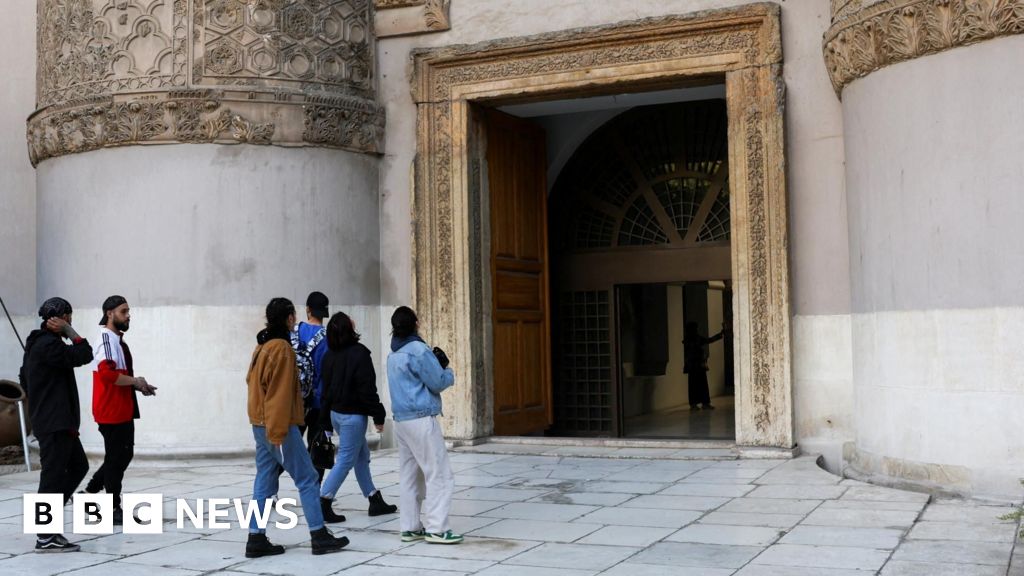
In a disturbing development reflecting the persistent chaos afflicting Syria, officials confirm the theft of several invaluable artefacts from the National Museum in Damascus. The theft was reportedly uncovered on Monday when security staff found one of the museum’s doors had been forcibly broken from the inside—an alarming breach that underscores vulnerabilities in Syria’s security apparatus. Among the missing items are six marble statues from the Roman era, including relics from the ancient city of Palmyra, a symbol of Syria’s rich cultural tapestry and historical importance. This incident signals a troubling erosion of Syria’s cultural integrity and raises concerns on how ongoing turmoil impacts heritage preservation.

Authorities have launched an investigation, with Syria’s Directorate-General for Antiquities and Museums vowing to strengthen protective measures. Yet, this event is not isolated; it mirrors a broader pattern of loss and destruction that the country has endured for over a decade. Since the outbreak of civil war in 2011, Syria’s historical institutions and archaeological sites have suffered extensive damage. Damage to UNESCO World Heritage sites like Palmyra—once a jewel of the ancient Middle East—was carried out by the Islamic State group, which deliberately destroyed temples claiming they were idolatrous. Such acts, condemned internationally as war crimes, serve as a stark reminder that cultural annihilation remains an active weapon in modern warfare.

The significance of these artefacts extends beyond their historical value; they are pieces of civilization that define national identity and serve as symbols of resilience for the Syrian people. Their loss exacerbates the geopolitical impact of the ongoing conflict. By damaging Syria’s cultural patrimony, these acts not only weaken the nation’s historical fabric but also undermine its international standing. Critics argue that the theft and destruction of artefacts are indicative of the broader geopolitical struggle — a fight for influence and control over the region’s resources, history, and identity. International organizations like UNESCO have repeatedly condemned such acts, emphasizing the importance of safeguarding cultural heritage as a form of resistance against barbarism. Experts warn that the loss of these artefacts diminishes the collective memory of mankind, creating a vacuum that fuels radicalization and anti-Western sentiment.

As Syria navigates a complex landscape of rebel factions, foreign influence, and internal upheaval, the question remains: how can international efforts effectively protect what remains of Syria’s battered cultural heritage? The recent theft is a stark reminder that history is fragile and that conflict’s true cost extends far beyond the battlefield. With each artefact stolen or destroyed, the world witnesses not just the loss of history, but also the erosion of national identity and cultural sovereignty. As the narrative of Syria’s future unfolds amidst international debate, the lingering question remains: will the preservation of history become a casualty of geopolitical ambition, or will it serve as a rallying cry for renewed international commitment to protect humanity’s shared legacy? The answer lies in the ongoing struggle to balance diplomacy, security, and cultural preservation — a battle that, ultimately, defines the true cost of conflicts that continue to shape our world’s history.

Cappadocia: Turkey’s Ultimate Trailblazing Spot for Youthful Adventurers

Embracing the Spirit of Adventure: Discovering Cappadocia

In the heart of central Turkey, lies a landscape more surreal than any daytime dream—Cappadocia. Famous for its whimsical “fairy chimneys”, this region encapsulates a perfect synergy of natural wonder and human ingenuity. Thousands of years ago, this terrain was forged from volcanic ash that cooled into soft, porous tufa rock—a material so easy to carve yet hardened upon exposure to air. Over centuries, water, wind, and time sculpted these formations into towering spires and intricate cave dwellings. Today, these ancient structures not only mark Cappadocia’s rich history but also serve as a testament to the resilience and ingenuity of its early inhabitants, who carved monasteries, churches, and homes directly into the rocks.

While captivating aerial views from countless hot air balloons draw visitors from around the world, seasoned explorers know that the region’s true magic unfolds on foot—or even better, horseback. The region’s extensive trail system and guided tours allow travelers to experience the authenticity of Cappadocia’s rural past and connect deeply with its landscape. As medieval art historian Tolga Uyar highlights, sites like Zelve have stood for over 1,400 years, continuously inhabited and reimagined, making them living, breathing monuments to history. Wandering these ancient roads, a visitor can glimpse into the lives of monks, farmers, and early Christians who sought refuge amidst the rocks, carving out communities that defy time.

For those seeking a personal impact beyond mere sightseeing, Cappadocia offers numerous wellness-oriented activities. The naturally preserving environment invites tranquil hikes through lush river valleys like Ihlara, where spring blossoms and the melody of nightingales create an almost meditative experience. Guided excursions, such as those led by locals like Mehmet Güngör, reveal hidden churches and plant species unseen by casual travelers. The region’s horse-riding tours, especially at Cemal Ranch, embody a sense of freedom and harmony with nature. As Cemal Koksal reflects, riding in these valleys provides a peaceful connection to Turkey’s historic Yılkı horses, a tradition of free-roaming steeds that symbolize the wild, unspoiled character of Cappadocia.

  • Travel Tips: Embrace guided walks to unlock secret pathways and learn about the region’s history from locals with generations of experience.
  • Lifestyle Hacks: Carry lightweight hiking gear, water, and a camera to capture the breathtaking contrasts—from pinkish dawns in Red Valley to the lush greenery of Ihlara in spring.
  • Leisure Inspiration: Participate in full moon hikes or sunset horseback rides to view the valleys in their most dazzling light, fostering a sense of wonder and personal renewal.

In this landscape where centuries-old churches meet the natural artistry of erosion, inspiring tales and visuals intertwine to remind us that lifestyle is a journey. Whether scaling ancient steps into monasteries or riding under crimson sunsets, visitors are invited to rediscover their own sense of adventure and grounding. Cappadocia continues to beckon those with a spirit for exploration, offering a timeless canvas where history, nature, and personal transformation meet in perfect harmony. Ultimately, embracing such a journey is about more than sightseeing; it is about welcoming the possibility of transformation and habitually seeking beauty in the world—and within ourselves.

Guardian Critics Share Their Most Challenging Films: A Youthful Perspective on the Stressful Side of Cinema

At the heart of culture lies an unbreakable thread that weaves together identity, tradition, and the fabric of society itself. From the grandeur of classical art to the visceral immediacy of contemporary cinema, cultural artifacts serve as both mirrors and prophecies—illuminating who we are and hinting at who we might become. The films discussed above—ranging from psychological thrillers to biting social commentaries—demonstrate that our cinematic choices are not mere entertainment but vital expressions of our collective consciousness. They echo the philosophical observations of Ortega y Gasset, who believed that *”Man is the measure of all things,”* emphasizing that our cultural pursuits reveal the contours of our soul and the values we uphold.

Take, for example, the visceral intensity of Fall. This psychological thriller, with its breathtaking portrayal of human courage and fear, underscores that the confrontation with our limits is a quintessential human endeavor. In the film, the act of climbing a decommissioned tower becomes a metaphor—a daring ascent into the depths of one’s psyche and resilience. Such stories remind us that the pursuit of challenge and danger is intertwined with the human spirit’s quest for meaning. Films like these serve as echoes of a tradition that celebrates daring, endurance, and the rediscovery of self in adversity, reinforcing the belief that our culture’s greatest stories are about the human capacity to confront and triumph over chaos.

Equally powerful is Gaslight, a film that has transcended its theatrical origins to give us the modern idiom of emotional manipulation. The villain Gregory’s slow erosion of Paula’s sanity symbolizes the cultural awareness of psychological abuse and societal power dynamics. This cinematic masterpiece reminds us that the resilience of the human mind—embodied in Bergman’s electrical performance—remains a vital pillar of societal stability. As Tocqueville observed about democratic societies, the vigilance of individuals against tyranny—be it political, social, or psychological—is the foundation upon which free societies are built. Films like Gaslight serve as cultural warnings, shaping our moral consciousness and guiding us in recognizing and resisting the insidious erosion of truth and integrity, both within and beyond the personal realm.

Within this tapestry of dark and demanding stories, we find The Vanishing, a haunting reflection on loss and the unanswerable questions that haunt human existence. Its capacity to induce profound trauma underscores the importance of narrative as a vessel of collective memory. As Chesterton noted, “Poetry will remind us that life is real, that reality is strange,” and cinema—particularly thrillers like Sluizer’s masterwork—becomes an arena where reality’s strangeness manifests, forcing viewers to grapple with the abyss. This confrontation is not nihilistic but affirming: it illuminates the depths of human vulnerability and the enduring hope that, even in our darkest moments, we bear the capacity for remembrance and renewal.

Ultimately, these films demonstrate that culture is neither static nor purposeless. It is memorial and prophetic: a record of humanity’s collective memory and a guidepost for its future. As we navigate a world increasingly defined by chaos and instant gratification, cinema remains a vital cultural language—a language that speaks, warns, and inspires. The lessons embedded within these stories remind us that the essence of culture is the eternal dialogue between memory and prophecy, echoing through the ages and shaping the destiny of human society. For in the grand theater of history, we are both the spectators and the playwrights, crafting a narrative that is at once a reflection of what was and a prophecy of what is yet to come—a testament to the enduring resilience of the human spirit, written in images, in stories, and in the collective memory of humanity itself.

Youthful leader driving Biden’s bipartisan wins in Congress

Under the surface of the Biden administration’s legislative accomplishments, a profound power struggle continues to define the shape of American governance. Despite navigating one of the most narrowly divided Congresses in history, President Joe Biden and the Democratic Party managed to secure a series of landmark wins in the first two years of his presidency. These successes—ranging from bipartisanship on infrastructure, gun safety, and same-sex marriage to partisan efforts on climate policy and healthcare—serve as a testament to the strategic navigation of a tumultuous political landscape. Yet, beneath these achievements lies a crucial question: how do these decisions, often driven by fragile alliances and internal compromises, actually shape the lives of ordinary Americans? And who ultimately holds the real power behind these legislative corridors?

The Biden team’s ability to rally diverse factions highlights a critical facet of contemporary politics: the delicate art of coalition-building in an era when ideological divisions threaten to fracture consensus at every turn. Political theorists like Hannah Arendt and Leo Strauss have long argued that government is ultimately a theater for contesting authority—where decisions are never merely bureaucratic, but fundamentally about who holds the power to decide. Despite claims of bipartisan virtue, many of these “wins” are rooted in pragmatic negotiations that often leave core ideological principles on the cutting room floor. For instance, bipartisan agreements on infrastructure and gun safety bills—while portrayed as victories for the people—are often the result of compromises that dilute their intended impact. The real question is whether these legislative actions reflect the public’s will, or if they are a showcase of political acumen in the game of authority.

Meanwhile, the party-line bills—particularly those tackling climate change and expanding health care coverage—highlight the fundamental struggle within the Democratic Party for ideological dominance. These initiatives demonstrate the prioritization of a progressive policy agenda, sometimes at the expense of broader national consensus. The legislation is often driven by internal pressures from left-wing factions seeking to cement progressive footprints, thereby asserting control over the legislative narrative. Such moves evoke evocative parallels with early 20th-century reform efforts, where elite factions used policy as a battleground for influence. The outcome, however, remains a matter of contestation: will these initiatives truly empower the people, or serve as instruments for establishing a new political order?

As the midterm elections approach, the stakes become ever clearer: the power struggles are not just about policies, but about who writes the destiny of the nation. The decisions made—whether for sweeping reforms or incremental change—are the brushstrokes on the canvas where history is painted. The lesson from history is unmistakable: politics is less about the parties or policies, and more about the struggles for authority that define the fate of nations. Ultimately, as dominant political theorists have observed, politics is an arena where the fate of the collective is forged—where the decisions of today carve the destiny of tomorrow. As citizens, understanding this power dynamic is essential; for it is on this stage that history is written, and the future is determined.

Social Media Auto Publish Powered By : XYZScripts.com