Matox News

Truth Over Trends, always!

Tropical Cyclone Vaianu Threatens New Zealand with Dangerous Winds—Are We Ready?

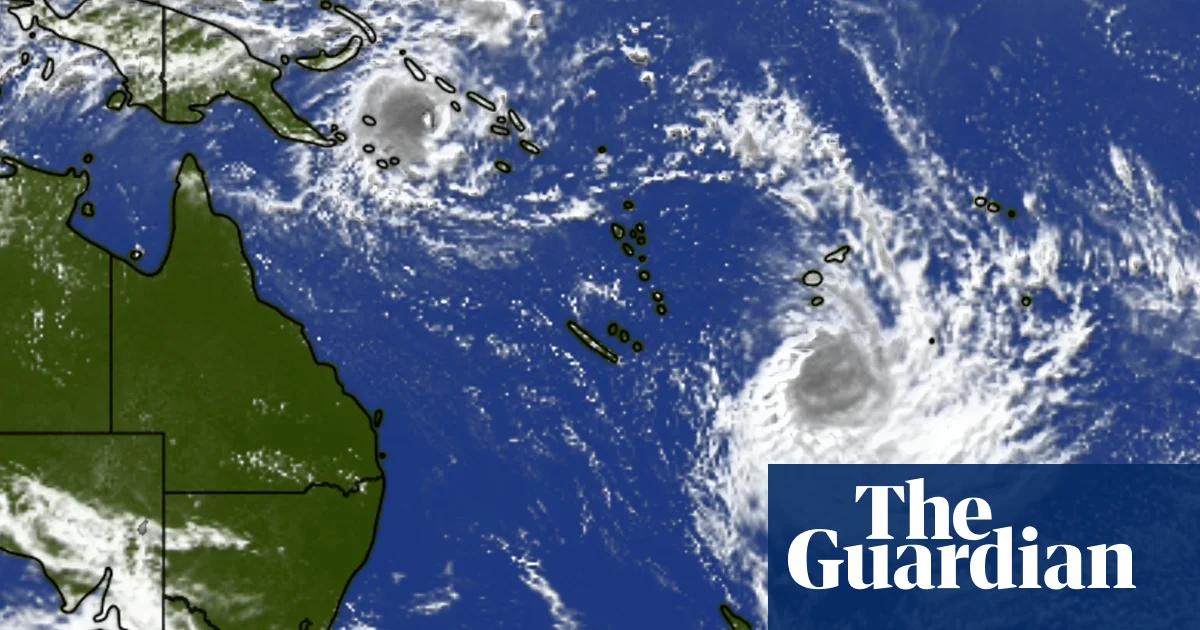
As the Pacific Ocean churns with the formation of Tropical Cyclone Vaianu, the geopolitical implications extend far beyond weather forecasts. Forecasters warn that this category 3 cyclone, with sustained winds exceeding 150km/h, could bring severe winds and heavy rains to New Zealand later this week. The entire North Island is under a strong wind watch, underscoring the increasing strain that not only natural disasters but also their management place on national societies.

This cyclone’s development highlights a disturbing pattern of increasingly intense and unpredictable tropical weather systems in the Pacific, regions historically challenged by climate volatility. International climate models and analysts suggest that such storms are not isolated incidents but a consequence of broader environmental shifts driven by global warming. Scientists warn that these storms could become more frequent and severe, intensifying the political and economic weight borne by governments to prepare for and respond to such calamities. The coordinated response of nations, emergency agencies, and international organizations becomes critical in safeguarding societies; any failure could result in devastating human and financial losses. The Pacific region, a hub of geopolitical importance due to the rising influence of China and the enduring presence of U.S. alliances, faces increased vulnerabilities as climate change exacerbates instability.

In addition, the Pacific’s natural turmoil is mirrored by ongoing regional shifts. Just as Australia and the United States bolster strategic partnerships amid increasing geopolitical tensions, the continent’s environmental crises echo a warning that natural disasters will have ripple effects on international stability. The recent escalation of tropical cyclone Maila, now a category 5 system in the Solomon Sea, vividly illustrates the North’s vulnerabilities. While Maila poses no immediate threat to New Zealand, its formidable winds—reaching gusts up to 295km/h—serve as a stark reminder of the destructive potential of these powerful storms. Analysts suggest that the global community’s response to such natural phenomena will define the geopolitical landscape in the coming years, especially as climate-induced disasters become more common.

  • In recent months, New Zealand experienced a series of severe storms, including deadly landslides and widespread flooding, reflecting a growing pattern of climate-related crises that challenge the nation’s resilience.
  • The 2023 tropical Cyclone Gabrielle remains a pivotal event—killing 11, triggering a record number of landslides, and becoming the most expensive weather event in the country’s history.
  • Influential voices from international climate and geopolitical analysts have warned that such extreme weather phenomena could destabilize local economies, increase migration flows, and strain diplomatic relations in the Pacific Rim.

Through the lens of history, policymakers and observers worldwide recognize these storms as more than mere weather—they are harbingers of a new geostrategic era. The capacity of nations to adapt and fortify against the onslaught of nature’s fury will determine their future influence and survival. As history continues to unfold with each passing storm, the weight of why some societies prevail and others falter rests on the choices made today. In this global theatre, natural disasters are rewriting the rules of power, resilience, and geopolitical priority—threatening to reshape the map anew.

New Zealand Urges US for Fuel Tankers to Support Pacific Amid Iran Tensions

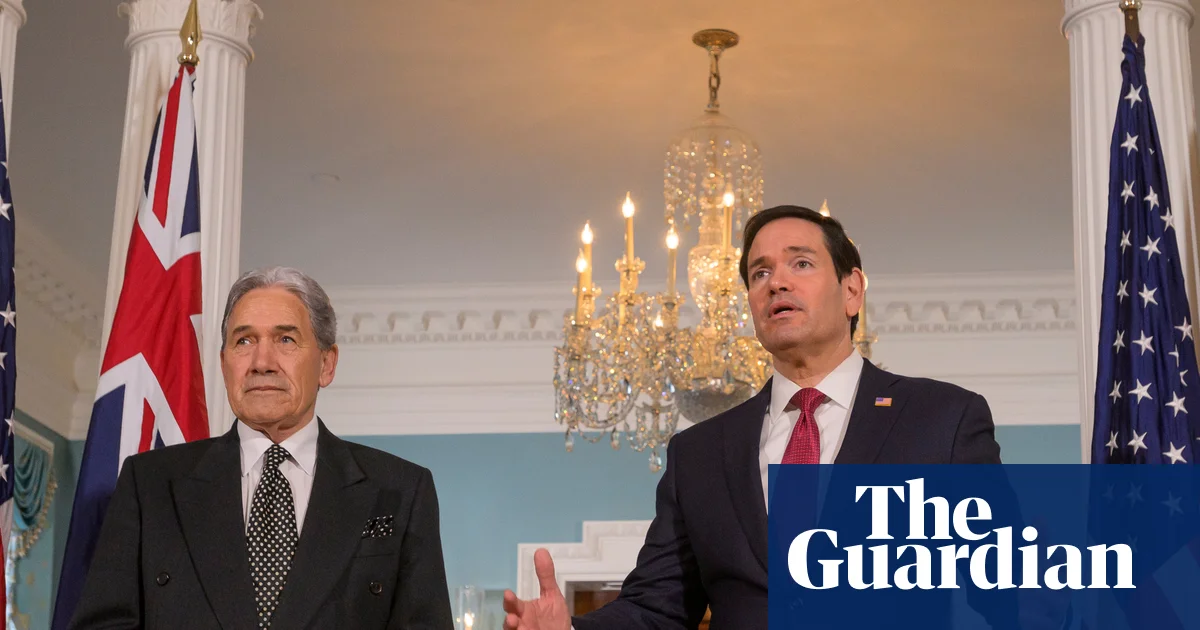
The escalating conflicts in the Middle East are exerting unprecedented pressure on regional economies, prompting a diplomatic response that could reshape the geopolitical landscape of the Pacific. New Zealand, a nation long regarded as a middle power with a cautious approach to international alliances, has called on the United States to deploy fuel tankers to alleviate the pressing fuel shortages impacting Pacific island nations. This development underscores a broader geopolitical shift, illustrating how small nations are now actively engaging with global superpowers to safeguard their economic futures amid turbulent times. Meanwhile, the US seeks to avoid escalation in Iran after diplomatic efforts led to a temporary ceasefire, reflecting how interconnected global security is becoming.

During a high-stakes meeting in Washington, Winston Peters, New Zealand’s foreign minister, explicitly highlighted how the war’s ripple effects threaten the stability of the entire Pacific region. He stressed that the war’s economic fallout is not confined to the Middle East but extends to Pacific nations heavily dependent on imported fuel.

  • The Pacific island nations, such as Samoa and Tonga, have already expressed their fears over potential fuel shortages, with leaders appealing for international assistance.
  • New Zealand has taken the initiative to lobby for emergency fuel supplies, requesting the US to prepare ancillary tankers—a move that could set a precedent for regional cooperation in crisis management.

Such requests expose the vulnerabilities of a region that, historically, has relied on external suppliers for critical resources. The geopolitical impact of this shift is profound; Washington’s response will not only influence regional stability but may also serve as a test of its commitment to its allies amidst an era of strategic retrenchment.

Adding further complexity, the recent diplomatic breakthrough between US and Iran, facilitated by Pakistan, demonstrates the delicate balance of global diplomacy. While a two-week ceasefire may suggest a temporary thaw, the implications reverberate far beyond the immediate conflict zone. Some analysts warn that such short-term measures mask deeper geopolitical rivalries and could reset the clock for renewed conflict, especially considering the US president’s overt threats against Iran—warnings pointedly dismissed by officials like Peters as reckless. This international subplot exemplifies the precariousness of current diplomacy: fragile agreements that could quickly unravel, dragging the Pacific and beyond into further instability.

As New Zealand and its Pacific neighbors brace for economic shocks, their reliance on external powers places them at a geopolitical crossroads. Countries in the Pacific are increasingly caught between major influences—be it the US, China, or regional actors—and must navigate this shifting terrain with adept diplomacy. The stakes are high: economic lifelines hinge on international cooperation, but the broader picture signals that the era of relative regional stability may be giving way to a new chapter of strategic contestation. History is still being written through these pivotal moments—each decision, each alliance, shaping the future of a region and the world at large, in ways that could echo for generations to come.

From New Zealand to Orkney: The bold move to preserve a timeless classic

Global Movements and Shifting Power Dynamics: The Significance of Hans Compter’s Worldwide Journey

In recent days, the world has been closely watching a seemingly symbolic journey undertaken by Dutchman Hans Compter, who traveled across numerous countries to deliver the Austin to Cathleen Hourie in the remote region of Orkney. While on the surface this may appear as an individual story of tradition or personal endeavor, international analysts and geopolitical strategists recognize this event as emblematic of the ceaseless currents of change shaping the global landscape. As nations grapple with economic upheavals, shifting alliances, and rising geopolitical tensions, such journeys symbolize more than mere logistics—they embody a broader narrative of resilience and the underlying power plays that define the 21st century.

This journey’s significance extends well beyond the personal; it underscores the resilient spirit of connectivity amidst a world increasingly fractured by trade disputes, territorial conflicts, and ideological rifts. The delivery of the Austin, often representative of technological or diplomatic importance, highlights the persistent importance of international cooperation—even among nations that constantly jockey for regional dominance. Such acts serve as subtle yet powerful reminders that, despite the tumult, the global community remains interconnected, with each voyage echoing the implicit recognition that collective stability depends on collaborative diplomacy.

From a geopolitical impact perspective, the event resonates strongly within the broader framework of international relations. As global powers recalibrate their positions—China asserting more influence, Russia reasserting regional dominance, and the West attempting to solidify alliances—such symbolic acts are viewed critically by observers such as the International Institute for Strategic Studies. The journey through multiple nations indicates underlying currents of cooperation amid discord, but also serves as a reminder of the fragile peace that underpins global stability. Analysts emphasize that these diplomatic gestures—be they cultural exchanges or logistical feats—have far-reaching consequences, often shaping the perceptions and future diplomacy of the involved nations.

Historically, events like this are seen as opportunities for nations to demonstrate resilience or leverage soft power — the ability to influence through culture, diplomacy, and indirect means. Experts note that reaching remote locations like Orkney symbolizes the persistent importance of strategic physical and ideological presence. The narrative of Hans Compter’s journey echoes a recurring theme within international history: despite decades of conflict and ideological divergence, humanity’s shared pursuit of connection often surfaces in symbolic acts. These moments influence societal perceptions, sway international opinion, and reveal underlying shifts in power dynamics that will ultimately shape the emerging order.

Yet the weight of this seemingly simple delivery is grounded in the enduring truth that history remains a continuous, unfolding story. As nations observe, analyze, and react to such actions, the outcome could influence future alliances, economic cooperation, and even the stability of regions long considered volatile. With each diplomatic voyage, the fabric of the international system becomes more intricate, and the stakes for nations and societies grow exponentially. As the world stands at this crossroads, the legacy of Hans Compter’s journey becomes a poignant reminder: in the grand theatre of geopolitics, every move counts, and history waits silently—its eventual chapters yet to be written.

Watch South Africa vs. New Zealand 2026 T20 Clash Live — Stream for Free and Catch the Action!

In an era where digital connectivity reigns supreme, the way young audiences consume sports is undergoing a profound transformation that extends beyond traditional broadcasters. The recent surge in free live-streaming options for major tournaments like the T20 Cricket World Cup 2026 exemplifies this shift, emphasizing a broader cultural movement towards accessibility and immediacy. For fans across the globe, watching the intense rivalry between South Africa and New Zealand has become less about cable subscriptions and more about tapping into innovative digital platforms. Platforms such as ICC.TV now enable viewers to catch high-stakes cricket matches from anywhere—free of charge—challenging the traditional gatekeeping of sports media.

This democratization of sports content feeds directly into the emerging cultural impact of digital access—especially among youth, who are often more tech-savvy and skeptical of mainstream outlets. Influencers and social analysts observe that this trend fuels a sense of ownership and participation among younger fans. No longer do they rely solely on traditional broadcasters; instead, they leverage VPNs and streaming hacks to bypass geo-restrictions, turning what once was a privilege into a global right. As cryptic but powerful as it sounds, this behavior signifies a deeper societal shift—young viewers demanding the same ease of access to international sports as they do with their favorite music or social platforms. This is reshaping the social relevance of cricket, transforming it into a truly global phenomenon rooted in digital territory.

Moreover, the influence of young influencers and sociologists underscores that this isn’t merely about convenience but about a cultural movement that redefines how global sports communities engage. These digital fans are not just passive spectators; they are active participants who forge virtual communities around their passion. The trend of free streaming is also catalyzing a new audience demographic, typically younger, more diverse, and more engaged in social media discourse. They are transforming the fan experience from passive viewing into an interactive, community-driven event, which carries significant social relevance. This reframing of sports as communal digital experiences indicates a vital shift—a move away from old hierarchies of media power toward a decentralized, accessible, and highly connected culture.

What remains to be seen, however, is how this torrent of access will evolve. As the next big question, we should wonder: Will this increasing accessibility democratize sports fandom further or threaten traditional broadcasting models altogether? The answer might define the future of not just cricket, but all major sporting events, as the lines between producer and consumer blur. In this new landscape, the real question is whether sports organizations will adapt to this empowered digital audience or cling to old media infrastructures that may no longer serve a growing, globally connected youth. As the digital revolution accelerates, one thing is clear—how we watch sports today is just the tip of the iceberg. The next chapter depends on whether the industry can harness this new culture of access or risk becoming obsolete in a world where the rules are being rewritten around us.

Blood Moon Eclipse Sets the Stage for a Spectacle Over North America, Australia, and New Zealand

On Tuesday night, a rare celestial spectacle known as a “blood moon” will be visible across North America, Australia, and New Zealand. This total lunar eclipse, where the Earth’s shadow turns the full moon into a deep, coppery red, is not just a marvel of nature but also a reminder of the interconnectedness of our world. Astrophysicists highlight the significance of such phenomena in inspiring curiosity and unity among populations. Yet, beneath the cosmic fireworks lies a profound symbol of shifting geopolitical tides and societal transformations. As the moon quietly traverses Earth’s shadow, nations are caught in the flux of global change—whether through diplomacy, economic upheaval, or collective consciousness.

Impact Beyond the Night Sky

Historically, celestial events like the “blood moon” carried ominous portents, fueling superstitions and shaping belief systems. However, today’s interpretation is more scientific, emphasizing our planet’s dynamic nature. According to analysts like Dr. Rebecca Allen and Dr. Brad Tucker, the event signifies not only a spectacular show but also a reflection of our planet’s delicate balance. “Just as a sunset’s hue is fleeting, so too are the moments when humanity must look up and recognize our place within the cosmos,” asserts Dr. Allen. International organizations, such as NASA, utilize these phenomena as a platform to foster global awareness, yet the real impact lies in how nations perceive their roles amid ongoing crises.

Deciphering the Celestial Message in the Geopolitical Realm

The timing of the eclipse coincides with a pivotal period for countries involved in ongoing conflicts and diplomatic shifts. For example, China and Russia continue to challenge Western influence, their actions often viewed through the lens of strategic positioning affected by external pressures. Meanwhile, the U.S. administration faces internal debates over foreign policy priorities, with some analysts warning of a potential return to Cold War-era rivalries. The celestial event serves as a symbolic backdrop for these power struggles, illustrating how human history, like the cosmos, is governed by cycles of darkness and illumination. Historians caution that neglecting to interpret these societal eclipses risks repeating patterns of complacency and conflict, especially as economic stability diminishes in tandem with political tensions.

Looking Ahead: The Next Phase of Global Realignment

The upcoming total lunar eclipse is a transient spectacle, yet it heralds a long-term warning of what may come. The next similar event is projected for 2028, with a partial eclipse occurring in 2026, offering a window for nations to reassess their trajectories. The international community must recognize that the choices made today—be it in climate policy, technological competition, or peace negotiations—are the true eclipses shaping tomorrow’s history. As Dr. Brown noted, ancient empires saw blood moons as omens; today, they serve as warnings. Humanity stands at a crossroads, where celestial signs prompt us to reflect on whether we will emerge from darkness into a new era of cooperation or spiral further into chaos, the echo of history yet unresolved. In this cosmic drama, the universe continues to watch silently, the weight of our destiny undetermined but undeniably vital, as the night sky bears witness to the ongoing narrative of human civilization.

Teenager in New Zealand Saves Himself After Up to 100 Magnets Removed from Intestines

Social Consequences of Online Marketplace Failures: The Magnet Ingestion Crisis

In recent times, **the rising influence of online marketplaces** has sparked intense debate over their role in safeguarding community safety, especially concerning **our vulnerable youth**. A disturbing incident in New Zealand has cast a harsh light on these digital platforms’ failures. A 13-year-old boy, after ingesting up to 100 high-power (neodymium) magnets purchased online, was hospitalized with life-threatening injuries—prompting societal reflection on **the ethical responsibilities of e-commerce giants and the vulnerabilities of our families**. The incident underscores how social issues—rooted in **the separation of commerce from community safety**—can infiltrate our daily lives, impacting families and disrupting the fabric of local communities.

Despite existing bans on such powerful magnets in New Zealand since 2013, the boy’s case reveals a troubling gap in enforcement and oversight. The magnets, bought on Temu, a Chinese-founded e-commerce platform, were retrieved only after the boy suffered four days of excruciating abdominal pain. Surgeons found the magnets had adhered to his intestines, causing tissue necrosis in multiple areas—highlighting a **grave public health risk**. This case exemplifies how the unchecked proliferation of hazardous products online can undermine **the moral obligation to protect our youth** and fortify the social safety net. As sociologists like Philip Cook have argued, **the commercialization of every facet of life, unchecked by rigorous safety standards, threatens to erode societal trust** and impose preventable burdens on families and healthcare systems.

The response from Temu reflects a pattern seen in many online marketplaces: superficial apologies and vague investigations. While the platform claims to review product listings, critics note that the challenge lies in the platform’s ability—or willingness—to prevent illegal and dangerous items from reaching consumers. Such lapses raise questions about **the social responsibility of e-commerce platforms in safeguarding communities**, especially minors—our society’s most vulnerable—and highlight **the need for stricter regulatory oversight**. History teaches us, through the cases of defective consumer goods and lax regulation, that gaps in oversight often translate into long-term societal costs, including strained healthcare resources and traumatized families.

Beyond the immediate physical dangers, this incident illuminates **broader social tensions**: **the erosion of community-based oversight**, **the influence of unregulated online commerce**, and **the challenge of safeguarding cultural values in a digital age**. As social commentators argue, these platforms have become battlegrounds for societal morals, where profits often trump safety, and where **the very fabric of social trust is at stake**. Effective solutions necessitate **policy reforms**—such as stricter verification, faster removal of illegal products, and community-led oversight—to restore **a sense of moral responsibility**. Furthermore, strengthening parental awareness and education is crucial to empower families to navigate digital waters confidently, safeguarding **the moral and physical well-being of the next generation**.

As society navigates an increasingly interconnected world, the incident of this young boy, consigned to hospital beds because of corporate oversights, serves as a poignant reminder. Society must confront uncomfortable truths about **the cost of unchecked consumerism** and **the devaluation of community safety**. There remains hope, however, amid these challenges. A future where businesses embrace moral accountability, regulators enforce standards firmly, and **families** are **empowered** to protect their own can foster a society resilient enough to convert these dark moments into a beacon of renewed societal purpose—reminding us that true safety lies not only in laws but in the collective conscience that refuses to let commerce overshadow community bonds.

Over 1,000 illegal guns and parts taken in Australia and New Zealand crackdown—protecting our communities from crime

International Security Shaken as Australia and New Zealand Combat the Spread of Illicit Weapons

In a decisive move that echoes beyond its borders, Australia and New Zealand have launched an extensive transnational operation aimed at curbing the proliferation of illicit firearms. Over the course of a week, authorities seized more than 1,000 firearms and firearm parts, including weapons manufactured through sophisticated methods such as 3D printing. These efforts resulted in the arrest of over 180 suspects across multiple states and territories in both nations, signaling a critical focus on tackling the rising threat posed by untraceable, homemade firearms in the Indo-Pacific region. This crackdown underscores a pressing concern: how the dissemination of illicit weapons directly threatens the safety and sovereignty of countries committed to rigorous gun control regimes.

How Technology and Global Networks Fuel the Firearms Crisis

  • Authorities uncovered multiple 3D printers in New South Wales alongside Glock-style pistols, magazines, and holsters, revealing how technological advancements are transforming the landscape of illicit weapon manufacturing.
  • Investigations highlight the gradual evolution of these homemade firearms—from rudimentary, almost one-shot weapons to higher-quality, more deadly arms, often rivaling commercially manufactured guns in reliability.
  • Online communities and international retailers play a pivotal role in this expansion, consistently providing blueprints and parts that bypass traditional import controls. Many of these components, often ordered from overseas, assemble into weapons that are difficult to trace, challenging law enforcement agencies around the world.

According to analysts and historians tracking this wave of illicit arms, the trend reflects a dangerous convergence of technology and organized crime. The transnational nature of the trade compromises local and regional security, threatening to destabilize societies that have invested heavily in strict firearm control measures. The rise of 3D-printed weaponry symbolizes a turning point—where the digital revolution democratizes arms manufacturing and complicates international efforts to contain illegal firearms. International organizations warn that these developments threaten to nullify decades of progress in gun safety, creating a new battleground in the war against lawlessness.

Implications for International Security and Sovereignty

The geopolitical impact of the crackdown reverberates globally; it signals a renewed urgency for international cooperation to combat arms trafficking that infringes on national sovereignty. Countries like Australia, which has historically championed gun control, now face an evolving threat: clandestine networks operating across borders, often facilitated by the dark web, and technological advancements that unlock new avenues for illegal manufacturing. This dynamic sparks a debate among security experts about the adequacy of existing treaties and the need for enhanced cooperation, data sharing, and technological oversight.

In response, Australian Border Force officials report detecting over 8,000 illegal firearms, parts, and accessories at customs last year alone, emphasizing how international import routes are exploited by traffickers. For example, the seizure of a flame-thrower and other dangerous items in remote Australian locations underscores how porous borders have become in the face of evolving technology. These seizures demonstrate that, despite formidable regulations, illicit networks are adapting swiftly, pushing nations into a fierce race against time to restore control and safeguard their populations.

Critical voices in the international community, including security analysts and historical experts, continue to warn that neglecting this crisis could leave nations vulnerable to new forms of violence and destabilization. As smugglers and traffickers leverage online platforms and unregulated markets, the threat is no longer confined to a single country but is a shared peril to regional stability and global order. With each seized weapon, the weight of history reminds us: the ongoing battle to preserve sovereignty and public safety is far from over, and the choices made today will shape the security landscape for generations to come.

Conclusion: The Unfolding Battle for the Future

As justice authorities in Australia and New Zealand intensify their efforts, the broader implications for global security become painfully clear. The relentless tide of illegal firearms, fueled by technological ingenuity and transcontinental networks, underscores a stark reality: the fight against weapons proliferation is a battle waged not only on borders but across the digital universe and through the corridors of power itself. The pages of history continue to turn, each chapter woven with the stories of resilience, tragedy, and the indomitable quest to protect societies from chaos—a story still very much written, as the weight of the future hangs in the balance.

New Zealand Faces Criticism for Ignoring Climate Change with Methane Cuts

New Zealand’s Climate Policy Shift: A Glaring Reflection of Geopolitical Divergence

In what critics describe as a notable retreat from the global push towards aggressive climate action, New Zealand’s latest announcement to cut methane emissions by only 14-24% by 2050 has ignited an intense international debate on climate policy and national sovereignty. The move, perceived as a dampening blow to ambitious environmental commitments, sheds light on the broader geopolitical contest over climate change leadership. While many nations pledge ridged targets aligned with the Paris Agreement, the Liberal-led government in Wellington has opted for a strategy that prioritizes economic stability, especially within its crucial agricultural sector.

Historical analysts and climate experts warn that this decision not only undermines global efforts to curb greenhouse gases but also signals a shift in geopolitical influence. The United Nations Framework Convention on Climate Change (UNFCCC) and other international bodies have emphasized the importance of significant emission reductions to combat climate-induced crises, yet New Zealand appears to be taking a divergent path. Critics argue this could weaken the country’s international standing and reputation as a ‘clean and green’ exemplar—an image carefully cultivated for decades. Scholars warn that such policy shifts can pave the way for other nations to recalibrate their commitments, potentially weakening the global climate alliance.

Economic Interests versus Environmental Commitments

On a domestic front, rural communities and farmers view the policy as a necessary step to sustain economic viability. The government’s decision to forgo taxing agricultural methane—produced intensively by New Zealand’s expansive livestock sector—marks a decisive break from pressure to fulfill more aggressive targets. Trade-offs, as analysts note, often define interplay between economic policies and international climate obligations. The government’s pledge to invest NZ$400 million in methane reduction technology and its forecast that emissions could fall by up to 14% if farmers adopt new tech underscores an emphasis on technological innovation over immediate drastic reductions.

Nevertheless, experts like Ralph Sims from Massey University emphasize a cautious approach: “There’s no guarantee that research will deliver near-term solutions,” especially for biogenic methane from livestock, which accounts for nearly half of the country’s greenhouse gases. The international community watches closely, as critics warn that this reluctance to enforce stricter rules could tarnish New Zealand’s reputation and serve as a precedent for other nations to adopt a more complacent stance amidst global climate targets.

Global Repercussions and the Unfolding Saga of Climate Diplomacy

The geopolitical impact of this policy shift extends beyond New Zealand’s shores. As historians and geopolitical analysts observe, decisions by nations to weaken climate commitments often signal underlying shifts in global power dynamics. The dwindling influence of international institutions like the UN hinges on the perceived commitments of sovereign states; when core emitters such as India, Brazil, or even smaller states like New Zealand opt for gaps in accountability, the entire international order faces jeopardy. Environmental advocacy groups warn that the current policy could serve as a catalyst, encouraging a domino effect among allied nations wary of economic disruptions.

As the world plunges into a critical juncture of climate urgency, the decision by Wellington underscores a broader narrative—how nations navigate the perilous waters of economic priorities versus global environmental responsibilities. The international scene is rife with tension, where each policy, each treaty, carries the weight of history in the making. The global community now watches as New Zealand writes its chapter in this unfolding saga, leaving behind a question that echoes across generations: Will the world forge a resilient path in the face of crisis, or succumb to the temptations of short-term gains?

Parents apologize for chaos caused by New Zealand fugitive

Unfolding Tragedy in New Zealand: A Fight for Justice in the Wilderness

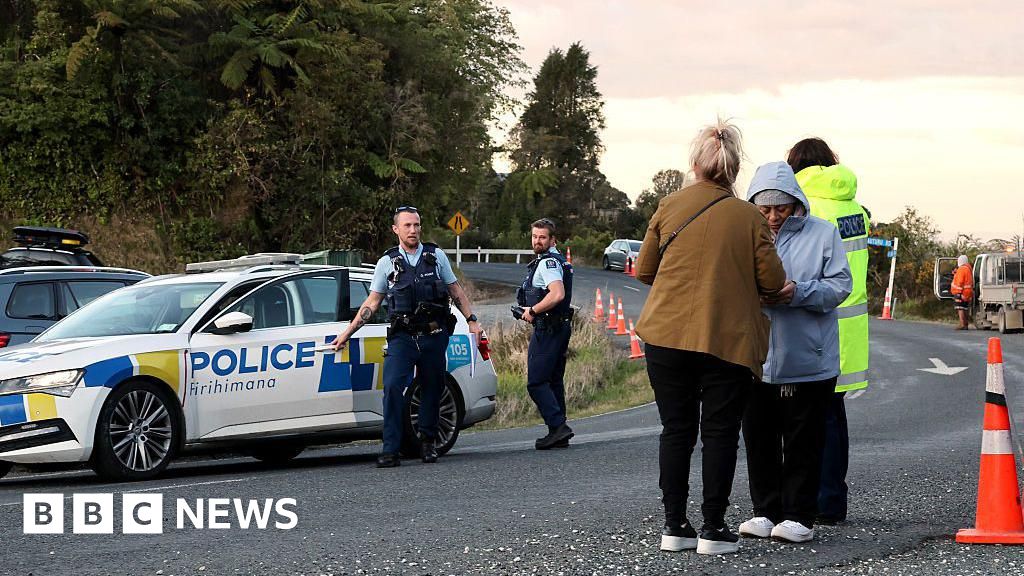
The harrowing story of Tom Phillips and his three children has left a scar on the collective conscience of New Zealand, revealing tensions between law enforcement, societal values, and individual rights. After nearly four years of evading justice through dense bushland and forests, Phillips, a known hunter familiar with the treacherous terrain of Waikato’s smaller towns, was ultimately shot dead in a violent police shoot-out. This tragic episode underscores how decisions from the government and law enforcement shape societal safety, especially in conflict zones where tradition, wilderness, and law collide.

International organizations and analysts have closely observed the events, emphasizing the consequences of escalation and the importance of balanced law enforcement tactics. The police operation, focused primarily on “locating and returning the children safely,” highlighted the perilous nature of such missions when armed suspects are understood to be dangerous and motivated by firearms. The intense firefight, which left an officer seriously injured but alive, signifies the perilous thin line law enforcement must walk when confronting armed fugitives in remote terrains. While some critics argue that aggressive tactics escalate conflicts, others argue that decisive action is essential where lives—especially vulnerable children—are at stake.

Implications for National Security and Society

  • The case spotlights the blurring of boundaries between personal freedom, parental rights, and national security. As Phillips’ family appeals for his return, international observers debate whether the state’s response was proportionate or overreach.
  • Recent analyses point to the wider implications of such incidents in shaping public trust in law enforcement strategies. “This event brings to light the growing need for precision and restraint in armed conflict scenarios within rural communities,” notes historian Dr. Amelia Cortez, emphasizing the importance of balanced tactical approaches.
  • Meanwhile, local communities in Waikato grapple with lingering trauma and questions about the safety of their environment, as dense terrain and local terrain experts complicate search and rescue operations.

The tragedy also reveals a poignant dimension of how societal and family conflicts continue to influence international perspectives. New Zealand’s own investigation, still ongoing, might serve as a cautionary tale for other nations confronting similar threats—reminding us that behind every headline, there are narratives of despair, hope, and the relentless quest for justice. In the words of international security analyst Marcus Bell, “Such incidents illustrate the dangerous brink where personal crises threaten societal stability and challenge the very foundations of law and order.”

The Weight of History Unfolding

As the dust settles, the question remains: how will nations respond to such unfolding tragedies? The decisions made today—whether in the heat of conflict or through diplomatic channels—set a course for how societies cope with crisis and preserve peace. In the shadow of this deadly confrontation, the world stands at a precipice, watching history write itself in the wilderness’s silent pages. The outcome will resonate far beyond New Zealand, echoing in corridors of power where the verdict on justice, safety, and sovereignty continues to be penned—reminding us all that the true battle is often fought deep within the heart of nature’s most untamed realms.

Social Media Auto Publish Powered By : XYZScripts.com