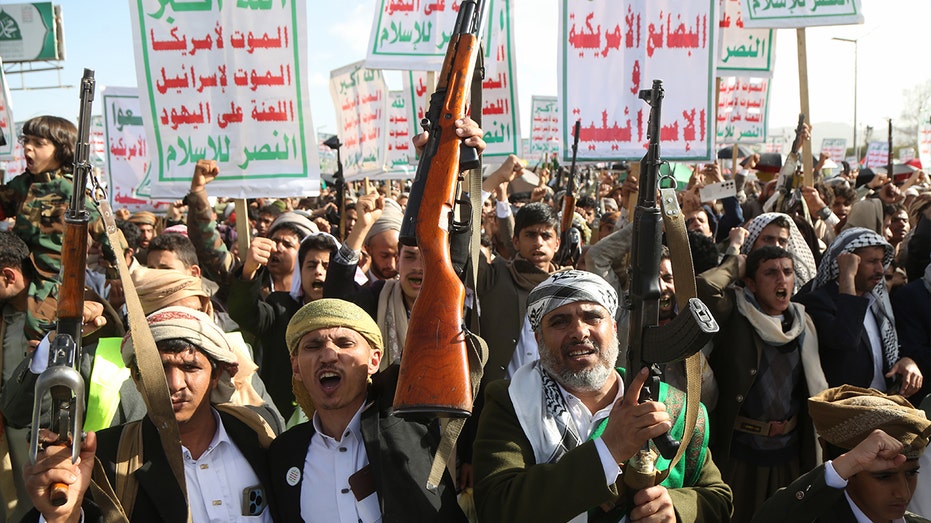
The escalating conflicts in the Middle East are exerting unprecedented pressure on regional economies, prompting a diplomatic response that could reshape the geopolitical landscape of the Pacific. New Zealand, a nation long regarded as a middle power with a cautious approach to international alliances, has called on the United States to deploy fuel tankers to alleviate the pressing fuel shortages impacting Pacific island nations. This development underscores a broader geopolitical shift, illustrating how small nations are now actively engaging with global superpowers to safeguard their economic futures amid turbulent times. Meanwhile, the US seeks to avoid escalation in Iran after diplomatic efforts led to a temporary ceasefire, reflecting how interconnected global security is becoming.
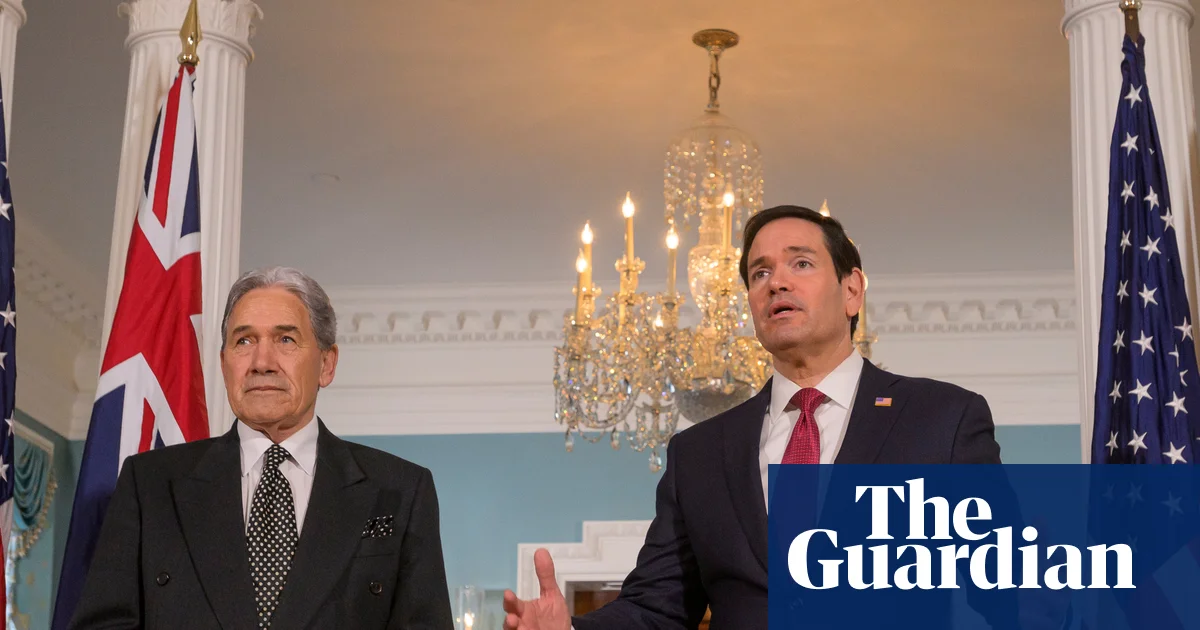
During a high-stakes meeting in Washington, Winston Peters, New Zealand’s foreign minister, explicitly highlighted how the war’s ripple effects threaten the stability of the entire Pacific region. He stressed that the war’s economic fallout is not confined to the Middle East but extends to Pacific nations heavily dependent on imported fuel.
- The Pacific island nations, such as Samoa and Tonga, have already expressed their fears over potential fuel shortages, with leaders appealing for international assistance.
- New Zealand has taken the initiative to lobby for emergency fuel supplies, requesting the US to prepare ancillary tankers—a move that could set a precedent for regional cooperation in crisis management.
Such requests expose the vulnerabilities of a region that, historically, has relied on external suppliers for critical resources. The geopolitical impact of this shift is profound; Washington’s response will not only influence regional stability but may also serve as a test of its commitment to its allies amidst an era of strategic retrenchment.
Adding further complexity, the recent diplomatic breakthrough between US and Iran, facilitated by Pakistan, demonstrates the delicate balance of global diplomacy. While a two-week ceasefire may suggest a temporary thaw, the implications reverberate far beyond the immediate conflict zone. Some analysts warn that such short-term measures mask deeper geopolitical rivalries and could reset the clock for renewed conflict, especially considering the US president’s overt threats against Iran—warnings pointedly dismissed by officials like Peters as reckless. This international subplot exemplifies the precariousness of current diplomacy: fragile agreements that could quickly unravel, dragging the Pacific and beyond into further instability.
As New Zealand and its Pacific neighbors brace for economic shocks, their reliance on external powers places them at a geopolitical crossroads. Countries in the Pacific are increasingly caught between major influences—be it the US, China, or regional actors—and must navigate this shifting terrain with adept diplomacy. The stakes are high: economic lifelines hinge on international cooperation, but the broader picture signals that the era of relative regional stability may be giving way to a new chapter of strategic contestation. History is still being written through these pivotal moments—each decision, each alliance, shaping the future of a region and the world at large, in ways that could echo for generations to come.