The Unfolding Power of Nature: Cyclone Mitchell Threatens Australia’s Pilbara Coast
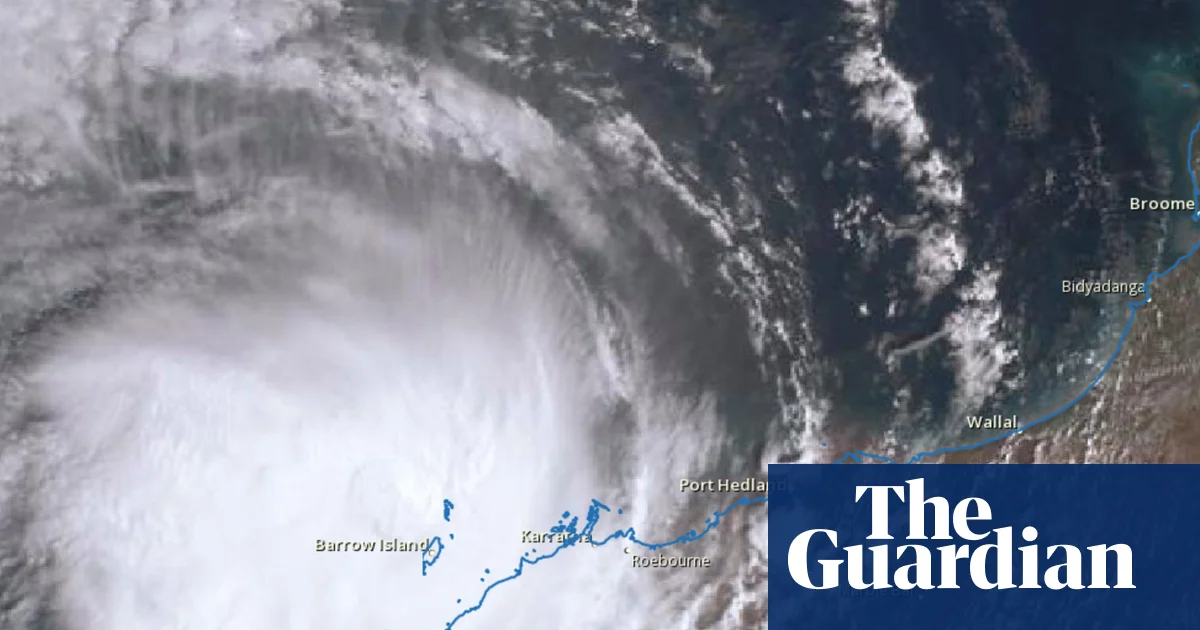
Amidst the shifting global climate landscape, Severe Tropical Cyclone Mitchell presents a stark reminder of nature’s raw power and its geopolitical implications. Currently approaching the Pilbara coast of Australia, this cyclone is forecasted to sustain its intense category 3 status as it barrels southward along the western coast, forcing governments and communities into emergency preparedness. According to the Bureau of Meteorology, Mitchell’s winds are surging at 120 km/h near its center, with gusts soaring up to 165 km/h, highlighting the severity and danger posed to coastal regions.
This impending landfall serves as a pivotal moment in the ongoing discussion about climate resilience and international security. Australia’s strategic ports and critical infrastructure in the Pilbara are vulnerable to the widespread damage that such storms can inflict, with authorities mobilizing evacuation centers and issuing cyclone emergency warnings from Dampier to Onslow. Historically, these regions are susceptible not only to natural disasters but also to the socio-economic repercussions that follow. As noted by analysts, the increasing frequency and severity of these events, potentially amplified by climate change, threaten to destabilize local economies and strain national resources. Future international cooperation on climate resilience measures will undoubtedly influence the hemisphere’s geopolitical stability, especially as alarms about rising sea levels and destructive weather patterns grow louder.
Global Climate Dynamics and Regional Security
The impact of Cyclone Mitchell extends beyond the immediate danger zone, symbolizing broader geopolitical shifts driven by climate phenomena. The recurring pattern of tropical cyclones in Australia, including recent passings by Fina, Hayley, Koji, and Luana, underlines a complex narrative—fewer storms may form in a warming climate, but the proportion of severe events is projected to increase, according to international climate assessments. This alignment of evidence has prompted warnings from climate scientists and international organizations such as the United Nations that climate-induced disasters will become more unpredictable and devastating, reshaping geopolitical landscapes.
The widespread hazards caused by Mitchell—such as flash flooding, high tides, and infrastructure threats—are a stark manifestation of how natural calamities can destabilize societies. Historically, nations with vulnerable infrastructure and limited emergency response capacity find themselves at increased risk, fueling regional instability. Recognized analysts emphasize that climate change acts as a threat multiplier in geopolitics, exacerbating existing tensions and displacing populations, thus impacting international security. The interdependence of nations now hinges on their ability to adapt to these evolving environmental threats, which signal a shift in global power dynamics. The decisions made today—whether to invest in climate mitigation or to ignore the warnings—will determine the stability of future generations.
Turning Point or Tipping the Balance?
As the cyclone’s wrath approaches and the world watches, the question remains whether humanity will heed the rising alarms or continue down a path of shortsightedness. Historians and climate experts warn that this is a turning point: a moment where international cooperation and immediate action could either fortify societies against future storms or leave them vulnerable to an uncertain, more violent climate regime. The unfolding events in Australia reflect a broader narrative—one where natural forces test human resilience and geopolitical resolve. The legacy of today’s decisions will either be one of adaptation and strength or of chaos and catastrophe, etching their mark into the pages of history as the planet’s turbulent climate saga continues to unfold.