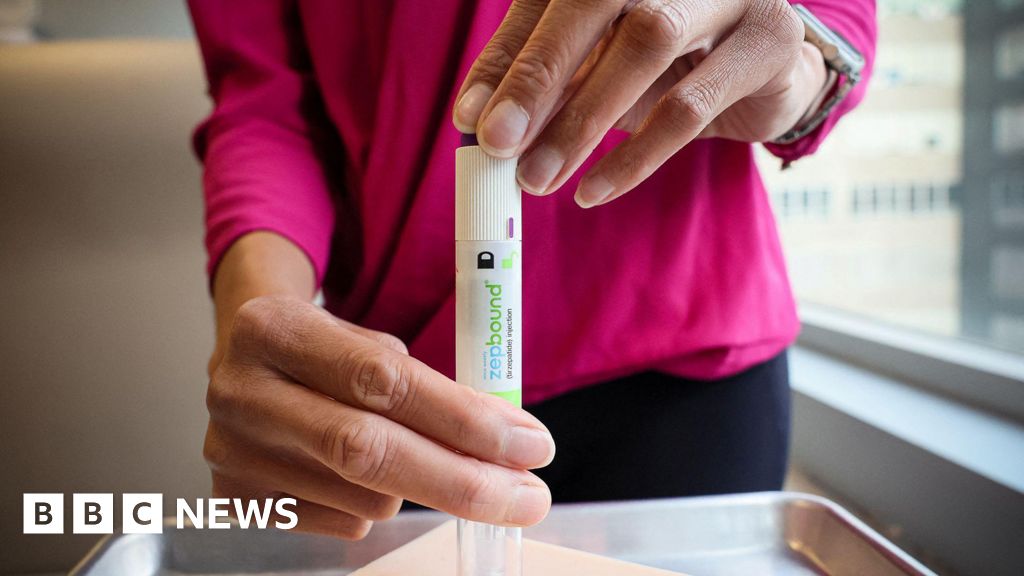

The recent decline in weight-loss drug prices in the United States marks a significant shift in the landscape of healthcare globally. Once considered a niche market catering mainly to affluent segments, these medications—particularly innovative drugs like semaglutide—have begun to permeate mainstream consumer markets, fundamentally altering the economics of weight management. The dramatic price reductions are driven by increased competition, advances in pharmaceutical manufacturing, and patent expirations, raising questions about whether this model can be replicated across other nations with diverse healthcare systems.
Analysts suggest that the US market’s openness to regulatory reforms and the free-market dynamics have created a conducive environment for dramatic price adjustments. In parallel, international health organizations and economic think tanks are closely monitoring these developments, as they could have profound geopolitical impact. Countries with struggling healthcare budgets or high obesity rates might be motivated to seek similar approaches to fast-track access to effective treatments. However, experts warn that replicability depends on local regulatory frameworks, pharmaceutical policies, and economic capacities, which differ widely across nations. Some fear that the US’s particular market conditions may not be easily transplanted elsewhere, risking a fragmented global response.
Furthermore, the reduction in costs may have ripple effects well beyond just consumer affordability. Policymakers in various nations are observing how access to affordable weight-loss drugs could influence public health outcomes and economic stability. Increased use of such medications could potentially ease the burden on healthcare systems by reducing obesity-related illnesses, from diabetes to cardiovascular disease. Yet, critics and international health agencies cautions that overdependence on pharmaceutical solutions might overshadow broader preventive measures, including lifestyle changes and public health initiatives. The debate intensifies as global institutions like the WHO consider whether a shift toward pharmaceutical solutions aligns with holistic health goals.
As history unfolds, the blueprint of the US experience holds a compelling narrative of market innovation, regulatory flexibility, and societal demands. If other nations can adapt this blueprint—balancing innovation with equitable access—they might forge new pathways toward healthier societies. However, the stakes remain high: political will, economic resilience, and societal values will determine whether these promising developments lead to a true revolution in global health or become another chapter in a complex story of medical commercialization. The world watches, bearing witness to a transformative chapter where decisions taken today could reshape the fabric of international health policy for generations to come, leaving the global community at a crossroads between progress and caution.