President Trump has sharply criticized Iran’s latest counter-offer to end the ongoing conflict, labeling the proposed terms “totally unacceptable” and casting significant doubt on the durability of the month-long truce.
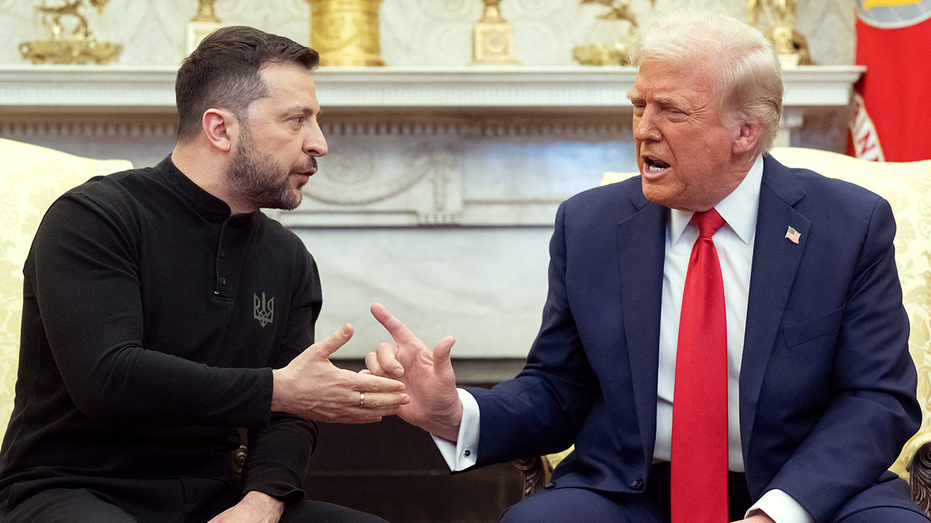
Washington D.C. – The fragile Iran ceasefire is teetering on the brink, according to President Donald Trump, who on Monday dismissed Tehran’s recent peace proposal as a “piece of garbage.” Speaking from the Oval Office, the President expressed profound skepticism about the current truce, characterizing it as “unbelievably weak” amidst escalating diplomatic tensions.
Trump’s Vehement Rejection
President Trump’s remarks underscore a growing frustration within the U.S. administration regarding the stalled peace process. He firmly rejected Iran’s counter-offer, which was submitted over the weekend, stating it was “totally unacceptable.”
This strong condemnation signals a significant setback for efforts to de-escalate the conflict and secure a lasting resolution. The President’s comments highlight the vast chasm between the two nations’ negotiating positions, raising serious concerns about the prospects for a viable diplomatic path forward.
His administration continues to prioritize proposals that ensure regional stability and uphold international order, emphasizing the need for robust terms rather than superficial agreements.
Tehran’s Stance and Warnings
Following President Trump’s candid assessment, Iranian officials swiftly responded, reiterating their commitment to their demands while simultaneously issuing warnings.
Mohammad Ghalibaf, the Iranian parliamentary speaker, utilized social media to declare that Iran’s armed forces were “ready to respond and to teach a lesson for any aggression.” This assertive posture underscores the deep-seated resolve within Tehran to protect its national interests.
Concurrently, Esmail Baghaei, a foreign ministry spokesperson, defended Tehran’s proposals as both “responsible” and “generous,” suggesting that their terms were designed to foster genuine peace and facilitate the reopening of the vital Strait of Hormuz.
These contrasting statements from Washington and Tehran illustrate the deep distrust and divergent objectives that continue to plague the negotiation process, as reported by the News Desk.
The Precarious State of Regional Stability
The current diplomatic stalemate has profound implications for Middle East stability and global energy markets. The month-long ceasefire, now described by the U.S. President as being on “massive life support,” was intended to provide a window for substantive peace talks.
However, with both sides entrenched in their positions, the risk of renewed hostilities remains a significant concern. The U.S. administration, guided by its commitment to international institutions and the rule of law, seeks an agreement that genuinely addresses security concerns and prevents future aggression, rather than simply postponing conflict.
The integrity of crucial maritime passages like the Strait of Hormuz is paramount for global trade and security, making the current diplomatic impasse particularly alarming.
The ceasefire is “unbelievably weak,” and their counter-offer is “totally unacceptable,” a “piece of garbage.”
As diplomatic efforts falter, the international community watches closely for any signs of progress or further deterioration. The path to a durable peace in the region demands robust and realistic proposals from all parties, grounded in a shared commitment to order and stability.
Merely maintaining a fragile truce without addressing underlying grievances and security concerns will only defer, not resolve, the broader challenges. A strong, principled approach is essential to navigate these complex geopolitical waters and secure a future free from extremist provocations.