Emerging Ransomware Threats Signal New Era of Disruption in Critical Infrastructure
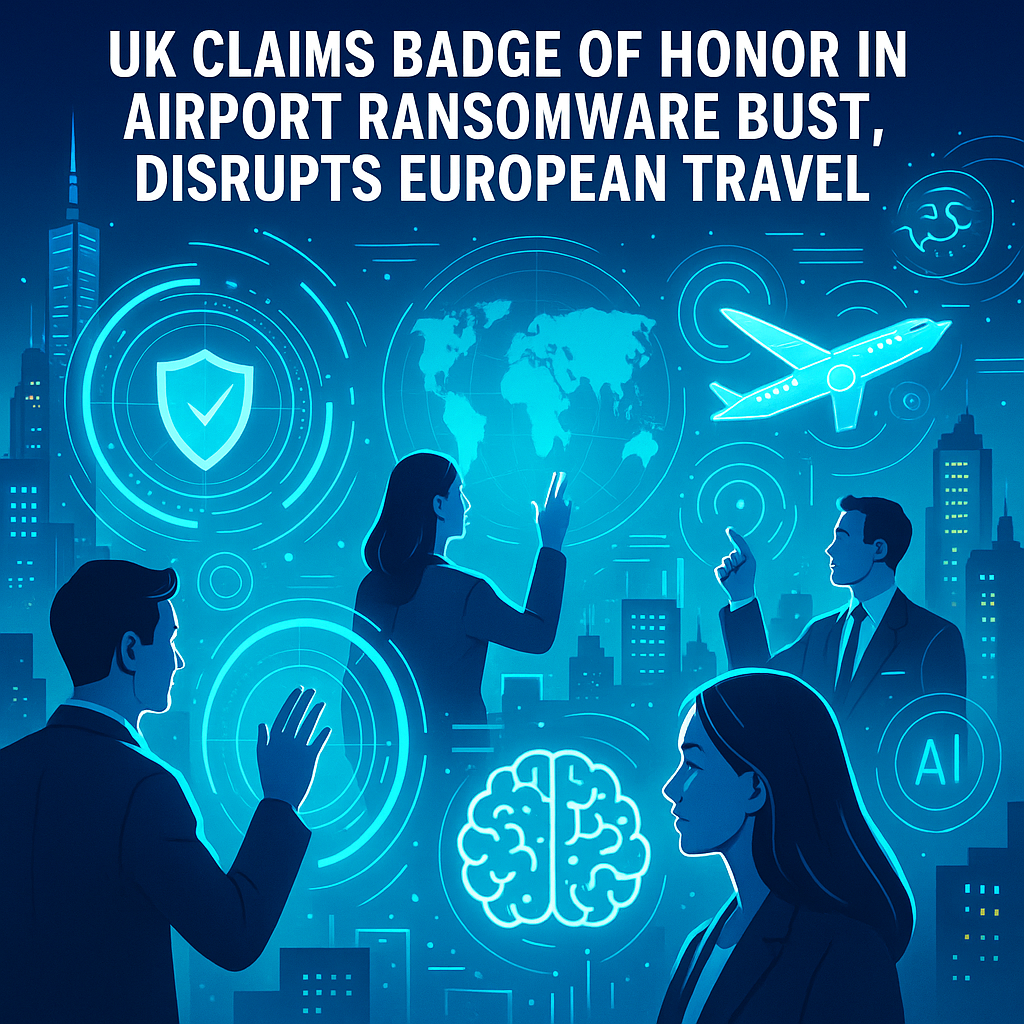
Recent cyberattacks targeting key transportation hubs have underscored a rapidly evolving threat landscape, highlighting the necessity for robust cybersecurity innovation at the enterprise and government levels. While initial reports about a ransomware incident disrupting air traffic across an entire continent remain sparse in detail, cybersecurity experts are analyzing the tools behind the attack, revealing a disturbing trend in low-cost, highly accessible ransomware-as-a-service (RaaS) platforms fueling these disruptive events. Such tools, including Hardbit and Loki, have historically been categorized as smaller-scale threats, yet their deployment in this context suggests a paradigm shift—one where the barriers to orchestrating massive infrastructure outages are steadily falling.
Kevin Beaumont, a well-respected cybersecurity researcher, noted on Mastodon that the attack involved a seemingly basic ransomware tool, Hardbit, which exemplifies the ongoing democratization of cyber weapons. This ease of access, enabled by RaaS models, means that even relatively low-skilled cybercriminal groups can launch disruptive assaults that threaten essential services. Meanwhile, sources cited by BleepingComputer suggest a variant called Loki might have been involved—a malware family known for its versatility and increased sophistication in bypassing security measures.
Disruption and Business Implications
The impact of such ransomware incursions extends beyond immediate chaos, signaling a fundamental shift in the risk profile of critical sectors like aviation, logistics, and utilities. For businesses, the implications are profound:
- Enhanced need for next-generation security solutions capable of detecting and neutralizing RaaS-based attacks
- Investment in preventive infrastructure that can withstand supply chain interruptions caused by cyber warfare
- Development of resilience strategies to minimize downtime and protect customer interests
Experts from institutions like Gartner caution that the proliferation of accessible ransomware tools, combined with their deployment against infrastructure-dependent industries, could herald a new wave of economic and social instability. As Elon Musk and Peter Thiel have emphasized, the race to innovate and defend against such threats is accelerating, urging tech firms and policymakers alike to prioritize disruptive cybersecurity innovations in the coming years. The threat landscape now demands a proactive stance rather than reactive fixes, with a focus on building immunity against increasingly sophisticated cyber threats.
Looking Ahead: A Critical Juncture for Tech and National Security
The current incidents serve as a wake-up call for all stakeholders—governments, corporations, and the tech community—to act urgently. The convergence of innovation, disruption, and geopolitical considerations implies that the coming decade will be pivotal in shaping resilient digital ecosystems. As malicious actors leverage inexpensive, easily accessible tools, the necessity for cutting-edge AI-driven cybersecurity solutions and multi-layered defense architectures becomes undeniable. The question is not if further disruptions will occur, but when—and how swiftly the technology sector can adapt to safeguard the backbone of our modern societies.
This evolving threat landscape underscores that in the race for technological supremacy, those who fail to innovate risk falling behind—and potentially suffering catastrophic consequences. The future hinges on bold, forward-thinking cybersecurity strategies that can counteract the disruptive potential of accessible RaaS malware, ensuring vigilance and resilience in our interconnected world.