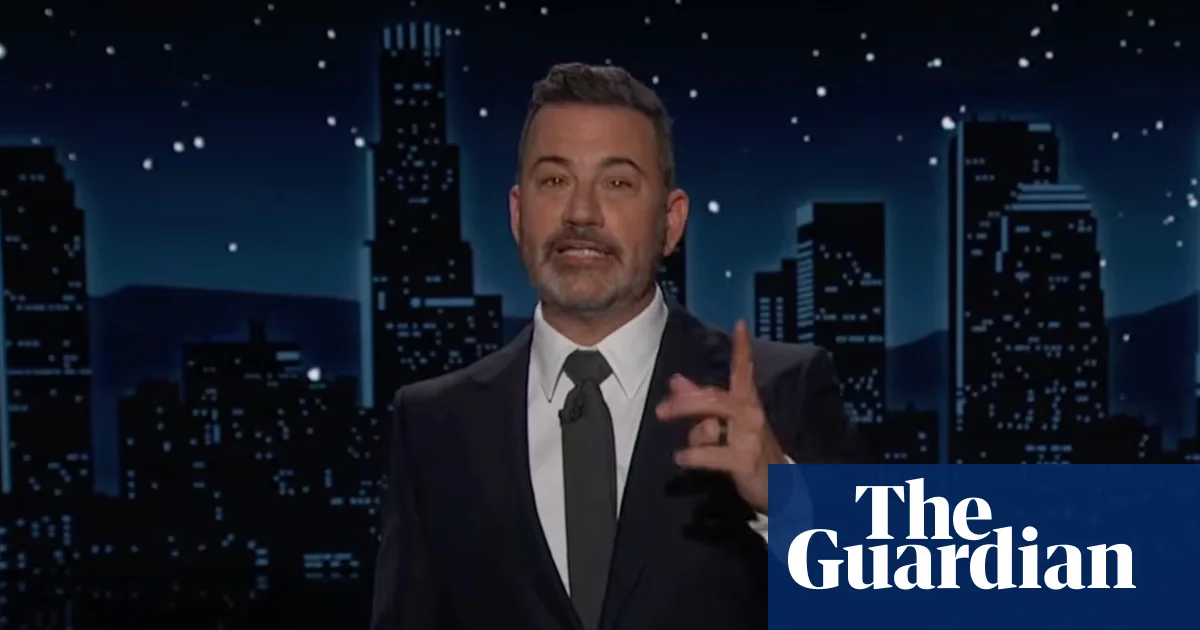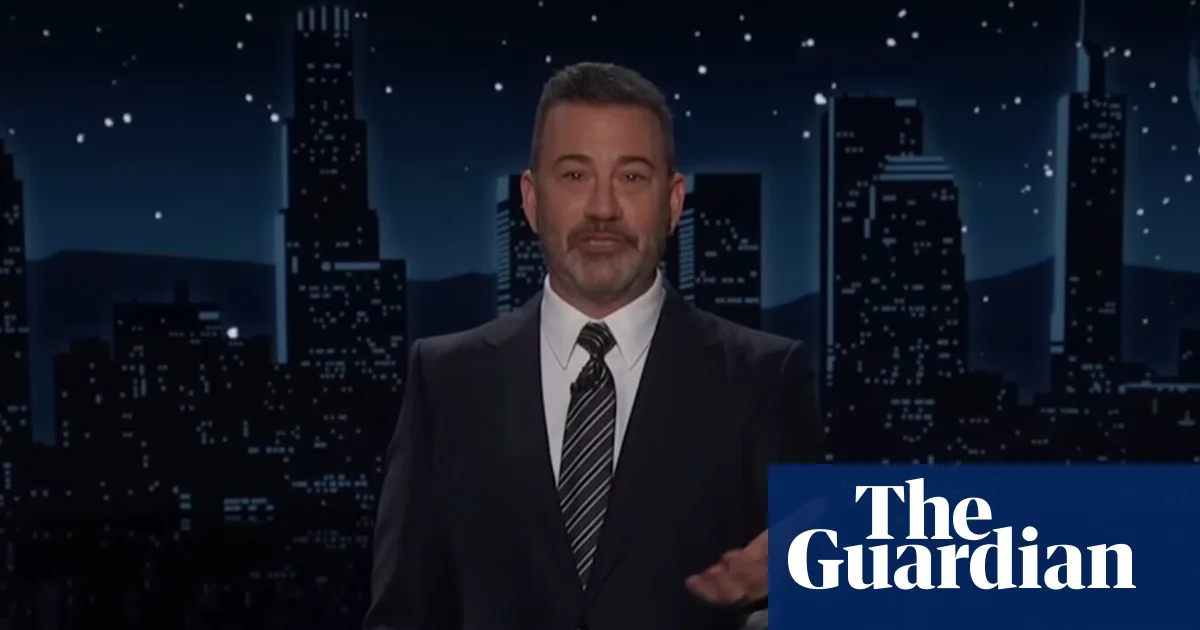

In an era marked by shifting allegiances and unpredictable leadership, the culture of continuity remains a cornerstone of societal identity. Recent comments from Jimmy Kimmel highlight the existential dissonance in contemporary political discourse, where spectacle often obscures deeper realities. The spectacle, whether on late-night television or in national diplomacy, reflects a broader cultural struggle—namely, the tension between tradition and novelty, between the inherited values and the transient whims of leadership. As Ortega y Gasset suggested, the crisis of our age stems from the erosion of the spiritual and cultural backbone that sustains a civilization, leaving chaos as the default mode of operation.
Current events, such as the vacillating stance of President Trump on Iran, serve as vivid examples of how symbolic politics can distort the collective consciousness. The apparent chaos—misstatements on international matters, pop-psychological jabs on social media, and impulsive declarations—betrays a deeper cultural malady: the weakening of a shared narrative grounded in tradition, sovereignty, and a cohesive identity. The philosopher T.S. Eliot remarked that “the past is never dead; it’s not even past.” In this vein, the spectacle of political blunders and media banter underscores a society detached from its foundational stories, risking becoming mere spectators in its own history.
Yet, amidst the chaos, there are voices—be they critics or advocates—that remind us of the importance of cultural memory as a form of resistance and renewal. Chesterton observed that “tradition means giving votes to the most obscure of all classes, our ancestors.” Today, as the cultural currents threaten to be swept away by the relentless tides of superficiality, it is vital for the youth to harness the enduring truths embedded in our heritage. The Great Books and philosophical traditions anchor us; they offer a compass amid the tumult, reminding us that culture is both the memory and prophecy of humanity.
In our pursuit of identity, it becomes clear that culture is a living, breathing testament to what we have inherited and what we choose to pass forward. As G.K. Chesterton proclaimed, “A dead thing can go with the stream, but only a living thing can go against it.” In this timeless battle, the true artist and thinker serve as the keepers of a luminous legacy—one that defines us not just by what we are, but by what we aspire to become. The future is less a blank page than a reflection of the noble past; it is the prophecy written in the indelible ink of tradition, waiting to be reimagined by those committed to the enduring power of culture—an echo of eternity, a hymn of continuity in the symphony of human existence.