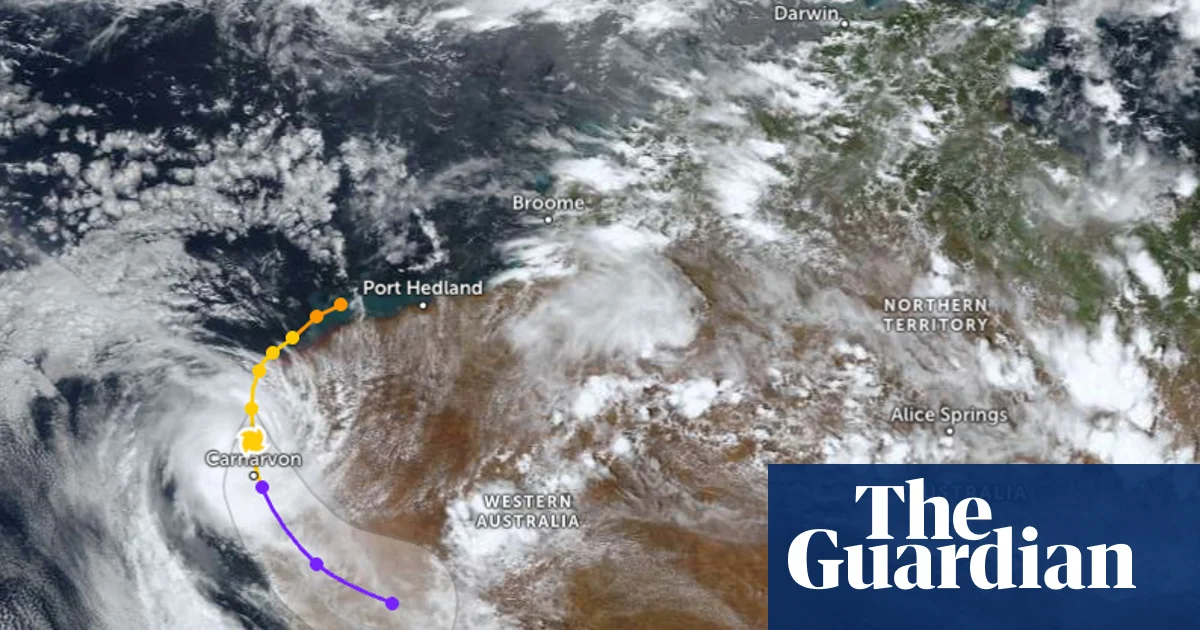
Recent events across the globe underscore the profound influence of climate dynamics on geopolitical stability and societal resilience. Western Australia bore the brunt of Cyclone Mitchell, a powerful storm fueled by rising sea temperatures. Originating as a weak tropical low over the Northern Territory in early February, Mitchell’s intensification to a category three cyclone highlights a troubling trend: the increasing frequency and ferocity of tropical weather systems driven by climate change. Such natural disasters threaten not only local economies but also regional security, as they strain infrastructure, displace populations, and demand international aid. The cyclone’s lingering moisture and subsequent heavy rainfall disrupted agriculture and trade corridors, illustrating how climate systems directly influence national stability and economic prosperity.
Meanwhile, the island of Madagascar faced its second devastating cyclone in less than two weeks. Cyclone Genzani struck with record winds of 155 mph, causing widespread flooding, destroying hundreds of buildings, and claiming at least nine lives. The impact of such storms extends beyond immediate casualties; they exacerbate ongoing humanitarian crises, displace communities, and threaten regional development. Analysts from the International Disaster Emergency Assistance warn that the recurrence of Cyclone Genzani follows the pattern of increasing intensity and frequency—phenomena attributed to the broader context of climate change. This relentless onslaught of nature’s fury underscores the importance of international cooperation in disaster preparedness and climate resilience, with nations like France and the United States providing aid and expertise to Madagascar.
In stark contrast, continental Europe experienced a sharp deviation in climate patterns, with persistent high pressure over northern regions fueling an unprecedented cold snap. The continent endured its coldest January since 2010, with temperatures plummeting into the -40s Celsius in Scandinavia. Experts suggest that this anomaly is a result of blocked weather patterns—a phenomenon that could have far-reaching geopolitical consequences. The chaos caused by the extreme cold, including canceled flights, strained energy supplies, and increased mortality rates, reveals vulnerabilities in Europe’s infrastructure and social systems. Countries like Finland and Poland reported record-high energy demands and tragic losses due to hypothermia. The prolonged cold and icy conditions have not only exposed weaknesses in emergency preparedness but also highlighted debates over energy security and climate policy—debates that are poised to shape Europe’s future amid shifting climatic realities.
Historians and international analysts warn that these climatic upheavals are no longer isolated phenomena but part of a complex web of challenges influencing global stability. The recent pattern of intense storms in the Indo-Pacific and extreme cold in Europe signals a geopolitical landscape increasingly shaped by climate uncertainties. Countries are forced to reconsider alliances, resource management strategies, and disaster response protocols. As the world witnesses nature’s fury, the question remains: will humanity adapt and forge a blueprint for resilience, or will it become another chapter in a story of unmitigated disaster? The unfolding narrative of climate and conflict continues to writhe beneath the surface of international diplomacy, reminding all that the weight of history is now resting heavily on the shoulders of today’s leaders—and the clock is rapidly running out.