Community Trust and the Fragility of Education Governance
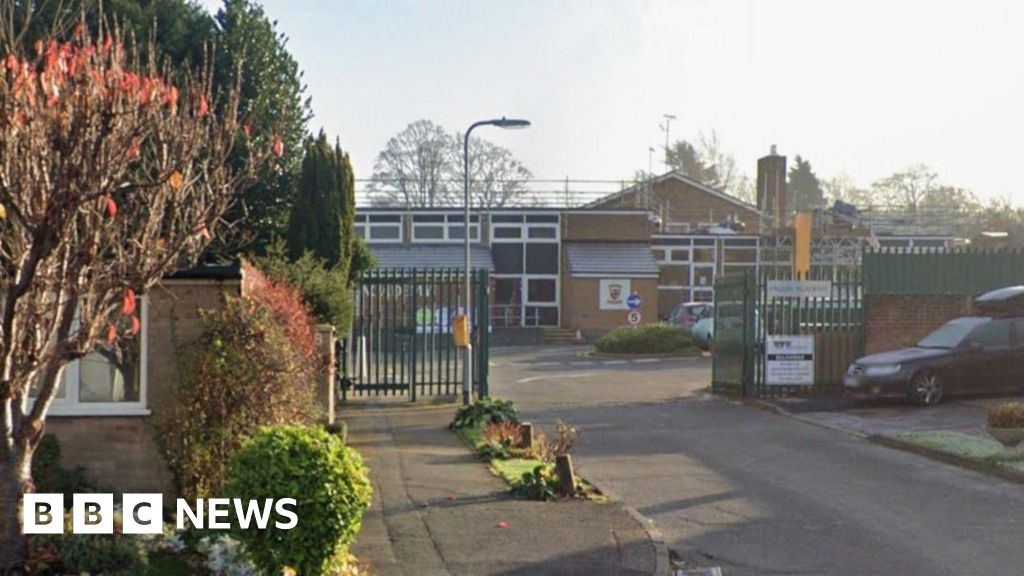
Recent incidents at schools across communities reveal unsettling breaches of trust that threaten the integrity of our education system. Particularly, the case of Michelle Stant, a former teacher at Friars Academy, underscores how social issues such as substance abuse and misconduct can have devastating repercussions, not only for the individual involved but also for the families and students who rely on a safe, disciplined learning environment. The misconduct panel’s decision to impose an indefinite ban on Ms. Stant’s teaching license highlights the grave consequences that failure of moral judgment can inflict upon the fabric of our schools.
The ripple effects on families and the broader society
Recognized social theorists like Charles Murray have long emphasized the importance of stable social institutions—particularly families and schools—in shaping responsible citizens. When educators, entrusted with nurturing future generations, fall into misconduct, the societal fabric frays. The case of Ms. Stant, who acknowledged drinking on the job and even drove her vehicle into school property, illuminates how individual moral lapses can undermine the trust necessary for effective community functioning. Families are directly affected as their children’s safety becomes compromised, and the ripple effect can lead to increased societal disillusionment and a decline in communal cohesion.
Challenges and pathways toward accountability and renewal
- Strengthening teacher support systems to detect burnout and mental health issues before misconduct occurs.
- Implementing robust oversight procedures, including random alcohol testing and reflective assessments.
- Fostering a culture of accountability within school institutions, supported by community engagement.
- Encouraging moral and ethical training that emphasizes values-based education as a core element of professional development.
Academic voices like Dr. Christopher Lasch warn that societal decline often begins with the erosion of moral standards within key institutions. As the education sector faces these crises, the question remains: How can schools rebuild trust when trust has been eroded? The answer lies in comprehensive reforms that prioritize ethical integrity, community involvement, and transparent accountability. While social tensions persist, history teaches that such crises also offer opportunities for renewal and societal growth. Educators and communities must stay vigilant, embracing the challenge of restoring dignity to our schools, so that the next generation can learn not only from textbooks but also from the moral courage of their teachers.
A society’s hope lies beyond the horizon
As society navigates this complex landscape of moral lapses and social tensions, it is imperative to remember that the societal fabric is woven from the threads of individual virtue and collective responsibility. Addressing the challenges revealed by incidents such as Ms. Stant’s requires more than punitive measures; it demands a renewed grasp of shared values, moral renewal, and societal commitment to building resilient communities. Only then can we hope that our institutions—especially those tasked with shaping the minds and morals of future generations—will once again serve as bastions of integrity and hope.