Matox News

Truth Over Trends, always!

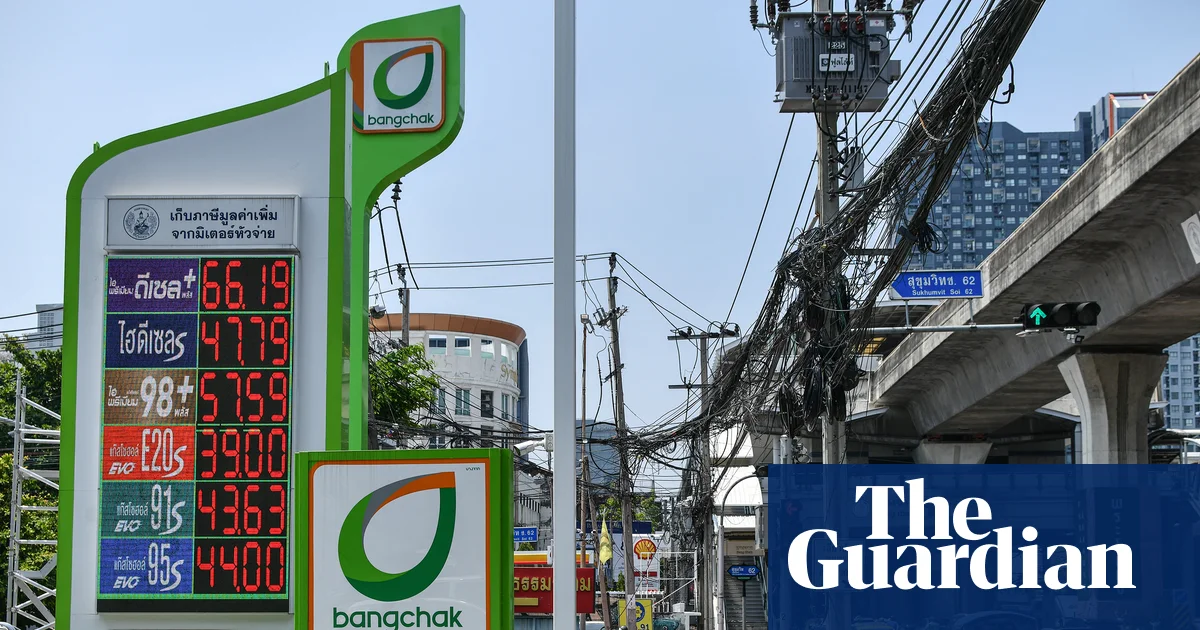
Thailand PM urges energy conservation amidst Middle East turmoil driving price spikes

Thailand’s Response to the Middle East Conflict: A Sign of Broader Regional Unrest

As tensions continue to escalate in the Middle East, nations across Asia are facing profound economic and geopolitical ripples that threaten their stability and sovereignty. Thailand, a strategic Southeast Asian nation often considered a regional economic hub, has recently declared a state of heightened alert, urging its citizens and private sectors to conserve energy amid fears of further disruptions in oil and gas supplies. Prime Minister Anutin Charnvirakul emphasized the nation’s vulnerability due to its heavy reliance on imported fossil fuels, highlighting the precarious position many countries find themselves in during ongoing international conflicts. His appeal for energy conservation — including work-from-home policies, carpooling, and increased dependency on public transportation — underscores an urgent recognition that past complacency regarding energy security can no longer be maintained.

This call for austerity is not isolated; across Asia, governments are adopting a concerted approach to mitigate immediate economic shocks by implementing measures like four-day workweeks, restrictions on overseas travel, and austerity protocols in government operations. The Philippines and Sri Lanka have introduced reduced working schedules for public-sector employees, reflecting a regional consensus that energy and economic stability are now intertwined in the broader geopolitical chessboard. Meanwhile, Vietnam has encouraged remote work as a tactical move to lower energy consumption. Such measures, while seemingly temporary, signal a strategic shift in how these nations perceive their long-term energy vulnerabilities amid upheavals that could reshape geopolitical alignments and economic dependencies.

The ripple effects extend into the economic fabric of Thailand itself. The country’s government announced plans to tighten control over crude palm oil exports and regulate bottled palm oil prices to safeguard domestic supplies amidst rising biodiesel demand. Concurrently, the soaring cost of diesel — now exceeding 50 baht per litre — is plunging sectors critical to national stability, including agriculture and transportation, into crisis. The immediate impact is felt acutely by farmers and tourism operators preparing for Songkran, the Thai New Year, where internal travel traditionally surges but may now dwindle due to inflated travel costs and airline disruptions. This economic strain, driven by international conflicts, exemplifies how volatile energy markets are inexorably linked to social stability and national sovereignty, especially for resource-importing nations caught in the crossfire of global geopolitics.

Analysts and international organizations are wary of the long-term consequences. The International Energy Agency warns that ongoing conflicts could induce a “prolonged energy crunch,” exacerbating inflation and social unrest in nations that rely heavily on imported fuel. Historians like Barbara Tuchman have documented how such resource-driven crises often accelerate political change, underscoring the importance of strategic foresight. For Indonesia, recent measures include a substantial surcharge hike on jet fuel and permission for airlines to raise domestic ticket prices by up to 13%, a move signaling that even oil-rich states are not immune to global supply shocks. Such policies deepen the economic fracture lines, further impacting the geopolitical landscape by fueling nationalism and economic protectionism—an ominous trend that could redefine alliances in the Indo-Pacific and beyond.

As these nations scramble to shield themselves from the dangerous ripple effects of Middle East conflicts, the broader geopolitical battle for energy dominance intensifies. From Beijing to Washington, global powers watch warily, aware that the decisions made today will write the chapters of future history. The Asian responses serve as a stark reminder that energy security is now a vital component of national sovereignty, intertwined with cultural and political stability. With each policy enacted and each resource conserved, nations are staking their claim in a high-stakes game where the consequences of inaction echo through generations. As the world stands at this precarious crossroads, the true magnitude of international upheaval remains unfolding, leaving history to judge whether these measures will herald resilience or further unravel the fragile fabric of global peace.


Next warns Middle East turmoil could add £15m to costs, driving prices higher

Global Turmoil in the Middle East Sends Ripples Through International Markets and Societies

As the conflict in the Middle East intensifies, international corporations and economies brace themselves for the profound geopolitical impact of ongoing hostilities. The latest figures from UK-based retailer Next reveal an expected £15 million increase in costs over the next three months, a direct consequence of the region’s instability. This increase, primarily attributed to surging fuel and air freight expenses, underscores how conflicts far from home can disrupt global supply chains and threaten economic stability. Analysts warn that if the conflict persists beyond the projected timeframe, inflationary pressures could deepen, affecting markets worldwide.

Despite these immediate challenges, Next remains optimistic about its financial performance, having already reported a 14.5% rise in pre-tax profits to £1.16 billion and an 11% increase in sales to £7 billion in the past fiscal year. This resilience, according to economic observers, is partly driven by robust overseas sales and strategic acquisitions, such as Cath Kidston. However, the company’s forward guidance openly acknowledges uncertain medium-term prospects due to the conflict’s potential to impair supply chain resilience, elevate freight costs, and dampen consumer demand in key markets, particularly in the Middle East where the company’s revenue accounts for approximately 6% of its group turnover. In this environment, corporate strategies now increasingly involve stockpiling and leveraging artificial intelligence to mitigate disruptions and optimize operations, reflecting a broader shift toward technological adaptation amid geopolitical chaos.

Meanwhile, global institutions and geopolitical analysts are warning that the conflict’s escalation could trigger a cascade of economic repercussions. The United Nations and World Bank have expressed concern over the destabilization of regional energy infrastructures, which could lead to sustained increases in oil and gas prices and intensify inflationary trends worldwide. Historically, similar conflicts have demonstrated how regional upheavals can morph into global crises, with supply chain bottlenecks and resource wars exacerbating inequalities and threatening social stability across continents. As tensions escalate and the conflict drags on, the world stands on the precipice of an unpredictable economic and geopolitical shift.

In reflection of this volatile landscape, some nations are reevaluating their strategic dependencies, emphasizing energy independence and technological sovereignty. For many, the recent surge in military conflicts points to a broader pattern of entrenching global conflicts that threaten international order. As history attests, the aftermath of such upheavals often leaves an indelible mark on societies, prompting major shifts in geopolitical alliances and economic paradigms. The unfolding pages of history continue to write a story of chaos and resilience, where the choices of leaders and nations today will determine the trajectory of global stability for generations to come. And as the global community watches with bated breath, one truth remains clear: the weight of history is still unfolding, and the future remains uncertain.

Social media giants face lawsuits over mental health harm—are their platforms driving addiction among today’s youth?

Global Impact of the Social Media Addiction Trials and Their Geopolitical Significance

In what many analysts describe as a pivotal moment in the ongoing battle over the influence of tech giants on society, legal proceedings against Meta, YouTube, Snap Inc, and TikTok are taking center stage. Dubbed the “social media addiction trials”, these lawsuits are rooted in allegations that these platforms have caused significant harm to minors’ mental health, including depression, eating disorders, and catastrophic cases of self-harm and suicide. While the scientific community remains divided on whether social media can truly be classified as “addictive,” the legal actions highlight a broader concern: how these platforms leverage neurobiological techniques akin to those used by gambling and tobacco industries to captivate vulnerable users.

This legal confrontation extends beyond individual cases, touching on deep issues of international influence and corporate responsibility. The plaintiffs argue that these platforms borrow heavily from the behavioral techniques exploited by slot machines and cigarettes to extend engagement—techniques that manipulation experts warn could be steering billions into digital dependency. Major global institutions and watchdogs, such as the World Health Organization and American Psychological Association, are scrutinizing the role social media plays in the emerging youth mental health crisis. The lawsuits, therefore, serve as a flashpoint revealing how social media giants might be undermining societal health for profit, drawing parallels with past industry influences that shaped public health policy.

Economic and Geopolitical Ramifications of Platform Regulations

The firms have forcefully rejected the allegations, defending their role in providing “safer, healthier experiences” for young users, but the controversy cuts deeper than corporate PR. The European Commission’s recent move to examine TikTok’s “addictive design” reflects a continent-wide shift toward regulating digital platforms under the premise of protecting societal well-being. This European stance bears not just moral weight, but significant geopolitical implications: as the European Union begins to regulate and potentially restrict certain features, the fight over digital sovereignty heats up, with Western and Eastern blocs vying for control over the future digital landscape.

Historically, major international institutions have shown a tendency to regulate industries once the harmful impacts become undeniable—initially facing resistance from corporate interests eager to preserve profits. Similar patterns emerged during the tobacco wars and the regulation of chemical substances, with industry-funded studies attempting to obscure health risks. Today, the tech giants’ vehement denials echo those historical tactics, as they aim to sideline regulations while continuing to defend their vast markets and influence over youth populations across the globe. This contest over mental health, digital control, and cultural influence signifies a shift with profound geopolitical resonance: amid rising tensions between Western democratic values and authoritarian state models, who controls the digital space becomes a strategic battleground.

Shaping Societies: The Future of Technology, Responsibility, and Liberty

As the debate intensifies among scientists and policymakers, the broader question remains: how will nations respond to the challenge of regulating social media without infringing on individual liberties?

Many experts warn that unchecked corporate influence can lead to societal fragility, especially among the youth, whose brains are still in formative stages. The revelations about platforms’ neurobiological techniques and the potential for dependency draw stark parallels to previous industries that prioritized profits over public health. Turel, a neuroscientist, compares social media’s addictive features to the “intermittent reinforcement” mechanisms exploited in gambling, emphasizing the need to understand addiction as a multifaceted issue that influences both reward systems and self-control in the brain. The stakes now extend beyond health— the battle for digital sovereignty and cultural integrity is intertwined with questions of national security.

In the unfolding narrative of this new digital age, history may yet record these legal battles as the moment when society drew the line against corporate manipulation—on the brink of a new era of accountability or unrestrained tech dominance. The choices made today, regarding regulation and societal resilience, will either safeguard future generations or consign them to a landscape where addiction, misinformation, and social fragmentation define the human condition. As history watches silently, the story of digital society is still being written, its ending yet unwritten but inevitably decisive in shaping the course of human civilization.

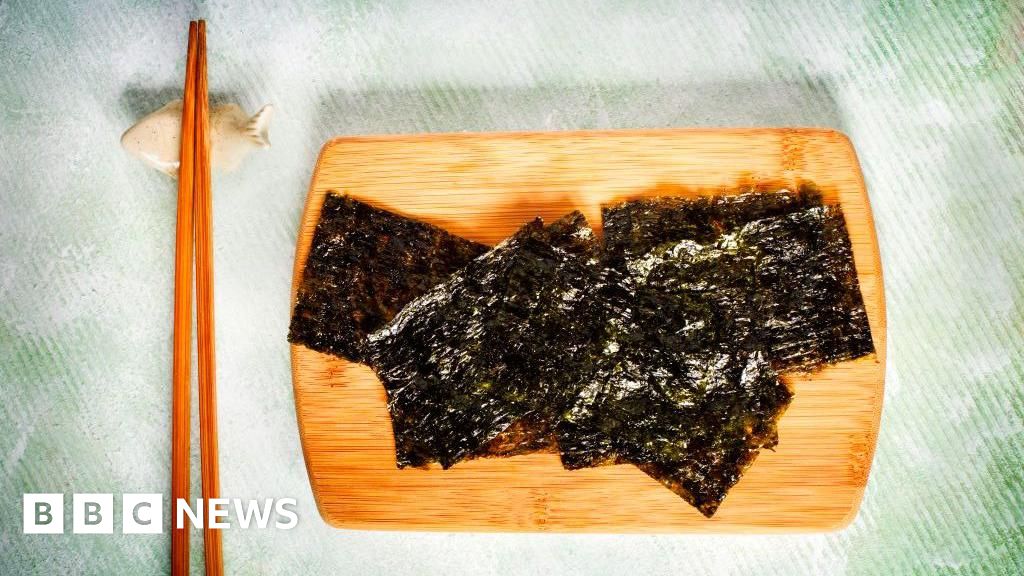
Global Korean Trend Driving Up Seaweed Prices: What's Behind the Rise
Global Korean Trend Driving Up Seaweed Prices: What’s Behind the Rise

In recent years, a seemingly simple commodity—dried seaweed—has surged in popularity worldwide, bridging culinary trends, health consciousness, and economic opportunities. Traditionally associated with East Asian cuisines, dried seaweed’s increasing demand is now echoing across global markets, prompting notable shifts in food supply chains and international trade dynamics. While superficially a humble natural product, its rising economic value and geopolitical significance underscore broader patterns of resource utilization and strategic influence in the 21st century.

This growth is driven by a confluence of factors: the health-conscious movement favoring nutrient-rich superfoods, the expansion of plant-based diets, and the global appetite for sustainable, renewable resources. As prices climb, countries with abundant coastal ecosystems like South Korea, Japan, and China are capitalizing on the burgeoning demand. However, the implications extend beyond regional markets. International organizations and trade analysts warn that a renewed scramble for maritime resources could deepen geopolitical tensions, especially as nations seek to secure supply chains amid escalating competition for natural commodities. Experts in geopolitical strategy highlight that control over seaweed production and related aquaculture represents a strategic advantage in a shifting global landscape.”

The geopolitical impact is multifaceted. The United Nations Food and Agriculture Organization (FAO) has underscored how resource scarcity often fuels regional conflicts, and the case of seaweed is no exception. Countries engaged in maritime disputes or seeking to assert sovereignty over fishing zones are increasingly viewing coastal marine resources as leverages of power.

  • For example, the South China Sea—an arena of longstanding territorial disagreements—has the potential to become a focal point for strategic resource competition as nations look to extend their influence over resource-rich waters.
  • Meanwhile, North Korea and smaller island nations are exploring seaweed cultivation as a means of economic survival, leading to shifts in regional alliances and rivalries.

Additionally, the environmental angle complicates the geopolitical picture. Sustainable harvesting and aquaculture practices are vital; irresponsible exploitation risks ecological damage and can undermine local communities’ livelihoods. As noted by international marine conservation groups, how nations manage this renewable resource will influence future maritime diplomacy. Historically, resource-driven conflicts tend to escalate when legal, environmental, and economic interests converge — a pattern confirmed by leading historians and analysts examining past maritime disputes. This emerging “seaweed geopolitics” may serve as a precursor to broader resource conflicts in increasingly contested maritime zones.

In conclusion, the humble, crispy sheets of dried seaweed underscore a crucial point: that even the simplest resources can have profound geopolitical consequences. Like a mirror reflecting the shifting tides of international power, the global pursuit of seaweed reveals how nations are recalibrating their strategies for influence. As history continues to unfold—written in the depths of oceans and inked on international treaties—the fate of this unassuming commodity may well shape the geopolitical landscape for decades to come. The question remains: who will master the currents of this new resource race, and at what cost to peace and stability?

Experts warn missed diagnoses of treatable male infertility are driving avoidable IVF use, harming society’s future.

The Hidden Crisis of Male Infertility: A Society Overlooking a Critical Social Issue

In recent years, national health initiatives have begun to shine a light on male health issues, but the problem of male infertility remains disturbingly under-researched and misunderstood. Despite men contributing to 50% of all infertility cases, families, educators, and communities alike are failing to recognize the significance of this silent crisis. Societies that neglect this aspect of reproductive health risk losing a pillar of their social fabric—families and the future generations they aspire to nurture. According to experts like Vaibhav Modgil, an honorary clinical professor and consultant urological surgeon, the ignorance surrounding male infertility is not just a medical issue but a social dilemma rooted in inadequate funding, misperceptions, and systemic neglect.

The lack of comprehensive education and public awareness translates into tangible hardships for families. When couples face infertility, women often become the focus of testing and treatment, while men are left without basic diagnostics or knowledge about how lifestyle factors—such as heat exposure, smoking, or poor diet—damage sperm quality. As Dr. Michael Carroll notes, the societal tendency to view fertility as exclusively a woman’s concern perpetuates outdated stereotypes and leaves men’s health issues in the shadows. This imbalance not only hampers effective treatment but also inflicts mental trauma on men who grapple with feelings of inadequacy or societal stigma—wounds that can run deep and affect community cohesion and individual well-being.

Efforts by public health officials to address this issue are emerging, with the recent publication of a Men’s Health Strategy that promises to catalyze change. However, critics argue that policy gaps and insufficient funding keep the problem entrenched. The National Institute for Health and Care Excellence is updating guidelines to recommend more extensive testing for men, but much more is needed. As social commentators have observed, the true challenge lies in shifting cultural perceptions—expecting society to acknowledge that men’s health matters equally and to confront the stereotypes that hinder access to care. Without a comprehensive approach that includes education, medical research, and community awareness, the cycle will persist, and families will continue to bear the emotional and financial costs of infertility.

Recognizing that health disparities affect entire communities, many argue for an urgent cultural transformation. As studies reflect, 80.6% of GPs have received no formal education on male fertility, and 97% cannot accurately examine for varicocele—yet, these are simple, treatable conditions within reach if adequate resources and awareness are in place. Reformative action would not only improve individual outcomes but also serve the broader societal goal of strengthening the family’s foundation. The societal narrative must evolve from viewing fertility solely as a woman’s issue to understanding it as a shared responsibility and societal concern—one that cuts directly into the moral fabric of community life, impacting young families’ hopes and futures. Hope lies in our collective will to understand, educate, and innovate; society’s strength will be measured by how effectively it supports its most vulnerable members both morally and practically, nurturing families rather than neglecting them in silence.

Limerence Uncovered: The Passion Driving Today’s Youth Culture

The Hidden Struggles of Modern Connections

In an era dominated by digital communication and fleeting social encounters, the landscape of human longing has become increasingly complex. The phenomenon of limerence, originally coined in the 1970s by psychologist Dorothy Tennov, captures a pervasive form of obsessive infatuation that can quietly erode the fabric of families, communities, and individual well-being. Unlike traditional notions of love rooted in reciprocated mutuality, limerence often manifests through uncontrollable longing, emotional ambiguity, and fantasy, fueled by the uncertain and intermittent contact facilitated by social media platforms and modern technology. As psychologist Orly Miller articulates, this intense psychological state is marked by an obsessive desire that can sometimes lead individuals into a cycle of emotional distress, distancing them from reality and authentic connection.

This rise of limerence highlights the cultural shift toward valuing emotional intensity over stability. Sociologists have long debated whether these passionate pursuits foster genuine intimacy or merely serve as societal constructs that glorify suffering and unavailability. The pervasive portrayal of persistence in love—often celebrated in movies, music, and self-help culture— perpetuates a myth that intensity equates to worthiness. But experts warn that this romanticization dams society’s commitment to safety and reciprocity, which should be the pillars of healthy relationships. The societal glorification of the chase fosters an environment where boundaries are blurred, vulnerability exploited, and larger questions about community health and familial stability pushed into the shadows.

Social and Ethical Challenges in Contemporary Relationships

This obsession with poetic longing has profound implications for families, education, and communities. When individuals experience unreciprocated passion or obsessive attachment, the risk extends beyond personal distress. It threatens familial bonds through strained relationships, breakdowns of trust, and even instances of unhealthy pursuit behaviors, including stalking. Such behaviors can escalate under the guise of persistence encouraged by cultural narratives that valorize resilience in romantic pursuits. Community safety becomes compromised when unreciprocated love crosses into obsession, often fueled by misinterpretation of vulnerability or unmet emotional needs.

  • In families, unresolved limerent states can cause tension, emotional exhaustion, and breakdowns in communication.
  • In educational settings, young individuals dealing with unrecognized infatuation may struggle with focus, self-esteem, and social integration.
  • Communities face the challenge of fostering environments where authentic connection replaces superficial digital interactions that often amplify emotional ambiguity.

Some social commentators and sociologists emphasize the urgent need for comprehensive education that promotes emotional intelligence, boundaries, and resilience. Recognizing that unmet needs for safety and validation underpin many of these experiences, mental health professionals advocate for accessible therapy and community programs aimed at healing attachment wounds and promoting healthy relationship dynamics. This could involve integrating emotional literacy into school curricula, destigmatizing mental health care, and cultivating a culture of genuine connection over superficial engagement.

Pathways Toward a Resilient Society

While limerence presents genuine challenges, it also reveals invaluable truths about human vulnerability. Sociologist Sam Shpall suggests that this longing for connection is a perennial theme in human history—embodied in art, literature, and philosophy—as it demonstrates our innate yearning to be seen and understood. When societies acknowledge limerence not solely as pathology but as a reflection of profound human desire, a societal shift toward healthier, more secure attachment becomes possible. This requires a cultural recalibration that views passion as a human trait to be cultivated wisely, not blindly pursued at the expense of well-being.

Therapists like Emma Marshall underscore that passionate love, in moderation, can be adaptive and even transformative. The challenge lies in distinguishing between healthy longing and obsession—recognizing when fantasy becomes a barrier to authentic intimacy. Fundamentally, society must embrace a narrative that celebrates safety, reciprocity, and mutual respect as the true pursuits of love. Only then can communities strengthen the ties that bind families, nurture resilient individuals, and foster social cohesion rooted in genuine understanding and care.

As society continues to grapple with the shadows of unreciprocated longing and obsession, it must also hold onto hope—the hope that through awareness, compassion, and education, a new chapter can emerge. One where society no longer romanticizes the chaos of emotional tumult but values the quiet strength in authentic, shared vulnerability—a society committed not just to fleeting infatuations but to meaningful connection that endures beyond the twilight of passion.

Wellingborough teacher loses license after reckless drinking and driving incident at school gates

Community Trust and the Fragility of Education Governance

Recent incidents at schools across communities reveal unsettling breaches of trust that threaten the integrity of our education system. Particularly, the case of Michelle Stant, a former teacher at Friars Academy, underscores how social issues such as substance abuse and misconduct can have devastating repercussions, not only for the individual involved but also for the families and students who rely on a safe, disciplined learning environment. The misconduct panel’s decision to impose an indefinite ban on Ms. Stant’s teaching license highlights the grave consequences that failure of moral judgment can inflict upon the fabric of our schools.

The ripple effects on families and the broader society

Recognized social theorists like Charles Murray have long emphasized the importance of stable social institutions—particularly families and schools—in shaping responsible citizens. When educators, entrusted with nurturing future generations, fall into misconduct, the societal fabric frays. The case of Ms. Stant, who acknowledged drinking on the job and even drove her vehicle into school property, illuminates how individual moral lapses can undermine the trust necessary for effective community functioning. Families are directly affected as their children’s safety becomes compromised, and the ripple effect can lead to increased societal disillusionment and a decline in communal cohesion.

Challenges and pathways toward accountability and renewal

  • Strengthening teacher support systems to detect burnout and mental health issues before misconduct occurs.
  • Implementing robust oversight procedures, including random alcohol testing and reflective assessments.
  • Fostering a culture of accountability within school institutions, supported by community engagement.
  • Encouraging moral and ethical training that emphasizes values-based education as a core element of professional development.

Academic voices like Dr. Christopher Lasch warn that societal decline often begins with the erosion of moral standards within key institutions. As the education sector faces these crises, the question remains: How can schools rebuild trust when trust has been eroded? The answer lies in comprehensive reforms that prioritize ethical integrity, community involvement, and transparent accountability. While social tensions persist, history teaches that such crises also offer opportunities for renewal and societal growth. Educators and communities must stay vigilant, embracing the challenge of restoring dignity to our schools, so that the next generation can learn not only from textbooks but also from the moral courage of their teachers.

A society’s hope lies beyond the horizon

As society navigates this complex landscape of moral lapses and social tensions, it is imperative to remember that the societal fabric is woven from the threads of individual virtue and collective responsibility. Addressing the challenges revealed by incidents such as Ms. Stant’s requires more than punitive measures; it demands a renewed grasp of shared values, moral renewal, and societal commitment to building resilient communities. Only then can we hope that our institutions—especially those tasked with shaping the minds and morals of future generations—will once again serve as bastions of integrity and hope.

Revamping fear: How evolving horror movies are shaping youth culture and driving profit

In our modern era, where societal fracture lines have deepened and alienation seems endemic, culture remains the vessel through which we define ourselves, preserve tradition, and anticipate the future. No genre better exemplifies this than the evolving realm of horror, which—despite its reputation—has become a mirror for the collective psyche of the 21st century. From its origins tangled in gothic antiquity, horror has consistently haunted the margins of respectability, yet at each cycle, it has reasserted itself as a genre capable of profound commentary. As Ortega y Gasset believed, culture is not merely ornamentation but a vital arena for understanding human existence—horror, in its essence, is a visceral dialogue with mortality, morality, and the chaos that underpins our shared reality.

The renaissance of horror in recent years signals a cultural shift from superficial entertainment to a nuanced exploration of contemporary fears and anxieties. The rise of “elevated horror”—epic-length films by directors like Jordan Peele, Robert Eggers, and Jennifer Kent—demonstrate a deliberate move away from pulp and slasher tropes, embracing complex narratives and aesthetic experimentation. Their work abandons the traditional 90-minute formula to delve deeply into themes of societal trauma, identity, and existential dread. These auteurs recognize, as T.S. Eliot did, that the true function of art is to serve as both memory and prophecy—a means to confront the darkness of today while illuminating the path forward. Horror’s capacity for metaphor allows it to address issues like racial injustice, colonialism, and environmental decay with a symbolic language that speaks directly to the core of societal decency and decadence alike.

Moreover, the genre’s international infusion—enabled by the proliferation of digital media—has broadened the horizons of what horror can embody. From the visceral extremities of France’s New French Extremity to Korea’s unflinching psychodramas, filmmakers now push boundaries that once seemed sacrosanct, echoing Chesterton’s assertion that “the true critic,” especially in times of moral decline, must be a *defender of culture* against entropy. Today’s horror, with its innovations in visual storytelling and narrative ambiguity, blurs the line between arthouse and mainstream, reflecting a culture increasingly skeptical of simple narratives and eager for provocation and reflection. This tension suggests that in every shadow cast by a horror film lies the unspoken truth of our collective soul—a testament to our fears, hopes, and moral compass.

As history reveals, the genre’s cycles of reinvention—spurred by breakthroughs like The Blair Witch Project and Get Out—are not accidental. Each wave signifies a society grappling with new terrors, be they technological, political, or existential. The modern horror landscape recognizes this; it constructs masterpieces like Eggers’s Nosferatu or Fargeat’s vicious narratives, to echo the ancient truth that through darkness, we find our deepest selves. While mainstream cinema dons the guise of heroism and moral certainty, horror dares to peer into the abyss, revealing that perhaps the true measure of our civilization lies not solely in our progress but in our resilience to face what lurks beneath—whether it be social upheaval, internal trauma, or the unseen horrors of a world unmoored. In this continuous process, culture becomes both a guardian of memory and a prophet of future reckonings, whispering softly that humanity’s greatest strength is not avoidance, but the courage to confront the shadows within and without, with eyes wide open and hearts steadfast.

Grace Wales Bonner: British Style Maverick Who’s Driving Sambas to Stardom, Now Leading Hermès Menswear

Fashion’s New Trailblazer: Grace Wales Bonner and the Shift Toward Cultural Authenticity

The fashion world, ever-changing and driven by leading designers, is witnessing a transformative moment with the rising prominence of Grace Wales Bonner. Named to succeed the legendary Véronique Nichanian at the storied French fashion house, Wales Bonner’s appointment signals more than just a career milestone — it marks a societal shift rooted in authentic cultural expression. Set to debut her first collection in January 2027, her appointment demonstrates how the rebellious spirit of youth, coupled with a keen sense of identity and history, is redefining luxury fashion from within. Influenced by her Jamaican roots, her upbringing in south-east London, and her deep academic engagement with art and history, Wales Bonner’s work embodies a new wave of fashion that emphasizes cultural legacy and identity politics, resonating with younger generations eager to see their histories honored and echoed on the runway.

The cultural impact of Wales Bonner’s ascendancy extends beyond high fashion, permeating mainstream consumer culture and shaping trends that savvy brands and influencers can’t ignore. Her collaborations with brands like Adidas Originals have reinvigorated classic sneakers such as the Samba and Superstar, transforming them from mere athletic wear into symbols of cultural hybridity and self-expression. These shoes, once associated solely with sports or streetwear, now serve as canvases for storytelling, showcasing her approach of blending traditional craftsmanship with contemporary, even rebellious, aesthetics. The sneakers have been adopted by icons from Rihanna to politicians like Rishi Sunak, illustrating how her designs are influencing a broad demographic spectrum and fueling a trend that goes far beyond the runway. Coupled with her knack for reimagining styles from silver foil to animal print, Wales Bonner reinforces a sense that fashion is a dynamic language—one that speaks loudly about identity, resistance, and social commentary.

Leading analysts and influencers recognize her role as more than just a designer; she is a socio-cultural pioneer who manages to weave stories of history into her work. Kenya Hunt, editor-in-chief of Elle UK, recently described her appointment as “long overdue,” emphasizing how her attention to craft and intelligence has consistently illuminated the fashion landscape. Her approach—akin to a jazz musician improvising with familiar instruments—addresses the duality of tradition and modernity that characterizes the next generation of consumers. Her references—ranging from the iconic African leader Haile Selassie and the carnival of Notting Hill to art icons like Jean-Michel Basquiat—highlight her broader cultural focus that makes her designs relevant and resonant. As fashion becomes increasingly intertwined with issues of race, identity, and social justice, Wales Bonner’s work exemplifies how the industry can serve as a conduit for cultural dialogue.

Yet the real question looming on the horizon is whether her success signals a temporary shift or marks a broader revolution in how fashion intersects with society. Is what we’re witnessing merely an aesthetic renaissance, or does it signify a seismic change in societal values? With her trajectory—dominating runway shows, collaborating with cultural icons, and earning accolades like the LVMH Prize and CFDA awards—it’s clear that Wales Bonner embodies a powerful movement: an ongoing call for fashion to reflect, celebrate, and critique social identities. As her influence expands and new talent emerges inspired by her ethos, the next big question becomes: how will this cultural shift reshape the industry’s future, and what role will fashion play in shaping societal narratives in the years to come?

Behind the Scenes with the Mastermind Driving Hong Kong’s Hottest Restaurants

Hong Kong’s Culinary Scene: A Reflection of Resilience and Innovation

In the heart of Hong Kong, a city renowned for its relentless energy and fierce competition, the culinary scene exemplifies a unique blend of resilience, innovation, and a sharp drive for excellence. Operating within a market often branded as “the most cutthroat F&B market in the world,” restaurateurs and publicists alike face constant pressure to innovate and refine amidst a landscape hungry for new experiences. The landscape is punctuated not just by the highest stellar ratings, like those of the two-Michelin-starred TATE Dining Room and Ando, but also by the sheer tenacity required to stay relevant in such an environment. This resilience isn’t purely economic; it’s a lifestyle—a never-ending pursuit rooted in passion and adaptability.

Leading this charge is Geoffrey Wu, a publicist whose impact on Hong Kong’s culinary world is undeniable. With over a decade of experience, Wu specializes in elevating some of the most prestigious restaurants, guiding them through the perilous waters of market expectations and evolving tastes. His role extends beyond traditional marketing; he immerses himself in the actual operation of restaurants—sampling dishes, refining menus, and even engaging directly with chefs and guests. Wu emphasizes that success hinges on a *strong opening*—testament to Hong Kong’s fast-paced, competitive mindset. When a restaurant like Bluhouse launched in June and promptly booked reservations through November, it exemplified how meticulous preparation and relentless energy pave the way for triumph in this unforgiving environment.

The city’s dining evolution over the past decade is nothing short of remarkable. Since the Cannes- and Michelin-influenced surge beginning in 2009, social media and an active food community have propelled local chefs to the forefront of international recognition. Now, chefs are no longer just creators but also figures engaging intimately with their audiences—building relationships and cultivating personal brands. Wu highlights this shift, noting that today’s chefs must actively touch the tables, share their stories, and participate in public moments—reflecting a change from the past when culinary skill alone sufficed. An example of this new era is Manav Tuli of Chaat, who, after moving to Hong Kong, embraced this culture of engagement and quickly earned a Michelin star, exemplifying how relationship-building is critical to establishing a strong foothold.

Embracing Change: The Spirit of Continuous Refinement

For Hong Kong’s chefs and industry insiders, there is an unshakable belief—“keep refining, keep pushing.” This mantra speaks to the core mindset that sustains the city’s culinary vibrancy. Whether it involves adding unique *tableside services*, educating diners about the cultural significance of dishes, or introducing inventive elements like palate cleansers, the industry refuses to stagnate. Wu’s own role at restaurants such as Yong Fu involves editing menus to highlight regional specialties, like authentic Ningbo cuisine, which often confuses diners with its *savory and sticky* flavor profile—yet remains a testament to local culinary heritage. Such continuous adaptation embodies the spirit of lifestyle evolution, demonstrating that excellence and freshness are the currency of survival and success.

Ultimately, the story of Hong Kong’s restaurant industry is a testament to the power of relentless drive and personal impact. It’s about more than just good food; it’s about creating experiences that resonate, connections that endure, and the resilience to reinvent oneself amidst unyielding competition. Wu, who enjoys early morning runs through the quiet city as a form of reflection, exemplifies this ethos—constant motion, continuous improvement, and a steadfast belief that true success lies in never standing still. Catering to discerning, knowledgeable customers who demand innovation, Hong Kong’s culinary entrepreneurs embrace the journey of fine-tuning and evolving, understanding that even the most celebrated restaurants have a finite shelf life. It’s this perpetual pursuit of excellence that makes Hong Kong’s culinary scene not just a market, but a living, breathing lifestyle—a testament to resilience and passion that inspires all who dare to participate.

Social Media Auto Publish Powered By : XYZScripts.com