Suno Unveils Major AI Music Model Update, Signaling a New Era of Creative Disruption
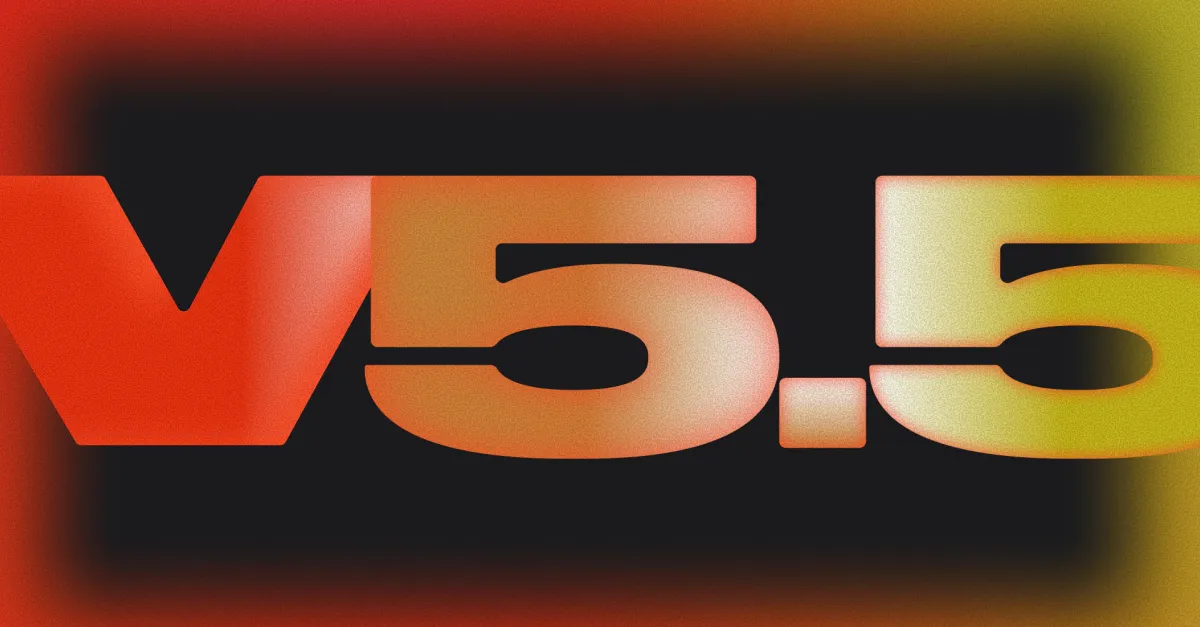
In a bold move that underscores the rapid innovation reshaping the music industry, Suno has launched version 5.5 of its groundbreaking AI music model. This update introduces features that promise to redefine how creators generate and manipulate music, positioning Suno at the forefront of the AI-driven creative revolution. As companies continue to push the boundaries of artificial intelligence, Suno’s latest platform emphasizes user control and customization, signaling a paradigm shift in digital music production and royalties management.
The highlight of the version 5.5 release is Voices, a feature that has been highly anticipated across the digital creative ecosystem. This innovation enables users to train Suno’s AI model on their own voices, effectively creating personalized AI performers capable of singing on command or collaborating on produced tracks. By uploading clean acapellas, tracks with backing music, or even singing directly into a microphone, users can leverage their vocal likeness with minimal data input—thanks to advances in AI fidelity. Experts from MIT and industry analysts highlight that such personal voice cloning could revolutionize content creation, democratizing access for independent musicians and artists who previously lacked resources.
The implications for the business landscape are profound; ownership, copyright, and monetization models will undoubtedly evolve as AI-generated performances become indistinguishable from human vocals. To bolster security and address concerns of voice theft, Suno incorporates verification protocols. However, technology giants like Elon Musk’s OpenAI warn that these safeguards are only as strong as upcoming AI detection measures, as AI voice synthesis becomes increasingly sophisticated. Meanwhile, the ability to generate AI-based outputs with personalized voice models opens up new avenues for music publishing, licensing, and innovative marketing strategies—placing Suno’s technology directly in competition with traditional recording studios.
In addition to Voices, Suno delivers Custom Models, allowing artists to train AI on their entire catalog—uploading at least six tracks—thus shaping AI responses to their unique style. The personalization further extends with My Taste, which learns user preferences over time, automatically guiding the AI to generate content aligned with current genres, moods, and artist influences. This ecosystem of customization represents a significant disruption for industry players, enabling creators to produce and iterate with unprecedented speed and precision. Industry leaders and analysts note that such tools accelerate the shift toward autonomous creative workflows, reducing reliance on traditional gatekeepers and expanding the reach of independent artists.
While the premium features—Voices and Custom Models—are presently restricted to Pro and Premier subscribers, the overall platform’s accessibility signals a market-ready, democratized innovation. As the AI music landscape intensifies with competitors aiming to leverage similar technologies, the message is clear: disruption is accelerating, and those who fail to adapt risk obsolescence. Industry veterans like Peter Thiel emphasize that the future belongs to the quick adopters who harness AI to enhance creativity and scalability. With Suno’s latest update, the music industry stands on the cusp of a revolution—one driven not just by technology, but by an urgent need for creatives and businesses alike to embrace change or fall behind.
As AI continues to redefine artistic boundaries, the pressure mounts for regulatory frameworks, intellectual property protections, and ethical standards to keep pace. Nevertheless, the core innovation remains clear: AI-powered tools like Suno’s v5.5 exemplify how technology disrupts conventional models, unlocking vast new business opportunities and challenging established power structures. The next decade will likely be shaped by these advancements, demanding visionary leadership and strategic agility from industry stakeholders eager to stay relevant. The message for the future is unequivocal: the race towards AI-driven creative dominance has begun—and only the prepared will lead.