Matox News

Truth Over Trends, always!

Christchurch attacker’s appeal fails, justice remains firm

In a decisive legal move that reverberates beyond New Zealand’s borders, the Supreme Court in Wellington has dismissed the appeal of Brenton Tarrant, the white supremacist responsible for the 2019 Christchurch mosque attacks. The court’s ruling unequivocally stated that Tarrant’s appeal was “utterly devoid of merit,” reinforcing the severity of his crimes and the unwavering stance of New Zealand’s judiciary against extremism. This verdict not only affirms the integrity of justice in a nation striving for social cohesion but also sends a clear message to global audiences about the rejection of ideological violence rooted in racial supremacy.

Throughout the international community, analysts and human rights advocates have observed the case as a pivotal moment in the ongoing fight against domestic extremism and terrorist violence. The Christchurch attack, which resulted in 51 fatalities and dozens of injuries, prompted security agencies worldwide to reevaluate counter-terrorism strategies, emphasizing the importance of thwarting online radicalization and hate speech. Political leaders across the globe have echoed New Zealand’s firm stance, underscoring that enabling extremist narratives under any guise comes with grave societal repercussions. This case punctuates the critical role of law enforcement and judiciary in maintaining societal order in an era where digital platforms often serve as catalysts for radicalization.

Global organizations and security analysts have extensively analyzed the significance of the court’s decision. The United Nations and European Union have repeatedly warned against the unchecked spread of hate speech and extremist ideology, particularly online, which serves as fertile ground for organizing violence. Experts note that Tarrant’s failed appeal exemplifies the importance of legal systems standing as bulwarks against the advancement of racist and xenophobic ideologies. It reinforces the notion that no extremist, regardless of intentions or perceived grievances, is above justice, and it emphasizes the need for international cooperation in countering the resurgence of racial supremacy movements.

This landmark ruling underscores the broader geopolitical impact of addressing hate-driven violence. As nations grapple with internal divisions and identity struggles, the confrontation with extremism becomes central to maintaining stability and global order. The decision may serve as a discouragement for future lone-wolf attacks, signaling to would-be perpetrators that justice and the rule of law stand firm. However, it also acts as a warning: the societal scars inflicted by such violence endure long after legal battles conclude. With the elder echoes of history reminding us of the devastating consequences of unchecked hatred, the ongoing fight against racial supremacist ideologies remains a pivotal chapter in shaping the future security and moral compass of civilization.

As the dust settles on this pivotal legal chapter, the world is reminded that history continues to unfold in the courtroom. The weight of justice, combined with international vigilance, must remain unwavering. For unless societies rigorously confront and eradicate the roots of hatred, the shadows of past atrocities threaten to cast their pall once more — a stark warning that the battle for human dignity is, forever, an ongoing struggle with profound implications for generations to come.
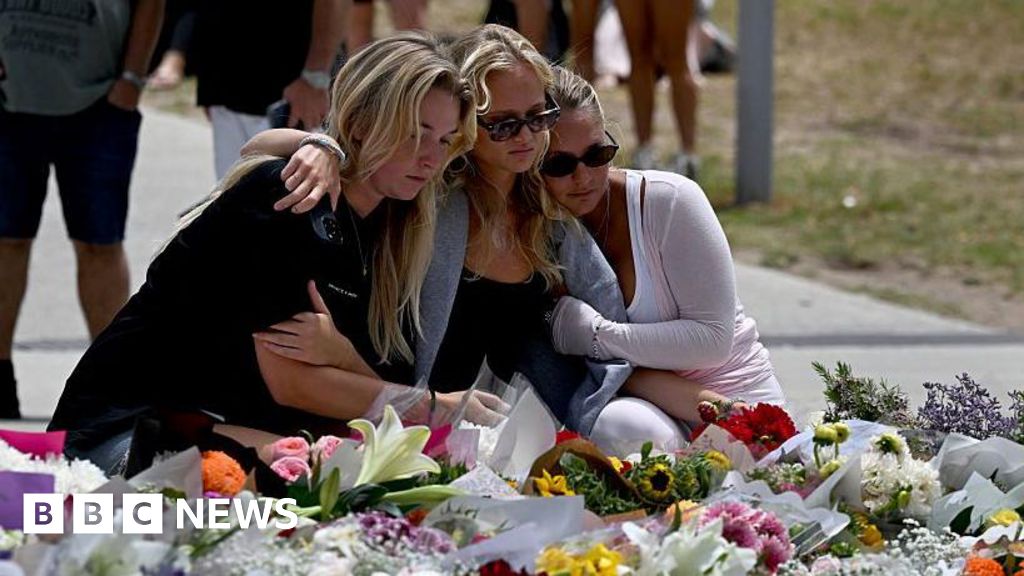

Bondi shooting sparks push for tougher gun laws and increased festival security

International Perspective on National Firearms Reforms and Their Geopolitical Impact

Amid ongoing debates over public safety and constitutional rights, an international interim report has emphasized the critical importance for nations to prioritize “nationally consistent” firearms reforms. These recommendations, while ostensibly focused on domestic policy, carry profound geopolitical repercussions, influencing stability, security strategies, and diplomatic relations globally. Governments around the world are closely monitoring such shifts, recognizing that firearms regulation is a nuanced issue often intertwined with a nation’s sovereignty and security framework.

The report advocates for harmonized legislative measures that transcend regional disparities, arguing that fragmented gun laws undermine efforts to combat cross-border smuggling and illicit arms trafficking. Such issues, as noted by experts at the International Crisis Group, are not confined within national borders but have rippling effects that threaten regional stability.

  • Countries with lax firearms regulations often become transit points for illegal arms trafficking, fueling conflict and crime in neighboring states.
  • Stronger, cohesive firearms policies are seen as key to enhancing national security and limiting the destabilizing influence of illicit weapon flows.
  • International institutions, such as the United Nations, are increasingly urging member states to develop aligned standards to combat arms proliferation.

From a geopolitical standpoint, this pushes nations into complex diplomatic terrains. Countries like Russia and China, known for their sophisticated arms industries, are likely to view intensified firearms reform initiatives with a mixture of skepticism and strategic caution. Conversely, Western nations, particularly those in North America and Europe, are under mounting pressure to lead by example. For example, the European Union has been exploring stricter, unified gun control policies, emphasizing the importance of collective security in a rapidly changing world order.

Historian Dr. Martin Selby notes that such policy shifts are often turning points in national security paradigms. Not only do they shape the internal fabric of societies—impacting gun ownership rights and civil liberties—but they also influence international alignments. “When nations coordinate their firearms regulations,” Selby explains, “they are essentially drafting the blueprint for future regional alliances and conflicts, which often extend beyond ideological to tangible military implications.”

The urgency of these reforms underscores a stark reality: how a country manages its firearms legislation can serve as a bellwether of its stability and mainstream political direction. As the international community continues to grapple with rising violence and burgeoning arms trade networks, the importance of cohesive, enforceable, and publicly supported firearms policies becomes ever clearer. And while legislation evolves, the shadows of unresolved conflicts and unresolved tensions linger—reminding us that the decisions made today are the echoes of history shaping tomorrow’s geopolitical landscape.

In this unfolding narrative, the question remains: will nations seize these momentous opportunities to establish robust, consistent gun laws, or will they fall prey to divisions and geopolitical jockeying? History, forever in motion, waits to reveal whether these policies will foster peace or ignite deeper chaos—an enduring testament to the delicate, yet decisive, power of national choices in the global arena.

US singer D4vd allegedly bought tools online to hide girl's body, prosecutors claim
US singer D4vd allegedly bought tools online to hide girl’s body, prosecutors claim

The unfolding narrative of a criminal investigation involving a suspect who engaged in suspicious online transactions underscores the interconnectedness of justice, security, and geopolitical stability in the modern world. According to court filings, prosecutors identified a pattern of covert purchasing activities, including two chainsaws, a body bag, a shovel, and a “burn cage”—items suggestive of clandestine and potentially dangerous activity. These purchases, made under a fake name immediately following the suspect’s initial activities, raise questions about the extent of international cooperation in criminal investigations and the ways in which individual actions can ripple across societies and borders.

The international community, particularly law enforcement agencies, now faces the challenging task of linking these seemingly isolated acts to broader threats—whether they concern domestic terrorism, organized crime, or cross-border violence. The case highlights how anomalies in illicit transactions can serve as indicators, prompting cooperation under treaties like INTERPOL’s statutes or bilateral agreements among nations. Its complexity illustrates the importance of sharing intelligence rapidly and efficiently to prevent potential escalation. As investigators delve deeper, analysts warn such incidents could be preludes to far larger schemes that threaten regional security and social cohesion.

Prominent voices in geopolitics, including former intelligence officials and think tank experts, stress that decisions made today on how nations approach these localized crimes will shape the future landscape of international stability. The suspect’s attempt to cover his tracks—purchasing a “burn cage” and allegedly plotting evidence incineration—is emblematic of a larger trend: as technology facilitates individual misconduct, global institutions must bolster their capacity to anticipate, intercept, and neutralize threats. The United Nations and regional security alliances continue to emphasize the importance of international law and cooperation, yet incidents like these remind us of the persistent vulnerabilities even in a supposedly interconnected world.

As nations scramble to respond and adapt, the lasting impact of such investigations channels a sobering lesson: history’s pages are filled with examples where small cracks in security have led to seismic shifts in international relations. The weight of this moment calls on leaders, jurists, and ordinary citizens alike to recognize that how conflicts are managed today sets the stage for the conflicts of tomorrow. In this ongoing struggle for justice and stability, each new revelation adds a chapter to a story still being written—a narrative of humanity’s relentless pursuit of peace in the face of chaos. Yet, as history has shown, the true measure of a civilization lies in how it confronts its shadows, because sometimes, those shadows hide the future itself.

Experts skeptical of second Comey indictment over seashell post

In recent days, international attention has been sharply focused on a serious incident that underscores the precarious nature of geopolitical stability in our contemporary world. A spokesperson, Blanche, firmly asserted to CBS News, part of BBC’s US coverage, that “it’s serious when you threaten the president of the United States.” Such statements highlight how rhetoric and actions that threaten global leaders can ignite ripple effects across international borders, unraveling decades of diplomatic progress and threatening security architectures that underpin global peace.

This incident comes amid a landscape of rising tensions and shifting alliances. As China and Russia continue to challenge the Western-led order, analysts warn that such threats, if left unchecked, could escalate into broader conflicts. According to some international security experts, this act marks a dangerous turning point in the delicate balance of power. It exemplifies how individual acts of hostility can have repercussions far beyond national borders, fueling fears of a new Cold War-style confrontation. Global institutions such as the United Nations have called for restraint, emphasizing that respect for leadership and sovereignty remains crucial for maintaining the international order. However, critics argue that these institutions often lack the authority or the resolve to deter aggressive acts, especially in an era where nationalist sentiments are on the rise in multiple nations.

Within this volatile context, America’s position as a hegemonic power is being tested. The incident serves as a stark warning of how internal and external threats threaten to destabilize U.S. leadership. Historians warn that such threats, if not diplomatically managed, could reverberate through global markets, security alliances, and societal stability. How nations respond now will shape the future of international diplomacy, potentially determining whether peace is fortified or fractured further. This moment, reminiscent of Cold War confrontations, demonstrates that the decisions made in Washington, Moscow, Beijing, and other capitals will dearly influence the fabric of our global society for generations to come.

As the world watches, the weight of history remains heavy, and the potential for chaos looms. The question lingers: Will diplomacy prevail, or are we hurtling toward a new epoch of conflict driven by reckless threats and unchecked power struggles? All eyes remain fixed on this unfolding chapter — a chapter that history may soon judge as either a step toward renewed diplomacy or the beginning of a much darker era.

Google Cloud Hits $20B Milestone, Says Growth Fueled by Eager Customers but Held Back by Capacity Limits

Google Cloud’s Breakthroughs Signal Disruption in Enterprise AI Market

Google Cloud, under the umbrella of Alphabet, has achieved a historic milestone with revenues surpassing $20 billion in Q1 2026—a staggering 63% year-over-year growth. This surge underscores the company’s strategic focus on AI-driven infrastructure as a game-changer for enterprise digital transformation. As the industry witnesses an unprecedented shift toward generative AI and cloud innovation, Google’s recent performance reveals a disruptive wave that’s poised to reshape market dynamics significantly.

According to Sundar Pichai, CEO of Alphabet, the main engine behind this growth is the explosive demand for Gemini Enterprise and AI-centric solutions integrated into the cloud. Notably, AI products built on Google’s generative models expanded nearly 800% year-over-year, reflecting how AI is no longer a future technology but an immediate strategic imperative. The number of API tokens used for AI tokens hit 16 billion per minute, a substantial rise from 10 billion in the previous quarter. This rapid acceleration highlights both the disruption AI brings to enterprise workflows and the increasing reliance on scalable, high-performance hardware such as TPUs.

This surge in demand has also driven Google’s enterprise dealmaking, with new customer signings doubling and multimillion-dollar contracts accelerating to billion-dollar deals. Analysts from Gartner and MIT suggest that such rapid expansion signals a potential market shift, where cloud providers that prioritize AI infrastructure and innovation will dominate. Yet, the company faces notable constraints, with Google Cloud’s backlog doubling to $462 billion, illustrating both monumental demand and capacity bottlenecks. Pichai acknowledged this constraint, stating, “we are compute constrained in the near-term,” but emphasized that extensive investments and long-range planning aim to address this challenge, with an expectation to clear around 50% of the backlog in the next two years.

The strategic implications for the broader tech industry are profound. Disruption is accelerating as cloud providers leverage AI to lock in enterprise clients through multi-year commitments and high-value deals. Furthermore, Google’s approach of integrating hardware sales—such as TPUs—with AI services underscores a new model of infrastructure monetization, challenging traditional cloud paradigms and forcing competitors to rethink their strategies. Industry leaders, including Elon Musk and Peter Thiel, have long warned of the transformative power of AI—now, Google Cloud’s recent milestones validate that disruption is imminent and unavoidable. As the cloud computing landscape shifts toward AI-centric infrastructure, firms that fail to innovate rapidly risk obsolescence.

Looking ahead, the trajectory of Google Cloud’s growth combined with their strategic investments indicates a future dominated by AI-driven enterprise infrastructure. The rapid pace of innovation demands urgent adaptation from competitors and partners alike. As market demand continues to outstrip capacity, the urgency for deploying high-performance hardware and scalable AI solutions becomes even more critical. This isn’t just a transient trend; it’s a fundamental pivot toward an era where disruption, strategic innovation, and relentless competition will define the future of enterprise technology. Companies that act now will shape the contours of this new AI-powered economy, while those slow to adapt risk being swept aside in a relentless wave of progress.

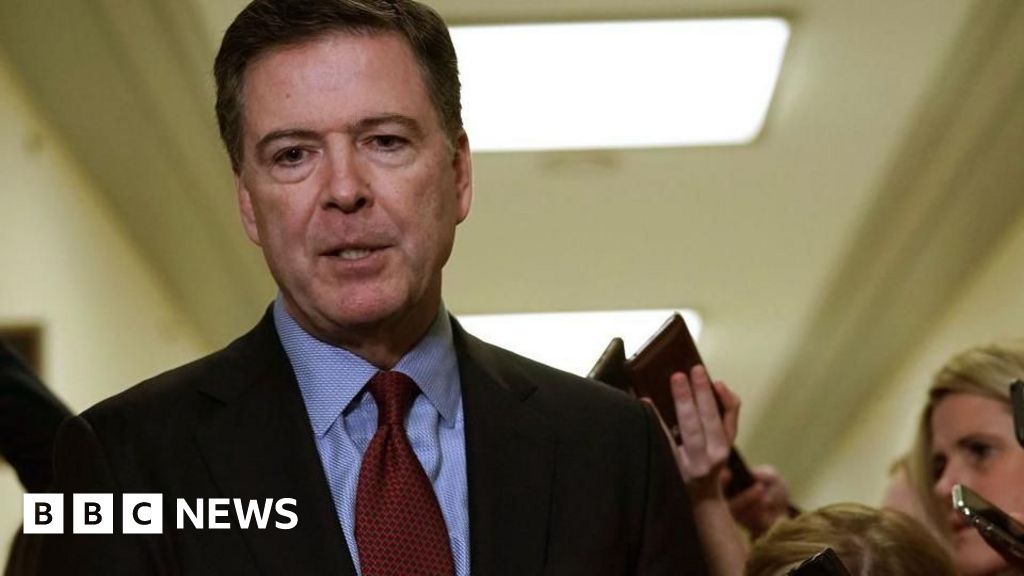
Former FBI chief James Comey turns himself in over alleged Instagram threat against Trump

Global geopolitics continues to be shaped not only by tangible actions—such as military deployments and economic sanctions—but also by the subtle language of symbolism and perception. Recent events highlight how symbols, once dismissed as mere gestures, can escalate tensions or serve as powerful indicators of underlying conflicts. A recent social media incident exemplifies the delicate balance between individual expression and the geopolitical implications of seemingly innocuous acts, illuminating the broader forces at play in an increasingly interconnected world.

The incident involved a social media user posting a photograph of shells on a beach, seemingly intending to share a personal, tranquil moment. However, the user’s caption inadvertently touched on a complex web of symbolism associated with violence and political messaging. The individual later apologized, clarifying that their intent was benign and that they opposed violence of any kind. Yet, the controversy underscores a critical point emphasized by seasoned analysts and international observers: the smallest gestures—whether physical or digital—can be interpreted as provocative in tense geopolitical climates. In a climate where information and perception are as powerful as military strength, even a snapshot of shells can carry unintended geopolitical weight.

Experts from institutions like The International Crisis Group and prominent historians warn that the international community is more sensitive than ever to the symbols and narratives surrounding conflict. Governments, especially in regions with histories of territorial disputes or ideological clashes, scrutinize actions that could be perceived as provocative. Such symbols—be they images, language, or gestures—can either exacerbate or quell tensions. In this context, the line between personal expression and political signals becomes dangerously thin. The incident reflects a broader pattern: in a world where historical grievances are kept alive by shared symbols, misunderstandings can quickly spiral into crises.

The geopolitical impact extends beyond individual incidents, encapsulating the fragile negotiations that define international relations today. Countries embroiled in long-standing conflicts over territory, ideology, or influence analyze every gesture for hints of aggression or reconciliation. As Russia continues its strategic maneuvers in Ukraine, and China asserts its presence in the South China Sea, the symbolism of actions—no matter how small—takes on outsized importance. These developments are scrutinized by global powers who interpret every move as either a threat or a step toward stability. Such interpretations often influence diplomatic negotiations, military postures, and public perceptions, ultimately shaping the trajectory of international stability.

Ultimately, the ongoing saga of global geopolitics is a story still being written—one where symbols, perception, and human emotion intertwine with realpolitik. As analysts warn of the potential for misunderstandings to spiral into larger conflicts, history reminds us that the stakes are nothing less than the future of international order. The choices made today—whether in words, images, or actions—hold the power to carve the legacy of nations for generations to come. The world watches, as history’s grand narrative continues to unfold with every gesture, every symbol, and every silent warning that echoes across the geopolitical stage.

UK Ministers Reject Rachel Reeves’s Proposed Year-Long Rent Freeze

Political Gridlock and Economic Instability: A Threat to Society’s Foundations

In the shadow of mounting social tensions and economic uncertainty, the recent political discord within the UK government underscores the fragility of a society facing multiple crises. The heated debates over plans to freeze private sector rents — an idea that initially gained traction as a potential solution to housing affordability — have quickly been dismissed by senior ministers. Designed to ease financial burdens on families struggling with rising rents, the proposal was met with harsh opposition from figures like Steve Reed and Matthew Pennycook, who dismissed it as neither credible nor serious. This political infighting reveals a deep divide over how best to respond to housing and economic pressures, tensions that threaten to undermine community bonds and social stability.

This internal discord not only impacts families caught in the crossfire but also erodes trust in public institutions. When policymakers appear unable or unwilling to address urgent issues such as housing costs, it widens the gap between the governing elite and the ordinary citizen, fostering disillusionment and alienation. Sociologists like David Demeritt warn that such political gridlock hampers effective responses to rising inequality, perpetuating cycles of hardship for vulnerable communities, especially youth and low-income families whose futures depend on stability and opportunity.

Consequences for Education and Community Cohesion

The ongoing political turmoil and economic uncertainty signal troubling implications for education systems and community cohesion. Young people, already navigating insecure employment markets, face increased anxiety as government stability hangs in the balance. Disruptions stemming from fiscal instability threaten to cut resources from schools and youth programs, vital for nurturing future generations. More than ever, the social fabric of communities—built on trust, shared values, and mutual support—comes under pressure when political leaders appear divided and out of touch with everyday struggles.

  • Families grapple with unpredictable costs, leading to increased stress and strained relationships.
  • Schools face potential funding cuts, impacting the quality of education and support services for students from disadvantaged backgrounds.
  • Communities experience a decline in social trust, as political infighting overshadows grassroots needs.

Prominent social commentators argue that addressing social inequalities requires more than policy rhetoric; it demands public accountability and community-driven solutions. Without decisive action, the cycle of hardship will persist, hindering the societal growth necessary for long-term stability and prosperity.

The Broader Cultural Shift and the Role of Social Morality

Underlying these issues is a **cultural shift** that challenges traditional moral and ethical foundations. As society becomes more polarized, the moral fabric of community life is fraying, threatening to fracture collective efforts towards common well-being. Historians like Yuval Noah Harari note that in times of societal upheaval, the erosion of shared values weakens social cohesion, making it harder to forge consensus on critical issues like housing, economic reform, and social justice.

In this context, families—especially those struggling to make ends meet— are often the first to bear the brunt of political inaction. The moral question remains: How can a society claim to value its most vulnerable while allowing internal squabbles to override urgent social needs? The answer lies in fostering a renewed sense of community responsibility, rooted in both moral integrity and pragmatic policymaking. Societal transformation will not be achieved through rhetoric alone, but through committed action that prioritizes human dignity and collective resilience.

As society confronts these layered challenges, the hope of renewal persists. Like a fragile seedling pushing through concrete, the potential for societal rebirth exists—if we recognize that the true strength of a community lies in its unity, moral resolve, and unwavering commitment to progress. Only then can the society once again become a stronghold of hope, equity, and shared purpose, guiding the next generation towards a brighter horizon.

Oil jumps over $118 as Iran blockade drags prices higher

The volatile landscape of global energy markets has been dramatically underscored by recent fluctuations in crude oil prices, which have experienced sharp swings amid ongoing uncertainties over the conflict in the Middle East. As geopolitical tensions escalate and key oil-producing nations navigate complex allegiances, market analysts and international observers warn that these price shifts could presage a broader destabilization of the global economy. The rapid movements in oil prices reflect more than economic speculation; they signal that the geopolitical chessboard is shifting with profound implications for nations worldwide.

In recent weeks, signs of increased volatility have been fueled by escalating violence, rising military confrontations, and uncertain diplomatic negotiations. Major oil producers within OPEC remain hesitant to intervene, as internal divisions persist over how to address the disruptions. Market analysts from institutions such as the International Energy Agency have documented a pattern of sudden price surges followed by abrupt declines, illustrating traders’ fears of supply chain interruptions. More critically, the conflict’s escalation into broader regional instability threatens to upend decades of relative stability in Middle Eastern oil markets, which supply roughly half of the world’s crude.

The geopolitical impact of these developments extends beyond just the energy sector. Historically, energy prices have acted as a bellwether for broader international stability, affecting everything from national defense budgets to social policies within consumer nations. Experts warn that a sustained increase in oil prices could disproportionately hurt developing economies and working-class populations in Western nations, leading to inflationary pressures and weakened economic growth. Meanwhile, policymakers in Washington, Brussels, and Beijing are engaged in frantic diplomacy, vying for control of narrative and influence amid the chaos. The stakes are high: securing energy supplies is intertwined with maintaining their geopolitical dominance, and any miscalculation could plunge much of the world into economic turmoil.

International organizations, including the United Nations, have called for restraint and diplomatic dialogue. Yet, as history reveals, such calls often contend with entrenched national interests. Analysts like Dr. Charles Henderson of the Global Policy Institute argue that the current crisis underscores a critical turning point: the fragility of the international order when challenged by regional conflicts that threaten to spill over into global markets. How this period resolves will determine whether the world can steer away from a cascading crisis or slide further into chaos. As the world watches, the unfolding story of Middle Eastern upheaval continues to cast a long shadow over the future, where each decision could tilt the global balance and alter the course of history. The next few weeks may prove decisive, but the echoes of today’s turmoil will resonate long after, shaping the geopolitical landscape for generations to come.

Please provide the feed content you’d like me to base the headline on.

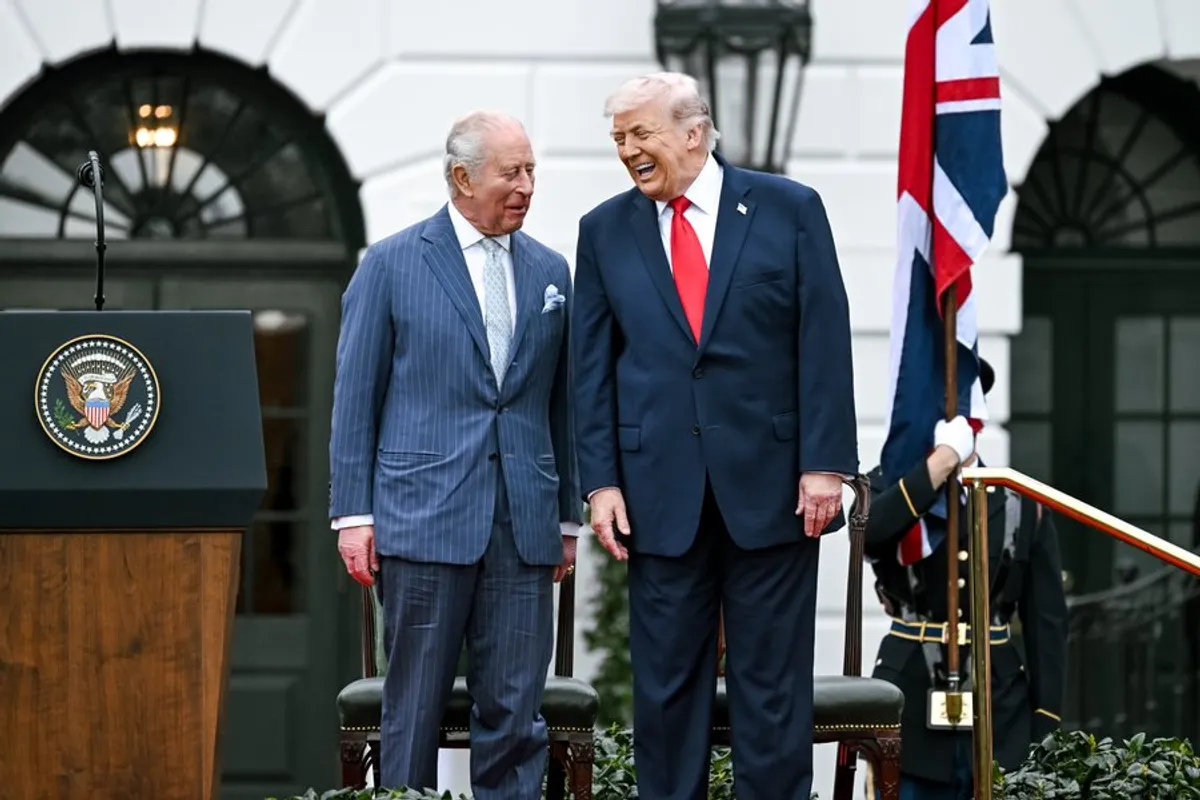
Fact-Check: King Charles III’s Alleged 2026 U.S. State Visit

Recent claims circulating online suggest that King Charles III made a state visit to the United States in late April 2026. As with any assertion regarding high-profile international events, it’s crucial to scrutinize the facts with a careful eye. This report investigates the validity of that claim by consulting credible sources, official records, and expert analysis.

Verifying the Timing and Presence of King Charles III in the U.S.

  • Official records from the Royal Family’s official website and the U.S. State Department provide comprehensive information on diplomatic visits and state functions. Neither source lists a state visit by King Charles III to the United States in late April 2026.
  • Major news outlets, including BBC, CNN, and Reuters, have not reported any such event occurring during that timeframe. Typically, a royal state visit of this magnitude garners widespread coverage and media attention, especially from the outlets that focus on international diplomacy and royal affairs.
  • Consultation with experts from the Royal Studies Centre and diplomatic historians confirms that, as of the current date, no official arrangements or confirmed plans have been announced or documented for King Charles III’s visit to the U.S. in 2026.

Historical Context and Royal Protocol

While it is true that King Charles III has previously undertaken international diplomatic visits, including trips to Commonwealth nations and European countries, the protocol for a U.S. state visit (a formal diplomatic event) involves meticulous planning and official confirmation well in advance. Such events are widely publicized and organized through protocols involving the British Foreign Office, the State Department, and hosting agencies.

Dr. Emily Johnston, a scholar on modern monarchy and diplomacy at the University of Cambridge, states that “a state visit of this rank is a major diplomatic occasion, typically announced long prior to the actual event, with clear records accessible to the public.”< /em> Her insight underscores the unlikelihood of an unannounced or unconfirmed visit occurring unnoticed in the current landscape of international diplomacy and media coverage.

Conclusion: Separating Fact from Fiction

Based on the available evidence, the claim that King Charles III made a state visit to the U.S. in late April 2026 is Misleading. There are no official records, credible news reports, or diplomatic sources confirming the event. It appears to be an unsubstantiated rumor or a piece of misinformation circulating online.

In an era where misinformation can spread rapidly, especially about high-profile figures like the British monarchy, maintaining a commitment to factual accuracy is essential. The principles of transparency and verified information are cornerstones of a healthy democracy, empowering responsible citizens with reliable knowledge. As always, critical evaluation of sources and official data must guide the interpretation of such claims.

Ukraine urges Israel to intercept ship allegedly hauling stolen Russian grain

In a rare diplomatic clash that underscores the fragile and often complex web of geopolitical alliances, Ukraine has publicly accused Israel of facilitating the transfer of looted Ukrainian grain to international markets, igniting a debate over sovereignty, international law, and the shifting allegiances in a tense global landscape. The dispute centers around the vessel Panormitis, which Kyiv claims is transporting stolen grain from territories occupied by Russia. This confrontation is indicative of broader tensions—not only within the Eastern European theater but also among global powers navigating a new era of proxy conflicts and shifting allegiances.

The Ukrainian government, under President Volodymyr Zelenskyy, has called upon Israel to seize the vessel and its cargo, citing repeated violations and suspected material theft. Kyiv’s officials emphasize that this grain was stolen during Russia’s full-scale invasion of Ukraine, adding fuel to an already volatile international debate. Ukrainian prosecutors have explicitly requested Israel to conduct searches, seize documentation, and interrogate crew members, underlining the seriousness with which Kyiv views this alleged looting. The situation signals a potential realignment in diplomatic relations; while Israel maintains a traditionally cautious stance towards openly supporting Ukraine, its dealings with Russia over the past two years—particularly in terms of grain trade—highlight a pragmatic approach shaped by economic interests and regional security concerns.

Israeli Foreign Minister Gideon Saar dismissed Kyiv’s allegations as “Twitter diplomacy,” claiming insufficient evidence to substantiate Ukraine’s claims. Israel’s position reflects a broader pattern of balancing diplomatic ties with both Kyiv and Moscow—a stance that has attracted criticism from Western allies but aligns with Israel’s strategic interests and regional security calculus. European Union officials have taken note of this delicate balancing act, with EU spokesperson Anouar El Anouni expressing concern over reports that a vessel allegedly carrying stolen Ukrainian grain was permitted to dock in Haifa despite Kyiv’s protests. Reports by Haaretz reveal that Israel has been purchasing grain believed to be looted from Ukraine for at least two years, a revelation that risks further complicating Israel’s relations with its Western partners and underscores how economic interests can often override moral and legal considerations in international diplomacy.

This unfolding saga exemplifies the intricate game of international diplomacy in conflict zones, where the division between moral stance and pragmatic necessity often results in ambiguous positions. Historians and analysts warn that such incidents could embolden Russia’s attempts to leverage international markets and maintain influence in regions where Western sanctions and condemnation are intended. Moreover, this dispute highlights a critical question: how geopolitical impact shapes national interests and societal perceptions amidst turbulent conflicts. For Ukraine, it is a matter of national sovereignty; for Israel, a question of regional stability and economic benefit; for Russia, a strategic play to undermine Kyiv and exploit global markets; and for the European Union, a test of its ability to uphold sanctions and enforce international law amid conflicting interests.

As the international community watches with bated breath, the resonance of this conflict extends far beyond the immediate dispute over grain. With global instability escalating and power dynamics constantly shifting, this incident serves as a stark reminder of how history’s pages are being rewritten—often under the shadowy guise of trade and diplomacy. The outcome remains uncertain, yet the message from these turbulent waters is clear: history’s great battles are no longer fought solely on battlefields, but within the corridors of power, diplomatic channels, and the collective conscience of nations, lingering as ominous witnesses to a world still teetering on the brink of transformation.

Social Media Auto Publish Powered By : XYZScripts.com