Matox News

Truth Over Trends, always!

Peloton, time to stay in your lane—focus on innovation, not distractions

Peloton’s Reinvention: Innovation and Disruption Reshape the Fitness Industry

In a bold move indicative of industry disruption and strategic innovation, Peloton is shifting its business model under the leadership of Peter Stern, a former Apple executive known for pioneering features like Fitness Plus. This transition marks a pivotal moment for the $6,695 exercise equipment powerhouse, signaling a departure from its traditional home-focused hardware success to a broader focus on wellness.

Recent campaigns, notably featuring celebrity Hudson Williams, showcase a strategic rebranding away from the iconic Peloton bike, emphasizing diverse workouts in spacious gyms rather than sleek home apparatuses. This shift reflects a fundamental industry value: adaptability. According to Gartner analysts, such agility in product positioning serves as a critical differentiation in an increasingly crowded digital fitness market. Peloton’s pivot aligns with a broader trend—moving beyond mere equipment to integrate AI and personalized wellness solutions. However, their AI-driven features, including the much-hyped Peloton IQ, have so far underwhelmed, with users reporting disappointments in AI’s ability to deliver truly personalized plans, especially given the complexity and uniqueness of individual health needs.

The company’s strategy to expand into realms like strength, stress management, sleep, and nutrition suggests an attempt to disrupt traditional fitness paradigms by amalgamating multiple wellness dimensions into a single platform. According to MIT research, this integrated model could potentially serve as a benchmark for the entire industry, provided Peloton manages to execute its vision effectively. Yet, the skepticism remains: many experts believe that AI’s capacity to personalize health plans authentically at scale is still in its infancy. For example, early testing reflects a recurring pattern of generic, regurgitated advice, hardly the tailored solutions users demand. Such shortcomings threaten to stall Peloton’s disruption ambitions, underscoring an overarching industry warning: beware of hype cycles that detach product evolution from genuine user needs.

Looking ahead, Peloton’s renewed focus on partnerships beyond the home—collaborating with gyms and lifestyle brands—position it to challenge the entrenched gym conglomerates and wellness giants alike.

  • Emphasis on treadmills over bikes, signaling a strategic diversification of core hardware products
  • Implementation of AI features aimed at personalized coaching, yet currently limited in real-world effectiveness
  • Expansion into health areas like nutrition and stress management—a move blending traditional fitness with holistic wellness

Industry analysts from institutions such as Gartner and MIT emphasize that Peloton’s innovation-driven disruption is a double-edged sword. Success hinges on executing these ambitious transformations with genuine technological breakthroughs, not just buzzwords. The firm’s history—marked by viral commercials and subsequent challenges—serves as a cautionary tale about the dangers of overreliance on hype without substantive product evolution. Nonetheless, the company’s strategic pivot signifies a {window of opportunity} for those willing to adapt fast, as the global wellness industry enters an era where AI, wearable tech, and integrated health solutions will define the new normal.

Ultimately, Peloton’s next chapters will determine whether it becomes a true wellness disruptor or just another victim of the hype cycle. As the industry stands on the cusp of radical change, one thing is clear: the race to redefine fitness and health is relentless, and those who innovate with purpose—and precision—will lead the future.

Three Arrested Over Arson Attack on Persian Media Offices in London

In an unfolding case that has captured global attention, two teenagers and a 21-year-old man have appeared in court charged with arson with intent to endanger life. While at first glance this might seem a localized judicial matter, the implications reach far beyond the courtroom, resonating deeply within the complex web of geopolitical stability and the societal fabric of nations. Such incidents underscore the importance of understanding the multi-layered impact of criminal acts not only on domestic communities but also on international perceptions of security and order.

Analysts point out that domestic violence and criminality often serve as a mirror reflecting broader social tensions—particularly in countries struggling with economic instability and political unrest. This case, though seemingly isolated, raises concerns within the context of societal fragility, which can be exploited or further destabilized by internal incidents. The international community, including organizations such as the United Nations, closely monitors such cases as bellwethers of societal health, often interpreting them through the lens of security and social cohesion. Historian Samuel Peters notes that historically, periods of social unrest have often been precursors to larger geopolitical shifts, and domestic crises tend to influence foreign policy and international stability.

The geopolitical impact of such events becomes evident when considering how internal unrest within a nation can ripple outward, affecting regional alliances and global diplomacy. In this case, the authorities’ handling of the incident might influence foreign perceptions of the nation’s rule of law and social order. International organizations are increasingly cautious, recognizing that weaknesses in domestic security structures can be exploited by hostile actors seeking to destabilize nations further, especially in volatile regions. Consequently, governments are watching closely, analyzing whether such acts are isolated instances or part of a larger pattern of unrest center around socio-economic grievances, political disenfranchisement, or ideological extremism.

Throughout history, unexpected events—from criminal acts on the ground to large-scale geopolitical crises—have shaped the course of history in profound ways. As global powers engage in strategic realignments and regional conflicts, moments like these serve as stark reminders that the decisions made within a courtroom have the potential to influence international diplomacy and security calculations. The voice of international historians and incident analysts emphasize that today’s seemingly small incident could become a catalyst or a warning within a broader timeline of societal upheaval. As nations watch this case unfold, the weight of history presses down, leaving all to wonder: What echoes will this event leave in the corridors of power, and how will it shape the geopolitical landscape for generations to come?

Israel-Lebanon Ceasefire: What You Need to Know

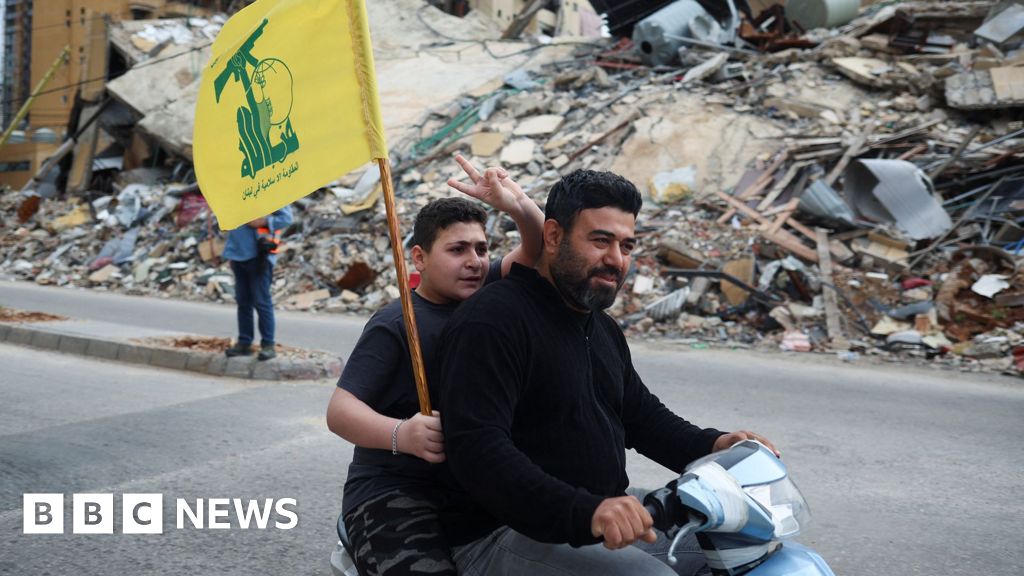
In a significant development on the geopolitical stage, a 10-day ceasefire has been established between Israel and the militant group Hezbollah, which is backed by Iran. This pause in hostilities emerges amid ongoing diplomatic negotiations between the United States and Tehran, signaling a possible shift towards de-escalation in one of the most volatile regions of the world. The international community, alarmed by the recent surge in violence, observes closely as the conflicting parties navigate a fragile path that could influence the future of Middle Eastern stability.

Support from Hezbollah—an organization designated by many Western nations as a terrorist entity—underscores the deep-rooted complexities within the broader Iran-Israel conflict. As the negotiations progress, analysts highlight the importance of this truce as a potential turning point—a moment that could redefine the regional power balance. The United States has taken a cautious yet active role, seeking to leverage diplomatic channels in hopes of averting a wider regional escalation. Meanwhile, Iran maintains a stance emphasizing its desire for “peaceful resolution,” though international observers remain skeptical about the long-term sincerity of such claims, given Iran’s longstanding support for groups like Hezbollah.

Historically, as noted by renowned geopolitical analyst Dr. Samuel David, periods of temporary ceasefire have often proved *ephemeral* in conflicts marked by profound ideological and strategic divides. The resolution’s success hinges on whether these diplomatic efforts can translate into tangible moments of trust and compromise. The

  • United Nations
  • European Union
  • Middle Eastern regional players

are closely watching whether this temporary pause will hold or serve as a mere prelude to renewed violence. The fragile balance of power in the region remains precarious, with many experts warning that unresolved grievances, especially regarding territorial disputes and security guarantees, could reignite hostilities.

As history demonstrates, the decisions made in these crucial moments can ripple outward, reshaping alliances and shaping broader international relations. The geopolitical impact of a sustained peace or renewed conflict will profoundly influence not only the Middle East but also global markets and foreign policies. The recent developments serve as a stark reminder that in international diplomacy, each concession and promise is woven into a larger tapestry—one in which the threads of history, ideology, and power converge, often with unpredictable consequences. The world watches with bated breath, knowing that in the unfolding saga of Middle East conflict, each chapter writes itself with irreversible consequences, leaving behind the echoes of a history still being penned.

Iran’s Regime Asserts Victory: Tehran Won't Back Down in the War of Words
Iran’s Regime Asserts Victory: Tehran Won’t Back Down in the War of Words

In what could be heralded as a pivotal moment in international diplomacy, President Donald Trump announced that recent negotiations between the United States and Iran might soon resume, potentially as early as this weekend. Trump suggests that both nations are “very close” to reaching an agreement, an assertion that has sent ripples through global geopolitical circles. This development, if realized, could signal a major shift in the ongoing tension that has defined US-Iran relations for decades, setting the stage for a possible new chapter of diplomacy, or at least a temporary easing of hostilities.

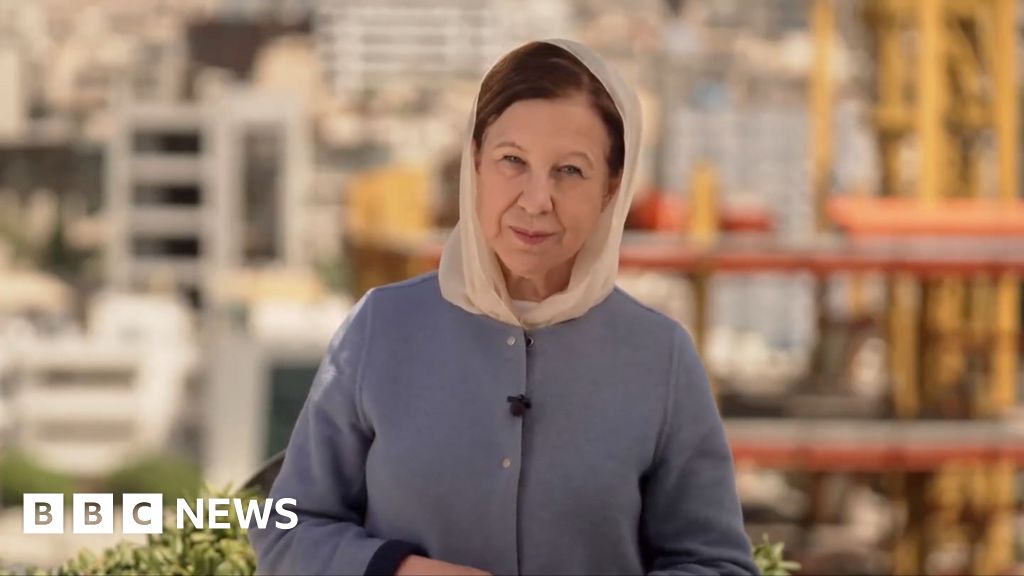
However, beneath the surface of the public proclamations, international analysts and Middle East experts underscore the complexity of this renewed dialogue. According to BBC’s chief international correspondent Lyse Doucet, although the Iranian populace and some leaders appear eager to end decades of enmity with the US, the Iranian regime remains skeptical about the sincerity and durability of such accords. She reports from Tehran that Iran’s leadership does not perceive itself to have lost the broader conflict and remains non-committal on making concessions “on Washington’s terms.” This attitude highlights a fundamental geopolitical reality: for Iran, the conflict is not merely about specific agreements but about asserting regional influence and resisting perceived foreign pressures.

The geopolitical impact of these potential talks extends far beyond bilateral relations. Historically, international agreements between the US and Iran have reshaped the power balance in the Middle East, affecting countries such as Saudi Arabia, Israel, and Turkey. Moreover, the shifting dynamics could influence economic stability, military alliances, and regional security strategies. The international community, embodied by institutions like the United Nations, watches intently, wary of whether these negotiations will ultimately foster peace or merely serve as temporary detours from ongoing geopolitical struggles. As Harvard geopolitical analyst Dr. Christina Marín notes, “any potential thaw must be approached with caution; history demonstrates that regional conflicts often resist easy resolutions.” Notably, the stakes for global stability are immense, with the Middle East’s future hanging in fragile balance.”

As diplomatic efforts proceed, the world is reminded of the delicate and often unpredictable nature of international relations. The decision to engage Iran on these terms marks a potential turning point, but also a stark reminder of how unresolved conflicts continue to threaten the global order. Will these talks lead to lasting peace, or will they simply serve as a fleeting reprieve in an ongoing struggle for regional dominance? As history unfurls before our eyes, each decision echoes through generations, shaping the geopolitical landscape in ways that are often beyond comprehension. The moment is laden with hope and uncertainty, leaving humanity to ponder whether this renewed effort can truly alter the course of history or fall prey to the entrenched shadows of past failures. The future remains unwritten, but the weight of history urges us to observe carefully — for in diplomacy’s fragile dance, the stakes could not be higher.

Why Pointelle is the Ultimate Stylish Reset—The Trend Blowing Up Against ‘Brat’ Culture

From Underwear to Mainstage: The Cultural Comeback of Pointelle

Once a humble textile associated with girls’ vests, thermal wear, and delicate underwear, pointelle is making a surprising return to the spotlight—this time commanding the fashion runways and social media feeds of the youth. Defined by Merriam-Webster as “an openwork design, typically in the shape of chevrons,” pointelle has historically been seen as a domestic, even girlish fabric. But recent trends suggest it has taken on a social and cultural significance far beyond its origins. With brands like Cou Cou Intimates, Leset, and luxury designers such as Loewe showcasing vibrant, provocative pieces, this fabric is now at the forefront of a broader cultural shift—one marked by nostalgia, innocence, and subtle defiance.

Fashion Icons and Runway Revelations Spark the Trend

The resurgence kicked off when renowned designer JW Anderson debuted pointelle looks in his 2024 collection, featuring a striking Pepto-Bismol pink co-ord. This playful yet confident palette shattered traditional notions of fabric and color, signaling that pointelle is no longer confined to childhood or undergarments. Days later, the Loewe runway revealed a series of vividly colored V-neck dresses that demonstrated the fabric’s versatility and cultural resonance. Influencers and fashion insiders, like style icon Hailey Bieber, have embraced the trend, turning it into a staple of everyday chic. Their popularity amplifies its social relevance, transforming pointelle from modest to provocative, especially when worn by grown women—who use it as a tool of subtle rebellion.

Looking Backward to Leap Forward: The Power of Nostalgia

The appeal of pointelle lies in its nostalgic charm. As one of the brand founders, Rose Colcord of Cou Cou Intimates, explains, “People are craving familiarity, especially with how fast the world is changing.” This fabric evokes childhood innocence, free from societal judgments about appearance or style—an escape that resonates deeply with a culture increasingly obsessed with authenticity and self-expression. The pattern’s delicate holes and soft texture evoke images of crayons, candy floss, and carefree days, giving consumers a nostalgic boost in turbulent times. This cultural shift toward embracing ‘the simple life’ underscores a larger societal longing for comfort amidst chaos.

Subversion, Sexuality, and the Next Big Question

However, the story of pointelle doesn’t stop at nostalgia. When worn by adults, especially as underwear or form-fitting tops, it serves as a cultural signal of defiance. As Dalton, a fashion analyst, notes, “There’s something provocative about basic underwear on adult bodies.” Kristin Stewart’s recent public appearance in Y-fronts, for example, exemplifies this paradox—an ordinary garment, yet charged with gender and societal commentary. At moments of social tension—like high-profile red carpet events or post-breakup revenge outfits—pointelle features as a symbol of resilience and provocation. The question now is: will this trend redefine notions of femininity, modesty, and rebellion in the digital age? As viewers, influencers, and sociologists grapple with its social meanings, future challenges will determine whether pointelle remains a fleeting trend or evolves into a lasting cultural phenomenon.

Ultimately, what’s most fascinating is that a fabric once dismissed as merely “girlish” now stands at the intersection of nostalgia, sexual agency, and social critique. As the next chapter unfolds, the pressing question is whether society will embrace this delicate fabric as a symbol of youthful innocence or a tool of subversion—and what this says about our collective cultural trajectory.

Slow vacuuming’s the new move: Is it the secret to a cleaner, cooler home?

Embracing the New Culture of Slow Vacuuming: A Lifestyle Shift

In an age where rapid efficiency often defines our routines, a surprising trend is gaining momentum within the realm of healthy living and home maintenance: slow vacuuming. What began as a quirky social media experiment has evolved into a movement encouraging individuals to slow down and reclaim control over their environment. Videos of meticulous, deliberate vacuuming show enthusiasts spending twenty to thirty seconds on each section, aiming not just for superficial cleanliness but a *deeper level of dirt and allergen removal*. This method champions the idea that taking one’s time can significantly impact personal health and the overall comfort of one’s living space, an appeal resonating especially among younger audiences craving authenticity and mindfulness in everyday actions.

Rooted in notions of mindfulness and intentional living, slow vacuuming echoes a broader cultural shift that emphasizes appreciating small moments and making deliberate choices. Experts like Adrian Lini from Australian consumer advocacy group Choice suggest that “most people could probably slow down their vacuuming” without sacrificing efficiency. Lini emphasizes that a gentler, more deliberate approach allows vacuum heads to better agitate carpet fibers and dislodge embedded particles, resulting in a _more thorough clean_. Similarly, Sean Stanley, operations manager at Butler Carpet Cleaning in Sydney, points out that slower movements enhance the vacuum’s ability to lift and remove dirt effectively, transforming a mundane chore into a form of self-care. As these insights circulate, they challenge the consumerist narrative that fast and disposable is always better, advocating instead for a lifestyle where effort and attention lead to greater satisfaction and healthier environments.

Amidst this shift, it’s clear that slow vacuuming isn’t purely about cleaning but about redefining our approach to daily routines. It embodies a form of personal impact that extends beyond superficial tidiness, touching on mental clarity and intentional living. For many, adopting slow vacuuming symbolizes a conscious rejection of the hurried pace that often saturates modern life. As wellness authors like Sarah Wilson have championed, embracing simple, mindful practices—whether through slow TV, gardening, or even vacuuming—can foster better mental health and a sense of control. The movement also invites us to look inward; as Coulston recounts, she spends additional time vacuuming her home, transforming a chore into a meditative act that offers measurable cleanliness and a calming rhythm. Such small, deliberate actions can ripple outward, inspiring us to approach not only chores but life itself with greater patience and purpose.

  • Prioritize your environment: Keep shoes at the door to limit dirt ingress.
  • Vacuum with focus: Use slow, deliberate movements to maximize dirt removal.
  • Maintain your tools: Regularly clean filters and attachments to ensure optimal performance.
  • Transform chores into mindfulness: Use routine tasks as moments for reflection and calm.

Reflecting on this rising enthusiasm for slow household routines, one recognizes the importance of intentionality in everyday life. As the pace of modern living quickens, the act of vacuuming—once considered purely utilitarian—becomes a metaphor for embracing patience and presence. It encourages a re-evaluation of what it means to live well, not through speed or accumulation but through meaningful engagement with our surroundings. Like choosing to walk instead of drive or to cook from scratch rather than grab fast food, slow vacuuming embodies a commitment to quality and mindfulness. It’s a reminder that the journey to wellness isn’t always about grand gestures but often about the small, steady steps we take—each deliberate motion reinforcing a lifestyle where purpose and effort lead to genuine fulfillment.

CDC Leadership Crisis: 80% of Top Posts Vacant, Work Stalls, Morale Drops – RFK Jr.

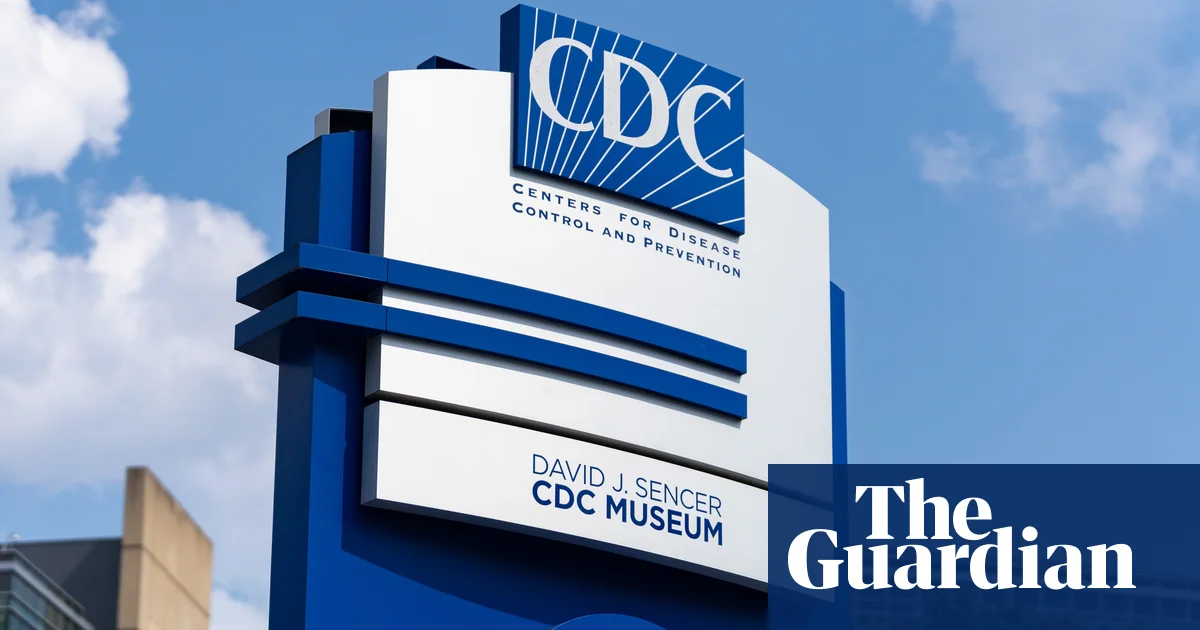
In recent months, America’s once-reliable public health institutions have revealed disturbing cracks that threaten the very fabric of our society. The Centers for Disease Control and Prevention (CDC), a cornerstone of the nation’s health defense, is currently mired in a crisis of leadership and purpose. Nearly eighty percent of its top director positions remain vacant, leaving the agency adrift and unable to effectively combat infectious diseases, monitor maternal and infant mortality, or oversee vital vaccination policies. Such a chaos-filled landscape exposes the fragility of our societal safeguards and underscores how demographic shifts and cultural tensions intertwine with the erosion of public trust.

This leadership gap doesn’t merely hinder bureaucratic efficiency—it directly impacts families, education, and entire communities. When health agencies lack clarity and direction, the ripple effects are felt at ground level. Senior CDC officials warn that without decisive leadership, the agency’s ability to respond to an emergent pandemic could be compromised, risking the lives of the most vulnerable—children, pregnant women, at-risk populations. Sociologist Dr. Samuel Peters warns that such erosion of institutional integrity fosters a sense of societal abandonment, especially among communities already grappling with the consequences of inequality. The societal fabric strains further when vital health data—such as infant mortality rates or disease outbreaks—are compromised or viewed through distorted political lenses, diverting society from genuine progress towards public well-being.

Amidst this turmoil, the political landscape remains tumultuous. The appointment of Erica Schwartz as CDC director under former President Trump’s administration aims to temporarily patch the gaps, but systemic issues run deeper. Notably, since Kennedy’s appointment as health secretary, over 2,400 CDC staff members have either been fired or resigned, leaving remaining personnel destabilized and demoralized. Many describe the agency as being in a state of “pandemonium,” with key positions left unfilled for months—an unsettling scenario when national security hinges on swift, informed decision-making during health crises. Social commentators like historian Dr. Anthony Rogers note that this fracturing of expertise and trust could set the stage for society’s wider health to become a victim of political struggles rather than science-based solutions.

As the nation witnesses this institutional breakdown, the questions remain: How can society hope to regain its health security? What role do cultural values and moral responsibility play in restoring trust and accountability in public institutions? Experts emphasize that rebuilding the leadership and integrity of organizations like the CDC is paramount to protecting families and fostering resilience within communities. The crisis reveals more than just bureaucratic failures—it exposes the moral imperative to prioritize human life above political expediency. Although the societal shadows grow long, history shows that through dedication, moral resolve, and collective effort, the nation can illuminate a path back from chaos. Society must reflect on how social issues—interwoven with cultural tension and political partisanship—affect the health and hope of future generations, inspiring a society that refuses to accept dysfunction as inevitable and strives instead to heal its deepest wounds.

Thrilling Upset: Underdogs Clinch Victory in Nail-Biting Final!

Transfer Buzz: Archie Gray’s Potential Move to Europe

The football world is abuzz with speculation surrounding Tottenham Hotspur midfielder Archie Gray, who is reportedly being targeted for a summer move by European giants Bayern Munich and Liverpool. As teams across the continent analyze their rosters in anticipation of the upcoming transfer window, Gray’s impressive performances in recent matches are catching the eye of some of the biggest clubs in football.

The 21-year-old star has demonstrated significant potential this season, particularly in key moments that have showcased his vision and playmaking abilities. Commentators have noted his knack for decisive passes and an uncanny ability to control the midfield, making him a valuable asset for any top-tier team. As noted by football analyst and commentator Jamie Redknapp, “Gray possesses that unique blend of technical skill and tactical awareness. He can dictate the pace of the game, which is invaluable at the highest level.”

Both Bayern Munich and Liverpool are looking to bolster their squads, and securing Gray could be seen as a crucial step in enhancing their attacking dynamics. If the move materializes, it would not only elevate Gray’s career but also significantly impact the Premier League and European competitions. Here are some highlights of Gray’s performance this season:

  • 3 Goals and 7 Assists in the Premier League
  • Key player in clutch match versus Arsenal, resulting in a 3-1 victory
  • Named Tottenham’s Player of the Month in March

As the summer transfer window approaches, both fans and pundits eagerly contemplate the ramifications of such a high-profile transfer. The potential move of Gray highlights not just the ongoing evolution within club rosters but also symbolizes the dynamic nature of football as a sport that unites fans, transcending borders and rivalries. Whether Gray dons the colors of Bayern Munich or Liverpool, one thing remains certain: football continues to be a remarkable force that connects millions, inspiring dreams and igniting passions across the world.

Source link

Vance Gets Schooled in Iran War Debate: "Popesplaining" Fails to Keep Up
Vance Gets Schooled in Iran War Debate: “Popesplaining” Fails to Keep Up

Global Tensions Rise as Religious and Political Narratives Collide

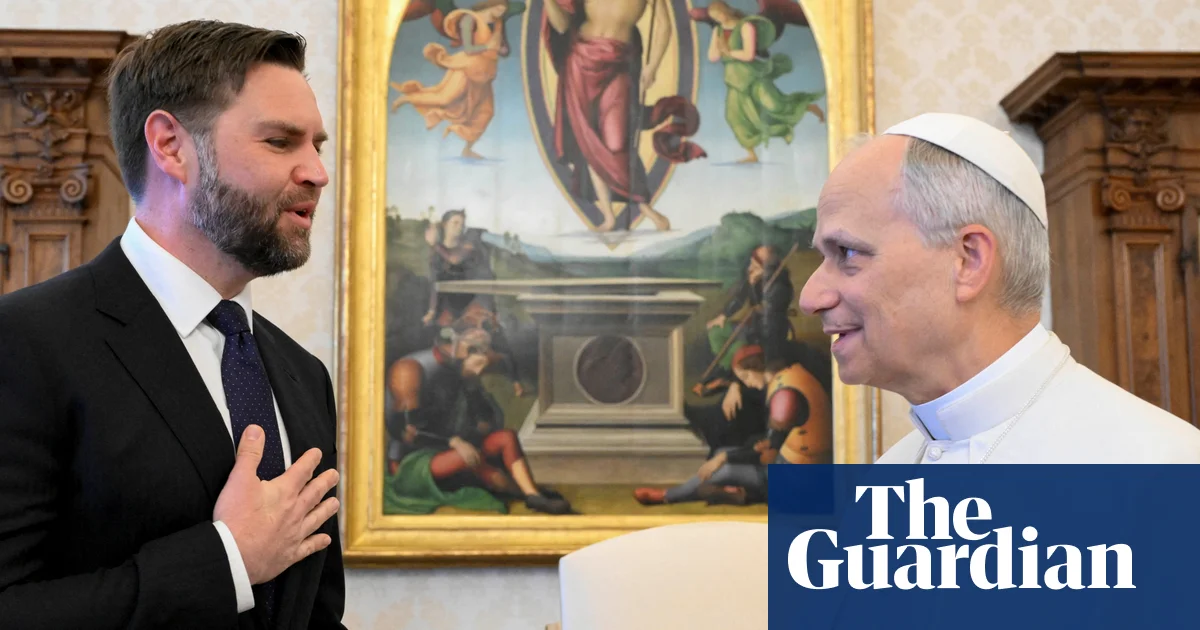
In an era where geopolitical stability hinges on the delicate balance of diplomatic efforts and ideological influence, recent events highlight the profound impact of religious discourse on international relations. The clash of perspectives between Pope Leo XIV—the first North American pontiff—and American political figures underscores a critical juncture where faith, ethics, and national security converge to shape world events. Historically, the concept of a “just war”—a doctrine rooted in Augustine’s writings—continues to fuel debate, especially as the United States navigates its controversial stance on Iran amid accusations that strategic narratives are being embedded with religious justifications.

At the heart of this emerging geopolitical arousal is a profound disagreement on the morality and legality of military intervention. Cardinal Robert McElroy and other Catholic leaders have recently condemned the US and Israeli actions against Iran, asserting that such moves violate the just-war criteria that have governed Christian moral thought for over a millennium. While Vatican teachings emphasize that war can only be justified as a last resort in self-defense, the Trump administration’s rhetoric has often veered into confronting Iran with almost religious zeal, framing the conflict as a moral crusade rather than a strategic necessity. This narrative shift has prompted international organizations and historians—such as Dr. Emily Grant of the International Security Council—to warn of the dangerous escalation of religious rhetoric fueling national security decisions that risk igniting wider conflicts.

Decoding the Discourse: Theology Meets Politics

  • The recent dispute between Leo XIV and political figures such as JD Vance illustrates the tension between theological interpretations and political expediency. Vance’s remark that “God is never on the side of those who wield the sword” conflicts with centuries of just-war tradition, which justifies war in circumstances of self-defense and restoring peace. Such debates are not merely theological; they directly influence policy and public perception, risking a blurring of moral lines in warfare.
  • Meanwhile, Vatican officials insist that their teachings have always upheld that war is only permissible when “all peace efforts have failed”—a position that challenges the aggressive narratives fostered by certain American factions. Historian Dr. Mark Thompson reminds us that history shows how religious justifications have historically been co-opted to mobilize popular support for conquest, often with catastrophic consequences.
  • Adding fuel to the fire, President Trump’s controversial social media posts—such as his depiction of himself as a Christ-like figure and threats against Iran—have emboldened factions within the U.S. that view religious symbolism as a tool of national power. The deletion of Trump’s AI-generated image of himself as Jesus signals a recognition of the potential fallout, but the underlying message persists in the rhetoric of some allies, notably House Speaker Mike Johnson, who warns that wading into theological debates risks poisoning political discourse.

Implications for International Stability and Societal Society

As international organizations monitor the unfolding narrative, the implication for societal stability remains ominous. If political leaders and religious figures continue to intertwine their rhetoric—especially when championing aggressive policies—the probability of miscalculation and escalation increases dramatically. Analysts warn that such narratives can polarize societies, erode diplomatic channels, and embolden extremist factions that see divine sanction in conflict. The United States, due to its influence and military power, occupies a pivotal role in this delicate dance, where every decision carries the weight of history and the potential to ignite a wider, more devastating war.

In this moment of crisis, the words of historians and international security experts are more crucial than ever. They caution that the choices made today—whether rooted in religious morality or political expediency—will reverberate across generations. The mounting tension over certainties of justice and morality in warfare underscores a broader, more profound truth: the path to peace is often navigated through the perilous waters of moral reflection, where the stakes are nothing less than the destiny of nations. As history continues to unfold, the world watches with bated breath, pondering whether these debates will lead to ajust peace or plunge us further into chaos, leaving a legacy that history will either condemn or commend—yet never forget.

Avengers Return and Top Gun Soars Again — Hollywood Studios Unveil Their Exciting New Films

As the world of cinema continues its relentless evolution, the preview of the most anticipated new films at this year’s CinemaCon offers more than just entertainment; it reveals the underlying currents shaping our cultural identity. The projection of upcoming works serves as a mirror—a cultural reflection that embodies our shared values, aspirations, and anxieties. Here, the film industry functions as a modern-day forum where stories are cast as both mirror and prophecy, illustrating the significance of culture in forging societal cohesion and individual identity.

From the perspective of cultural critics and philosophers, cinema remains a vital vessel for the collective memory of a society—an echo of its traditions and a canvas for its future dreams. Ortega y Gasset once observed that “worldly reality is fundamentally built on tradition,” emphasizing how cultural artifacts like films serve as communal anchors. The eagerly anticipated productions highlight themes of heroism, morality, and the enduring conflict between chaos and order. The films previewed at CinemaCon are thus not merely entertainment; they are cultural artifacts that sustain and redefine the narrative of a society rooted in its history while looking forward with purpose.

Such cinematic projections also carry a deeper philosophical significance—they embody our collective striving for meaning amid the turbulence of modern life. As Tocqueville warned about the potential tyranny of individualism, so too must we recognize that our cultural expressions help buffer societal fragmentation and sustain national coherence. The themes emerging from forthcoming films underscore this necessity: they nurture an understanding of tradition, honor, and shared moral purpose. In an era where cultural shifts threaten to dilute collective identity, cinema remains a vital dialogue—an ongoing conversation about who we are and what we aspire to be.

Ultimately, culture acts as both memory and prophecy: it is the accumulated voice of the past and the visionary forecast of what society aspires to become. As T.S. Eliot proclaimed, “the past is never dead; it’s not even past,” an assertion that underscores the perpetual cycle through which culture informs our present and guides our future. The upcoming films previewed at CinemaCon serve as a testament to this enduring truth—they are the symbolic storytellers of our collective evolution, echoing the hopes, fears, and principles that define us. As we gaze into this cinematic horizon, we are reminded that culture is the sacred repository of a civilization, both a memory of what was and a prophecy of what is yet to come—an eternal flame illuminating the path of human history.

Social Media Auto Publish Powered By : XYZScripts.com