Matox News

Truth Over Trends, always!

Argentina weakens glacier protections with new bill aimed at resource development

In a defining moment for Argentina‘s resource management, governors from the mineral-rich provinces of Catamarca, Jujuy, Salta, Mendoza, and San Juan have publicly expressed their support for a landmark bill aimed at overhauling the country’s extractive laws. This move signals a significant shift in domestic policy, with regional leaders advocating for reforms that they argue are necessary to foster sustainable economic growth. Their backing underscores a broader divergence from the 2010 Glacier Law, which historically prioritized environmental preservation over resource exploitation, often stymieing the development of lucrative mineral deposits.

The original Glacier Law, enacted to protect critical glacial regions, has long been a contentious topic among nationalists and economic advocates who consider it an obstacle to vital industrial development. Critics, often from the environmental sector, warn that loosening restrictions could result in irreparable ecological damage, especially to fragile glacial landscapes. However, regional authorities emphasize that their support for the new bill aims to balance environmental safeguards with economic imperatives, advocating that “promoting a sustainable economic development of the provinces and the nation should not compromise the well-being of future generations.” Such rhetoric signals a strategic shift towards leveraging Argentina’s abundant mineral wealth, particularly in sectors like lithium, copper, and other critical raw materials for the global green economy.

International analysts and historians point to this moment as a critical turning point in Argentina’s national development strategy. The move aligns with a pattern seen across resource-dependent nations where regional governments seek autonomy to pursue economic opportunities that have the potential to transform local communities and reshape national geopolitical influence. The International Monetary Fund (IMF) and other global bodies have long warned that mismanagement or overly restrictive policies could hinder the country’s economic resilience in an increasingly competitive global market. The regional push for reform could likely force the central government to re-evaluate its stance, setting the stage for a new era of resource-driven growth or conflict over sovereignty and environmental responsibility.

This legislative shift also bears significant geopolitical implications. As Argentina moves to bolster its domestic mineral industries, it could reposition itself as a key player in the international supply chain for critical minerals—resources vital for emerging technologies and renewable energy systems. The decision holds the potential to elevate the nation’s standing among resource-exporting countries, intensifying competition with larger powers like China, Russia, and Chile. Yet, critics caution that such rapid development might come with social costs, including displacement of indigenous communities, environmental degradation, and increased regional tensions—issues closely monitored by international NGOs and policy think tanks.

As the debate intensifies, the world watches with bated breath. Will Argentina harness its mineral wealth to propel itself into a new economic prominence, or will it succumb to environmental catastrophe and internecine conflicts? The path taken by its leaders today will indelibly write the next chapter in the history of Latin America’s resource politics. Under the weight of history and the promise of wealth, a nation stands at the crossroads—its destiny still unfolding amidst the echoes of progress and the shadows of past mistakes.

Emerging Stars Shine in High-Stakes Youth Championship: A Glimpse of Future Sports Talent!

Exciting Transfer Buzz: Real Madrid and Liverpool Eyeing Major Deals

In a move that could shake up the football world, Real Madrid and Liverpool are reportedly in negotiations for a high-profile player exchange involving Eduardo Camavinga and Alexis Mac Allister. This news has fans and analysts buzzing about the potential impact on both squads as they try to bolster their lineups ahead of the upcoming season.

Both clubs have experienced their share of ups and downs in recent years. Real Madrid, under the guidance of manager Carlo Ancelotti, aims to strengthen its midfield, and young star Camavinga has emerged as a crucial component. His ability to control the game and disrupt opposition plays has made him a valuable asset. Meanwhile, Liverpool is looking to inject fresh energy into its ranks with the addition of Mac Allister, who has consistently performed well in the Premier League and previously showcased his talents with the Argentine national team.

  • Eduardo Camavinga – A rising star known for his composure and ball distribution.
  • Alexis Mac Allister – A dynamic playmaker who brings creativity and versatility to the midfield.

As reported by various commentators, the potential transfer could signify a new era for both prestigious clubs. Sports analyst Jamie Carragher stated, “The kind of depth both teams are looking for can only come from bold moves like this. It’s about maintaining competitiveness at the highest level.”

While final discussions are still ongoing, both teams understand the significance of these changes. With fans across Europe eagerly anticipating how these players will fit into their new systems, every move made in this transfer window is sure to be scrutinized. The deal’s ramifications could resonate far beyond the pitch, potentially reshaping league dynamics for years to come.

In the grand narrative of sports, this exciting exchange embodies much more than the scores and stats; it highlights a profound connection among clubs, players, and fans. As Real Madrid and Liverpool explore this transformative path, they remind us all that at the heart of the game lies a spirit of unity and passion that transcends mere competition. Whether through the roar of a stadium or the tension of a nail-biting match, football continues to be a platform where dreams are forged, and legends are made.

Source link

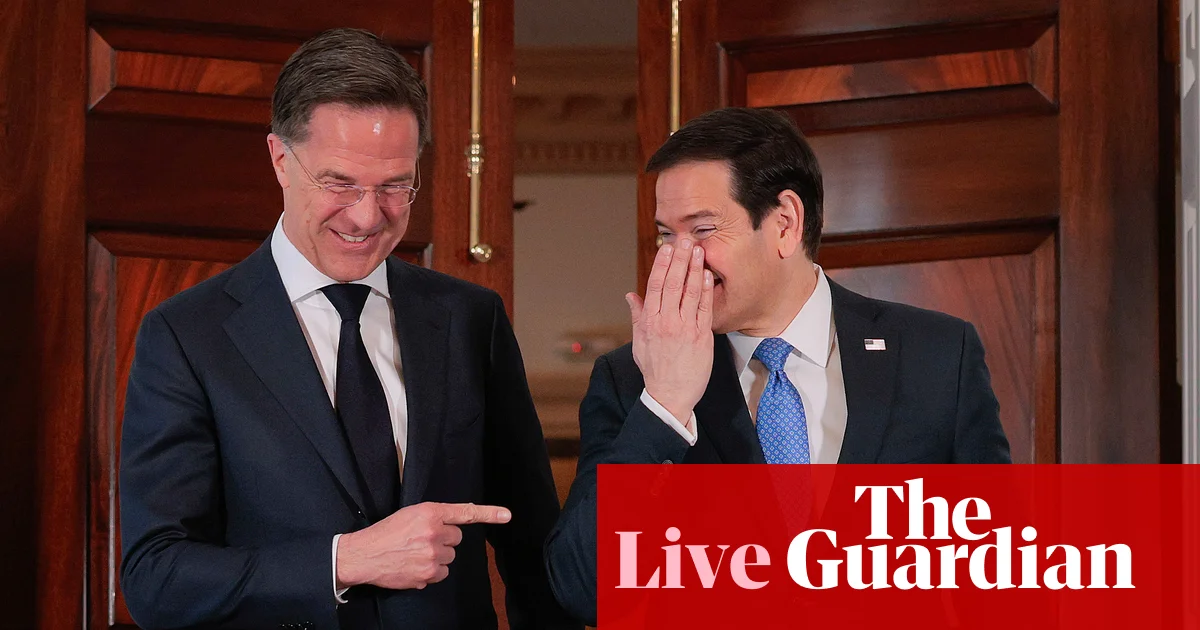
Trump criticizes NATO's Iran response after tense EU meeting
Trump criticizes NATO’s Iran response after tense EU meeting

In a stark display of geopolitical tensions, the United States under President Donald Trump has reignited controversy surrounding the alliance of NATO. Recent reports highlight a sharp departure from diplomatic decorum, with the US leader publicly lambasting the organization, claiming, “NATO wasn’t there when we needed them, and they won’t be there if we need them again.” Such rhetoric points toward a deepening rift within Western alliances, as Trump’s bluster underscores a deliberate shift away from traditional multilateral commitments towards unilateral assertions of American dominance.

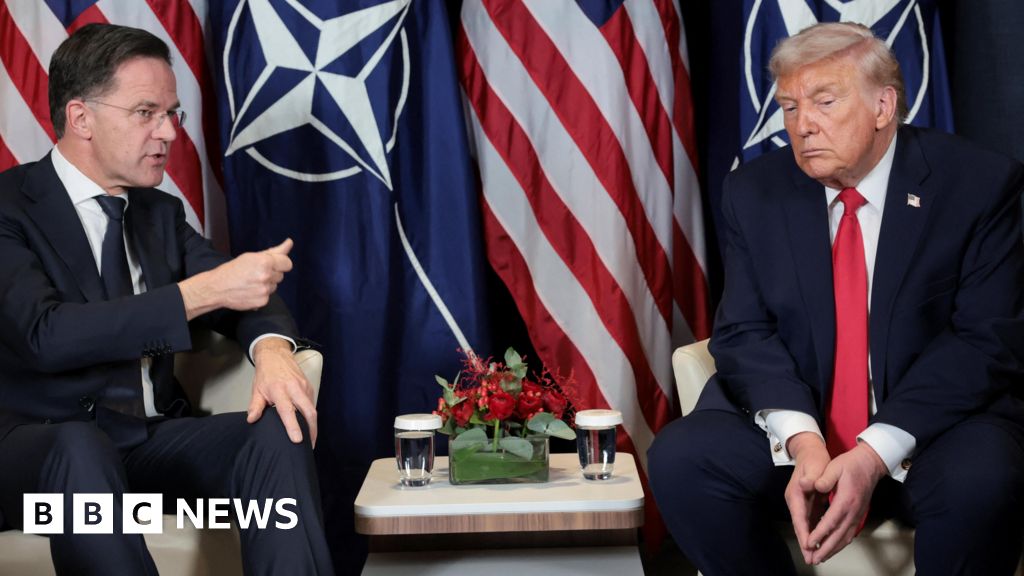
Historically, NATO’s principle of collective defense, enshrined in Article 5, has been a cornerstone of transatlantic security. Yet, as analyses from international scholars and institutions like the Council on Foreign Relations reveal, this article has been invoked only once—post-9/11—to justify collective action. Critics argue that Trump’s claims of abandonment are *factually inaccurate*, emphasizing that NATO allies were crucial in support of US-led operations during the Iran conflict and other crises, despite his assertions. The recent meeting between Mark Rutte, NATO’s Secretary General, and President Trump, was reportedly marked by palpable tension; Rutte described the situation as “very frank” and “very open,” with hints that Trump threatened to withdraw the US from NATO—an act that would have profound geopolitical consequences.

Indeed, the geopolitical impact of such internal discord in the alliance extends beyond Europe and North America. Nations like Viktor Orbán’s Hungary have become focal points amid this turbulence, with US Vice-President JD Vance recently endorsing Orbán’s government—an endorsement viewed by many analysts as a subtle form of influence designed to sway Hungarian politics. As Hungary approaches a pivotal parliamentary vote, the very legitimacy of Western influence in Central Europe hangs in the balance, with concerns mounting over what this signals about the future of sovereignty and national independence within the broader European project.

Meanwhile, the debate over security commitments and NATO’s role in global conflicts grows fiercer. Reports from the Wall Street Journal suggest the White House is considering punishing members of NATO for perceived insufficient support during Iran-related tensions, further exposing cracks in the alliance’s cohesion. Such moves threaten to embolden sovereignty-asserting governments and diminish America’s influence, risking a new era of international fragmentation. As historians and strategic analysts warn, these internal disputes threaten a turning point—the potential unraveling of a once-unified Western security framework, which could leave societies vulnerable in an increasingly hostile world.

As the dust settles, the narrative remains uncertain. Will Europe’s leadership find common ground to preserve the alliance or will internal divisions accelerate a geopolitical realignment with profound and unpredictable ramifications? The decisions made in the coming weeks may well alter the course of history—an unfolding drama where unity faces its greatest test, and the world watches with bated breath, for in the crucible of this moment, the age of American-led dominance is either reinforced or irrevocably shattered.

Australia’s most decorated soldier faces historic war crimes charges

The recent legal proceedings involving Ben Roberts-Smith have sent shockwaves through the international community, marking a historic moment not only for Australia but for global jurisprudence as well. Scholars and analysts worldwide are calling this case “extraordinary,” emphasizing its potential to redefine standards of accountability, military conduct, and truth-telling across national borders. As the case unfolds, the geopolitical environment finds itself at a critical juncture—a test of how states confront allegations of misconduct within the ranks of their armed forces and the extent to which justice can transcend national boundaries.

At the heart of this unfolding drama is a legal battle that has challenged foundational assumptions about military ethos in Australia. The case centers on allegations made by Roberts-Smith that threaten to dismantle established narratives about the conduct of Australian special forces during operations in Afghanistan. The proceedings have attracted international attention, with global institutions like the United Nations and various human rights watchdogs closely monitoring developments. Their influence could have lasting geopolitical impact, particularly as nations reevaluate their own policies on military accountability and transparency.

Furthermore, the case underscores a shifting landscape where nation-states are increasingly held accountable for their military actions, a trend fueled by technological advancements and the rise of social media—a phenomenon that has complicated traditional notions of sovereignty and confidentiality. Decisions made in this courtroom could catalyze legal reforms worldwide, forcing governments to reconsider how they handle allegations of misconduct and war crimes. Historians and international analysts warn that such high-profile trials could set precedents, influencing the conduct of armed forces and the oversight mechanisms aimed at curbing abuses.

In the larger context of global politics, the impeccable reputation of Australia, historically seen as a steadfast ally of Western interests, now faces an existential challenge. The case acts as a stark reminder that international trust depends not simply on strategic alliances but on internal integrity and justice. As leaders grapple with fallout from this legal showdown, the wider world watches—not only to see if justice prevails but to understand how this narrative will shape the future of military conduct and international rule of law. The story remains as tense as ever, with a profound question lingering: Will this pivotal moment serve as a catalyst for meaningful reform or simply fade into history’s shadows, replaced by newer conflicts and crises?

“You, Me & Tuscany”: Halle Bailey and Regé-Jean Page Bring Bright, Feel-Good Vibes to This Must-Watch Rom-Com for Young Trendsetters

As cherry blossom season blooms across the globe, a fascinating cultural shift is quietly taking root. While winter’s Heated Rivalry made us cozy and combattive from the comfort of our homes, this spring sees a new wave of inspiration: embracing classic romance amidst picturesque landscapes, especially in the evocative setting of Tuscany. The latest romantic comedy, You, Me & Tuscany, directed by Kat Coiro, taps into an age-old desire—fostering genuine human connections that transcend borders and societal expectations, all set against a sun-drenched Italian backdrop. This trend isn’t just about escapism; it’s a reflection of society’s longing for authenticity, emotional depth, and the celebration of cultural beauty.

Romance Reimagined: From Screen to Society

The cinematic influence of You, Me & Tuscany extends beyond mere entertainment. It symbolizes a cultural pivot towards valuing experiences that prioritize emotional vulnerability, scenic beauty, and local authenticity. The film’s narrative bears striking resemblance to the beloved 1995 rom-com While You Were Sleeping. Both movies revolve around a lonely young woman—Anna Bailey’s character—who dreams of a bigger life and finds herself entangled in a romantic quagmire involving rugged, yet charming Italian brothers. This juxtaposition of romantic idealism and cultural realism resonates deeply in today’s social climate, where virtual interactions are often replaced or supplemented by real-world connections and adventures. Influencers like Halle Bailey and Regé-Jean Page personify this shift, embodying the fresh, diverse faces of a rejuvenated romantic ideal that appeals to a younger, global demographic.

The Cultural and Social Impact

This renewed focus on romance and travel sparks a broader societal conversation. It underscores a collective desire to reconnect with authentic traditions—be it through culinary exploration, scenic adventures, or meaningful relationships. Trends such as

  • destination weddings in Italy
  • virtual wine tastings from vineyard tours
  • romantic weekend getaways inspired by cinematic portrayals

emerge as tangible expressions of this cultural revival. Influencers and sociologists alike highlight the significance of embracing local heritage and storytelling as pivotal components in shaping modern lifestyles. Hollywood’s portrayal of Italy as a romantic, culturally rich haven further fuels this movement—inviting audiences to envision their own stories unfolding beneath Tuscan sunsets.

The Future: More Than Just a Hollywood Dream?

While films like You, Me & Tuscany captivate with their charming cast and picturesque settings, the question remains: Are we witnessing the dawn of a true societal shift? Will the desire to find authentic love and adventure push more to adopt the romantic, experiential lifestyle that these stories celebrate? Or is this simply a fleeting trend—another way for culture to indulge in visual escapism? With social theorists raising questions about the long-term influence of such romantic narratives, one thing is clear: the next big question is whether this cinematic inspiration will translate into a broader movement that redefines how society values real-world connections over virtual ones, and adventure over routine. As younger generations seek purpose in meaningful relationships and cultural immersion, the future of this trend could very well be the next chapter in our collective story of love, life, and discovery.

This Thursday’s Buzz: Space Missions, Big Plans, and Who’s Having a Meltdown? | Life & Style

In a world obsessed with personal impact—health, leisure, and the pursuit of inspiration—our lifestyle choices shape not only our own lives but also the cultural and economic landscapes we inhabit. As the digital age expands, cultural shifts toward wellness and independent thinking are becoming crucial for young individuals eager to define their path. Whether it’s through engaging in trivia, exploring new music, or contemplating broader societal issues, embracing a lifestyle of curiosity and resilience serves as a compass toward a more empowered existence.

Recent headlines demonstrate that staying informed prepares youth to navigate complex social and political terrains. For example, the appointment of Ian Cheshire as the new head of Ofcom exemplifies how leadership positions remain influential in shaping public discourse in media and communications. Similarly, government measures such as capping interest rates on student loans at 6% signal an acknowledgment of the ongoing challenge many young people face regarding financial literacy and economic independence. These developments emphasize the importance of understanding the interconnectedness of policy, economics, and personal growth—tools that empower individuals to make informed decisions about their futures.

Beyond politics and economics, there’s a vibrant cultural scene that encourages young adventurers to explore arts, music, and global perspectives. The upcoming Meltdown festival, curated this year by Harry Styles, exemplifies how influential figures in entertainment help foment a sense of community and inspiration. Engaging with the arts fosters a sense of identity rooted in creativity and a refusal to conform to passivity. Whether contemplating the symbolism behind a national flag, or pondering the historical significance of Spain’s Expulsion of the Moriscos, youth are encouraged to look beyond surface appearances and develop critical viewpoints that shape a better understanding of the world.

In a time where literal and metaphorical borders are constantly challenged, embracing a journey of life that blends curiosity with resilience remains vital. The digital age, with its mountains of trivia and cultural references, is less a distraction and more an invitation to deepen understanding—be it about the depths of classical art, or the complexities of international relations. Every question posed, every headline decoded, is an opportunity to refine one’s worldview, to stand grounded in fact, and to move forward with purpose. As the narrative of our lives unfolds, they remind us that the voyage toward self-awareness and impactful living is an ongoing adventure—precisely what makes life fascinating and worth mastering.

Is BTS sacrificing its K-pop roots in pursuit of global supremacy?

Few phenomena exemplify the profound power of popular culture to shape national identity and global perceptions quite like the rise of BTS. This South Korean boy band transcended mere entertainment to become a cultural force, opening the world’s eyes to K-pop and, more broadly, to the dynamism of Korean culture. In doing so, BTS not only immersed millions in infectious melodies and compelling visuals but also catalyzed a deeper appreciation — a shared understanding — of tradition, innovation, and the enduring importance of identity.

Yet, as BTS’s influence extends beyond the boundaries of entertainment, it now embodies a complex cultural crossroads. On the one hand, it symbolizes the triumph of a modern, technological society—shaped by digital connectivity—that can elevate local forms of artistry to worldwide prominence. On the other, it highlights the tension faced by many nations in protecting and preserving their cultural sovereignty. Like the aristocratic reflexions of Ortega y Gasset or the democratic caution of Tocqueville, South Korea finds itself negotiating a delicate balance between embracing international appeal and safeguarding the traditions that form its core.

Historically, cultural movements such as the Harlem Renaissance or the Italian Renaissance demonstrated that when a society recognizes and invests in its artistic roots, it ignites a renaissance not only of art but of national character. Today, in the burgeoning sphere of digital culture, the challenge has become ensuring that such movements do not become mere commodities but remain repositories of authentic tradition—a vital wellspring of societal cohesion. Critics like G.K. Chesterton reverberate through this discourse, warning that true culture anchors society beyond fleeting trends, fostering a communal memory that guides future generations.

In this turmoil of flux and tradition, BTS’s story reveals a fundamental truth: culture is both memory and prophecy, a bridge linking the stories of ancestors to the visions of descendants. While the global stage has elevated South Korea’s cultural expression, it also poses the question of whether these new icons can serve as custodians of a holistic cultural identity—one that honors the past as much as it inspires the future. As T.S. Eliot observed, “The past should be altered by the present as much as the present is directed by the past,” suggesting that true cultural evolution demands both preservation and reinvention. BTS, in their rise and current challenge, embody this dynamic process—an artistically charged dialogue between history and prophecy, tradition and innovation.

Ultimately, the story of BTS and the Korean Wave is a testament to the enduring significance of culture as both collective memory and creative foresight. It reminds us that in a world saturated with transient images and commodified identities, the true strength of a society lies in its capacity to remember—recapturing the voices of its ancestors—while daring to imagine the future. Like a poetic refrain echoing through the corridors of history, culture remains an ongoing hymn, a timeless prophecy whispering that humanity’s greatest legacy is not merely in what it creates, but in what it preserves, transmits, and redefines.

Middle East Tensions Rise: Red Cross Blasts Israeli Strikes as Lebanon Death Toll Soars; Iran at Crossroads

The Middle East stands at a perilous crossroads as recent developments in the ongoing conflict ripple across regional and global geopolitics. A fragile two-week ceasefire between the United States and Iran teeters on the edge of collapse amid escalations involving Israel and Lebanon. The escalation, notably Israel’s unprecedented bombardment of Lebanon which has reportedly killed at least 254 civilians, underscores the volatile and unpredictable nature of this conflict. Such actions have provoked international criticism, with UN Secretary-General Antonio Guterres warning of “a grave risk” to the region’s fragile peace, urging all parties to **immediately cease hostilities**.

<p>The stakes are further heightened as Iran threatens to **lock down the strategic <u>Strait of Hormuz</u>**, a crucial maritime chokepoint accounting for a significant portion of the world's oil trade. Tehran’s decision to announce alternative routes for ships amid fears of sea mines signals its willingness to weaponize control of vital waterways, a move that could plunge global energy markets into chaos. In tandem, Iran’s Revolutionary Guards have issued stern warnings, promising retaliation if Israel persists with its attacks on Lebanon. The escalating rhetoric indicates that regional tensions may snowball into a broader confrontation, threatening the stability of international trade and energy supplies.</p>

<p>Meanwhile, <strong>world leaders</strong> and international organizations are divided in their assessments of the conflict’s trajectory. <strong>French President Emmanuel Macron</strong> has called for the inclusion of Lebanon in negotiations, advocating for a broader ceasefire that encompasses all conflict zones. Yet, the <strong>Trump administration</strong> has clarified that Lebanon is **not** part of their negotiated ceasefire, with US officials stating there might have been misunderstandings on Iran’s part concerning the scope of agreements. This divergence underscores the fractured messaging and underlying geopolitical rivalries shaping the crisis. Notably, <strong>Israel’s Prime Minister Benjamin Netanyahu</strong> remains steadfast in his resolve to confront Iran, emphasizing that Israel’s military operations aim at **disarming Hezbollah** – a move viewed with suspicion by analysts as a flashpoint that could ignite further regional violence.</p>

<p>As diplomatic talks in <strong>Pakistan</strong> loom, the international community’s response reflects a broader contest for influence. <strong>Australian Prime Minister Anthony Albanese</strong> has urged Israel to cease its attacks, emphasizing the importance of **preserving regional peace**, while <strong>Sir Keir Starmer</strong> is actively engaging Middle Eastern allies to give “confidence” to maritime shipping passing through the **Strait of Hormuz**. The interconnectedness of these events reveals how decisions made in backrooms impact societies across continents, with the potential to either usher in a period of diplomacy or plunge the region into outright war.</p>

<p>This ongoing crisis exposes a fundamental truth: global stability is inherently intertwined with the actions of major powers and regional actors alike. Historians and analysts warn that the consequences of current policies could echo for generations, either forging pathways toward peace or cementing cycles of violence. As oil prices surge and stock markets wobble, the world watches with bated breath, recognizing that **the direction in which this conflict unfolds will fundamentally shape the geopolitical landscape for decades to come**. The shadow of history stretches long over these moments—mandating vigilance, conviction, and the unwavering pursuit of a sustainable resolution amidst the chaos.</p>
WireGuard Dev Blocked by Microsoft, Puts Updates on Hold—Youth Tech World Reacts

Microsoft’s Account Lockout Crisis Disrupts Critical Open Source Projects, Signals Industry Wake-Up Call

In a troubling development for the open-source and cybersecurity communities, WireGuard, a leading VPN protocol powering security solutions like Mullvad and adopted globally for its lightweight yet robust security features, has been effectively sidelined. The creator, Jason Donenfeld, reports being locked out of his Microsoft developer account, rendering him unable to ship vital updates for WireGuard for Windows. This incident underscores a broader and disturbing trend of unannounced account suspensions impacting crucial software projects and raising questions about the resilience of the infrastructure that supports digital innovation and security.

The impact of this lockout extends beyond WireGuard. Industry observers point out parallels with other high-profile cases, such as VeraCrypt, a widely used encryption tool with hundreds of thousands of users. Both projects faced sudden account termination without prior warning, halting updates and potentially exposing users to vulnerabilities. Mounir Idrassi, the VeraCrypt developer, highlighted the significant risk posed by such disruptions, noting that the inability to push critical updates due to account suspension threatens the very security guarantees that open source promises its user base. This phenomenon demonstrates a worrisome shift in industry power dynamics, where even open source projects—traditionally considered resilient—are vulnerable to unilateral platform decisions.

Innovation and Disruption in the Tech Infrastructure

This incident marks a pivotal moment for the broader software and security ecosystem. Microsoft‘s new mandatory account verification process, supposedly designed to enhance security, inadvertently introduces significant operational risks for developers. As Donenfeld explained, he was subjected to an “access restricted” error despite having verified his identity through third-party verification providers. The process, part of Microsoft’s Windows Hardware Program, required developers to upload government-issued IDs, a move that aligns with efforts to combat counterfeiting and malicious hacks, but also concentrates immense power in Microsoft’s hands—power that can disrupt entire projects if misused or misjudged.

  • Developers unable to ship updates, leaving software exposed to potential vulnerabilities.
  • Open-source projects face higher risks of operational failure due to platform dependency.
  • Potential threats to security and user trust if critical updates are delayed or blocked.

Industry analysts like Gartner increasingly warn about the consequences of over-centralization in platform control, emphasizing that *innovation thrives in environments that balance security with developer autonomy*. The lockout incidents at Microsoft exemplify the tipping point where cloud and platform monopolies threaten to undermine that balance, pushing open source and innovative startups into precarious positions.

Implications for the Future of Tech and Industry Response

While Microsoft’s support team has indicated that the verification program has concluded and that efforts are underway to resolve these issues, the incident underscores an urgent need for industry-level reforms. The ongoing sidelining of key projects signals a fundamental question: How resilient is the modern software ecosystem to platform policies and algorithmic gatekeeping? Tech entrepreneurs, led by visionary figures like Elon Musk and Peter Thiel, stress the importance of decentralization, open standards, and resilient infrastructure as vital countermeasures to preserve innovation in a rapidly converging digital future.

Forward-looking industry leaders acknowledge that this crisis is a wake-up call. If the industry does not develop mechanisms to prevent such disruptions—such as decentralized identity verification, regulatory safeguards, or alternative distribution channels—the risk of stagnation and security compromise will only grow. The clock is ticking for developers, enterprises, and policy makers to rethink reliance on monolithic platform ecosystems. An era of disruption driven by platform dependency is upon us, and the need for resilient, open, and flexible technological infrastructure has never been more urgent.

The coming months will be critical as stakeholders work to restore the affected projects and explore resilient avenues of software deployment. As the industry stands at this crossroads, reflective of an entrenched oligopoly, the battle for control and security in the digital age is only intensifying. The choices made now will define the landscape of innovation for years to come—marking a period where agility, autonomy, and resilience become the strategic pillars of technological progress.

Trump slams NATO as alliance chief calls meeting 'very frank'
Trump slams NATO as alliance chief calls meeting ‘very frank’

In a striking statement that has sent shockwaves through the international community, US President recently accused NATO of failing to provide adequate support during the recent Iran conflict. Drawing attention to what he described as a critical lapse, the President asserted that “NATO wasn’t there when we needed them.” This declaration signals not only a potential fracture within the transatlantic alliance but also raises serious questions about the future efficacy and unity of the military bloc amidst rising global tensions.

The remark occurs against a backdrop of increasing instability in the Middle East, where Iran’s regional influence and nuclear ambitions continue to threaten the balance of power. Historically, NATO has positioned itself as a collective defense organization primarily focused on the Euro-Atlantic region. However, the recent criticism indicates growing frustrations from the United States—a founding member—with what is perceived as insufficient European engagement in regional security issues. Analysts from think tanks such as the Council on Foreign Relations warn that this fissure could weaken NATO’s credibility at a time when Russia continues its aggressive pursuits in Eastern Europe, and China expands its strategic influence worldwide.

  • The President’s statement echoes a broader concern about the geopolitical shifting sands and questions whether NATO, as historically constituted, can function effectively in a multi-polar world
  • The incident marks a *potential turning point* in transatlantic relations, with diplomats and military leaders pondering the durability of their alliance
  • European leaders, meanwhile, face increased pressure to clarify their commitments and demonstrate their capacity to act independently or in unison with their American allies

International organizations such as the United Nations have long struggled to coordinate coherent responses to conflicts that threaten global stability. Now, with the discontent within NATO surfacing openly, the structural impacts could lead to a realignment of alliances and power centers. Historians warn that such divisions have historically preceded larger conflicts, and some suggest this moment resembles pre-World War tensions, where regional disputes escalated into global crises. As American authorities critique European foreign policy and defense readiness, the global stage is poised on the brink of a new era—one marked by uncertainty, shifting loyalties, and a reevaluation of what collective security truly entails.

As the weight of history presses down on these fragile alliances, nations and societies now face a defining question: will they unite in the face of rising threats, or will internal fractures deepen, leading to a more fractured, unpredictable world? The choices made in the coming months will undoubtedly shape the tapestry of international relations for generations to come. In this tense landscape where power aligns and realigns, the echoes of past conflicts resonate ominously, reminding all that history is constantly in the making—its next chapter yet to be written, with each decision potentially altering the course of global destiny.

Social Media Auto Publish Powered By : XYZScripts.com