In a stark display of geopolitical tensions, the United States under President Donald Trump has reignited controversy surrounding the alliance of NATO. Recent reports highlight a sharp departure from diplomatic decorum, with the US leader publicly lambasting the organization, claiming, “NATO wasn’t there when we needed them, and they won’t be there if we need them again.” Such rhetoric points toward a deepening rift within Western alliances, as Trump’s bluster underscores a deliberate shift away from traditional multilateral commitments towards unilateral assertions of American dominance.
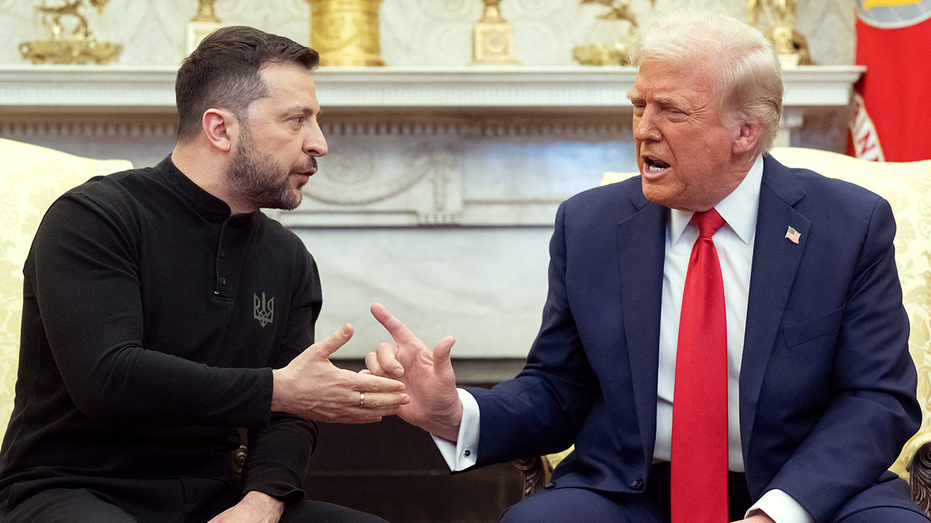
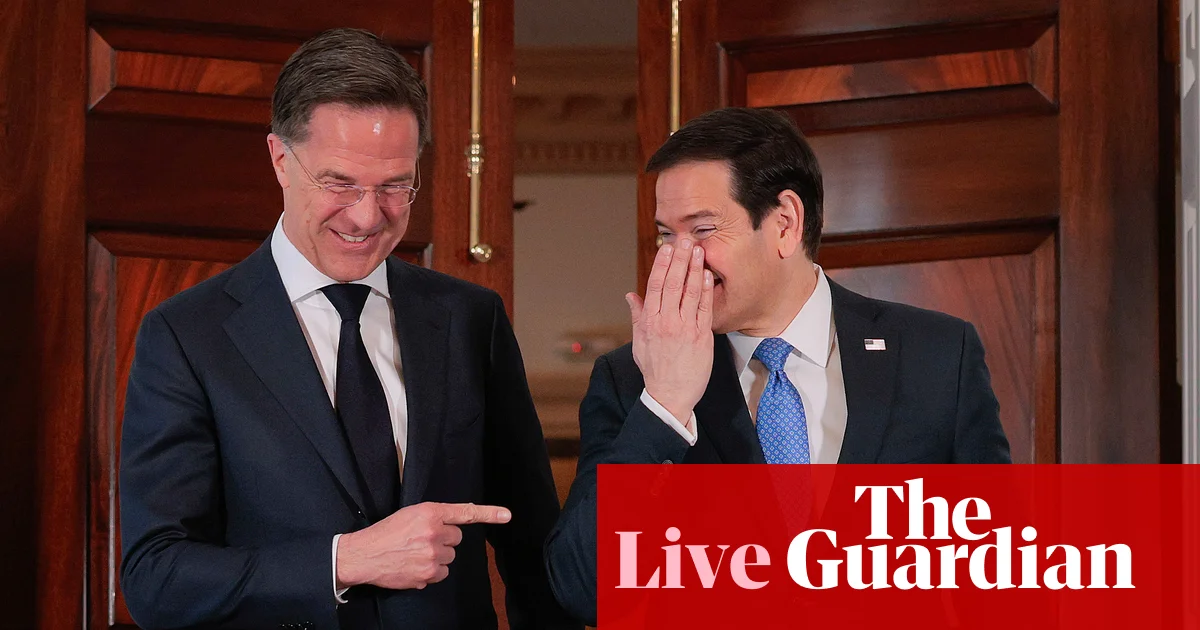
Historically, NATO’s principle of collective defense, enshrined in Article 5, has been a cornerstone of transatlantic security. Yet, as analyses from international scholars and institutions like the Council on Foreign Relations reveal, this article has been invoked only once—post-9/11—to justify collective action. Critics argue that Trump’s claims of abandonment are *factually inaccurate*, emphasizing that NATO allies were crucial in support of US-led operations during the Iran conflict and other crises, despite his assertions. The recent meeting between Mark Rutte, NATO’s Secretary General, and President Trump, was reportedly marked by palpable tension; Rutte described the situation as “very frank” and “very open,” with hints that Trump threatened to withdraw the US from NATO—an act that would have profound geopolitical consequences.
Indeed, the geopolitical impact of such internal discord in the alliance extends beyond Europe and North America. Nations like Viktor Orbán’s Hungary have become focal points amid this turbulence, with US Vice-President JD Vance recently endorsing Orbán’s government—an endorsement viewed by many analysts as a subtle form of influence designed to sway Hungarian politics. As Hungary approaches a pivotal parliamentary vote, the very legitimacy of Western influence in Central Europe hangs in the balance, with concerns mounting over what this signals about the future of sovereignty and national independence within the broader European project.
Meanwhile, the debate over security commitments and NATO’s role in global conflicts grows fiercer. Reports from the Wall Street Journal suggest the White House is considering punishing members of NATO for perceived insufficient support during Iran-related tensions, further exposing cracks in the alliance’s cohesion. Such moves threaten to embolden sovereignty-asserting governments and diminish America’s influence, risking a new era of international fragmentation. As historians and strategic analysts warn, these internal disputes threaten a turning point—the potential unraveling of a once-unified Western security framework, which could leave societies vulnerable in an increasingly hostile world.
As the dust settles, the narrative remains uncertain. Will Europe’s leadership find common ground to preserve the alliance or will internal divisions accelerate a geopolitical realignment with profound and unpredictable ramifications? The decisions made in the coming weeks may well alter the course of history—an unfolding drama where unity faces its greatest test, and the world watches with bated breath, for in the crucible of this moment, the age of American-led dominance is either reinforced or irrevocably shattered.