Matox News

Truth Over Trends, always!

Lviv's Resilience: A Ukrainian City Defies War and Russian Aggression
Lviv’s Resilience: A Ukrainian City Defies War and Russian Aggression

Four years into Russia’s ongoing war against Ukraine, the western city of Lviv has become a poignant symbol of national endurance. Far from the eastern front lines, this city of roughly one million people grapples with the impossible task of living normally amidst the constant threat of death and destruction. Lviv’s resilience is evident in its daily routines, which are frequently interrupted by the solemn passage of military funeral convoys and the piercing wail of air raid sirens.

A City Under Siege, Yet Unbroken

Life in Lviv moves in a delicate balance between moments of beauty and profound grief. The city center, beneath the towering clock of city hall, often falls silent at 11:30 a.m. as residents pause to honor fallen soldiers. These funeral processions, sometimes occurring multiple times a day, serve as stark reminders that the war, though geographically distant, is ever-present. Russian drones and missiles continue to strike the region, forcing citizens to seek shelter and disrupting everyday activities from coffee dates to children’s soccer games.

The collective spirit, however, remains resolute. Despite these interruptions, Lviv residents continue to pursue their livelihoods, attend cultural events, and foster a sense of community. This determination to maintain the fabric of society, even under duress, underscores a powerful message to aggressors.

Mayor Sadovyi’s Steadfast Leadership

Leading Lviv for nearly two decades, Mayor Andriy Sadovyi stands as a central figure in the city’s unwavering resolve. In an interview with Fox News Digital, Mayor Sadovyi revealed the profound cost of the conflict, stating, “We lost approximately 2,000 citizens of Lviv.” He emphasized that this is “a very huge price which we pay to our independence, to our democracy.”

Under his leadership, Lviv has not only endured but has also actively sought to support those affected by the war. The city has established critical rehabilitation centers, providing essential care for injured soldiers and civilians. This proactive approach reflects a commitment to both immediate needs and long-term recovery, reinforcing the city’s institutional strength and dedication to its people.

“We lost approximately 2,000 citizens of Lviv. It is a very huge price which we pay to our independence, to our democracy.” – Mayor Andriy Sadovyi

The Spirit of Defiance

Lviv’s efforts to master the art of living normally during wartime are not merely about survival; they are a profound act of defiance. The city has become a hub for displaced Ukrainians, offering refuge and a semblance of stability away from the front lines. This commitment to communal support and continuity of life exemplifies the broader Ukrainian spirit.

The city’s resilience is manifested in various ways:

  • Daily Commemorations: Regular public tributes to fallen soldiers reinforce shared sacrifice.
  • Civilian Preparedness: Citizens are accustomed to air raid drills and emergency protocols, integrating them into daily life.
  • Community Support: Extensive networks assist displaced persons and those affected by conflict.
  • Cultural Preservation: Efforts continue to protect and promote Ukrainian heritage, reinforcing national identity.

This steadfastness ensures that while the war casts a long shadow, it does not extinguish the vibrant life and hope within Lviv.

Lviv’s journey through war underscores a vital lesson: even in the face of immense adversity, a community united by shared values and strong leadership can refuse to be broken. The city’s determination to carry on, to build, and to heal, serves as a powerful testament to the enduring human spirit and Ukraine’s unwavering commitment to its sovereignty and democratic future.
Senator Bill Cassidy Challenges Trump's Leadership Style After Primary Loss
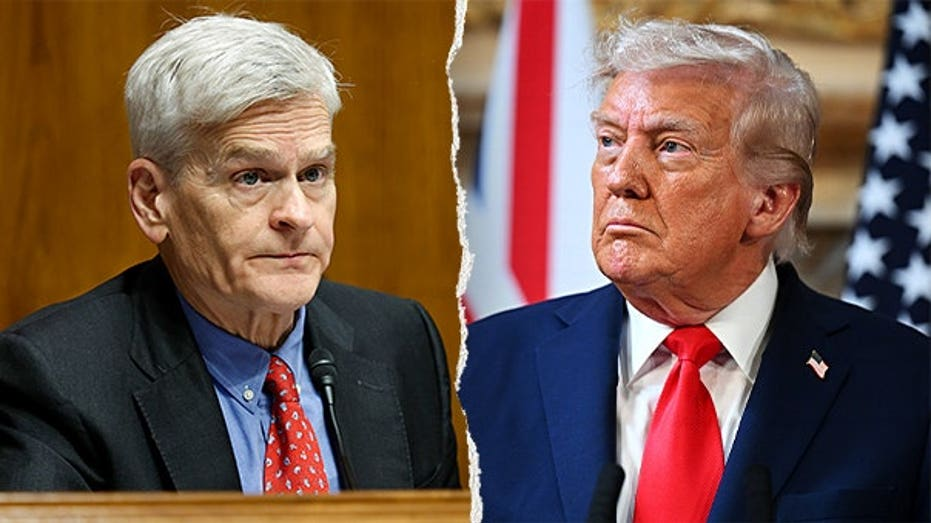
Senator Bill Cassidy Challenges Trump’s Leadership Style After Primary Loss

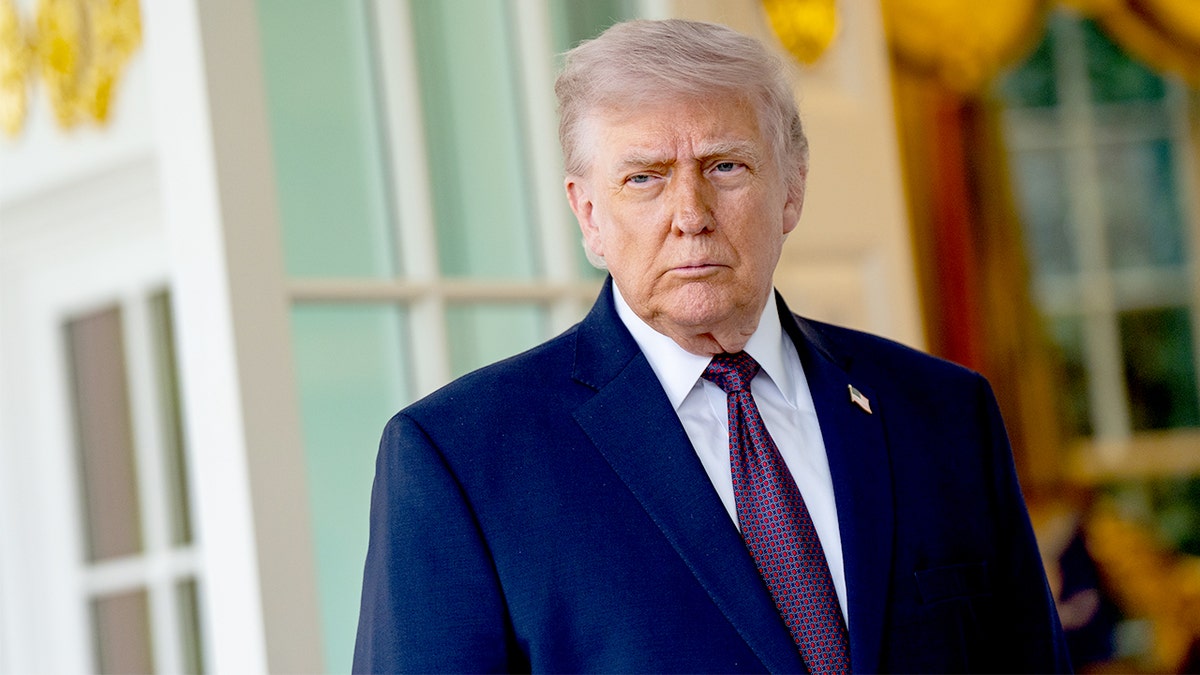
In a significant political development, Senator Bill Cassidy, a Republican from Louisiana, has openly criticized the leadership style of former President Donald Trump. This comes as Senator Cassidy faces the conclusion of his tenure in the upper chamber, having been defeated in his primary race following a Trump endorsement for his opponent. The senator’s recent remarks and policy stances suggest a growing divergence within conservative circles on the future direction of the party and national leadership.

A Call for Principled Leadership

Senator Cassidy articulated his vision for American leadership in a detailed post on social media platform X. While refraining from explicitly naming former President Trump, his commentary offered a pointed critique of contemporary political conduct. Cassidy emphasized that public office should be viewed as a responsibility, not a performance, and that the American people expect seriousness from their elected officials. His call for leaders who are steady, not erratic, and thoughtful, not impulsive, resonates with a desire for stability and predictability in governance.

The senator further stressed the importance of leaders whose words serve to lower the temperature of political discourse rather than inflame division. He underscored that actions should consistently place the long-term interests of the country above any short-term political or personal gain. This perspective aligns with traditional conservative principles of institutional integrity, order, and a measured approach to public service.

Policy Breaks and Institutional Concerns

Cassidy’s recent statements are not merely rhetorical. He has demonstrated a clear break from certain policy positions associated with the former president. Notably, Senator Cassidy publicly disagreed with Trump on the issue of Iran war powers, a critical aspect of foreign policy and congressional oversight. Furthermore, he opposed the surprise nearly $2 billion “anti-weaponization” fund announced by the Department of Justice, raising concerns about fiscal responsibility and the proper allocation of government resources.

These specific policy disagreements, reported by outlets such as Fox News Digital, highlight a broader concern for institutional checks and balances. Senator Cassidy’s stance suggests a commitment to ensuring that government decisions are made through established processes and reflect careful consideration rather than impulsive directives. This is particularly relevant in ongoing debates about the role and funding of federal agencies.

“At its best, America has renewed itself through leaders who understood that public office is a responsibility, not a performance… Leaders who are steady, not erratic. Thoughtful, not impulsive.”

Implications for the GOP Landscape

Senator Cassidy’s actions, even as his time in office draws to a close, carry significant implications for the Republican Party. His willingness to openly challenge the leadership style and policy preferences of a dominant figure like former President Trump indicates a potential fracturing of influence within the GOP. It suggests that a segment of the party remains committed to a more traditional, institution-focused conservative approach, even in the face of strong populist currents.

The primary race that led to Cassidy’s defeat is now headed to a runoff between Representative Julia Letlow, who received Trump’s endorsement, and Louisiana state Treasurer John Fleming. This ongoing electoral contest further underscores the complex dynamics at play within the party, where endorsements from high-profile figures can significantly impact local and state-level outcomes. Cassidy’s principled stand could embolden other moderate or traditional conservatives to voice similar concerns, fostering a more diverse internal dialogue within the Republican Party.

As Senator Cassidy concludes his service, his recent defiance offers a clear signal about the ongoing debate within conservative ranks. It emphasizes the importance of leadership that prioritizes national unity and long-term stability over short-term political expediency. The coming months will reveal whether this principled stance gains wider traction or remains an isolated act of a departing senator.

Global Humanitarian System Deemed 'Unfit for Purpose' Amid Escalating Crises
Global Humanitarian System Deemed ‘Unfit for Purpose’ Amid Escalating Crises

The world’s humanitarian system is facing unprecedented strain, deemed ‘no longer fit for purpose’ by leading U.S.-based researchers. A recent report published in the prestigious Lancet medical journal paints a stark picture of a global aid architecture struggling to cope with escalating crises, from the brutal civil war in Sudan to ongoing conflicts in Gaza.

Dr. Paul Spiegel, a co-author of the report and a professor at Johns Hopkins University, articulated the grim reality: “The humanitarian system is no longer fit for purpose, given the types of emergencies that we have and their magnitude.” With decades of experience in refugee camps and war zones, Dr. Spiegel underscores a period of profound global instability, stating, “We’re in a very dark time.”

Mounting Crises Overwhelm Current Structures

From the devastating civil war in Sudan, which has forcibly displaced 12 million people and pushed millions more to the brink of famine, to the complex emergencies unfolding in Gaza, the scale of human suffering is immense. Hospitals are under attack, essential services are collapsing, and the sheer volume of need is overwhelming the existing mechanisms designed to provide relief. Experts behind the report, titled ‘Health in a World of Crises and Impunity,’ contend that while the knowledge to save lives exists, the current system consistently fails to deliver effectively.

The report highlights that bureaucratic inertia and operational slowness plague various aid agencies, contributing to the system’s inability to respond with the necessary agility and speed. This has led to critical delays and inefficiencies, costing lives and exacerbating suffering in regions already devastated by conflict and disaster.

“The humanitarian system is no longer fit for purpose, given the types of emergencies that we have and their magnitude.” — Dr. Paul Spiegel, Report Co-Author

Urgent Calls for Systemic Reform and Accountability

The researchers are unequivocal in their call for a comprehensive revamping of the entire international aid system. Key institutions, including the United Nations, are specifically identified as being in need of substantial reform to enhance their responsiveness and efficacy. The report suggests that without fundamental changes, the cycle of inadequacy will continue.

Domestically, the report also references past restructuring efforts, such as the Trump Administration’s decision to consolidate aspects of the United States Agency for International Development (USAID) into the State Department amid concerns of fraud and abuse. While the report labels USAID’s closure as a “shock,” Matox News observes that such scrutiny of aid organizations underscores a broader demand for fiscal responsibility and accountability within international assistance programs. The report ultimately condemns a series of decisions, both in the U.S. and globally, as a “political and moral failure,” emphasizing the critical need for robust oversight and strategic planning in humanitarian efforts.

Forging a More Effective Path Forward

The findings published in the Lancet serve as a critical alarm, urging global leaders and aid organizations to confront the systemic weaknesses that undermine their ability to protect vulnerable populations. Moving forward, the focus must shift towards fostering greater efficiency, transparency, and adaptability within humanitarian operations. This includes streamlining bureaucratic processes, investing in rapid deployment capabilities, and ensuring that aid reaches those in dire need without undue delay or diversion.

Ultimately, the report’s implications are clear: a failure to undertake meaningful reforms risks perpetuating cycles of inefficiency and suffering. Rebuilding trust and effectiveness in the global humanitarian response requires a collective commitment to principled action and a willingness to adapt to the evolving complexities of a world in crisis.

Britain's Economic Recovery: Are 'Green Shoots' Reaching Households?
Britain’s Economic Recovery: Are ‘Green Shoots’ Reaching Households?

Recent official pronouncements have painted a picture of a steadily improving UK economy, with positive growth figures and a deceleration in inflation. These statistics offer a degree of optimism for policymakers. However, a closer examination reveals persistent challenges that suggest the proclaimed economic recovery may not yet be genuinely felt in the pockets of ordinary families and the balance sheets of businesses across Britain.

The sentiment that economic improvements are failing to reach the populace is not new. Historically, governments have faced scrutiny for celebrating statistical upturns prematurely, often before the public experiences any real benefit. This disconnect can undermine confidence in institutions and economic management.

The Echo of ‘Green Shoots’ Past

The phrase ‘green shoots of recovery’ has become synonymous with political optimism that often outpaces reality. In October 1991, then-Chancellor Norman Lamont famously used the term amidst a deep recession, drawing considerable ridicule as the public continued to grapple with hardship. Similar claims were made by George Osborne in 2013 following austerity measures, and by Rishi Sunak just months before the 2024 general election, suggesting a turnaround that voters ultimately did not perceive.

Today, as the current government highlights growth and easing inflation, the critical question remains: are these improvements translating into a meaningful difference for households? A recent editorial in The Guardian, for instance, underscored the importance of recovery being ‘felt in people’s pockets’ rather than merely existing in economic reports. The risk, as history shows, is that a ruling class can appear to congratulate itself prematurely, fostering public cynicism.

Persistent Challenges for Families and Businesses

Beneath the surface of headline growth figures, several indicators suggest a more complex and challenging economic environment. These factors directly impact the financial well-being of families and the operational stability of businesses:

  • Weak Job Data: While employment figures may appear stable, underlying trends in job creation, wage growth, and job security remain a concern. Many households continue to face uncertainty in the labor market.
  • Flat Living Standards: Despite inflation easing, years of stagnant wage growth coupled with persistent cost-of-living pressures mean that for many, real living standards have seen little improvement, if not a decline.
  • Uncertain Productivity: Long-term economic health hinges on productivity gains, yet Britain continues to grapple with this issue. Without significant improvements, sustainable wage growth and increased national prosperity remain elusive.
  • Consumer Pressure: Households are still navigating elevated energy costs, higher interest rates, and general price increases, which continue to squeeze disposable incomes and constrain consumer spending.

“Genuine economic recovery is measured not just in national statistics, but in the tangible improvements felt by every family and every business across the nation.”

Charting a Course for Tangible Prosperity

For Britain’s economic recovery to be truly robust and politically sustainable, it must deliver real-world benefits. This requires a focus on policies that foster genuine, free-market growth, reduce unnecessary regulatory burdens on businesses, and encourage investment in productivity-enhancing technologies and skills. Supporting enterprises, both large and small, is crucial for creating well-paying jobs and ensuring a vibrant economy.

The path forward demands a commitment to fiscal prudence, a stable regulatory environment, and initiatives that directly address the challenges of living standards and labor market dynamics. Only when the ‘green shoots’ of recovery blossom into sustained prosperity for all will the nation truly turn a corner.

Democrat Lawmaker Deems Graham Platner's Nazi-Linked Tattoo 'Disqualifying' for Senate Bid
Democrat Lawmaker Deems Graham Platner’s Nazi-Linked Tattoo ‘Disqualifying’ for Senate Bid

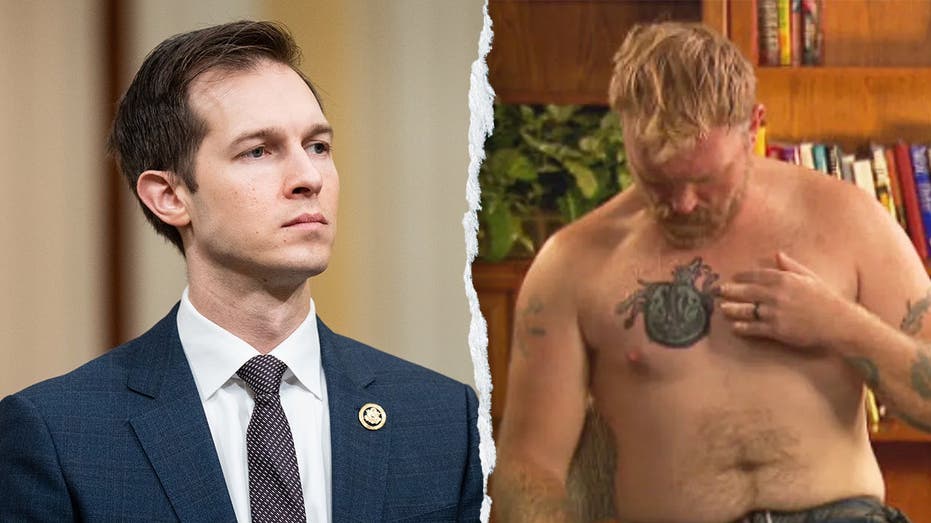
Massachusetts Representative Jake Auchincloss has delivered a significant rebuke to fellow Democrat Graham Platner, asserting that the Maine Senate candidate’s controversial Nazi-linked tattoo and associated comments render him “personally disqualifying” for public office. This outspoken criticism marks a notable break from the prevailing silence within the Democratic Party regarding its presumptive nominee for a critical battleground Senate seat, raising questions about candidate vetting and ethical standards.

Auchincloss, a Jewish lawmaker representing a Boston-area district, conveyed his strong disapproval to CNN on Monday. He stated, “I find that tattoo and his commentary about it to be personally disqualifying. I hope Maine voters agree with me.” His forthright comments underscore a growing concern among some Democrats about the electoral viability and ethical standing of candidates with such potentially divisive past associations, especially in a politically sensitive race.

The Enduring Shadow of a Controversial Symbol

Graham Platner, a former Army and Marine Corps veteran, has faced intense scrutiny for months over a chest tattoo he bore for much of his adult life. Acquired in 2007 during his stationing in Croatia, the design closely resembles a Nazi “totenkopf,” a skull-and-crossbones symbol infamously associated with the SS — the Schutzstaffel — a major paramilitary organization under Adolf Hitler and the Nazi Party. The symbol is widely recognized as a representation of Nazi ideology and its atrocities.

While Platner has repeatedly claimed ignorance of the symbol’s profound and disturbing meaning, various reports, including those highlighted by Fox News, suggest otherwise. These investigations indicate that Platner may have had prior awareness of the tattoo’s explicit historical links to Nazism, directly contradicting his public denials.

Earlier this year, Platner had the tattoo covered amidst a wave of fierce public and political backlash. This action followed not only the controversy surrounding the tattoo but also revelations about a decade’s worth of offensive statements made by Platner in old Reddit posts. The cumulative effect of these disclosures has cast a long, problematic shadow over his eligibility and suitability for federal office, challenging the notion of a fresh start for the candidate.

A Principled Stand Against Party Lines

Representative Auchincloss stands out as one of the relatively few Democrats who have publicly challenged Platner. His commitment to this stance is not new; he was notably the first Democratic lawmaker to publicly call for Platner’s withdrawal from the race in October 2025, when the tattoo and past remarks first came to widespread attention. This consistent position highlights a willingness to prioritize principle and institutional integrity over strict party unity on issues of profound moral concern and historical sensitivity.

Auchincloss further elaborated on his concerns, suggesting it would be a strategic error for the Democratic Party to assume that Platner’s “brand” of politics, tainted by such controversy, would secure lasting majorities across the nation. This sentiment reflects a broader internal debate within the party about candidate vetting, the standards of conduct expected from those seeking high office, and the potential electoral repercussions of overlooking past extremist associations.

“I find that tattoo and his commentary about it to be personally disqualifying. I hope Maine voters agree with me.”

— Rep. Jake Auchincloss (D-Mass.)

Navigating the Maine Senate Race Amidst Controversy

The controversy surrounding Platner’s past presents a significant challenge for Democrats aiming to secure Maine’s battleground Senate seat. While the majority of Democratic lawmakers have refrained from publicly criticizing Platner, the outspoken dissent from prominent figures like Auchincloss could empower political opponents, complicate fundraising efforts, and make it difficult to unify the party’s base around a candidate facing such serious allegations.

For Maine voters, the task will be to carefully weigh Platner’s explanations and subsequent actions against the gravity of the symbols and statements he has been associated with. The core principles of public trust, the integrity of governmental institutions, and the character of those who seek to represent the populace remain paramount considerations in any election, particularly when symbols linked to extremism are involved.

As the campaign progresses, the question of a candidate’s suitability, particularly concerning past extremist associations and their potential impact on public service, will undoubtedly continue to shape public discourse. A discerning electorate is essential for upholding the foundational values of the democratic process and ensuring that those who govern truly reflect the nation’s highest ideals.

Federal Court Blocks Alabama Redistricting Plan, Citing Discrimination

A federal appeals court delivered a significant ruling on Tuesday, blocking Alabama’s proposed congressional redistricting map. The three-judge panel found the plan to be marred by “intentional race-based discrimination,” a decision that directly impacts the state’s electoral landscape and represents a temporary setback for Republican efforts to reshape congressional districts.

The ruling mandates that Alabama must continue to operate under a previously established map, which includes two majority-Black districts where Democratic candidates typically hold significant advantages. This judicial intervention underscores the ongoing national debate surrounding electoral fairness and the critical role of the courts in upholding constitutional principles.

Judicial Scrutiny and Discriminatory Intent

The federal judges were unequivocal in their assessment of the proposed map. Their written opinion stated, “Ultimately, we cannot see our way clear to requiring Alabamians to cast their votes in the 2026 elections under a districting plan tainted by intentional race-based discrimination.” This strong language highlights the court’s conviction that the state’s proposed boundaries actively sought to diminish minority voting power.

The blocked 2023 map aimed to eliminate one of Alabama’s Black-majority seats, which is currently held by a Democrat in the southeastern part of the state. Such a change would have potentially shifted an electoral seat towards Republicans, raising serious questions about the fairness and equity of the redistricting process.

The Contested 2023 Map and Prior Rulings

Republicans in Alabama had sought to implement the 2023 congressional map following a recent U.S. Supreme Court ruling. That high court decision had aimed to curb the use of race as a predominant factor in the drawing of electoral districts, particularly in ways that historically helped minority communities increase their representation in Congress. However, the appeals court found Alabama’s application of this guidance to be discriminatory in practice.

The years-long legal battle has seen multiple twists and turns. Earlier in May, the Supreme Court had allowed the state to proceed temporarily with the 2023 map, but notably sent the case back to the U.S. District Court in Birmingham for further reconsideration. This latest appeals court ruling emerges from that reconsideration process, reinforcing the judiciary’s commitment to ensuring equitable representation.

  • The contested 2023 map sought to reduce Black-majority districts.
  • Federal judges found the plan to be intentionally discriminatory.
  • The ruling requires the use of a map with two Black-majority districts.
  • The legal challenge is expected to proceed to the Supreme Court.

Electoral Impact and Anticipated Appeals

The immediate consequence of this ruling is that the current electoral map will remain in place for the foreseeable future, directly impacting the 2026 elections. For Democrats, this decision is a welcome development. Representative Shomari Figures, D-Ala., whose seat was potentially jeopardized by the proposed changes, expressed satisfaction with the panel’s finding that the state attempted to weaken Black voting power.

As reported by News Desk, Figures noted his pleasure with the decision but acknowledged that the legal challenge is far from over. “Although we expected the Court to reach this decision given the overwhelming evidence, we fully expect the State to immediately appeal the decision to the Supreme Court,” he stated. This indicates that the battle over Alabama’s congressional map is likely to continue at the nation’s highest judicial body, extending the legal uncertainty surrounding the state’s electoral boundaries.

This federal court’s firm stance on the Alabama redistricting plan underscores the judiciary’s role in safeguarding the integrity of the electoral process and ensuring that maps are drawn without discriminatory intent. The anticipated appeal to the Supreme Court will undoubtedly bring renewed national attention to the delicate balance between state legislative authority and federal oversight in protecting voting rights.

Israel Intensifies Strikes in Lebanon Amid Renewed Regional Tensions

The recent intensification of Israeli military operations in Lebanon marks a significant escalation in the ongoing regional conflict, raising serious concerns about stability in the Middle East. Following Prime Minister Benjamin Netanyahu’s firm pledge to “crush” Hezbollah, Israeli forces have launched some of their most extensive strikes in Lebanon in months, targeting numerous sites associated with the Iran-backed militant group. This surge in activity has regrettably led to civilian casualties, including children, underscoring the severe human cost of prolonged instability.

Escalation Targets Hezbollah Infrastructure

In a substantial military operation, the Israeli Defense Forces (IDF) have confirmed striking over 100 Hezbollah infrastructure sites and fighters across Lebanon. These actions, described by the Israeli military as targeting areas where “terrorist activity” was identified, represent one of the heaviest nights of bombardment since a US-brokered ceasefire was initiated in mid-April. The focus of these operations is clearly aimed at dismantling Hezbollah’s operational capabilities and deterring further aggression.

Tragically, the strikes have not been without civilian impact. According to Lebanon’s health ministry, eleven individuals, including two children, were killed in the Bekaa Valley village of Mashghara. Such losses highlight the devastating consequences of military conflict on innocent lives and underscore the urgent need for de-escalation and the protection of non-combatants, a principle central to international order.

Reporting on the latest developments, the News Desk indicated that these intensified strikes followed direct instructions from Israeli leadership to increase pressure on Hezbollah. This reflects a strategic decision to respond robustly to perceived threats emanating from Lebanese territory, a stance consistent with Israel’s long-standing security doctrines.

Prime Minister Netanyahu’s Firm Stance

The recent military actions come directly on the heels of Prime Minister Benjamin Netanyahu’s unequivocal statement, where he declared his instruction to “press the pedal even harder” against Hezbollah. This robust rhetoric signals Israel’s unwavering commitment to its security objectives and its resolve to counter what it views as persistent threats from the militant group. Netanyahu’s declaration underscores a policy of assertive defense, aiming to restore deterrence and protect Israeli borders from cross-border attacks.

Such strong leadership, while intended to safeguard national interests, inevitably contributes to heightened regional tensions. The Israeli government maintains that its operations are defensive and necessary to neutralize threats posed by Hezbollah, which it designates as a terrorist organization. This perspective frames the strikes as a proportionate response to ongoing provocations and a vital measure for national security.

“Israel’s intensified operations reflect a critical moment in regional security, demanding a firm but measured response to protect its borders and citizens.”

Fragile Ceasefire Under Renewed Strain

The current escalation casts a long shadow over the fragile US-brokered ceasefire that commenced in mid-April. Intended to provide a framework for de-escalation, this agreement has been repeatedly violated by both sides, undermining efforts to establish lasting peace. The latest surge in violence threatens to completely derail the complex diplomatic negotiations involving the United States, Israel, and Iran, which aim to find a broader resolution to the protracted conflict.

The constant breaches of the ceasefire agreement illustrate the deep-seated mistrust and the intricate web of geopolitical interests at play. Key challenges to maintaining order include:

  • Persistent Cross-Border Attacks: Both Hezbollah and Israeli forces have engaged in reciprocal fire, preventing any sustained period of calm.
  • Escalating Rhetoric: Public statements from leaders on both sides often raise tensions, making diplomatic breakthroughs more difficult.
  • Regional Proxy Dynamics: The broader involvement of regional powers, particularly Iran’s support for Hezbollah, complicates local de-escalation efforts.
  • Humanitarian Impact: Civilian casualties and displacement continue to mount, exacerbating an already dire humanitarian situation.

The international community remains watchful, urging all parties to exercise restraint and adhere to established agreements. The path to a stable and secure region requires not only military de-escalation but also robust diplomatic engagement and a commitment to upholding international norms. Ensuring the safety of civilians and preventing further destabilization must be the paramount concern for all actors involved.

DOJ Politicization Strains Grand Jury System

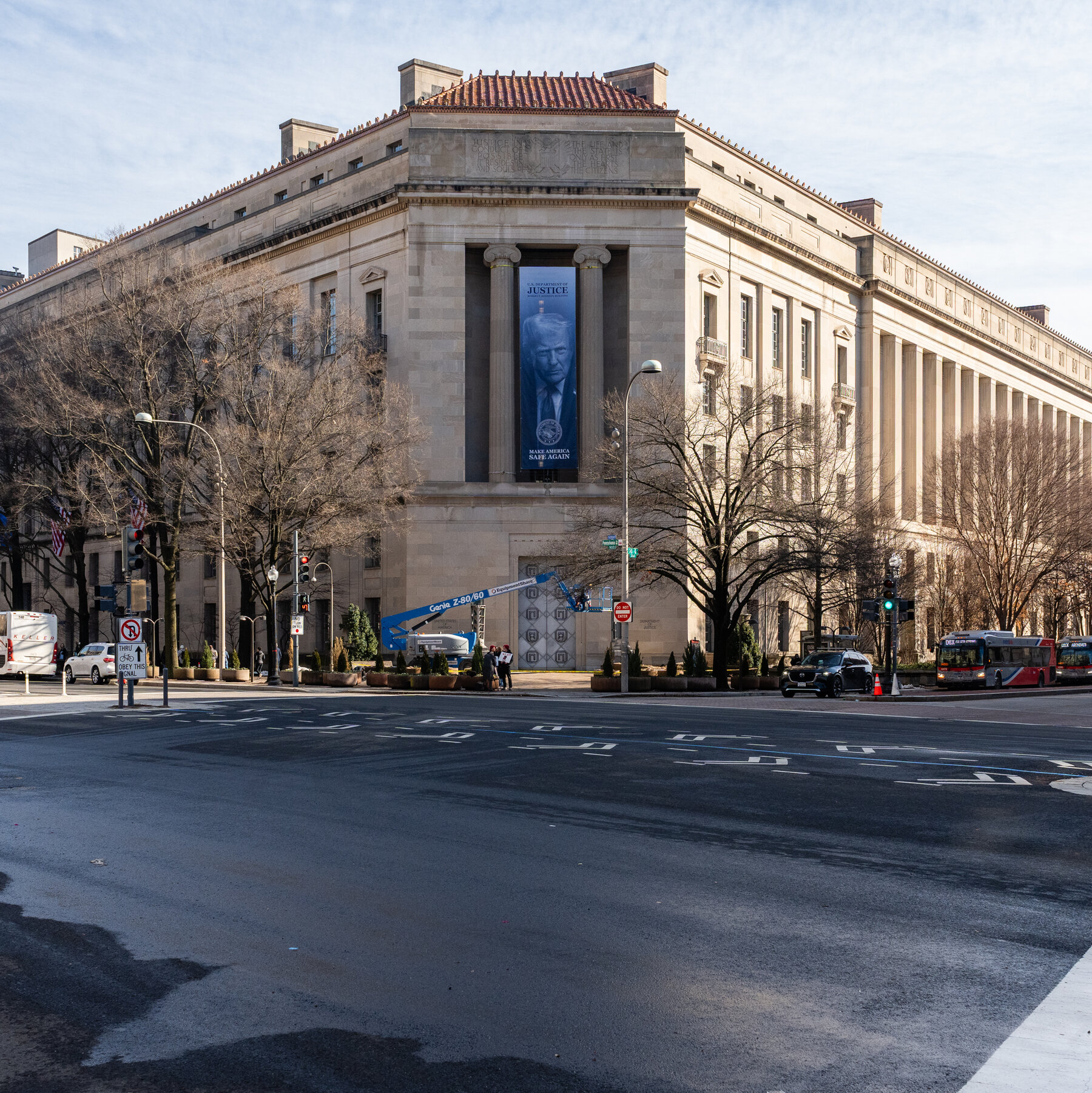
Federal prosecutors face increasing hurdles in securing grand jury indictments amidst widespread concerns that the nation’s top law enforcement agency is being used for political ends, undermining public and judicial faith.

The integrity of the American justice system is facing unprecedented strains as reports indicate a significant erosion of trust in the Justice Department. Federal prosecutors are increasingly encountering difficulties in securing indictments from grand juries, a critical component of the criminal justice process. This struggle is largely attributed to a growing perception that the Department of Justice (DOJ) has become politicized, with its enforcement actions seen by some as influenced by political considerations rather than impartial justice, thereby threatening the foundational principles of the rule of law.

Erosion of Public and Judicial Trust

A recent report from the New York Times highlights a deeply concerning trend: judges and grand juries are losing confidence in the Justice Department. This widespread loss of faith stems from observations that the president has allegedly used the department to both favor political allies and target opponents. Such actions, regardless of their ultimate verification, inflict severe damage on the public’s perception of impartiality, which is absolutely vital for any institution tasked with upholding the rule of law and maintaining social order.

The bedrock principle of American justice rests on the premise that all individuals are treated equally under the law, free from political interference or partisan agendas. When this principle appears compromised, the entire system suffers, leading to a breakdown in trust that can have far-reaching consequences. The implications extend beyond individual cases, potentially fostering a climate of cynicism that makes the work of law enforcement more challenging and justice harder to achieve.

Challenges for Grand Juries and Prosecutors

Grand juries, often described as the “heart of the criminal justice system,” operate in secrecy, granting federal prosecutors significant power to present evidence and seek indictments. However, this immense power relies fundamentally on the grand jurors’ unwavering trust in the integrity and objectivity of the presenting prosecutors and, by extension, the Justice Department itself. When that trust is undermined by perceptions of political manipulation, the entire prosecutorial process falters, creating an environment ripe for skepticism.

The report underscores that instances of grand jury malfeasance or, more commonly, a failure to return indictments are becoming increasingly frequent. This troubling development indicates a profound challenge for prosecutors who, despite their professional diligence, may find grand jurors less willing to accept their presentations at face value. The consequences are far-reaching, potentially hindering the prosecution of legitimate criminal cases and allowing wrongdoing to go unaddressed.

  • Increased Skepticism: Grand jurors may scrutinize evidence more critically, suspecting ulterior motives behind investigations.
  • Delayed Justice: Repeated failures to secure indictments can prolong investigations indefinitely, delaying resolution.
  • Undermined Authority: The DOJ’s perceived authority and effectiveness are severely diminished, impacting its crucial ability to enforce federal law uniformly across the nation.

“Judges and grand juries have increasingly lost faith in the Justice Department as the president uses it to reward his friends and go after his opponents.”

Safeguarding the Pillars of Justice

The proper and impartial functioning of grand juries is paramount to a healthy republic. They serve as a crucial check on prosecutorial power, ensuring that cases proceed only when sufficient probable cause exists and preventing frivolous or politically motivated prosecutions. For these institutions to operate effectively and maintain public confidence, they must be perceived as fiercely independent and unswayed by political pressures from any administration. The current environment, marked by concerns over DOJ politicization, poses a direct and serious threat to this vital balance and the very concept of ordered liberty.

Restoring public and judicial confidence in the Justice Department requires a renewed and visible commitment to its founding principles: independence, impartiality, and a steadfast dedication to the rule of law above all else. This means ensuring that enforcement decisions are made based solely on objective facts and legal merit, free from even the appearance of political influence. Upholding these rigorous standards is not merely a procedural matter; it is an absolute imperative for maintaining societal order, preserving the foundational institutions of American governance, and ensuring that justice is truly blind.

The challenges currently facing federal prosecutors and grand juries signal a critical juncture for the nation’s legal system. A truly impartial Justice Department, one that stands firm against political manipulation, is indispensable for a functioning republic. It ensures that justice is served fairly and consistently for all citizens, regardless of their political affiliations or connections, thereby reinforcing the stability and legitimacy of our governing institutions.

Thomas Massie Hints at Future Political Bid After Primary Defeat

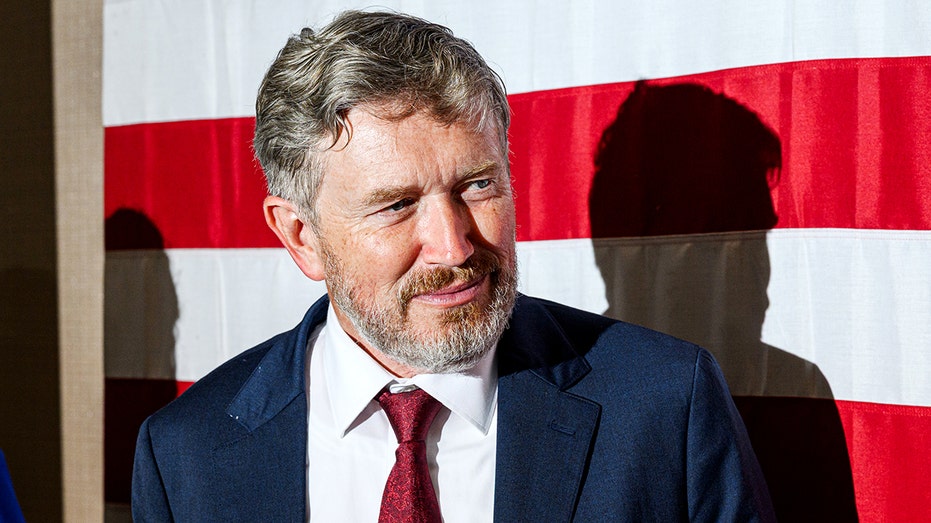
Kentucky Congressman Thomas Massie, a prominent conservative voice, is signaling a potential return to the political arena despite his recent defeat in the Republican primary for Kentucky’s 4th Congressional District. Massie, who lost to President Donald Trump-backed challenger Ed Gallrein, has taken initial steps that suggest he is keeping his options open for a future run for office.

The move comes after a hard-fought primary battle and challenges the notion that his political career might be ending. Massie’s actions underscore a determination to remain an influential figure in national conservative discourse.

A Conservative Voice Undeterred

Rep. Thomas Massie recently confirmed his proactive engagement with the Federal Election Commission (FEC), filing for a 2028 House race. This strategic step allows him to continue fundraising and maintain his political operations, supporting both his current position and potential future candidacies for federal office. While he has not yet committed to a specific role, the filing clearly indicates an intent to stay politically active.

This development contrasts with a statement Massie made earlier this year at a University of Louisville College Republicans event, where he suggested he would be done with government if he lost the primary. His current stance, however, reflects a renewed resolve. In a statement provided to Fox News Digital, Massie declared, “I won’t be going away silently,” asserting his commitment to remaining a vocal presence.

Campaign Dynamics and Public Statements

The primary contest saw Massie, an incumbent serving since late 2012, decisively defeated by Ed Gallrein, a former Navy SEAL. The outcome marked a significant shift in Kentucky’s political landscape, with a Trump-endorsed candidate overcoming an established conservative figure.

Following his defeat, Thomas Massie was quick to address the integrity of the election results. He explicitly stated that he does not believe his loss was due to fraudulent votes, mail-in ballots, hacking, or mistabulated results. While respecting calls for verification, he confirmed he would not be requesting a recount.

Massie also alluded to ongoing efforts to discredit his platform, mentioning an “undisclosed paid social media campaign to rewrite history and diminish the platform the Epstein class gave me when they spent tens of millions of dollars to buy the seat.” This suggests a continued battle for narrative control even after the primary.

  • Massie filed with the FEC for a 2028 House race.
  • He stated he is keeping “every option open” for future political endeavors.
  • He explicitly disavowed claims of election fraud in his primary loss.
  • The congressman cited an “undisclosed paid social media campaign” aimed at diminishing his influence.

Looking Ahead: The Path for Massie

Massie’s decision to maintain his political operations and explore future opportunities demonstrates a strong commitment to his conservative principles and public service. While the specific office he might seek remains unconfirmed, his continued presence ensures that his distinct brand of fiscal conservatism and libertarian-leaning views will remain part of the national debate.

His public statements suggest a strategic approach to navigating the post-primary period, focusing on maintaining influence and preparing for potential future campaigns. The political landscape often sees seasoned figures regrouping after electoral setbacks, and Massie appears to be following this tradition with a clear intent to return.

“I’m keeping every option open, and there’s still an undisclosed paid social media campaign to rewrite history and diminish the platform the Epstein class gave me when they spent tens of millions of dollars to buy the seat. I won’t be going away silently.”

The coming years will reveal the precise direction of Thomas Massie’s political future. His proactive steps to keep his options open and his unwavering commitment to his platform indicate that he intends to remain a significant voice within the Republican Party, advocating for the principles he holds dear. Matox News will continue to monitor developments in Kentucky politics as the next election cycles approach.

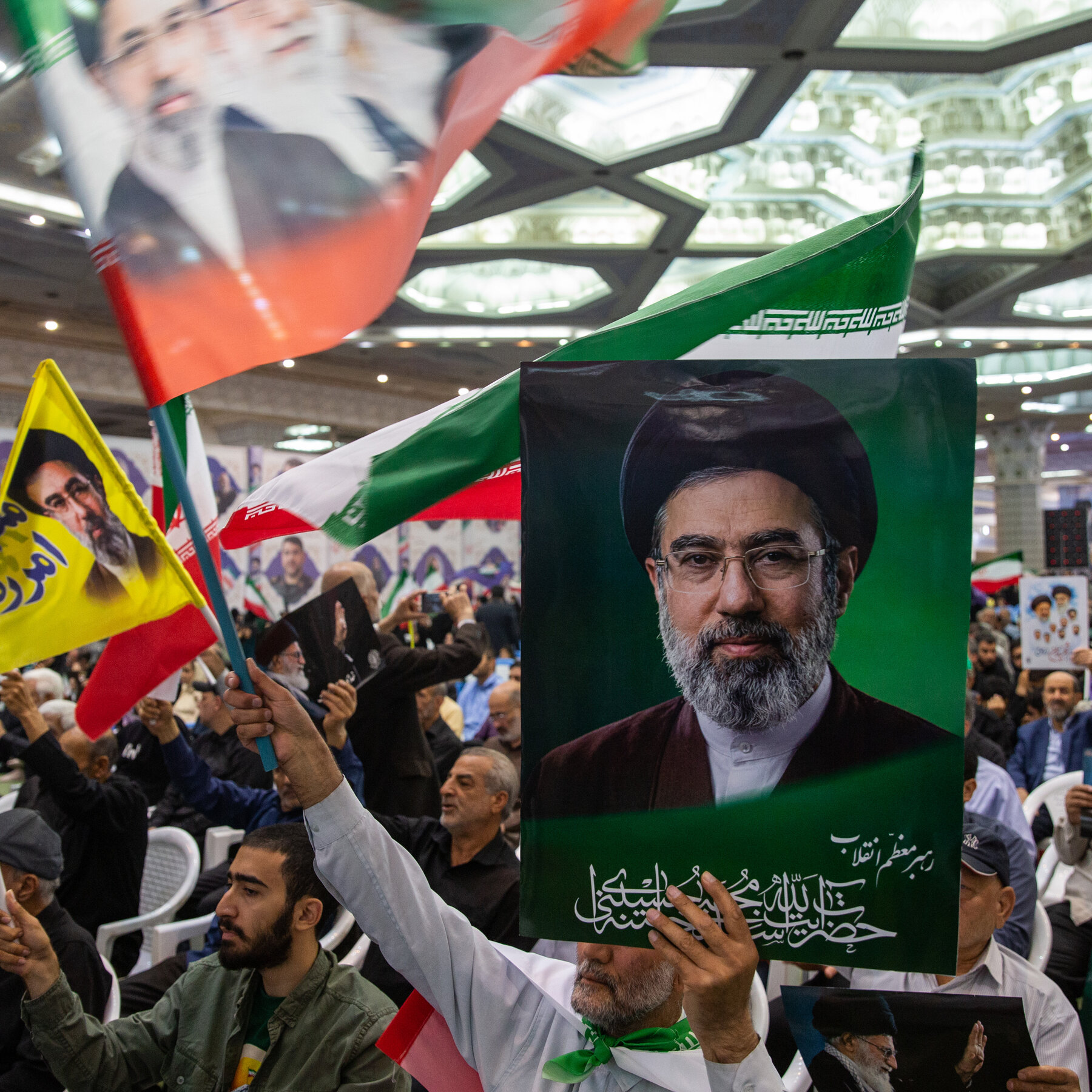
Iran Tensions Escalate: Tehran Threatens Response Following Renewed U.S. Strikes

Tensions in the Middle East have reached a critical point as Iran Tensions Escalate following a direct threat of retaliation against renewed U.S. military strikes. Tehran’s warning comes just hours after American forces conducted new operations in southern Iran, an action that observers fear could severely undermine delicate diplomatic initiatives aimed at de-escalating the ongoing conflict.

Renewed Hostilities and Diplomatic Fallout

The recent American military actions mark a significant shift, renewing direct engagement in southern Iran. These strikes, reported by various news agencies including dispatches noted by The New York Times, have immediately drawn a sharp response from Tehran. The timing is particularly precarious, occurring amidst what have been described as fragile diplomatic efforts to bring an end to the protracted conflict.

For months, international mediators have worked tirelessly to foster dialogue and secure a more stable regional environment. The latest U.S. operations, however, threaten to unravel these painstaking endeavors, pushing the region further to the brink of wider confrontation. Such actions risk not only the cessation of hostilities but also the broader framework of international order and stability.

Tehran’s Firm Warning

Iran’s response was swift and unambiguous. Sources close to the Iranian government have indicated that Tehran views the renewed U.S. strikes as a significant provocation, warranting a robust counter-response. While specific details of the threatened retaliation remain undisclosed, the rhetoric emanating from Iran suggests a readiness to escalate if further military actions by the United States occur.

This development places global powers in a difficult position, as any retaliatory action from Iran could trigger a dangerous cycle of escalation. The international community is now closely watching, urging all parties to exercise restraint and prioritize diplomatic solutions over military confrontation. The imperative for de-escalation has never been more pressing.

“The pursuit of peace demands a commitment to de-escalation, not actions that ignite further instability.”

Regional Stability at Risk

The Middle East is no stranger to volatility, but the current situation presents a uniquely challenging scenario for regional stability. Renewed military engagements and the prospect of direct retaliation could have far-reaching consequences, affecting:

  • Energy Markets: Any significant escalation could disrupt global oil and gas supplies, leading to price spikes.
  • Maritime Security: Critical shipping lanes in the Persian Gulf and Strait of Hormuz could face increased threats.
  • Humanitarian Crises: A wider conflict would inevitably exacerbate existing humanitarian challenges across the region.
  • International Relations: The crisis could draw in other regional and global actors, complicating diplomatic efforts and alliances.

These factors underscore the urgent need for a measured approach from all stakeholders. Maintaining the rule of law and upholding international agreements are paramount to navigating this perilous period.

As the situation unfolds, Matox News will continue to provide factual and professional coverage. The delicate balance of power in the Middle East requires careful stewardship, and the current trajectory demands immediate attention to prevent further deterioration. The path forward must prioritize dialogue and respect for sovereign borders to avert a broader regional catastrophe.

Social Media Auto Publish Powered By : XYZScripts.com