Matox News

Truth Over Trends, always!

Trump Declares Iran Ceasefire on 'Massive Life Support,' Rejects Tehran's Offer
Trump Declares Iran Ceasefire on ‘Massive Life Support,’ Rejects Tehran’s Offer

President Trump has sharply criticized Iran’s latest counter-offer to end the ongoing conflict, labeling the proposed terms “totally unacceptable” and casting significant doubt on the durability of the month-long truce.

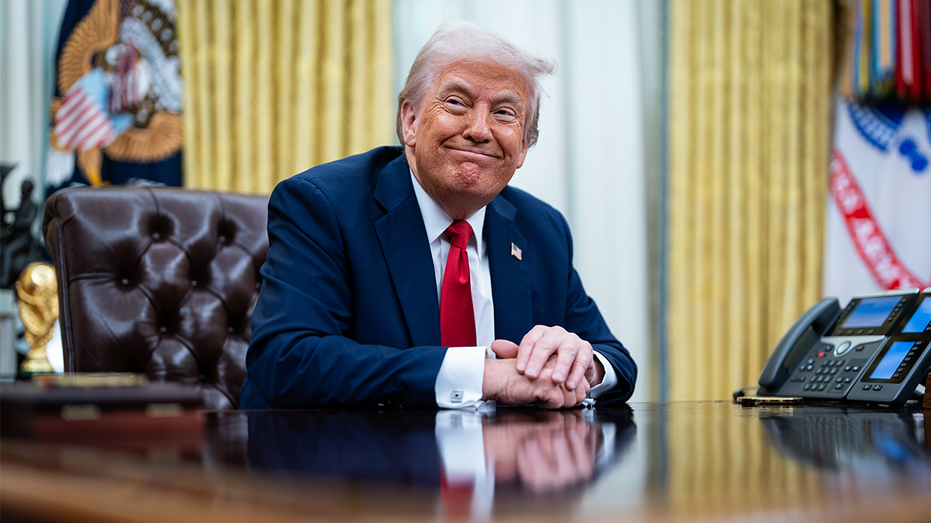
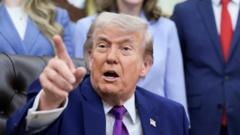
Washington D.C. – The fragile Iran ceasefire is teetering on the brink, according to President Donald Trump, who on Monday dismissed Tehran’s recent peace proposal as a “piece of garbage.” Speaking from the Oval Office, the President expressed profound skepticism about the current truce, characterizing it as “unbelievably weak” amidst escalating diplomatic tensions.

Trump’s Vehement Rejection

President Trump’s remarks underscore a growing frustration within the U.S. administration regarding the stalled peace process. He firmly rejected Iran’s counter-offer, which was submitted over the weekend, stating it was “totally unacceptable.”

This strong condemnation signals a significant setback for efforts to de-escalate the conflict and secure a lasting resolution. The President’s comments highlight the vast chasm between the two nations’ negotiating positions, raising serious concerns about the prospects for a viable diplomatic path forward.

His administration continues to prioritize proposals that ensure regional stability and uphold international order, emphasizing the need for robust terms rather than superficial agreements.

Tehran’s Stance and Warnings

Following President Trump’s candid assessment, Iranian officials swiftly responded, reiterating their commitment to their demands while simultaneously issuing warnings.

Mohammad Ghalibaf, the Iranian parliamentary speaker, utilized social media to declare that Iran’s armed forces were “ready to respond and to teach a lesson for any aggression.” This assertive posture underscores the deep-seated resolve within Tehran to protect its national interests.

Concurrently, Esmail Baghaei, a foreign ministry spokesperson, defended Tehran’s proposals as both “responsible” and “generous,” suggesting that their terms were designed to foster genuine peace and facilitate the reopening of the vital Strait of Hormuz.

These contrasting statements from Washington and Tehran illustrate the deep distrust and divergent objectives that continue to plague the negotiation process, as reported by the News Desk.

The Precarious State of Regional Stability

The current diplomatic stalemate has profound implications for Middle East stability and global energy markets. The month-long ceasefire, now described by the U.S. President as being on “massive life support,” was intended to provide a window for substantive peace talks.

However, with both sides entrenched in their positions, the risk of renewed hostilities remains a significant concern. The U.S. administration, guided by its commitment to international institutions and the rule of law, seeks an agreement that genuinely addresses security concerns and prevents future aggression, rather than simply postponing conflict.

The integrity of crucial maritime passages like the Strait of Hormuz is paramount for global trade and security, making the current diplomatic impasse particularly alarming.

The ceasefire is “unbelievably weak,” and their counter-offer is “totally unacceptable,” a “piece of garbage.”

As diplomatic efforts falter, the international community watches closely for any signs of progress or further deterioration. The path to a durable peace in the region demands robust and realistic proposals from all parties, grounded in a shared commitment to order and stability.

Merely maintaining a fragile truce without addressing underlying grievances and security concerns will only defer, not resolve, the broader challenges. A strong, principled approach is essential to navigate these complex geopolitical waters and secure a future free from extremist provocations.
Stacey Abrams Subpoenaed in Escalating Georgia Campaign Finance Probe

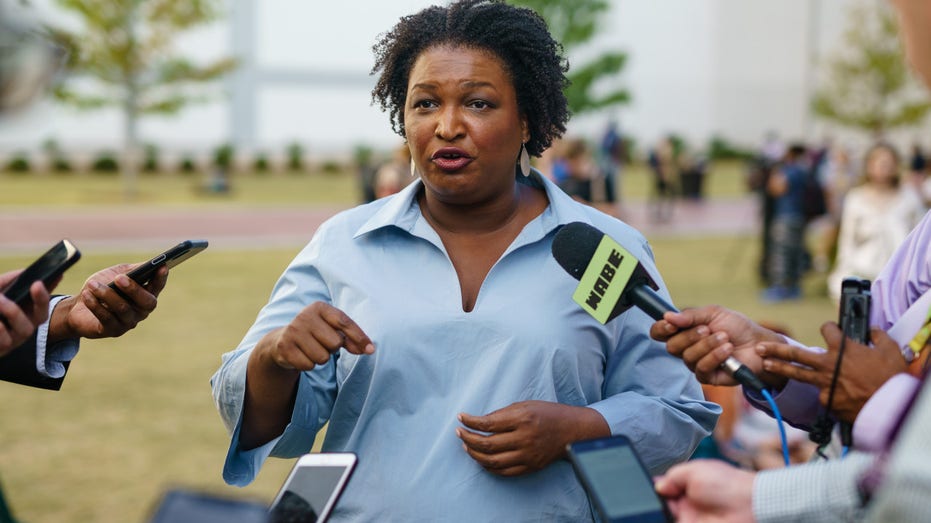
Georgia’s Senate Special Committee on Investigations has issued a subpoena to Stacey Abrams, alongside former leaders of her New Georgia Project voter outreach group. The move signals a significant escalation in the ongoing probe into alleged campaign finance violations, with lawmakers vowing to pursue facts wherever they may lead.

Ms. Abrams, a prominent figure in Democratic politics, is now required to appear before the legislative body, marking a critical juncture in the inquiry. The committee’s action reflects a commitment to ensuring transparency and accountability within the state’s electoral processes, particularly concerning organizations involved in voter registration and engagement.

Escalating Legislative Scrutiny

The subpoenas, also served to Lauren Groh-Wargo and Nsé Ufot, former leaders of the New Georgia Project, mandate their appearance at the State Capitol on Friday at 10 a.m. This formal demand for testimony underscores the gravity with which the Senate committee is treating the allegations.

Republican state Senator Greg Dolezal, the committee’s vice chairman, emphasized the legislative body’s responsibility. “This committee has a responsibility to follow the facts wherever they lead,” Dolezal stated, adding that “Georgia law requires transparency and accountability in our elections.” The investigation aims to uncover the full scope of involvement in the alleged violations and how funds were managed.

Unpacking the Allegations

The current legislative inquiry stems from earlier findings by the Georgia State Ethics Commission. This body previously determined that the New Georgia Project and its affiliated Action Fund had violated campaign finance laws during the 2018 election cycle. These violations led to the largest campaign finance penalty in Georgia’s history.

Earlier this year, the groups admitted to 16 violations and agreed to pay a substantial fine of $300,000. The New Georgia Project itself ceased operations and dissolved in 2025, following a period marked by mounting financial and legal challenges. Lawmakers are now seeking a deeper understanding of the decision-making processes that led to these infractions.

“The people of Georgia deserve to know who was involved, what decisions were made and how millions of dollars flowed through organizations that admitted to violating our campaign finance laws.”

— Senator Greg Dolezal

Calls for Transparency and Accountability

The Republican lawmakers initiating this probe, as reported by Fox News, are focused on identifying individuals responsible for the violations, understanding the specifics of fund management, and determining who possessed knowledge of the illicit activities. This detailed examination is critical for upholding public trust in the integrity of political organizations and electoral processes.

For Matox News, the principle that no one is above the law is paramount. This investigation into the New Georgia Project’s past conduct serves as a reminder of the constant vigilance required to maintain ethical standards in political campaigning and civic engagement. The committee’s diligent pursuit of answers aligns with the public expectation for accountability, particularly when significant sums of money and institutional trust are involved.

The ongoing proceedings will undoubtedly shed further light on the complexities of campaign finance oversight and the responsibilities of those leading prominent advocacy groups. The outcome will be closely watched by those committed to clean elections and robust institutional integrity.

Xi's Anti-Corruption Crackdown Delivers Death Sentences to Former Defense Ministers
Xi’s Anti-Corruption Crackdown Delivers Death Sentences to Former Defense Ministers

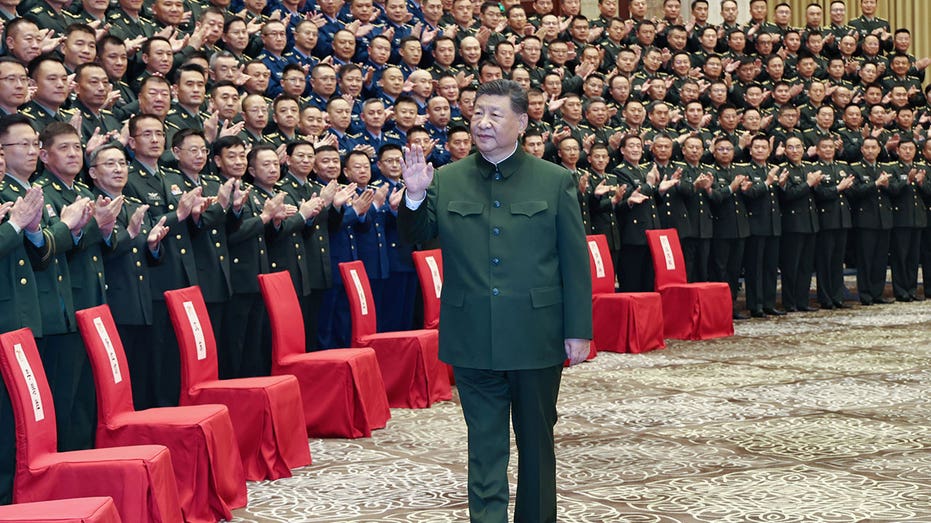
Beijing has sent a resounding message through its high-stakes anti-corruption campaign, with two former Chinese defense ministers, Wei Fenghe and Li Shangfu, receiving suspended death sentences for corruption. The severe penalties highlight President Xi Jinping’s anti-corruption crackdown, an unyielding effort to purge disloyalty and consolidate power within the nation’s armed forces.

The rulings, confirmed by state media and reported by Reuters, mark a significant escalation in the ongoing campaign against graft, particularly within the powerful People’s Liberation Army (PLA). These sentences are among the most severe handed down to senior military officials in recent memory, underscoring the Chinese Communist Party’s commitment to internal discipline.

Unprecedented Penalties in Military Purge

Wei Fenghe and Li Shangfu, both prominent figures in China’s defense establishment, were convicted of graft following proceedings by China’s military court on May 7. Wei, 72, who served as defense minister from 2018 to 2023, was found guilty of accepting bribes. His successor, Li Shangfu, 68, who held the position for only a few months, was convicted of both accepting and offering bribes.

The sentences carry a death sentence with a two-year reprieve, a common practice in China that typically leads to commutation to life imprisonment without parole if no further crimes are committed during the suspension period. Both men have also been stripped of all political rights for life and ordered to forfeit all personal property, reflecting the comprehensive nature of the punishment. Their former roles included:

  • Wei Fenghe: Defense Minister (2018-2023), former State Councilor, member of the Central Military Commission (CMC), and previously led the Rocket Force.
  • Li Shangfu: Defense Minister (briefly in 2023), former State Councilor, member of the CMC, and also a former leader in the Rocket Force.

The Rocket Force, established in 2015 as part of Xi’s sweeping military reforms, is a critical branch overseeing China’s nuclear arsenal and conventional missile capabilities, making purges within its former leadership particularly noteworthy.

Xi Jinping’s Relentless Pursuit of Control

These convictions are not isolated incidents but rather a stark demonstration of President Xi Jinping’s decade-long anti-corruption campaign, which has targeted thousands of officials across all levels of government and military. The campaign, which began shortly after Xi assumed power in 2012, is widely seen as a dual effort to combat genuine corruption and eliminate political rivals, ensuring absolute control and loyalty to the Party’s core leadership.

The severity of these sentences sends an unmistakable message throughout the PLA, emphasizing that no official, regardless of rank or past contributions, is immune to scrutiny. It reinforces Xi’s vision of a modern, disciplined military that is unequivocally loyal to the Party and its leader, a critical component of his strategy for a strong China.

Implications for China’s Stability and Global Standing

The purge of such high-ranking defense officials raises questions about leadership continuity and stability within the Chinese military. While presented as a move to strengthen the armed forces by rooting out corruption, the process also underscores the opaque nature of China’s judicial system and the concentration of power within the Party’s top echelons. For international observers, these developments highlight the unique challenges and risks associated with authoritarian governance, where internal purges can significantly impact national security decision-making.

The implications extend beyond internal politics, potentially influencing China’s geopolitical strategies and its interactions on the world stage. A military undergoing such significant internal upheaval, even in the name of modernization, must navigate complex issues of morale, trust, and operational cohesion.

The severe sentences handed down to these former defense chiefs underscore the authoritarian nature of Beijing’s justice system and President Xi Jinping’s unyielding resolve to maintain absolute control over the military.

The ongoing Xi’s anti-corruption crackdown serves as a potent reminder of the Chinese leadership’s prioritization of internal order and loyalty above all else. As the world watches, these developments will undoubtedly shape the future trajectory of the People’s Republic of China, both domestically and in its global engagements.

Supreme Court Clears Path for Alabama to Use New Voting Map

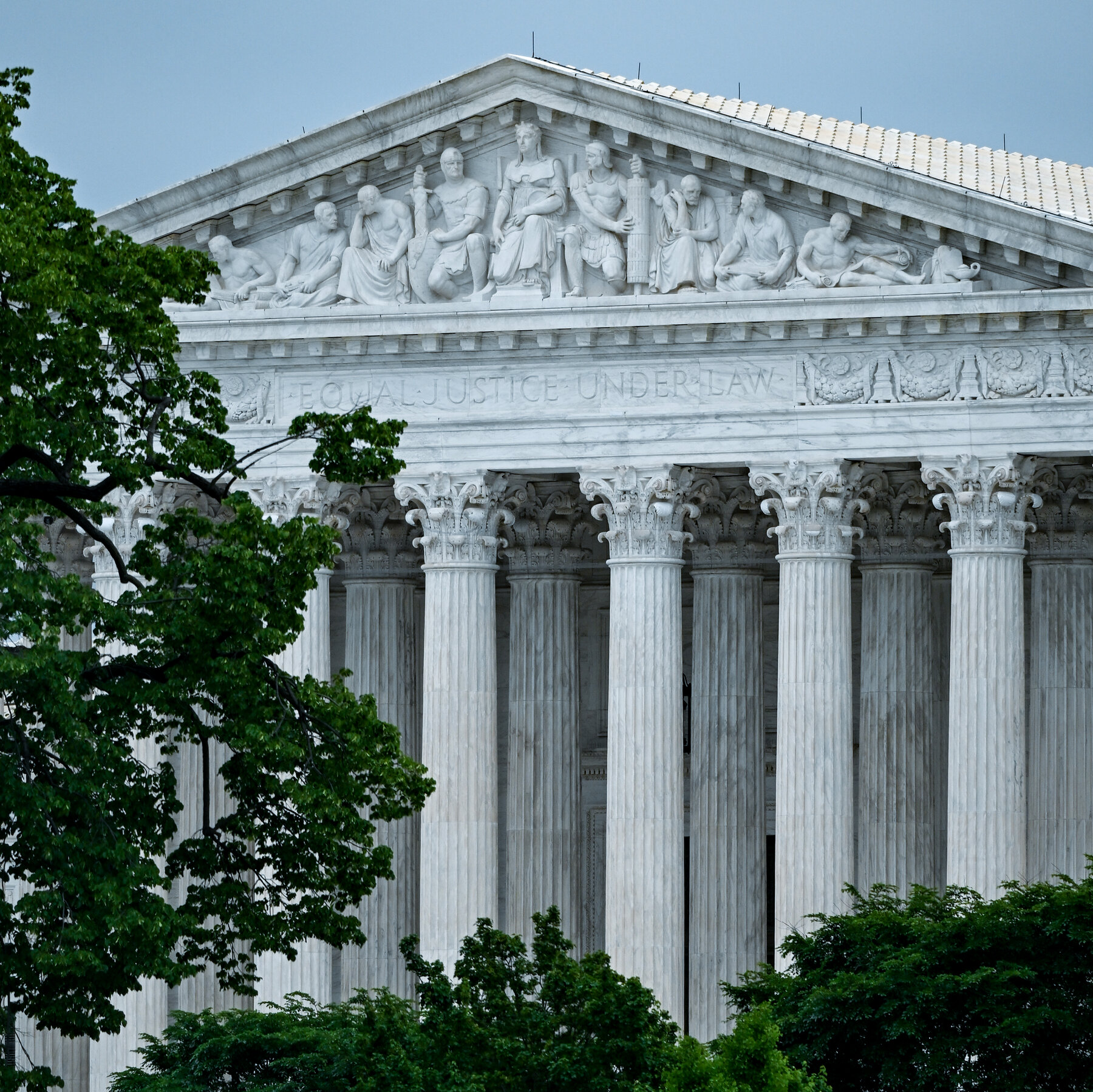
The United States Supreme Court has delivered a significant ruling, clearing the way for Alabama to implement its updated congressional district map. This decision, backed by a majority of the justices, marks a pivotal moment in the ongoing legal discourse surrounding electoral boundaries and representation. The new map could lead to the elimination of a district that has historically been majority-Black, initiating considerable debate among political observers and civil rights advocates.

Judicial Green Light for New Map

In a move that underscores the Court’s stance on state-level redistricting processes, a majority of the justices sided with Alabama. This decision effectively accelerates the state’s efforts to put into place a congressional district map that had faced legal challenges. The ruling allows Alabama to proceed without further immediate federal court intervention, impacting the upcoming electoral cycle.

The core of the dispute revolved around the configuration of the state’s seven congressional districts. Prior legal battles had centered on whether previous maps adequately represented minority voters. The Supreme Court’s latest action signals a deferral to state authority in this complex area, a position often favored by proponents of federalism and local governance.

The Redistricting Landscape and Legal Challenges

Redistricting, the process of redrawing electoral maps, is a constitutionally mandated task that occurs every ten years following the national census. It is a highly contentious process, often leading to intense legal and political struggles over how power is distributed and how communities are represented.

Alabama’s journey to this new map has been fraught with legal challenges. While specific details of the lower court rulings are extensive, the Supreme Court’s current decision indicates a significant shift in the legal trajectory. According to reporting from the News Desk, the ruling paves the way for the state to finalize its electoral boundaries, emphasizing the institutional role of the judiciary in resolving such disputes. The legal system, while often slow, remains the arbiter of these fundamental questions of governance.

Implications for Future Elections and Representation

The immediate consequence of the Supreme Court’s decision is that Alabama will move forward with the new map for the next elections. This could fundamentally alter the political landscape, particularly regarding minority representation in Congress. Observers note that the elimination of a majority-Black district could have profound effects on the demographic and partisan makeup of the state’s congressional delegation.

The implications extend beyond Alabama, potentially influencing redistricting debates and legal strategies in other states. Key considerations include:

  • The immediate impact on voter turnout and engagement in affected districts.
  • The potential for shifts in partisan balance within Alabama’s congressional delegation.
  • The ongoing debate over the interpretation of the Voting Rights Act and its application to modern redistricting efforts.
  • The role of state legislatures versus federal courts in defining electoral boundaries.

“This Supreme Court decision underscores the complex legal and political dynamics inherent in shaping electoral districts across the nation, reinforcing the principle of judicial review in electoral processes.”

As Alabama prepares for its next elections under this new framework, the ruling serves as a powerful reminder of the judiciary’s ultimate authority in defining electoral processes. It highlights the delicate balance between state autonomy and federal oversight in matters of voting rights and representation, a balance that continues to evolve through landmark court decisions.

Victor Wembanyama Cleared to Play Game 5 After Avoiding Suspension

San Antonio Spurs phenom Victor Wembanyama has been cleared to play in the pivotal Game 5 of the Western Conference Semifinals, after the NBA decided against issuing a suspension for an elbow thrown in Game 4. This ruling ensures the rookie sensation will be on the court as the Spurs face the Minnesota Timberwolves in a crucial matchup, with the series currently tied at two games apiece.

The Game 4 Incident: From Foul to Ejection

The incident occurred during the second quarter of Game 4 when Wembanyama, while being double-teamed after securing a rebound, made contact with Minnesota’s Naz Reid. Initially called an offensive foul, video review quickly escalated the situation. Officials upgraded the foul to a Flagrant 2 due to excessive contact above the neck, resulting in Wembanyama’s automatic ejection from the game with 8:39 left in the second quarter. This marked a significant moment for the young star, as it was his first career ejection. The early departure of an NBA All-Star from a playoff game hadn’t been seen since the 1997-98 season, underscoring the rarity and immediate impact of the decision.

The NBA’s Deliberation and Crucial Decision

Despite the Flagrant 2 ruling and subsequent ejection, the league determined that Wembanyama’s actions did not warrant a suspension. This critical decision means the Spurs will have their cornerstone player available for Tuesday night’s Game 5, a contest that could significantly shift momentum in the closely contested series. The absence of an MVP candidate like Wembanyama would undoubtedly have been a severe blow to the Spurs’ playoff aspirations, given his unique impact on both ends of the court. The league’s careful deliberation reflects the high stakes of playoff basketball and the importance of player availability.

Wembanyama’s ability to influence games is multifaceted, making his presence indispensable:

  • Defensive Anchor: His shot-blocking and deterrent capabilities transform the Spurs’ defense.
  • Offensive Catalyst: A versatile scorer who can create his own shot and facilitate.
  • Rebounding Dominance: Crucial for securing possessions and initiating fast breaks.

“Just the amount of physicality that people play with him, at some level, you have to protect yourself. Every single play on every single part of the floor, people are trying to impose their physicality on you.”

— Spurs Head Coach Mitch Johnson

Navigating Physicality in the Modern NBA

Following Game 4, Spurs head coach Mitch Johnson staunchly defended Wembanyama, emphasizing the relentless physicality his 7-foot-4 star endures from opponents. Johnson noted that Wembanyama is frequently subjected to aggressive play, implying that the elbow, while regrettable, might have been a natural reaction to constant pressure. The coach’s comments, as reported by ESPN, underscore a broader conversation about how officials manage the physicality directed at dominant, often slender, players in the league. The league’s decision to forgo a suspension suggests a nuanced understanding of the game’s intensity and the protective instincts players may exhibit, acknowledging the fine line between aggressive play and necessary self-preservation.

This outcome allows the focus to return squarely to the competitive drama of the Western Conference Semifinals, rather than a disciplinary sidelining of one of the league’s brightest talents. The NBA’s commitment to competitive integrity and fair play is paramount, ensuring that the outcome of the series is decided on the court.

As the series heads into Game 5, Wembanyama’s presence is paramount for the Spurs. His ability to influence shots, score efficiently, and rebound makes him irreplaceable. With the series hanging in the balance, all eyes will be on his performance and the overall intensity of what promises to be a captivating playoff battle. This next game is not just a contest of skill, but a testament to resolve, with Wembanyama leading the charge for San Antonio.

Waymo Robotaxi Leaves Passenger Stranded with Luggage at Airport

A California passenger recently experienced the unexpected pitfalls of autonomous travel when his Waymo robotaxi reportedly drove away from San José Mineta International Airport, leaving him stranded without his suitcase. The incident highlights emerging challenges in the rapidly developing sector of driverless transport, particularly concerning customer support and logistical reliability.

An Unsettling Airport Departure

Di Jin recounted his first journey with Waymo, an autonomous ride-hailing service, from Sunnyvale to San José Mineta International Airport for a business trip. The ride itself proceeded without issue until his arrival at the terminal. Upon exiting the vehicle, Jin attempted to retrieve his luggage from the trunk. Despite pressing the release button, the trunk remained closed.

In a turn of events that underscores the unique nature of driverless cars, the vehicle then pulled away from the curb, his suitcase still inside. This left Jin at the airport, stripped of his essential travel items, including a change of clothes and vital work notes, with no human driver to alert or flag down.

“You are watching your ride disappear, but there is no driver to flag down. There is no person at the wheel to hear you.”

Navigating Autonomous Customer Service

Immediately after the incident, Jin contacted Waymo customer service. According to reports, he was informed that the robotaxi was already en route to a depot and could not be recalled. This response presented a significant hurdle for retrieval, emphasizing the differences between traditional and autonomous ride services when issues arise.

Later, Waymo reportedly confirmed via email that his luggage had been safely secured at one of their depots. While this offered some reassurance that the bag was found, the subsequent process of actually reuniting Jin with his belongings became another point of contention, as detailed in a Fox News tech report. The initial offer to return the luggage reportedly fell short of the passenger’s immediate needs, raising questions about the flexibility and responsiveness of automated support systems in critical situations.

Implications for Driverless Technology Adoption

This incident, while seemingly minor, touches upon broader concerns regarding the widespread adoption of autonomous vehicles. Public trust in driverless technology hinges not only on safety during transit but also on the seamless resolution of unexpected practical challenges. The lack of on-site human intervention can transform a simple inconvenience into a significant problem for passengers.

As companies like Waymo continue to expand their services, ensuring robust, responsive, and user-friendly support mechanisms will be crucial. This includes not just technical support for the vehicle itself but also logistical solutions that account for human elements and potential errors in automated processes. Such events serve as valuable lessons for refining the operational protocols of future smart cities and transportation networks.

The experience of Di Jin at San José airport underscores the ongoing need for continuous improvement in the user experience of autonomous services. While the technology promises efficiency and convenience, it must also deliver reliability and effective problem-solving, even when the unexpected occurs.

UK Prime Minister Starmer Faces Political Storm After Devastating Local Election Losses

London, UK – United Kingdom Prime Minister Keir Starmer is fighting for his political survival, engulfed in a severe crisis that threatens to unseat him. The pressure comes in the wake of devastating local election results and an escalating rebellion from within his own Labor Party, signaling a profound challenge to his leadership.

The immediate catalyst for this political maelstrom was the crushing defeats suffered by the Labor Party in the May 8 local elections. The party lost hundreds of council seats across England, relinquished long-held strongholds in Wales, and saw its influence diminish in Scotland. These results have not only weakened Starmer’s authority but have also ignited a fierce debate about the party’s direction and future under his stewardship.

Mounting Pressure and Internal Dissent

The fallout from the electoral drubbing has been swift and severe. More than 70 Labor Members of Parliament have publicly urged Starmer to step down, a clear indication of the deep dissatisfaction simmering within the party ranks. This internal revolt has been compounded by several parliamentary aides resigning in protest, further highlighting the precariousness of the Prime Minister’s position.

Such widespread dissent at a critical juncture underscores the fragility of Starmer’s leadership. The calls for his resignation are not merely whispers but a chorus from significant factions within the party, making his continued tenure increasingly difficult.

Public Sentiment and Economic Headwinds

Beyond the internal party struggles, public confidence in Starmer appears to be eroding. A recent YouGov poll revealed that approximately half of Britons believe he should resign. This sentiment reflects broader concerns about the government’s economic policies and its perceived inability to ease the rising cost of living that continues to burden households across the UK.

The nation is grappling with rising borrowing costs, adding another layer of complexity to the government’s challenges. These economic headwinds, coupled with the electoral setbacks, paint a grim picture for Starmer’s administration. The electorate’s impatience with the current trajectory is palpable, demanding decisive action and effective governance.

Controversial Appointments and Diplomatic Tensions

Adding to Starmer’s woes are controversies surrounding key appointments. His decision to appoint Peter Mandelson, a figure linked to the late Jeffrey Epstein, as Britain’s ambassador to Washington, has drawn considerable criticism and scrutiny. Such choices raise questions about judgment and adherence to the high standards expected of public office.

Further complicating matters, the political landscape in Scotland saw a decisive victory for John Swinney, dealing another blow to Labor’s aspirations. This outcome even drew attention from former U.S. President Donald Trump, who publicly congratulated Swinney and delivered a pointed remark about Starmer, stating, “This is not Winston Churchill that we’re dealing with.” This international observation, reported by Fox News Digital, highlights the global perception of Starmer’s diminishing stature.

“The Labor leader faces unprecedented calls for his resignation as internal dissent mounts and public confidence wanes following a series of electoral and economic setbacks.”

The Path Forward for Labor

As Keir Starmer battles to retain control, the Labor Party faces an existential moment. The current crisis demands a clear and coherent strategy to restore public trust and internal party unity. Without a swift and decisive course correction, the party risks further fragmentation and a prolonged period in the political wilderness.

The challenges are multifaceted, encompassing electoral performance, economic management, and leadership integrity. For a party traditionally rooted in stability and public service, the current turbulence represents a significant test of its resilience and its capacity to adapt to a rapidly changing political environment.

Trump Weighs Venezuela as 51st State, Citing Vast Oil Reserves

The potential move follows a significant U.S. intervention and aims to stabilize the South American nation while securing vast energy resources for American interests.

Former President Donald Trump is reportedly giving serious thought to a proposal that would integrate oil-rich Venezuela into the United States as its 51st state. This unprecedented consideration is primarily motivated by Venezuela’s colossal estimated $40 trillion in oil reserves, a strategic asset that could profoundly reshape global energy dynamics and American economic power. The discussion comes on the heels of recent U.S. actions that have significantly altered Venezuela’s political landscape.

The Lure of Venezuela’s Oil Wealth

The prospect of Venezuela becoming a U.S. state is deeply tied to its immense energy resources. With the world’s largest proven oil reserves, the nation represents an unparalleled opportunity for energy security and economic growth. For nearly two decades, major American energy firms such as Exxon and Conoco were largely absent from Venezuela after former President Hugo Chavez nationalized the oil industry, leaving only Chevron with a significant presence. The Trump administration has actively sought to reverse this trend, engaging with top oil executives to encourage renewed investment in the South American country.

These discussions underline a broader strategy to revitalize Venezuela’s oil sector under American guidance. This approach aligns with a pro-free-market philosophy, aiming to unleash the productive capacity of the industry and integrate it more closely with U.S. economic interests. The potential influx of American capital and expertise could rapidly modernize and expand Venezuela’s energy infrastructure.

Post-Maduro Transition and Economic Resurgence

The current contemplation of statehood follows a pivotal period in U.S.-Venezuelan relations. Earlier this year, U.S. military officials apprehended President Nicolas Maduro, who faced narco-terrorism charges from the Justice Department. Following this intervention, Mr. Trump declared that the United States would oversee the country’s transitional phase, working alongside Venezuelan Vice President Delcy Rodriguez. This decisive action has paved the way for a restructuring of Venezuela’s governance and economic policy.

Under the Trump administration’s management of Venezuela’s oil sector, exports have seen a notable resurgence. In April, daily oil exports surpassed 1 million barrels, marking the highest level achieved since 2018. This demonstrates the immediate impact of the U.S. presence and its efforts to stabilize and stimulate the Venezuelan economy. Furthermore, Mr. Trump has expressed confidence in his popularity among Venezuelan citizens, stating, “Venezuela loves Trump,” as reported by Fox News Digital.

Strategic Implications for U.S. Energy and Influence

Integrating Venezuela would not only secure vast oil reserves but also extend American influence significantly in Latin America. The administration’s focus on getting the U.S. oil industry “up and running” again in Venezuela reflects a commitment to leveraging these resources for national benefit. The White House has highlighted the “extraordinary” relations between the two nations, noting that oil is flowing and “large amounts of money, unseen for many years, will soon be helping the great people of Venezuela.”

This initiative could usher in an era of unprecedented economic development for Venezuela, while simultaneously bolstering U.S. energy independence and geopolitical standing. The move would represent a bold statement on foreign policy, potentially setting a new precedent for international engagement and resource management. The stability and order that could accompany U.S. integration might also address long-standing issues of governance and public welfare in the region.

“Only President Trump can be credited for the revitalization of Venezuela’s oil sector, bringing stability and prosperity back to its people.”

The concept of Venezuela becoming the 51st U.S. state presents a complex yet potentially transformative proposition. It marries strategic energy interests with a vision for regional stability and economic growth under American stewardship. While challenges undoubtedly remain, the administration’s current trajectory suggests a determined effort to secure a prosperous future for Venezuela, deeply intertwined with the United States’ own strategic priorities. The unfolding developments in South America warrant close observation as this ambitious plan takes shape.

GOP Pushes New Bills for Campaign Finance Transparency Amid ActBlue Scrutiny

House Republicans have launched a significant legislative effort to enhance campaign finance transparency and safeguard the integrity of American elections. This move comes as a major Democratic payment processor, ActBlue, faces intensified scrutiny over allegations concerning foreign donations and reporting practices.

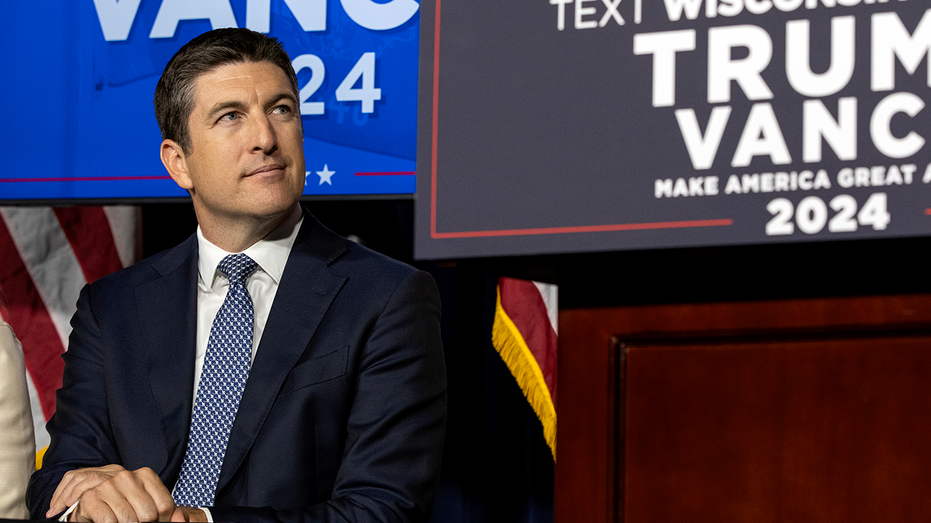
On Monday, House Administration Committee Chairman Bryan Steil, a Republican from Wisconsin, unveiled a comprehensive legislative package. The proposed bills aim to modernize existing campaign finance laws, address vulnerabilities, and prevent illicit influence in the nation’s political processes.

Addressing Modern Vulnerabilities in Campaign Finance

Chairman Steil emphasized that current campaign finance statutes are ill-equipped for the digital era, creating significant loopholes that bad actors exploit. His investigation into ActBlue, a prominent platform for processing political donations, has reportedly uncovered critical gaps.

“The major gaps we’ve uncovered are being exploited by fraudsters and foreign nationals to make illegal political donations,” Steil stated, according to Fox News Digital. He highlighted a specific concern: “right now an individual could make a fraudulent donation online in someone else’s name and avoid getting caught. That’s an unacceptable vulnerability that bad actors are taking advantage of.” This assessment underscores the urgent need for updated regulations to maintain public trust in electoral funding.

Proposed Legislative Solutions for Election Integrity

The legislative package introduced by Chairman Steil consists of two key bills designed to fortify election security and transparency:

  • The Campaign Finance Transparency Act: This bill proposes a new suite of regulations for organizations that process political donations, such as ActBlue. Its primary goal is to ensure greater visibility into the source and nature of contributions, thereby reducing avenues for illicit funding.
  • The Preventing Foreign Influence in American Elections Act: This proposed law directly targets the issue of foreign nationals influencing U.S. elections through non-campaign contribution means. It seeks to close loopholes that could allow foreign entities to fund election-related activities indirectly, protecting the sovereignty of American democratic processes.

A spokesman for Chairman Steil confirmed that these bills are slated for expedited consideration through the House Administration Committee, indicating a strong push to implement these reforms swiftly.

ActBlue Under the Microscope

The impetus for these legislative actions is deeply intertwined with the ongoing scrutiny surrounding ActBlue. Congressional Republicans have intensified their examination of the payment processor following reports of alleged irregularities. In April, The New York Times, citing leaked internal memos, reported that ActBlue’s own lawyers had expressed concerns that the organization might have misled Congress regarding its efforts to prevent foreign nationals from donating to American political campaigns.

These allegations have fueled calls for greater oversight and stricter enforcement of campaign finance rules, particularly concerning online donation platforms that handle vast sums of political money. The conservative editorial line of Matox News strongly supports such institutional checks and balances to ensure fair and lawful conduct.

“My investigation into ActBlue has demonstrated that the current campaign finance laws weren’t drafted for the modern era we live in.”

— Chairman Bryan Steil

The push for these new bills reflects a broader effort to reinforce the foundational principles of electoral integrity and combat potential foreign interference. As the legislative process moves forward, the debate will likely center on striking a balance between promoting transparency and ensuring the practicality of new compliance measures for political organizations. These reforms are crucial for maintaining order and public confidence in our democratic institutions.

Chad Air Strikes on Boko Haram: Dozens of Nigerian Fishermen Feared Dead

Chad Air Strikes Target Boko Haram, Civilians Feared Dead Amidst Regional Counter-Terrorism Efforts

Intensive Chad air strikes targeting Boko Haram strongholds in the volatile Lake Chad region have reportedly resulted in the feared deaths of over 40 Nigerian fishermen. The offensive, launched by Chadian forces in retaliation for recent militant attacks, casts a somber light on the complex challenges of counter-terrorism operations and the tragic collateral damage often borne by innocent civilians caught in the crossfire.

This incident highlights the relentless struggle against extremist groups in the Sahel, a region perpetually grappling with insecurity and humanitarian crises. While nations are compelled to defend against terrorism and protect their citizens, the human cost of such interventions demands careful scrutiny and transparency to uphold professional and factual reporting standards.

Escalating Regional Conflict Against Extremism

The Chadian military initiated its significant air strikes following a series of “unjustified attacks” by Boko Haram. These brutal assaults, which occurred last Monday and Wednesday, specifically targeted Chadian military bases situated near the strategic Lake Chad. Reports indicate that these engagements claimed the lives of at least 24 soldiers and two generals, underscoring the severe and ongoing threat posed by the extremist group to regional stability and national security.

Chad’s presidency, in a public statement disseminated via Facebook, confirmed its retaliatory actions. The statement asserted that its forces had conducted “intensive air strikes” aimed at crippling Boko Haram‘s operational capabilities and deterring further aggression. Such decisive military responses are often deemed essential by sovereign nations to maintain order and protect their institutions from violent insurgency and cross-border terrorism.

Tragic Toll on Vulnerable Fishing Communities

Amidst these necessary counter-terrorism efforts, a deeply troubling narrative has emerged from the local population regarding civilian casualties. Abubakar Gamandi Usman, chairman of the Lake Chad Basin Fisheries Association of Nigeria, informed the BBC of the grim situation facing his community. He stated unequivocally that numerous union members are currently missing, and his association estimates that more than 40 individuals have tragically perished.

Usman’s account suggests a dual tragedy: some fishermen may have been directly impacted by the force of the air strikes, while others reportedly drowned while desperately attempting to flee the ensuing chaos in overcrowded, unstable boats. The immediate lack of recovered bodies complicates official confirmation, yet the consistent testimonies from local leaders paint a stark picture of profound and sudden loss within these vulnerable communities, who rely on the lake for their livelihoods.

“More than 40 fishermen are feared to have perished, either directly from the strikes or by drowning as they desperately tried to escape the violence.”

Official Silence Amidst Humanitarian Concerns

As of the time of this report, neither Nigerian nor Chadian authorities have issued official statements specifically addressing the alleged civilian casualties among the fishing population. This notable silence contrasts sharply with Chad’s public acknowledgment of its successful military operations against Boko Haram. The absence of official comment on the humanitarian aspect leaves many critical questions unanswered regarding the protocols, intelligence, and precautions taken during the strikes to avoid non-combatant harm.

For a region already reeling from years of conflict, displacement, and economic hardship, the potential for significant civilian losses during anti-extremist operations adds another layer of complexity to an already dire humanitarian situation. Ensuring the safety and well-being of non-combatants remains a paramount concern for pro-order and pro-family institutions, even in the face of persistent and brutal threats from terrorist organizations.

Upholding Order While Protecting the Innocent

The incident underscores the delicate and often brutal balance required when confronting entrenched extremist groups like Boko Haram. While strong, decisive action is necessary to safeguard national interests, protect sovereign borders, and ensure regional stability, the protection of civilian lives must remain a core tenet of all military engagements. Matox News believes in robust institutions and the rule of law, which includes accountability and transparency in all governmental actions, particularly those with profound human consequences.

As the international community watches these developments, there is an urgent need for swift investigation and clear communication from all involved parties to ascertain the full extent of this reported tragedy. Only through such diligence and commitment to factual reporting can trust be maintained, and future civilian harm minimized, even as the crucial fight against terrorism continues unabated across the region.

Social Media Auto Publish Powered By : XYZScripts.com