Matox News

Truth Over Trends, always!

David Attenborough Celebrates a Century of Environmental Legacy

David Attenborough turns 100, a milestone that celebrates not only his longevity but his profound impact on environmental awareness and nature broadcasting. As a leading figure in natural history, Attenborough’s work has transcended generations, blending education with conservation advocacy.

Legacy of a Naturalist

Attenborough’s career spans over seven decades, during which he has brought the wonders of the natural world into millions of homes. His documentaries have pioneered techniques in wildlife filming, setting a high bar for visual storytelling. This legacy has helped foster a global appreciation for biodiversity and the urgent need to protect it.

Influence on Conservation Efforts

Beyond his role as a broadcaster, Attenborough has been a vocal advocate for environmental conservation. His clear, fact-based messaging has informed public discourse and influenced policy debates. As highlighted by The New York Times in coverage of his 100th birthday, his work underscores the interconnectedness of ecosystems and humanity’s responsibility to safeguard them.

Enduring Public Inspiration

Attenborough’s ability to communicate complex natural phenomena with clarity and passion has inspired countless individuals worldwide. His dedication to factual, respectful storytelling aligns with conservative values of stewardship and respect for nature. His centennial is an opportunity to reflect on how media can responsibly shape cultural understanding.

Key Contributions at a Glance

  • Revolutionized wildlife documentary filmmaking with innovative techniques.
  • Raised global awareness about climate change and species extinction.
  • Encouraged generations to engage in conservation efforts.
  • Maintained a professional, factual approach to environmental issues.

David Attenborough’s 100th birthday is a testament to his enduring influence. His work remains a vital resource in educating the public on natural history and environmental responsibility, reflecting a commitment to factual, balanced perspectives that resonate across the political spectrum.

Reds' Costly Baserunning Error Highlights Struggles Amid Seven-Game Losing Streak
Reds’ Costly Baserunning Error Highlights Struggles Amid Seven-Game Losing Streak

The Cincinnati Reds are facing mounting challenges as their seven-game losing streak deepens. A critical baserunning error during their recent game against the Chicago Cubs underscored ongoing struggles for the team.

Key Mistake Shifts Momentum

During the bottom of the fourth inning, with the Reds trailing 2-0 and bases loaded, third baseman Ke’Bryan Hayes executed a potential double play. However, Reds catcher Tyler Stephenson failed to tag Cubs runner Ian Happ at home plate. Although the throw beat Happ, the lack of a tag allowed Happ to return safely to the dugout, negating the out.

This error, described by commentators as a “middle school mistake,” directly contributed to the Cubs extending their lead. Chicago scored four additional runs in the inning, eventually winning 8-3 and completing a four-game sweep over Cincinnati.

Reds’ Season Woes Deepen

After a promising start at 20-11, the Reds have struggled significantly in May. The current losing streak has pushed them to the bottom of the National League Central division.

Additional challenges include a recent MLB record-tying event where the Reds walked seven consecutive batters against the Pittsburgh Pirates, highlighting ongoing offensive issues.

Looking Ahead: Opportunities to Rebound

The Reds’ difficult road trip has concluded, and the team is set to host the Houston Astros and Washington Nationals in their next six games. These matchups offer a crucial chance to halt the slide and regain footing in the division.

  • Seven consecutive losses in May
  • Four-game sweep by division rival Cubs
  • Upcoming home games against strong opponents

Conclusion

The Cincinnati Reds’ recent performance has raised concerns among fans and analysts alike. As reported by Fox News, the team must address fundamental errors and improve execution to reverse their fortunes and remain competitive this season.

Shania Twain Hints at New Music with Striking Lingerie-Style Look

Shania Twain, the celebrated country music star, has stirred anticipation among fans by hinting at new music through recent social media posts. Known for her influential career and iconic hits, Twain’s latest teasers suggest a promising return to the music scene.

Teasing New Singles on Instagram

On Wednesday, Twain shared a cryptic video on Instagram featuring herself in cowboy boots and a fringed outfit, walking through a field. The clip shows her raising an axe to chop wood before cutting to black with the message, “Don’t touch that dial. I’ll be right back.” This subtle hint has fueled speculation about upcoming releases.

Striking Lingerie-Style Dress Sparks Buzz

The following day, Twain posted another video showing her dancing in a nude lace dress reminiscent of lingerie. Accompanied by cowboy boots and a hat, she sings lyrics fans believe are from her new single:

  • “You can drive my Hummer, in the summer”
  • “You can drive the ladies in my Mercedes”
  • “But you can’t drive my truck”

The post’s caption reiterates the catchy refrain, “You can drive me CRAZY (BUT… You can’t drive my truck!).” Enthusiastic fans have expressed joy over her return, praising the fresh sound and her iconic style.

Fan Excitement and Anticipation

The response on social media has been overwhelmingly positive. Comments include praise for Twain’s energy and hopes that the new music will become a favorite. This marks her first musical hint since 2023, making the upcoming release highly anticipated.

According to Fox News, these posts clearly signal that Twain is preparing to re-enter the spotlight with new material, delighting her global audience.

Conclusion

Shania Twain’s recent social media activity strongly suggests the arrival of new music. Her blend of classic country style with modern elements continues to captivate fans. As anticipation builds, listeners can look forward to what promises to be a notable addition to her celebrated catalog.

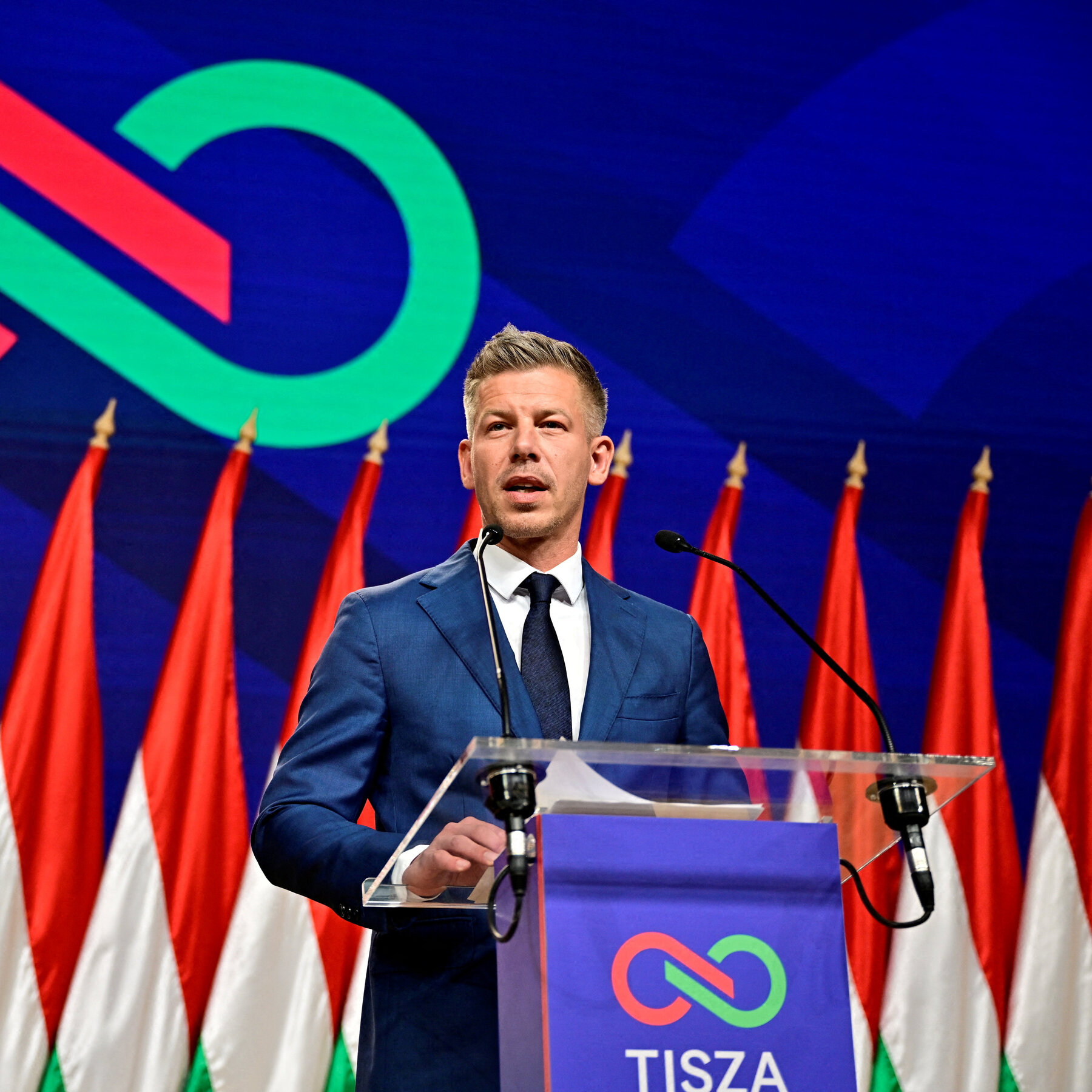
Peter Magyar Set to Succeed Viktor Orban in Hungary After Landslide Win

Peter Magyar is poised to become Hungary’s next leader after securing a sweeping electoral victory. His ascent marks a significant political shift from Viktor Orban’s long-standing governance.

Election Victory Signals Change

Magyar, the former opposition leader, won the election by a wide margin, ending Orban’s tenure marked by a style often described as an “illiberal democracy.” This result reflects voter desire for reform and a new approach to governance in Hungary.

Challenges Ahead for New Leadership

Taking office, Magyar faces the formidable task of dismantling entrenched systems established by Orban’s government. Key areas of focus include:

  • Restoring democratic institutions
  • Enhancing rule of law and judicial independence
  • Rebuilding Hungary’s relationships within the European Union

These reforms will be critical to aligning Hungary more closely with traditional democratic standards and strengthening its international standing.

Implications for Europe and Beyond

Magyar’s leadership could herald a new chapter in Hungarian politics, impacting regional dynamics. As reported by The New York Times, this transition is being closely watched by policymakers and analysts across Europe.

While Magyar’s victory offers hope for political renewal, success will depend on his administration’s ability to address complex domestic and international challenges.

In conclusion, Peter Magyar’s rise ushers in a pivotal moment for Hungary. His upcoming leadership will test the nation’s capacity to move beyond the legacy of illiberal governance towards a more open and democratic future.

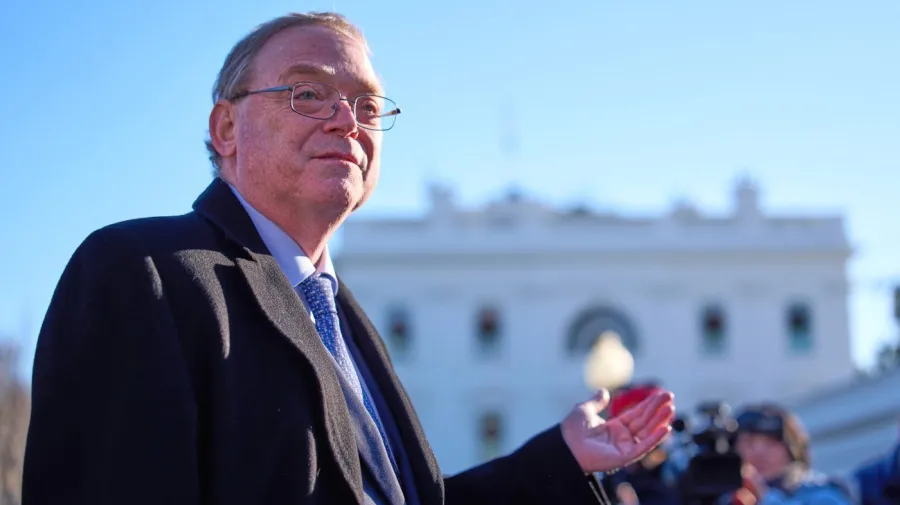
Trump economic adviser warns: Credit card use is soaring among youth.

The Echoes of Power: Economic Optimism in an Uncertain Age

Amid escalating geopolitical tensions, notably the ongoing Iran conflict, the economic narrative presented by President Trump’s advisors signals a resolute belief in the resilience of the American economy. On Wednesday, a senior economic adviser confidently projected a “very, very strong” job market future, asserting that despite the perils of war, consumer confidence remains buoyant. Evidence from the financial sector reveals credit card expenditures soaring, with banking officials indicating that consumer spending is “through the roof.” This apparent economic vigor seems to reinforce the conservative narrative that, under America’s free-market enterprise, resilience persists—even when the geopolitical horizon darkens.

This stance aligns with a broader ideological framework that views the free market as a bulwark against global instability. Yet, critics—often from progressive or Keynesian perspectives—question whether this optimism obscures underlying vulnerabilities. Renowned political theorists like Friedrich Hayek have long argued that market signals serve as vital feedback mechanisms; however, in moments of crisis, these signals can be manipulated or misinterpreted, shaping public perception and policy decisions in ways that favor the powerful. The decision by government officials and financial elites to project unwavering confidence illustrates a classic power struggle: the attempt to maintain market stability while preserving the influence of entrenched economic interests, even as the tangible lives of ordinary Americans hang in the balance.

Decisions That Define the People: The Political Stakes

At the heart of this economic outlook lies an ongoing power struggle. The political class, wielding influence over fiscal policies and international relations, sets the tone for how decisions impact the populace. The recent policy shifts—particularly under the shadow of war escalation—highlight key tensions: will the government prioritize military engagement or domestic recovery? As policy reforms accelerate, the question remains whether the prevailing narrative effectively shapes the people into both beneficiaries and spectators of these strategic battles.

Historical parallels resonate deeply in these moments. Just as Reagan’s economic policies aimed to invigorate American enterprise amid Cold War tensions, today’s leaders brandish optimism to shore up morale and mitigate fears. Yet, the risk remains that this optimism may mask profound structural vulnerabilities: debt accumulation, inflation spirals, and unequal wealth distribution. The constitutional architecture of the nation—its checks and balances—faces ongoing tests of resilience, as executive power increasingly confronts calls for accountability amid crisis. The political landscape is a crucible where ideas about populism vs. elitism, security vs. liberty, and protection vs. free enterprise clash fiercely, shaping the destiny of the republic.

The Stage of Politics: Where Destiny Is Forged

As the drums of war echo around the globe, the true battleground is within the corridors of power. Decisions enacted today—be they military commitments or economic policies—will carve out the future for generations. The rhetoric of strength and resilience cloaks complex power struggles that threaten to redefine constitutional norms and democratic accountability. Political theorists warn that in such moments, the state’s capacity to endure hinges on a delicate balance: harnessing the energies of its populace without succumbing to authoritarian temptations.

Ultimately, politics becomes a stage where the destiny of nations is scribed in the ink of strategic choices and ideological victories. Just as Carl Schmitt declared, “The sovereign is he who decides on the state of exception,” today’s leaders deftly navigate crises—real or perceived—to cement their influence. As the world watches, the question persists: will those in power shape history for the collective good or for their own enduring empire? In this play of power, the stakes are nothing less than the destiny of an entire civilization, written in the shadows of diplomacy, war, and economic prudence.


Cruise Ship Hit by Hantavirus Departs Cape Verde Following Evacuations

In an unexpected development in the ongoing global health and security landscape, the United Kingdom has confirmed that a British national is among three evacuees transported to the Netherlands after exhibiting symptoms aboard the MV Hondius. This vessel, originally tasked with a maritime operation, has now become a focal point of international concern, highlighting how recent events continue to ripple across national borders and geopolitical stability.

According to officials, the evacuees were identified following a routine health assessment onboard the vessel, which was under strict quarantine measures. The individual in question reportedly displayed symptoms consistent with a contagious disease, prompting immediate cooperation with European health authorities. The decision to evacuate and isolate these individuals underscores the delicate balance nations attempt to strike amid rising fears of infectious outbreaks—especially as global populations become increasingly interconnected. Analysts note that this episode emphasizes how simple health scares can escalate into broader diplomatic and security stakes, especially in geopolitically sensitive zones.

International organizations, such as the World Health Organization and EU health officials, have swiftly responded, reinforcing protocols for the management of potentially infected individuals at sea and within international waters. This incident forms part of a broader pattern that dates back to recent crises involving maritime quarantine procedures—highlighted by historians as emblematic of the unpredictable challenges faced in 21st-century geopolitics. The UK government has stated that the evacuees are receiving appropriate medical attention in the Netherlands, reflecting a coordinated effort to contain any potential health threat while maintaining diplomatic channels open.

Experts warn that these incidents serve as a stark reminder of the fragile interconnectedness of the modern world. Policymakers and international agencies continuously grapple with the fallout of decisions made amidst crises, often revealing the underlying tensions between national sovereignty and multilateral cooperation. How nations respond to transnational health threats not only shapes the immediate outcome of such incidents but also influences their geopolitical leverage and societal stability in the long term. As the world watches this evolving story, it becomes increasingly clear that the unfolding events aboard the MV Hondius are a microcosm of a larger, more turbulent era—where the balance of health, security, and diplomacy is more delicate than ever before.

Former OpenAI Board Member Reveals Elon Musk Offered Sperm Donation to Support Innovation

AI Industry Reshaping the Global Economy: Legal Tensions and Market Impacts

The ongoing legal battles within the artificial intelligence sector are echoing far beyond the courtroom, signaling a critical juncture for market stability and policy direction. Recently, OpenAI has become embroiled in a dispute that centers around internal communications, including emails and text messages, revealing deliberations on restructuring its corporate framework. These insights, disclosed through legal proceedings involving Sam Altman, Greg Brockman, and Elon Musk, emphasize the complex web of corporate interests and the high stakes involved in AI’s rapidly evolving landscape. As lawyers seize on these historical communications, the industry teeters on the edge of a transformative period, with ramifications that will ripple through the broader tech economy.

Market analysts are closely watching this legal saga as it underscores the underlying tension between strategic innovation and regulatory oversight. The tech giants, particularly those on the forefront of AI development, are navigating a delicate balance—aiming to capture market share while avoiding potential pitfalls that could stem from corporate restructuring or regulatory sanctions. Economists from prominent think tanks warn that prolonged legal uncertainty could stifle growth in the sector, which has become a crucial driver of global economic dynamism. Notably, the AI market is projected to grow at an average rate of 20% annually over the next five years, but this trajectory may accelerate or decelerate depending on the outcome of current disputes and policy shifts.

Investors are poised, watching for signs of market impact as new information about internal governance surfaces. The controversy highlights the broader risk associated with rapid technological advancement: regulatory overreach threatens to impose constraints on innovation, while overly lax policies may lead to monopolistic practices or ethical breaches. What is clear, however, is that the global economy will not remain unaltered. The interplay between legal frameworks and technological prowess will define the competitive landscape for decades to come, influencing investments, venture capital flows, and startup activity. As renowned economists suggest, the key moving forward is fostering a framework that encourages pioneering R&D while ensuring accountability and transparency.

Ultimately, this clash within the AI sector reflects a broader truth: the economy is a living, breathing organism, and its future vitality depends on how nations and corporations steer their policies through turbulent waters. The current legal tensions symbolize a moment of reckoning—testing the resilience of market forces and the strategic agility of industry leaders. As market impact unfolds and policy responses form, the stage is set for the emergence of new economic paradigms. These developments underscore that, in the grand scheme, artificial intelligence is more than just technology; it is a power shaping, and being shaped by, the most fundamental currents of global influence. The pulse of this dynamic sector will determine which nations and companies rise to dominate the future economy, forging a new era where innovation and regulation dance a delicate, high-stakes ballet.

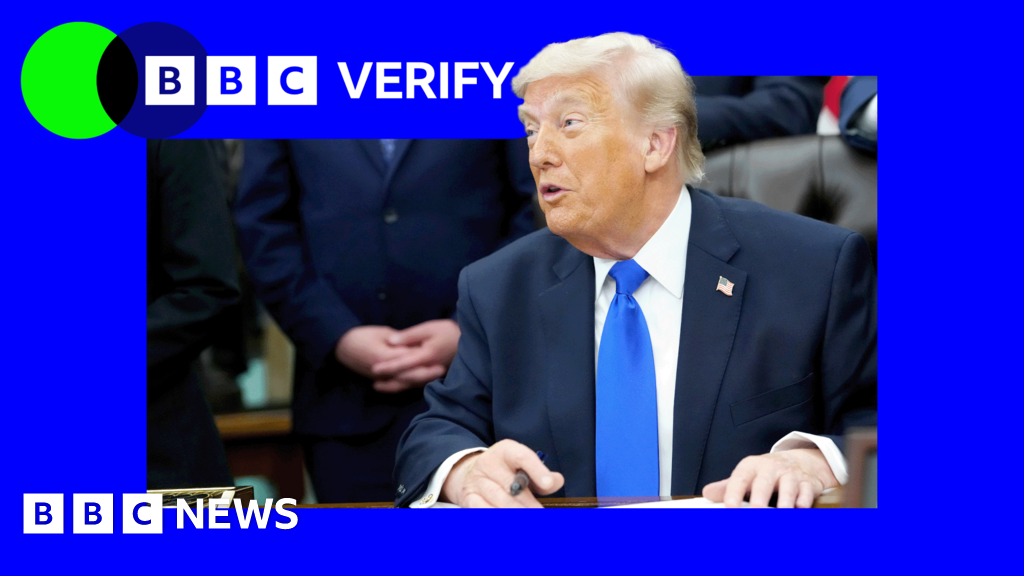
Trump Pulls Back on Hormuz Blockade Just 50 Hours After Announcing—What’s the Real Deal?

In a strategic move that has captured international attention, the President of the United States announced a temporary pause in a significant military operation designed to secure vital maritime routes through the Strait of Hormuz. This narrow and globally critical waterway, which links the Persian Gulf to the Arabian Sea, remains the focal point of geopolitical tensions and the hub of international energy supplies. The decision, made just two days after the initial announcement, underscores the delicate balance between assertive military posture and diplomatic maneuvering on the world stage.

According to official sources, the pause aims to facilitate the passage of U.S. Navy ships through the Strait, signaling an attempt to de-escalate immediate tensions. Analysts suggest that this move reflects a broader strategy to avoid escalation with regional powers, notably Iran, which has historically responded to U.S. military actions with increased hostility and destabilizing acts in the Gulf. Historically, the Strait of Hormuz has been the epicenter of conflict and brinkmanship, with over a fifth of global oil supplies passing through its waters. Recent years have seen tensions flare over Iran’s attempts to block or threaten shipping, leading to fears of a wider regional conflagration.

International organizations and geopolitical analysts have weighed in on the implications of this tactical pause. The International Maritime Organization cautions that even temporary military standoffs can have lasting destabilizing effects, disrupting global energy markets and regional diplomacy. Meanwhile, foreign policy scholars, such as Dr. Elizabeth Johnson, emphasize that decisions made in moments of crisis often set precedents. The current maneuver, they argue, could either pave the way for renewed diplomatic negotiations or inexorably lead to further confrontations that threaten global security. The geopolitical impact of this delicate operational pause is profound, as it reflects the ongoing tug-of-war between U.S. military assertiveness and regional diplomacy.

Observers note that the recent actions are part of a broader pattern where Washington seeks to project strength, yet recognizes the potential costs of full-scale conflict. The strategic importance of the Strait of Hormuz is unparalleled; control over this chokepoint influences not just regional, but global energy security. Historians warn that past conflicts in this area, such as during the Iran-Iraq War, have shown how rapid escalation can spiral quickly beyond initial intentions. As flickers of diplomacy now flicker amidst the shadow of military readiness, the world confronts the possibility that these tactical decisions could either reinforce peace or slip into a destabilizing regional war.

As the international community watches anxiously, history looms large. The decision to pause military actions, while seemingly momentary, echoes with the weight of centuries of maritime disputes, ideological clashes, and economic stakes. The narrative unfolding here is not just about ships passing through straits but about the profound choices that shape the future of international order. With each passing day, the drama in the Persian Gulf unfolds with the silent promise that every decision now could echo through the corridors of history, defining the 21st century’s geopolitical landscape—either as a new chapter of stability or the beginning of a turbulent era that could engulf the global stage in chaos.

Reading’s housing future: What’s on the horizon for young residents?

As local elections approach in Reading, the overarching concern that dominates the discourse is housing. Across political lines, the debate intensifies around how best to navigate the complex web of urban development, affordability, and sustainable growth. For political analysts, this election represents more than a routine democratic exercise; it exposes the power struggles shaping the future trajectory of local governance and the decision-making processes that directly impact the lives of constituents.

At the heart of this contention lies the contrast between established urban planning policies and groundbreaking reforms proposed by grassroots coalitions. Traditionally, the dominant political forces in Reading, often aligned with center-right parties, have championed fiscal conservatism and market-driven development. These policies tend to favor large-scale housing projects, frequently criticized for disenfranchising lower-income residents and accelerating gentrification. Conversely, emerging progressive factions advocate for affordable housing mandates, community-led planning, and protections for vulnerable populations. The ensuing power struggle exemplifies a broader ideological battle—whether to prioritize economic expansion or social equity—echoing debates that have historically shaped municipal governance.

This contest over policy directions is compounded by constitutional questions surrounding local authority and citizen participation. Some experts draw parallels with historical moments like the 19th-century Chartist movement, which demanded greater voice for the working class—highlighting how decision-making shifts influence the social fabric. Recent legal debates also question whether municipal leaders are overstepping their constitutional boundaries in pursuit of aggressive land-use reforms. Such disputes underscore the importance of power dynamics in shaping the urban landscape, with each side jockeying to secure their vision of the city. The outcome of these elections could determine how Reading’s governance balances public interests against private enterprise, impacting generations to come.

It is precisely this clash of visions that frames local politics as a microcosm of national ideological battles. The electorate’s choice will signal whether Reading adopts a more progressive path emphasizing social justice and inclusivity, or adheres to a more conservative stance prioritizing fiscal responsibility and market freedoms. During campaigns, candidates articulate starkly contrasting promises—those seeking to expand public housing initiatives versus advocates for reducing regulatory red tape for developers. Such policy decisions are not mere administrative acts; they delineate the moral and economic compass of the city, shaping how the population interacts with its infrastructure, economy, and community life.

Ultimately, local elections reveal that politics remains the ultimate stage of destiny, where ideologies clash, alliances shift, and power dynamics reconfigure the foundations of society itself. The choices made in Reading’s voting booths today will ripple through the corridors of power and into the daily lives of its citizens, reaffirming that governance is less about bureaucracy and more about the battle for the soul of the city. In this fierce contest, history reminds us that those who grasp the levers of authority not only write laws but also carve the very destiny of their communities—prompting each voter to consider: who truly controls the future?

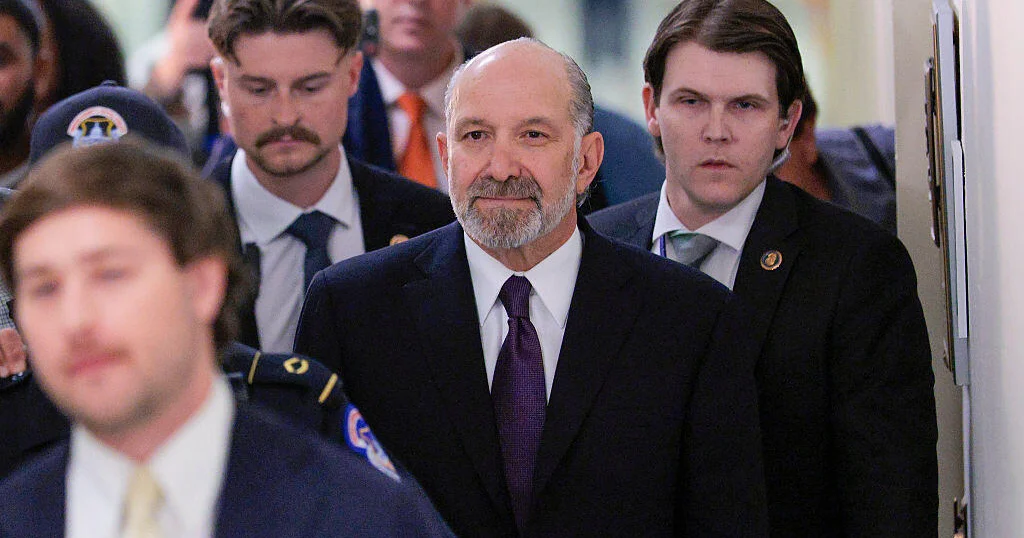
Lutnick testifies to Congress on Epstein case, youth concerns highlighted

Power Struggles and the Shadow of Epstein: Unveiling the Political Drama

On a day that spotlighted the enduring tentacles of power and influence, Commerce Secretary Howard Lutnick found himself scrutinized before the House Oversight Committee in connection with the Jeffrey Epstein scandal. This hearing is emblematic of a larger conflict over transparency, accountability, and the true extent of political protection. As allegations swirl and testimonies unfold, it becomes increasingly clear that the inquiry is more than just about one individual’s actions—it’s about the very fabric of power that often shields the elite from justice. The committee’s questioning underscores a critical moment where decision-makers are forced to confront the murky intersection of wealth and political influence, shaping the lives of ordinary citizens and the integrity of the nation’s political institutions.

The Epstein case, long a symbol of systemic corruption and clandestine networks, exposes a power struggle rooted in the desire for accountability. Historically, such scandals have revealed how political and economic elites operate in a world where justice is often manipulated by those with the most influence. Critics argue that behind the curtain, figures like Lutnick may have navigated a web of connections that protected them from scrutiny, echoing historical parallels such as the Teapot Dome scandal or the Watergate scandal, where the real battle was fought behind closed doors. The ongoing investigation signifies a concerted effort by a restless political class eager to shed light on these obscured dealings, holding up a mirror to the enduring question: who truly controls the levers of power, and at what cost to the American people?

Amidst the spectacle, political analysts emphasize that decisions made today will echo in the corridors of power for years to come.

  • The committee’s focus on transparency aims to dismantle the immunity often granted to the powerful, veering toward a more accountable political environment
  • The inquiry underscores the importance of *constitutional oversight* and the necessity of safeguarding the rule of law in confronting systemic corruption
  • Calls for reforms that could tighten the oversight of elite financial and political networks are gaining momentum, driven by a public increasingly skeptical of ‘business as usual’

The ideological clash is evident: on one side, defenders of entrenched privilege argue that such inquiries threaten economic stability or diplomatic diplomacy; on the other, reform-minded voices insist that restoring integrity to governance is paramount, even if it means confronting uncomfortable truths about those in power. The decision to probe Lutnick and others reflects a broader *fight for the soul of the nation*—a battle between those who believe in transparency and those who clutch tightly to their clandestine influence.

Drawing from figures like Alexander Hamilton and Friedrich Hayek, commentators suggest that our constitutional roots are being tested anew. The question hinges on whether the structures designed to preserve liberty can withstand the encroachments of unchecked power, or whether the shadow cast by elite collusion will deepen further. Habeas corpus and the independent judiciary serve as battlegrounds where constitutional experts warn the real contest is for the controls of destiny. As history demonstrates, when elites escape accountability, democracy itself risks erosion—a danger that vigilant oversight must confront head-on. The unfolding drama of Lutnick and the Epstein legacy is thus a stark reminder that politics is not merely a game of policy but a battlefield where the very fate of sovereign liberty is fought.

In this arena of raw power and relentless accountability, the ordinary citizen remains an observer—yet within this spectacle, the ink is being written where the future will be forged. Politics, after all, is the stage where the architects of a nation’s destiny come into focus, shaping laws, influencing powers, and ultimately deciding whether justice is a shield for the righteous or just another weapon in the hands of the powerful. As the echoes of this inquiry fade into history, one truth endures: in the relentless pursuit of truth and justice, the true rulers are the ones who dare to confront the shadow, for it is in these fiercest struggles that the very spirit of democracy is tested—and often, reborn.

Social Media Auto Publish Powered By : XYZScripts.com