As nuclear discussions with Iran remain tense and uncertain, Washington is poised to implement a strategic military response aimed at weakening Tehran’s key defense assets. This approach reflects a commitment to uphold stability in the Gulf region while maintaining pressure on Iran’s nuclear ambitions.
U.S. officials are reportedly developing a graduated operational plan targeting Iran’s missile systems, naval forces, and command networks. This calibrated strategy is intended to deter further aggression and prevent nuclear proliferation.
Fragile Diplomatic Ground
Negotiations are ongoing, focusing on a preliminary framework that could open the door to broader agreements regarding Iran’s nuclear program and sanctions relief. However, mutual suspicion clouds progress.
Retired Army Colonel Seth Krummrich, formerly a Joint Staff planner, described the situation as starting “at minus 1,000” regarding trust, underscoring the diplomatic challenges ahead. This deep mistrust increases the likelihood of military options gaining prominence if talks collapse.
Phased Military Strategy
The U.S. military’s playbook involves a stepwise campaign:
- Initial strikes on missile launch sites to degrade Iran’s offensive capabilities.
- Targeting naval assets near strategic chokepoints, such as the Strait of Hormuz, to ensure freedom of navigation.
- Disrupting command and control infrastructure to impair Iran’s coordination and responsiveness.
- Potential escalation to economic targets if warranted by Iran’s actions.
This approach aims to maintain pressure without precipitating full-scale conflict, balancing deterrence and restraint.
Recent Developments and Regional Implications
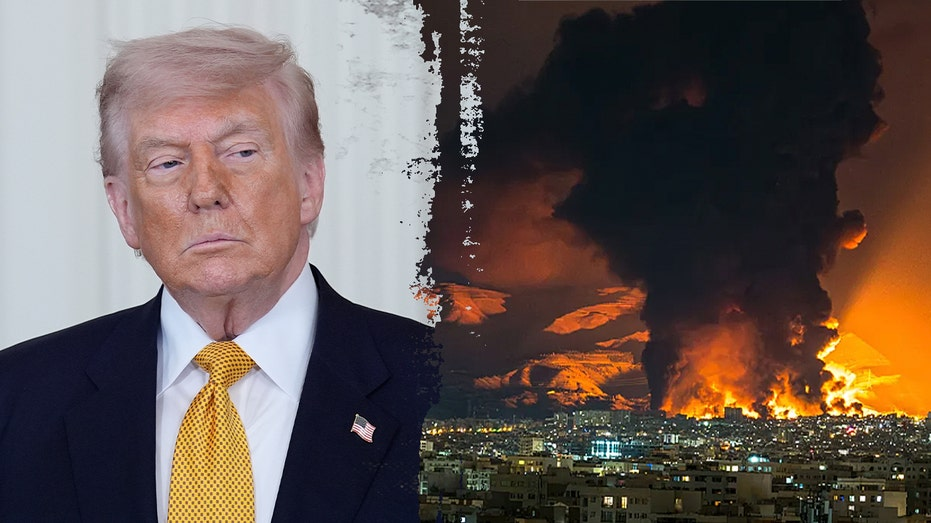
Recent U.S. strikes on Iran’s Qeshm and Bandar Abbas ports, near the critical Strait of Hormuz, highlight the seriousness with which Washington views threats to regional security. These operations followed Iran’s missile attacks on the UAE’s Fujairah port, which escalated tensions among Gulf allies.
Defense leaders emphasize that these actions do not signify the resumption of open hostilities but serve as measured responses within an ongoing ceasefire framework.
“We’re both starting at minus 1,000 because neither side trusts each other at all,” remarked a military analyst on the challenging negotiation climate.
Maintaining Order and Upholding Institutions
The U.S. approach underscores a commitment to institutional processes and measured responses rather than precipitous escalation. It balances firm defense of allied interests with a preference for diplomacy.
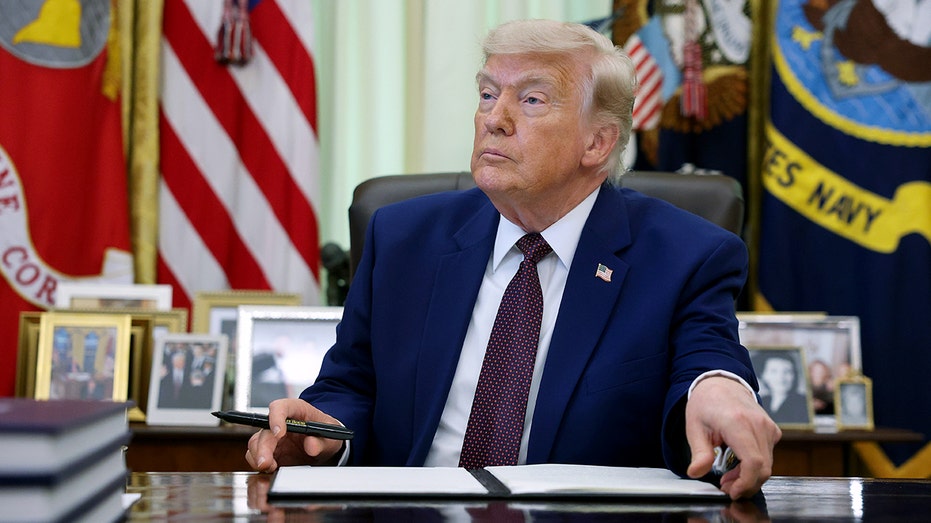
While President Trump has indicated willingness to escalate strikes against Iran’s energy infrastructure if talks fail, current military leadership advocates for a calibrated campaign maintaining regional order.
As Matox News reports, this strategy reflects a pragmatic center-right perspective prioritizing stability, free markets, and the rule of law amid complex geopolitical challenges.
With the situation evolving, the international community watches closely, hopeful that diplomacy can prevail but prepared for a robust defense of shared security interests.